Letter recognition Phonics Worksheets for Ages 3-4
22 filtered results
-
From - To
Unlock your child's potential with our engaging Letter Recognition Phonics Worksheets, designed specifically for ages 3-4! These interactive materials make learning the alphabet fun and effective, helping your little one identify and distinguish between letters. Each worksheet offers colorful illustrations and activities that not only enhance letter recognition skills but also promote early language development. By integrating phonics with playful exercises, we foster a love for learning in young minds. Perfect for homeschooling or supplemental tutoring, our worksheets are a valuable resource for parents and educators alike. Begin your child's phonics journey today with these delightful, educational tools!
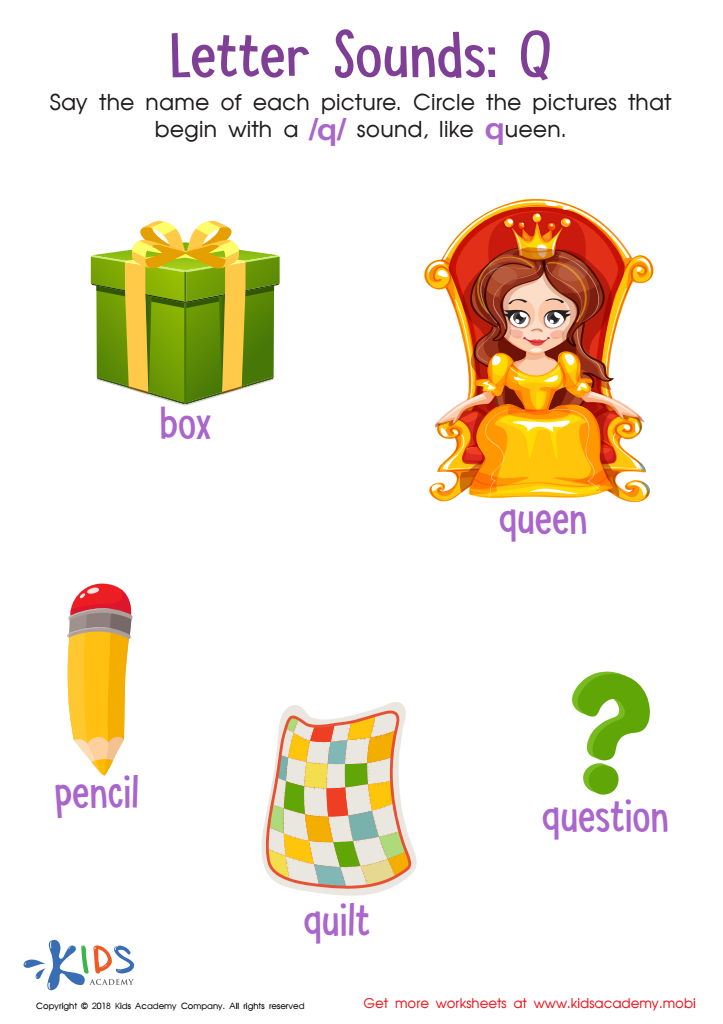
Letter Q Sounds Worksheet
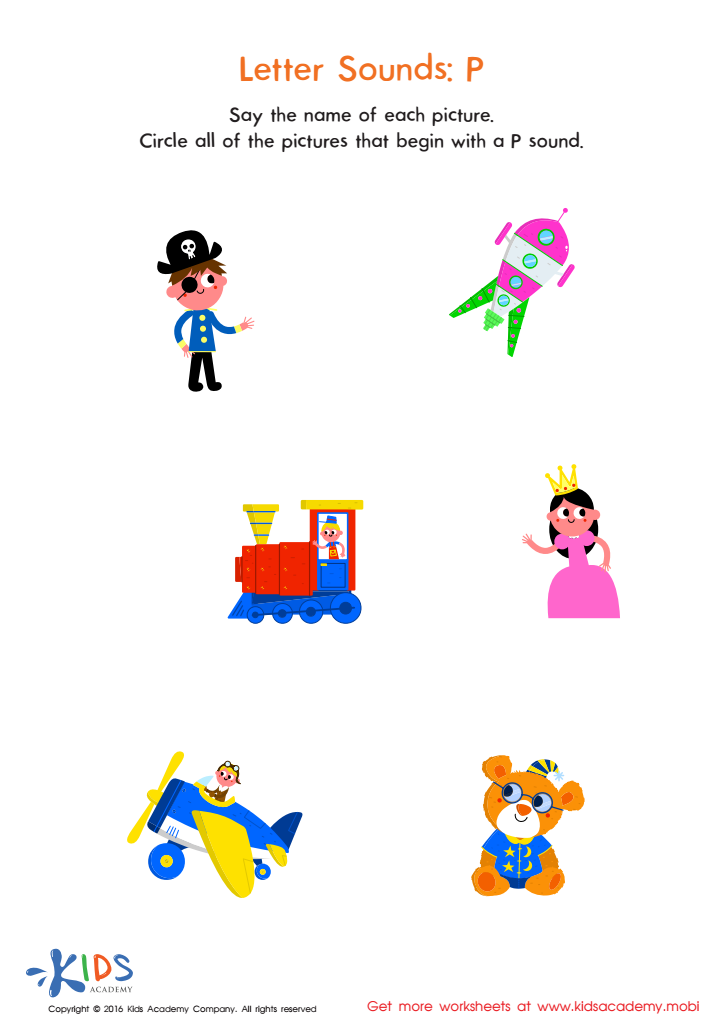
Letter P Sound Worksheet
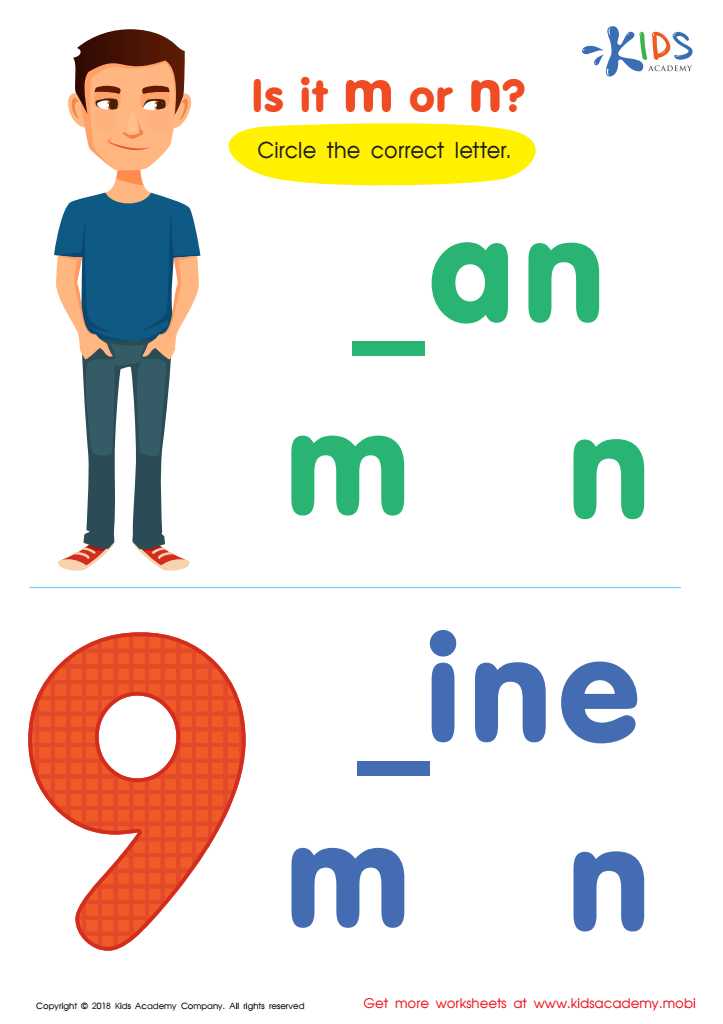
Is It m or n? Worksheet
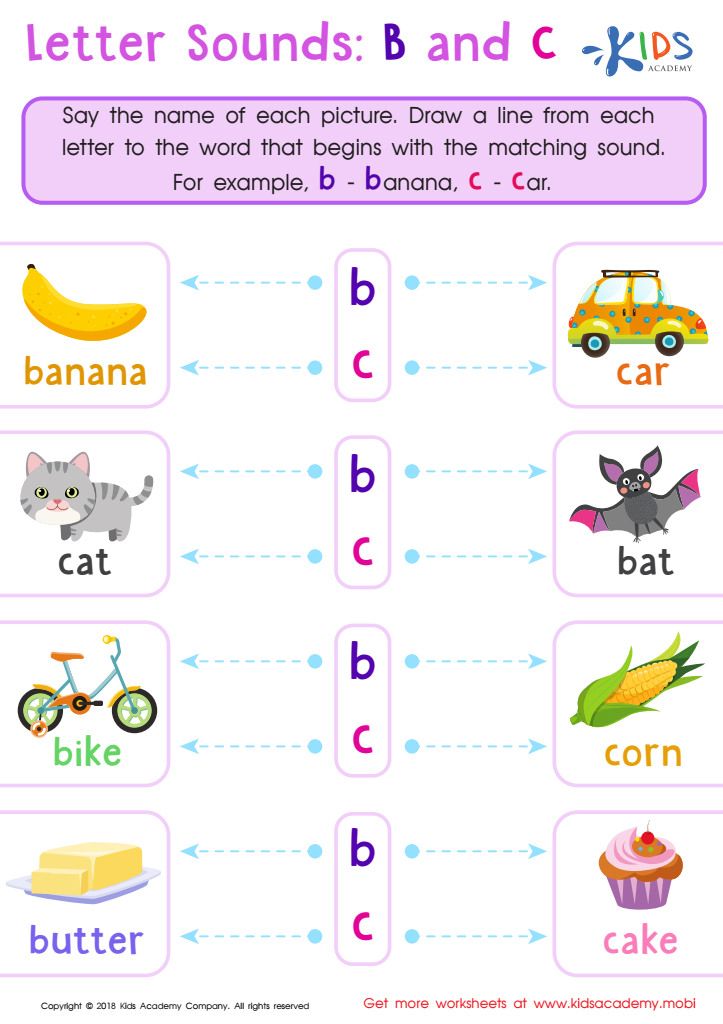
Letter B and C Sounds Worksheet
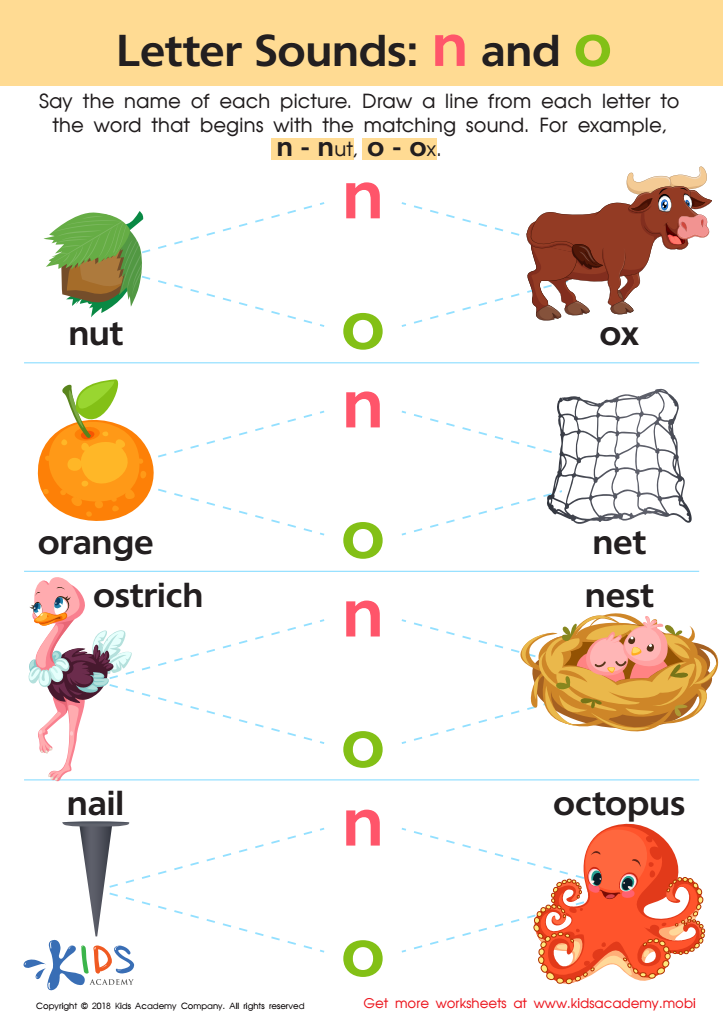
Letter N and O Sounds Worksheet
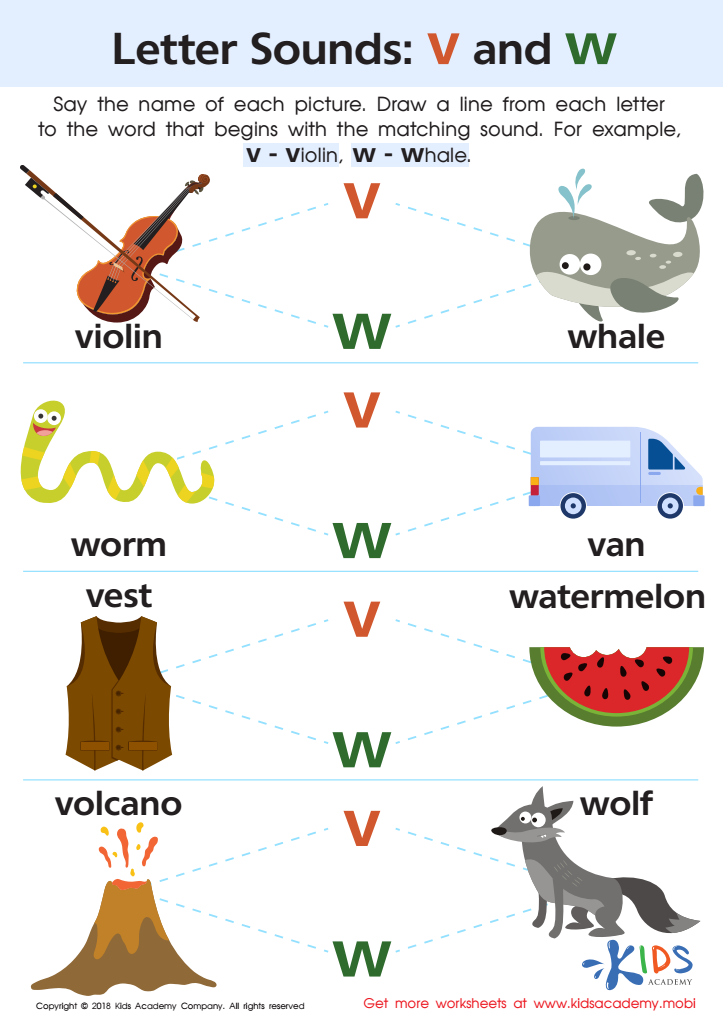
Letter V and W Sounds Worksheet
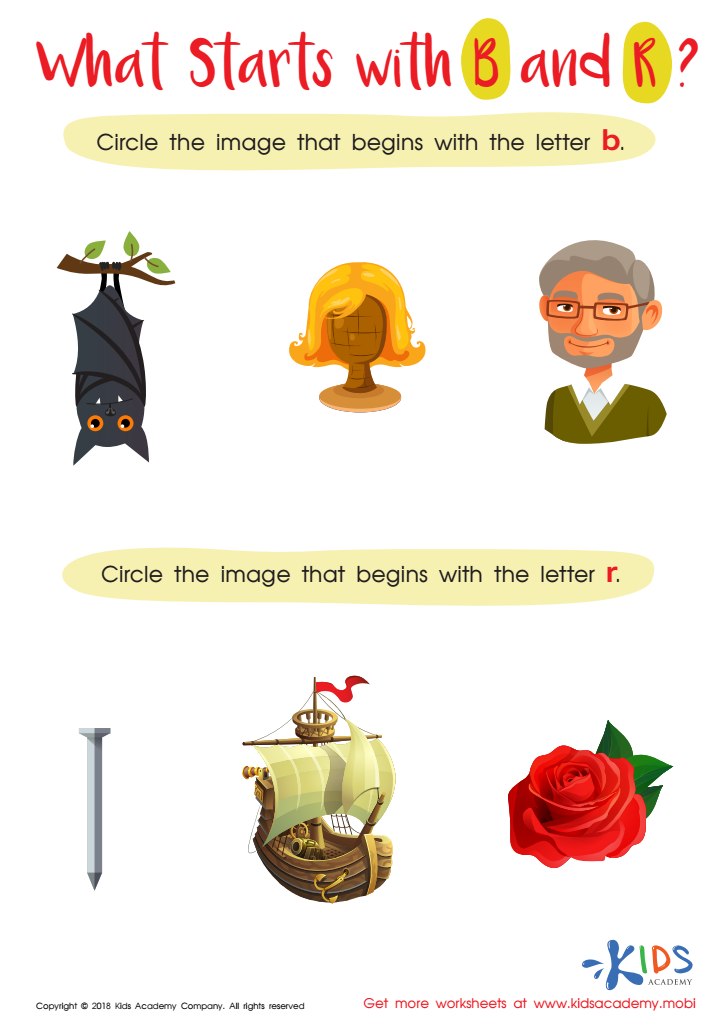
What Starts with B and R? Worksheet
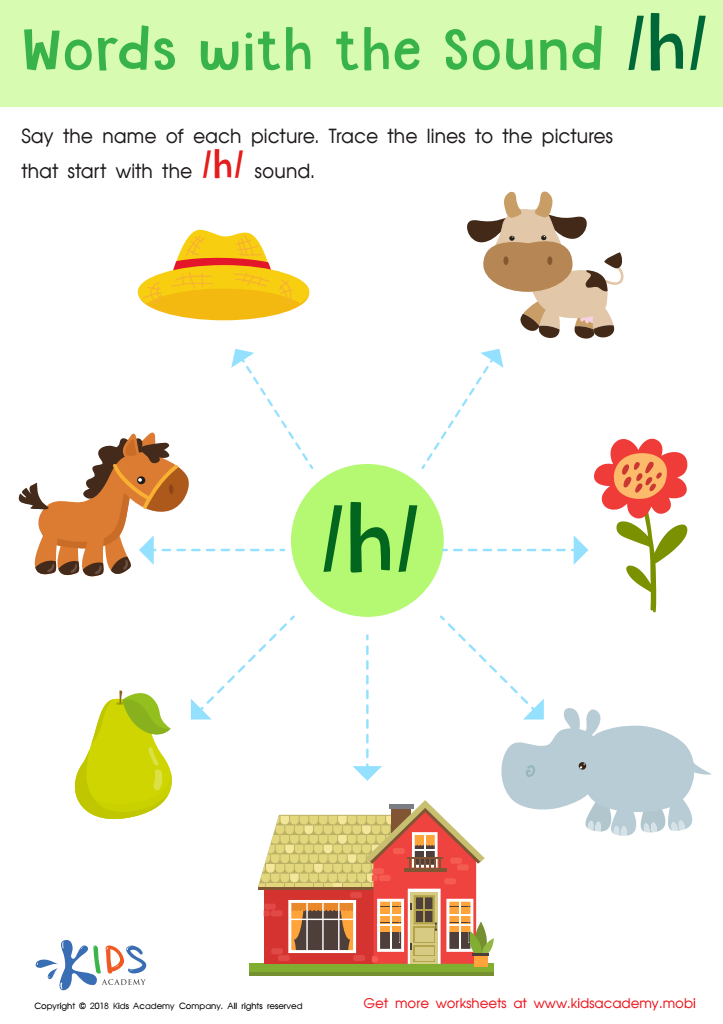
Words with sound h Reading Worksheet
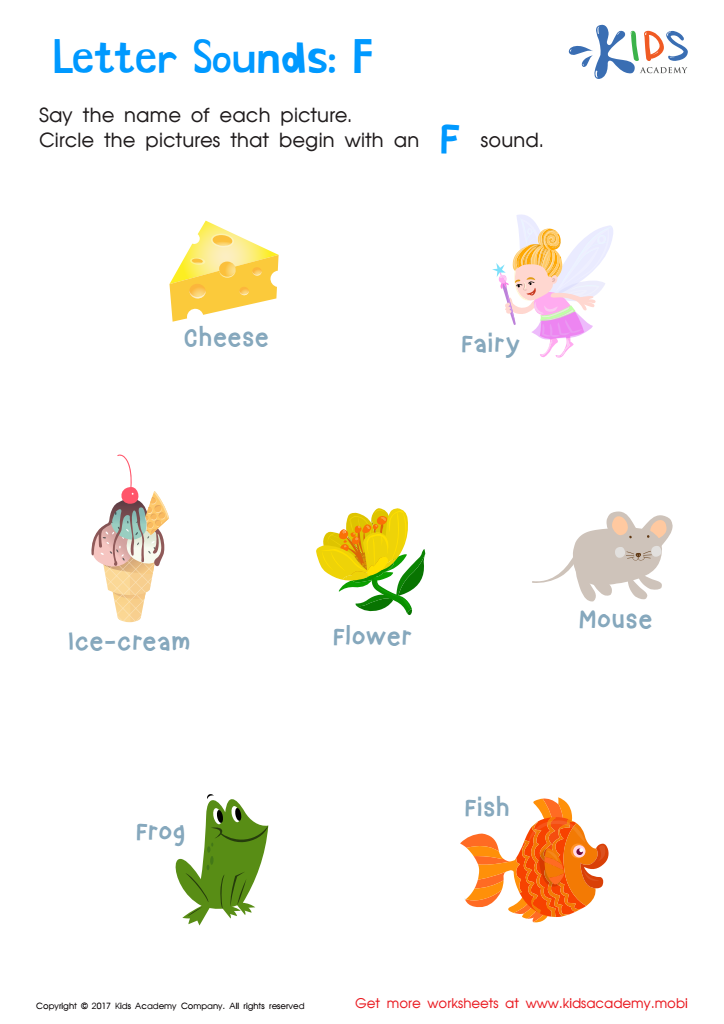
Letter F Sounds Worksheet
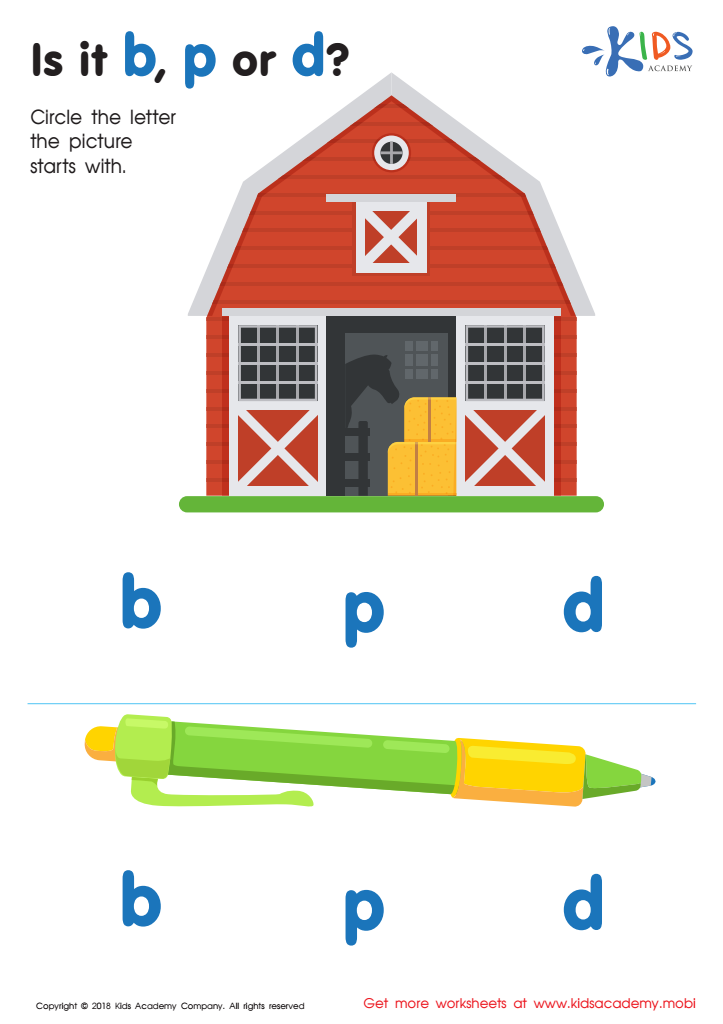
Is it b, p or d? Worksheet
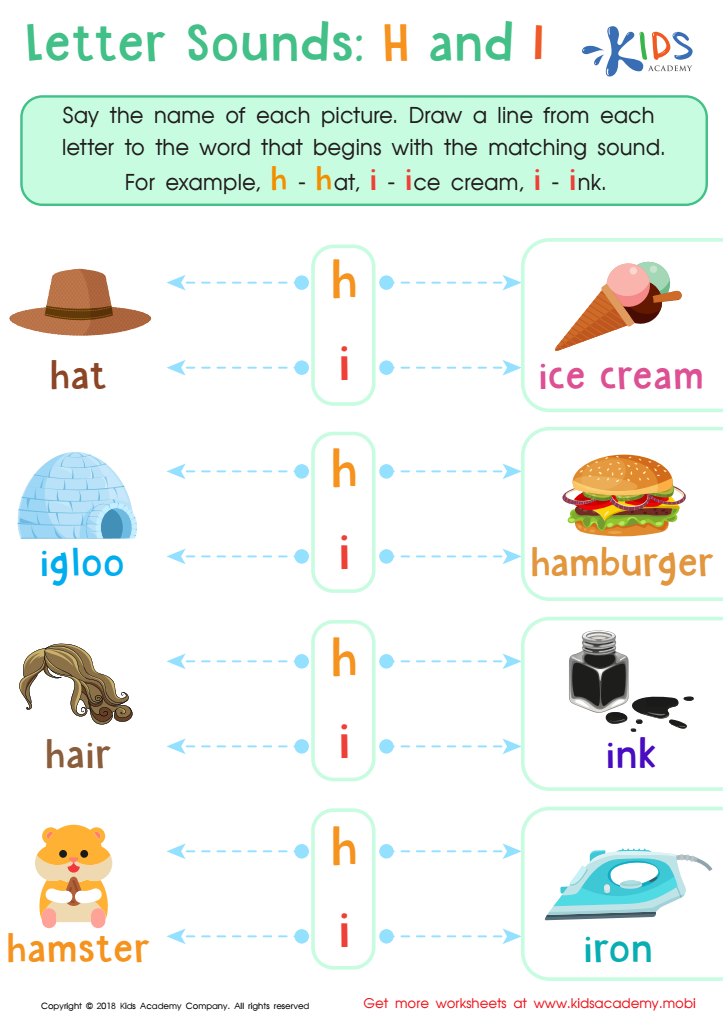
Letter H and I Sounds Worksheet
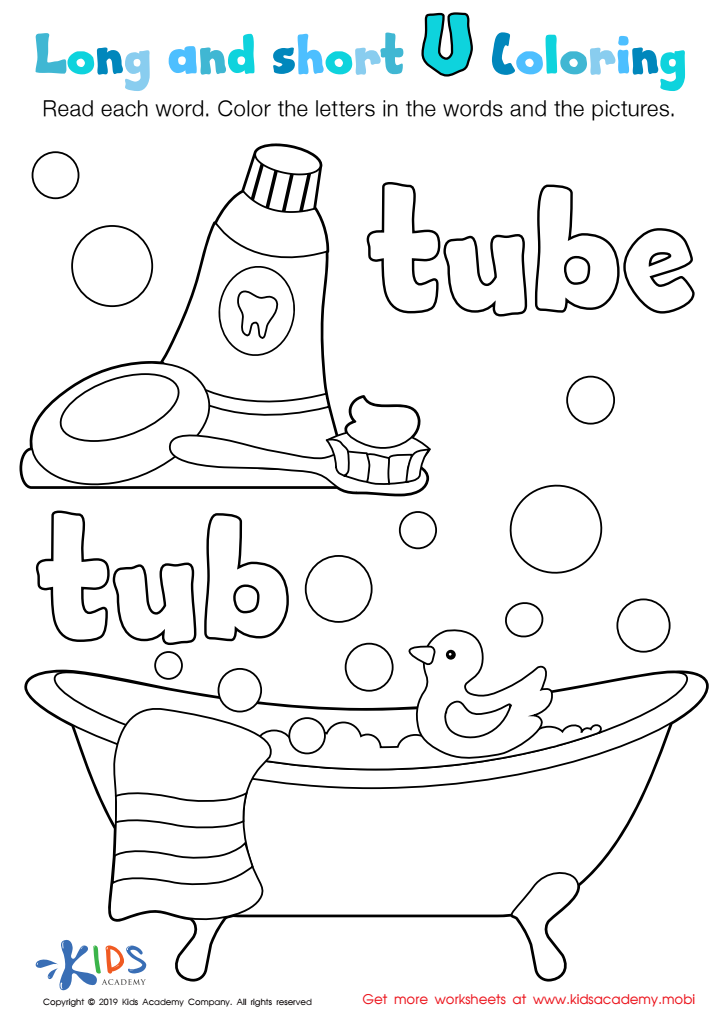
Long and Short U Worksheet
 Assign to My Students
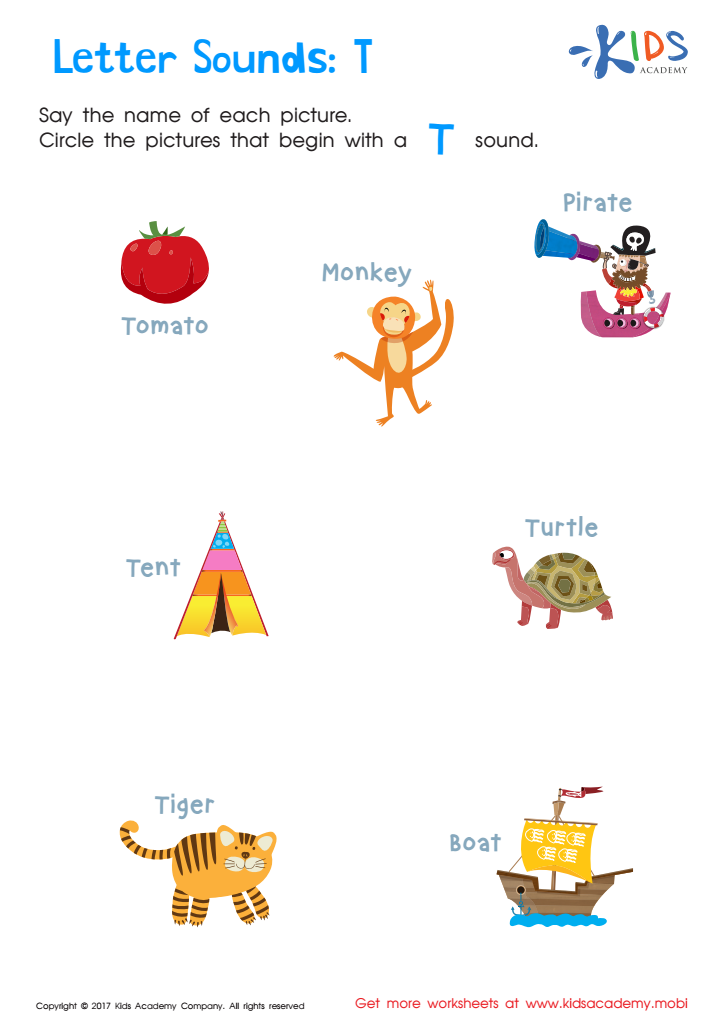
Letter T Sounds Worksheet
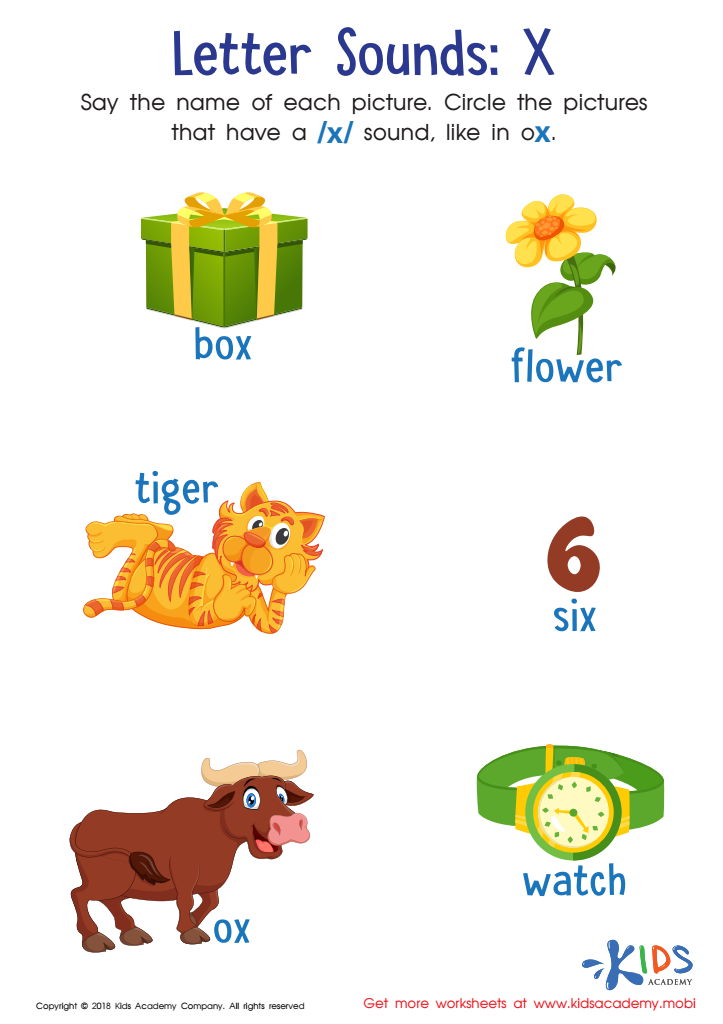
Letter X Sounds Worksheet
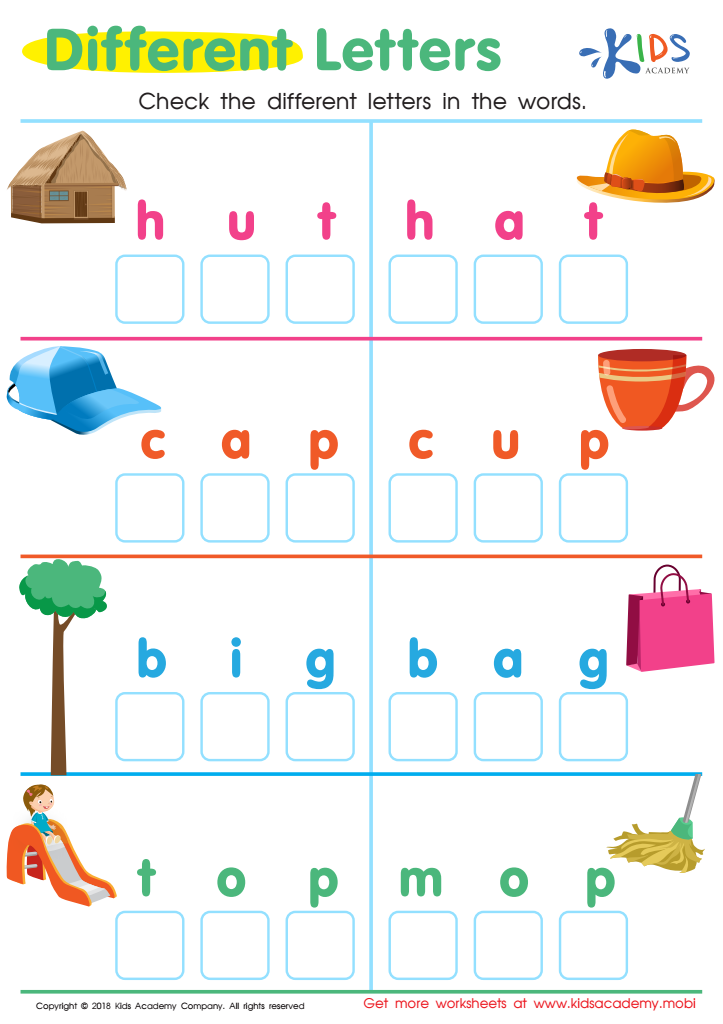
Different Letters Reading Worksheet
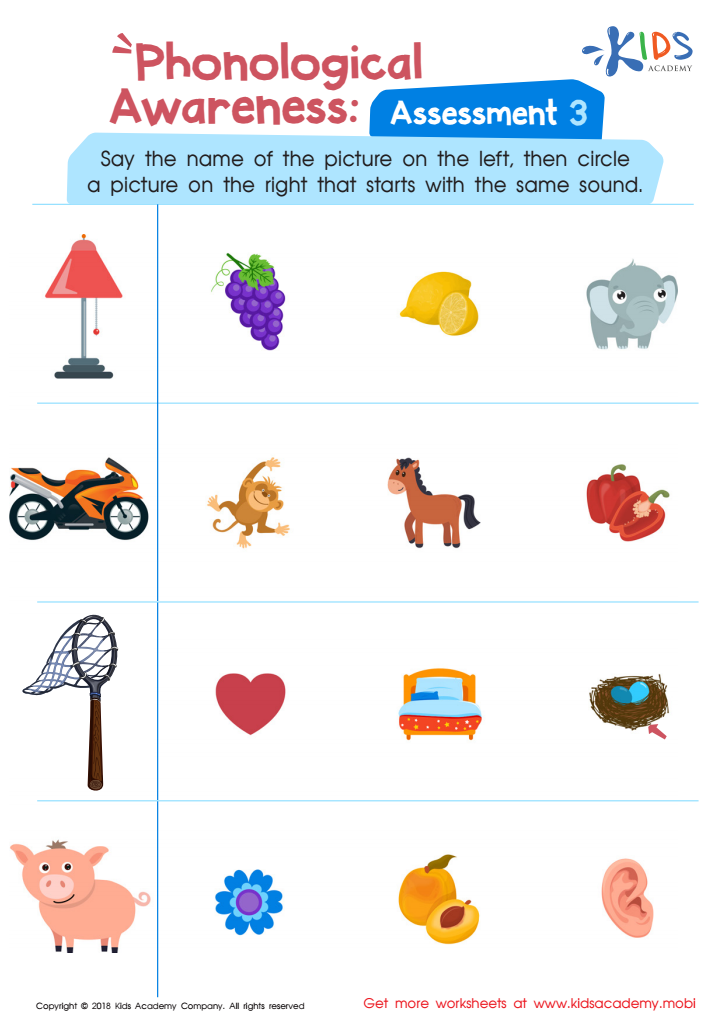
Phonological Awareness: Assessment 3 Worksheet
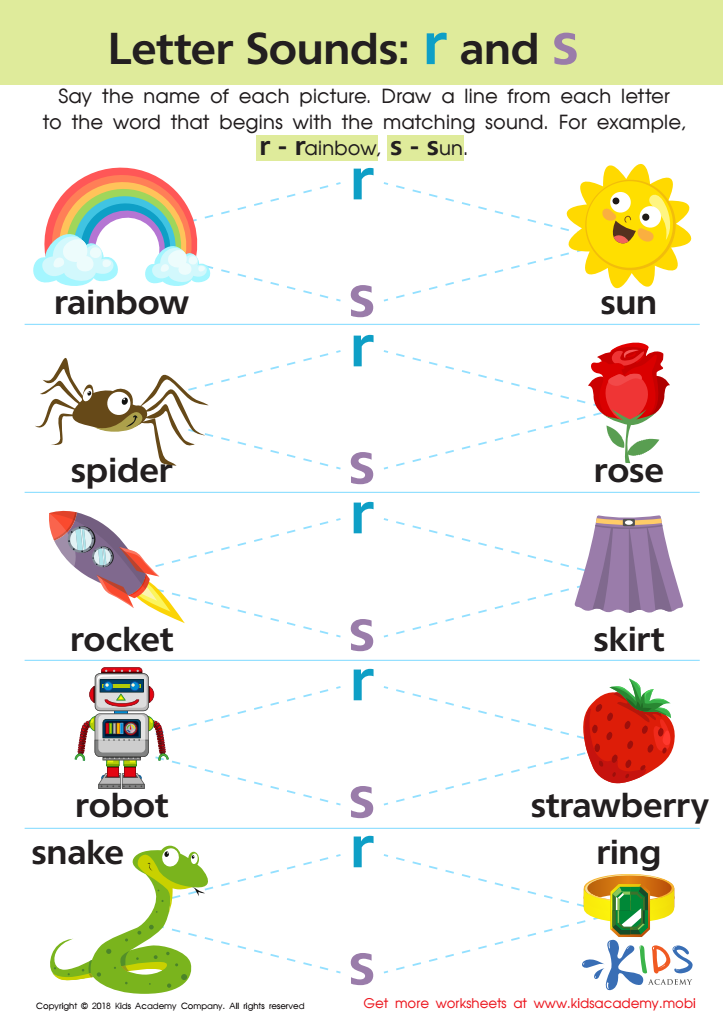
Letter R and S Sounds Worksheet
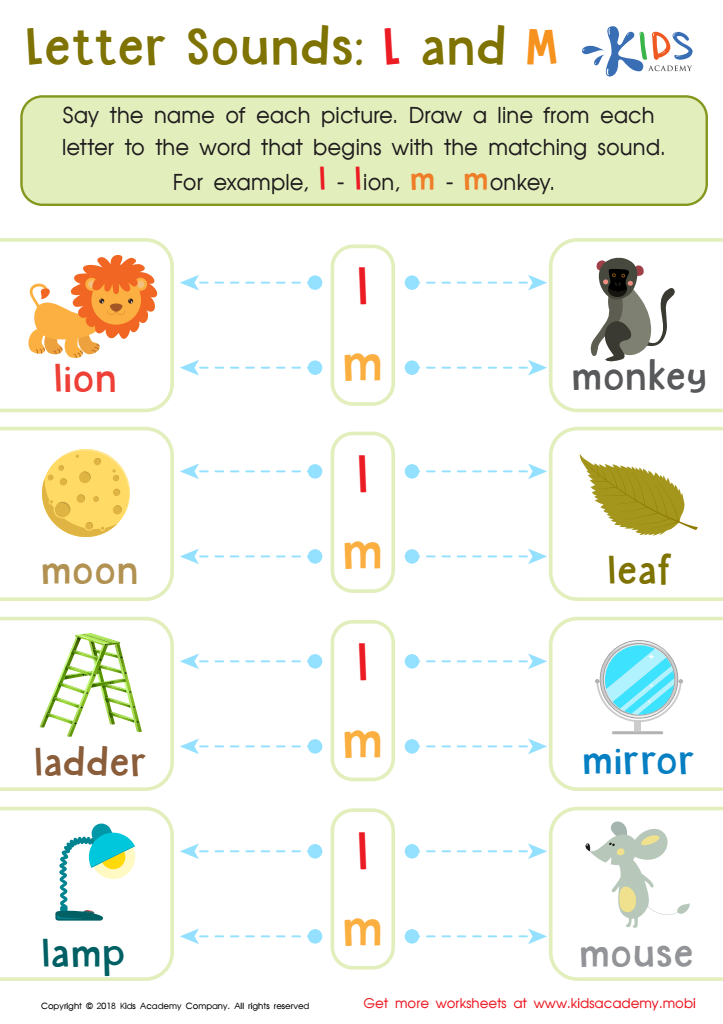
Letter l and M Sounds Worksheet

Long and Short E Worksheet
Assign to My Students
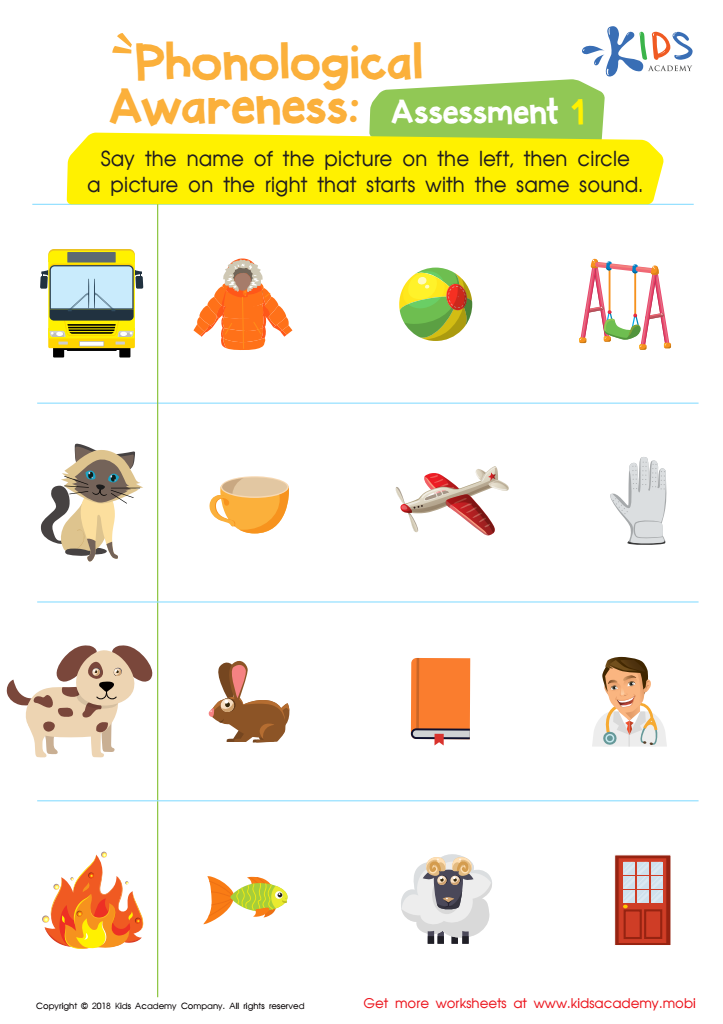
Phonological Awareness: Assessment 1 Worksheet
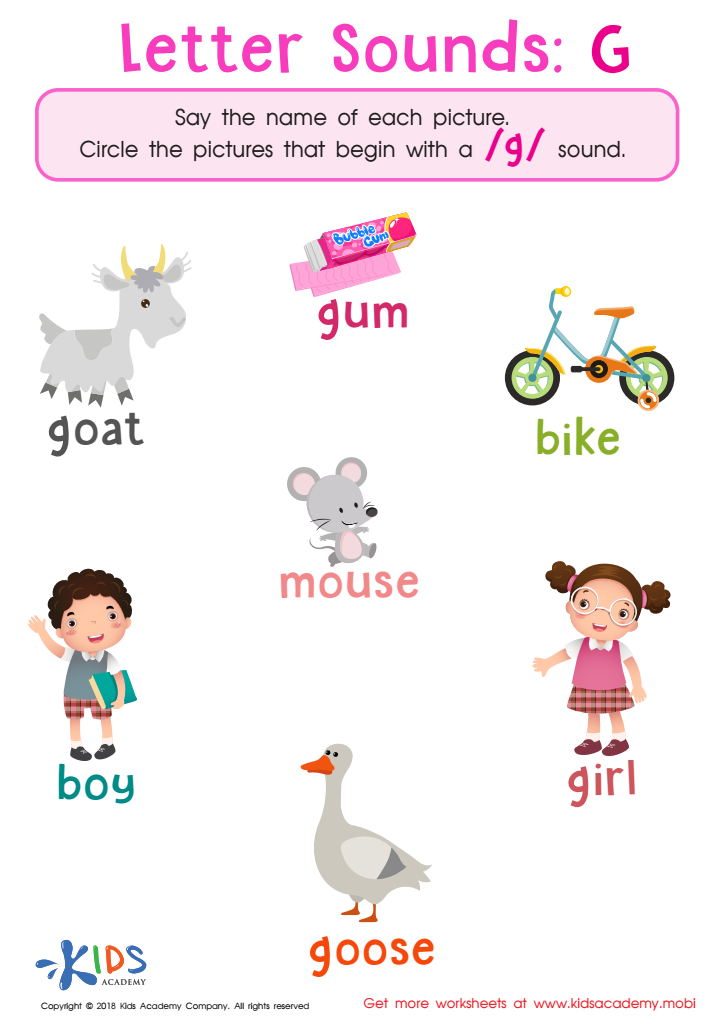
Letter G Sounds Worksheet
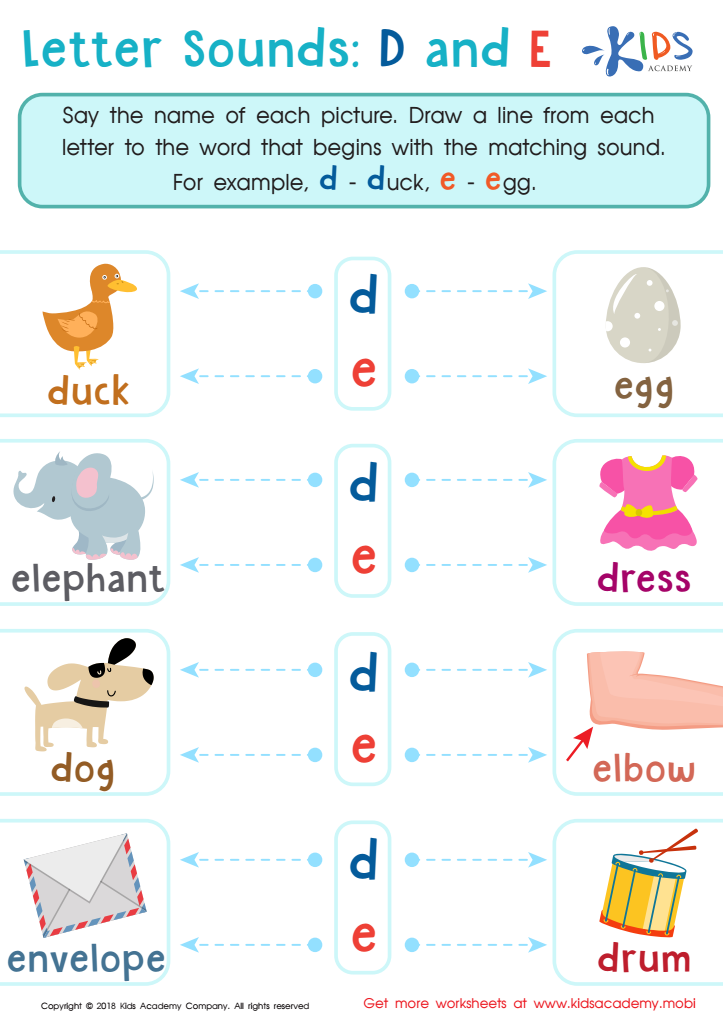
Letter D and E Sounds Worksheet








Letter recognition and phonics are foundational skills essential for early literacy development in children aged 3-4. At this stage, children begin to engage with letters and sounds, laying the groundwork for reading and writing. Understanding letter recognition allows them to identify letters in various contexts, enhancing their ability to connect spoken and written language.
Phonics, which involves understanding the relationship between letters and their sounds, helps children decode words. This skill is crucial because it fosters confidence in reading and allows for improved comprehension. When children grasp these basics, they are more likely to develop a love for reading, which is essential for academic success.
For parents and teachers, emphasizing letter recognition and phonics at this age encourages playful learning through songs, games, and storytelling. Such interactions not only make learning enjoyable but also facilitate important language skills that aid communication and social interactions.
Furthermore, early literacy skills are linked to later success in school. By nurturing a strong foundation in letter recognition and phonics, caregivers can empower children to become independent readers, setting them on a path to lifelong learning and curiosity. Focused attention on these skills at an early age fosters a positive learning environment, benefiting both the child and their future educational journey.







