Handwriting practice Tracing Letters Worksheets for Ages 3-4
28 filtered results
-
From - To
Our Handwriting Practice Tracing Letters Worksheets for Ages 3-4 provide a perfect introduction to the alphabet for young learners. Each worksheet features easy-to-follow dotted lines that guide little hands in forming both uppercase and lowercase letters. Designed to enhance fine motor skills and boost confidence, these engaging practice sheets also help children develop the basics of proper pencil grip and control. Combining fun and education, our worksheets are ideal for early childhood development and prepare kids for future writing success in a playful and enjoyable way. Give your child a head start with our beloved handwriting practice sheets!
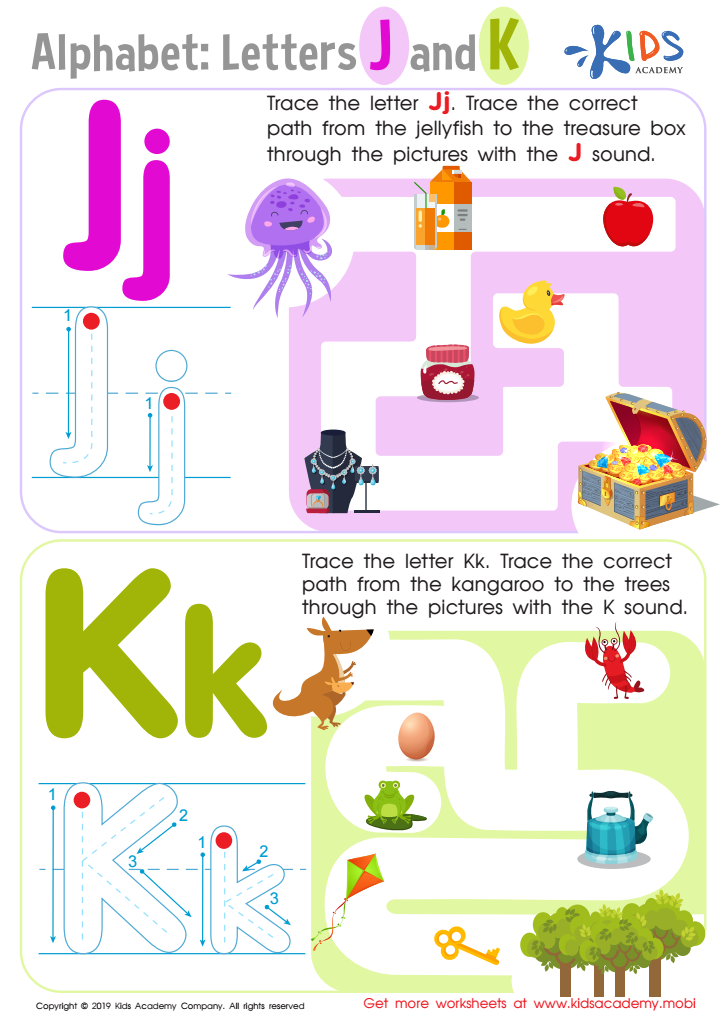
Letters J and K Tracing Worksheet
 Assign to My Students
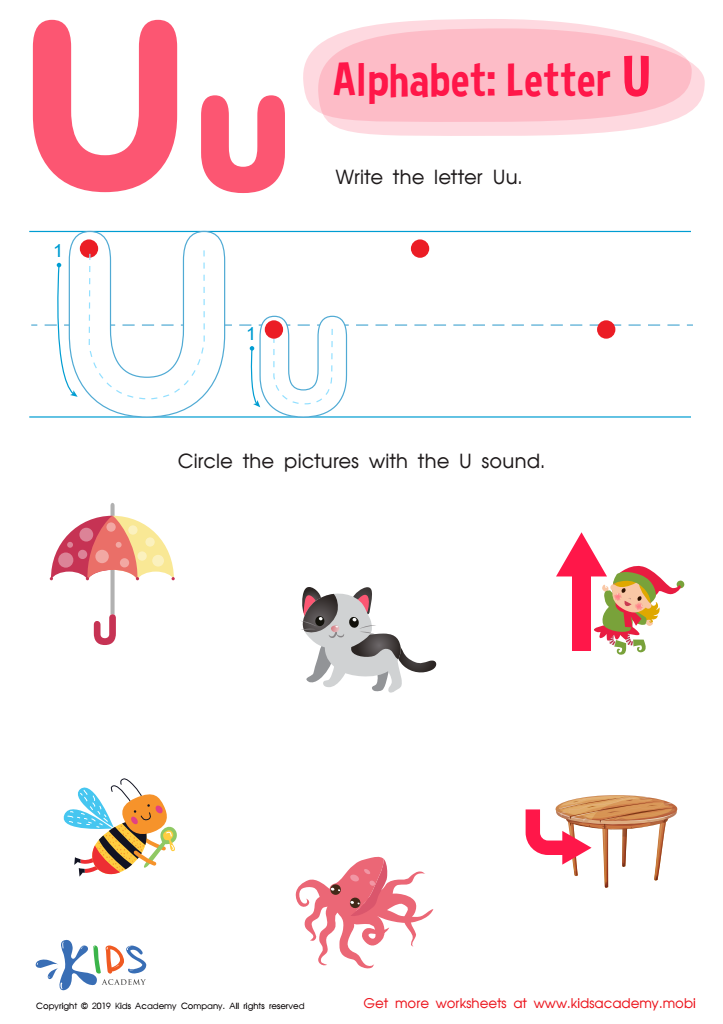
Letter U Tracing Worksheet
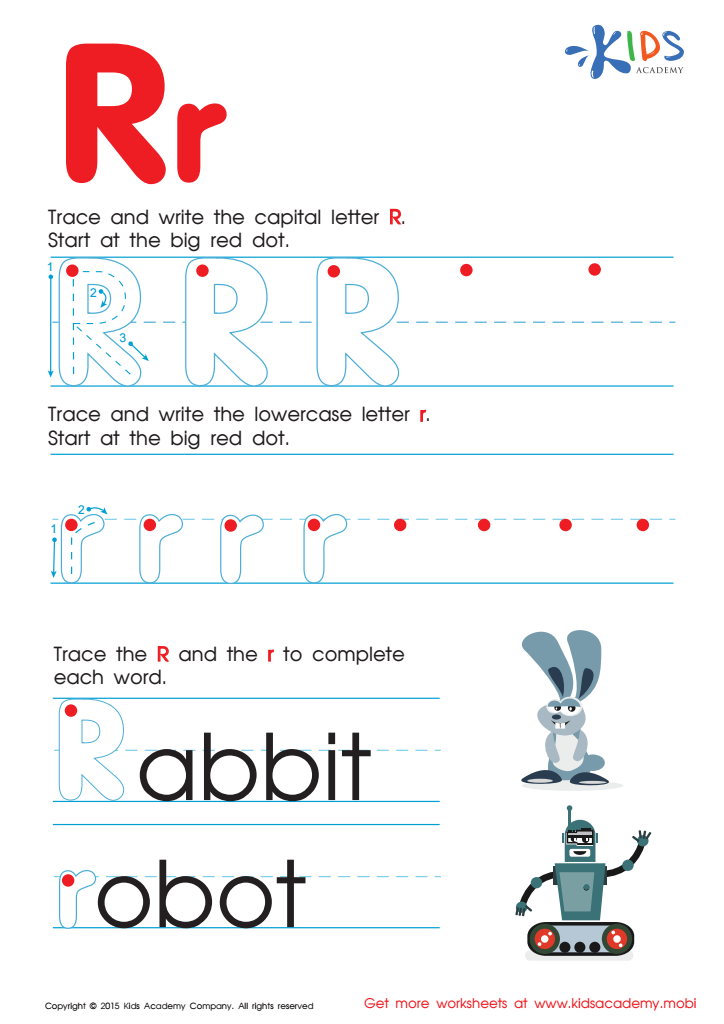
Letter R Tracing Page
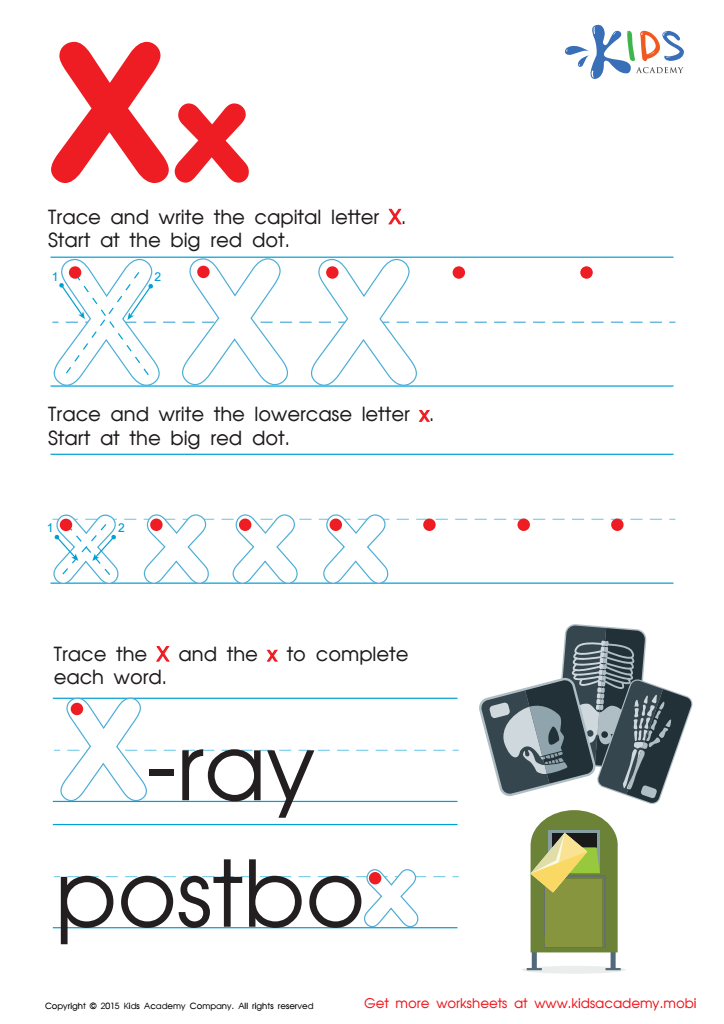
Letter X Tracing Page
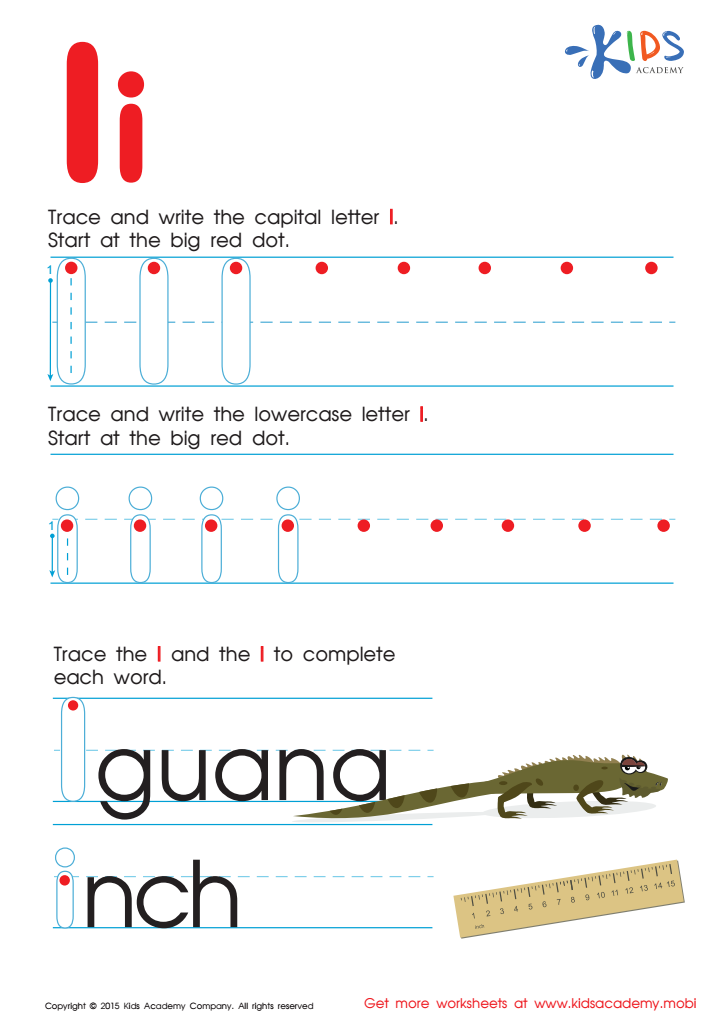
Letter I Tracing Page
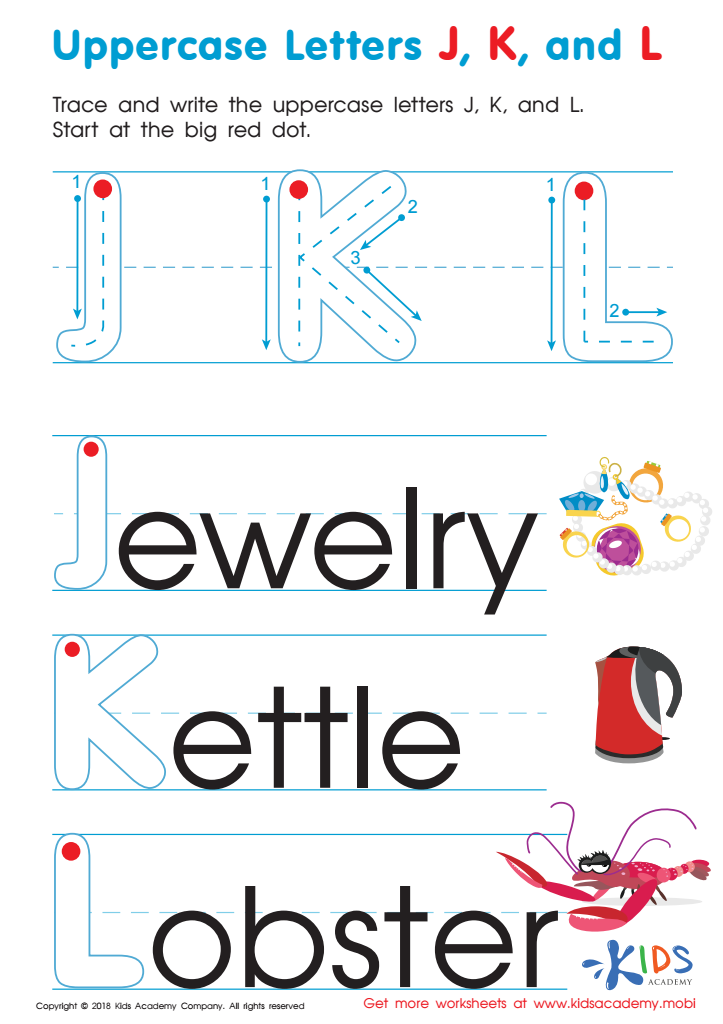
Uppercase Letters J, K, and L Worksheet
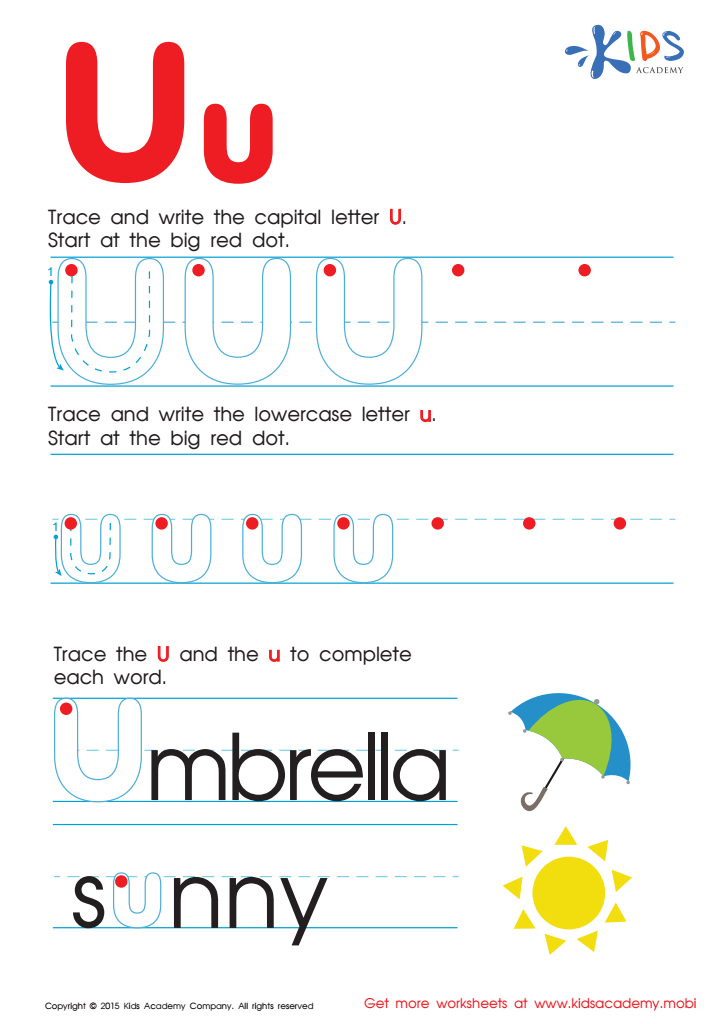
Letter U Tracing Page
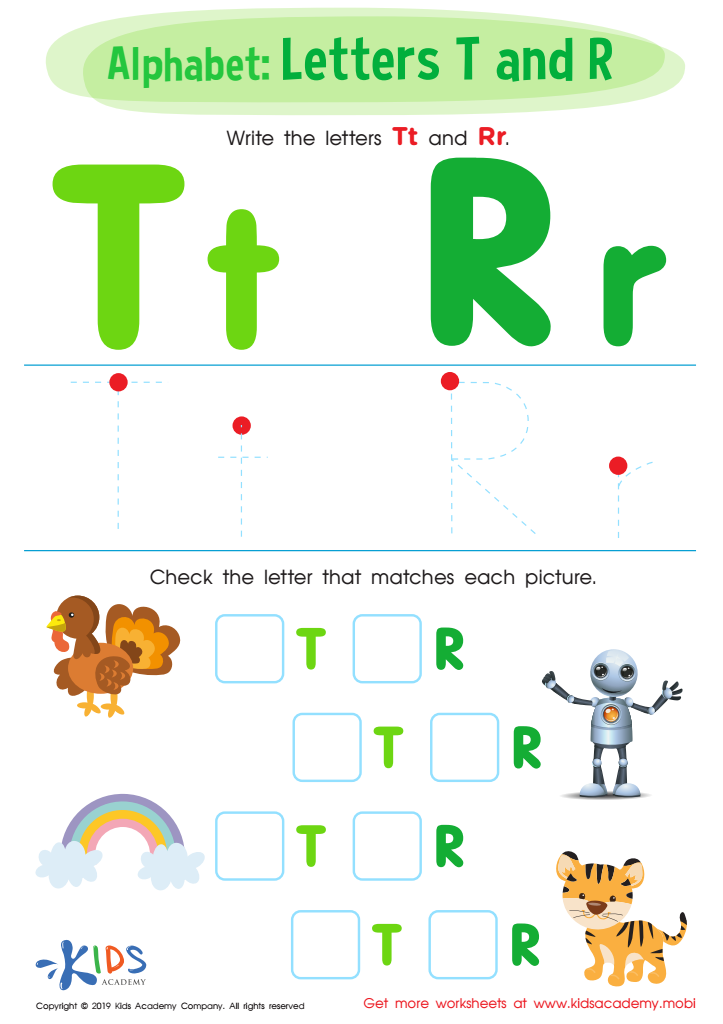
Letters T and R Worksheet
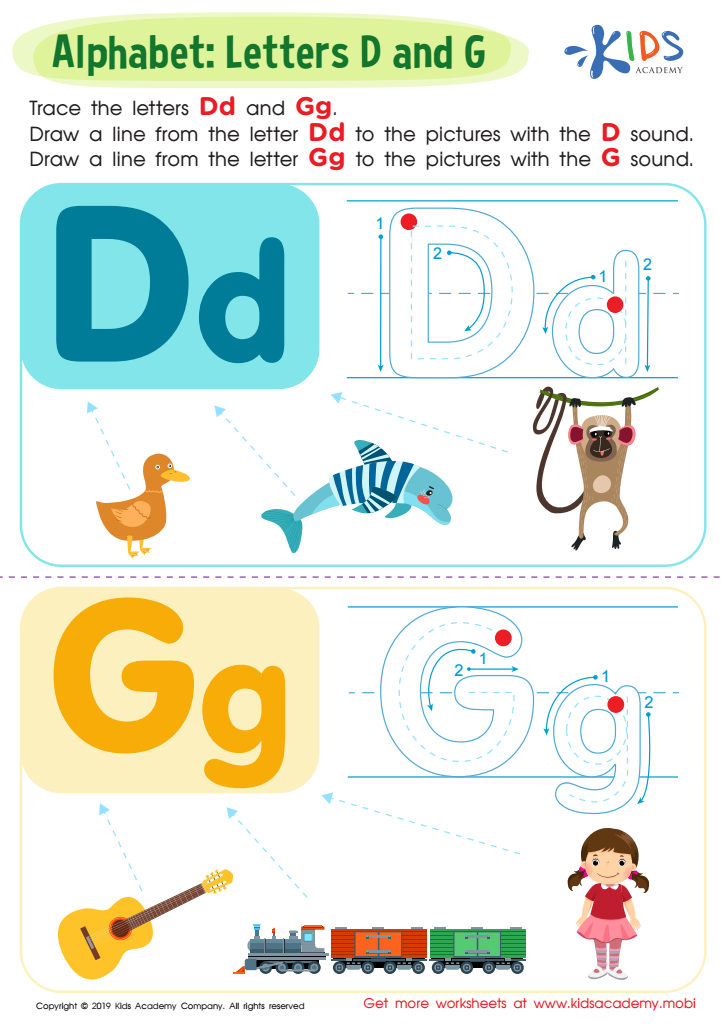
Letter D and G Tracing Worksheet
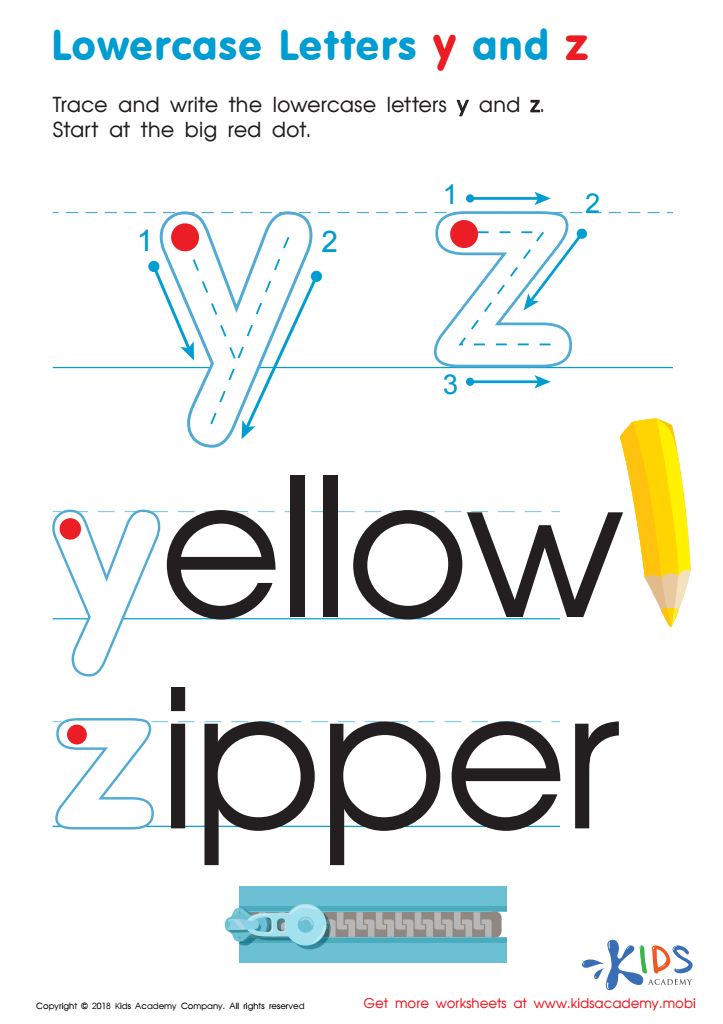
Lowercase Letters y z Worksheet
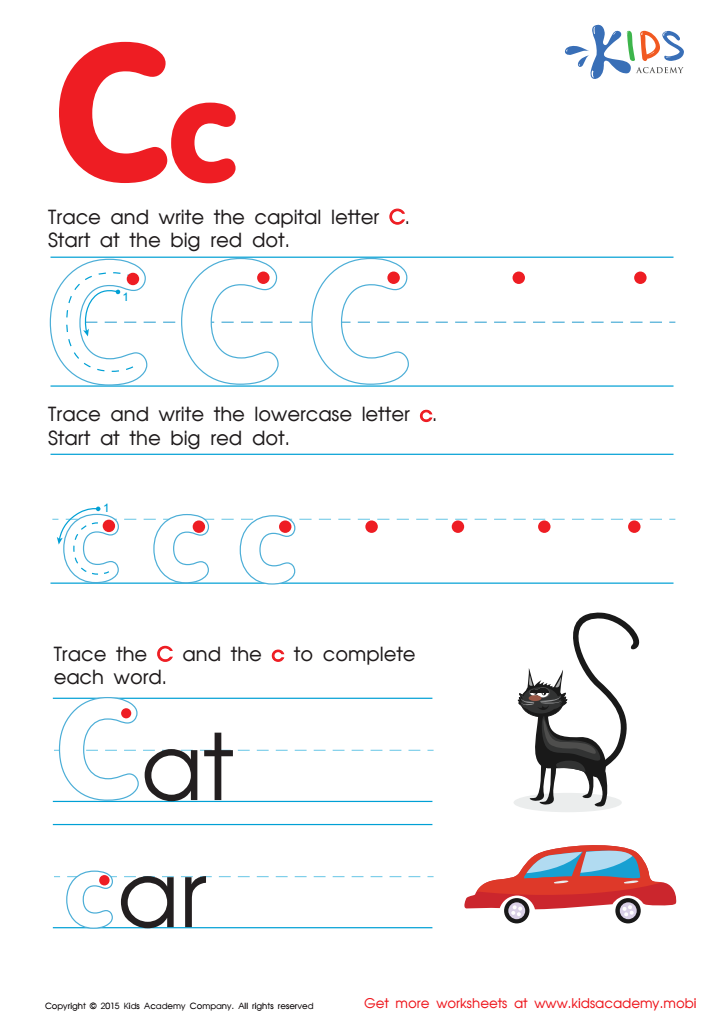
Letter C Tracing Page
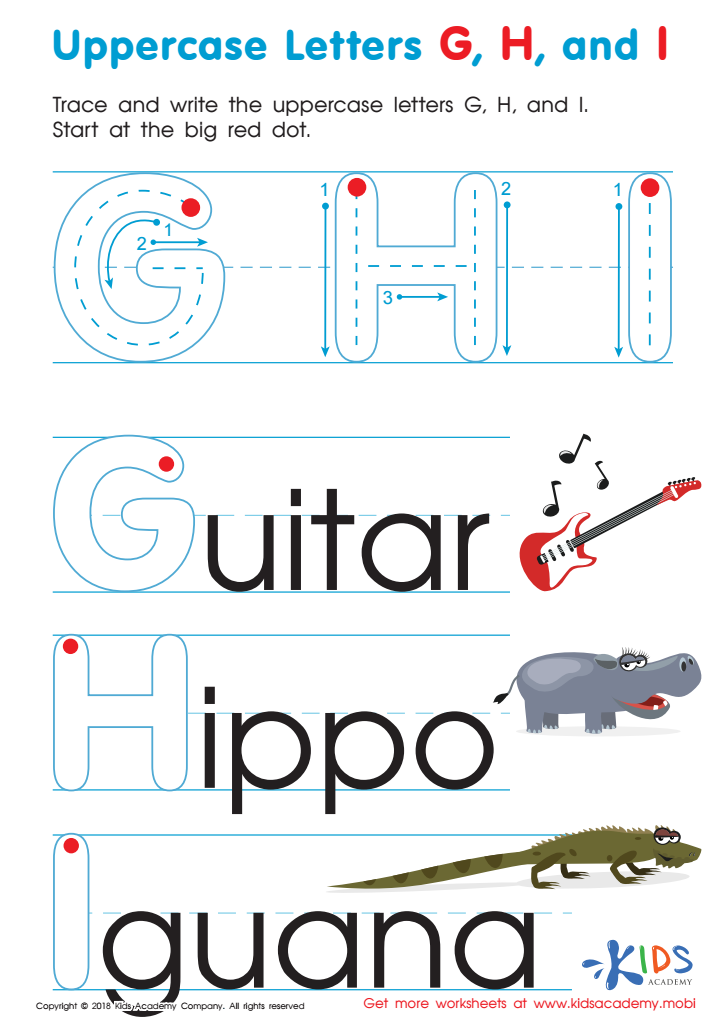
Uppercase Letters G, H, and I Worksheet
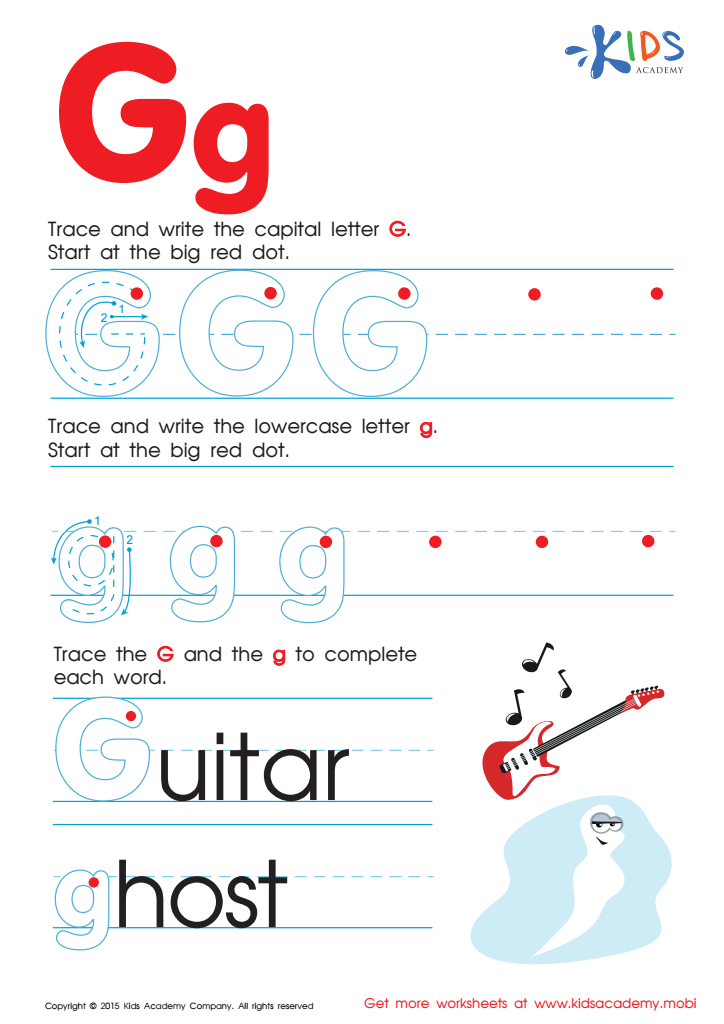
Letter G Tracing Page
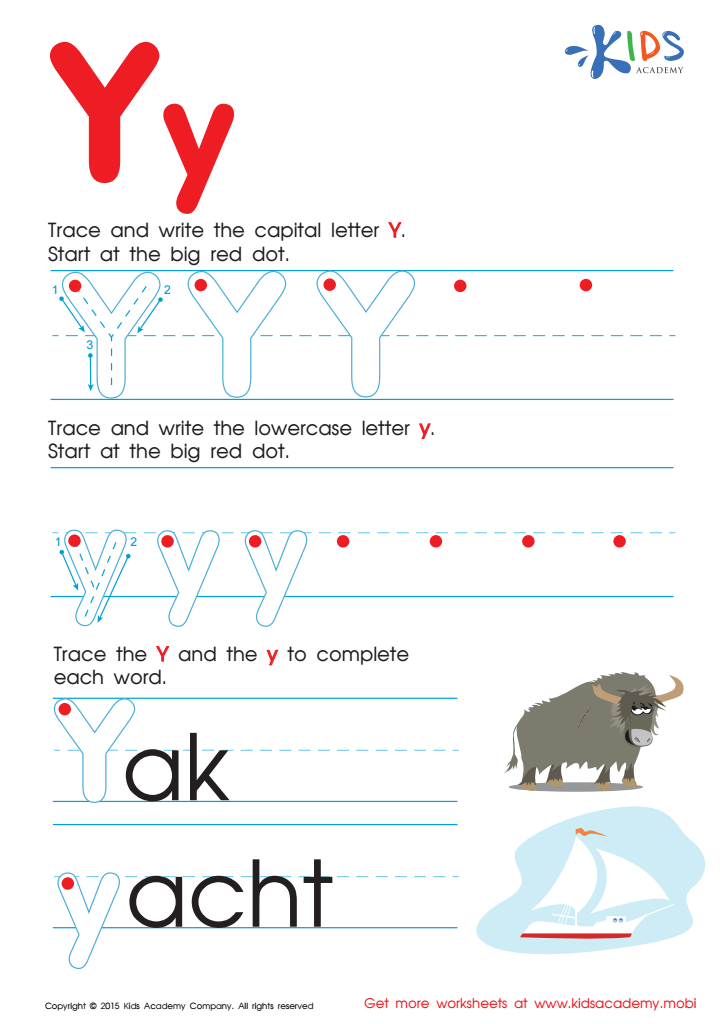
Letter Y Tracing Page
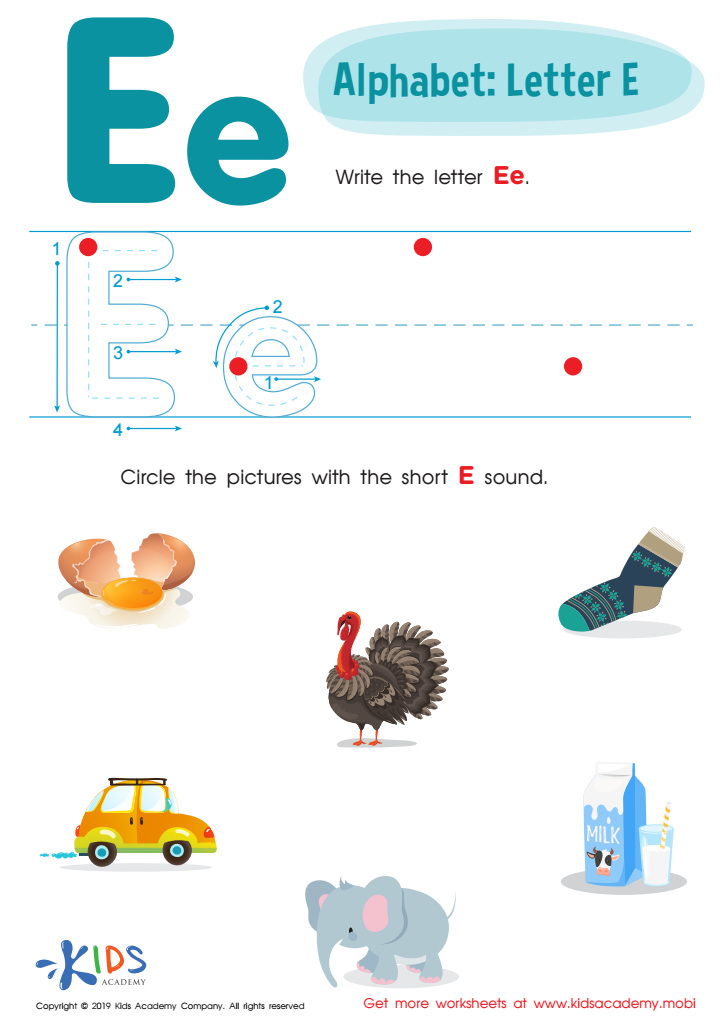
Letter E Tracing Worksheet
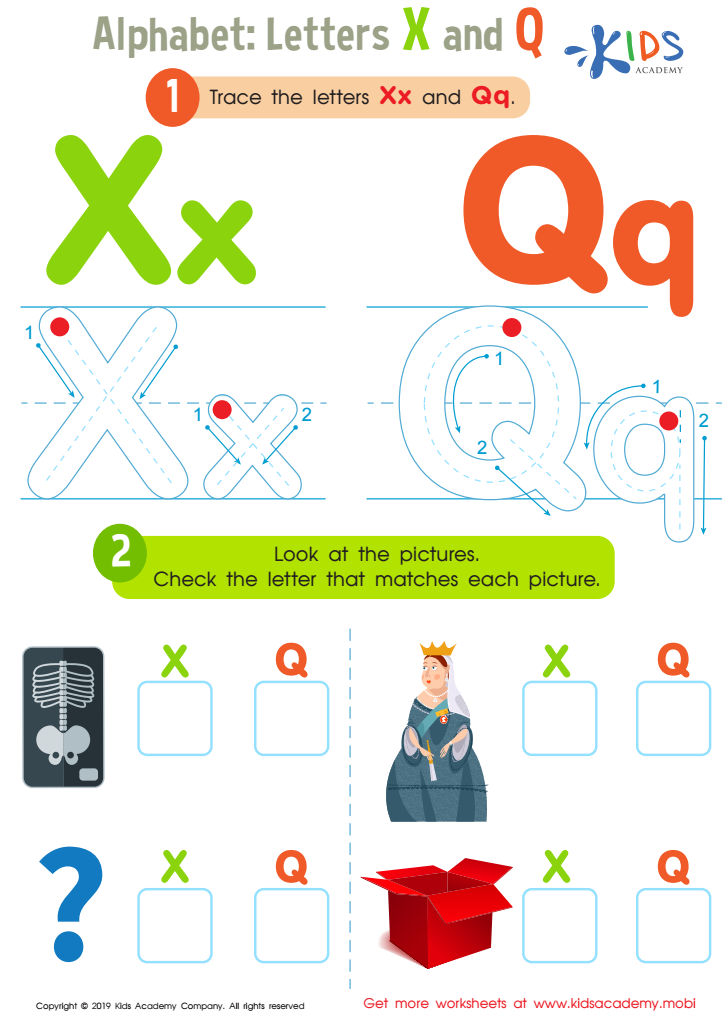
Letters X and Q Tracing Worksheet
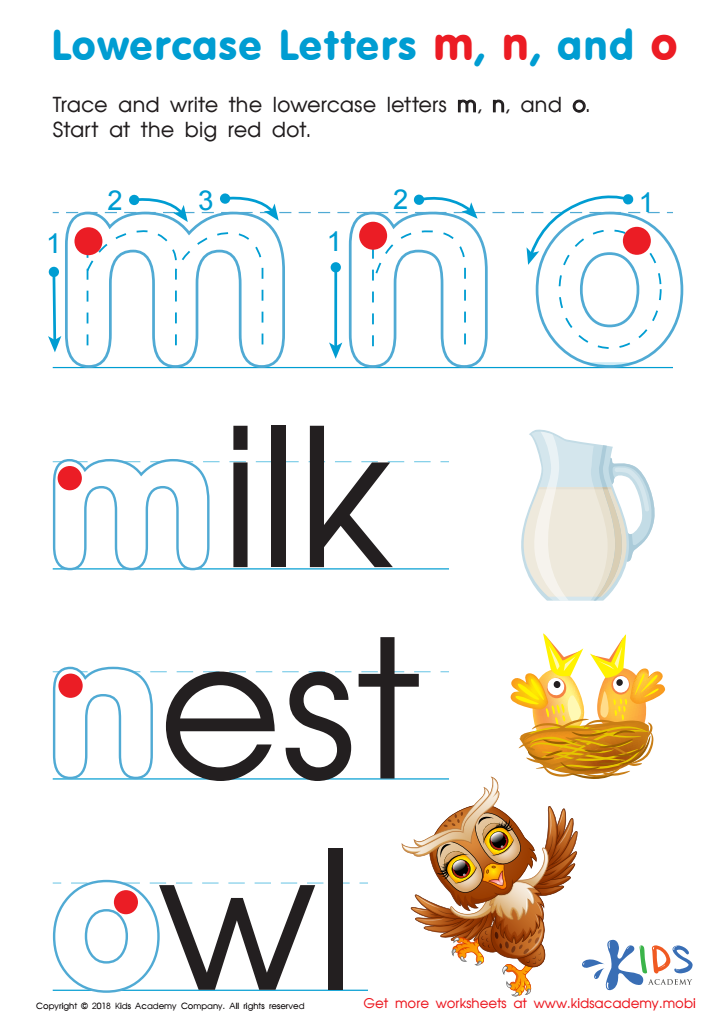
Lowercase Letters m n o Worksheet
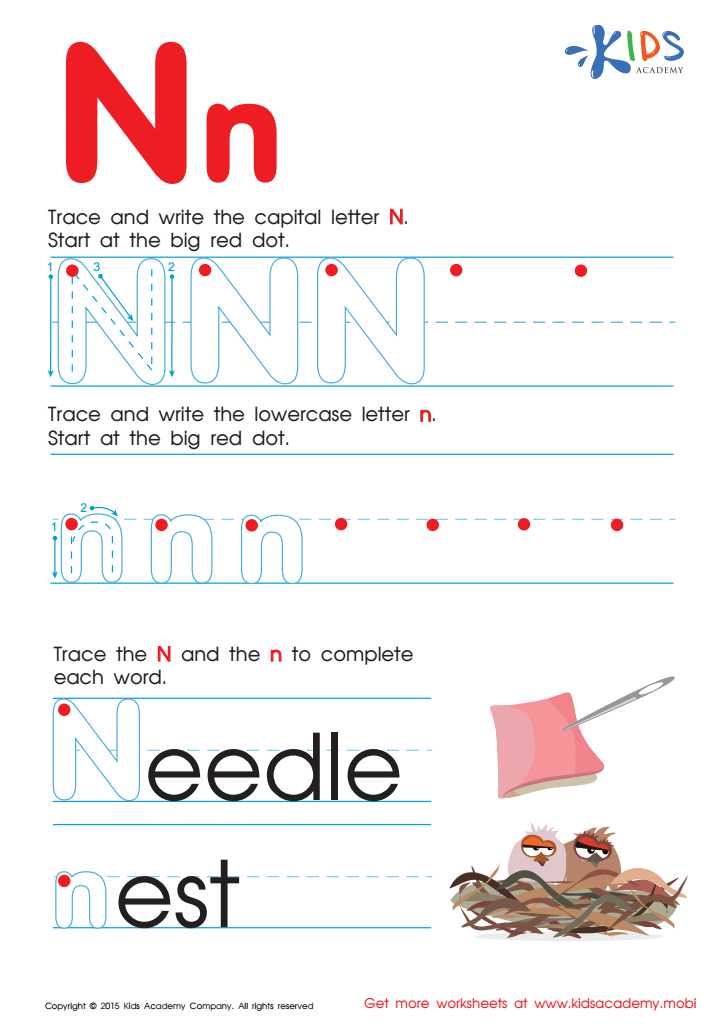
Letter N Tracing Page
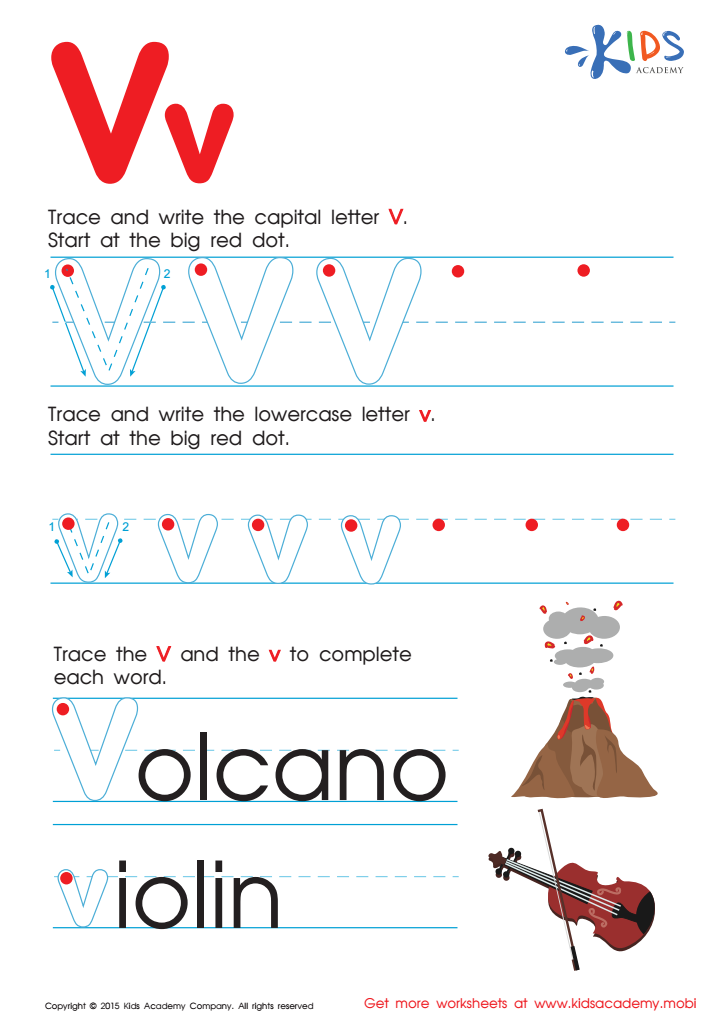
Letter V Tracing Page
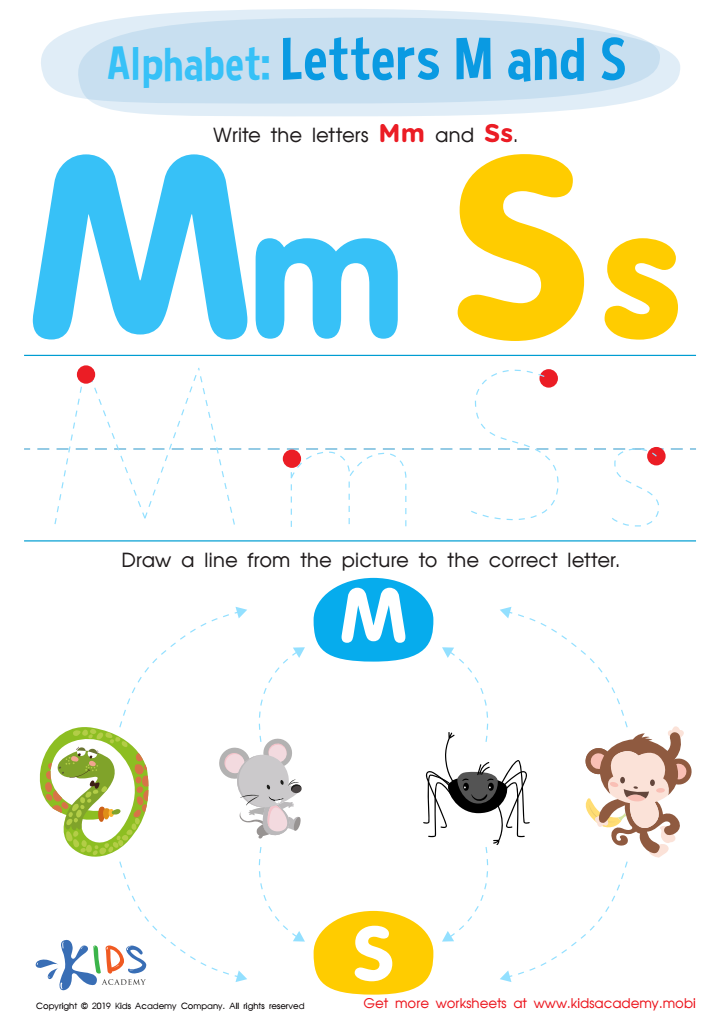
Letters M and S Tracing Worksheet
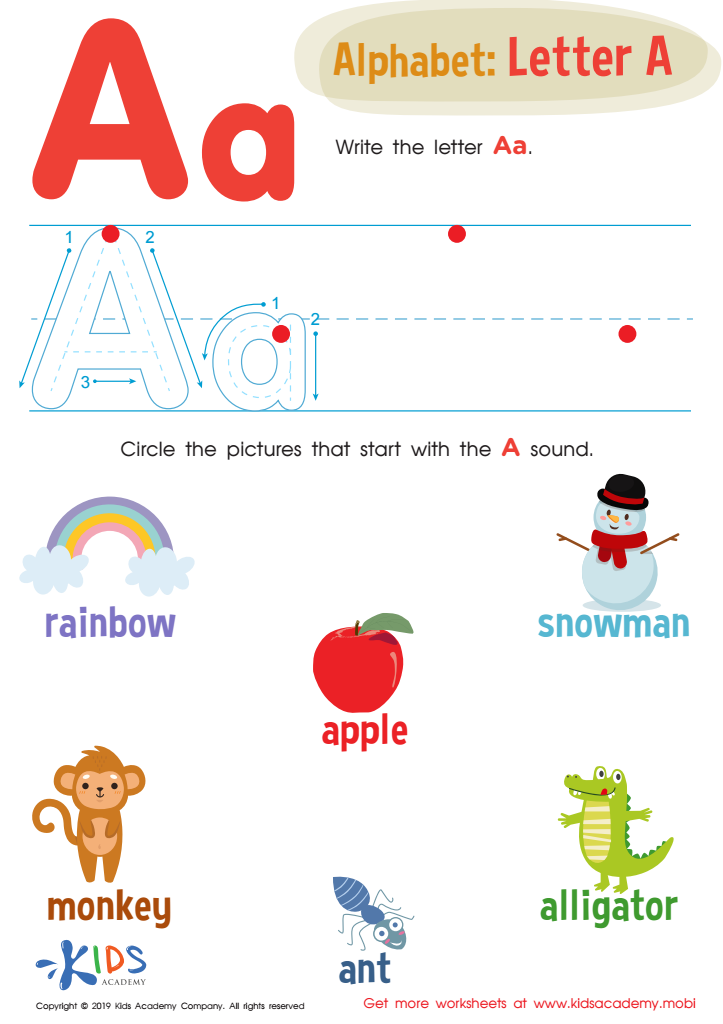
Letter A Tracing Worksheet
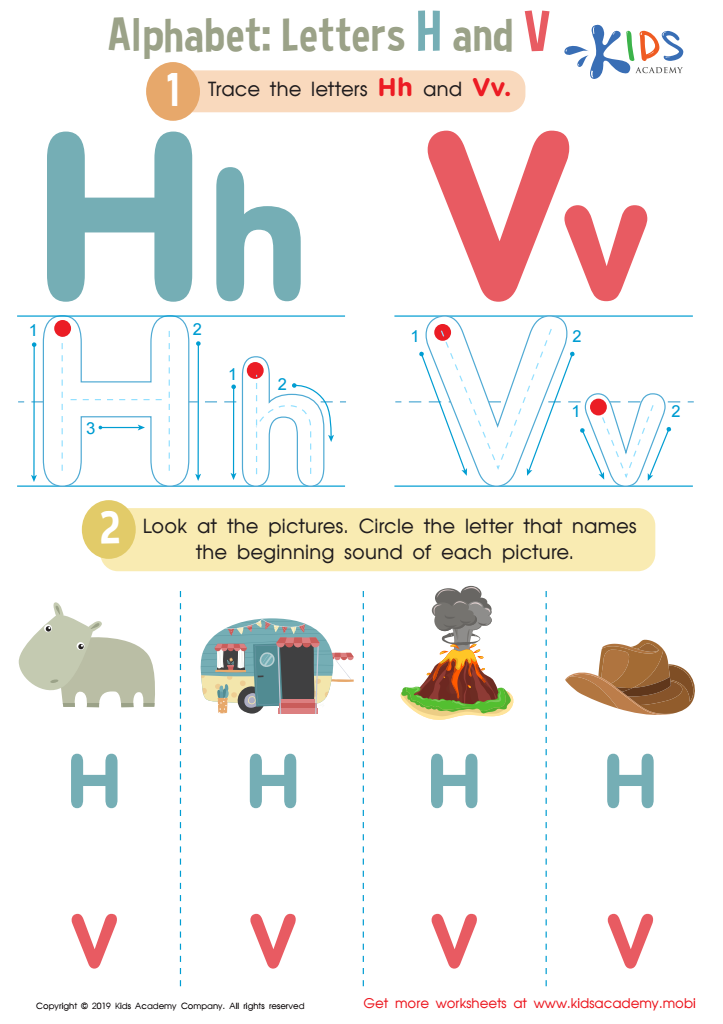
Letters H and V Tracing Worksheet
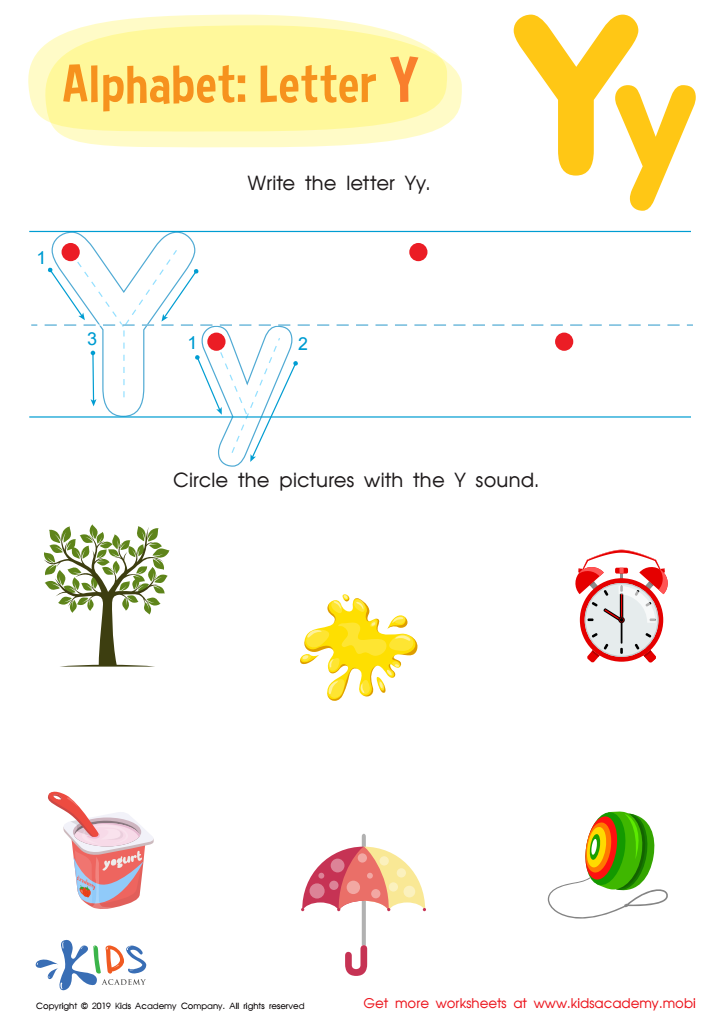
Letter Y Tracing Worksheet
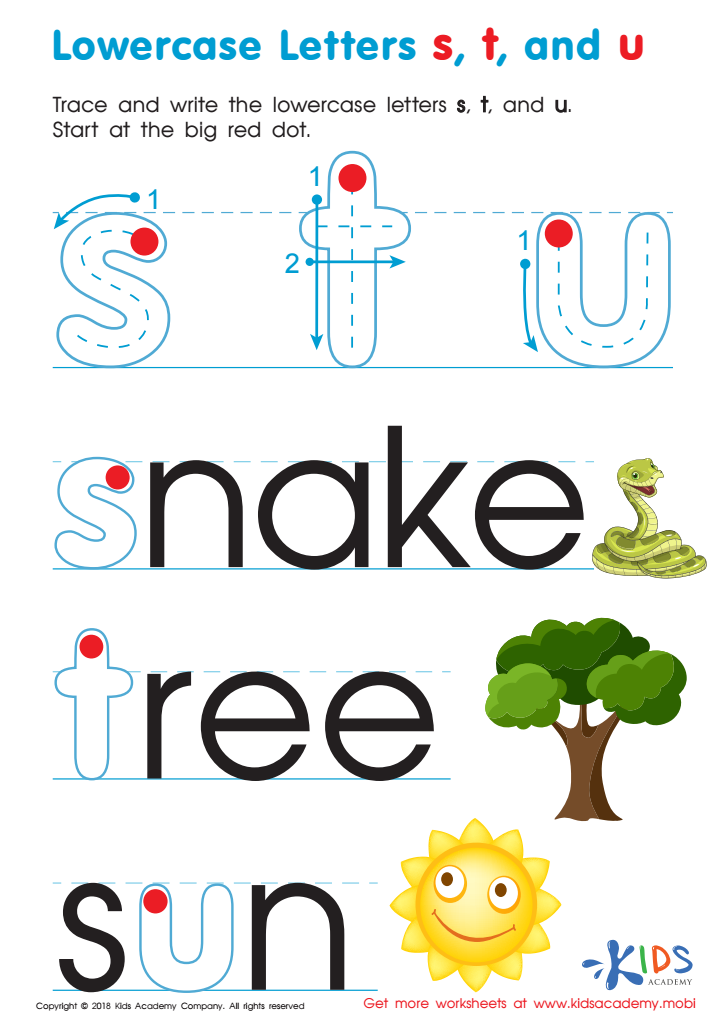
Lowercase Letters s t u Worksheet








Handwriting practice, particularly tracing letters, is crucial for children aged 3-4 as it lays the foundation for essential literacy and motor skills needed for their future academic success. During these formative years, children's brains are highly adaptable, and developing fine motor skills through handwriting helps strengthen these neural pathways. Tracing letters is not just about reproducing shapes on paper; it involves visual recognition, memory recall, and the coordination of hand muscles, eyes, and brain.
For parents and teachers, investing time in handwriting practice reaps significant benefits in children’s cognitive and motor development. Firstly, it supports literacy by familiarizing children with the alphabet, thereby enhancing their ability to recognize letters and sounds, which is crucial for learning to read and write. Secondly, fine motor activities such as tracing letters contribute to improved hand-eye coordination and hand strength, which are necessary for other daily tasks like buttoning clothes and using eating utensils.
Moreover, the discipline and focus required to practice tracing can also bolster a child’s attention span and concentration—a skill that will benefit all areas of learning. Lastly, these activities can boost self-confidence and impart a sense of achievement when children see their progress, fostering a positive attitude towards learning. Hence, handwriting practice is a critical component of early education that paves the way for well-rounded development.








