Problem-solving abilities Worksheets for Ages 3-4
34 filtered results
-
From - To
Discover our engaging Problem-Solving Abilities Worksheets designed specifically for children aged 3-4. These worksheets foster critical thinking and nurturing curiosity in young learners as they navigate fun, age-appropriate challenges. Each activity encourages children to match objects, complete patterns, and solve simple riddles, all while promoting essential cognitive skills. Our resources are curated to facilitate early learning and encourage independent thinking, ensuring a holistic educational experience. Perfect for use at home or in the classroom, these worksheets provide a playful way for preschoolers to develop essential problem-solving skills that set the foundation for future academic success. Let curiosity lead the way!
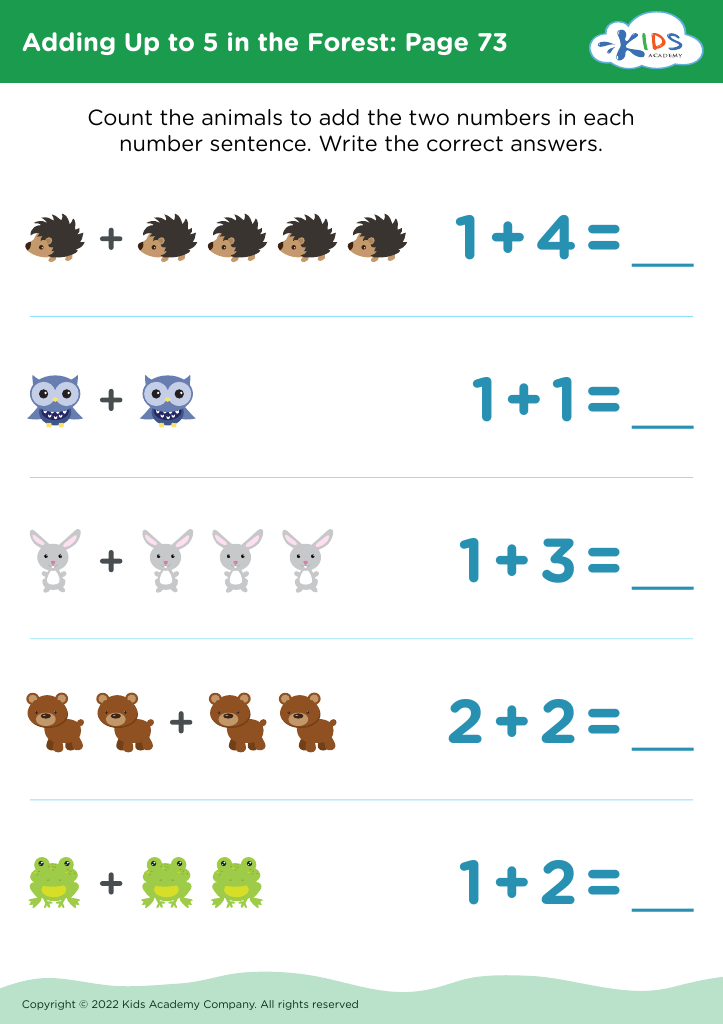
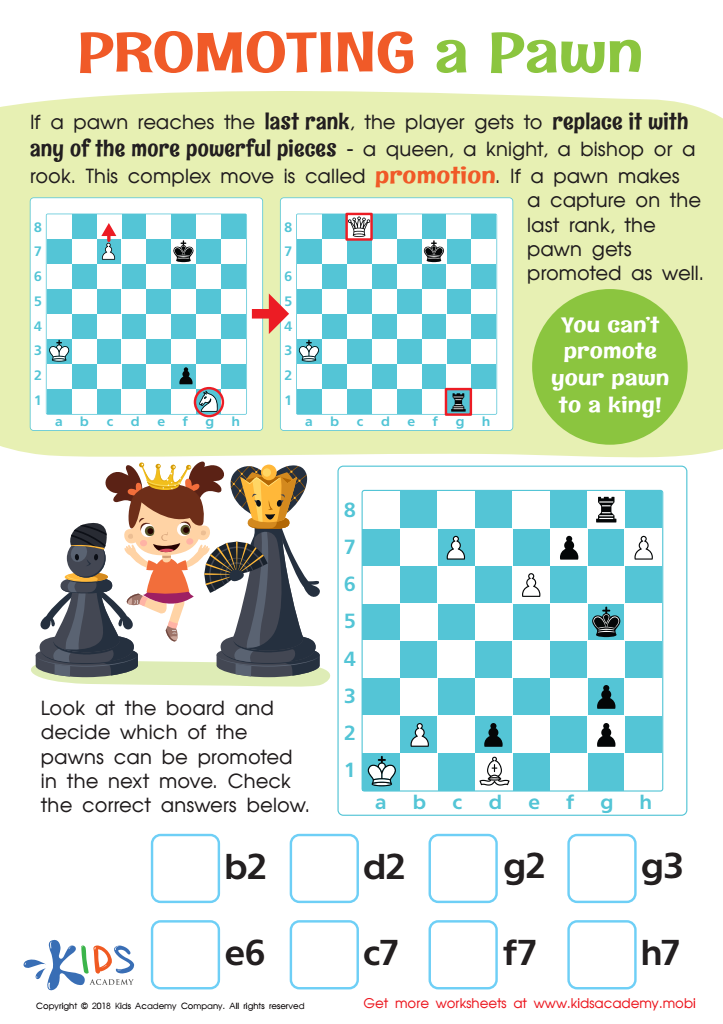
Promoting a Pawn Worksheet
 Assign to My Students
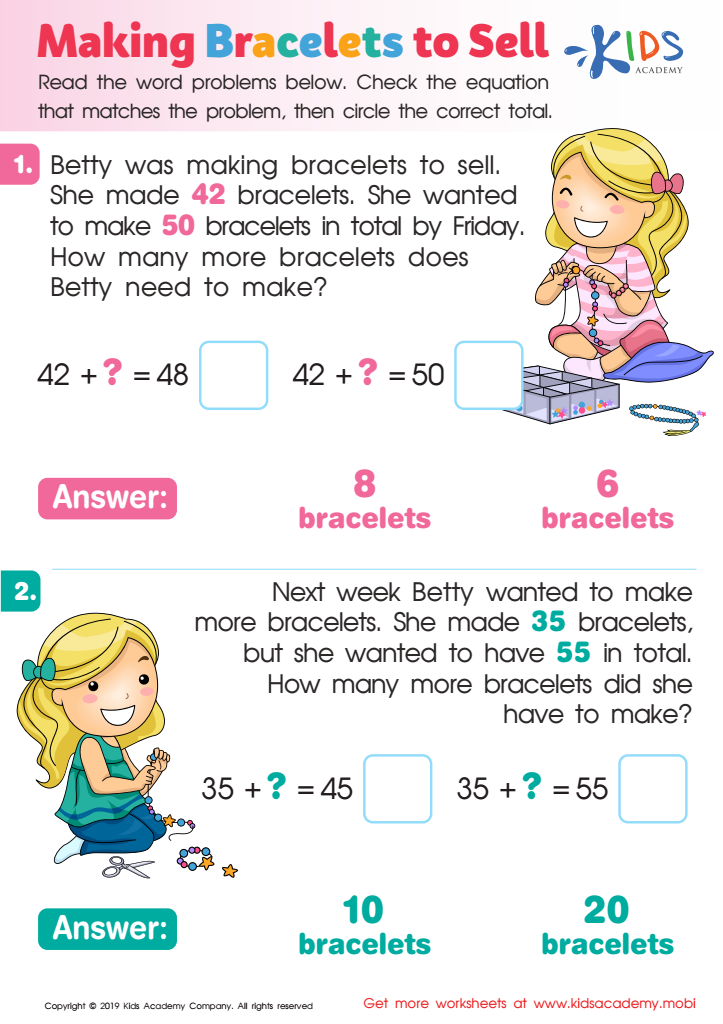
Making Bracelets to Sell Worksheet
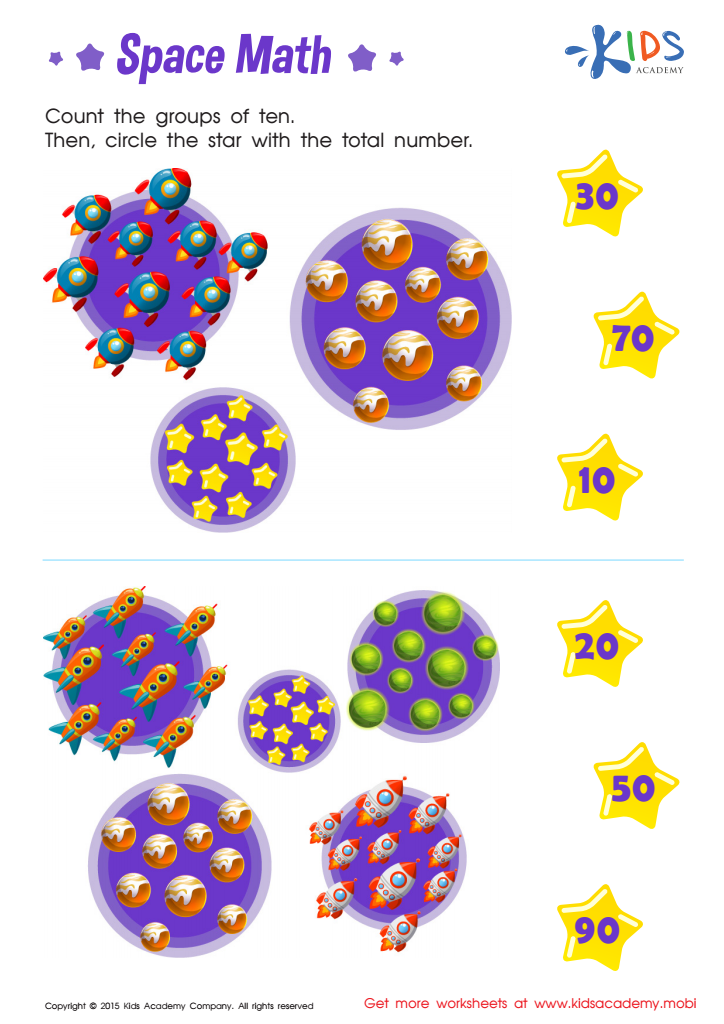
Learn dozens: Space math Worksheet
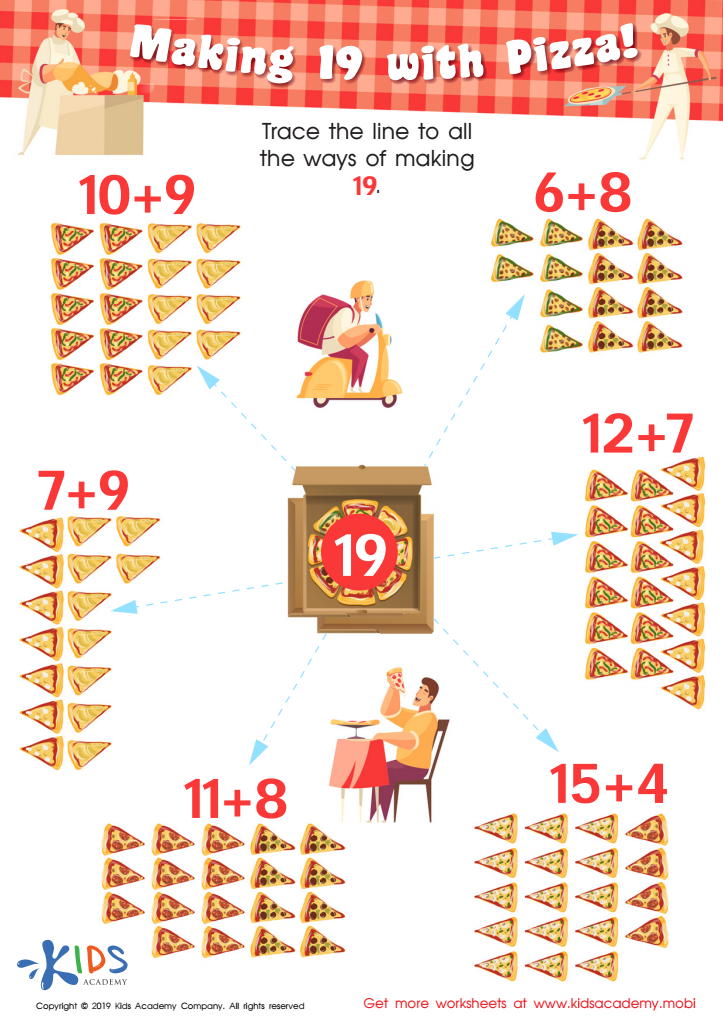
Making 19 with Pizza! Worksheet
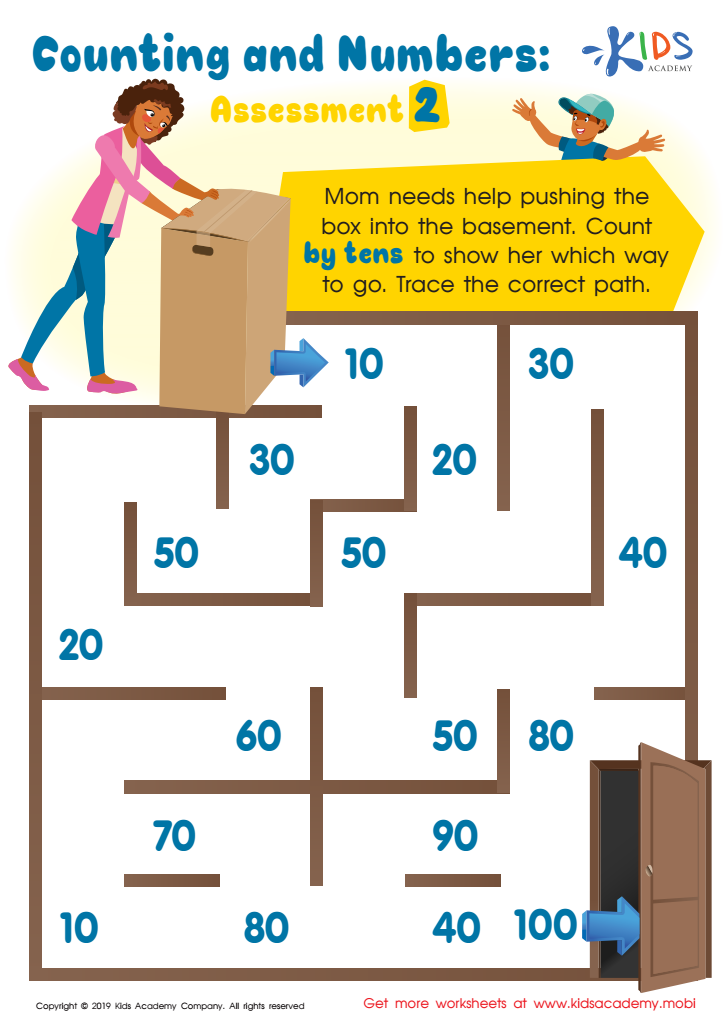
Counting and Numbers: Assessment 2 Worksheet
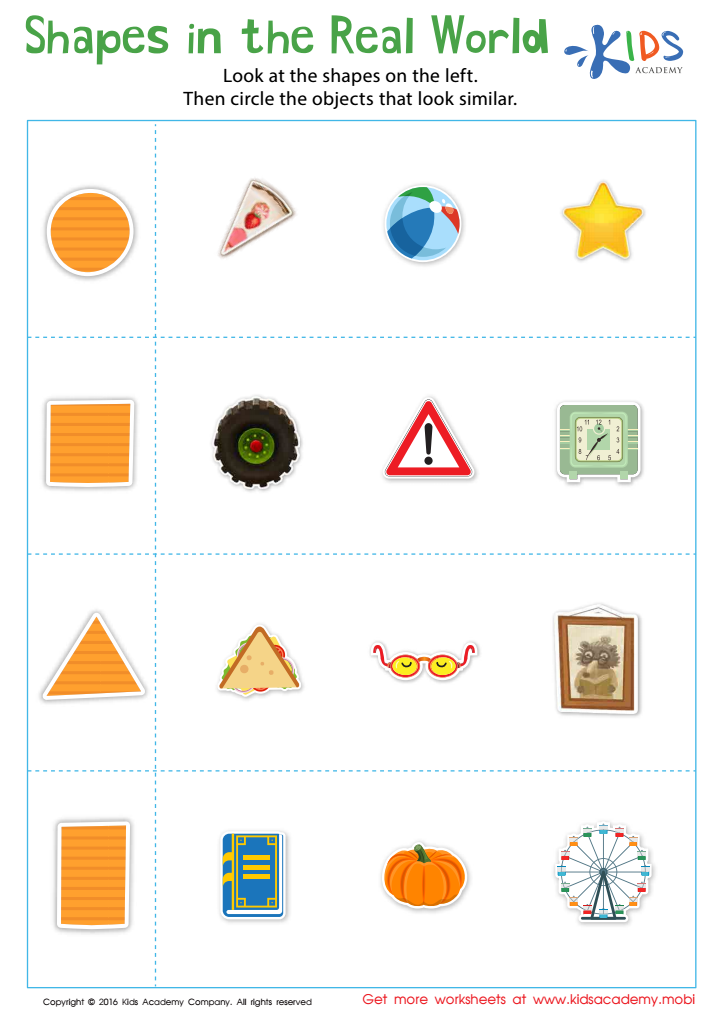
Shapes in the Real World Worksheet
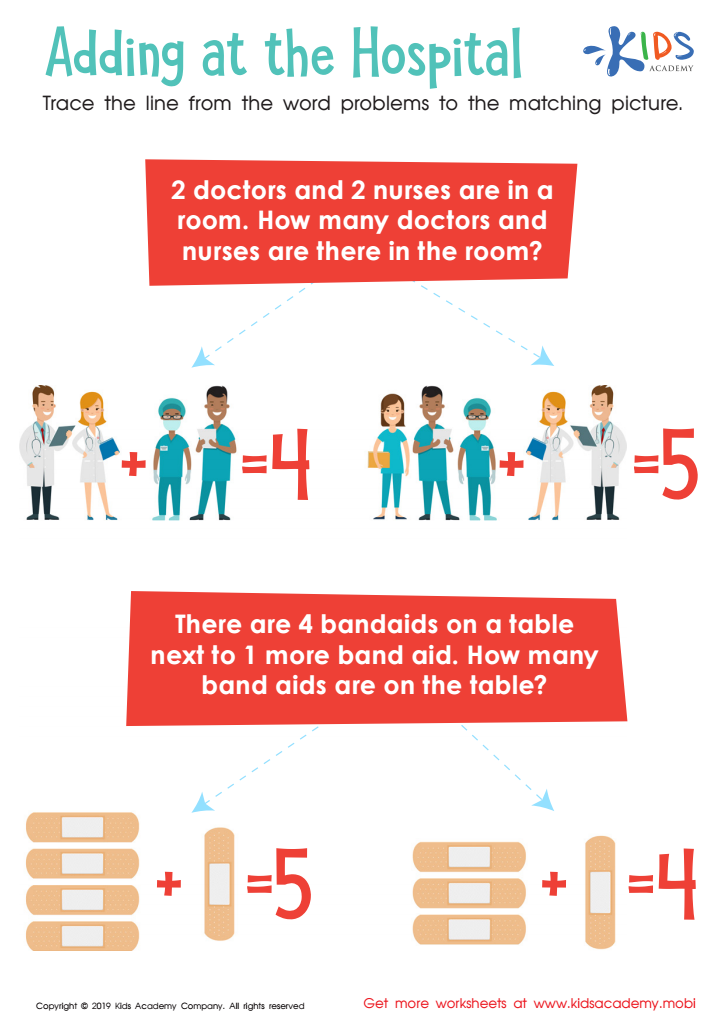
Adding at the Hospital Worksheet
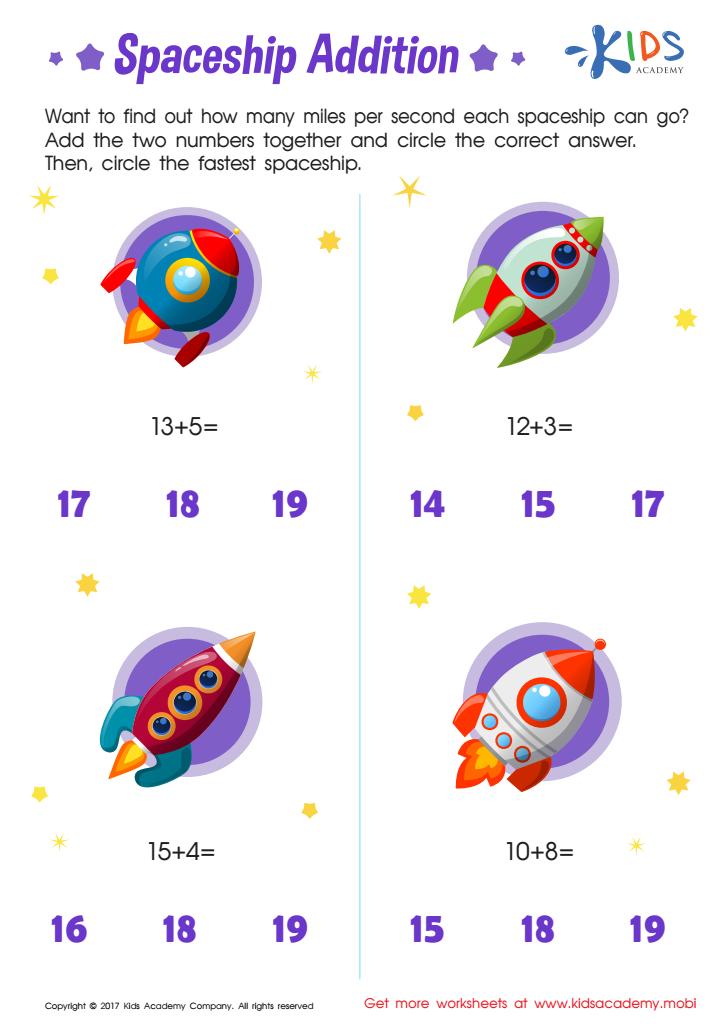
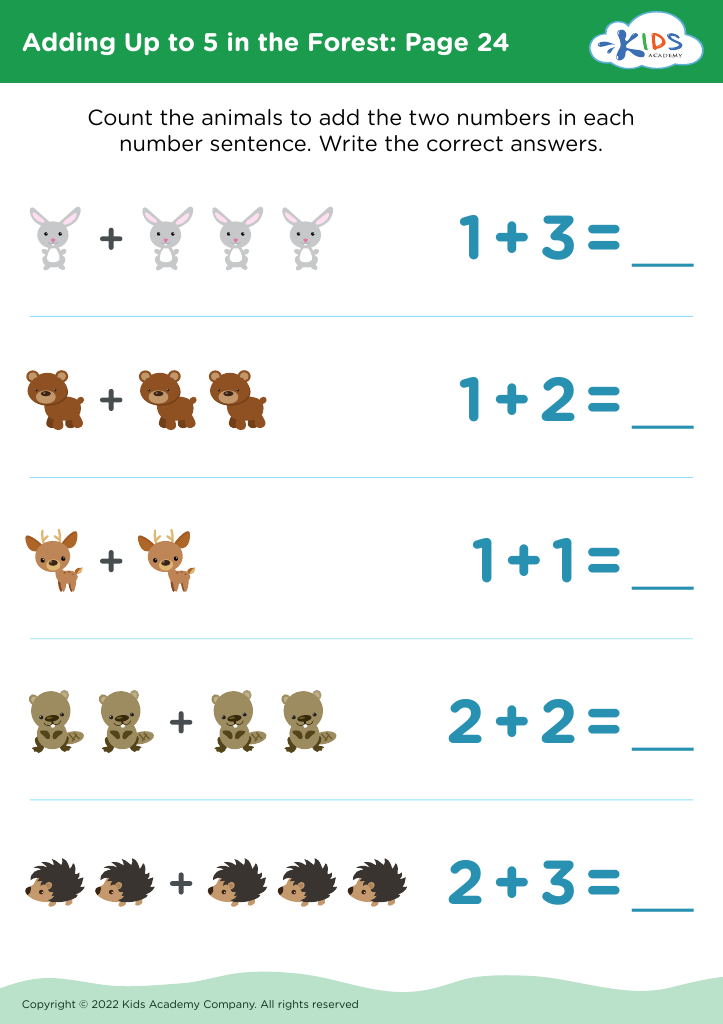
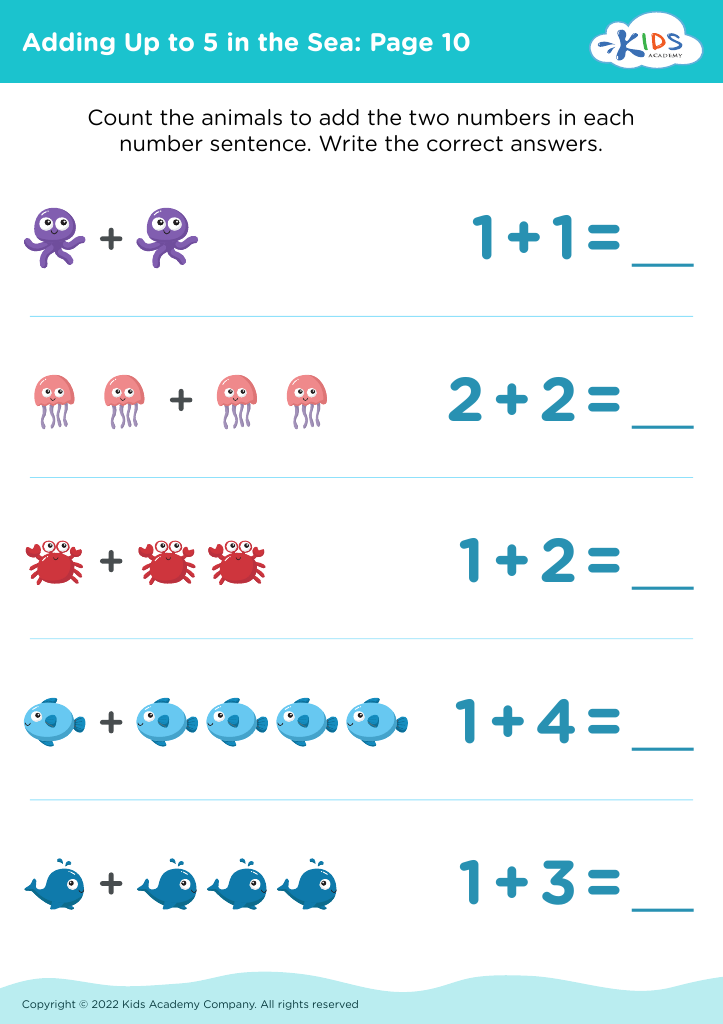
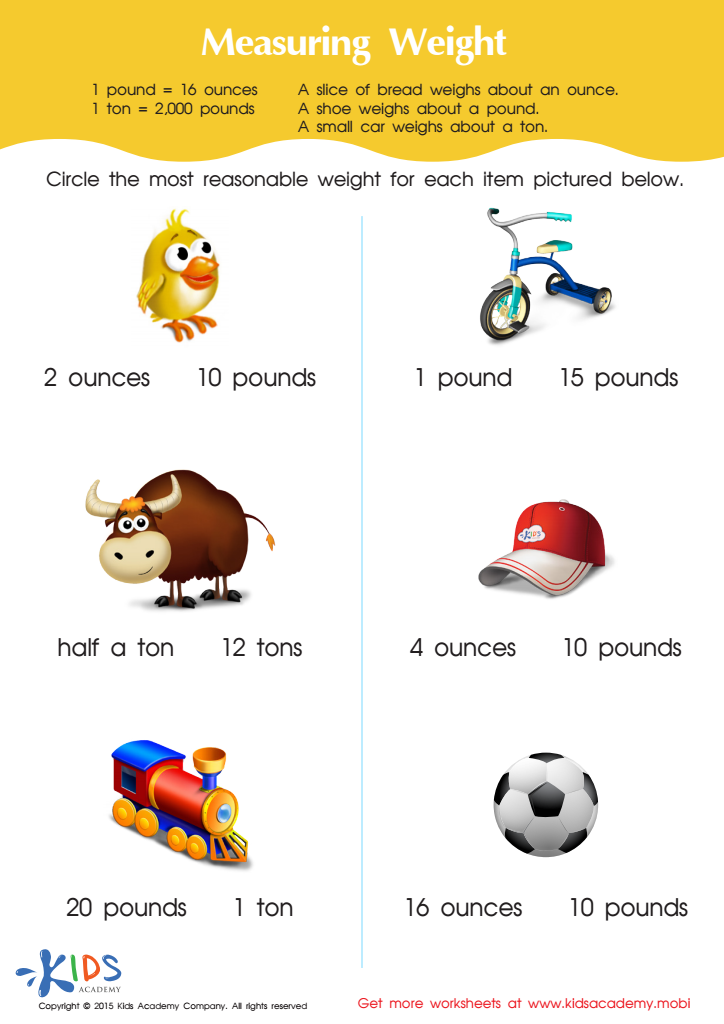
Measuring Weight in Ounces, Pounds and Tons (Part 2) Worksheet
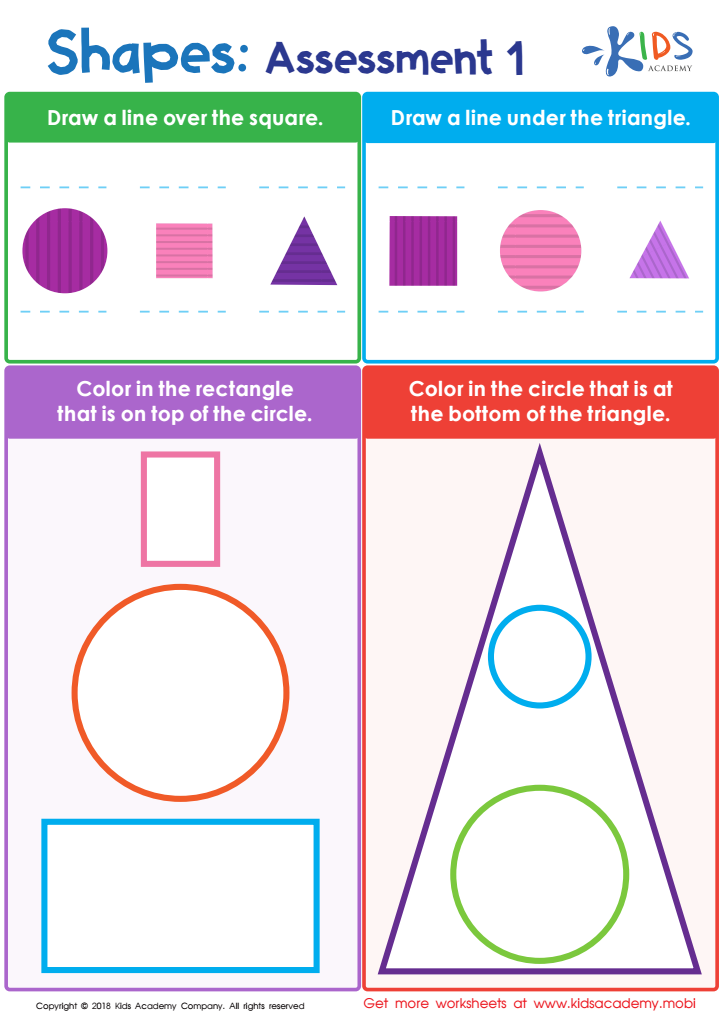
Shapes: Assessment 1 Worksheet
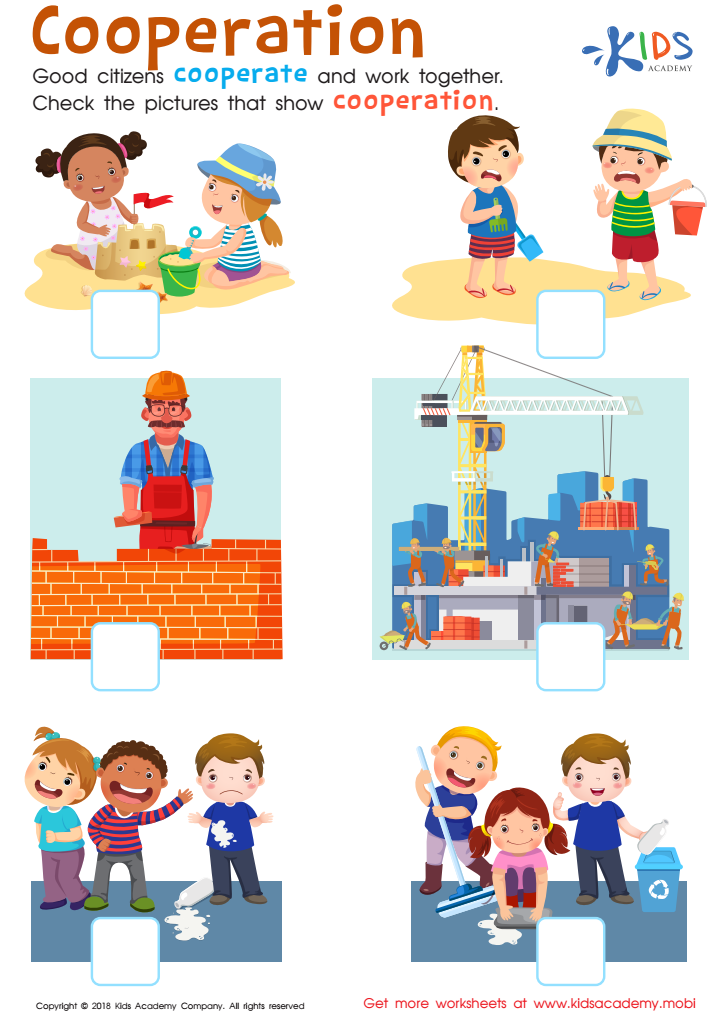
Cooperation Worksheet
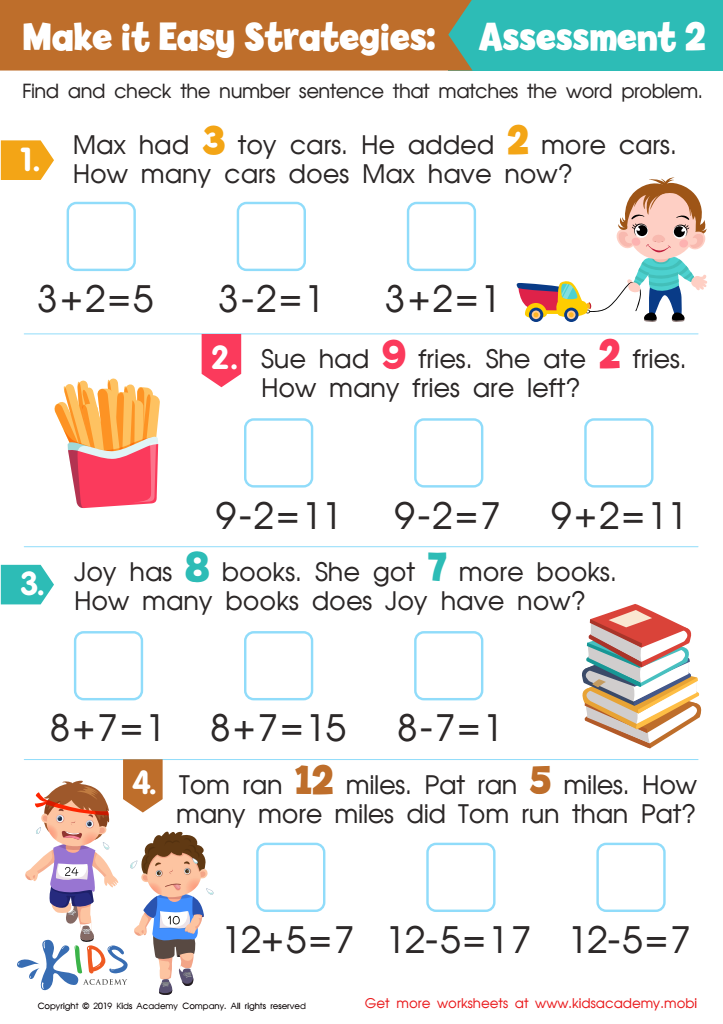
Make it Easy Strategies: Assessment 2 Worksheet
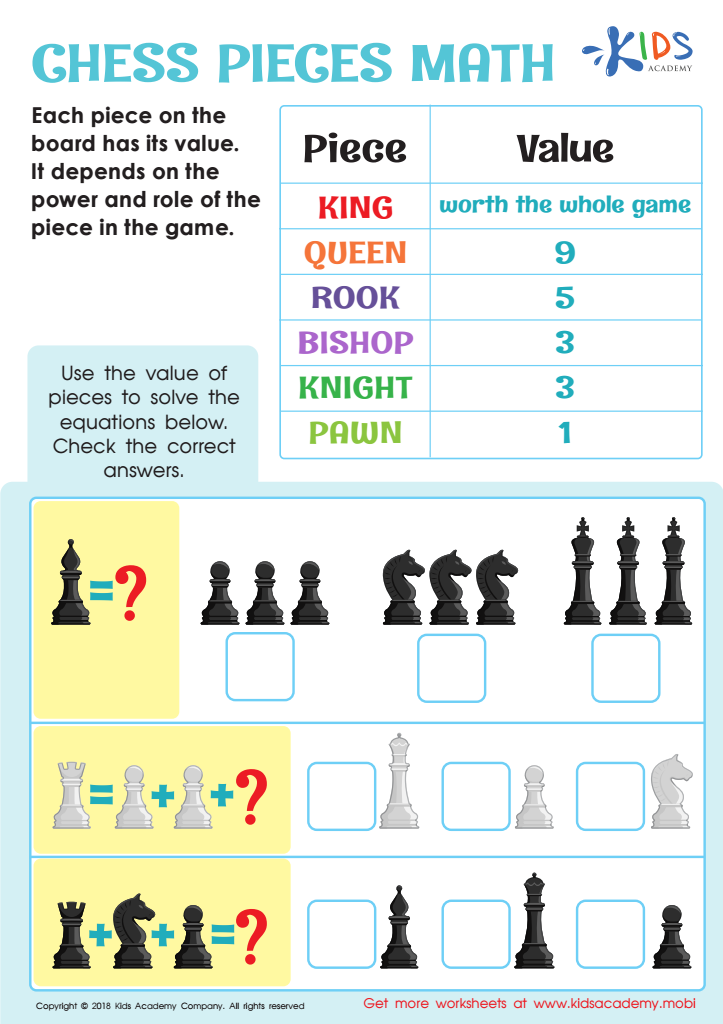
Chess Pieces Math Worksheet
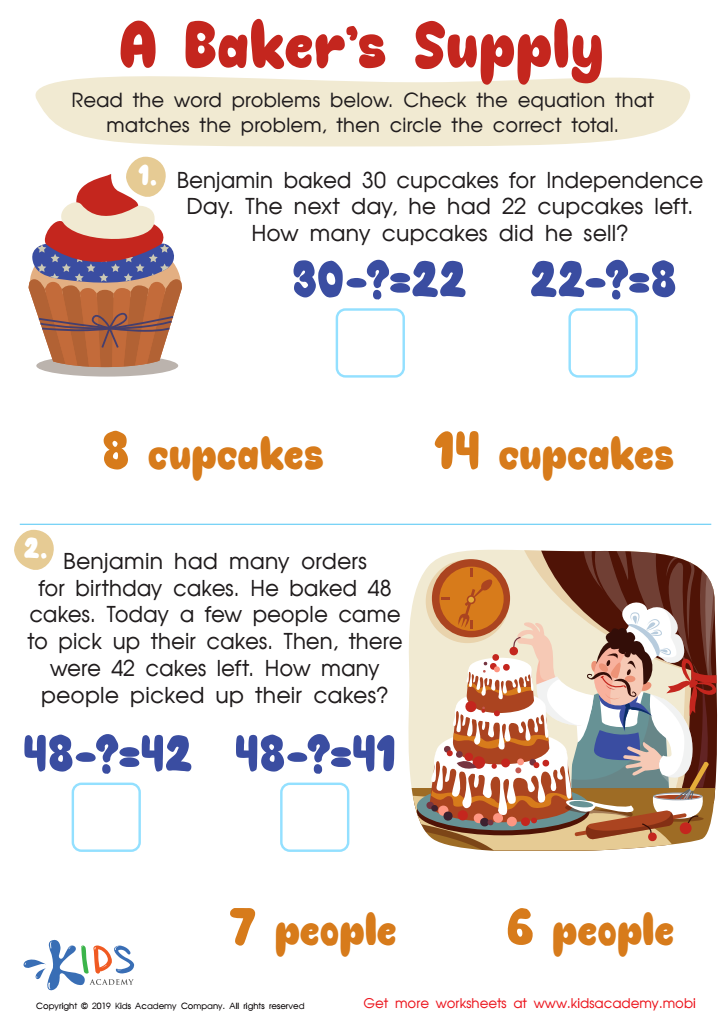
A Baker's Supply Worksheet
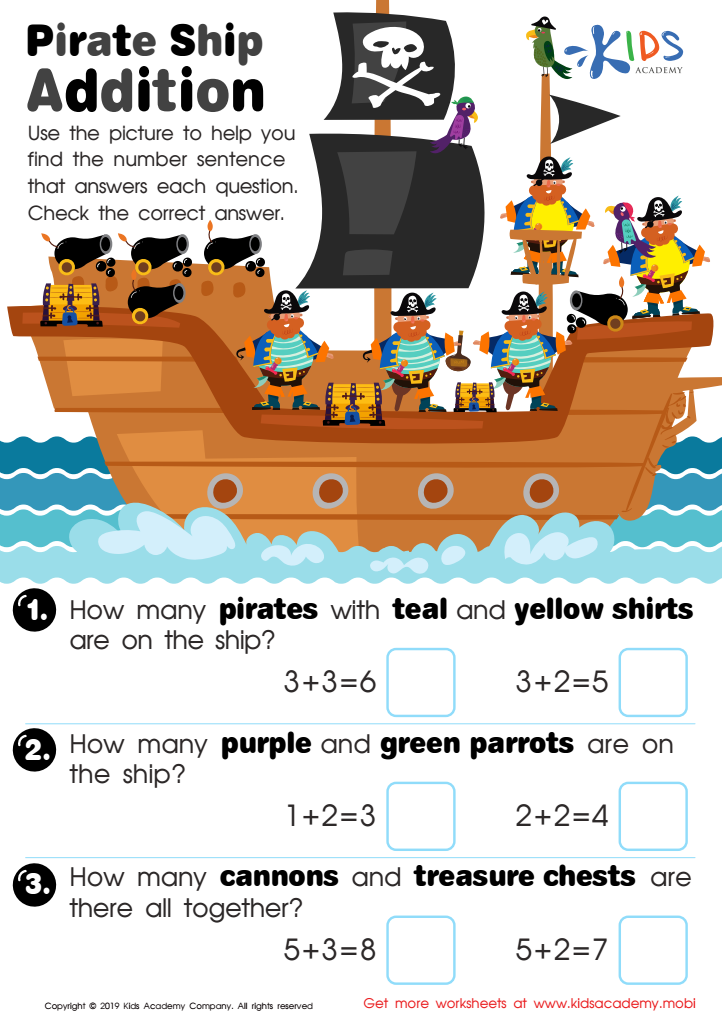
Pirate Ship Addition Worksheet
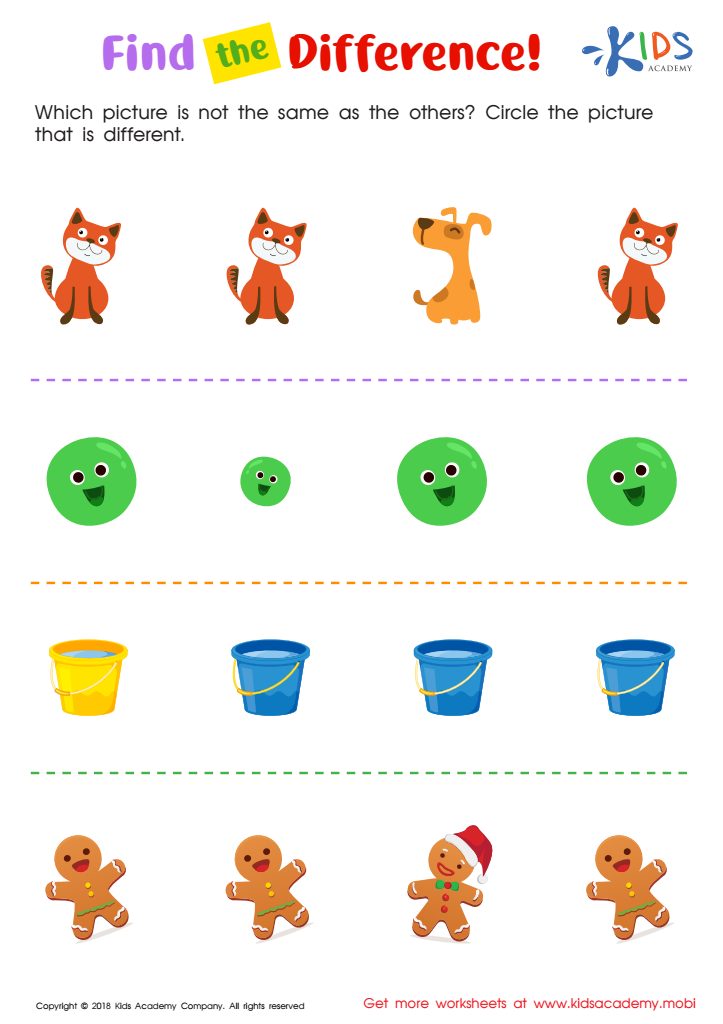
Find the Difference Worksheet




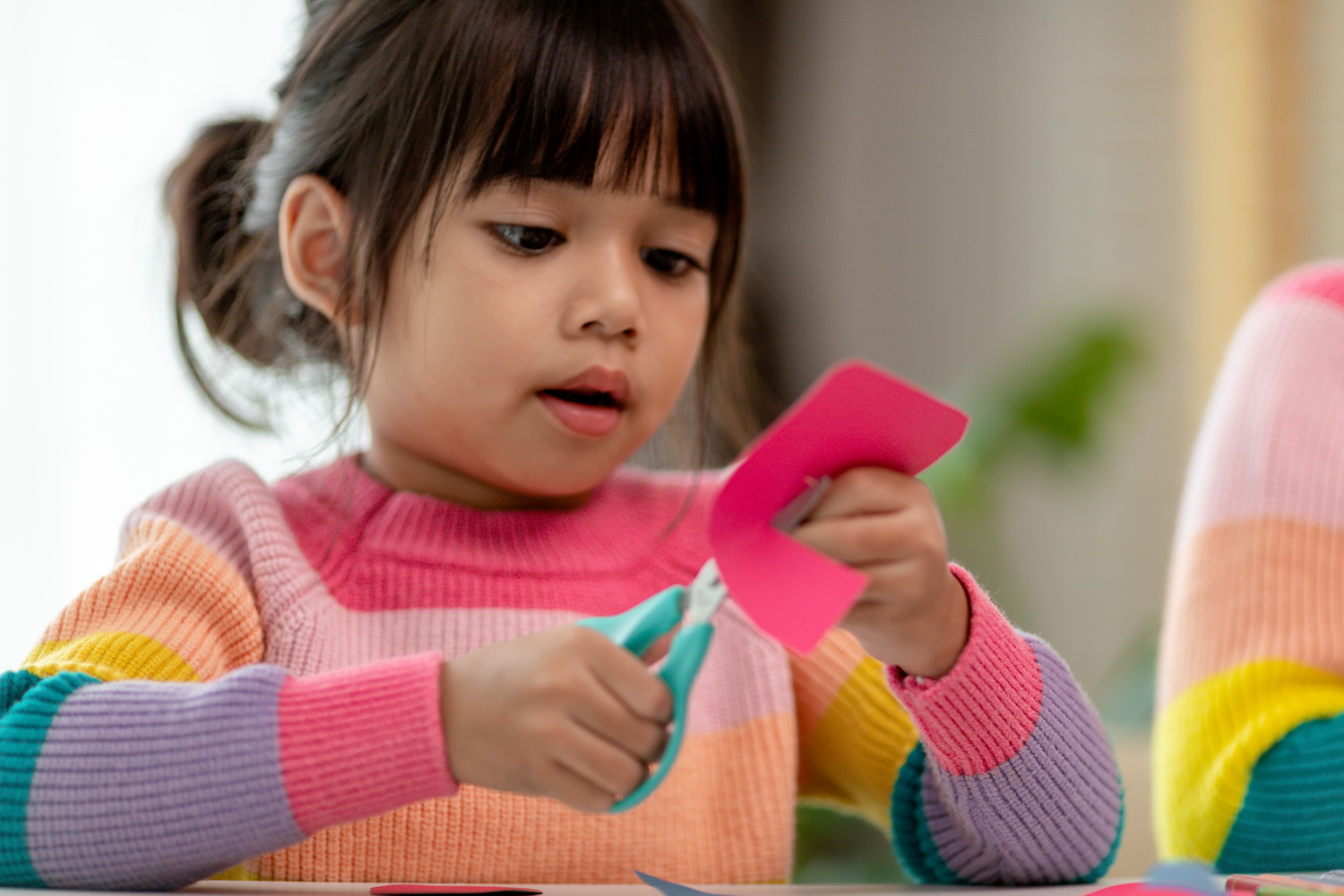
Problem-solving abilities in children aged 3-4 are crucial for their overall development and future success. At this age, children are naturally curious, and fostering problem-solving skills supports cognitive growth, critical thinking, and emotional intelligence. Engaging in problem-solving tasks invites children to explore their world, learn through trial and error, and develop patience and perseverance.
Parents and teachers play a vital role in encouraging this learning process. By providing challenging yet achievable problems—such as simple puzzles, sorting games, or basic math activities—they promote independent thinking and creativity. This early exposure helps children become comfortable with challenges, reducing anxiety around failure and building resilience.
Moreover, strong problem-solving abilities enhance communication skills as children learn to express their thoughts verbally and collaborate with peers. This collaboration encourages social skills, such as empathy and teamwork.
Additionally, nurturing these abilities can lead to better academic performance later in life. Research shows that children with strong early problem-solving skills adapt better to school environments and are more likely to excel in various subjects. Overall, supporting problem-solving in young children sets the foundation for lifelong learning, self-confidence, and adaptability, making it an essential focus for parents and teachers.








