Story sequencing Worksheets for Ages 3-4
16 filtered results
-
From - To
Enhance your child's comprehension and cognitive skills with our engaging Story Sequencing Worksheets for ages 3-4! Designed to boost early literacy, these worksheets help children develop the ability to organize events and visualize narratives in a fun, interactive way. Through colorful illustrations and simple prompts, kids will enjoy piecing together stories and understanding the sequential structure of storytelling. Ideal for parents and educators, our resources foster creativity, critical thinking, and language skills. Download the worksheets today to set your little ones on the path to becoming confident storytellers while sharpening their problem-solving abilities! Perfect for home or classroom use!
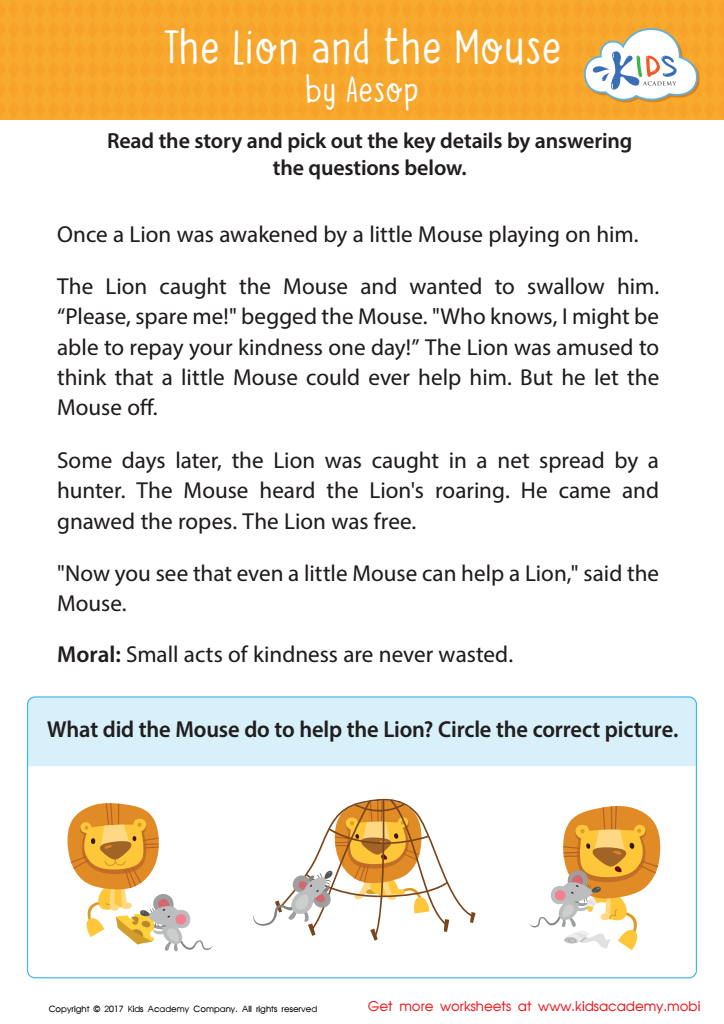
The Lion and The Mouse Sequencing Worksheet
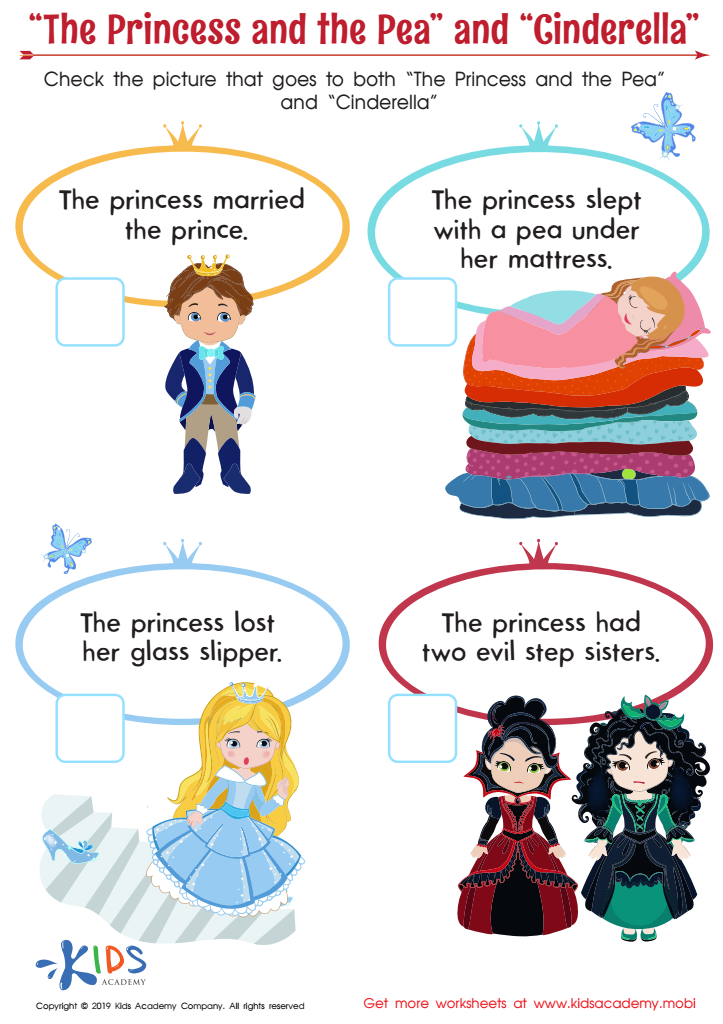
“The Princess and the Pea” and “Cinderella” Worksheet
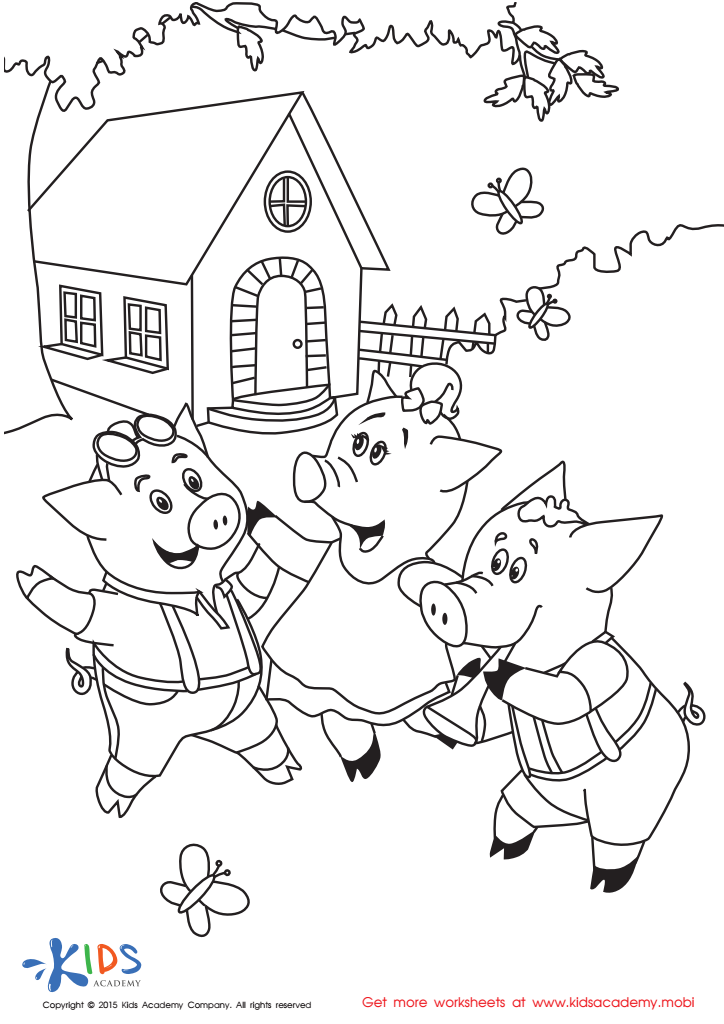
Folktales Printable PDF Worksheet: The 3 Little Pigs
 Assign to My Students
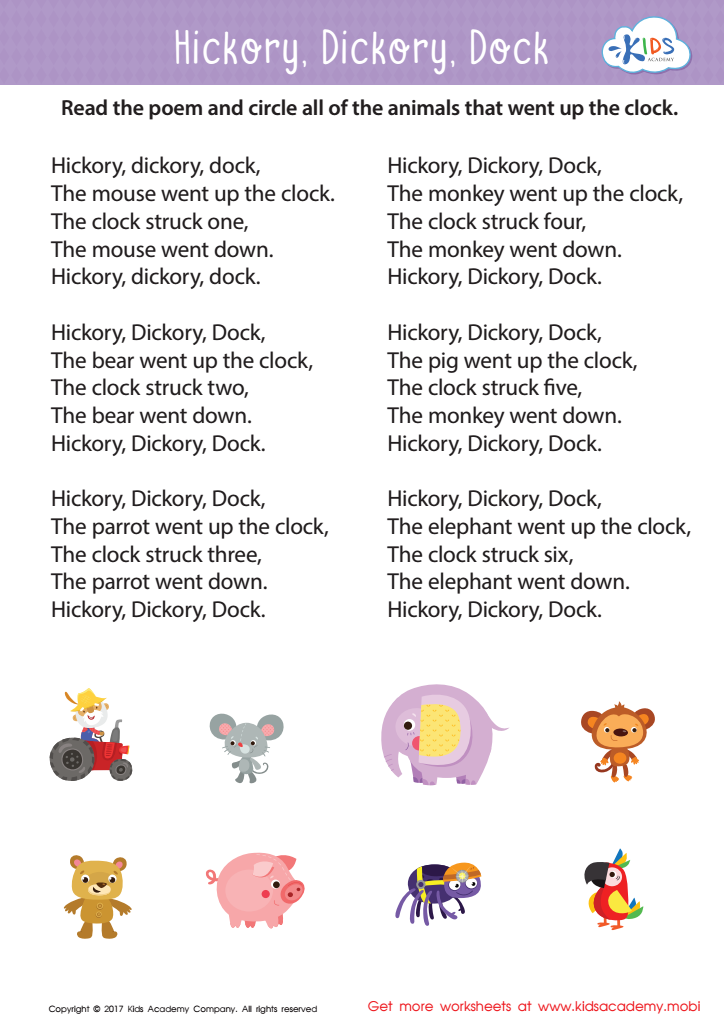
Hickory Dickory Dock Sequencing Worksheet
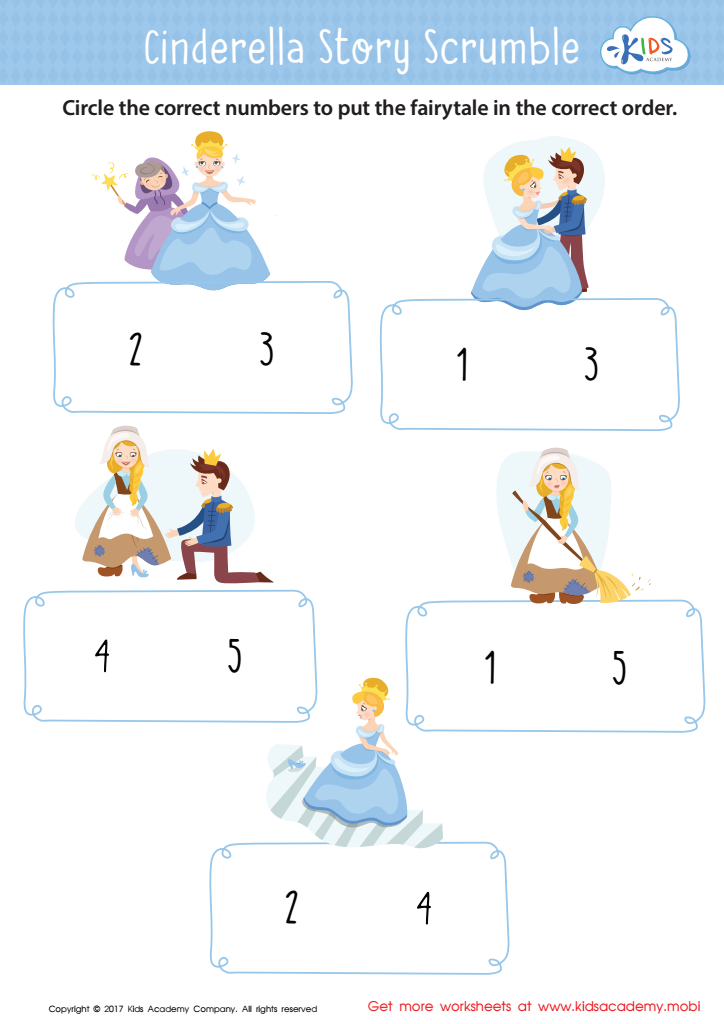
Cinderella Story Sequencing Worksheet
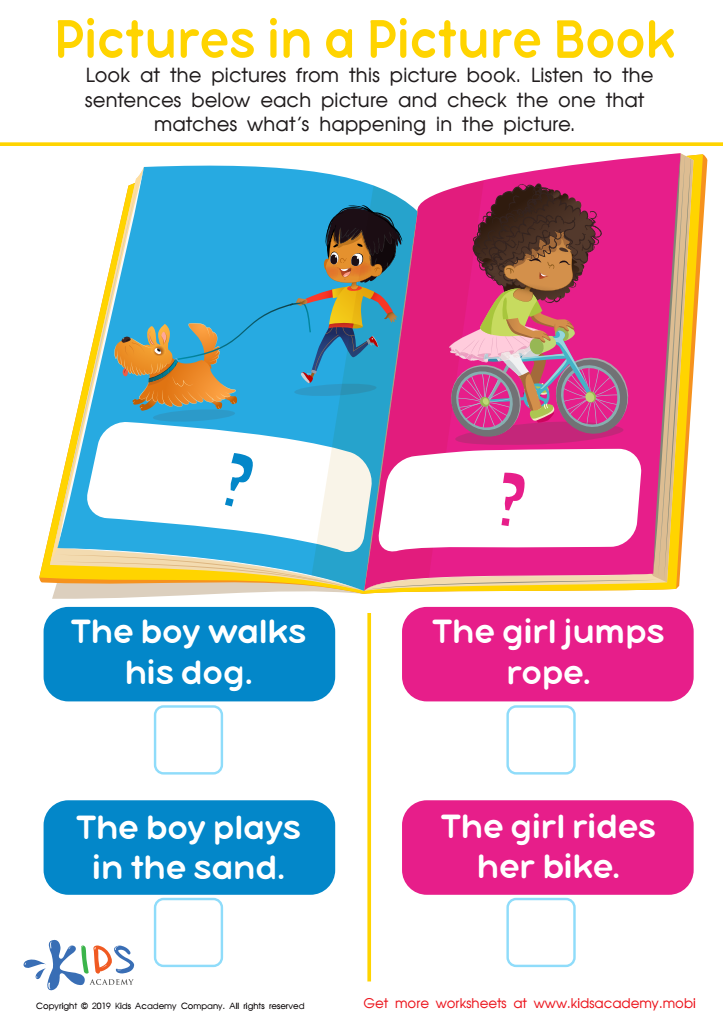
Picture in Books Worksheet
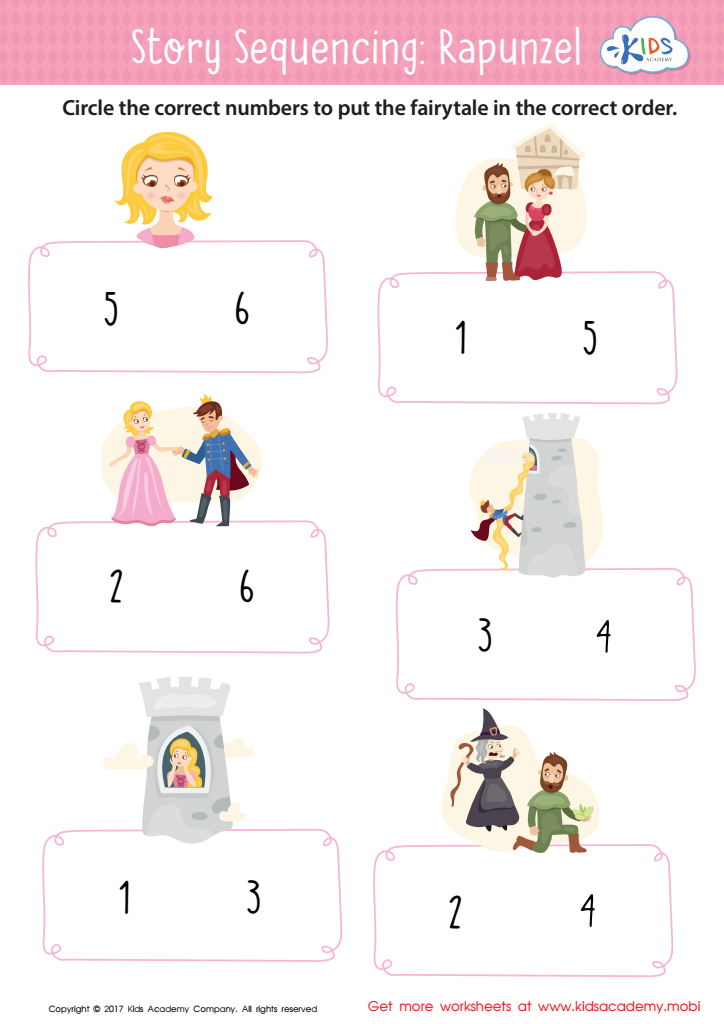
Rapunzel Story Sequencing Worksheet
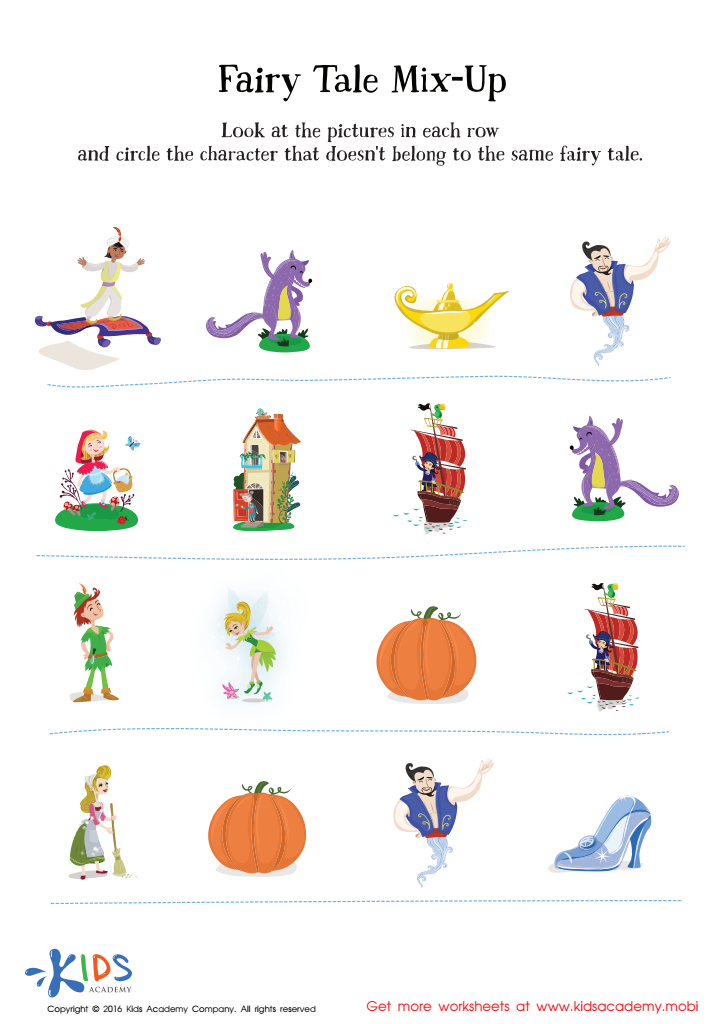
Fairy Tale Worksheet: Story Mix Up
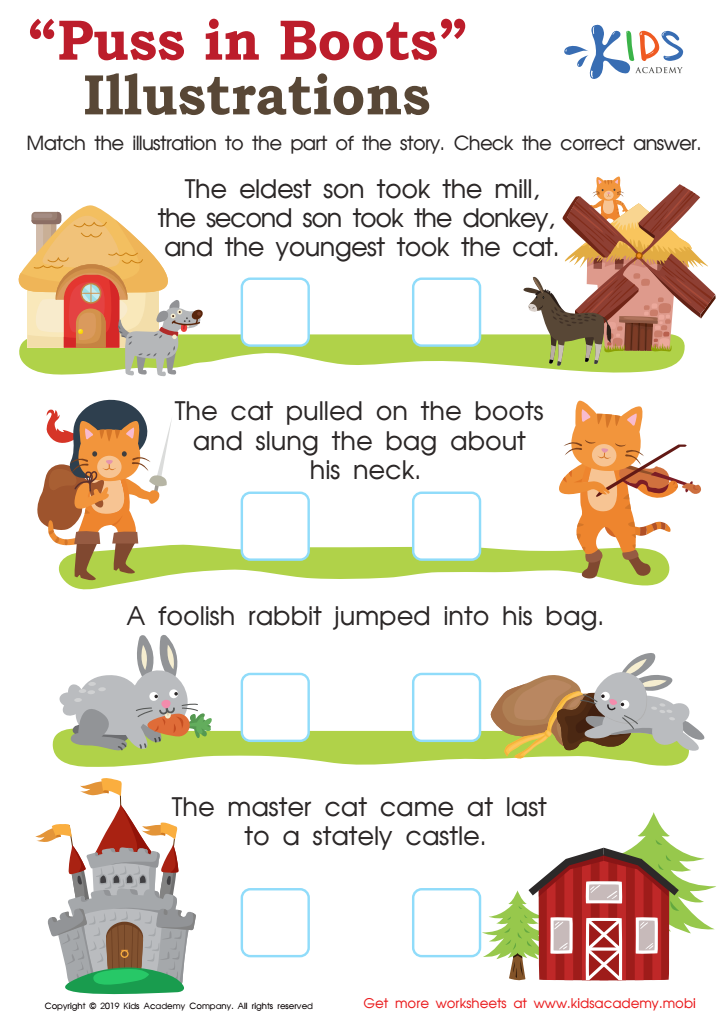
Puss in Boots Illustrations Worksheet
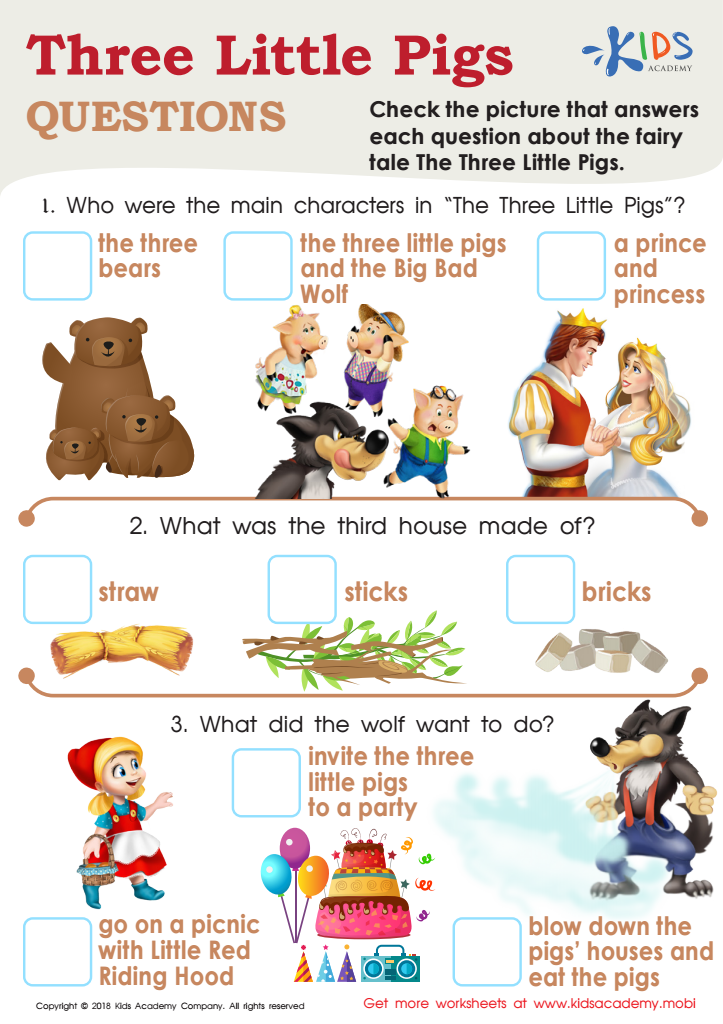
Three Little Pigs Questions Worksheet
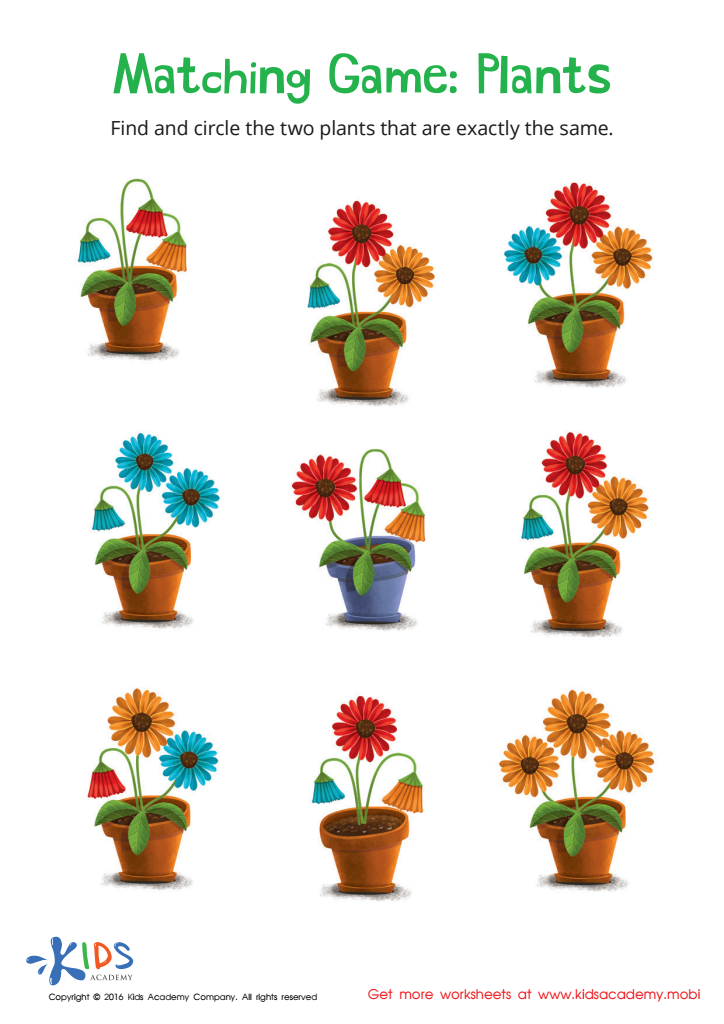
Matching: Plants Worksheet
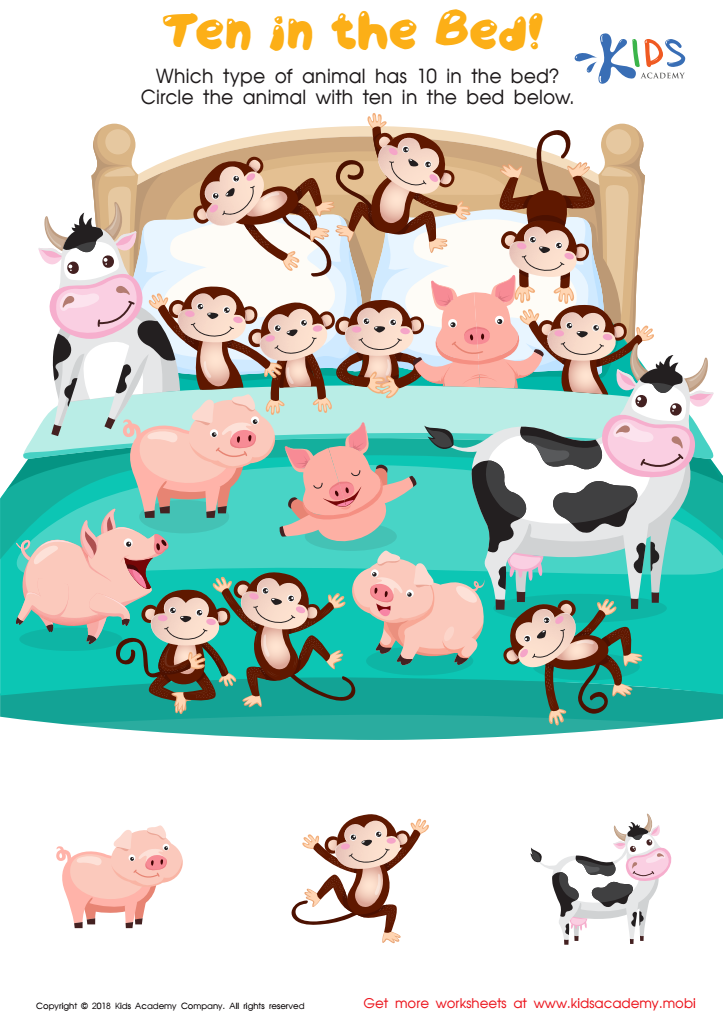
Ten in the Bed Worksheet
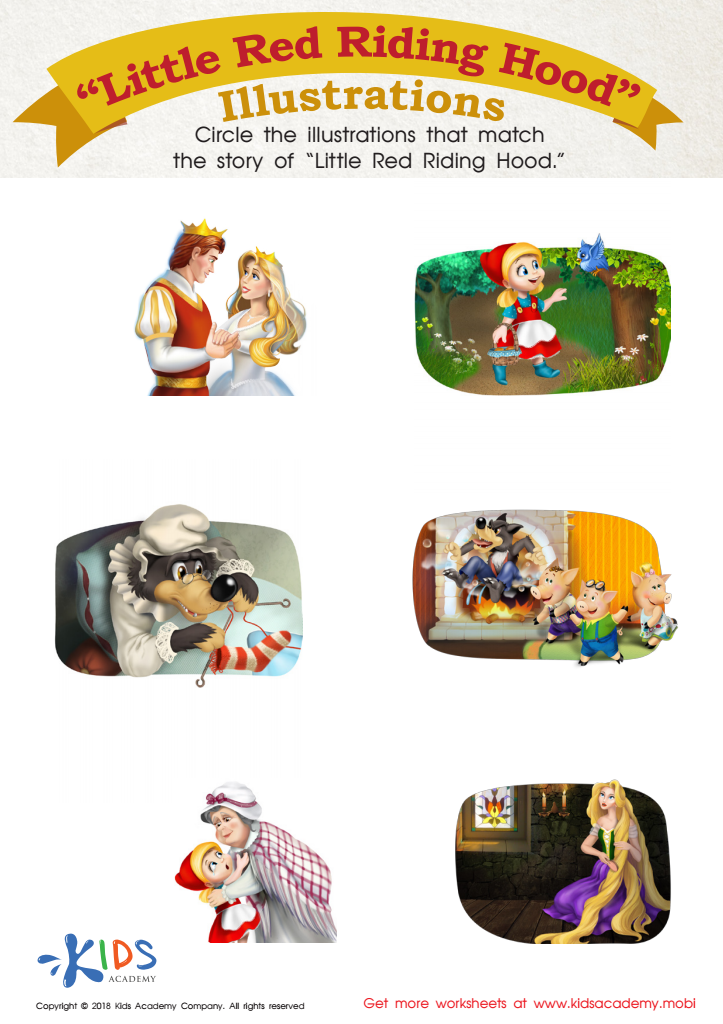
Little Red Riding Hood: Illustrations Worksheet
The Three Little Pigs and The Big Bad Wolf Printable
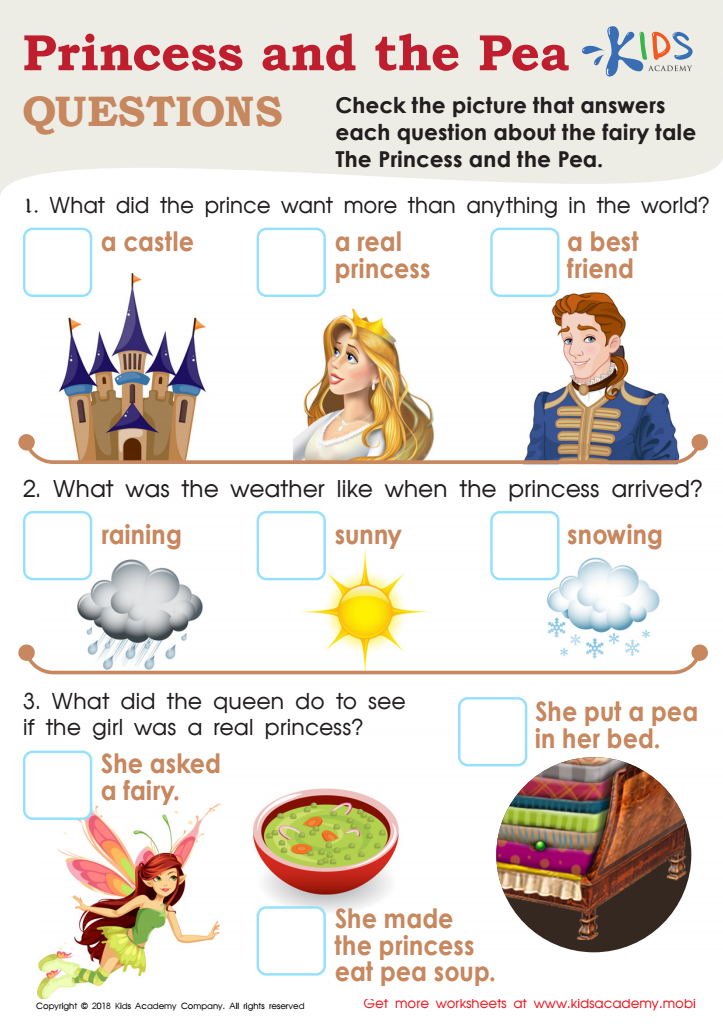
Princess and the Pea Questions Worksheet
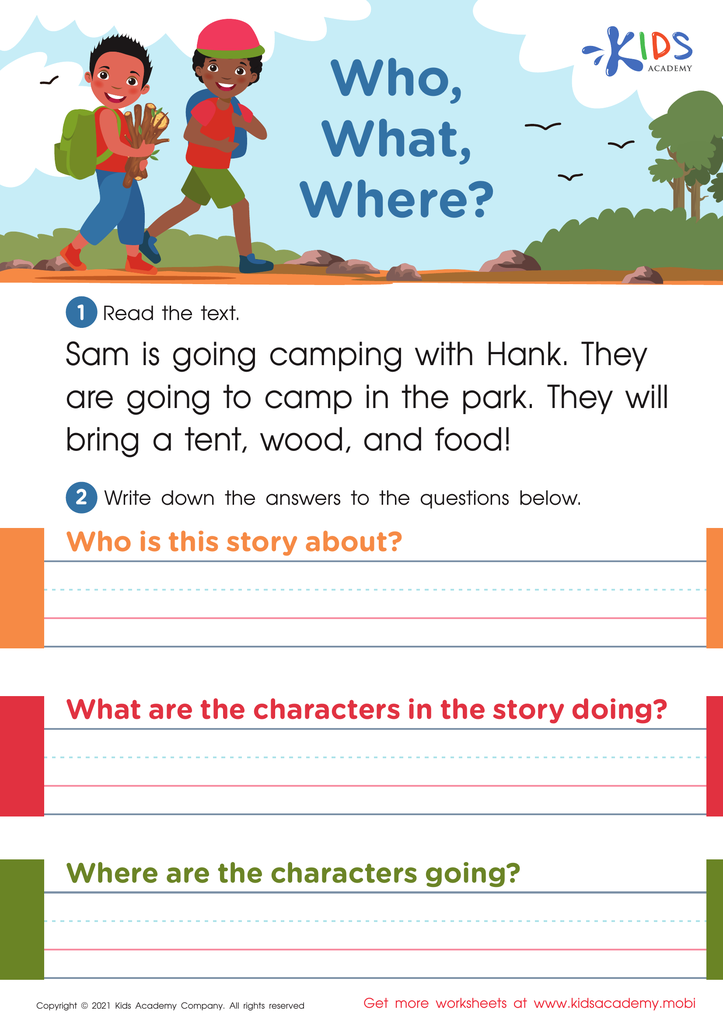
Who, What, Where? Worksheet







Story sequencing is pivotal for children aged 3-4 as it lays the foundation for critical thinking, comprehension, and communication skills. At this age, children are naturally curious about stories, and engaging them in activities that emphasize sequencing helps enhance their understanding of narrative structures—beginning, middle, and end.
When parents and teachers encourage story sequencing, they foster cognitive development by promoting memory skills and logical thought. It allows children to recall events, making connections between them and enhancing their ability to predict what might happen next. This skill not only boosts literacy but also nurtures a child’s creativity and imagination as they learn to articulate their own stories.
Moreover, sequencing activities support language development. As children discuss the order of events, they pick up new vocabulary and practice grammar in context. Teachers can utilize sequencing through interactive activities such as retelling stories with picture cards or sequencing games, making the learning process enjoyable.
Ultimately, story sequencing nurtures a love for reading, helps children understand their world, facilitates problem-solving skills, and prepares them for more complex narratives in the years to come. By prioritizing this early learning aspect, parents and teachers equip children with essential tools for lifelong learning.








