Understanding Sequences Worksheets for Ages 3-4
11 filtered results
-
From - To
Help your little ones grasp the concept of sequences with our engaging worksheets designed for ages 3-4! Understanding sequences is essential for early childhood development, as it lays the groundwork for critical thinking and problem-solving skills. Our resources feature fun activities that encourage children to recognize patterns, order events, and enhance cognitive abilities. Each worksheet is tailored to suit the learning needs of young children, ensuring they stay motivated and entertained while learning. Whether at home or in the classroom, these worksheets are perfect for reinforcing understanding of sequences in a playful and interactive way. Explore our printable worksheets today!
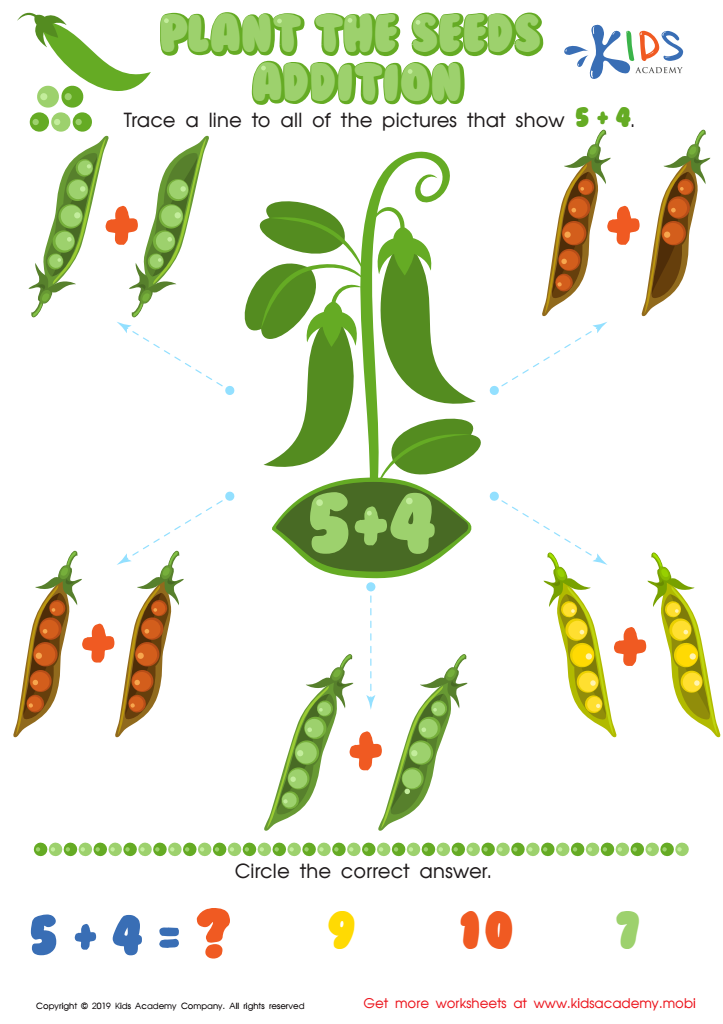
Plant the Seeds Addition Worksheet
 Assign to My Students
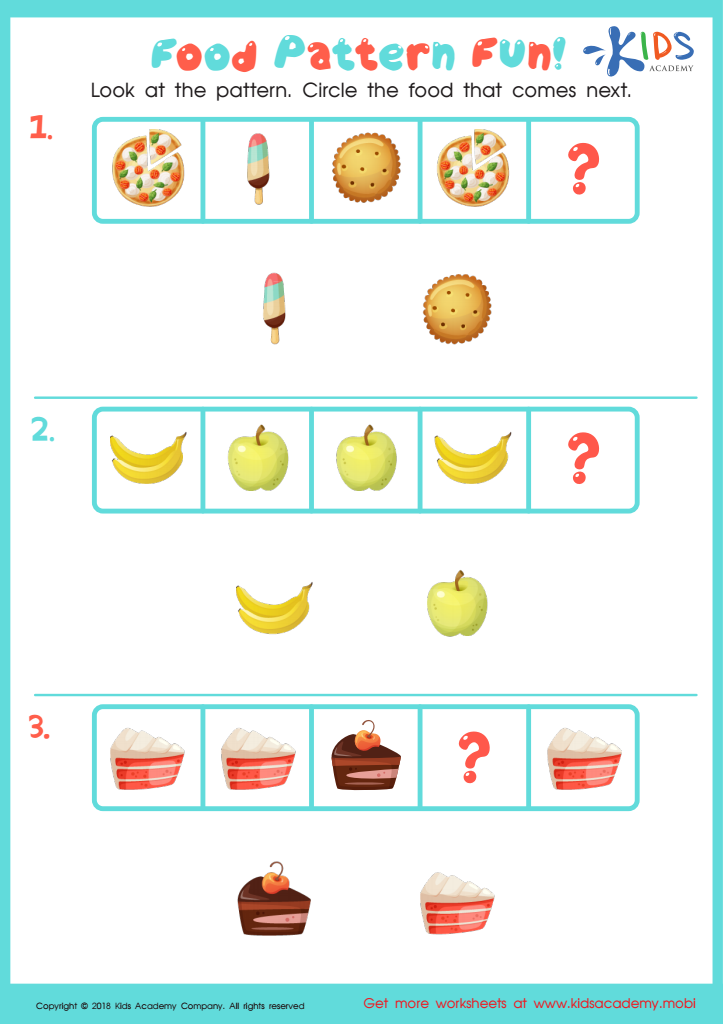
Food Pattern Fun Worksheet
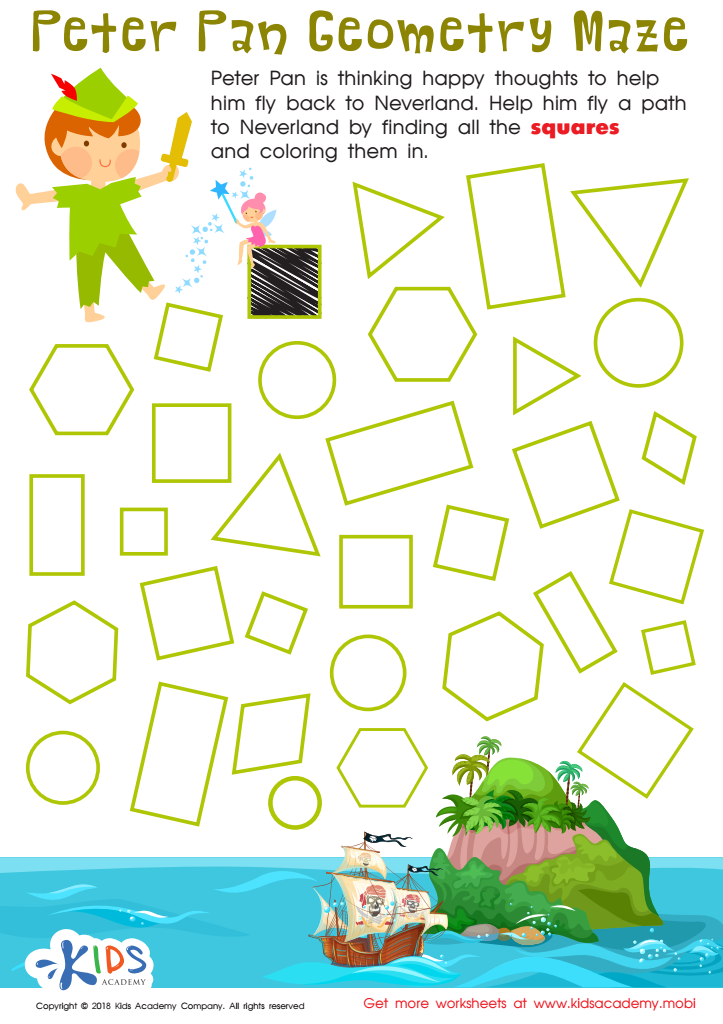
Peter Pan Worksheet
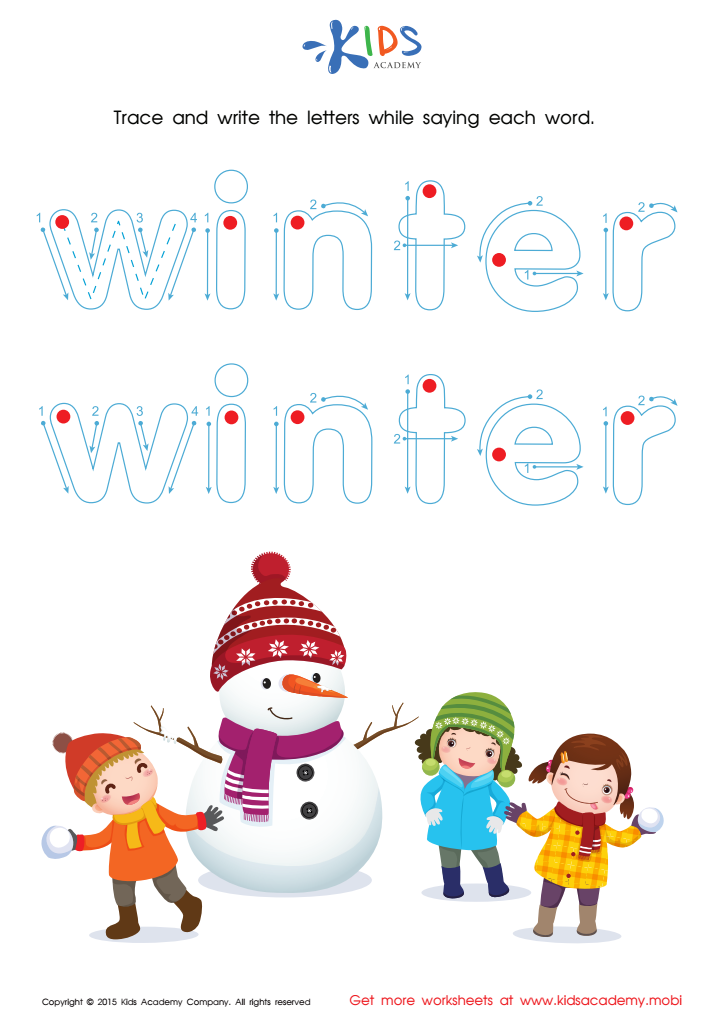
Snowman Tracing Winter Words Worksheet
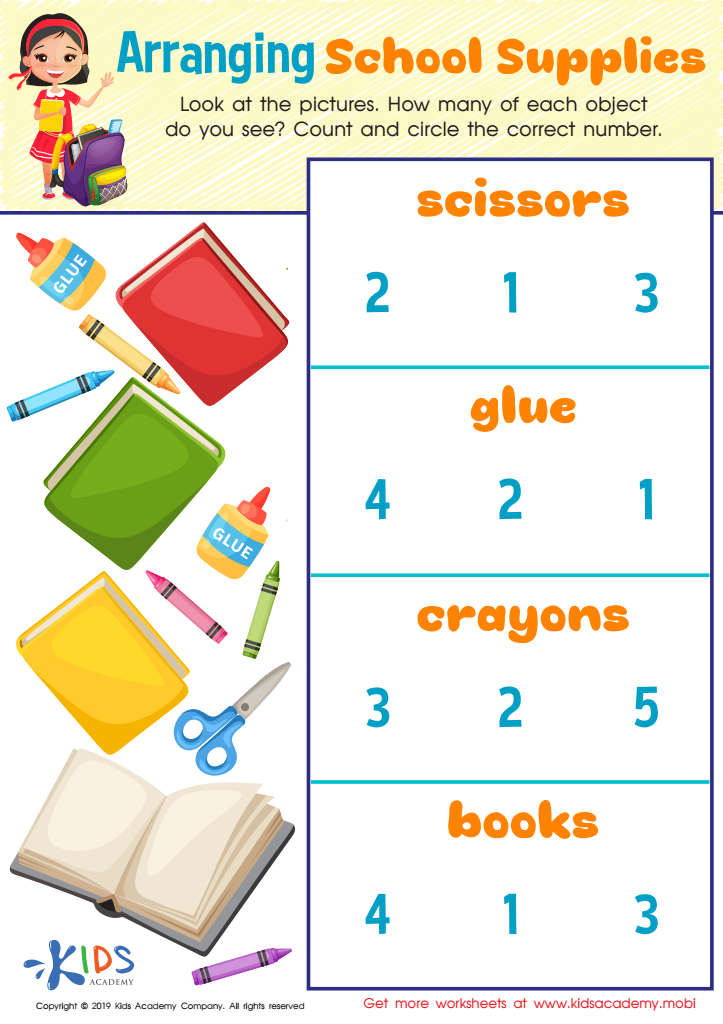
Arranging School Supplies Worksheet
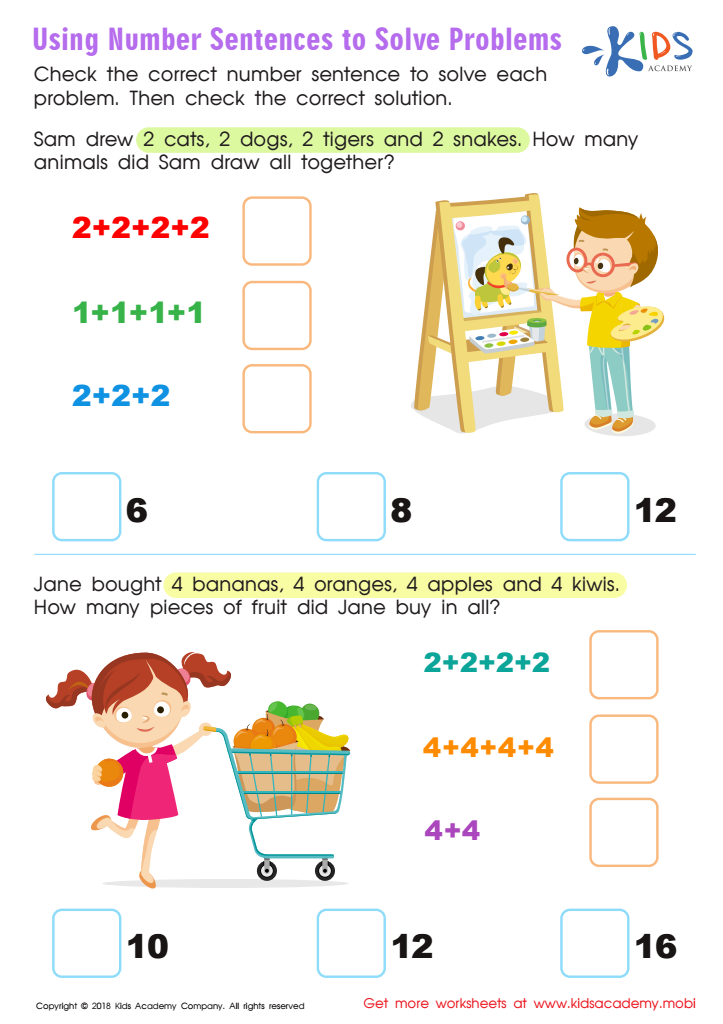
Using Number Sentences to Solve Problems Worksheet
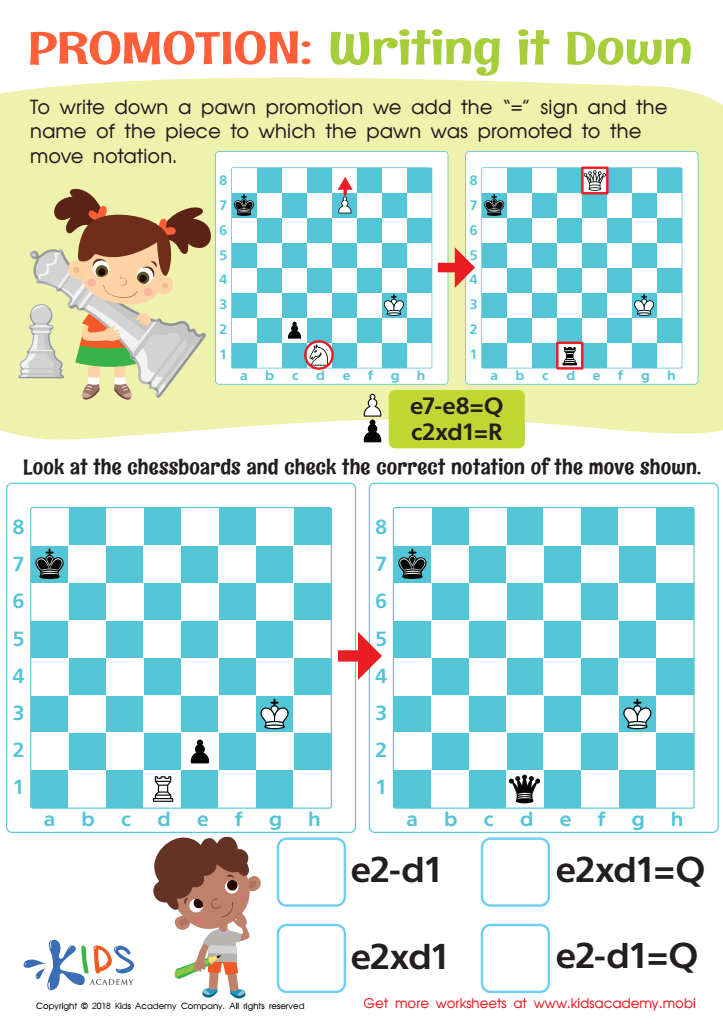
Writing it Down Worksheet
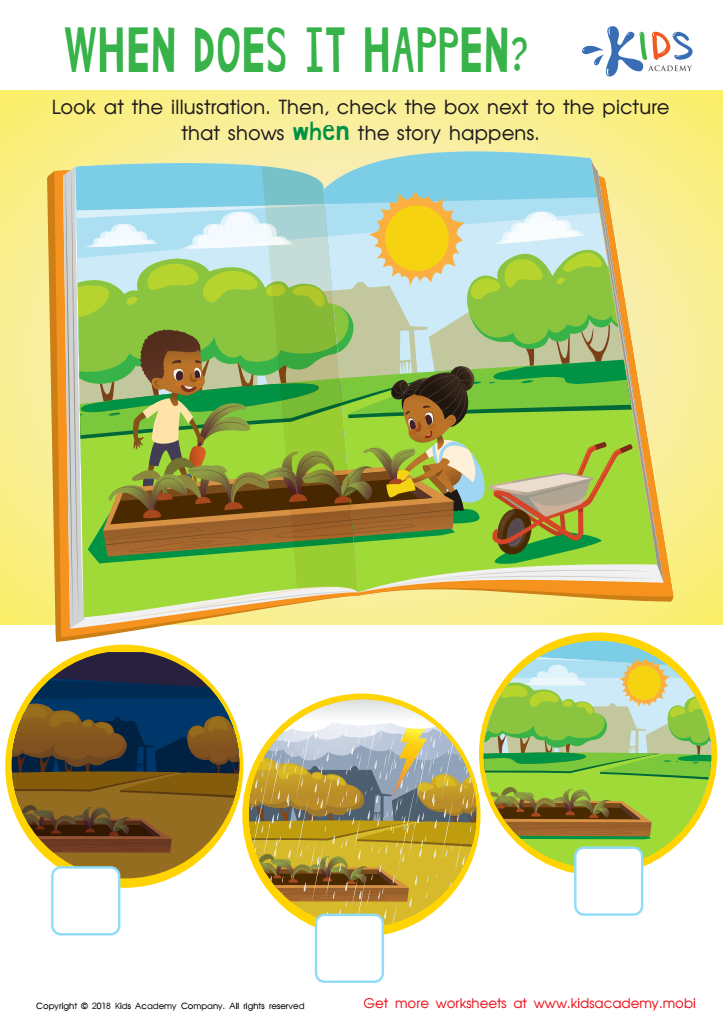
When Does It Happen? Worksheet
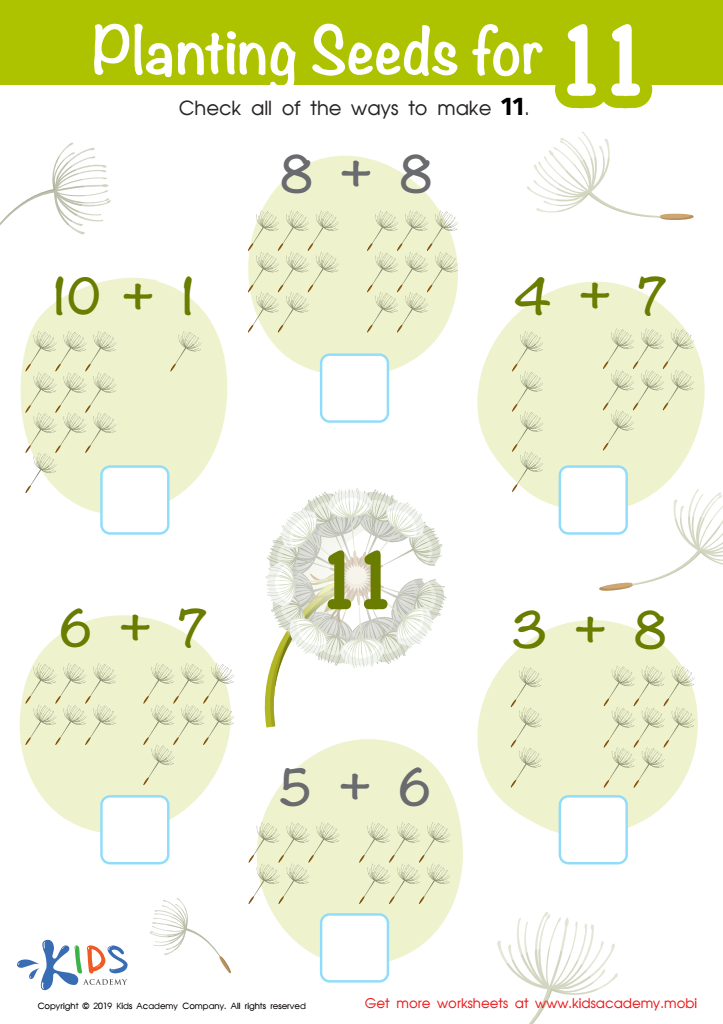
Planting Seeds for 11 Worksheet
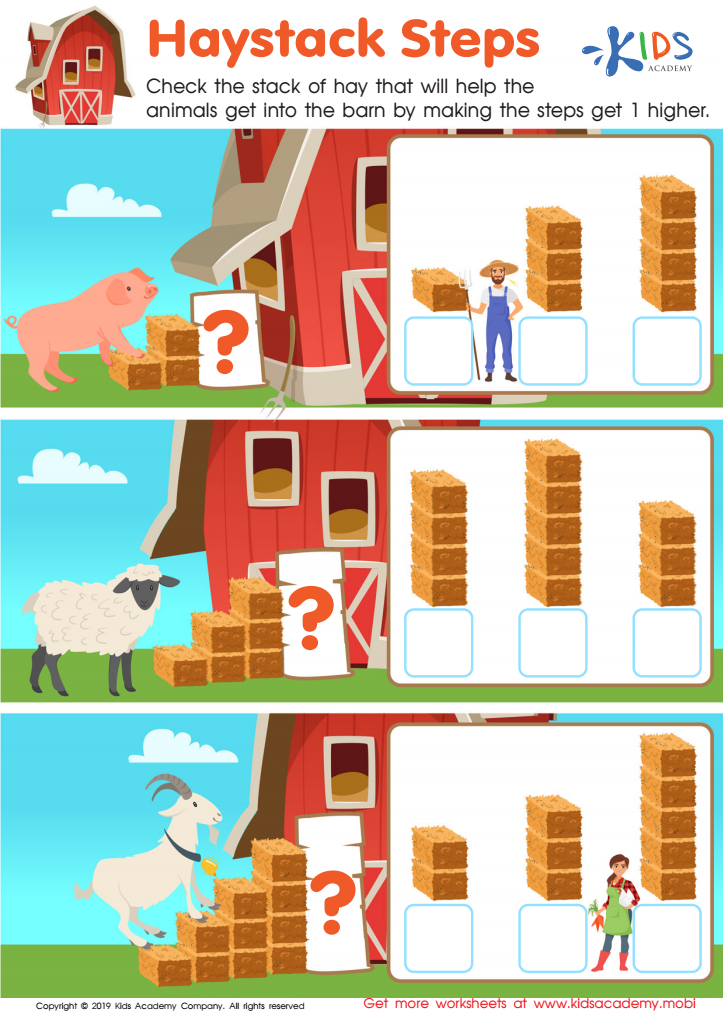
Haystack Steps Worksheet








Understanding sequences is crucial for children aged 3-4 as it lays the foundational skills necessary for cognitive development and problem-solving. At this age, children are naturally curious, and engaging them in sequential activities helps enhance their ability to think logically and recognize patterns. For parents and teachers, recognizing the significance of sequences in everyday situations—like the order of daily routines or the progression in stories—can facilitate learning.
Teaching children to make sense of sequences not only builds reasoning skills but also boosts language acquisition. When children follow a sequence in a story or a series of steps to complete a task, they learn to articulate their thoughts and express ideas clearly. This capacity directly supports literacy and numeracy development.
Moreover, mastering sequencing fosters essential life skills such as critical thinking and organization. As children internalize the idea that one event leads to another, they can better manage tasks and predict outcomes, helping them navigate both academic and social environments.
In summary, parents and teachers should prioritize understanding sequences for young children, as it nurtures a range of cognitive abilities that are vital for success in all areas of life, from school readiness to interpersonal skills.








