Visual perception Worksheets for Ages 3-4 - Page 2
49 filtered results
-
From - To
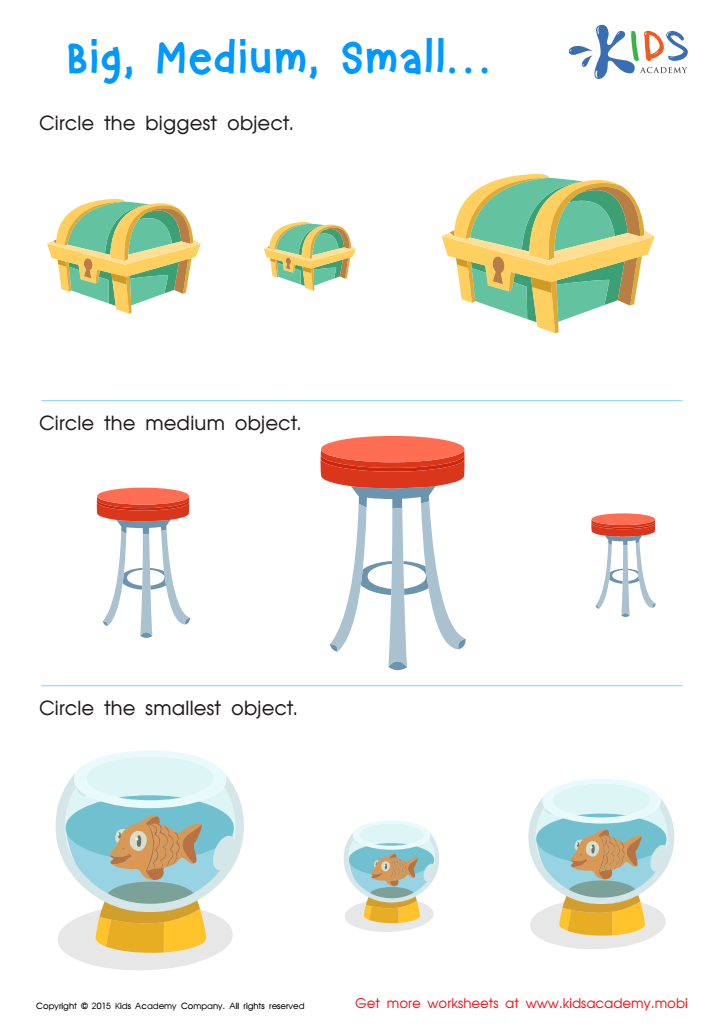
Big Medium Small Worksheet
 Assign to My Students
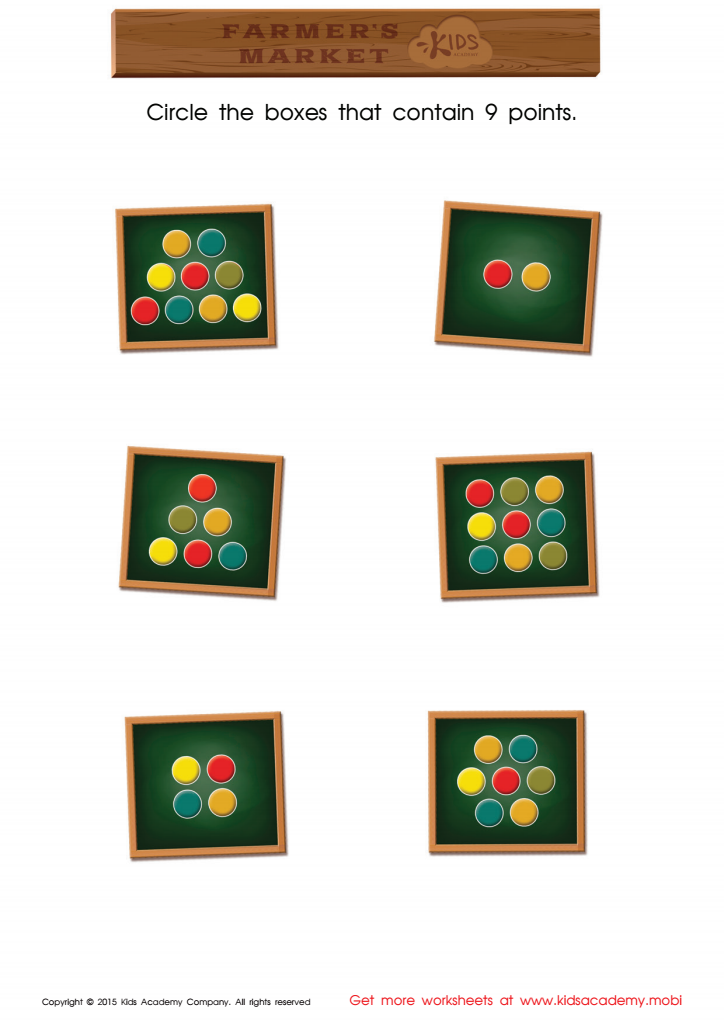
Count and Match Points 9 Math Worksheet
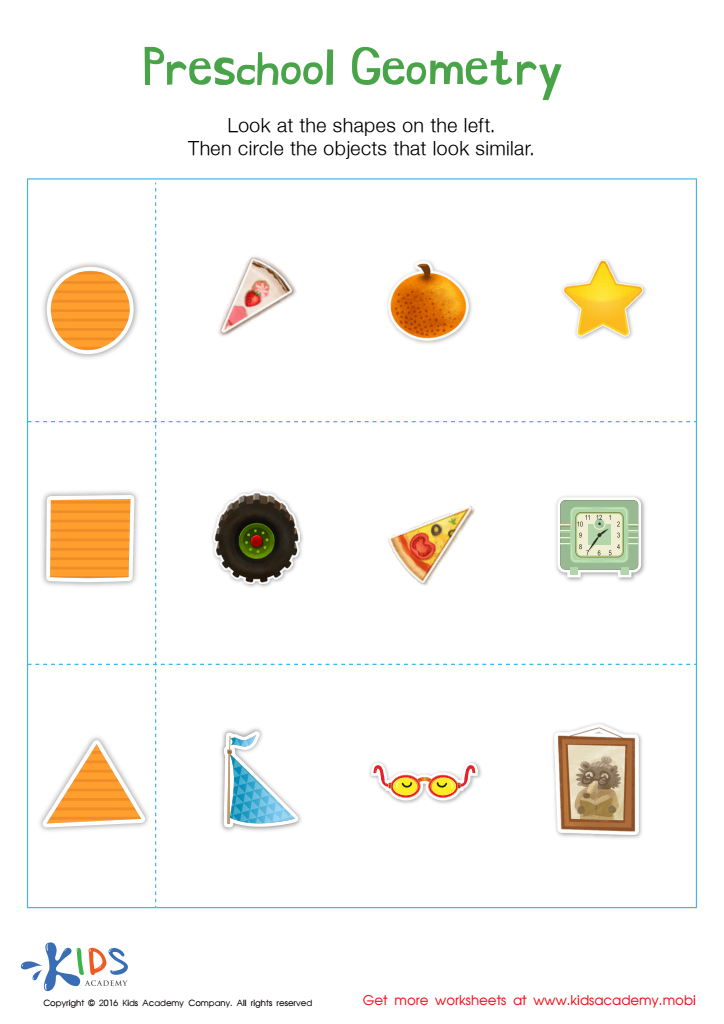
Preschool Geometry Match Up Worksheet
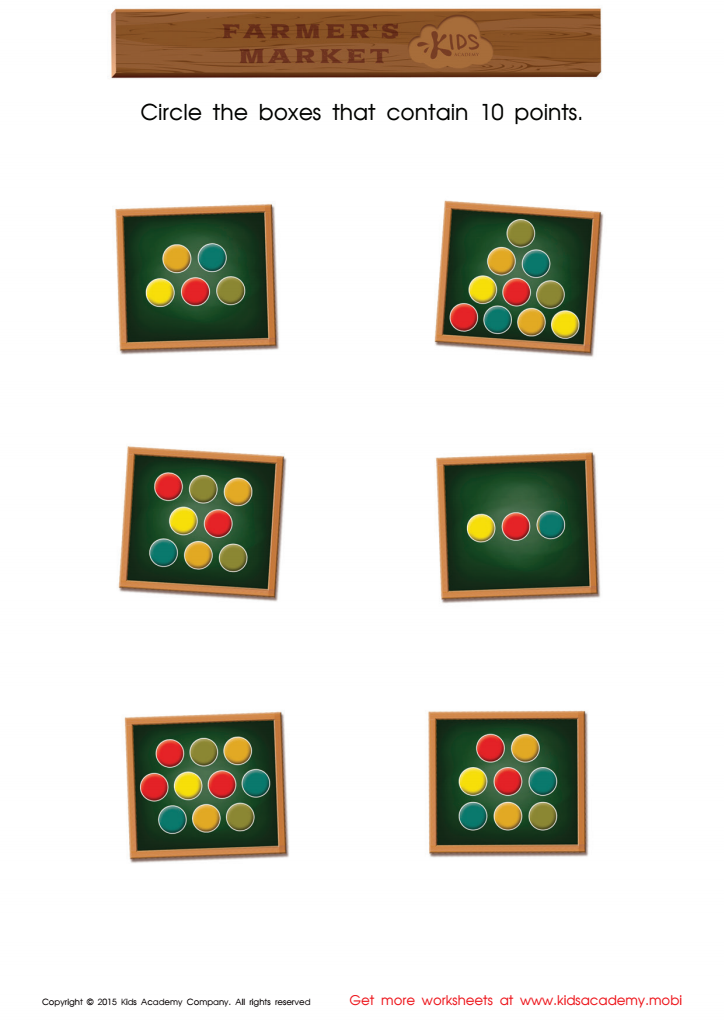
Count and Match Points 10 Math Worksheet
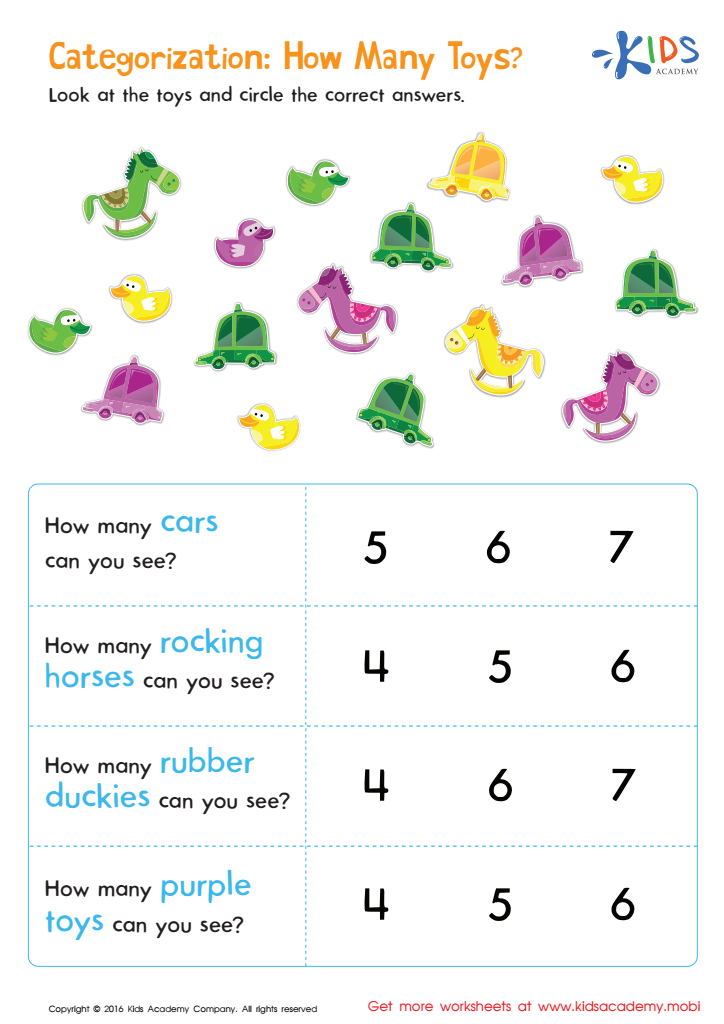
Classifying Toys by Type and Color Sorting Worksheet
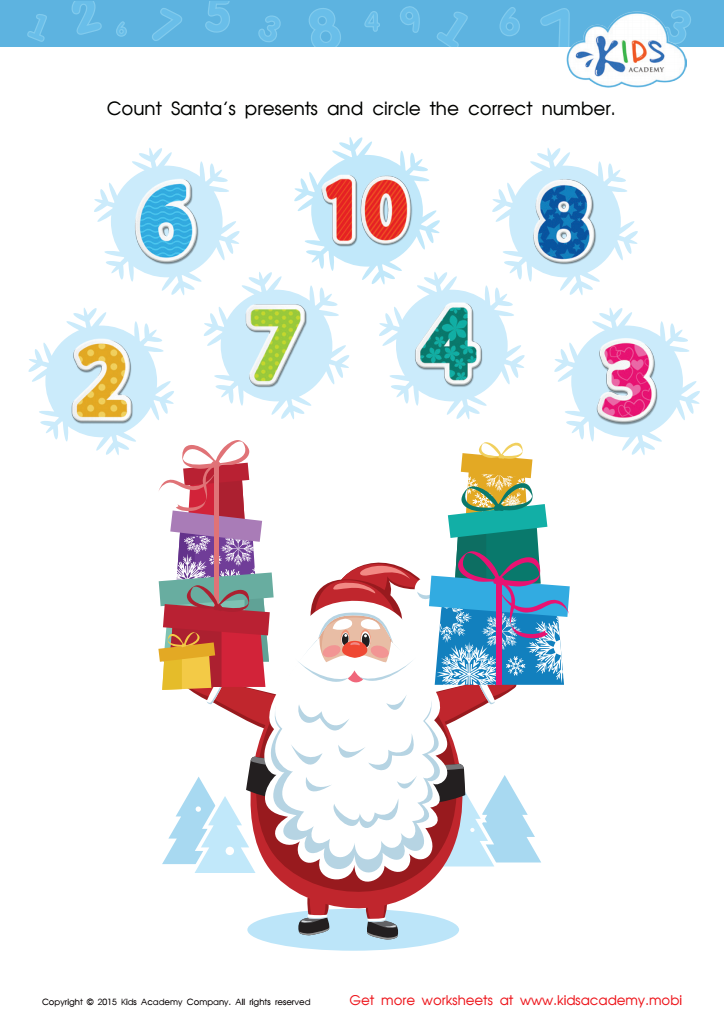
Count Santa's Presents Worksheet
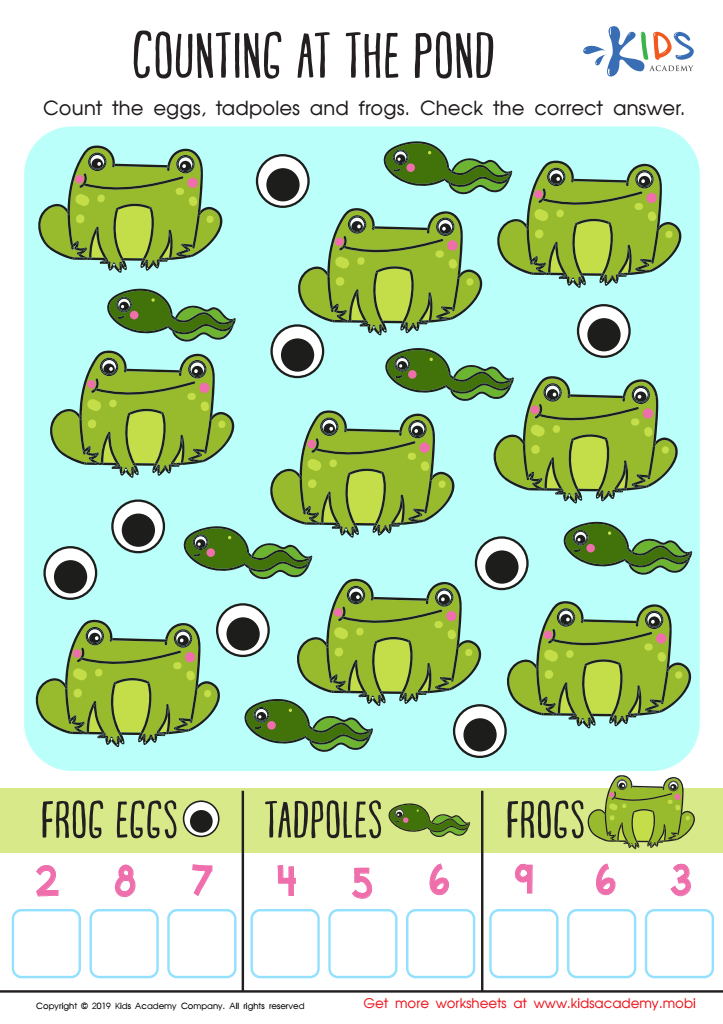
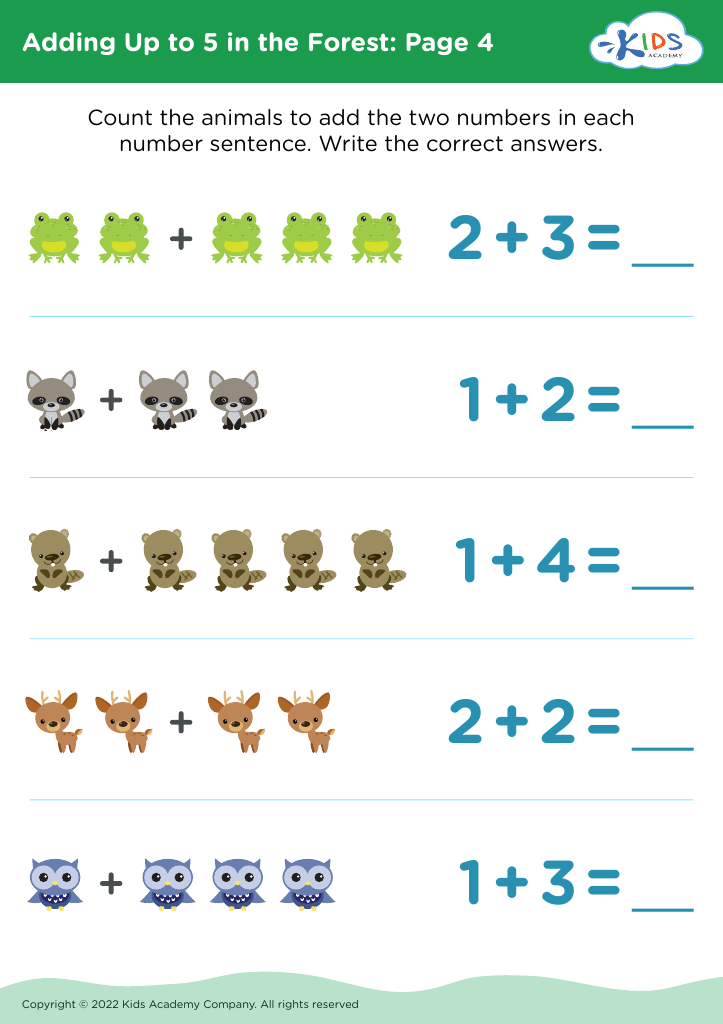
Counting at the Pond Worksheet
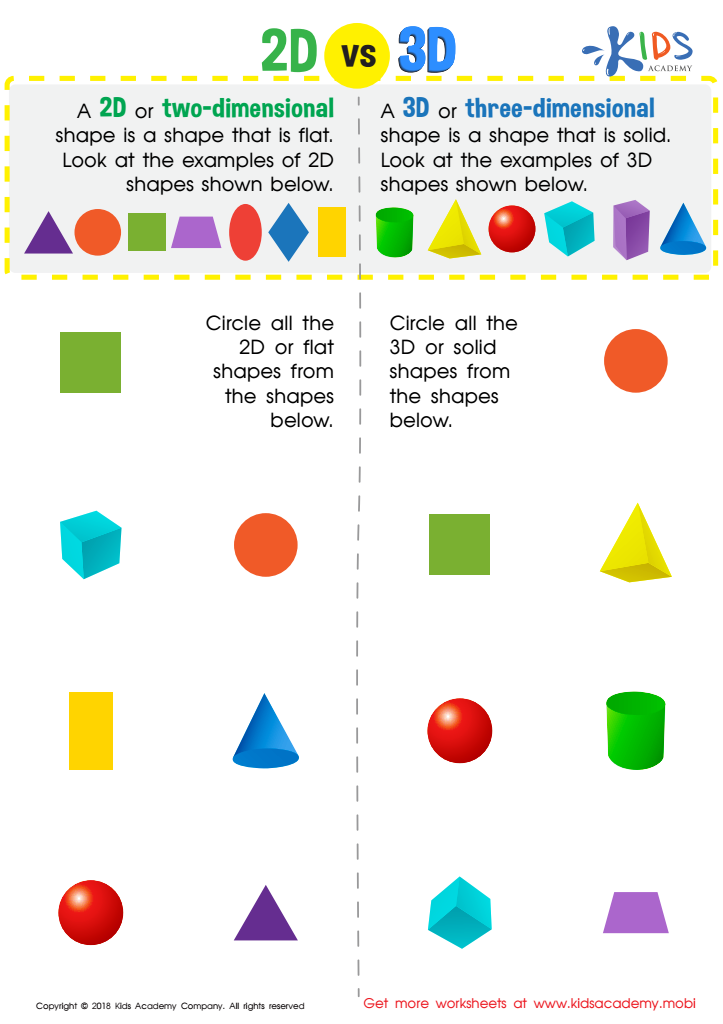
2D vs 3D Shapes Worksheet
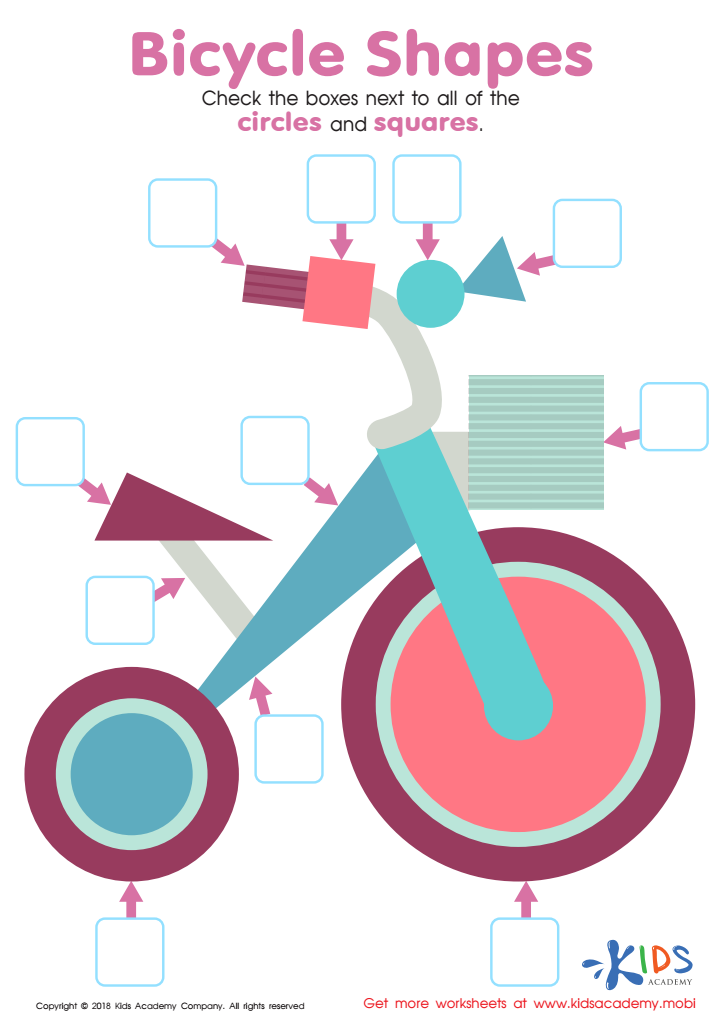
Bicycle Shapes Worksheet
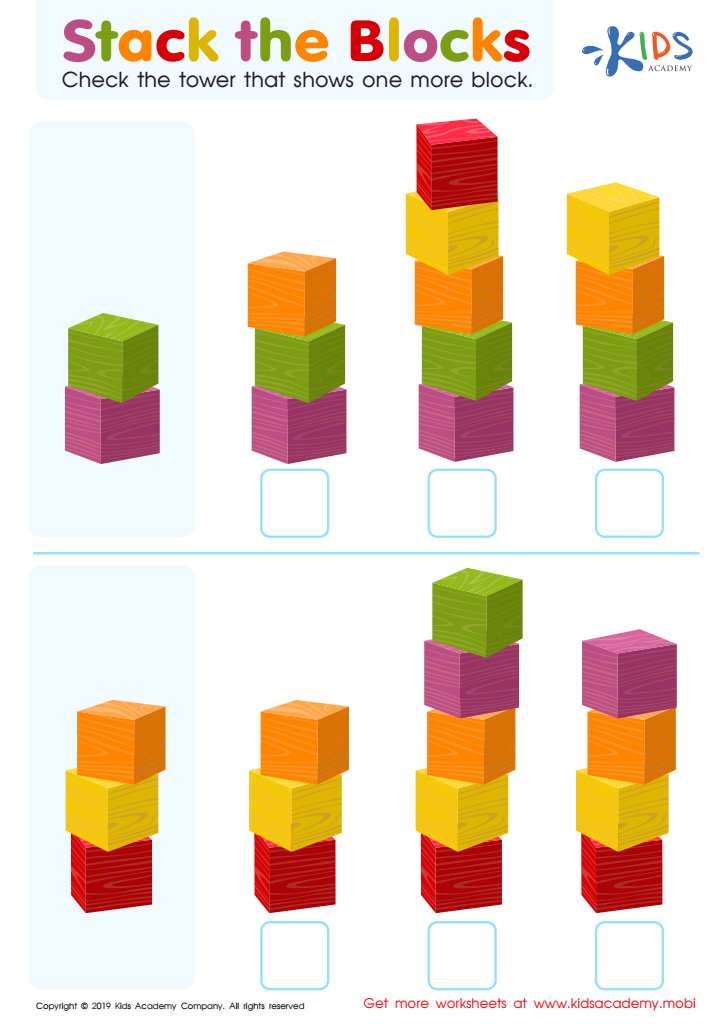
Stack the Blocks Worksheet
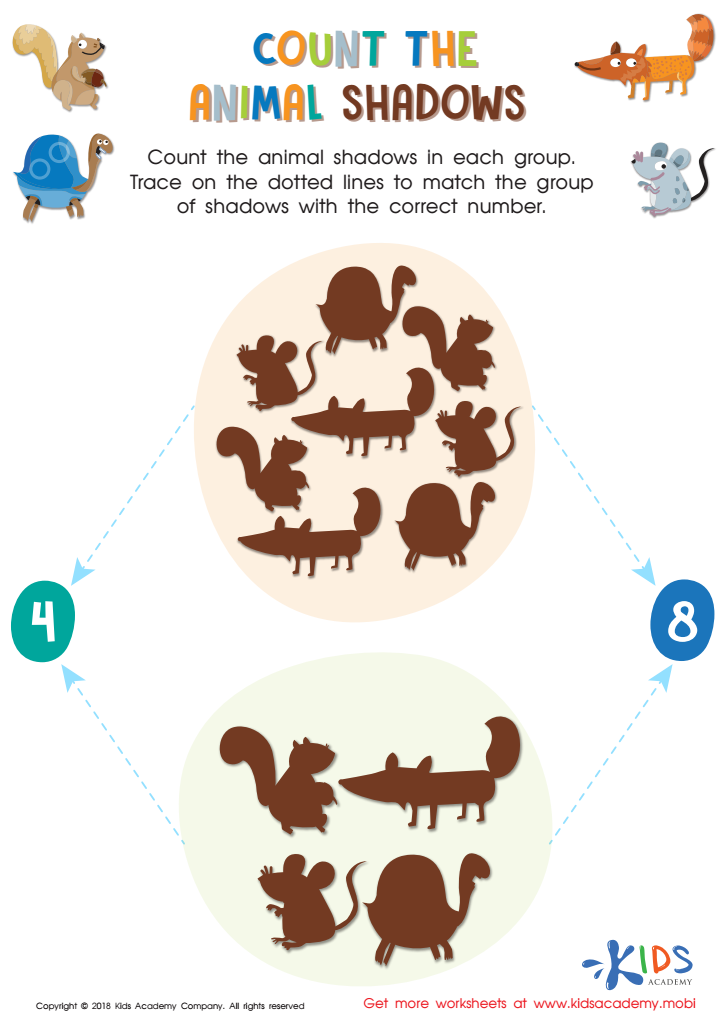
Count the Animal Shadows Worksheet
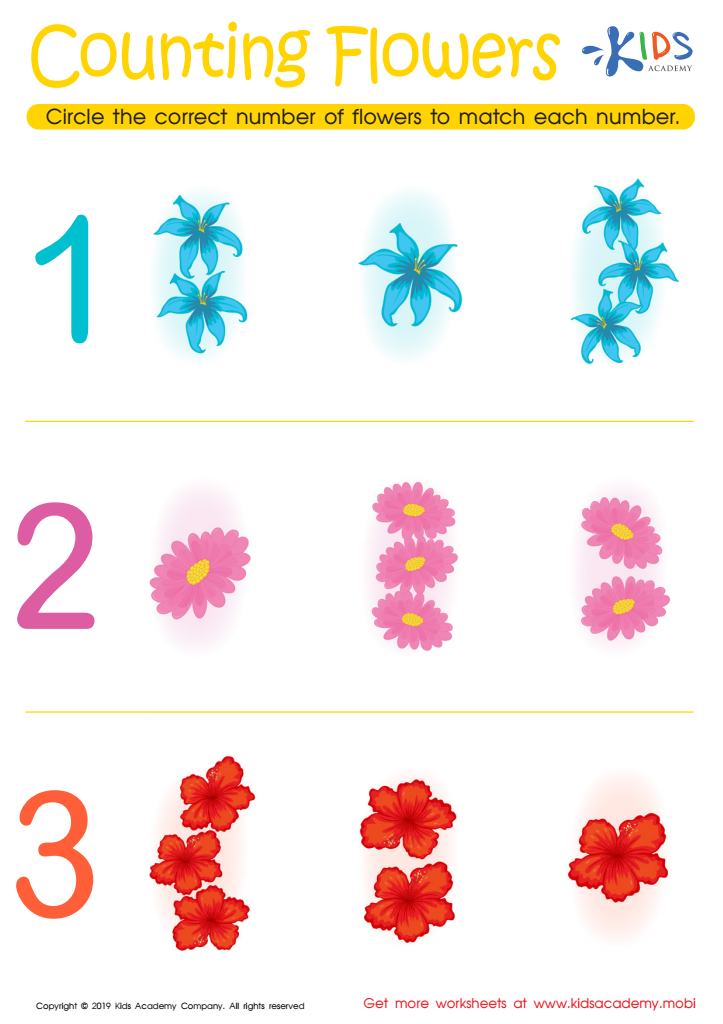
Counting Flowers Worksheet
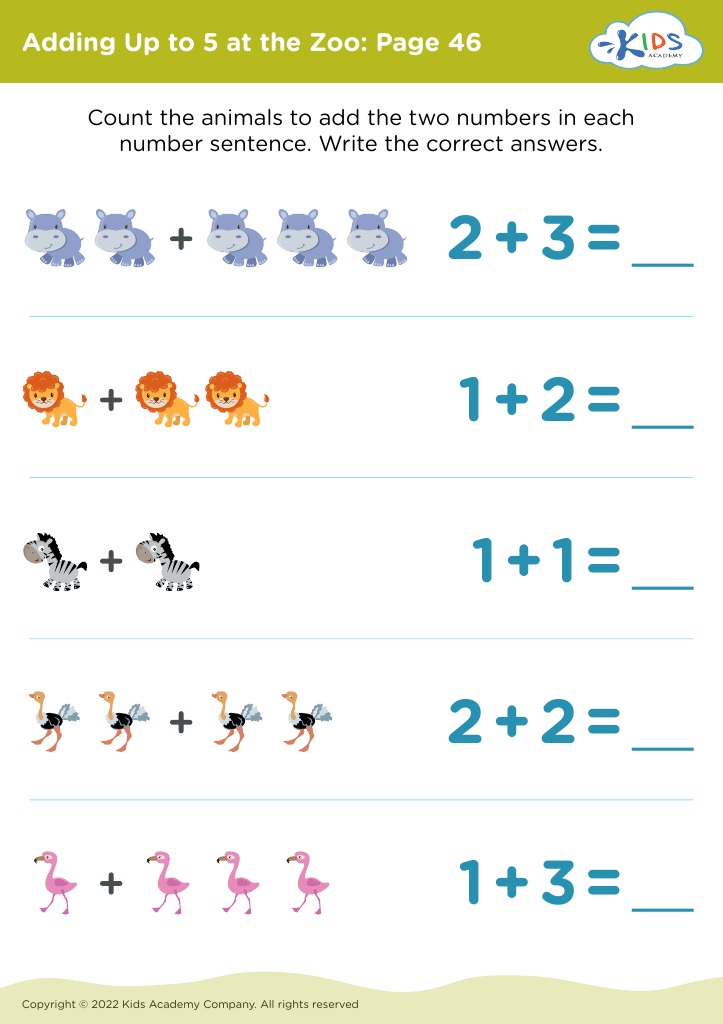
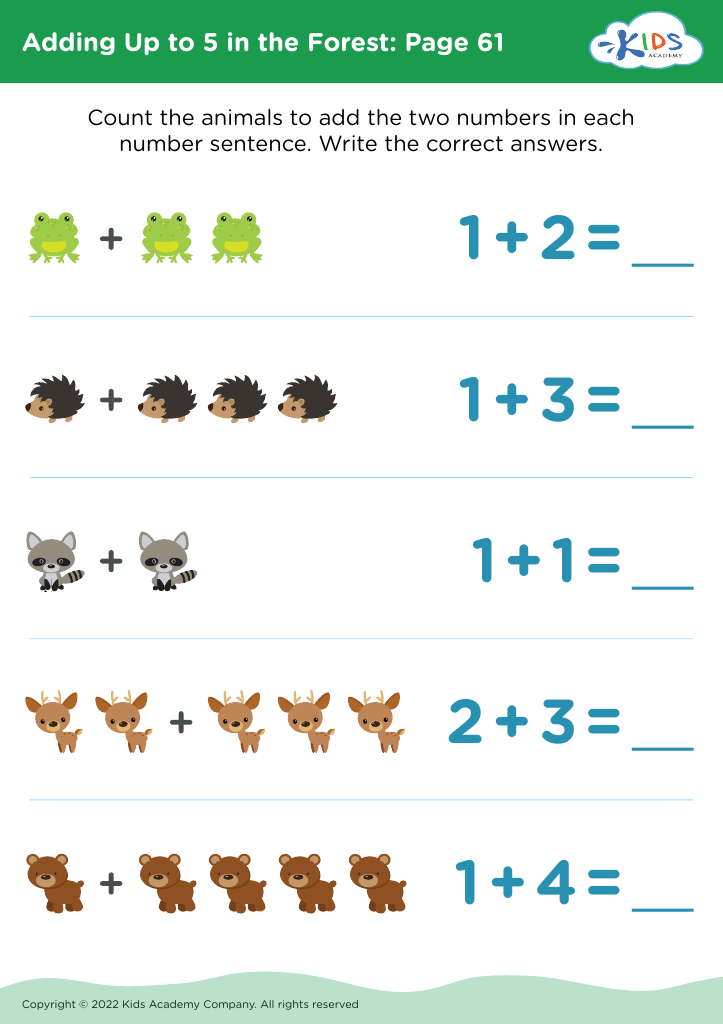
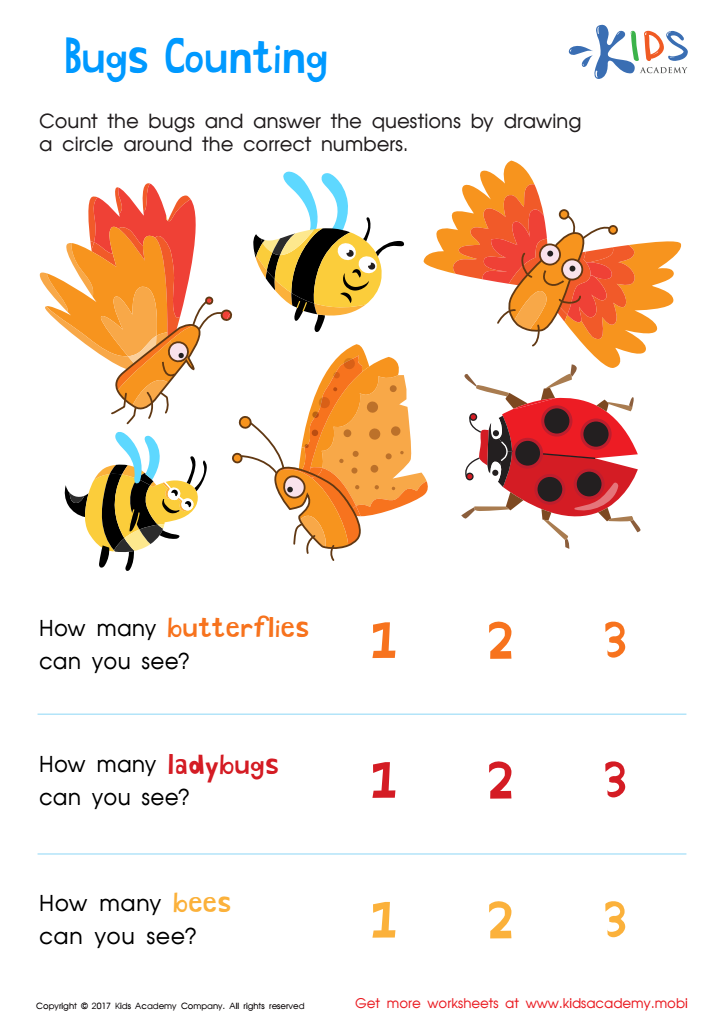
Bugs Counting Worksheet
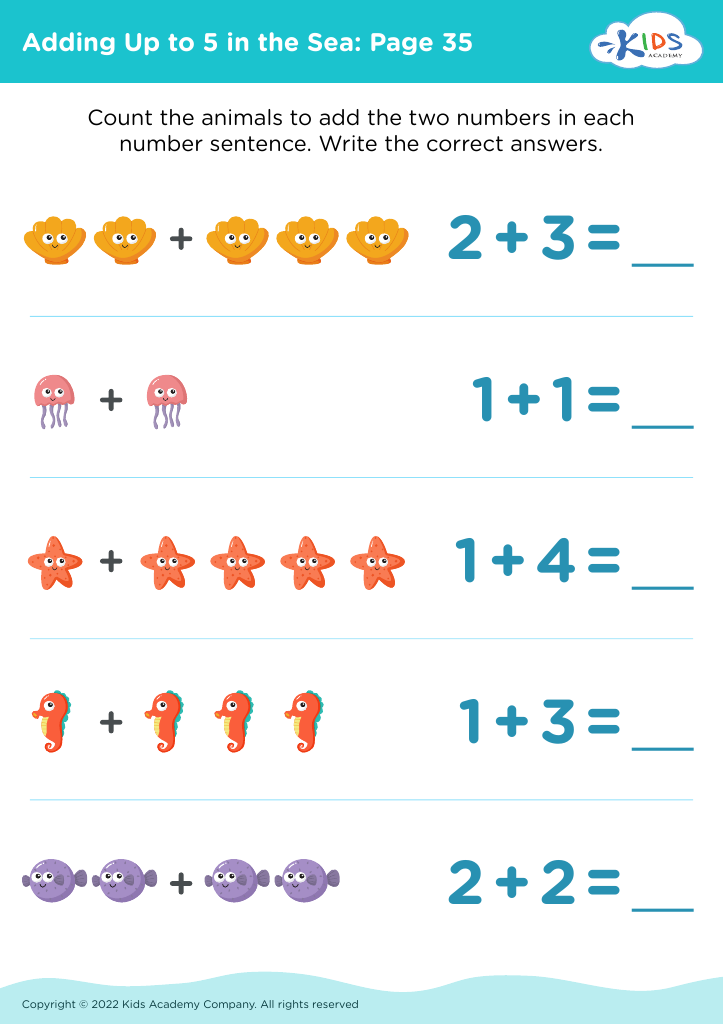
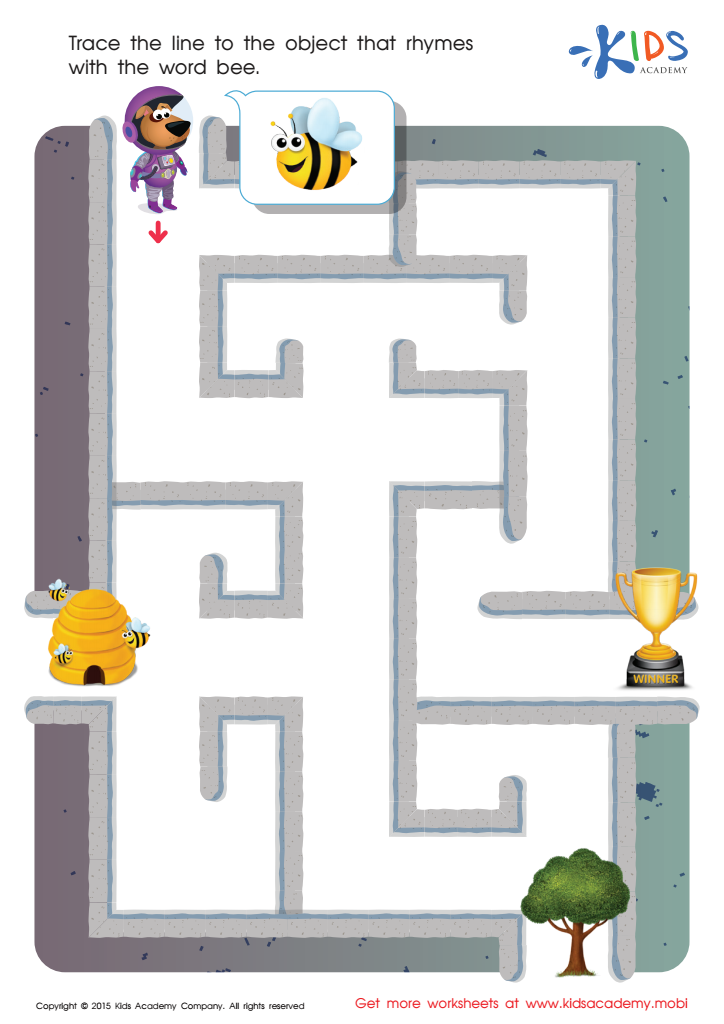
Bee Rhyming Words Worksheet
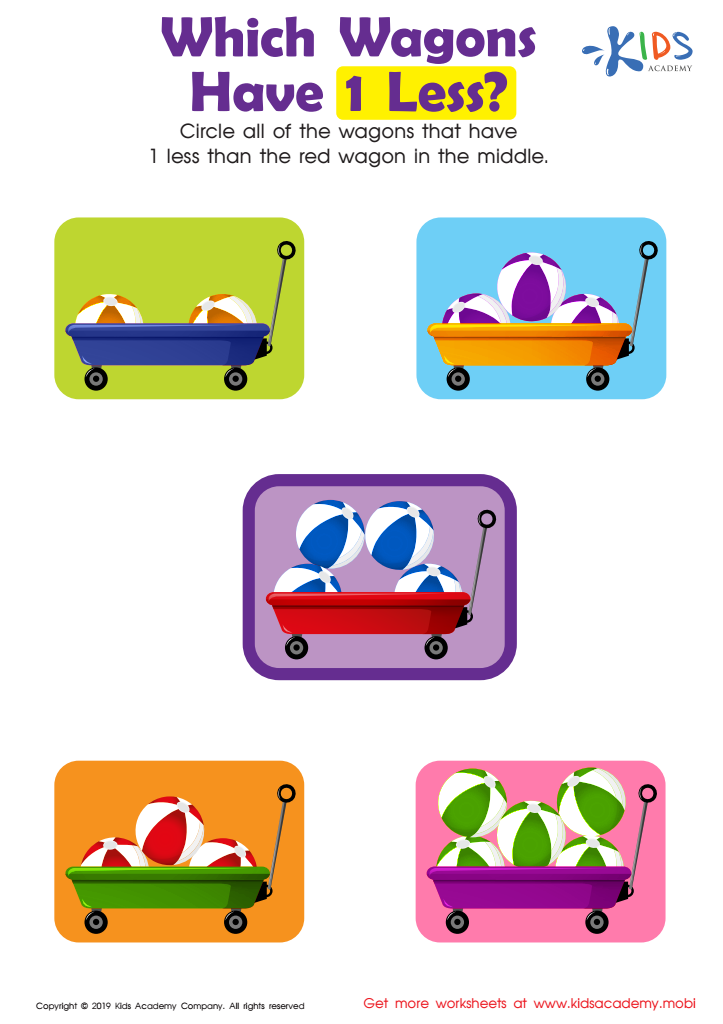
Which Wagons Have 1 Less? Worksheet
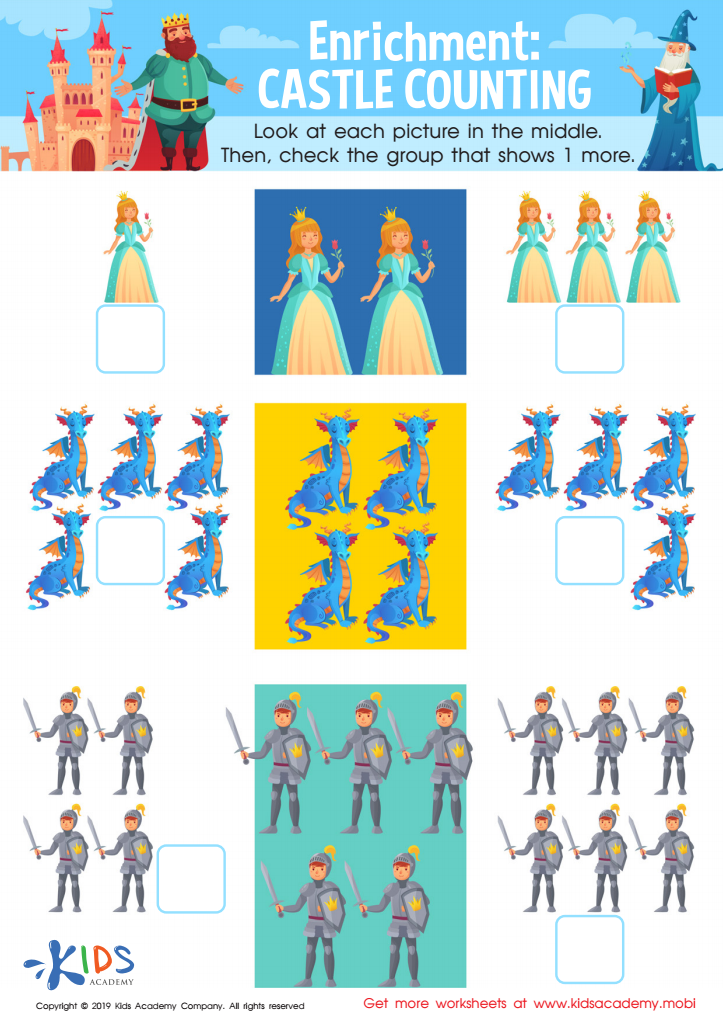
Enrichment: Castle Counting Worksheet

Count and Match Vegetables 1 – 5 Math Worksheet
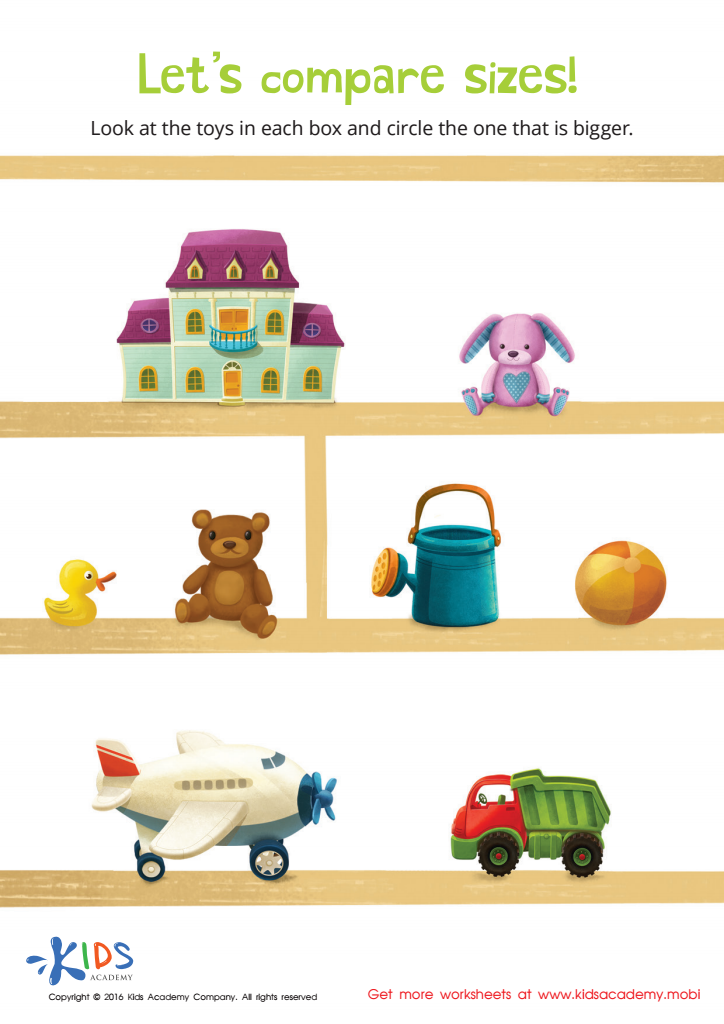
Classifying by Size Sorting Worksheet
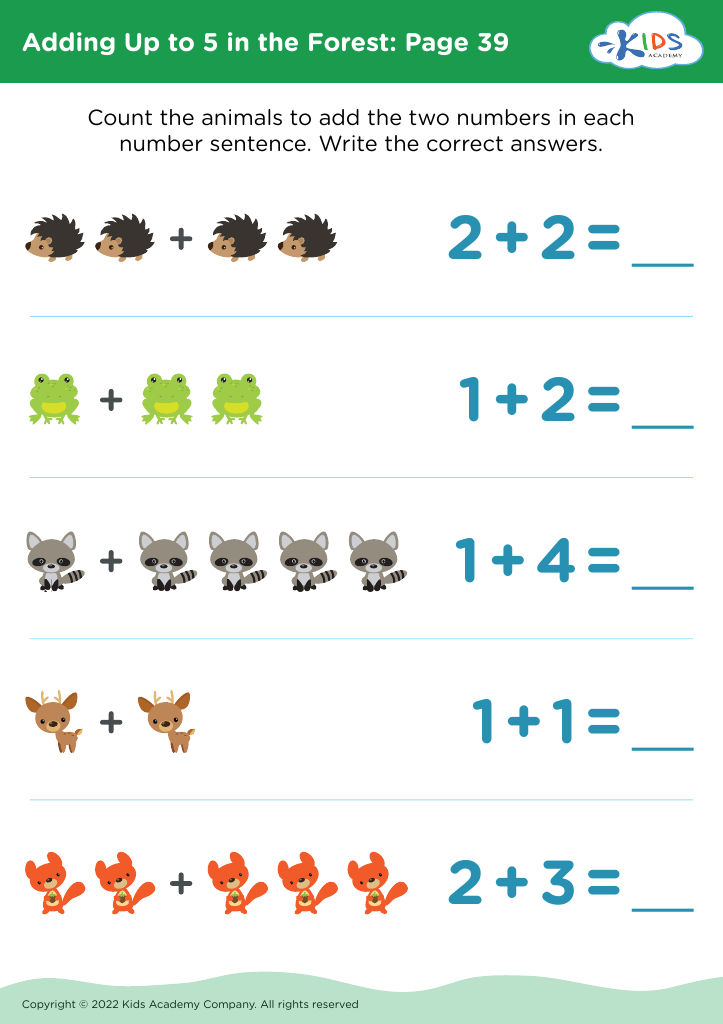







Visual perception is a crucial skill for children aged 3-4, forming the foundation for their overall development and learning. During this age, children are beginning to process and interpret the visual information they're exposed to, which directly impacts their ability to navigate their environment, solve problems, and engage with others.
Parents and teachers should care about visual perception because it plays a role in early literacy and numeracy skills. For instance, recognizing shapes, colors, and letters are all rooted in visual perception. Additionally, strong visual perception helps children develop critical skills such as hand-eye coordination, which is important for tasks like writing, drawing, and even participating in sports.
Moreover, good visual perception contributes to social skills; children need to interpret facial expressions and body language to interact effectively with their peers. By fostering activities that promote visual perception—such as puzzles, drawing, and interactive games—adults can significantly enhance a child’s cognitive development and readiness for school.
Investing time in strengthening visual perception not only prepares children for academic success but also enriches their play and creativity, ultimately supporting their overall growth and confidence. Therefore, recognizing the importance of visual perception at this crucial developmental stage is vital for parents and educators alike.








