Fine Motor Skills 2D Shapes Worksheets for Ages 3-4
9 filtered results
-
From - To
Enhance your child's fine motor skills with our engaging 2D Shapes Worksheets, designed specifically for ages 3-4. These printable activities not only introduce basic geometric shapes like circles, squares, and triangles but also focus on boosting hand-eye coordination, drawing, and cutting skills. Perfect for early learners, each worksheet encourages little ones to trace, color, and manipulate shapes while having fun. Ideal for both classroom settings and home practice, our worksheets foster essential early learning skills. Download now from Kids Academy to support your child’s fine motor development through playful and interactive shape activities!
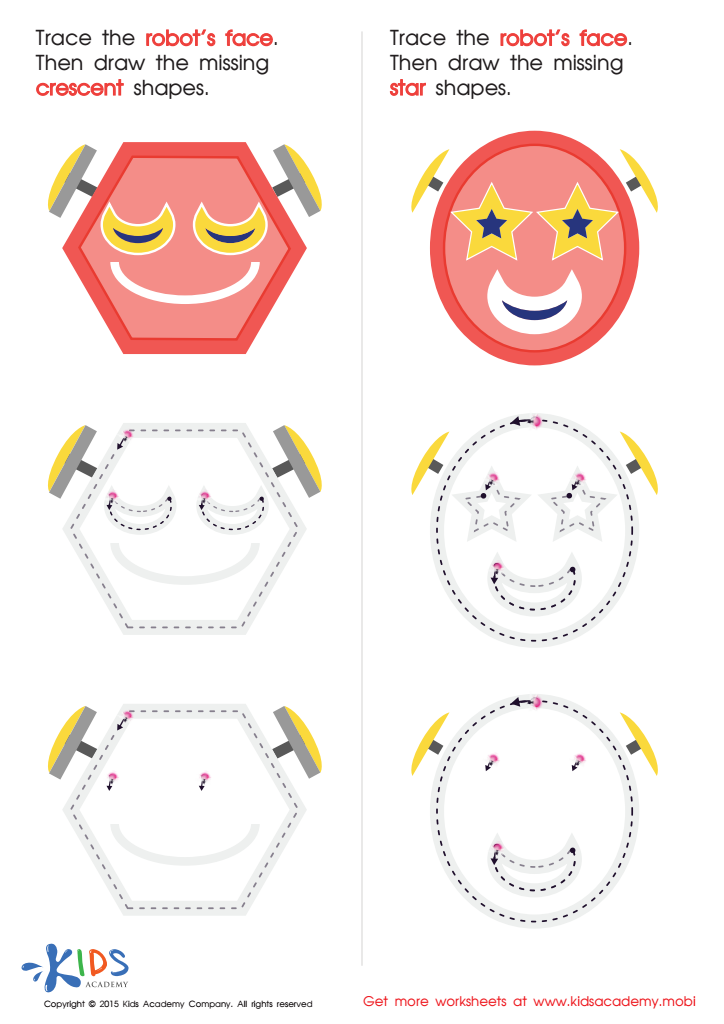
Composing a Robot's Face of Crescents And Stars Worksheet
 Assign to My Students











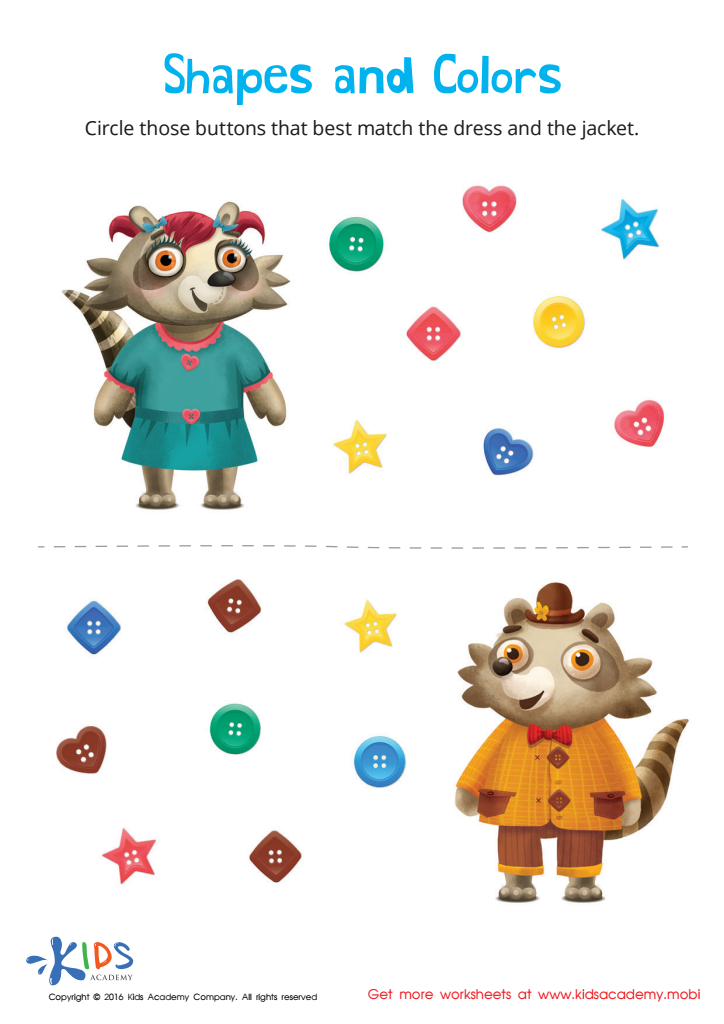
Matching: Shapes and Colors Worksheet
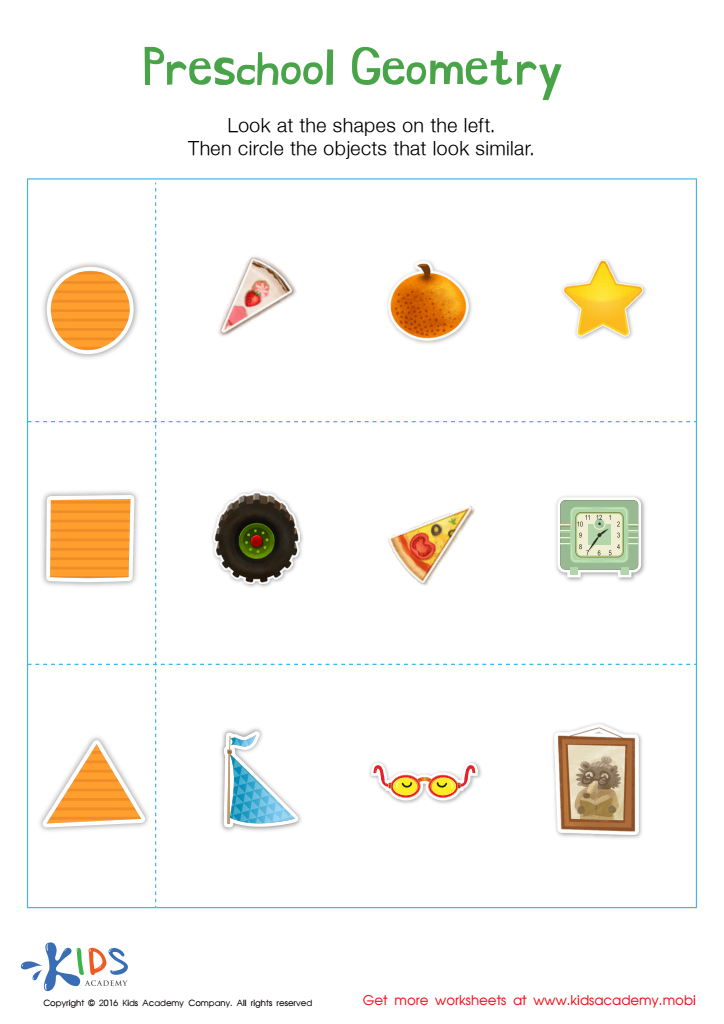
Preschool Geometry Match Up Worksheet
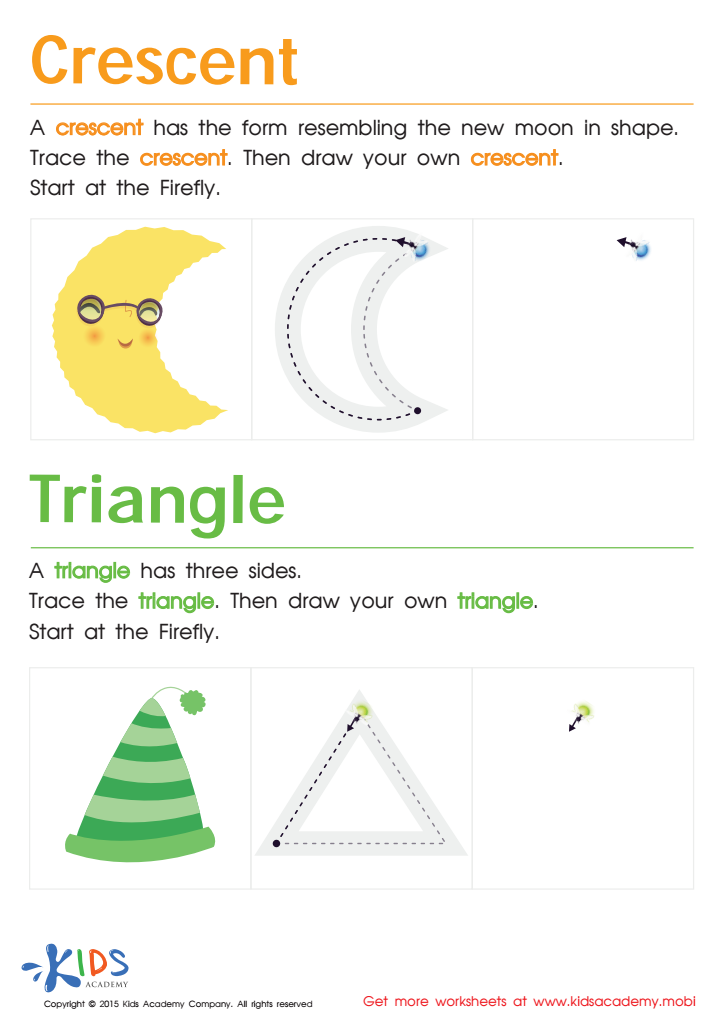
Learning to Draw Crescents And Triangles Worksheet
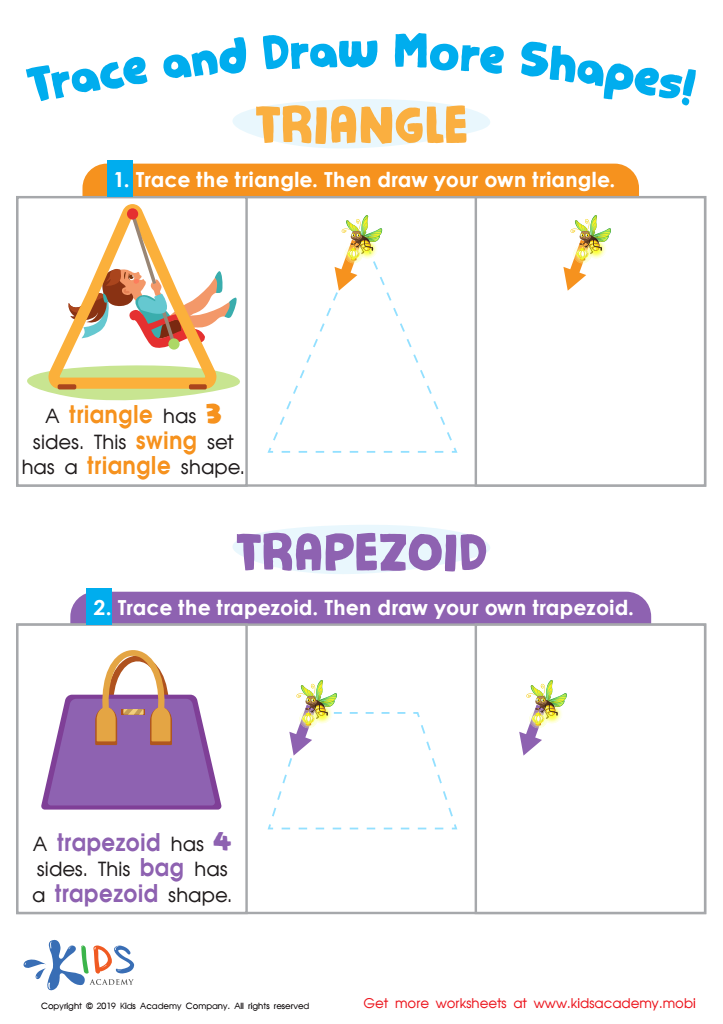
Trace and Draw More Shapes Worksheet
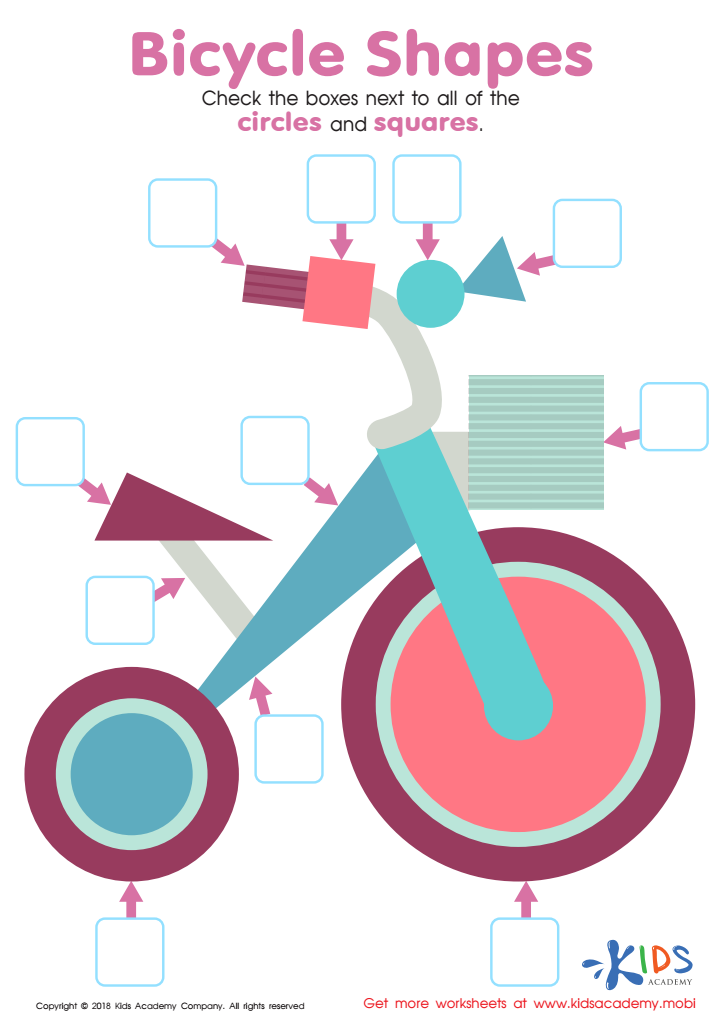
Bicycle Shapes Worksheet
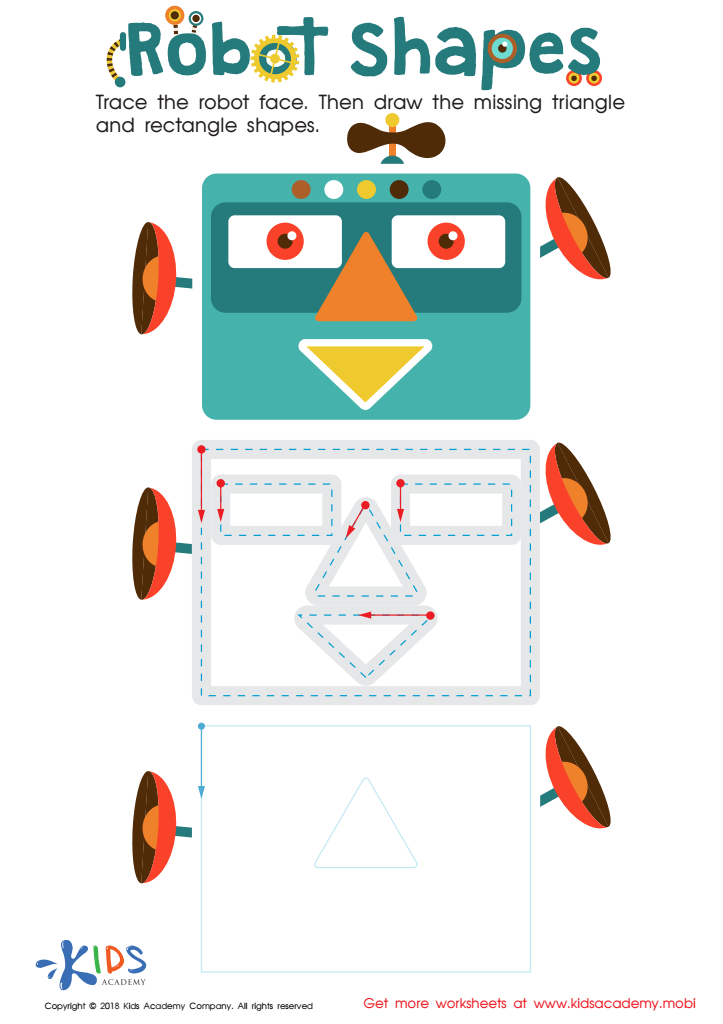
Robot Shapes Worksheet
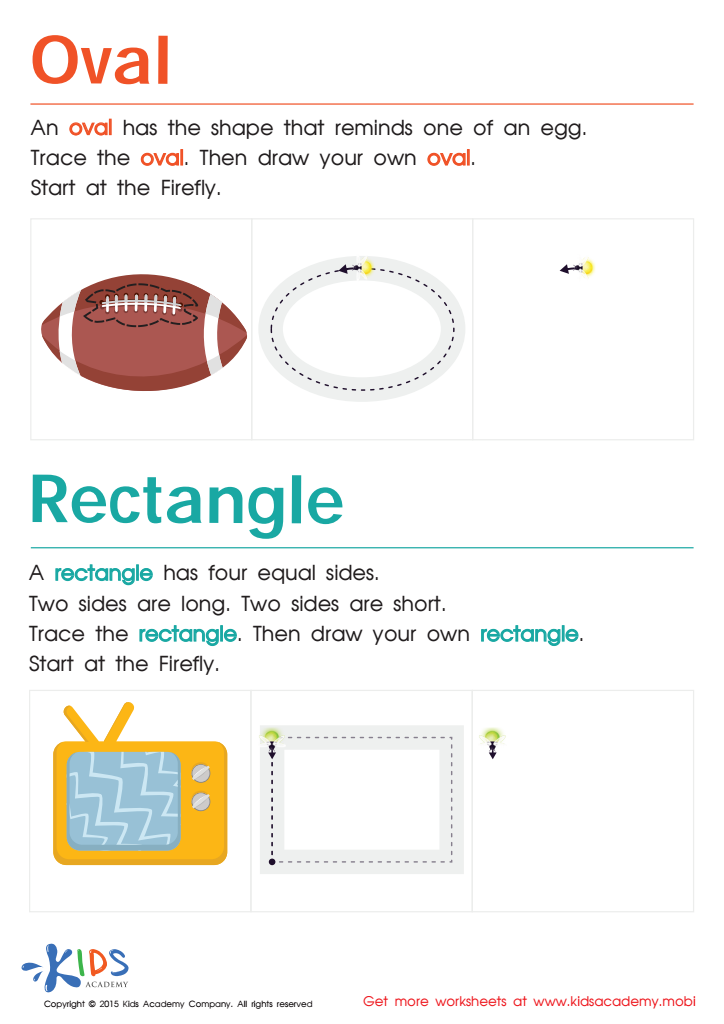
Easy Drawing of Ovals And Rectangles Worksheet
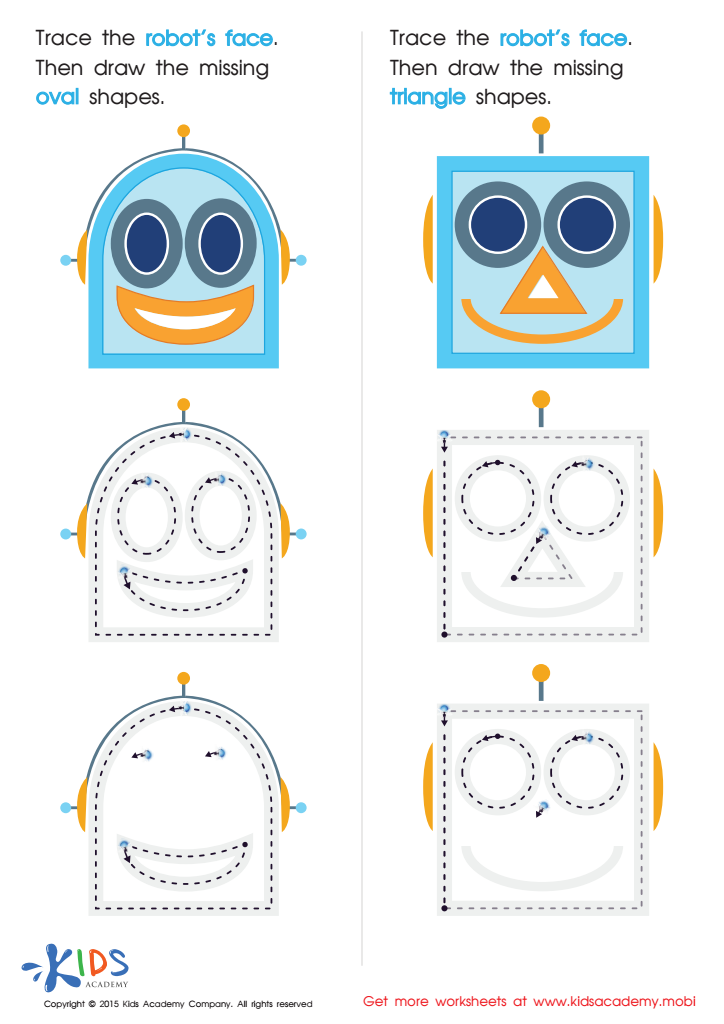
Drawing Ovals And Triangles with Fun Printable








Fine motor skills and 2D shape recognition are foundational aspects of early childhood development, crucial for children ages 3-4. Parents and teachers should prioritize these areas because they play a significant role in building a child's academic and everyday capabilities.
Fine motor skills involve the coordination of small muscles in actions like pinching, grasping, and manipulating objects. Developing these skills supports children in performing essential tasks such as writing, buttoning clothes, and using utensils. Early fine motor skill development fosters hand-eye coordination, enabling smoother and more precise movements, which leads to greater independence and confidence in children.
In parallel, recognizing and understanding 2D shapes, such as squares, circles, and triangles, is a cornerstone of cognitive development and mathematical literacy. Engaging with shapes enhances spatial awareness and offers a basic understanding of geometry, which children will build upon in later years. Through shape recognition, children also improve their language and descriptive skills as they learn to identify and discuss the properties of different shapes.
Integrating fine motor skill exercises and shape activities into early education creates a well-rounded developmental experience. These practices not only support academic success but also prepare children for daily life tasks, fostering well-rounded growth. Thus, focusing on these skills provides a solid foundation for future learning and skill acquisition.