Understanding quantity Addition & Subtraction Worksheets for Ages 3-4
21 filtered results
-
From - To
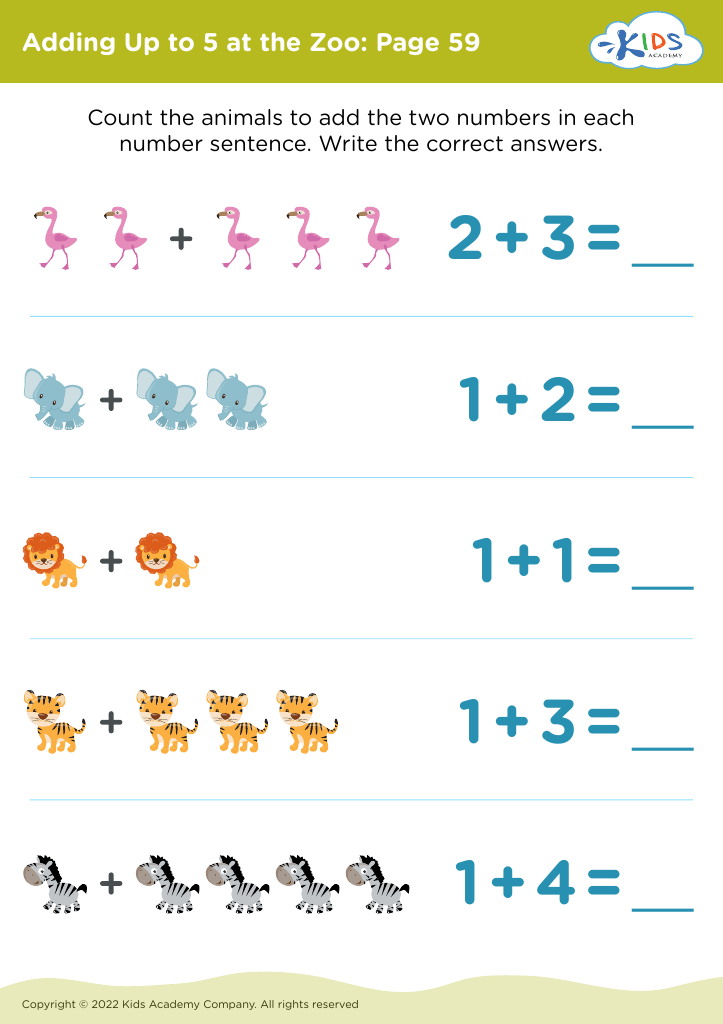
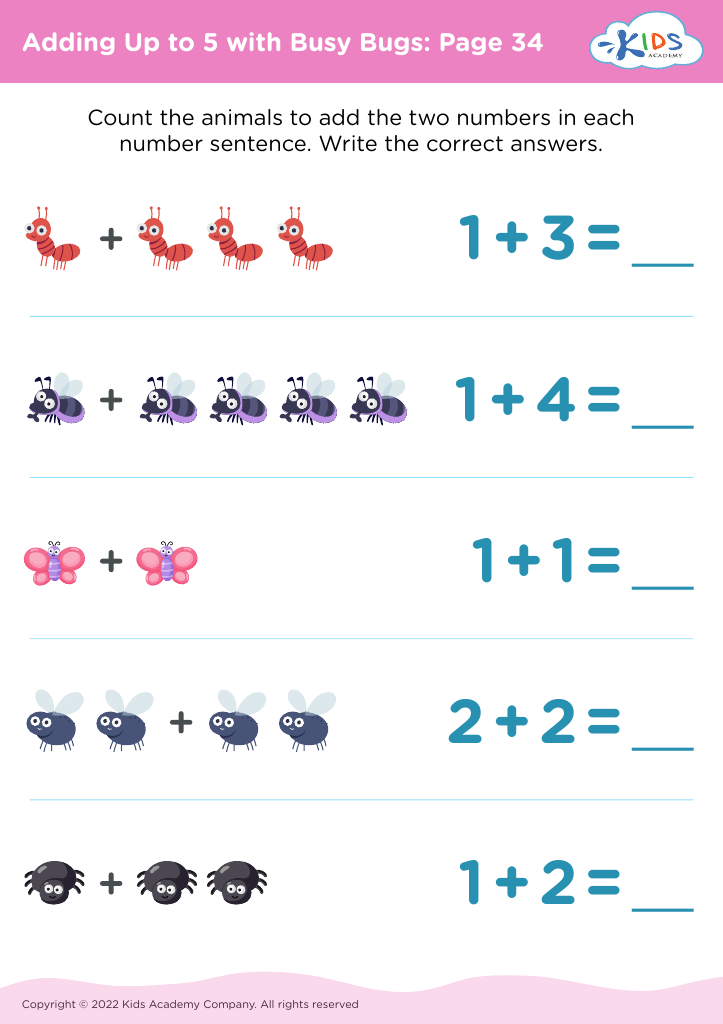
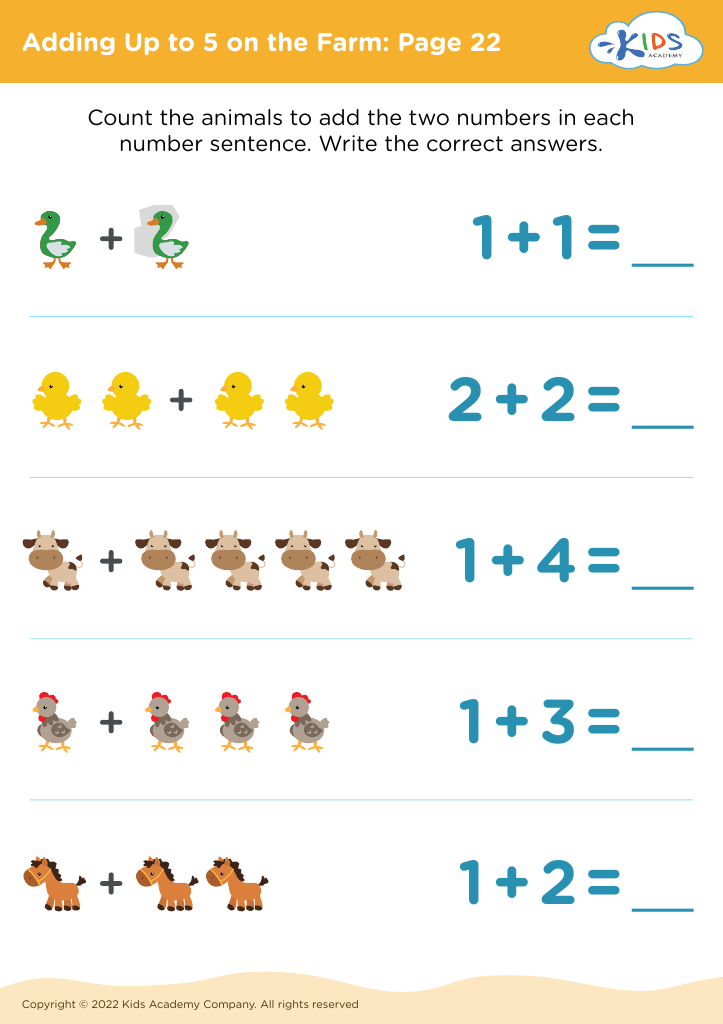
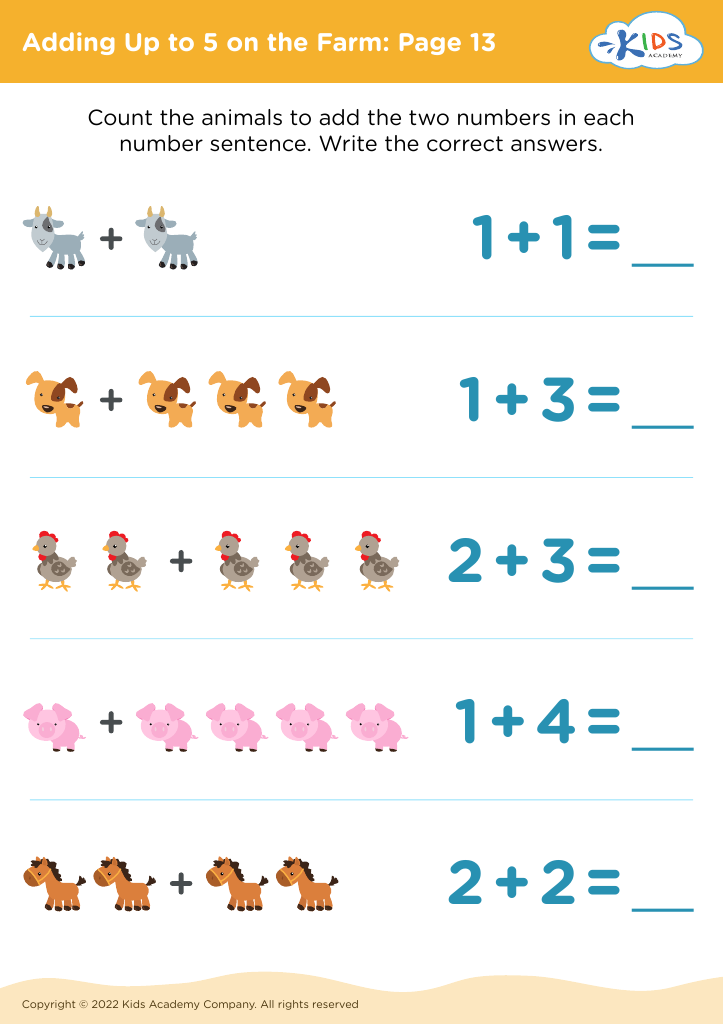
Explore our "Understanding Quantity Addition & Subtraction Worksheets" specifically designed for children aged 3-4. These engaging activities introduce foundational math concepts through visual aids and interactive exercises, fostering a strong comprehension of quantity and number relationships. Our worksheets feature colorful illustrations and simple prompts that make learning joyful and effective. Perfect for parents, teachers, and caregivers, these resources not only enhance early math skills but also encourage critical thinking and problem-solving. Start your child's mathematical journey today, ensuring they build confidence and a love for learning with our thoughtfully created materials. Visit us to download and print these essential worksheets!
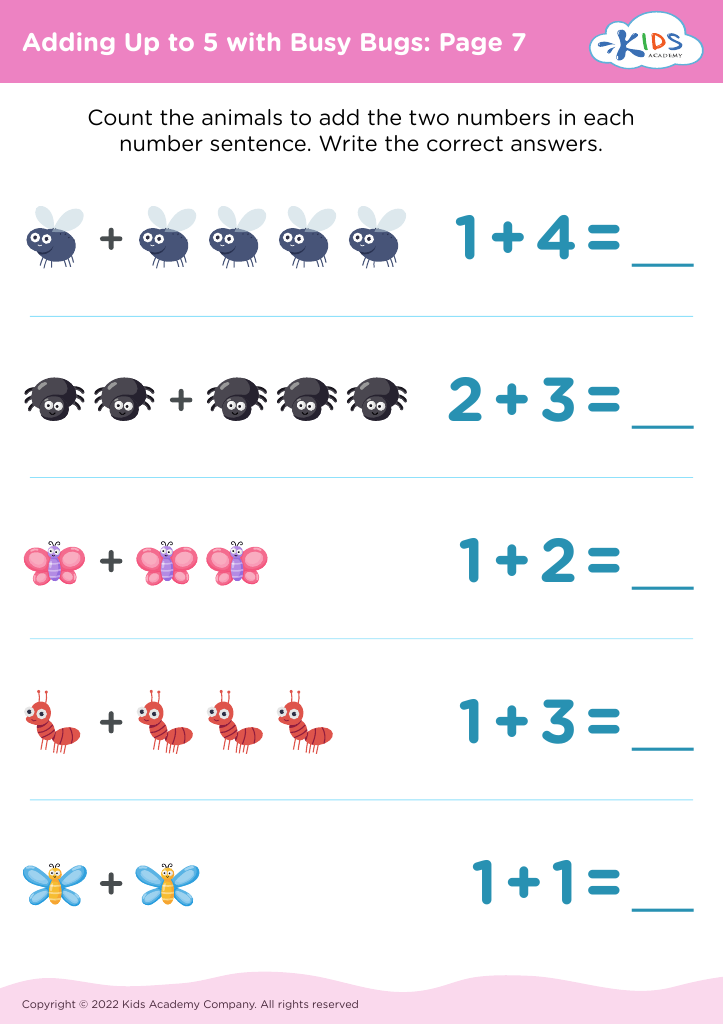
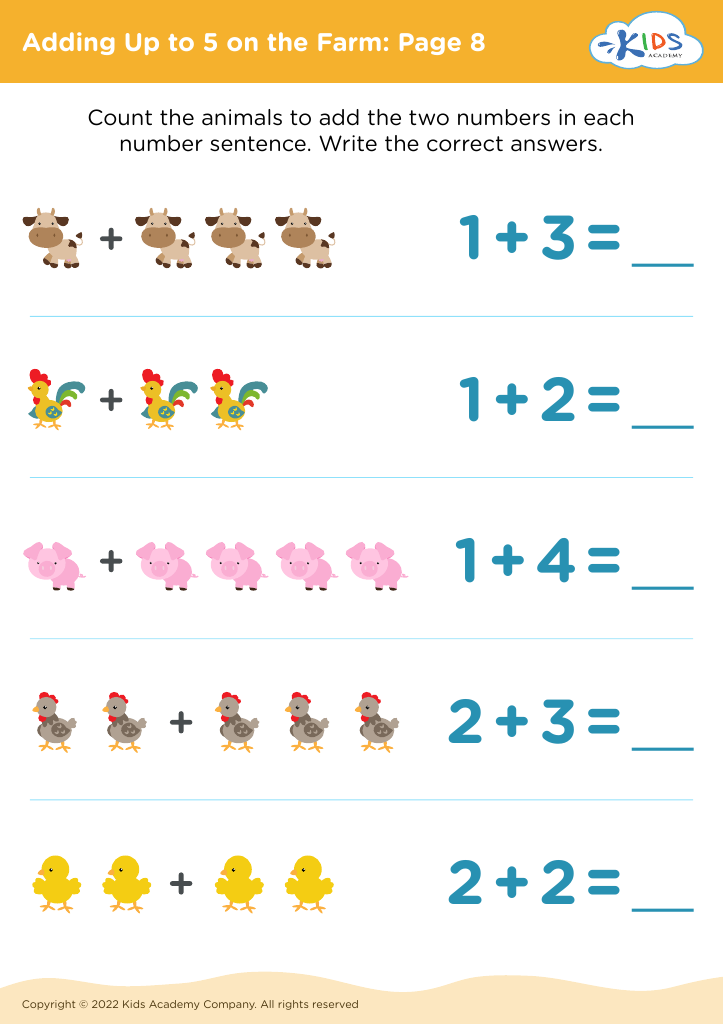
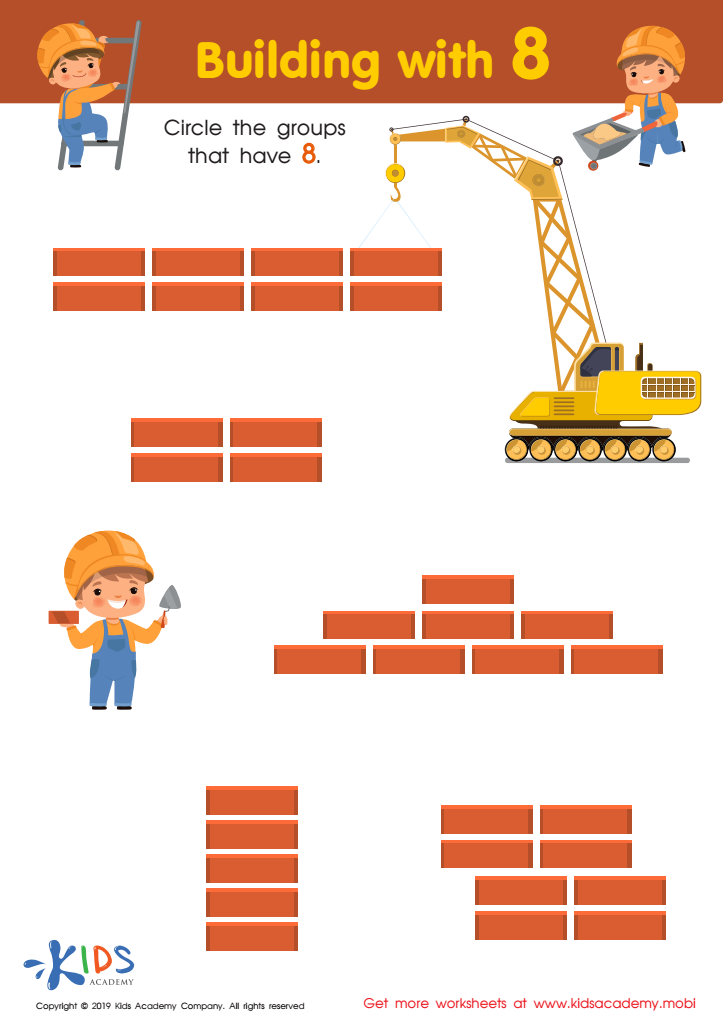
Building with 8 Worksheet
 Assign to My Students
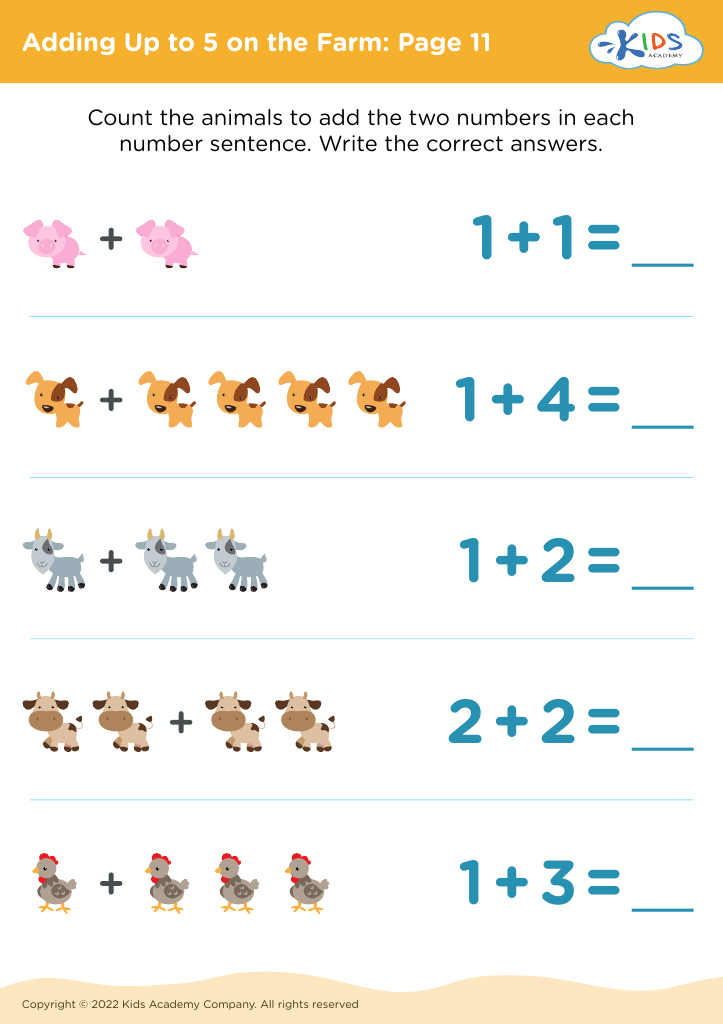
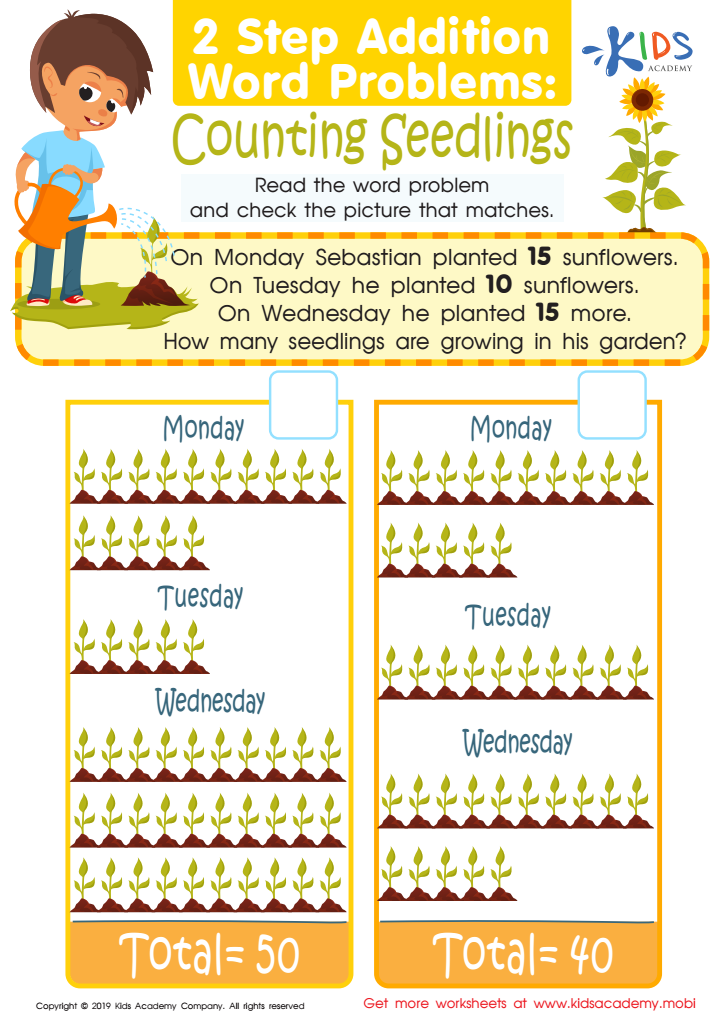
Counting Seedlings Worksheet
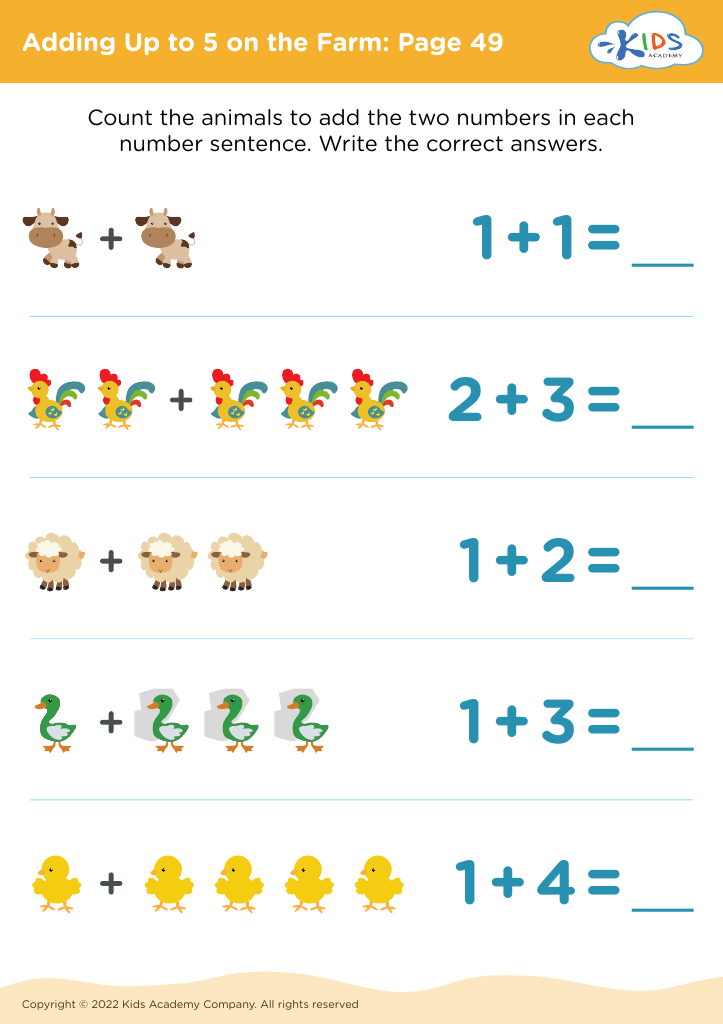
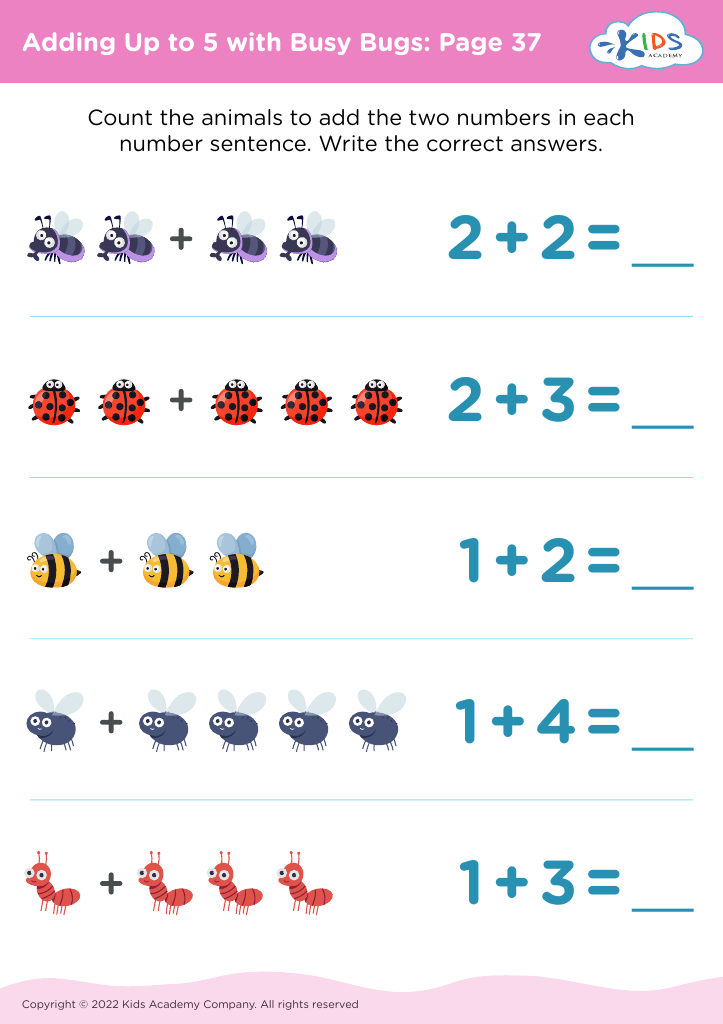
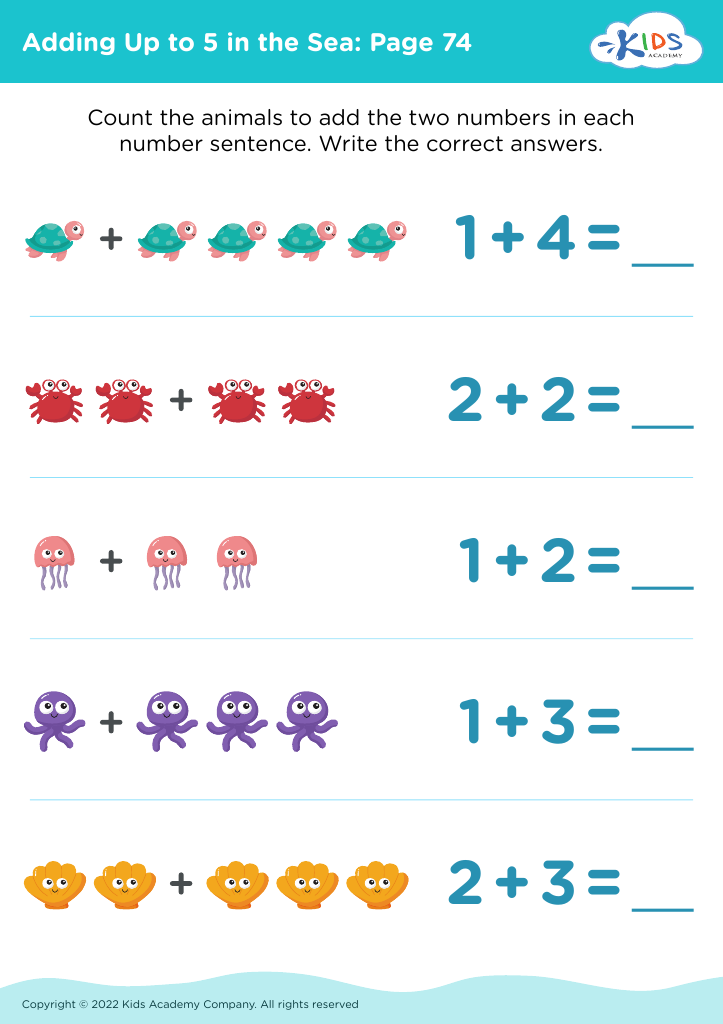
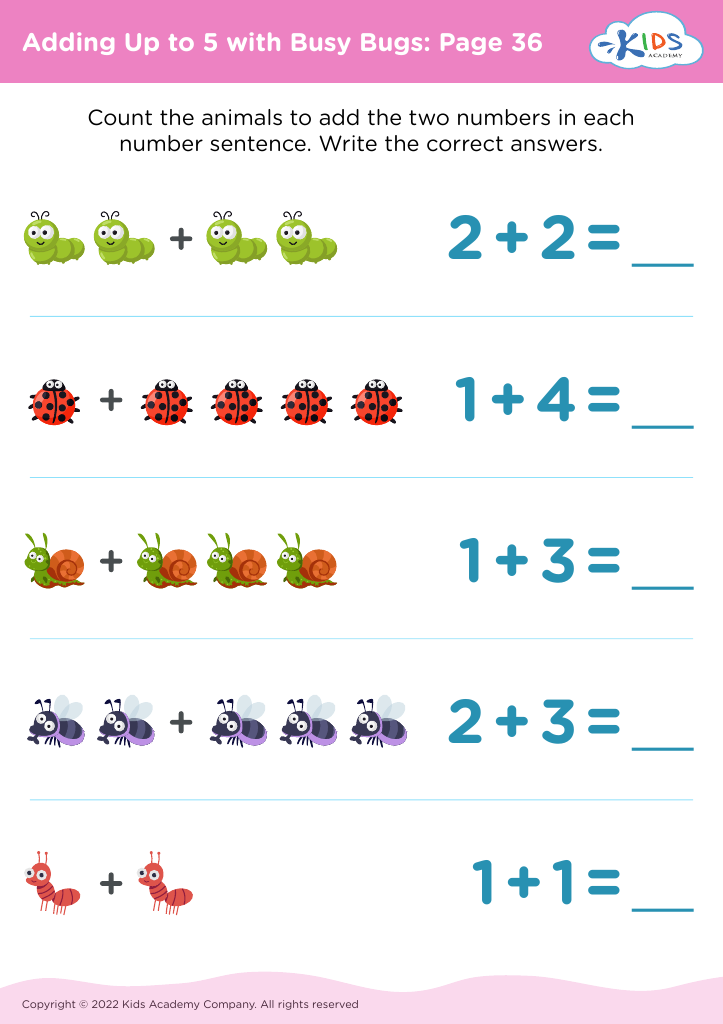
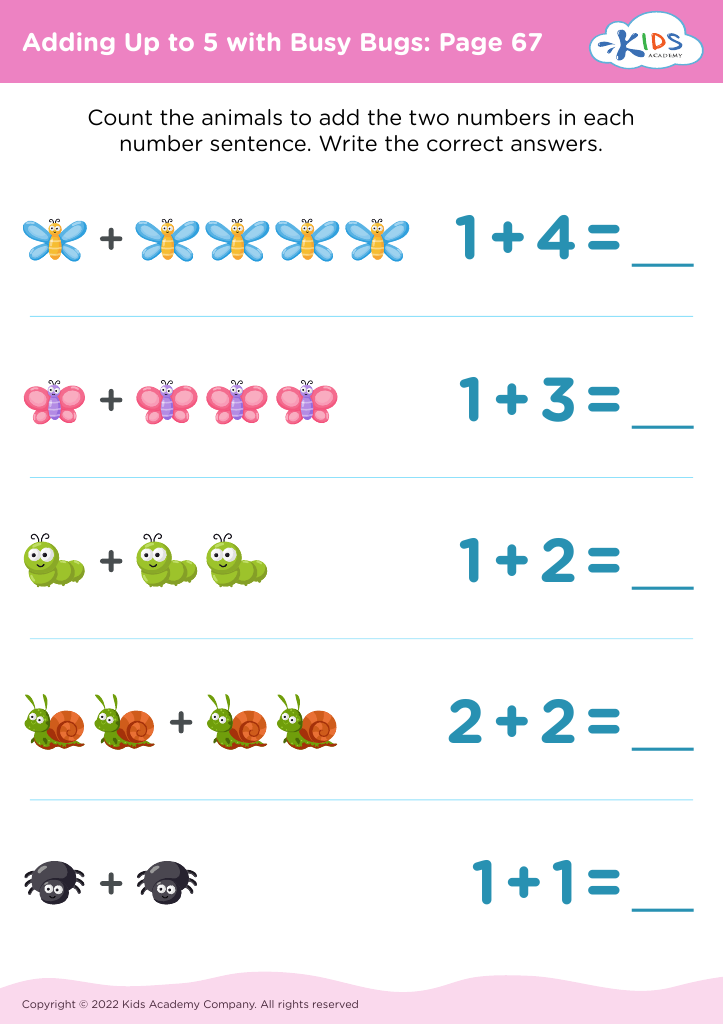
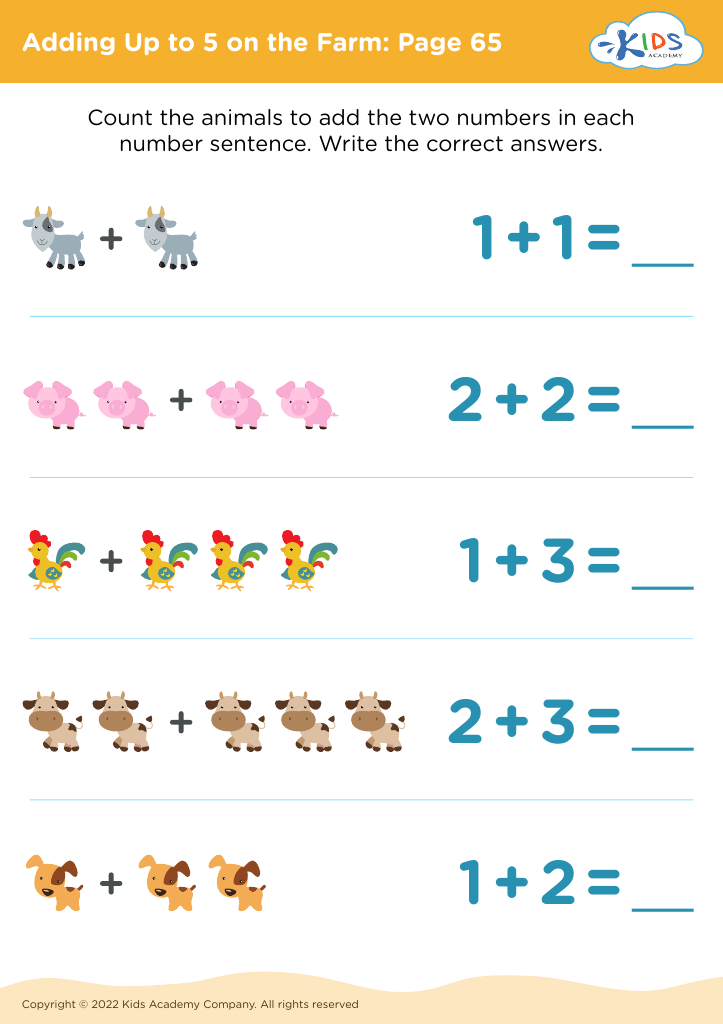
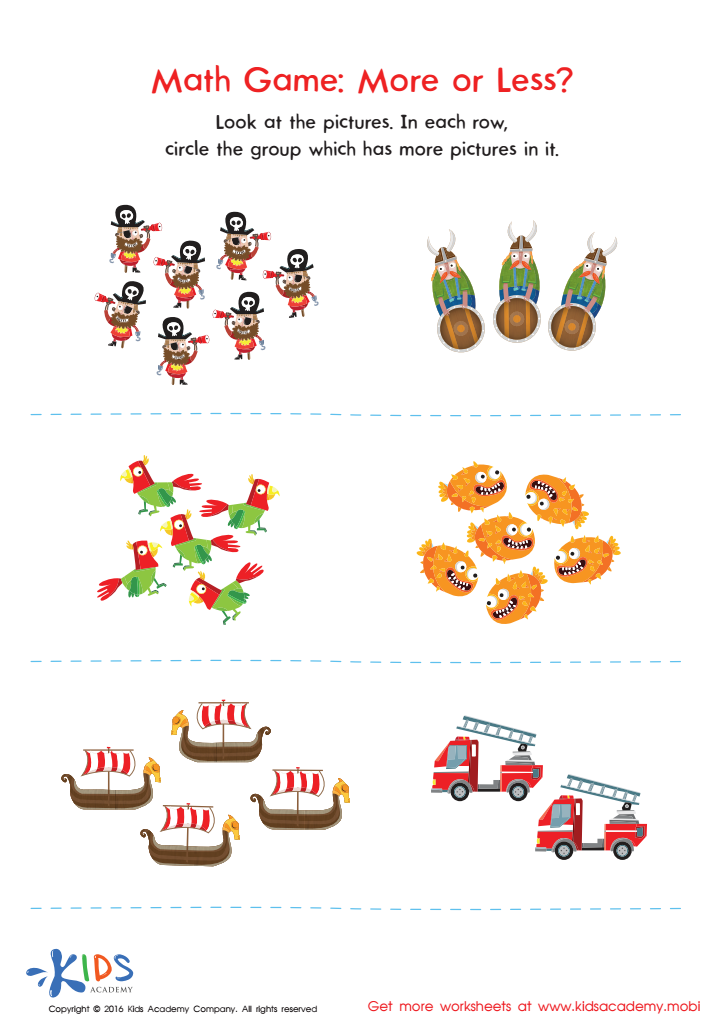
More or Less Worksheet
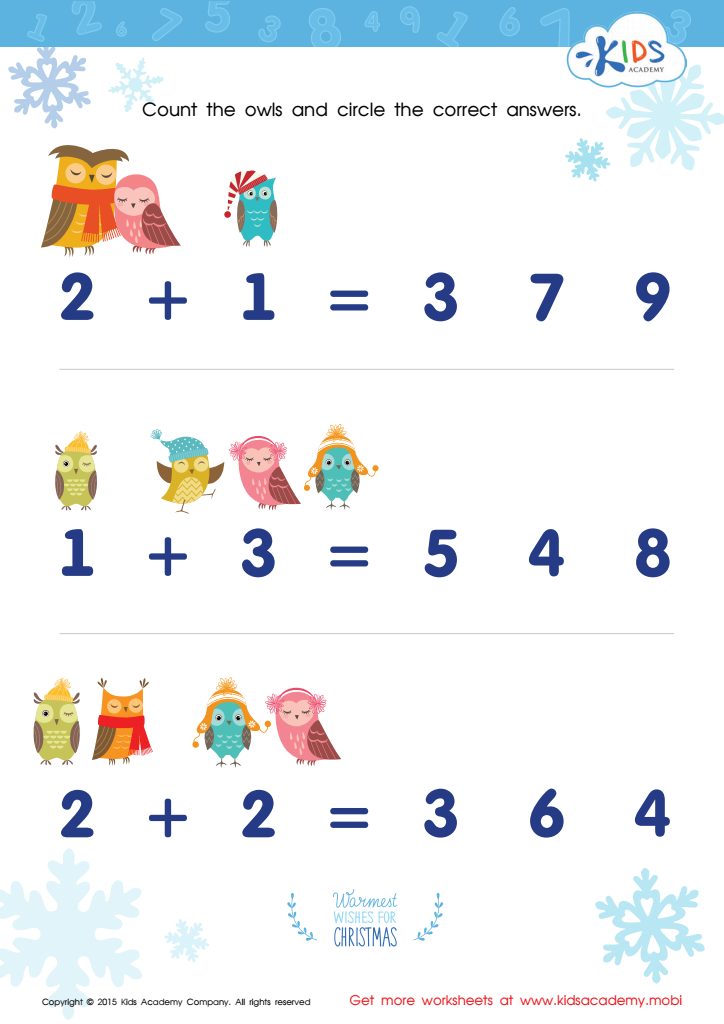
Count Little Owls Worksheet
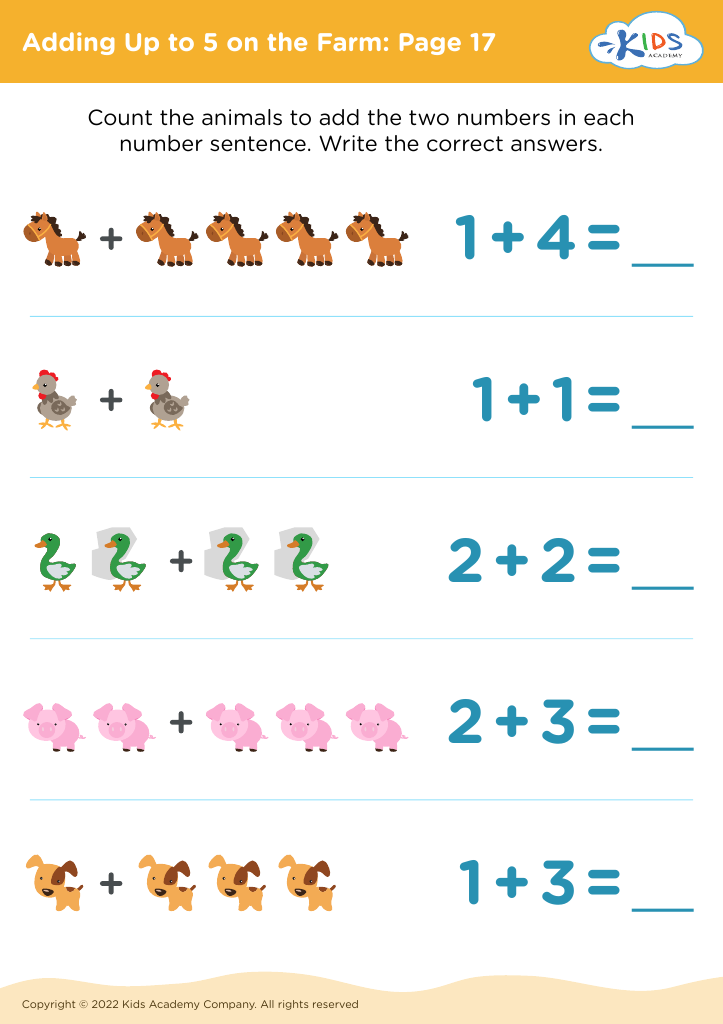
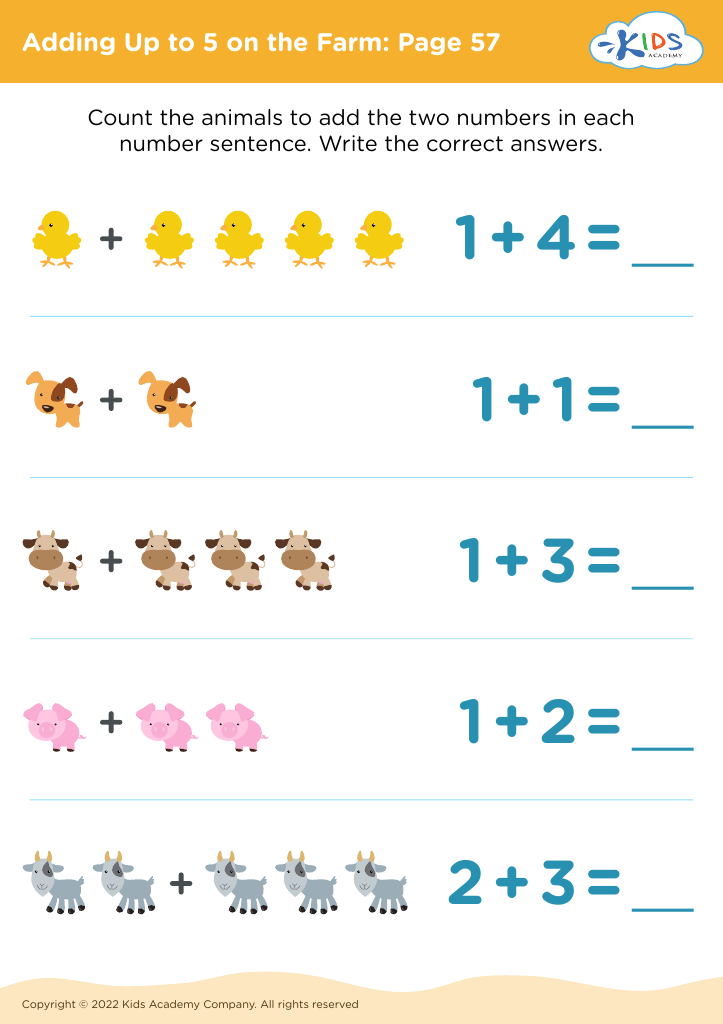
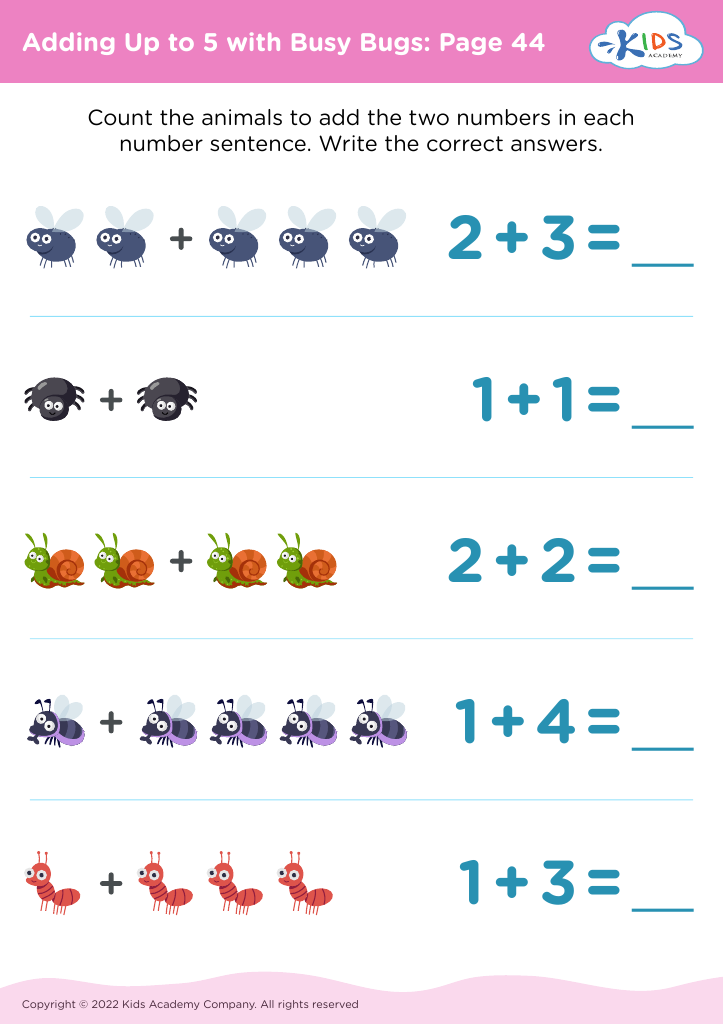
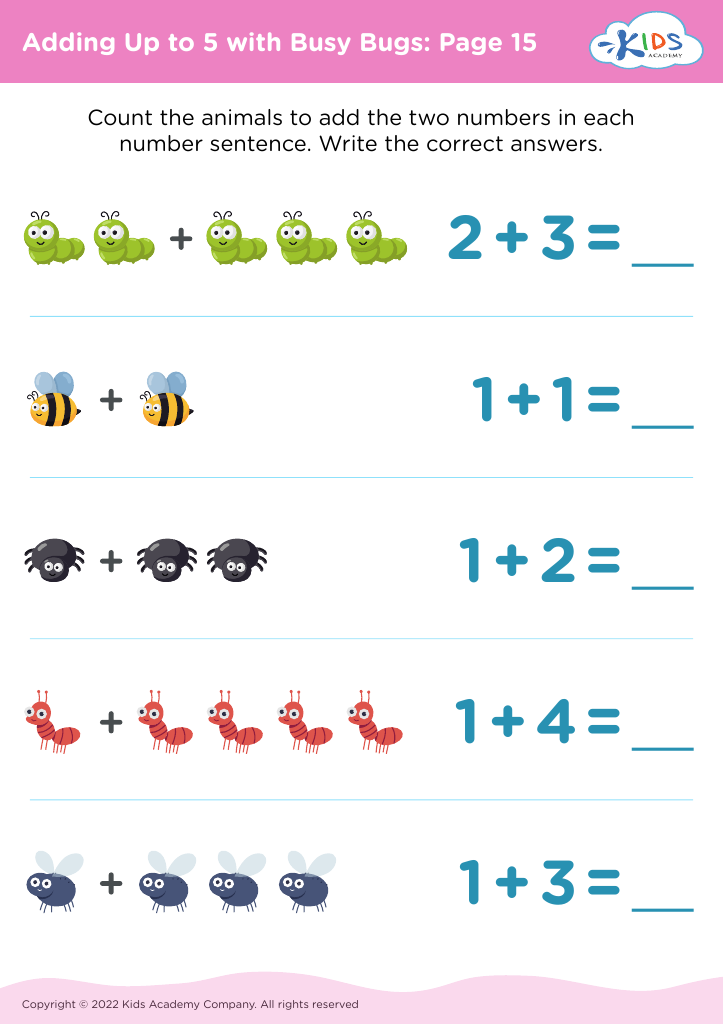








Understanding quantity, addition, and subtraction at ages 3-4 lays a foundational skill set for early mathematical understanding and cognitive development. At this young age, children are naturally curious about the world around them, and introducing these concepts can foster their interest in numbers and problem-solving.
When parents and teachers help children explore quantities through hands-on activities—such as counting objects, sharing snacks, or engaging in simple games—they promote critical thinking and spatial awareness. This early exposure not only enhances mathematical skills but also strengthens language development as children learn to express quantities and engage in discussion.
Moreover, these foundational skills in addition and subtraction can promote lifelong learning habits. Children who grasp basic mathematical concepts early on often exhibit improved confidence and persistence when faced with challenges later in life. Understanding these concepts also aids in real-world applications, such as managing time and understanding money.
By nurturing a child's mathematical understanding at this age, caregivers play a crucial role in shaping not just their academic future but also their overall cognitive and social-emotional growth, helping them to become well-rounded learners equipped with essential problem-solving skills. Thus, fostering early math skills provides children with a strong buffer of support as they progress in their education.








