Vocabulary enhancement Geometry Worksheets for Ages 3-4
7 filtered results
-
From - To
Enhance your child’s vocabulary while exploring the fascinating world of geometry with our specialized worksheets for ages 3-4. These engaging and colorful activities are designed to introduce young learners to foundational geometric concepts through fun and interactive exercises. Each worksheet focuses on key vocabulary, helping children identify shapes, understand spatial relationships, and develop essential language skills. By incorporating critical thinking and creative play, our geometry worksheets not only support early math understanding but also encourage verbal expression. Perfect for both classroom and home learning, these resources make mastering geometry vocabulary enjoyable for your little one while building confidence in their skills!
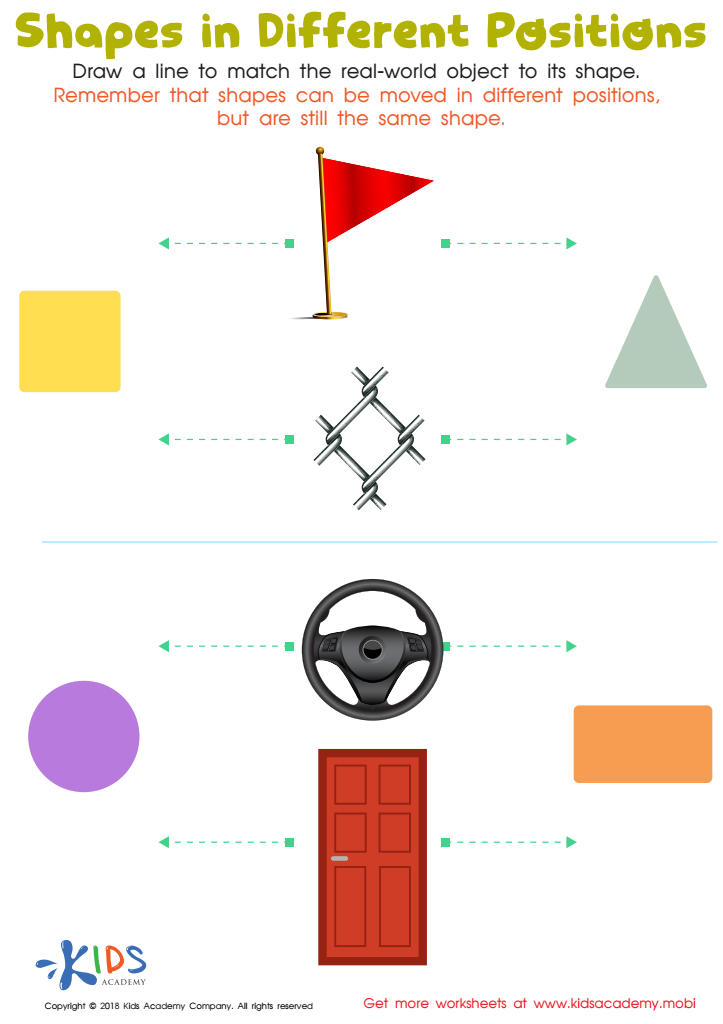
Shapes in Different Positions Worksheet
 Assign to My Students











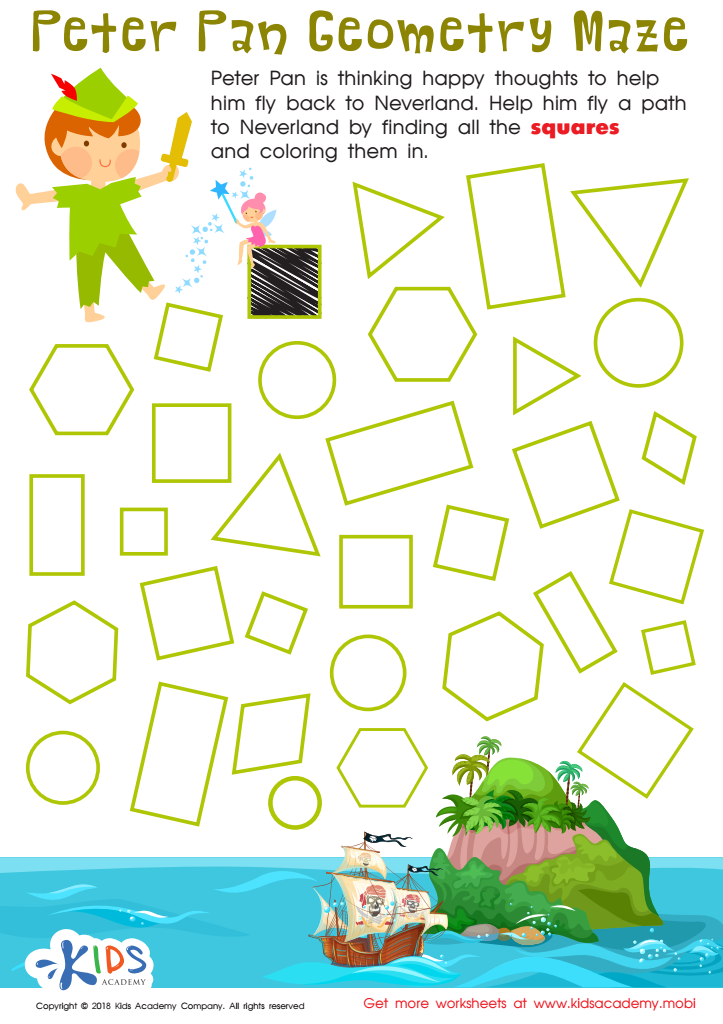
Peter Pan Worksheet
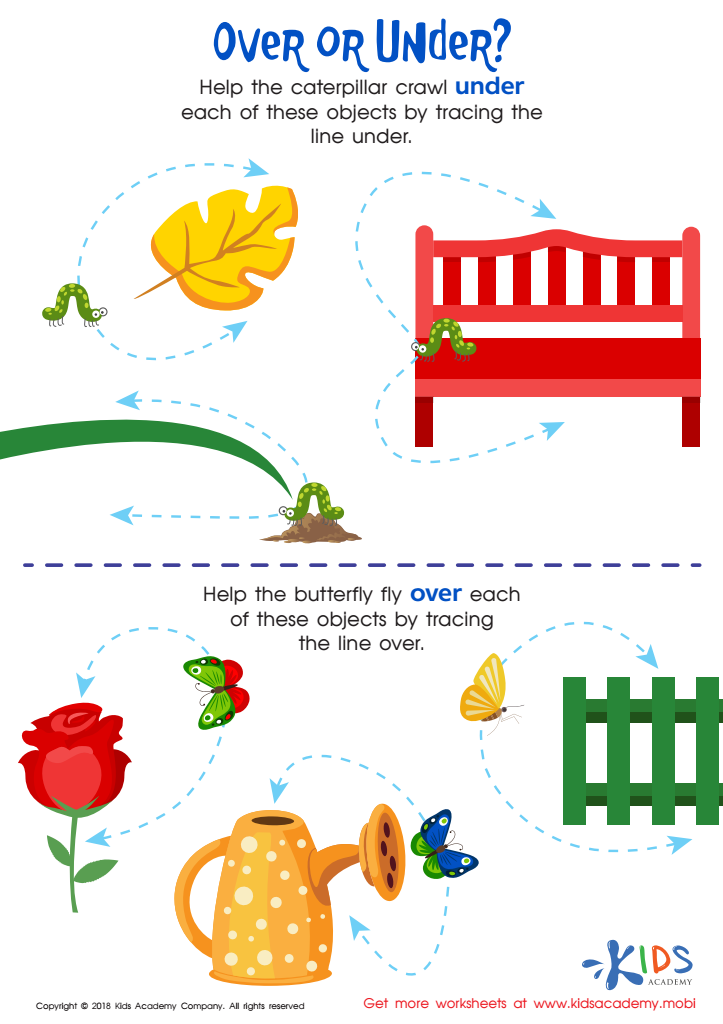
Over or Under? Worksheet
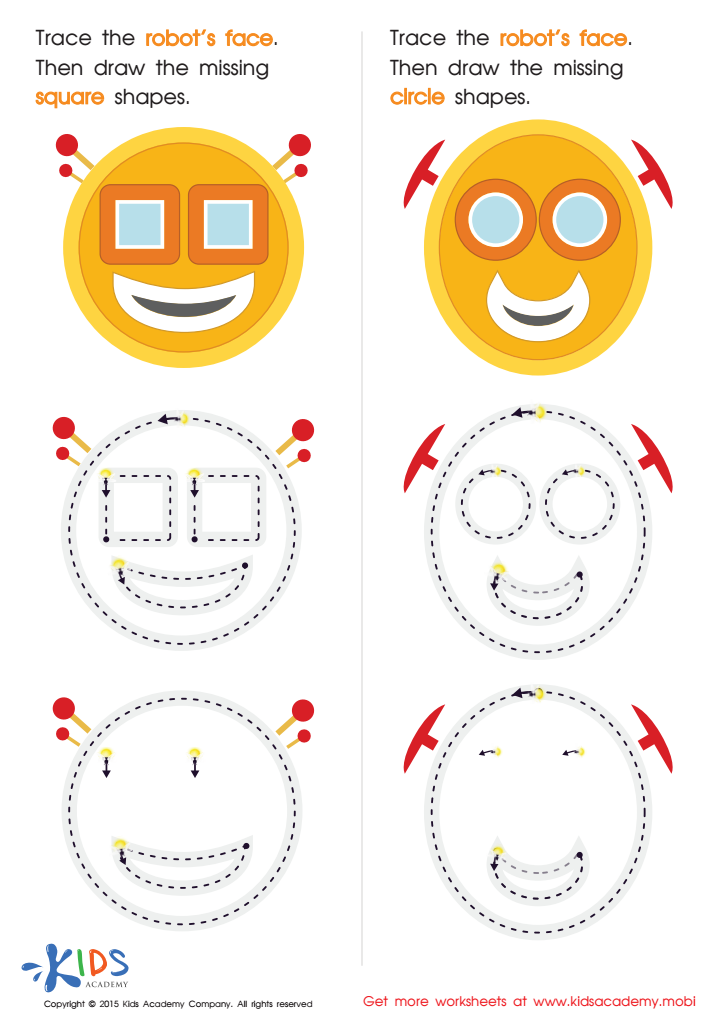
Practicing to Draw Circles And Squares Printable
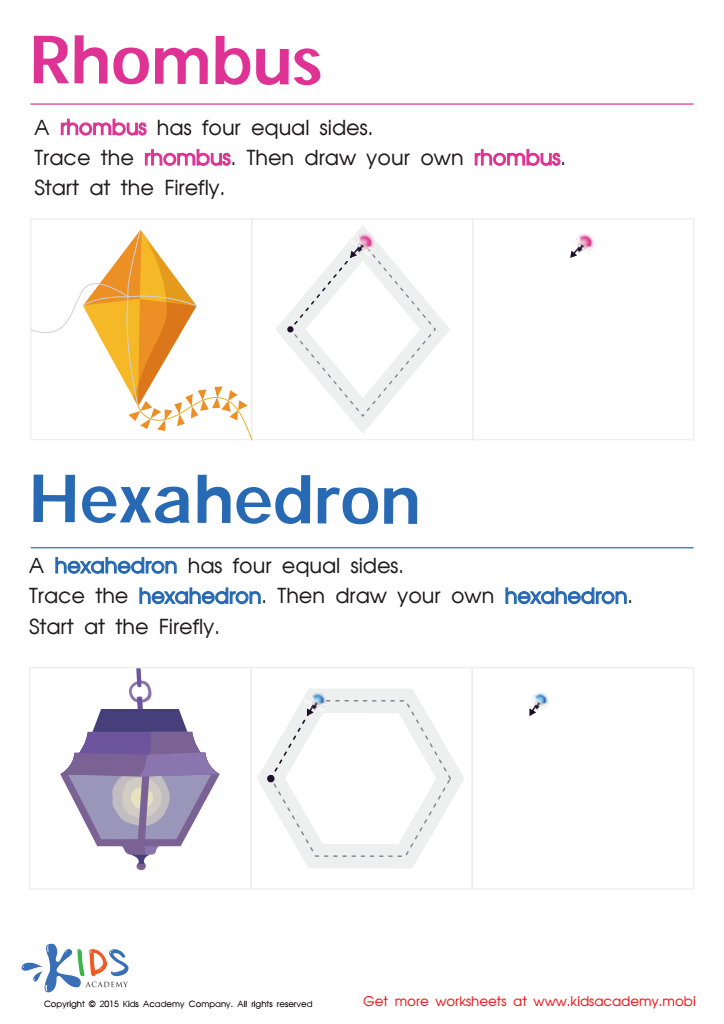
Draw a Rhombus And a Hexahedron Printable
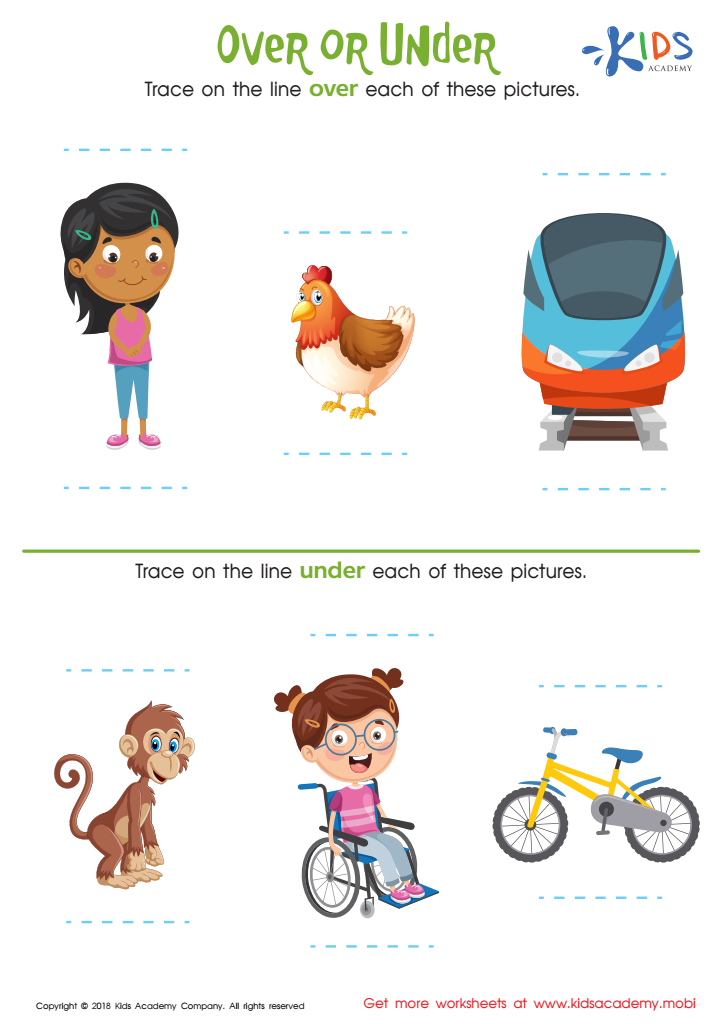
Over or Under Worksheet
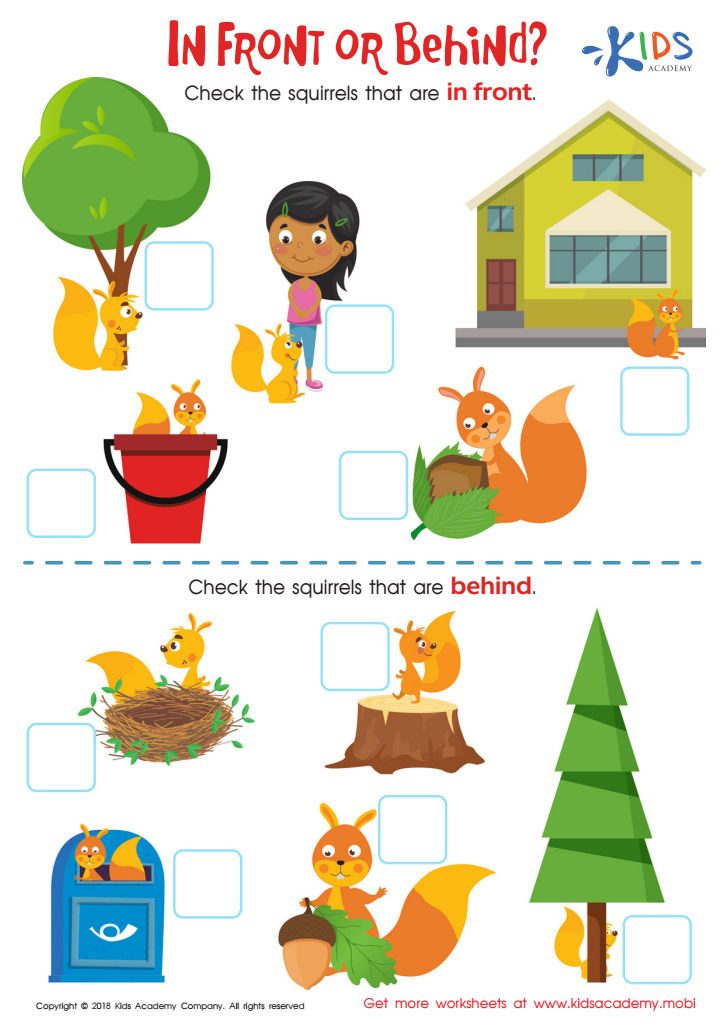
In Front or Behind: Part 2 Worksheet








Parents and teachers should prioritize vocabulary enhancement in geometry for children aged 3-4 because early language skills are foundational for later academic success. At this developmental stage, children are naturally curious about the world around them, and introducing geometric vocabulary helps them describe their environment more accurately. Words like "circle," "square," "triangle," and "ellipse" not only broaden their language but also enhance their spatial awareness.
Understanding geometric concepts early on aids in cognitive development, as it encourages critical thinking and problem-solving skills. By learning to identify shapes and their properties, children begin to categorize and make sense of the world, fostering logical reasoning. Furthermore, vocabulary development at this age is closely linked to later literacy skills, so embedding geometry vocabulary into play helps strengthen overall language competence.
Parents and teachers can incorporate geometry in everyday activities, such as building blocks or shape sorting, making learning interactive and engaging. This approach nurtures a love for math and science early on, establishing a positive attitude towards these subjects. Ultimately, by caring about vocabulary enhancement in geometry, caregivers equip children with essential tools that support their holistic development and future learning endeavors.








