Logical thinking Matching Worksheets for Ages 3-4
5 filtered results
-
From - To
Explore our engaging Logical Thinking Matching Worksheets designed for children aged 3-4! These worksheets introduce young learners to the essential skills of observation, comparison, and categorization. With fun and colorful visuals, children will enjoy matching pairs, recognizing patterns, and improving their problem-solving abilities. Each activity promotes critical thinking in a playful way, making learning an enjoyable experience. Perfect for both teachers and parents, our worksheets provide a valuable resource for early childhood development. Help your little ones build a strong foundation in logical thinking today! Download and start nurturing their cognitive skills with these delightful activities.
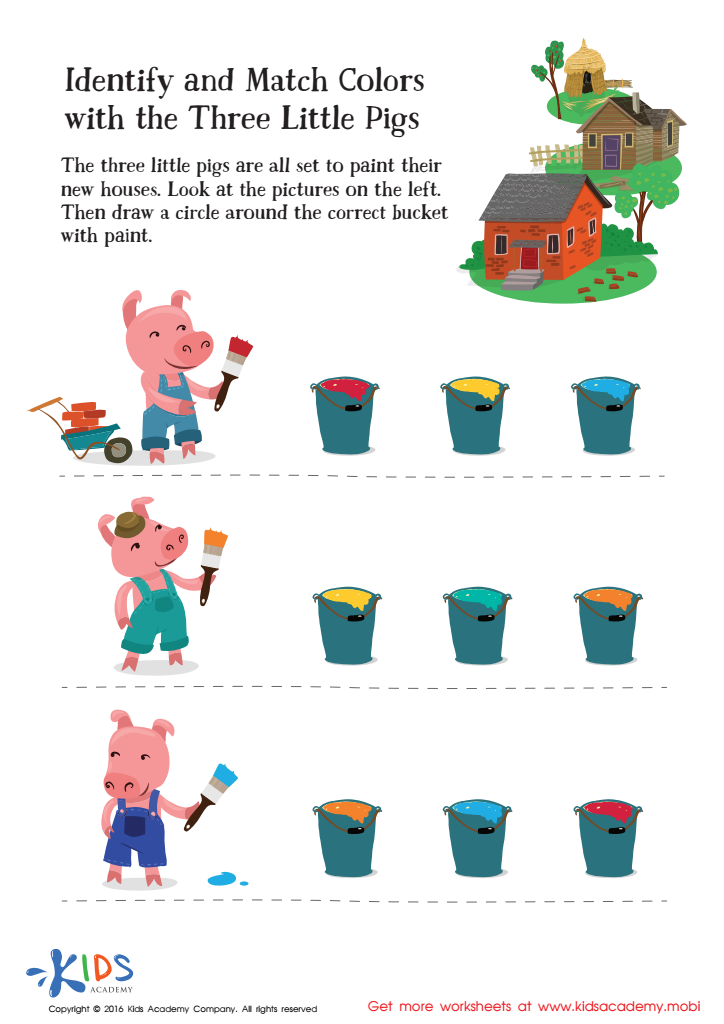
Fairy Tale Worksheet: Identify and Match Colors with Three Little Pigs
 Assign to My Students
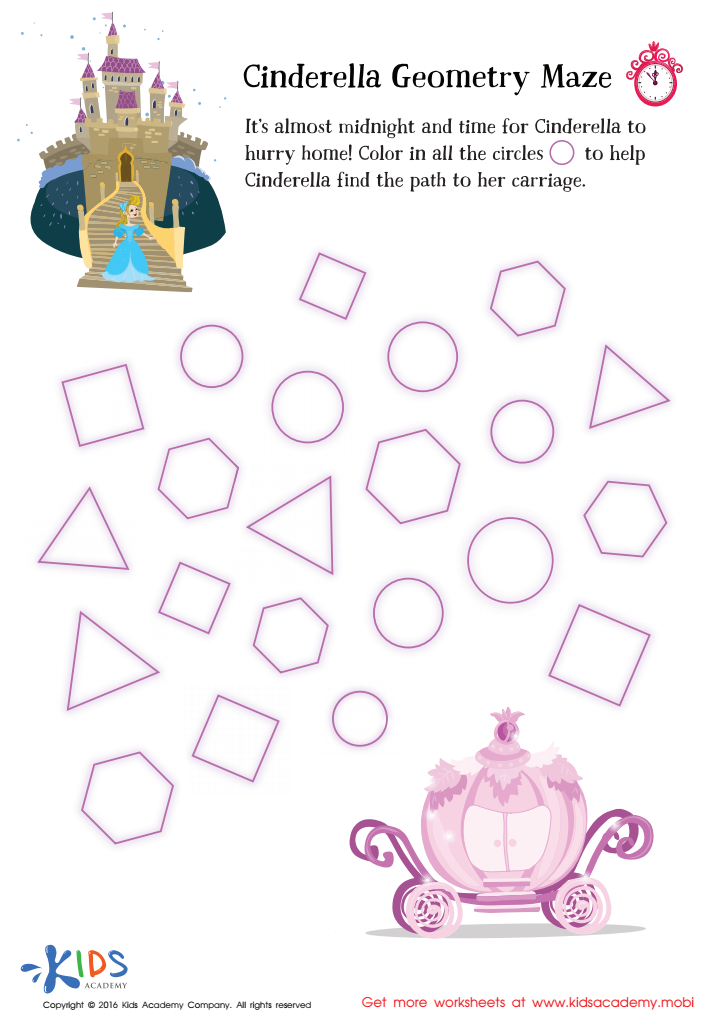
Cinderella Geometry Maze Worksheet
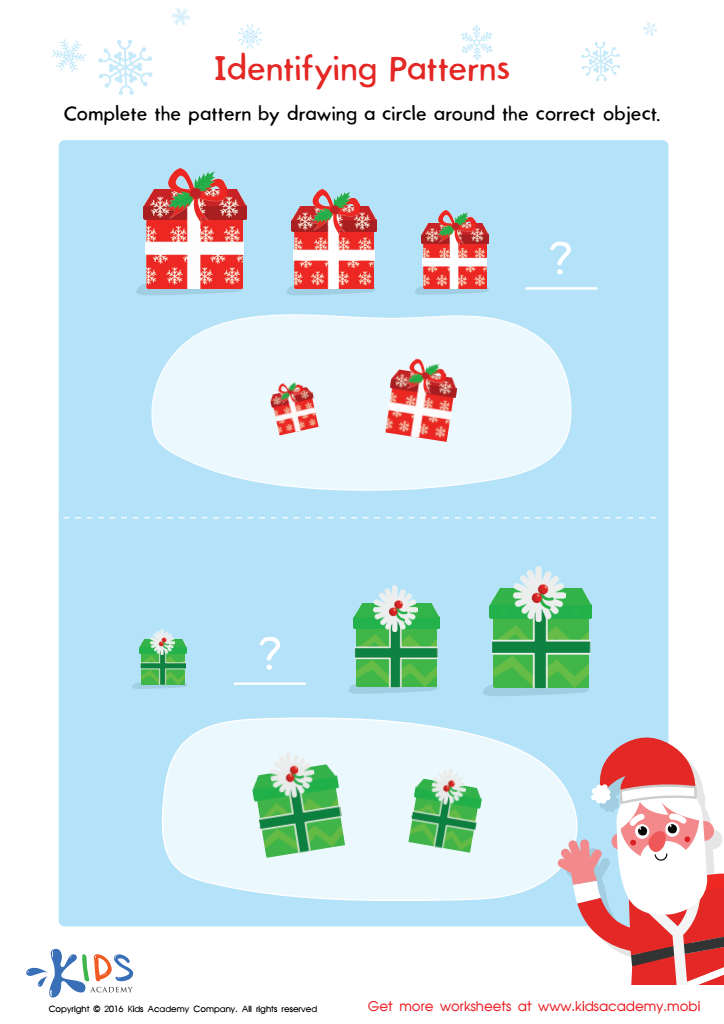
Identifying Patterns Worksheet
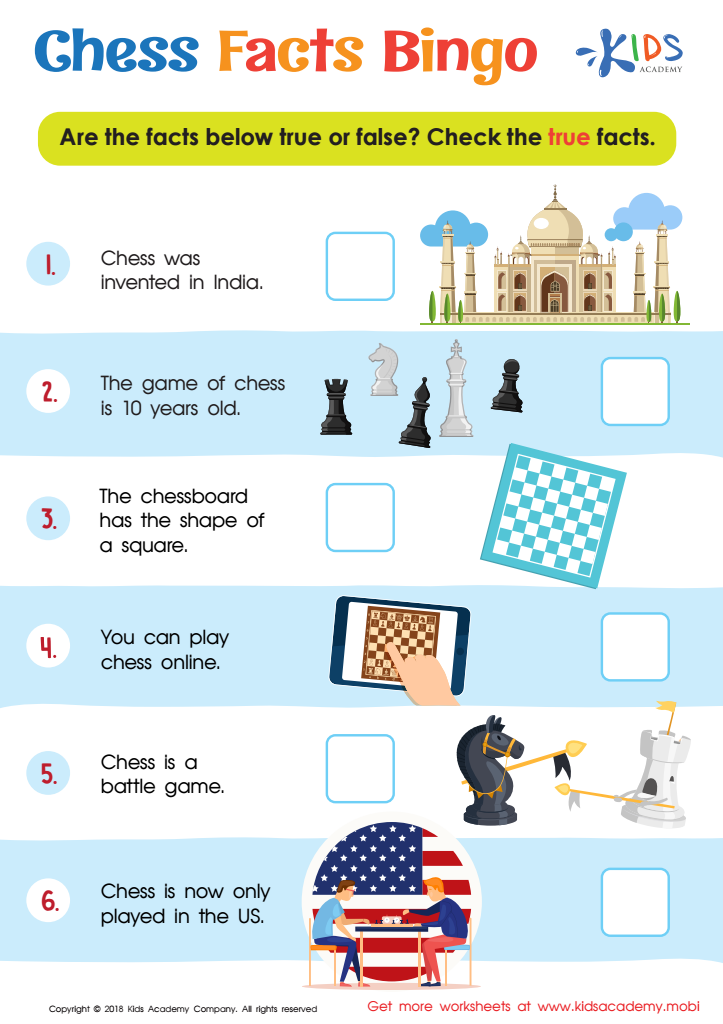
Chess Facts Bingo Worksheet
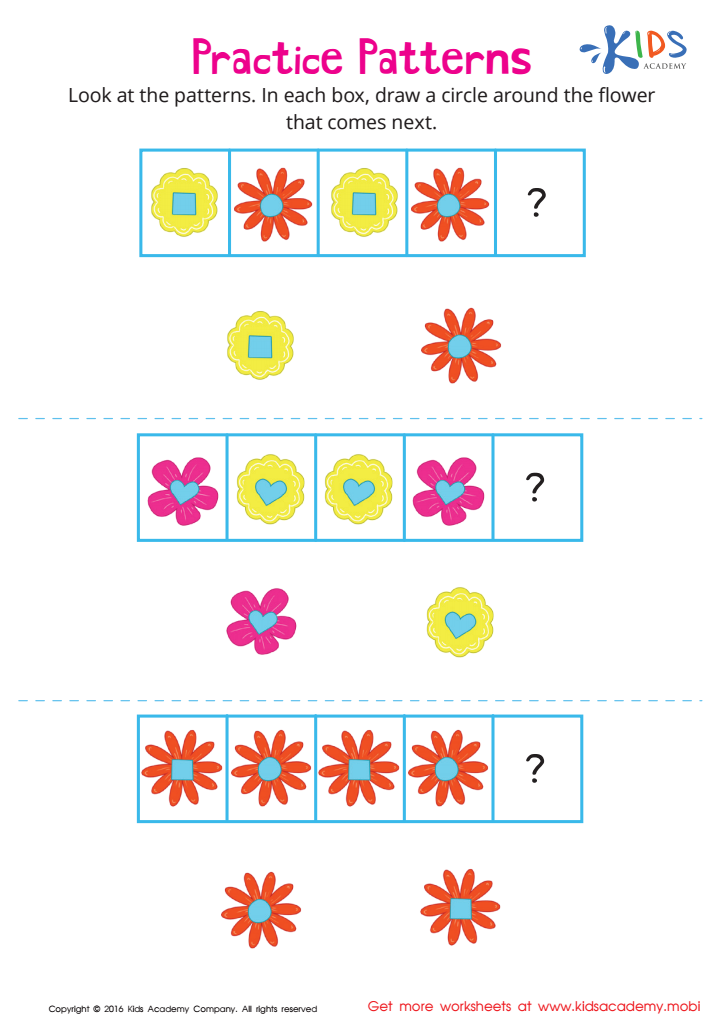








Logical thinking skills are crucial for young children as they lay the foundation for problem-solving, reasoning, and cognitive development. For children aged 3-4, engaging in matching activities fosters these skills in an enjoyable and interactive manner. Matching tasks require children to recognize similarities and differences among objects, which enhances observational skills and promotes critical thinking.
Parents and teachers should prioritize logical thinking matching activities because they stimulate intellectual curiosity and encourage active learning. These activities can range from matching shapes and colors to pictures resembling themes (e.g., animals or household items), making them versatile and adaptable to various learning environments.
Moreover, matching games often promote social interaction, as children can work in pairs or small groups, practicing communication and collaboration. By introducing these activities early, adults can nurture children's ability to reason and make connections, vital skills for later academic success.
Additionally, enhancing logical thinking at this age prepares children for more complex challenges they will encounter in elementary school and beyond. Ultimately, focusing on logical thinking through matching exercises enriches children's learning experiences, renders them more confident in their abilities, and sets them up for fruitful educational journeys.








