Animal recognition Reading Worksheets for Ages 3-4
5 filtered results
-
From - To
Introduce your little ones to the wonderful world of animals with our Animal Recognition Reading Worksheets for Ages 3-4! These engaging and educational printables help young learners identify various animals while boosting their early reading skills. Each worksheet features vibrant illustrations and simple, age-appropriate text designed to captivate and educate preschoolers. Perfect for both classroom and at-home use, these worksheets make learning fun and interactive. Foster a love for reading and nature as your child discovers new creatures and improves their vocabulary. Download today and start your child's educational adventure with animal recognition!
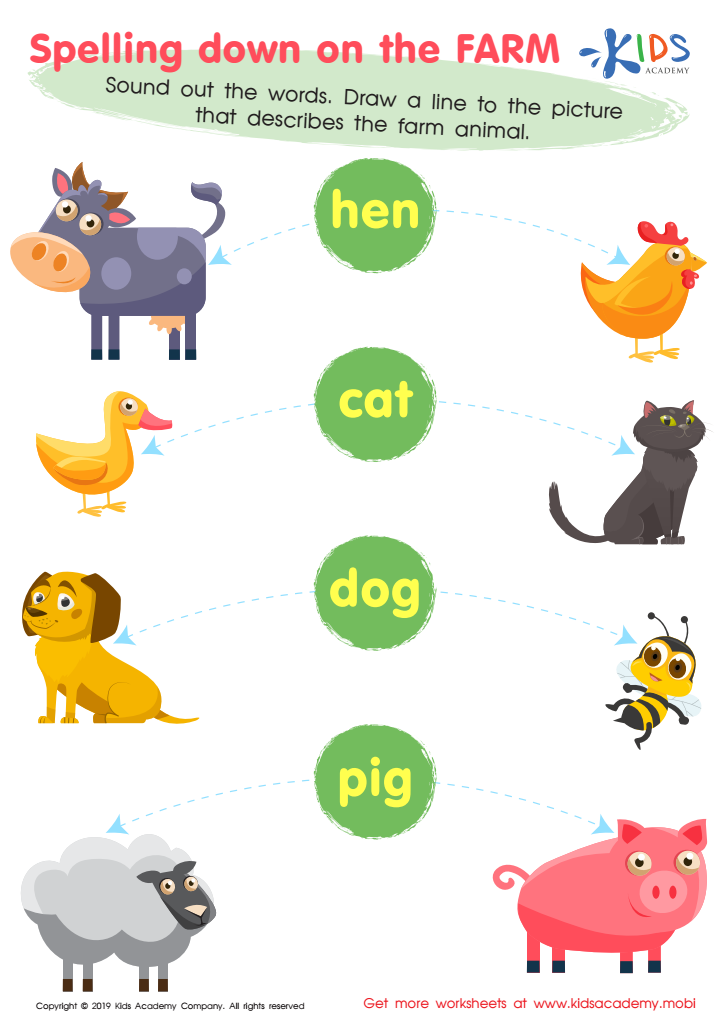
Spelling Down on the Farm Worksheet
 Assign to My Students
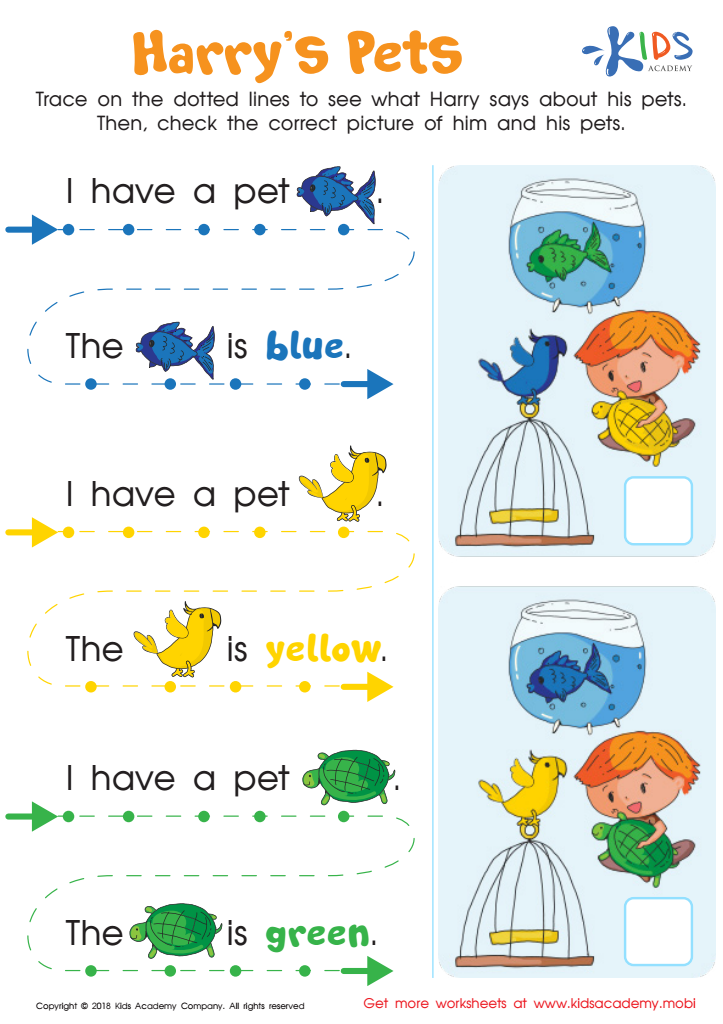
Read from Left to Right: Harry's Pets Worksheet
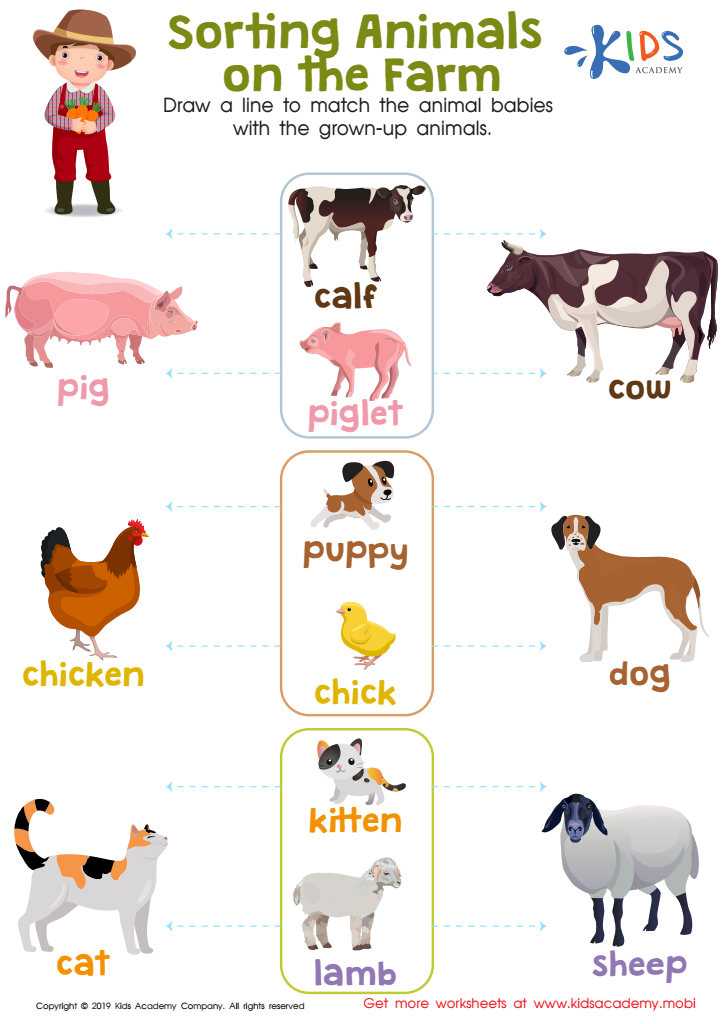
Sorting Animals on the Farm Worksheet
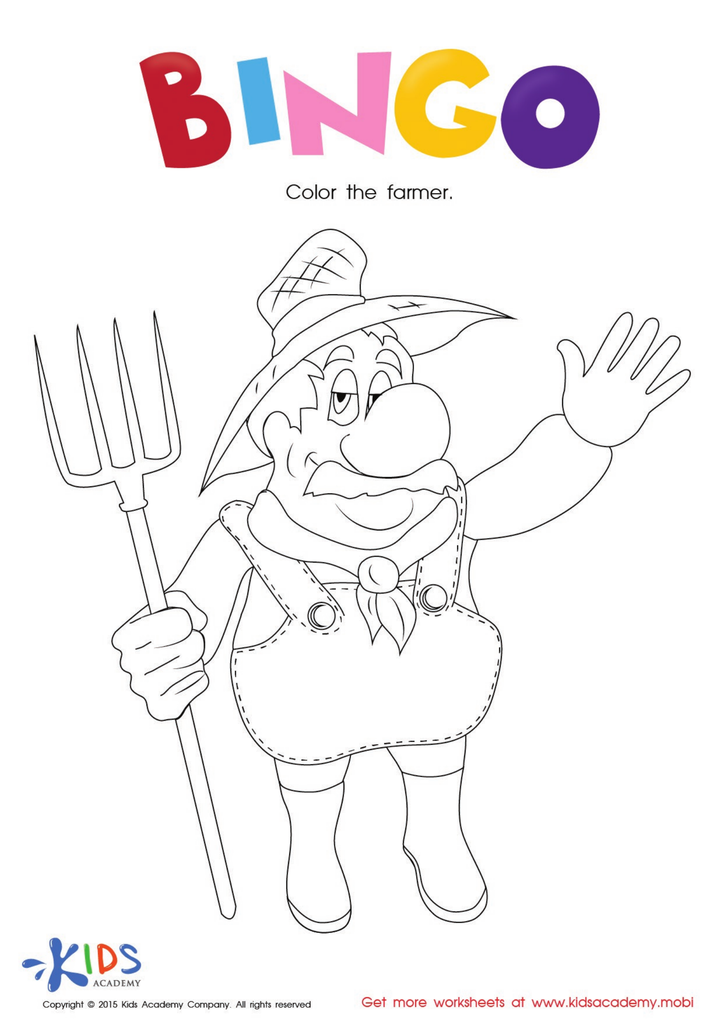
The Bingo Song: Coloring The Farmer Worksheet
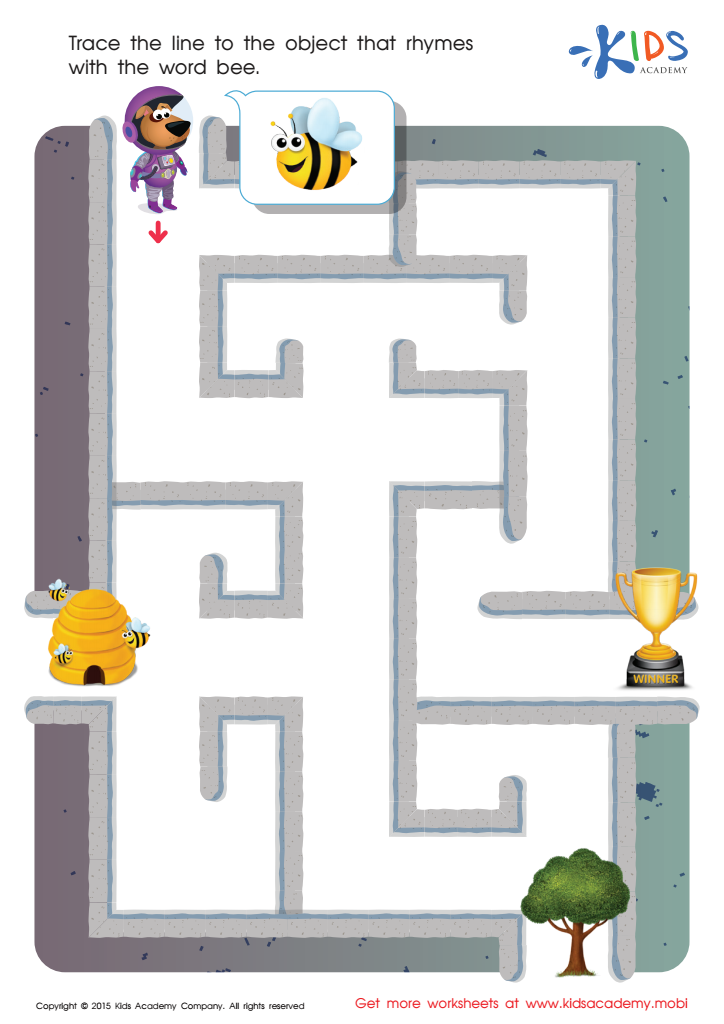
Bee Rhyming Words Worksheet








Animal recognition reading activities are pivotal for children aged 3-4 as it enhances their cognitive, emotional, and linguistic development. During these formative years, children's brains are highly receptive to new information, and recognizing animals can fortify numerous skill sets. Firstly, associating animals with their names improves vocabulary and language acquisition, laying a solid foundation for early literacy skills. This type of learning also promotes memory retention, as children are more likely to remember facts associated with images they are curious about.
Emotional development is another significant aspect; many children form emotional connections to animals. These activities can instill empathy, teaching kindness and responsibility towards living beings. Cognitive skills are honed as children categorize animals based on different attributes like size, habitat, and diet, which can foster critical thinking and categorization skills.
Moreover, engaging children in animal recognition reading often involves interactive books, applications, or toys, which can keep young minds focused and attentive. This interactive approach encourages active learning rather than passive absorption, leading to better information retention. Both parents and teachers should incorporate animal recognition activities into their educational routines, as these activities not only make learning fun but also build a robust foundation for future academic success and personal growth.








