Contextual understanding Reading Worksheets for Ages 3-4
5 filtered results
-
From - To
Unlock your child's reading potential with our Contextual Understanding Reading Worksheets designed for ages 3-4. These engaging worksheets help young learners develop essential skills by integrating context clues into their reading comprehension. Through vibrant illustrations and age-appropriate activities, children will learn to draw connections between words and their meanings, enhancing vocabulary and critical thinking. Each worksheet is crafted to make learning fun, ensuring that toddlers are not only instructed but also inspired. Perfect for parents and educators, these resources provide a solid foundation for lifelong literacy skills. Start your child's journey to reading success today!
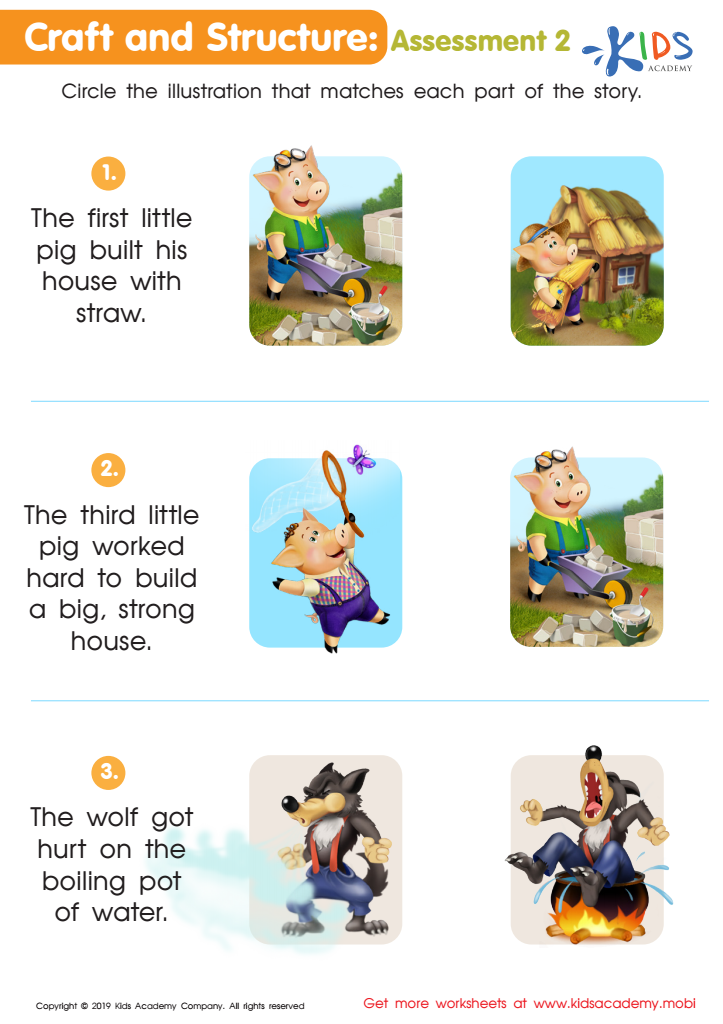
Craft and Structure: Assessment 2 Worksheet 2
 Assign to My Students
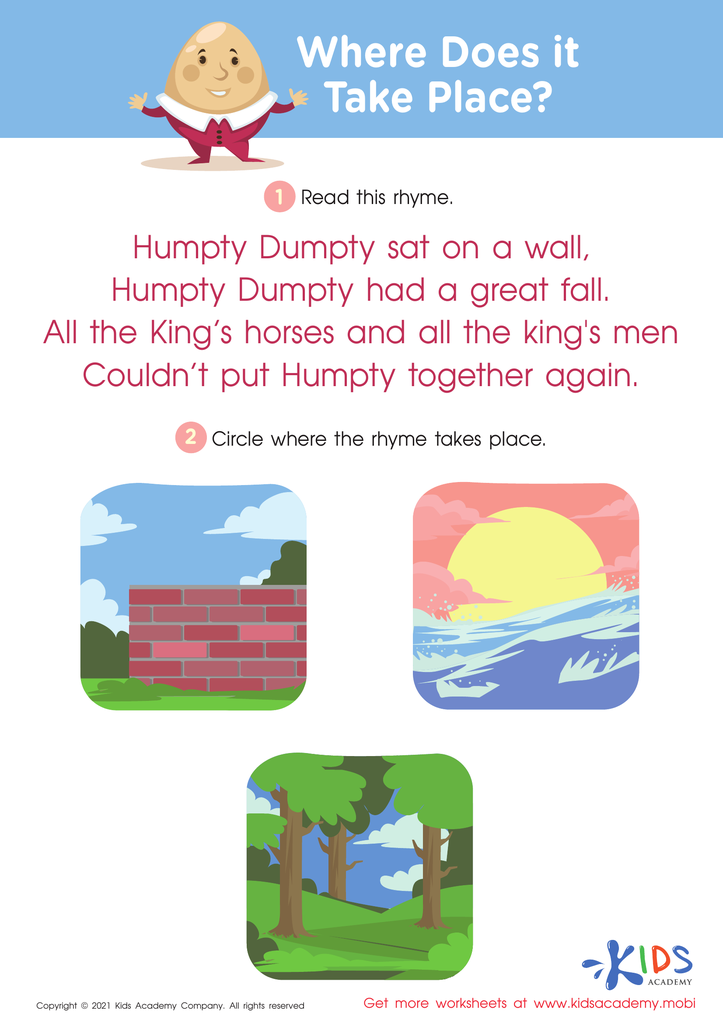
Where Does It Take Place? Worksheet
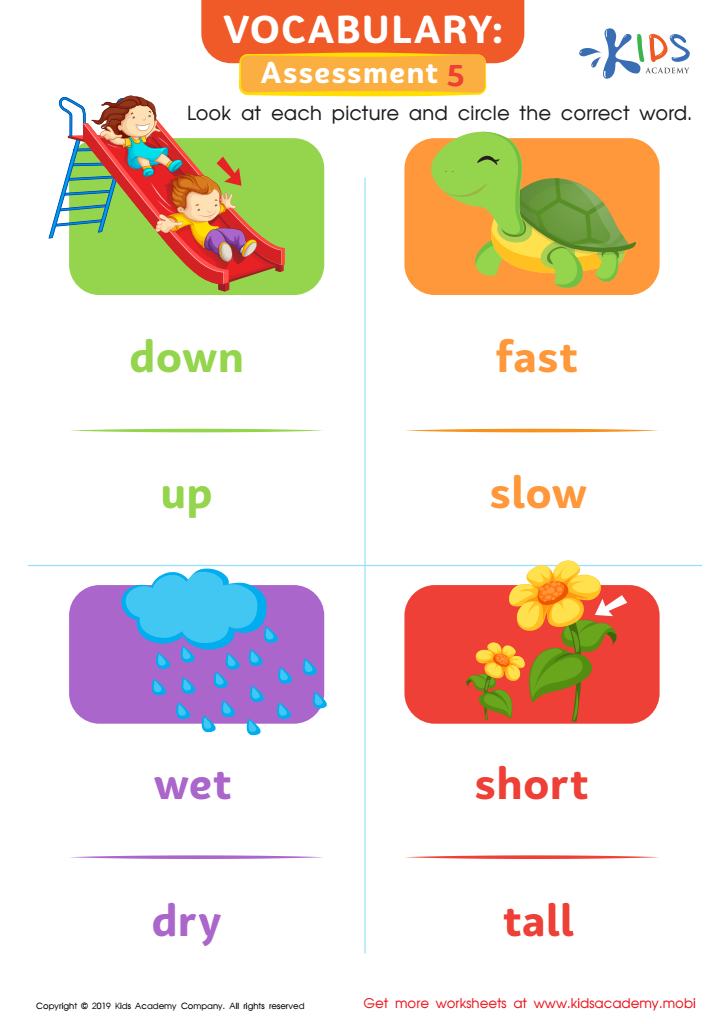
Vocabulary: Assessment 5 Worksheet
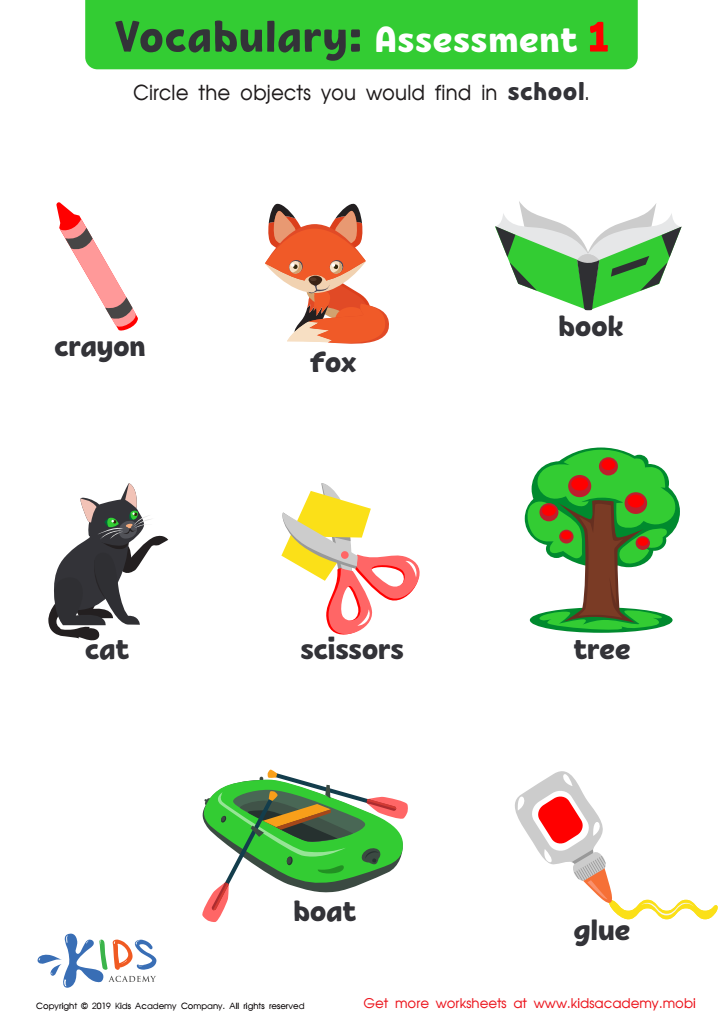
Vocabulary: Assessment 1 Worksheet
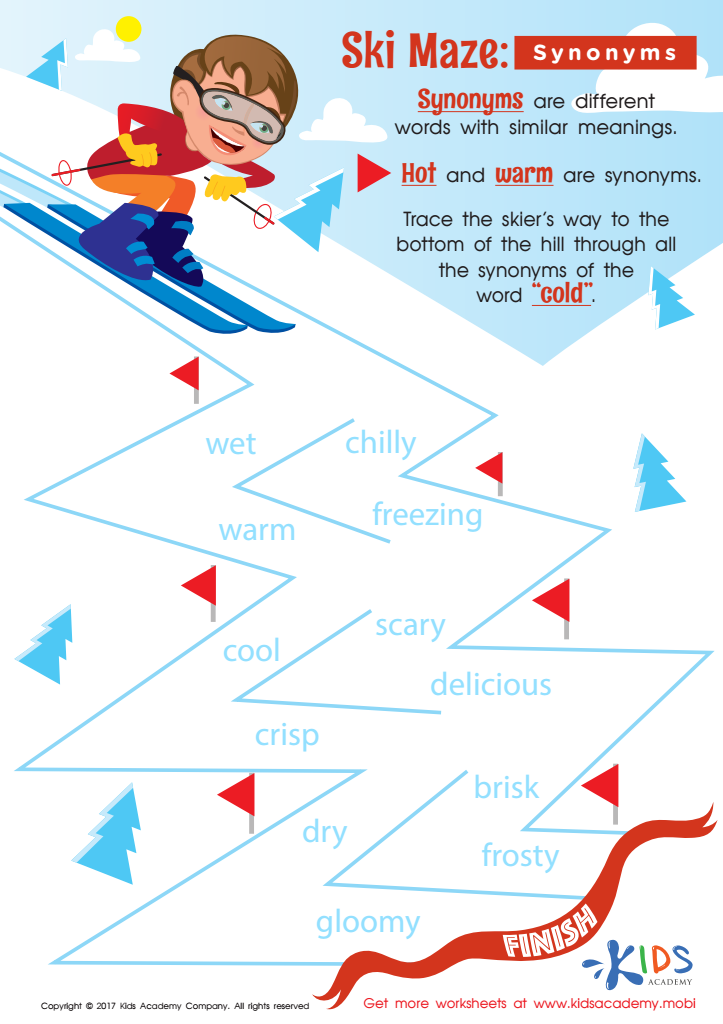
Free Printable Synonym Worksheet






Contextual understanding in reading for ages 3-4 is crucial for early literacy development and overall cognitive growth. When young children engage with stories and books that include rich, relatable contexts—such as everyday experiences or familiar environments—they feel more connected to the material. This connection fosters comprehension, as children can anchor new vocabulary and concepts within their own experiences.
Parents and teachers should recognize that contextual understanding aids in developing critical thinking and imaginative skills. When children comprehend the setting and context of a story, they can make predictions, ask questions, and enjoy storytelling more fully. This engagement promotes not only language skills but also social and emotional development, as children learn to empathize with characters and their situations.
Moreover, supporting contextual understanding can help bridge cultural gaps and introduce children to diverse lifestyles and perspectives, preparing them for a more globalized world. Read-aloud sessions that incorporate discussions about context encourage dialogue and interaction, which are vital for language acquisition. Therefore, fostering contextual understanding in reading is a strategic and enriching approach to early education, laying a solid foundation for future academic success and life skills.








