Shape Recognition Reading Worksheets for Ages 3-4
7 filtered results
-
From - To
Introduce your little ones to the world of shapes with our engaging Shape Recognition Reading Worksheets designed specifically for ages 3-4! These interactive worksheets foster essential early learning skills by combining fun visuals with reading exercises, helping children identify and name different shapes. Tailored to enhance visual discrimination, cognitive development, and vocabulary, our worksheets offer a playful yet educational approach. With colorful imagery and simple activities, kids will eagerly explore geometric shapes while building their reading confidence! Perfect for at-home learning or classroom enrichment, our Shape Recognition Worksheets provide a solid foundation for future learning adventures. Start shaping young minds today!
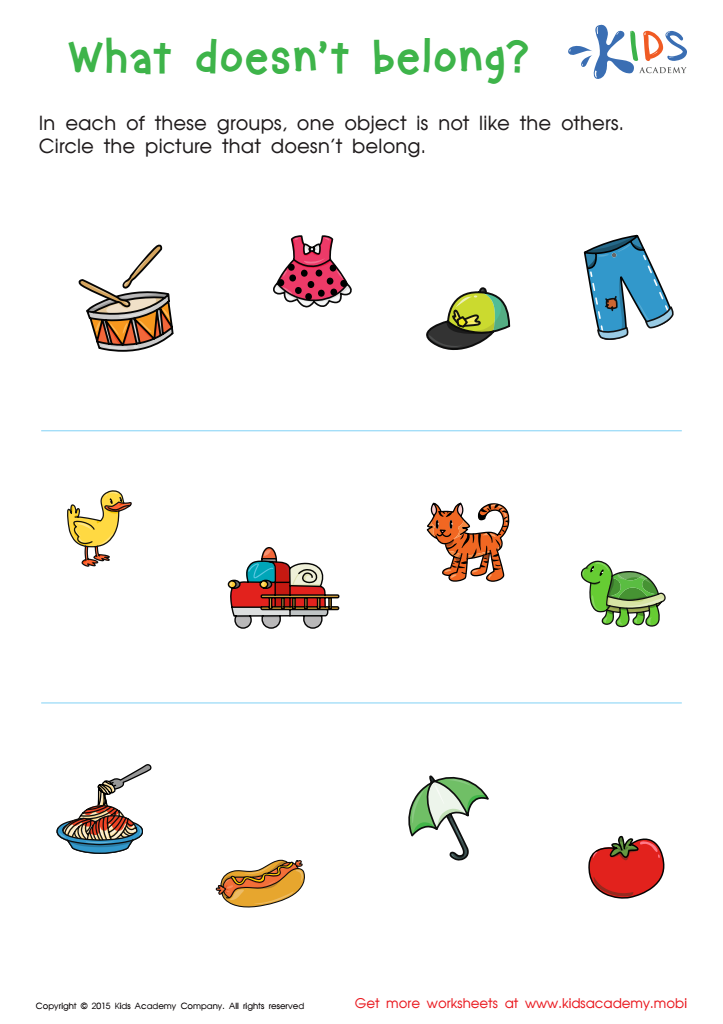
First Words: What Doesn't Belong Worksheet
 Assign to My Students
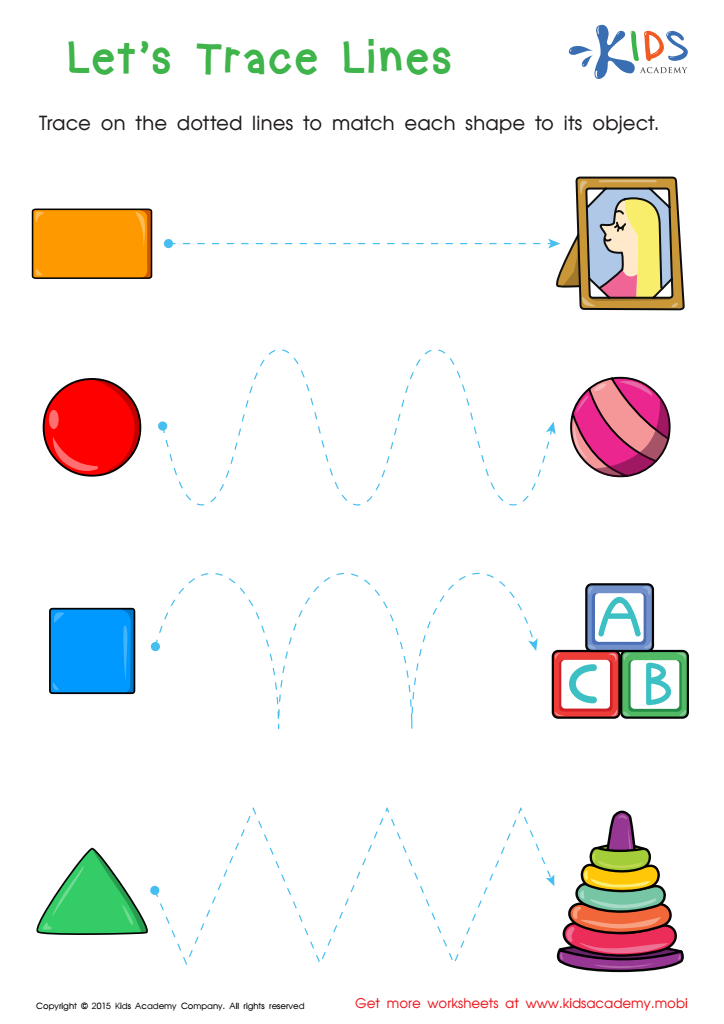
First Words: Let's Trace Lines Worksheet
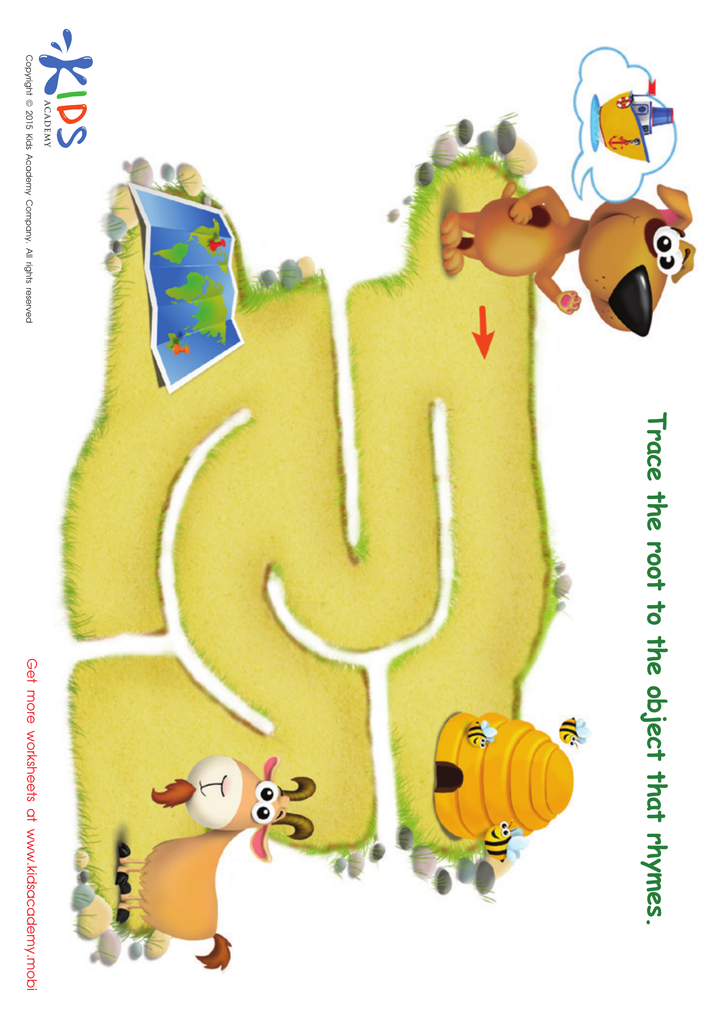
Boat Rhyming Words Worksheet
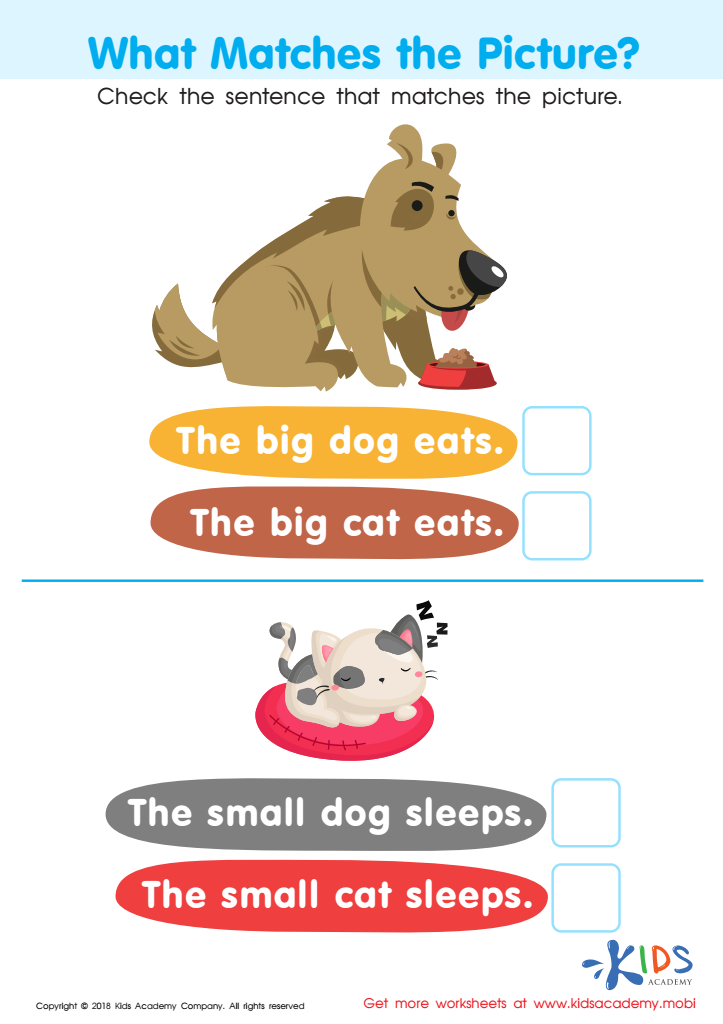
What Matches the Picture? Worksheet
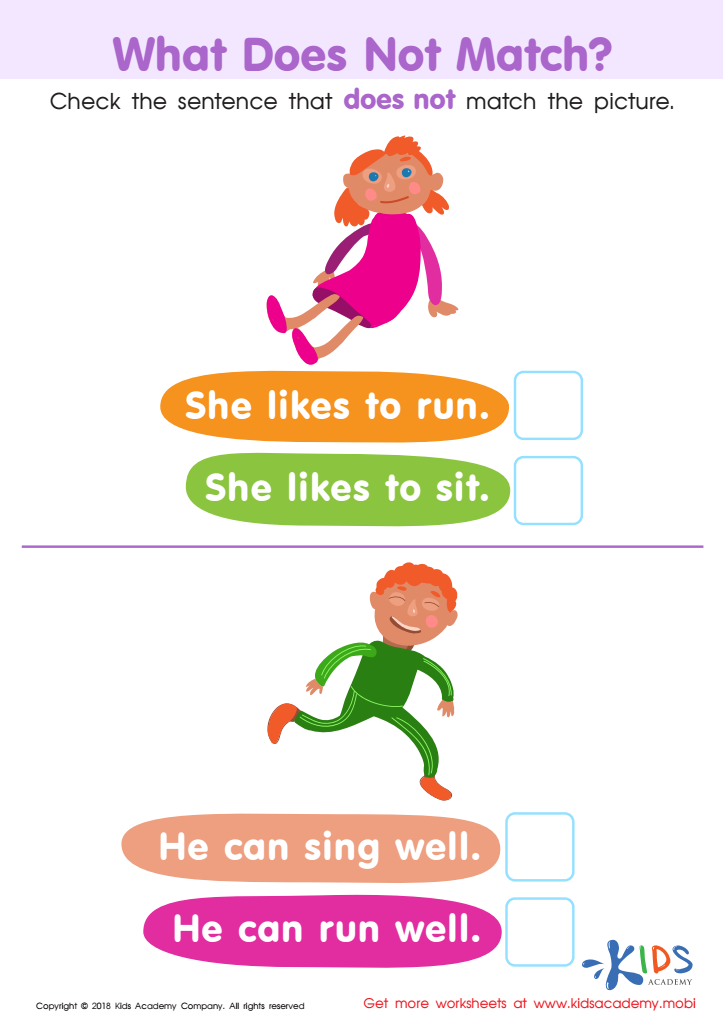
What Does Not Match? Worksheet








Shape recognition is a fundamental skill that greatly influences early literacy and cognitive development in children aged 3 to 4. Engaging with shapes helps young learners develop visual discrimination and memory, crucial ingredients for reading readiness. When children recognize and name different shapes, they strengthen their ability to differentiate letters and sounds, laying the groundwork for phonemic awareness, which is essential for reading.
Furthermore, shape recognition fosters critical thinking and problem-solving skills. As children explore shapes, they learn to categorize and relate concepts, enhancing their overall cognitive abilities. Parents and teachers play a key role in facilitating shape learning through playful activities like puzzles, games, and creative arts, making this process enjoyable and interactive.
Additionally, recognizing shapes aids in the development of fine motor skills, which are vital for writing and other academic tasks. Children also benefit socially by interacting collaboratively during shape-related activities, thereby improving their communication and teamwork skills.
Ultimately, shape recognition is not just about visual understanding; it bridges multiple areas of learning, empowering children with confidence in their academic journey and enriching their early developmental experiences. Hence, parents and teachers should prioritize shape recognition to support foundational learning and growth in young children.








