Critical Thinking Plants and Animals Worksheets for Ages 3-4
3 filtered results
-
From - To
Discover engaging "Critical Thinking Plants and Animals Worksheets for Ages 3-4" designed to spark curiosity and enhance cognitive skills in young learners. These interactive worksheets focus on helping preschoolers explore the fascinating world of plants and animals while developing essential critical thinking abilities. Through fun, age-appropriate activities, children will learn to categorize, compare, and make predictions, fostering their observation and reasoning skills. Foster a love for science in your little ones and encourage them to think creatively and analytically about the natural world around them. Perfect for home or classroom use, these worksheets support early development in a playful way.
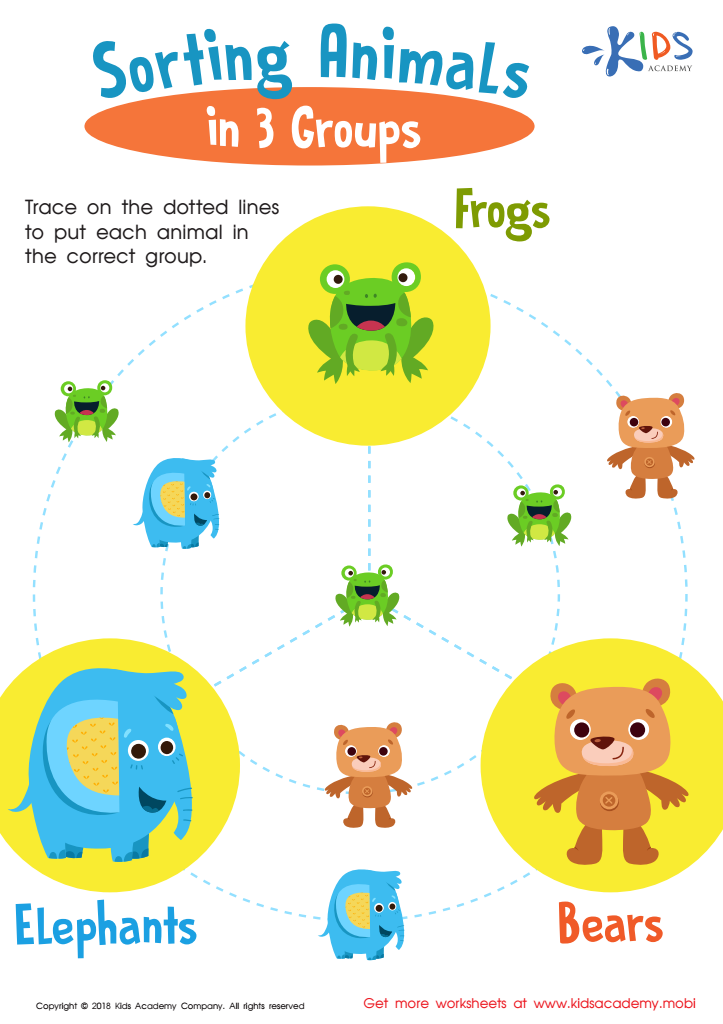
Sorting Animals in 3 Groups Worksheet
 Assign to My Students











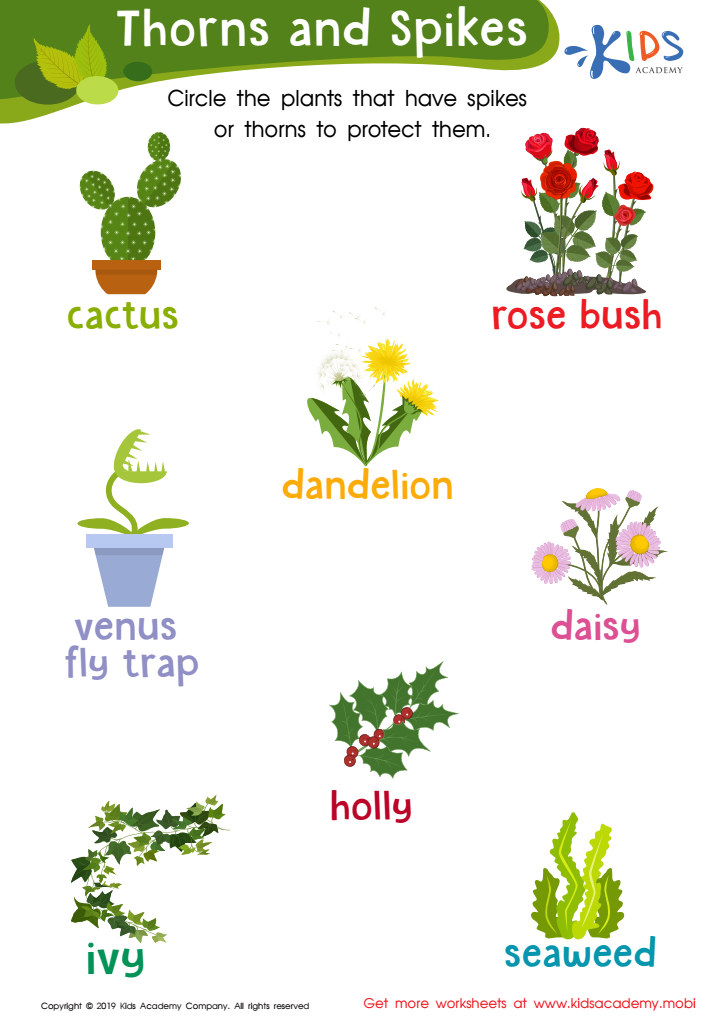
Thorns and Spikes Worksheet
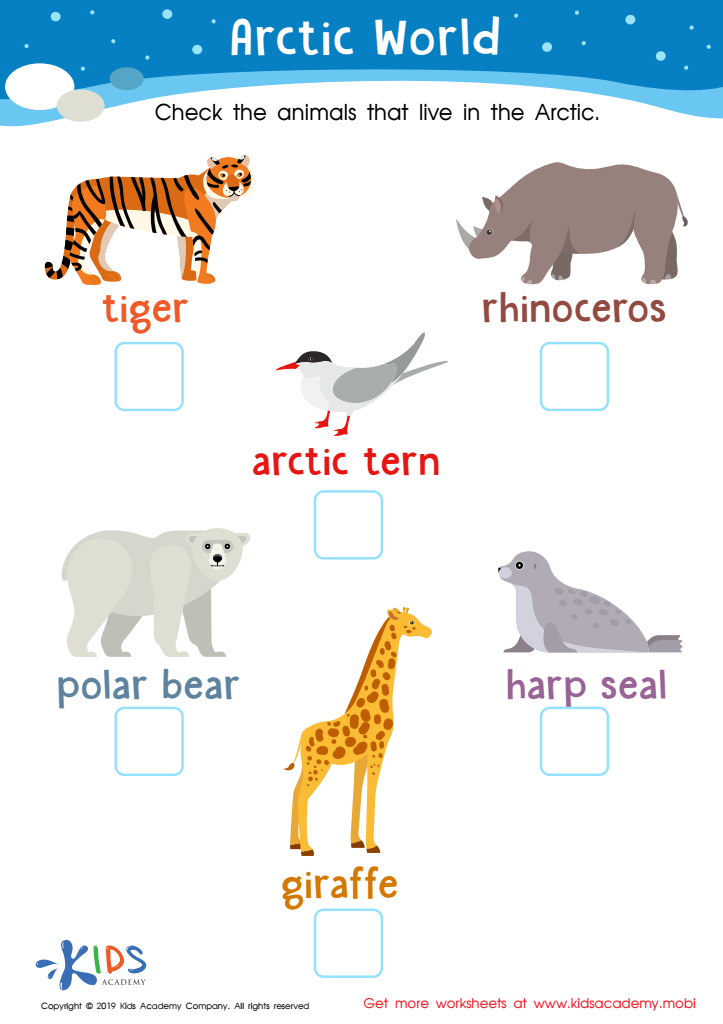
Arctic World Worksheet








Critical thinking skills are essential for young children, and introducing them through topics like plants and animals can be particularly engaging and beneficial for ages 3-4. Parents and teachers should care about these activities because they foster exploration, curiosity, and problem-solving abilities.
At this age, children are naturally inquisitive, asking questions about the world around them. Critical thinking activities involving plants and animals encourage them to observe, classify, and draw connections between different life forms, enhancing their cognitive development. For example, asking children why leaves change color in autumn or what habitats different animals live in prompts them to explore concepts of change, adaptation, and ecological relationships.
Incorporating critical thinking into learning about nature also helps to build foundational skills such as language development, communication, and teamwork, as children may work together to explore and discuss their observations. Furthermore, these activities cultivate an appreciation for the environment, laying the groundwork for responsible stewardship in the future.
Ultimately, by engaging in critical thinking through plants and animals, parents and teachers give children the tools they need to become independent thinkers, setting them on a path to becoming informed and engaged members of society.








