Fine Motor Skills Alphabet Worksheets for Ages 3-5 - Page 4
79 filtered results
-
From - To
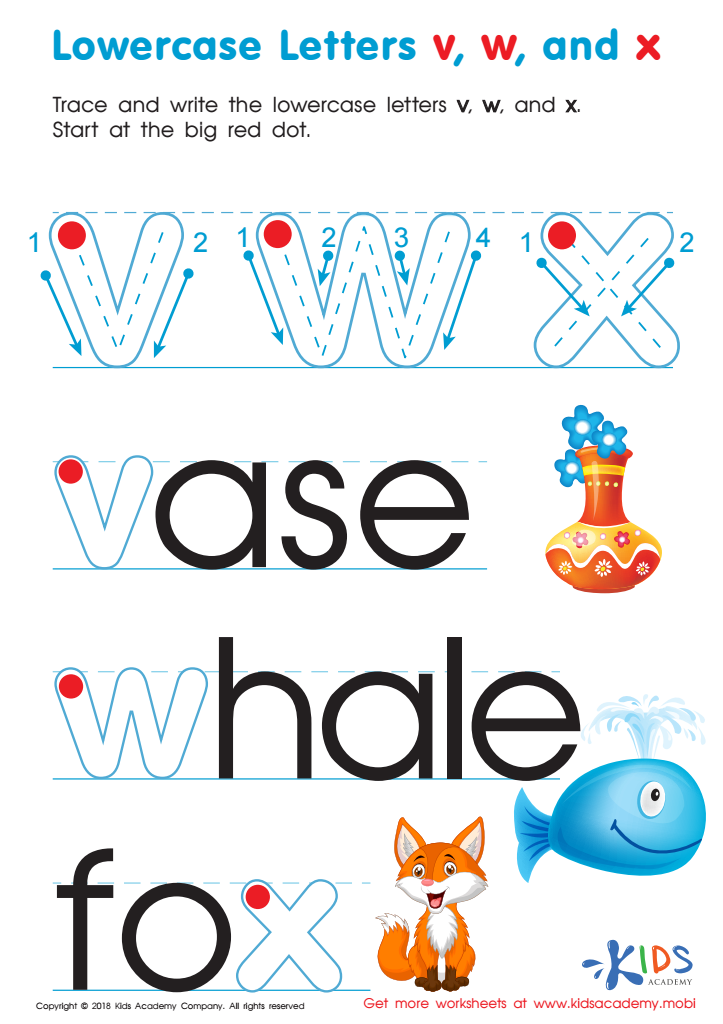
Lowercase Letters v w x Worksheet

Tracing Lines Worksheet
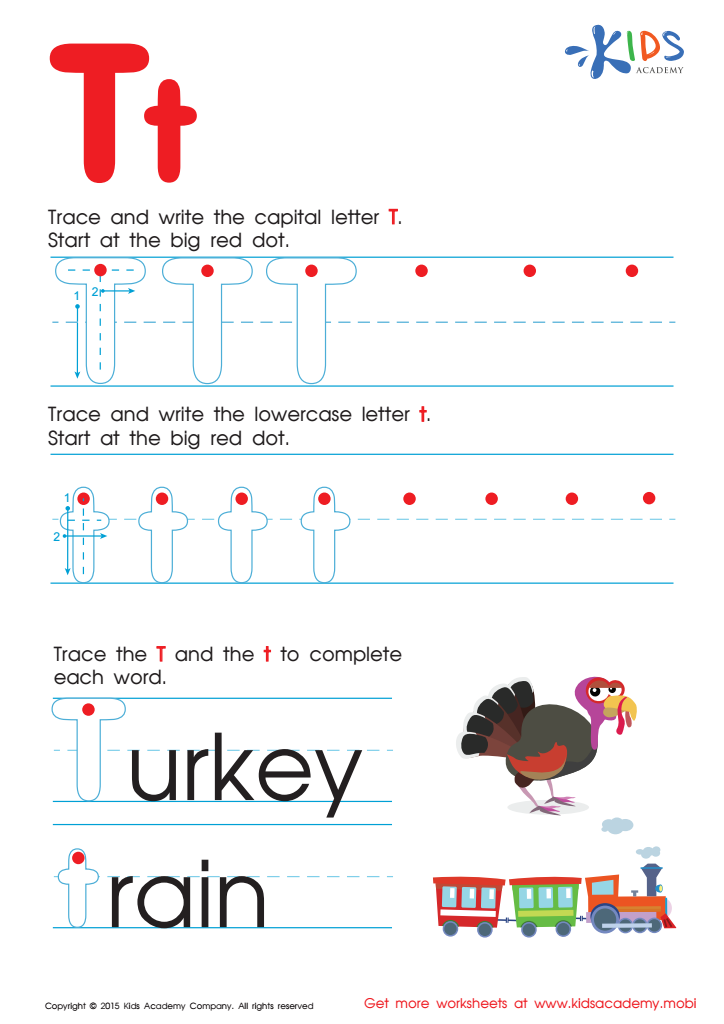
Letter T Tracing Page
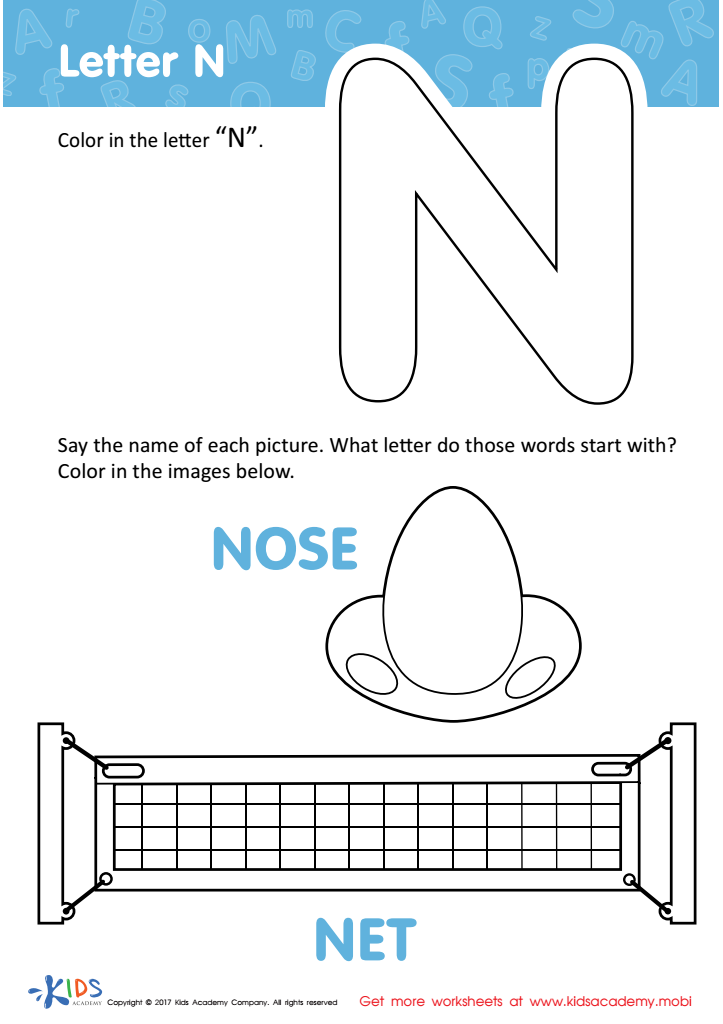
Letter N Coloring Sheet
 Assign to My Students
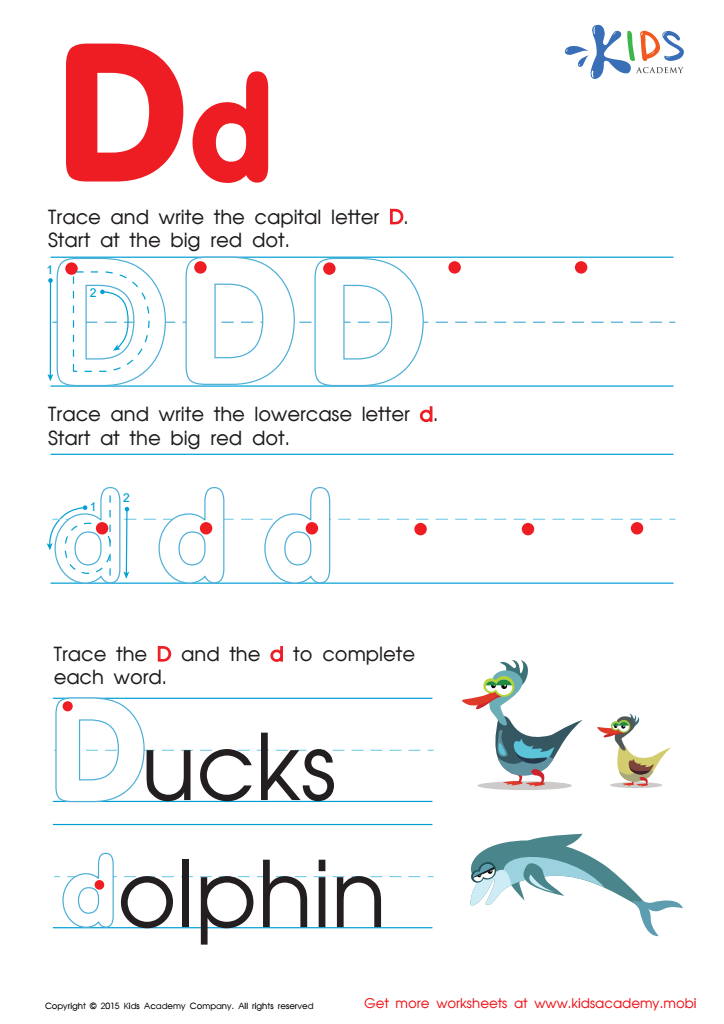
Letter D Tracing Page
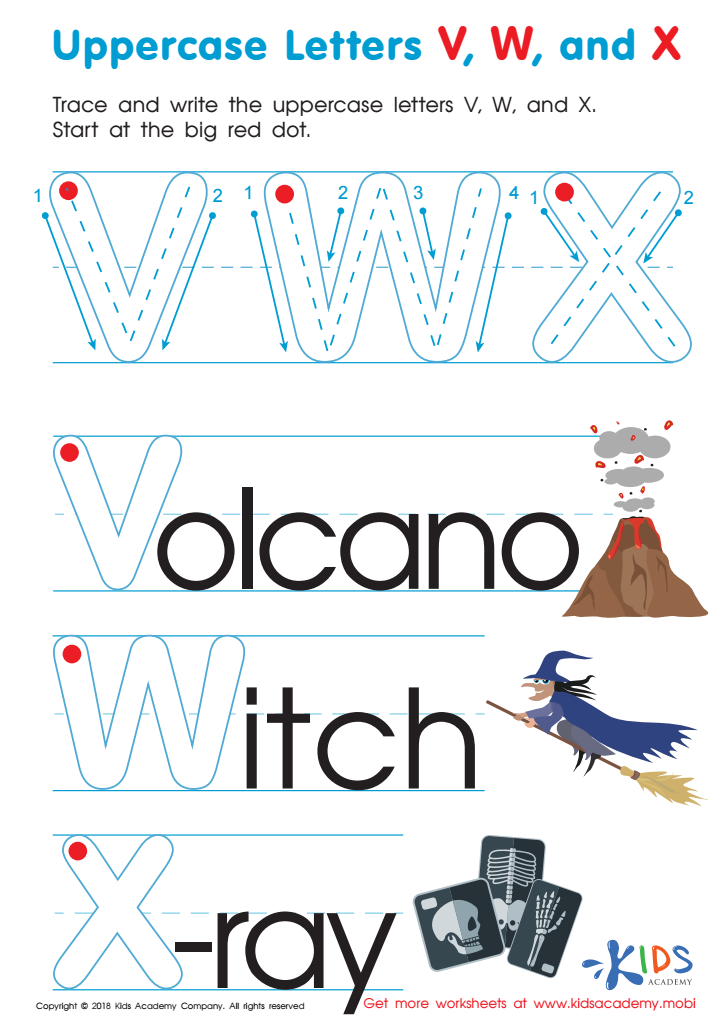
Uppercase Letters V, W, and X Worksheet
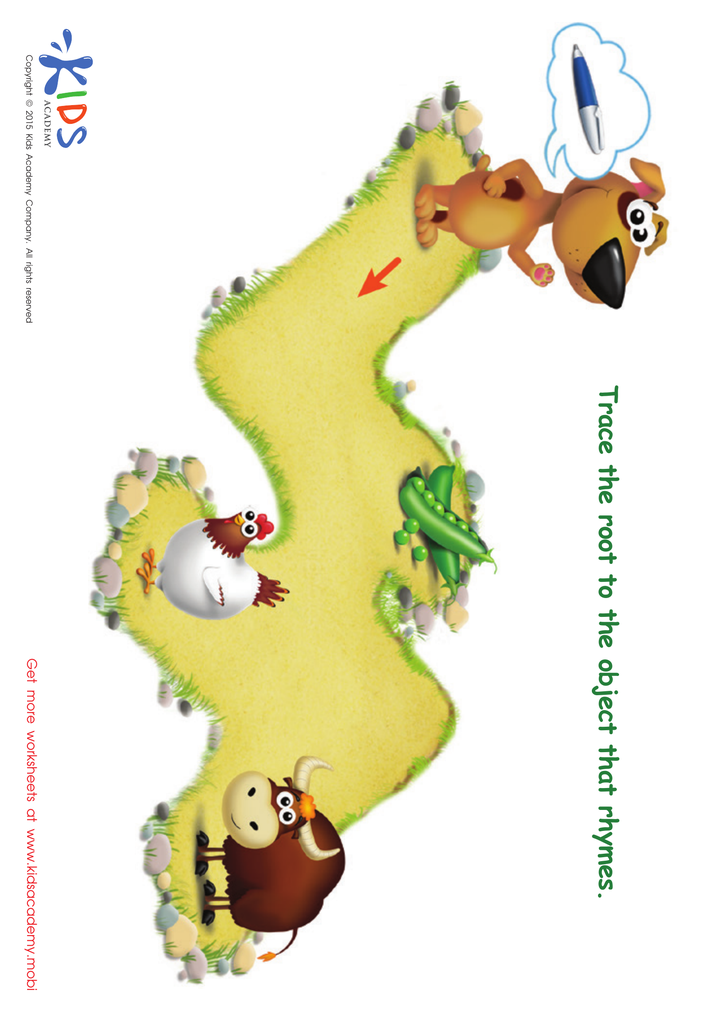
Pen Rhyming Words Worksheet








Fine motor skills are crucial for children aged 3-5, as they lay the groundwork for essential tasks in daily life and academic readiness. The development of these skills, particularly in the context of learning the alphabet, empowers children to perform activities such as writing, drawing, and manipulating small objects, all of which require precise hand-eye coordination and dexterity.
For parents and teachers, focusing on fine motor skills through fun, engaging activities opens pathways to literacy. When children grasp, trace, or form letters, they not only enhance their physical abilities but also reinforce their understanding of letters and phonetics. This hands-on approach promotes cognitive skills and increases their engagement with literacy.
Moreover, developing fine motor skills at this stage builds confidence. As children master the tasks of writing their names or forming letters, they feel a sense of accomplishment. This newfound confidence positively influences their willingness to participate and learn in other areas.
In sum, nurturing fine motor skills with an emphasis on the alphabet fosters holistic development, encouraging children to embrace learning as an enjoyable adventure. It prepares them for future academic challenges and equips them with skills vital for lifelong success.







