Handwriting practice Alphabet Worksheets for Ages 3-5 - Page 3
55 filtered results
-
From - To
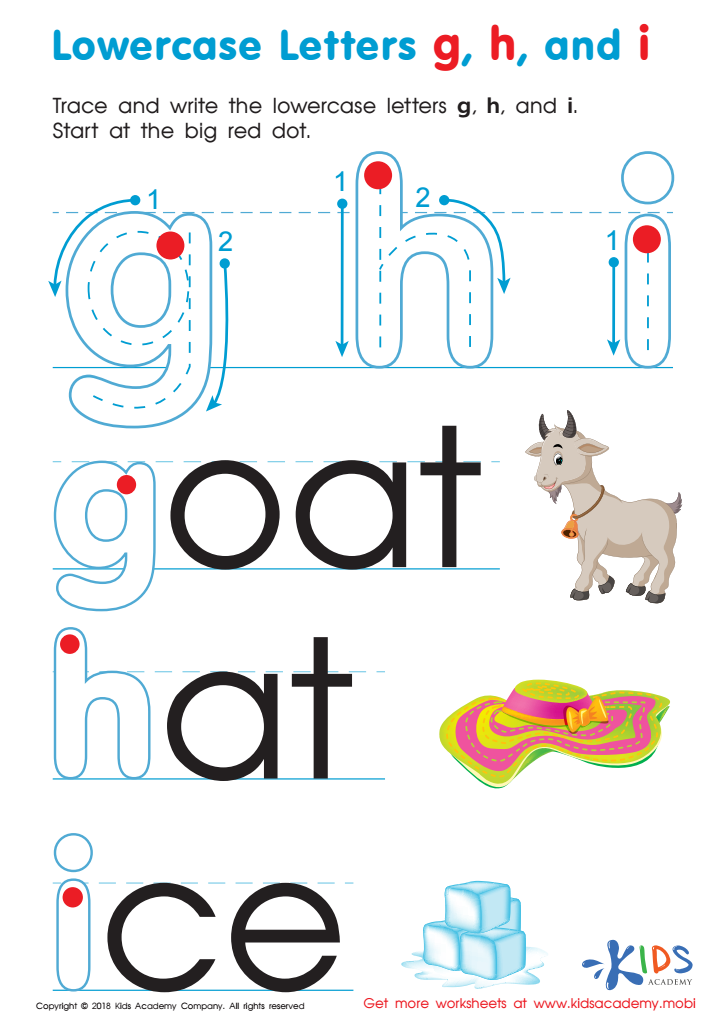
Lowercase Letters g h i Worksheet
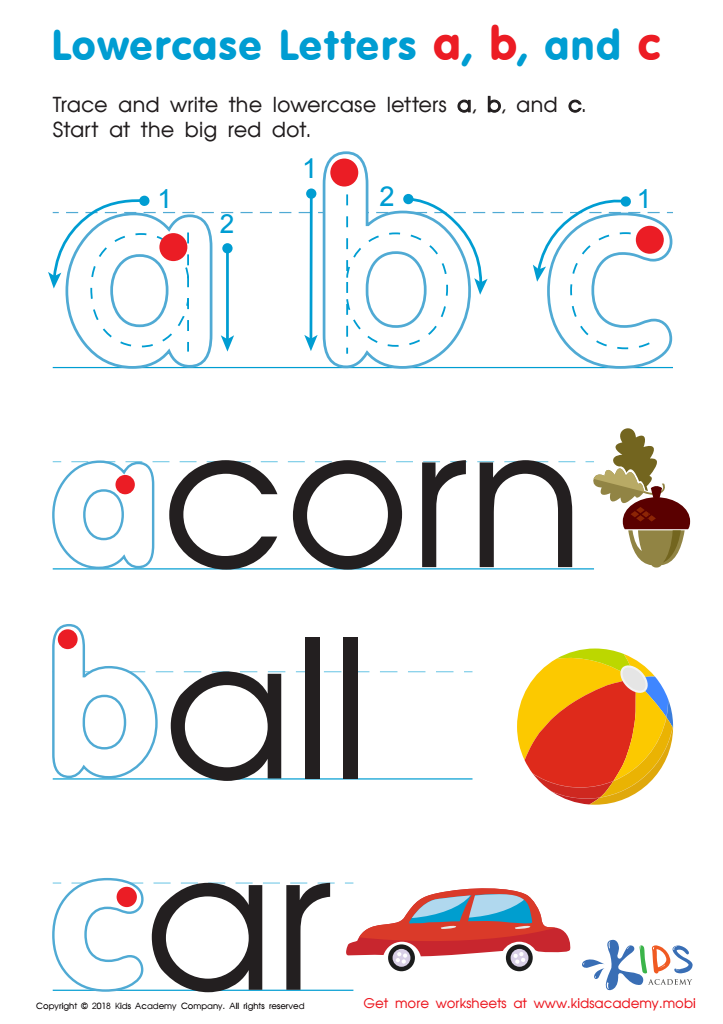
Lowercase Letters a b c Worksheet
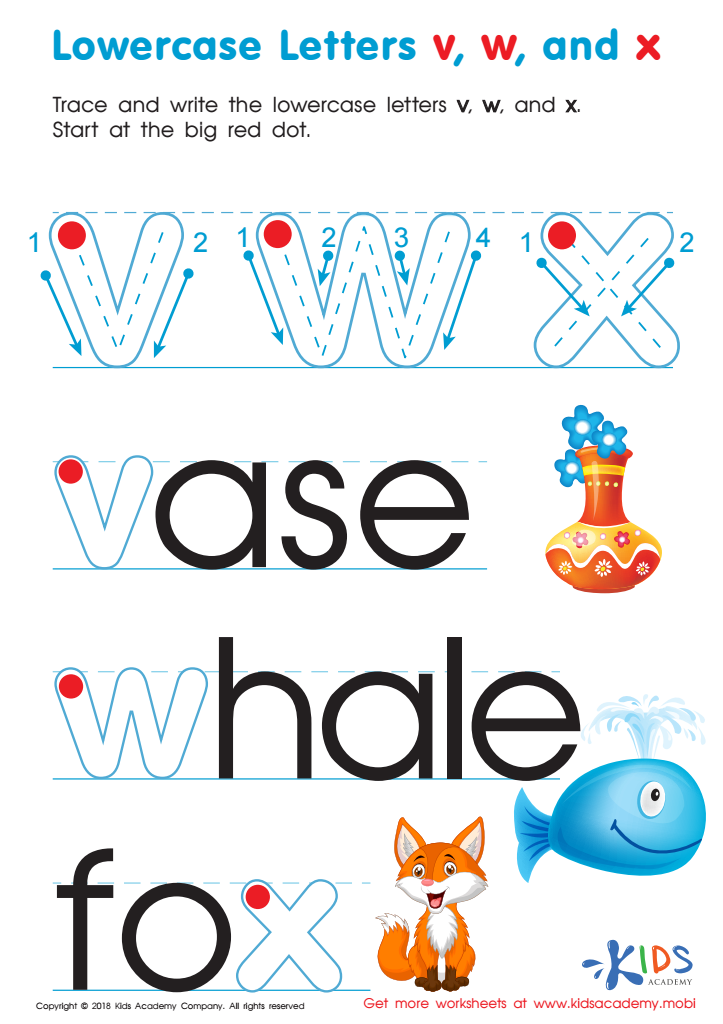
Lowercase Letters v w x Worksheet
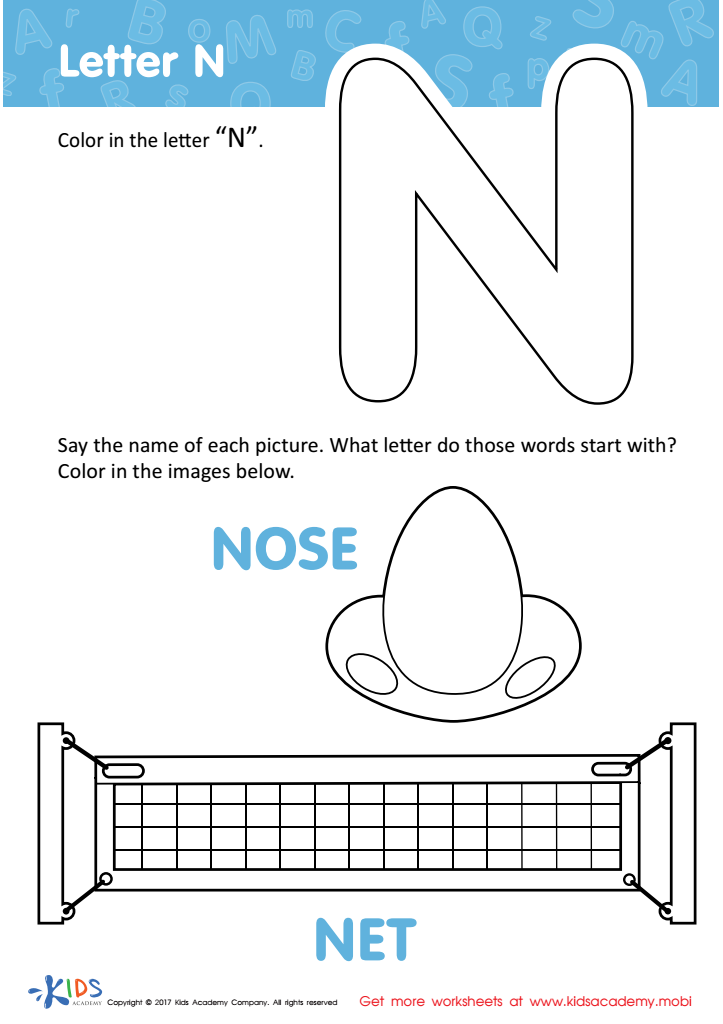
Letter N Coloring Sheet
 Assign to My Students
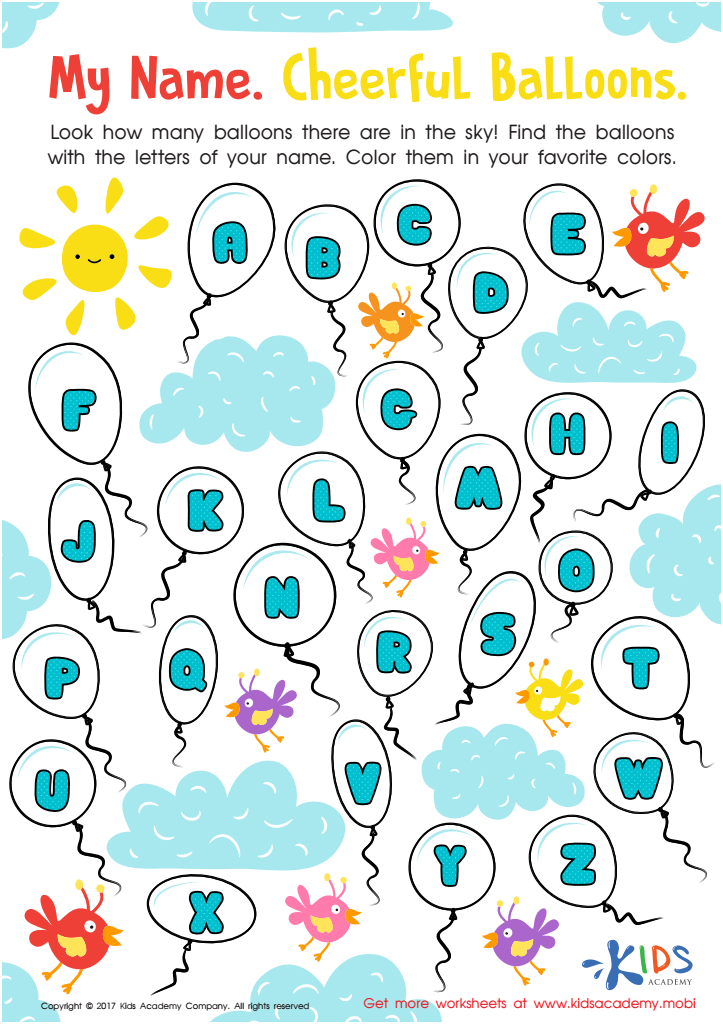
My Name: Cheerful Balloons Worksheet
Assign to My Students
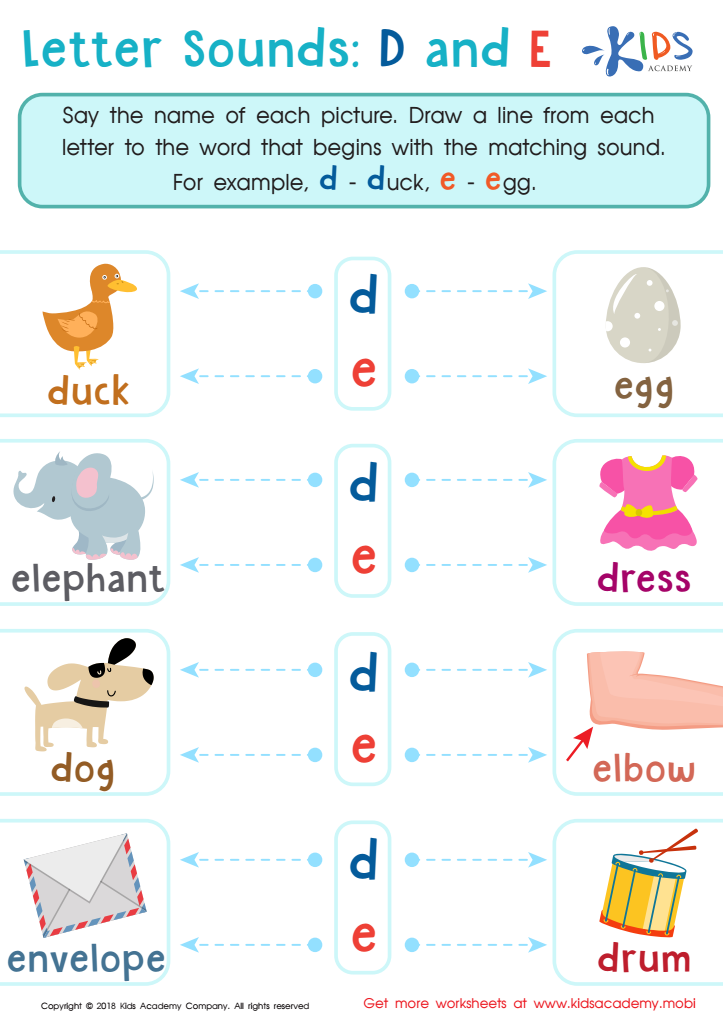
Letter D and E Sounds Worksheet
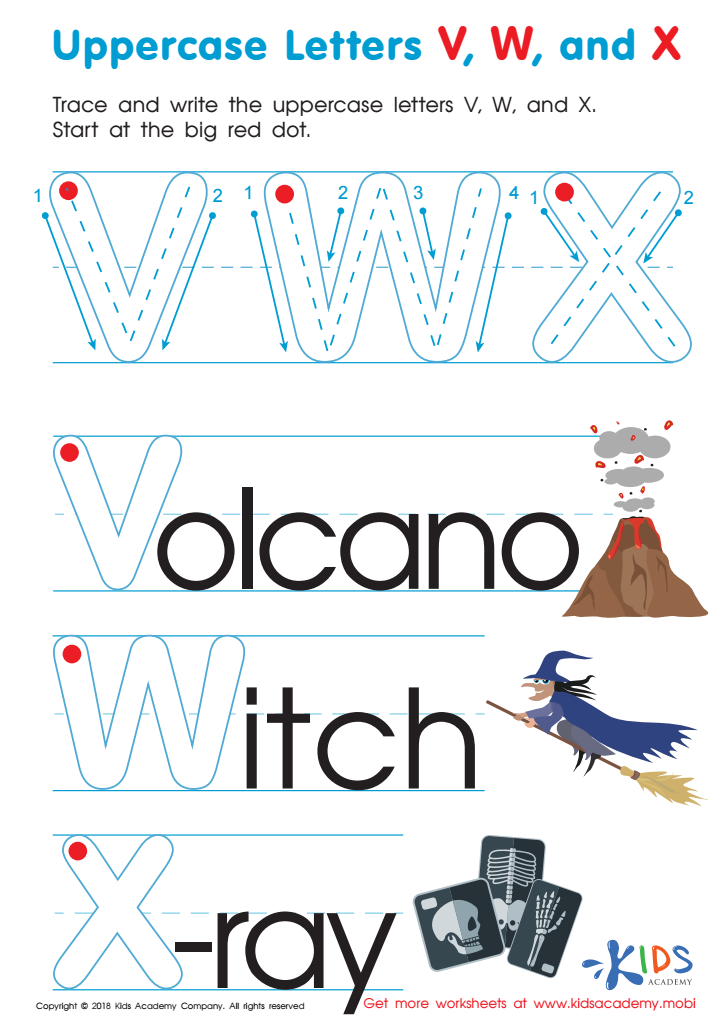
Uppercase Letters V, W, and X Worksheet







Handwriting practice of the alphabet for children aged 3-5 is crucial for multiple developmental reasons, and parents and teachers should certainly prioritize it. Firstly, this practice helps to develop fine motor skills, including hand-eye coordination, and the controlled movements needed to grip a pencil or crayon properly. Proficiency in these foundational skills is vital for more complex tasks they'll encounter in school and everyday life.
Secondly, consistent handwriting practice enhances cognitive development. Learning to form letters aids in memory retention and visual recognition. Children begin to understand that these shapes and lines represent symbols that convey meaning, thus laying the groundwork for literacy. Proficiency in writing letters also bolsters their reading skills, as there's a fundamental link between the two; learning the alphabet fosters familiarity with letters that improves reading fluency.
Moreover, engaging in regular handwriting practice boosts children's confidence and encourages a sense of accomplishment. Celebrating successes nurtures a positive attitude towards learning and school. Additionally, the ability to write legibly is a vital mode of communication that they'll rely on throughout their education and into adulthood.
In summary, practicing handwriting alphabet at ages 3-5 is indispensable for a child's fine motor skills, cognitive development, and overall confidence, making it a key focus area for both parents and teachers.







