
Reading Improvement Alphabet Worksheets for Ages 3-5
4 filtered results
Difficulty Level
Grade
Age
-
From - To
Subject
Activity
Standards
Enhance your child's reading skills with our engaging Reading Improvement Alphabet Worksheets designed for ages 3-5! These fun, printable worksheets focus on helping young learners recognize letters, sounds, and basic vocabulary through interactive activities and colorful illustrations. Tailored for pre-kindergarten children, our resources promote early literacy by encouraging phonemic awareness and letter recognition in an enjoyable way. Perfect for both home and classroom use, these worksheets make reading practice exciting and effective, laying a strong foundation for a lifelong love of learning. Foster your child's confidence and competence in reading today with our comprehensive selection of alphabet-themed worksheets!
Favorites
With answer key
Interactive
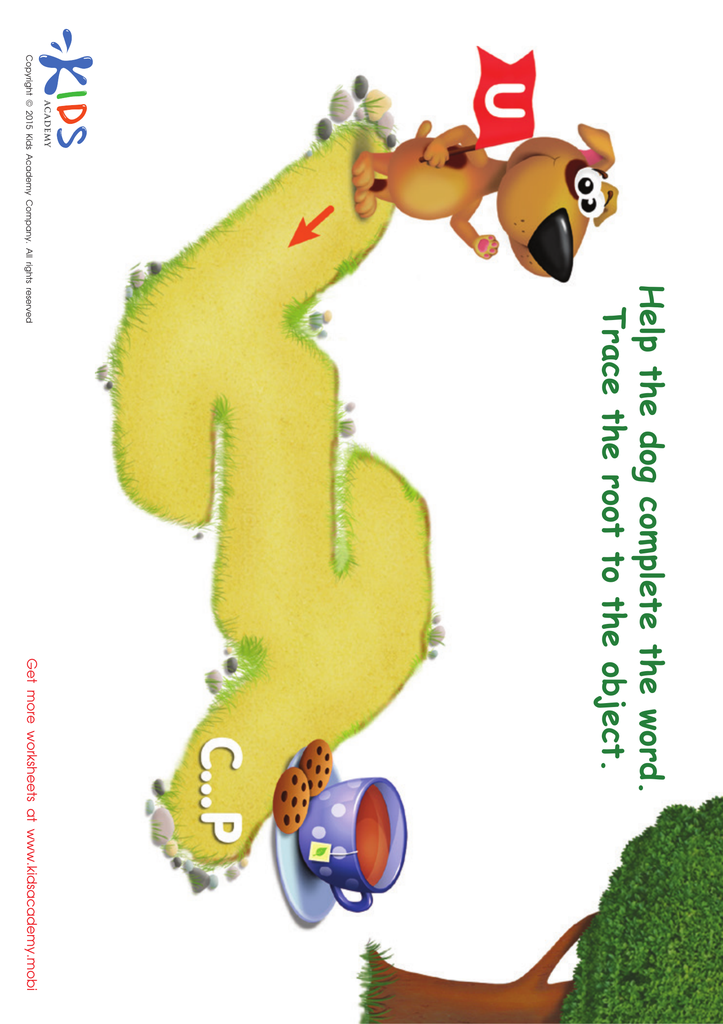
Short Vowel Sound U Worksheet Worksheet
Help your early reader join the adorable dog on his way to the cup of tea with cookies. This traceable worksheet reinforces the short -u sound and strengthens fine motor skills. Kids don't realize they are practicing reading skills while having fun!
Short Vowel Sound U Worksheet Worksheet
Worksheet
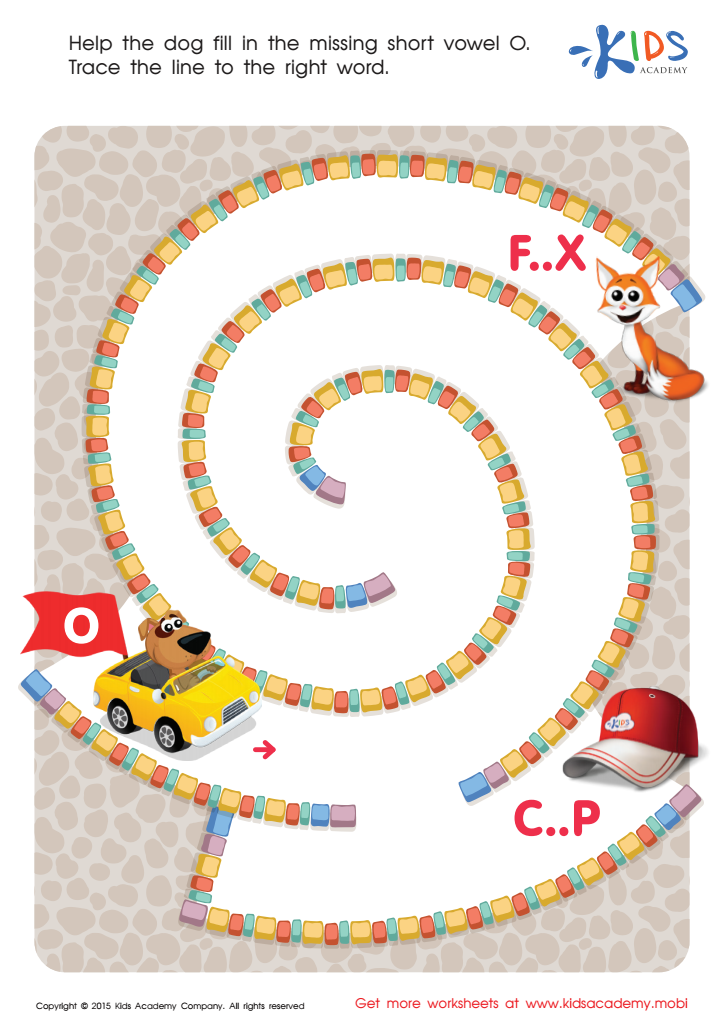
Short Vowel Sound O Worksheet
Help your child learn the short vowel sound O with this fun and free printable phonics worksheet! They'll need to complete the maze to help the dog finish the word "fox" with the missing letter O. Engage their fine motor muscles while they color or trace the maze with crayon or pencil. This educational activity is sure to bring a smile to your little learner's face! For more phonics worksheets, check here.
 Assign to My Students
Short Vowel Sound O Worksheet
Worksheet
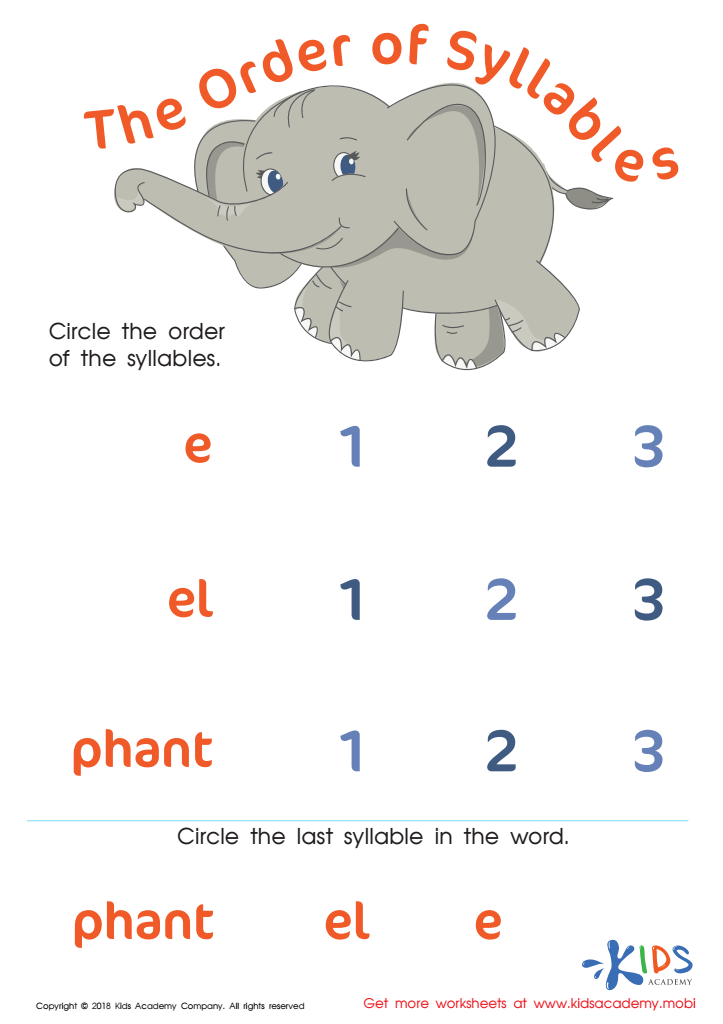
The Order of Syllables Worksheet
Syllabication is vital for prereading and decoding words. Download this fun, free worksheet to help your reader practice breaking words into syllables and arranging them for reading. It also strengthens fine motor skills as they trace the numbers for each syllable, guided by a cheerful elephant!
The Order of Syllables Worksheet
Worksheet
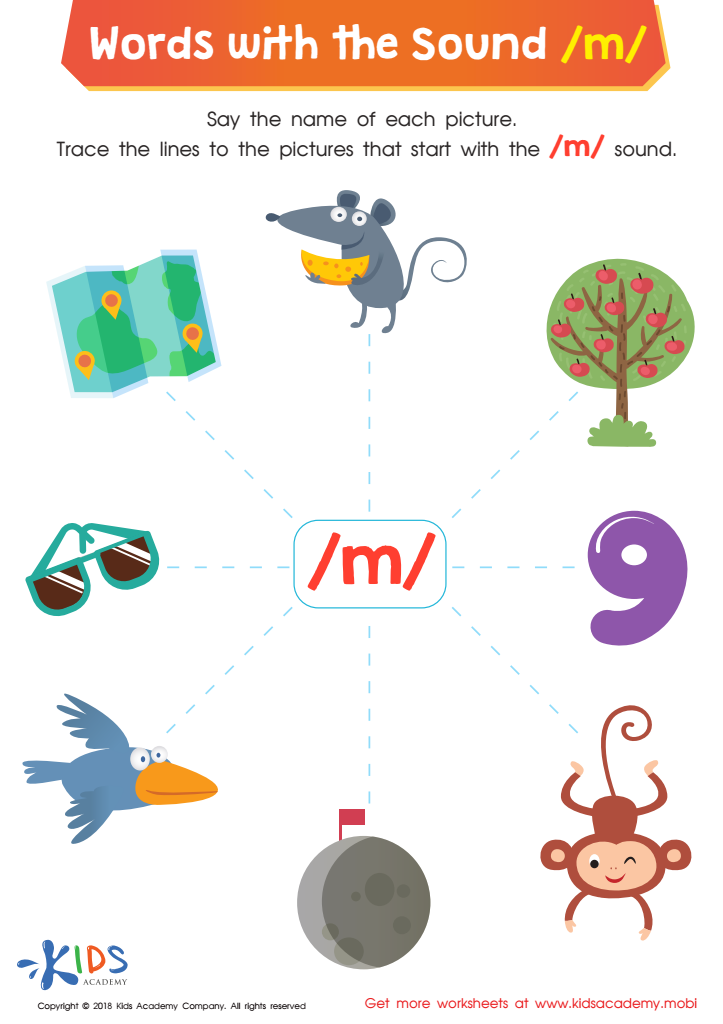
Words with Sound M Reading Worksheet
Emerging readers will use this traceable worksheet to name and trace pictures with the letter sound «m». Bright, engaging pictures make this fun and build confidence while strengthening fine motor skills. They won't even know they're also working on reading skills!
Words with Sound M Reading Worksheet
Worksheet
Join Kids Academy for Free
Who is primarily going to use this learning content?







Parents and teachers should prioritize Reading Improvement Alphabet for ages 3-5 because early literacy lays the foundation for a child's future academic success. During these formative years, children's brains are highly receptive to language and learning, making it an ideal time to promote reading skills. The Reading Improvement Alphabet introduces children to essential letter recognition, sounds, and vocabulary-building practices in an engaging and age-appropriate manner.
Caring about reading improvement at this stage fosters a love for books and stories, encouraging curiosity and critical thinking. Moreover, research shows that early reading supports cognitive and emotional development, enhancing children's ability to communicate and comprehend complex ideas later in life. The skills gained through structured reading activities also play a crucial role in social interactions and self-confidence.
By investing time in activities that incorporate the Reading Improvement Alphabet, parents and teachers are setting children up for success in school and beyond. They help young learners develop essential skills that promote better reading fluency, comprehension, and retention. Creating a positive reading environment during these early years can lead to lifelong habits that empower children to navigate the world through the lens of literacy.







