
Reading Improvement Phonics Worksheets for Ages 3-5
4 filtered results
Difficulty Level
Grade
Age
-
From - To
Subject
Activity
Standards
Boost early reading skills with our Reading Improvement Phonics Worksheets, designed specifically for children ages 3-5. These engaging, colorful worksheets make learning fun while focusing on essential phonics concepts, letter recognition, and sound identification. Through interactive activities, kids develop a strong foundation for reading success, improving their ability to recognize letters, sounds, and simple words. Perfect for preschool and kindergarten students, our worksheets support both in-class and at-home learning. Give your child a head start in reading with our expertly crafted resources that inspire confidence and foster a love for reading from an early age.
Favorites
With answer key
Interactive
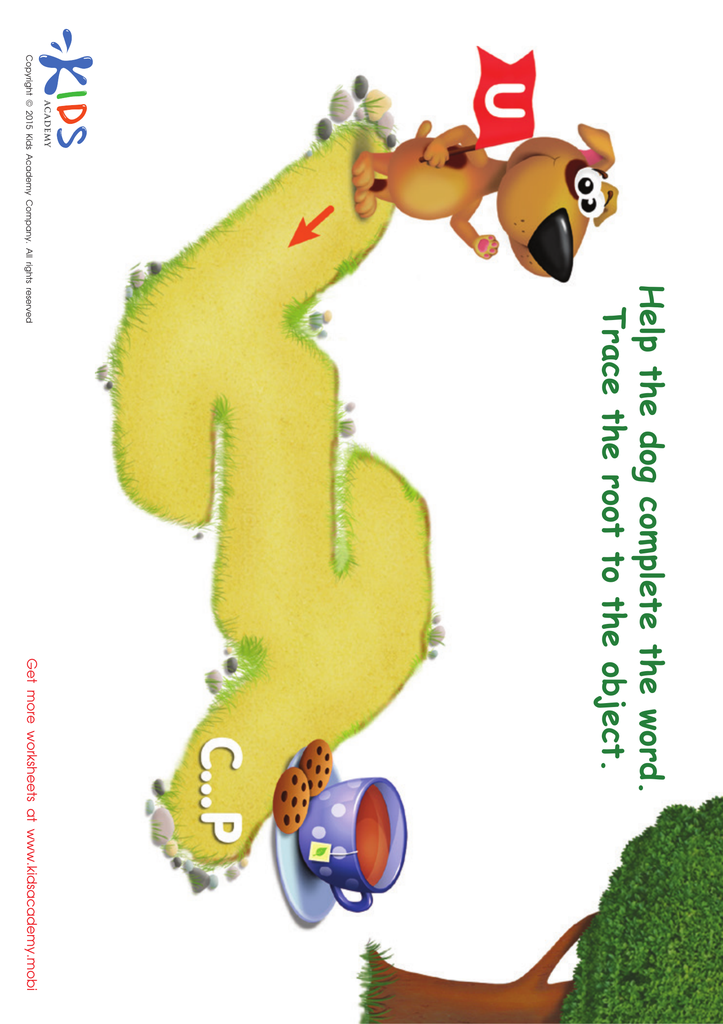
Short Vowel Sound U Worksheet Worksheet
Help your early reader join the adorable dog on his way to the cup of tea with cookies. This traceable worksheet reinforces the short -u sound and strengthens fine motor skills. Kids don't realize they are practicing reading skills while having fun!
Short Vowel Sound U Worksheet Worksheet
Worksheet
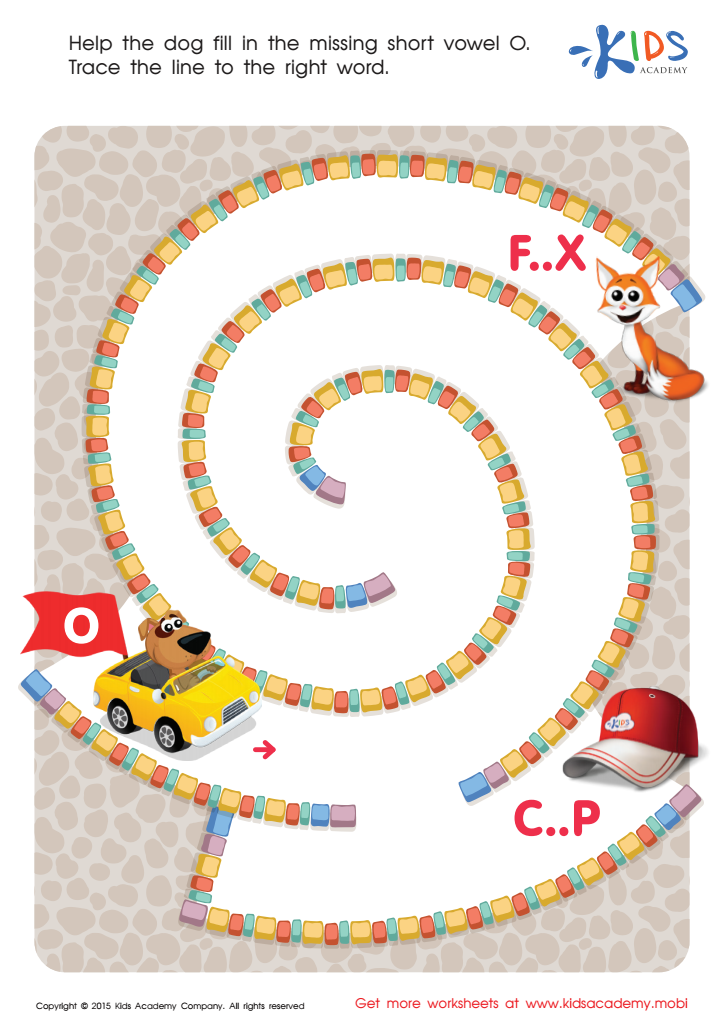
Short Vowel Sound O Worksheet
Help your child learn the short vowel sound O with this fun and free printable phonics worksheet! They'll need to complete the maze to help the dog finish the word "fox" with the missing letter O. Engage their fine motor muscles while they color or trace the maze with crayon or pencil. This educational activity is sure to bring a smile to your little learner's face! For more phonics worksheets, check here.
 Assign to My Students
Short Vowel Sound O Worksheet
Worksheet
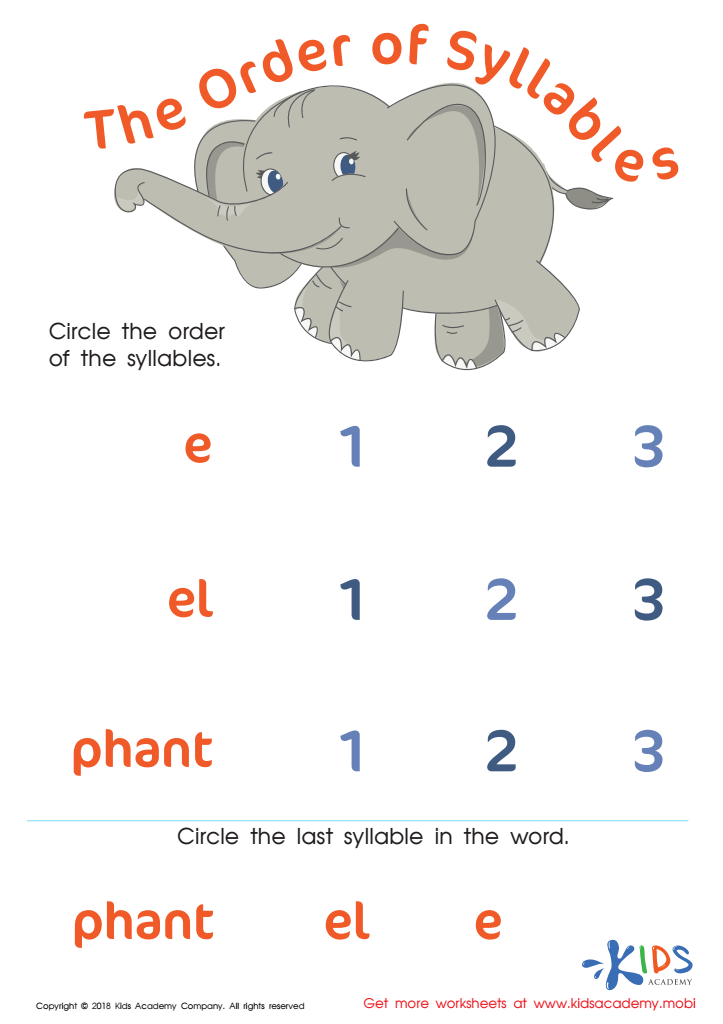
The Order of Syllables Worksheet
Syllabication is vital for prereading and decoding words. Download this fun, free worksheet to help your reader practice breaking words into syllables and arranging them for reading. It also strengthens fine motor skills as they trace the numbers for each syllable, guided by a cheerful elephant!
The Order of Syllables Worksheet
Worksheet
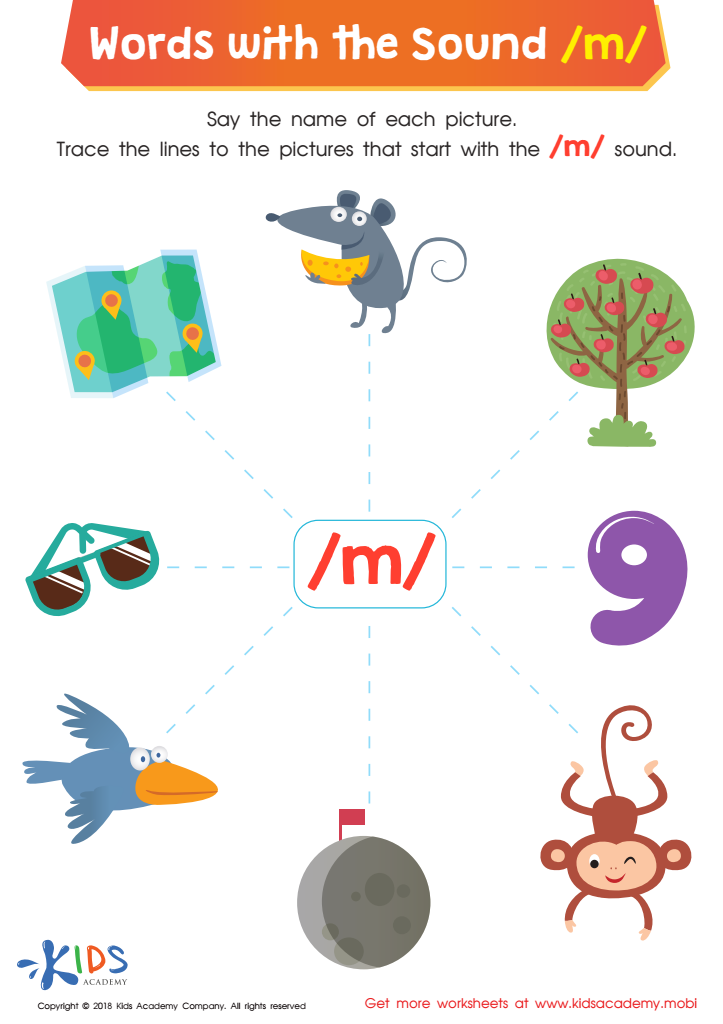
Words with Sound M Reading Worksheet
Emerging readers will use this traceable worksheet to name and trace pictures with the letter sound «m». Bright, engaging pictures make this fun and build confidence while strengthening fine motor skills. They won't even know they're also working on reading skills!
Words with Sound M Reading Worksheet
Worksheet
Join Kids Academy for Free
Who is primarily going to use this learning content?








Reading Improvement Phonics for ages 3-5 is essential for a child's early literacy skills, which serve as the foundation for lifelong learning. During these formative years, children are developing crucial brain connections that shape their ability to understand and use language. Phonics instruction helps young learners connect letter symbols with sounds, enabling them to decode words—a critical step in the process of becoming proficient readers.
Focusing on phonics at this stage is particularly important because it lays the groundwork for effective reading and writing. When children grasp the relationship between letters and sounds, they can begin to recognize patterns in words, leading to improved spelling, better word recognition, and enhanced overall comprehension. These skills are cornerstones not just for reading but for academic achievement across all subjects.
Moreover, early success with reading can boost a child's confidence and encourage a positive attitude toward learning. Children who struggle with early reading may fall behind, leading to frustration and a reluctance to engage academically.
Therefore, parents and teachers should prioritize Reading Improvement Phonics to help children develop strong foundational skills, foster a love for reading, and set the stage for future educational success. Such early intervention is a key investment in a child’s academic and personal growth.







