Fine Motor Skills Tracing Letters Worksheets for Ages 3-5 - Page 2
35 filtered results
-
From - To
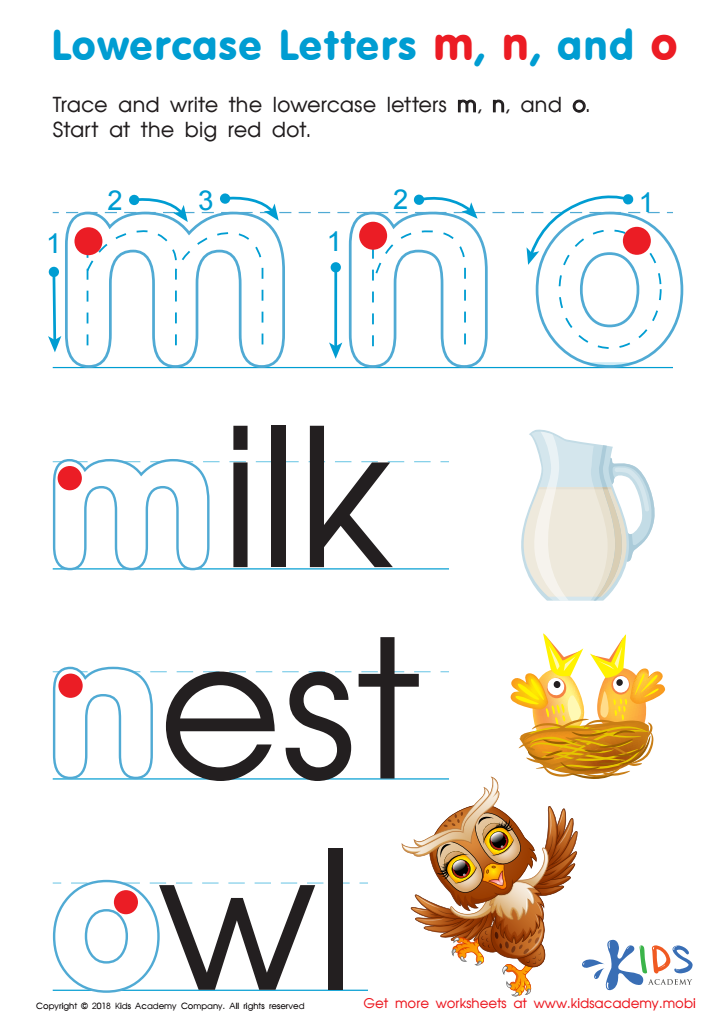
Lowercase Letters m n o Worksheet
 Assign to My Students
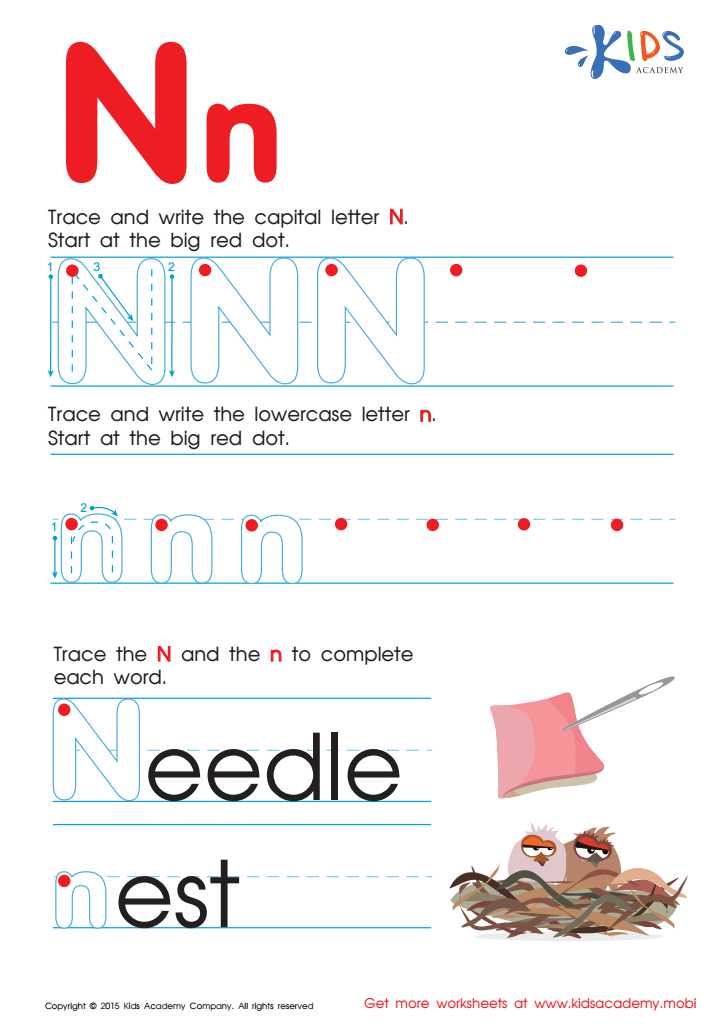
Letter N Tracing Page
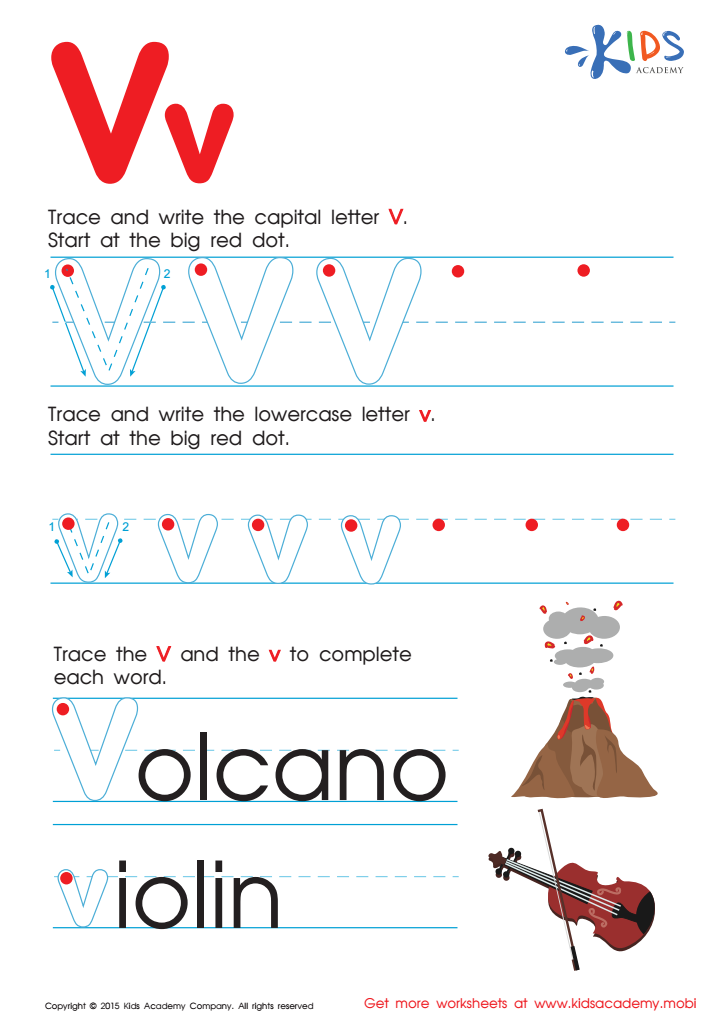
Letter V Tracing Page
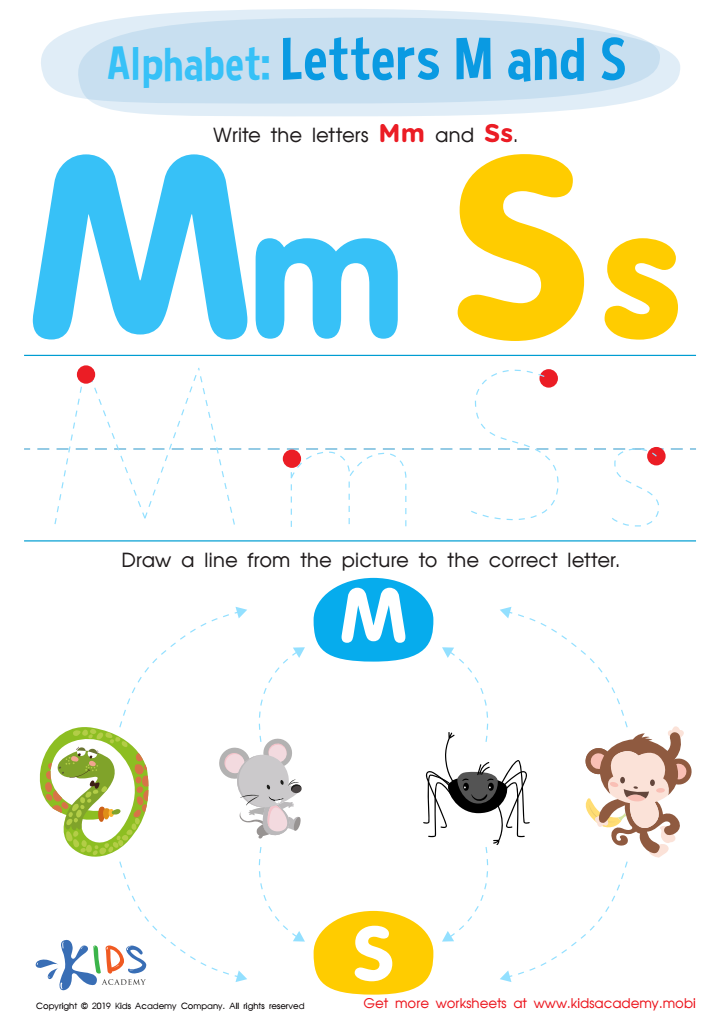
Letters M and S Tracing Worksheet
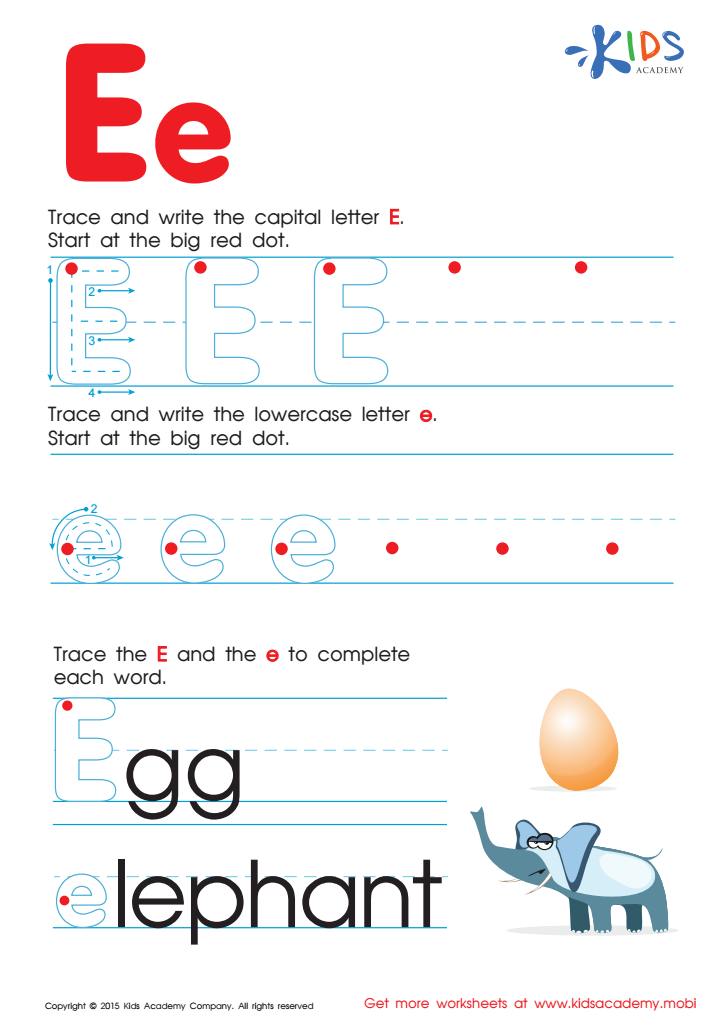
Letter E Tracing Page
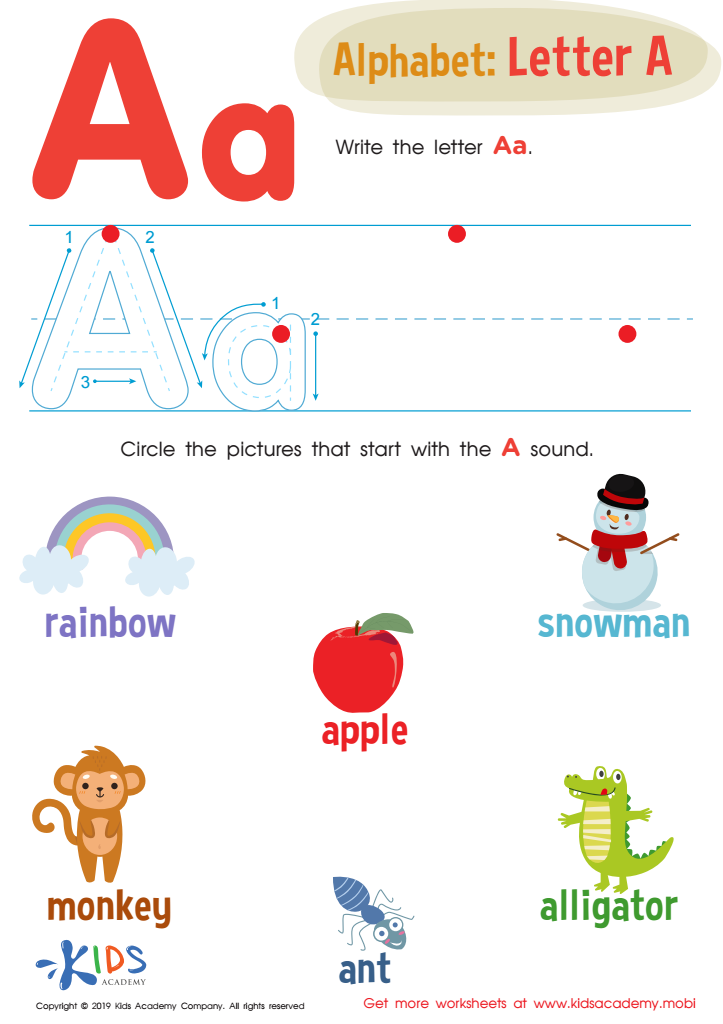
Letter A Tracing Worksheet
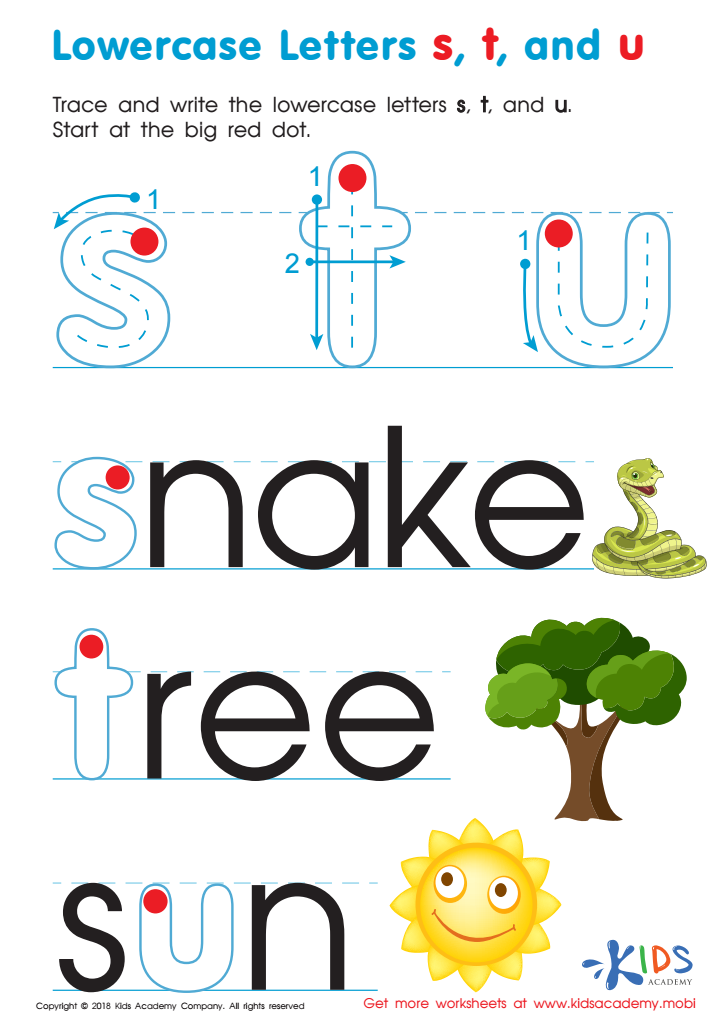
Lowercase Letters s t u Worksheet
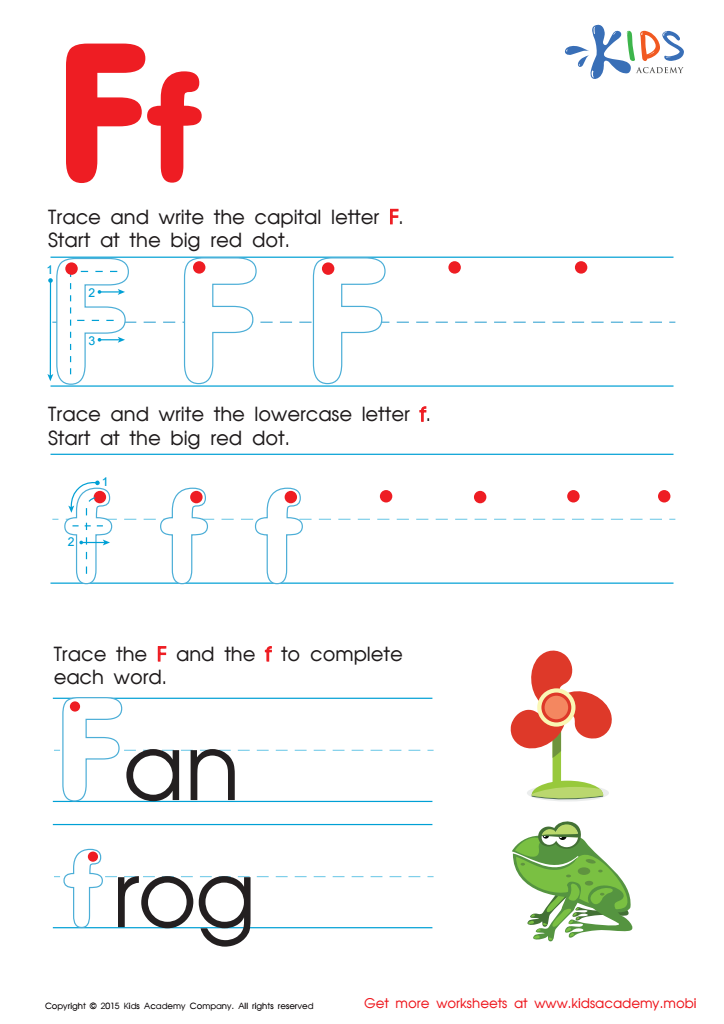
Letter F Tracing Page
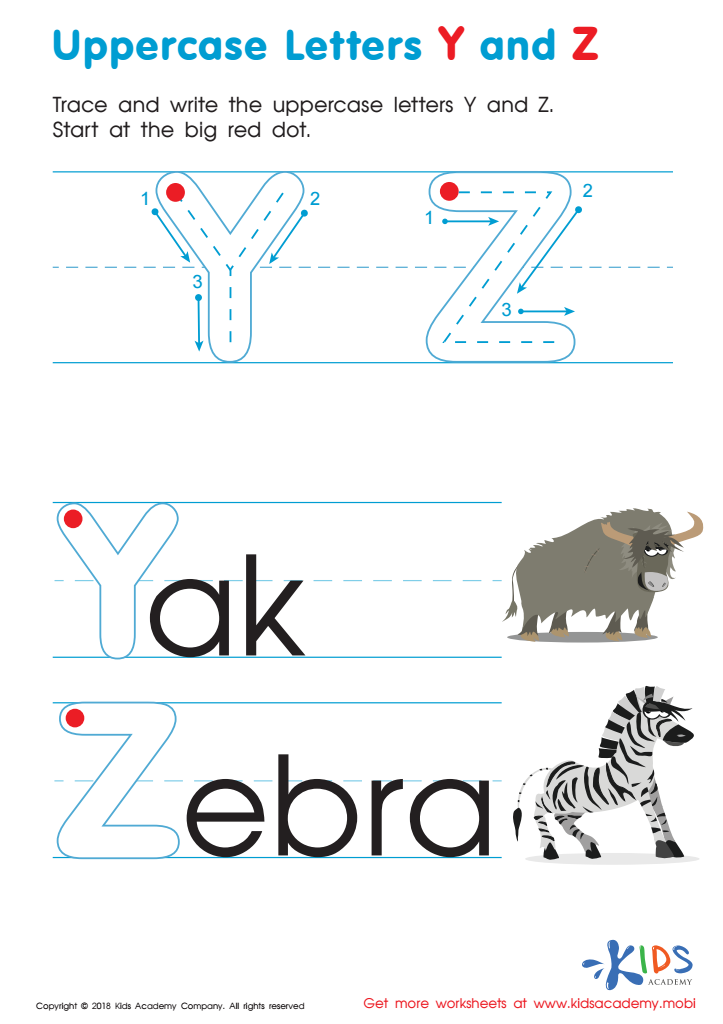
Uppercase Letters Y Z Worksheet
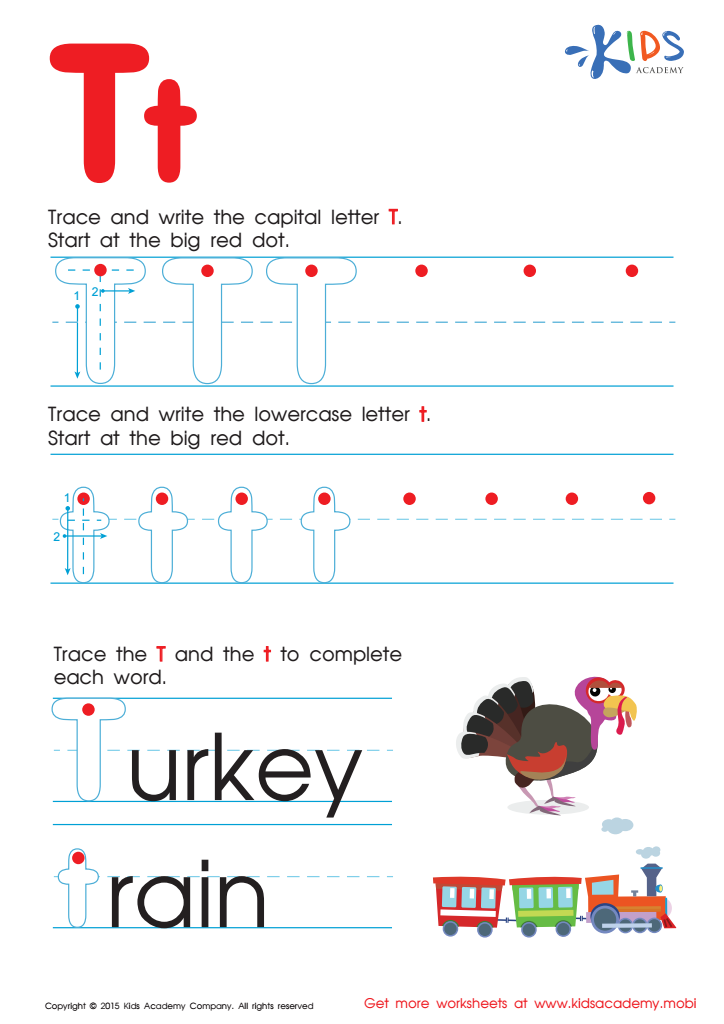
Letter T Tracing Page
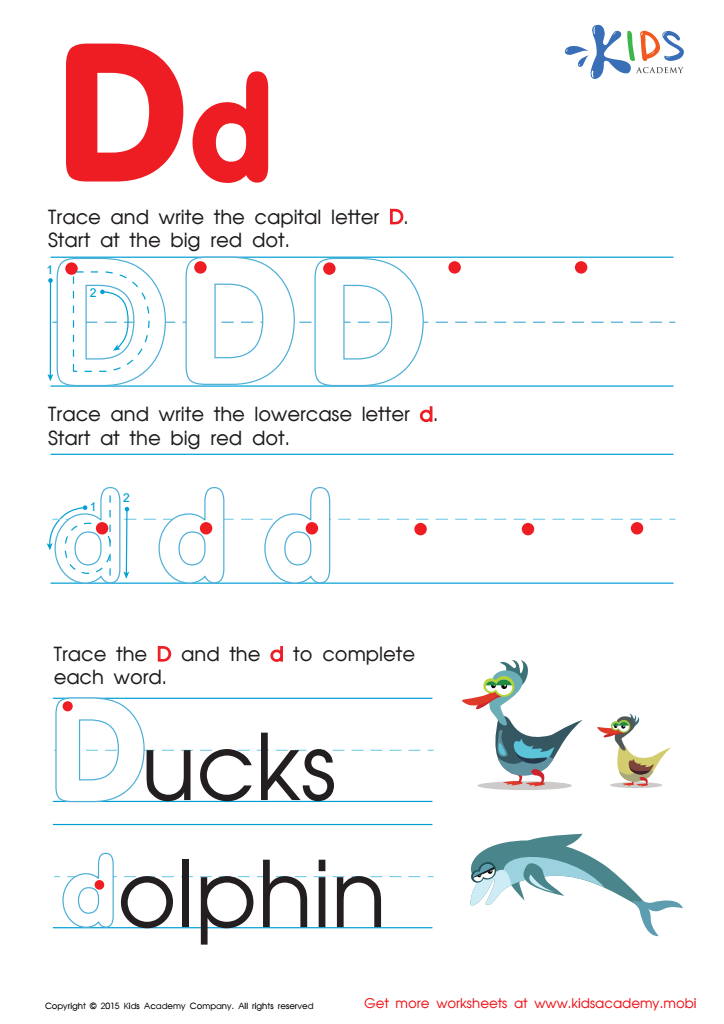
Letter D Tracing Page








Fine motor skills are essential for young children as they lay the foundation for many everyday tasks, like writing, drawing, and self-care activities. Tracing letters is a pivotal activity for children aged 3-5 because it helps strengthen the small muscles in their hands and fingers. By engaging in this practice, children improve their hand-eye coordination and dexterity, which are crucial for future academic success.
Parents and teachers should care about developing fine motor skills in early childhood, as these abilities strongly correlate with a child's ability to perform tasks such as using scissors, buttoning clothing, and effectively holding writing instruments. Moreover, tracing letters is not just about the physical act; it also aids in cognitive development. As children trace, they become familiar with letter shapes and sounds, building early literacy skills.
Encouraging tracing activities fosters a sense of accomplishment and boosts confidence in young learners. Furthermore, exposure to these skills at an early age sets a positive tone for a child’s future education, helping to build a solid foundation for advanced writing and communication skills. Overall, nurturing fine motor skills through activities like tracing letters is vital for holistic development and long-term success.








