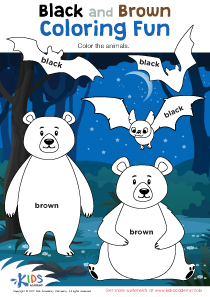
Letter recognition English for Beginners Worksheets for Ages 3-5
39 filtered results
-
From - To
Introduce your child to the world of letters with our engaging "Letter Recognition English for Beginners Worksheets!" Perfect for ages 3-5, these fun, colorful printables are designed to help young learners identify and name alphabet letters, enhancing their early reading skills. Each worksheet offers interactive activities that encourage hands-on learning, ensuring your child remains entertained while mastering essential language foundations. Ideal for preschoolers, these resources lay a strong groundwork for future literacy development. Discover the joy of learning while building your child's confidence in English. Visit Kids Academy to access our comprehensive selection of beginner-friendly worksheets today!
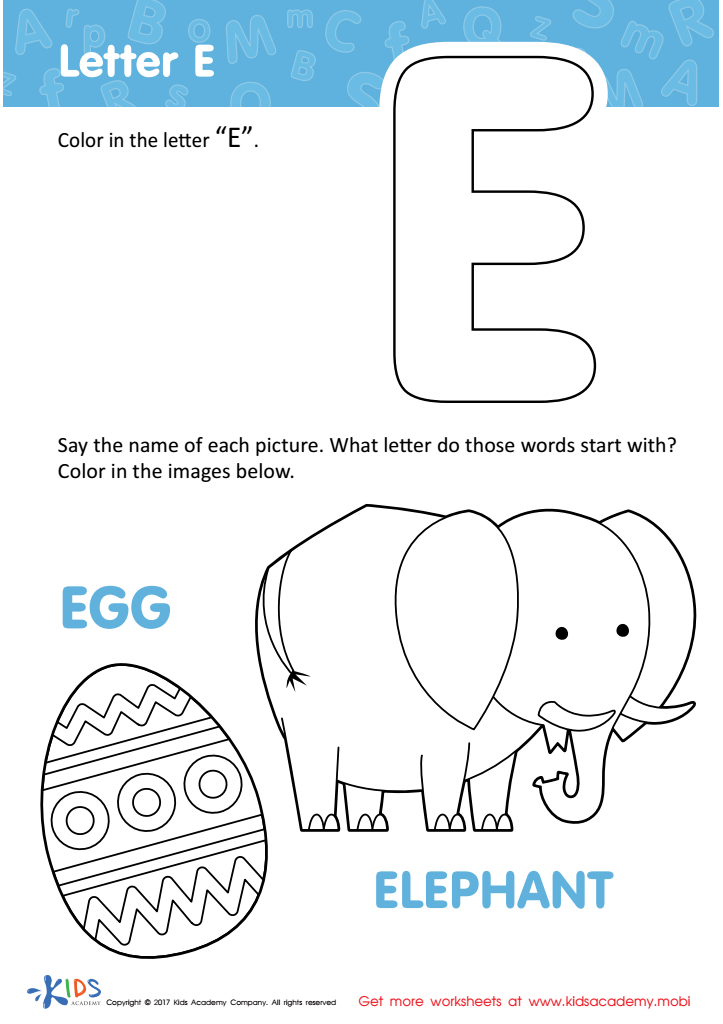
Letter E Coloring Sheet
 Assign to My Students
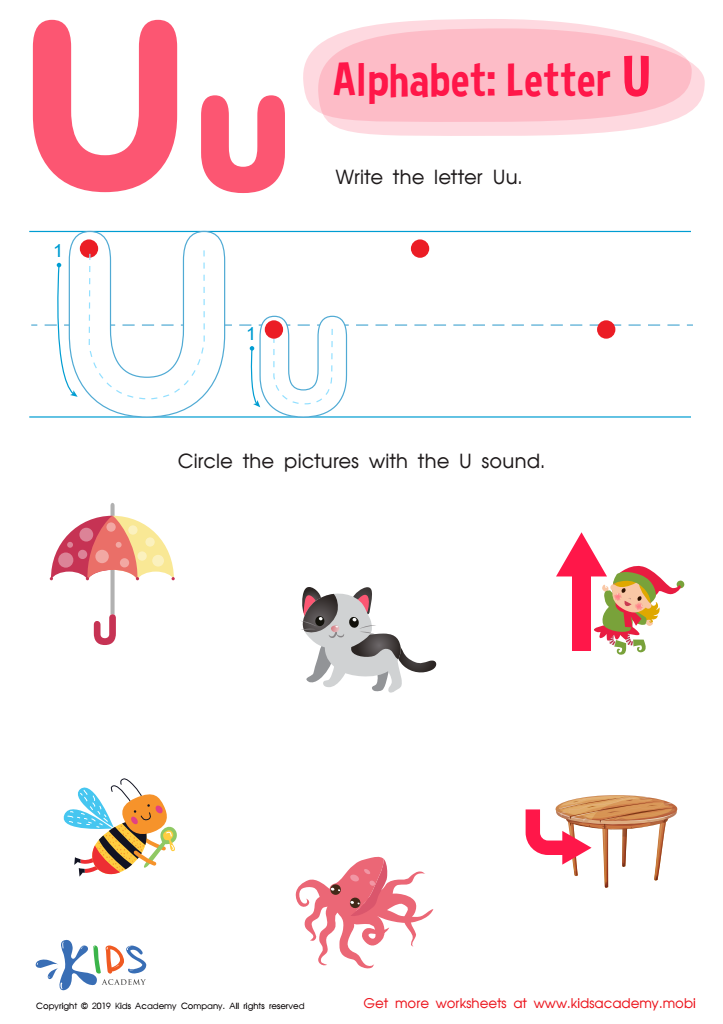
Letter U Tracing Worksheet
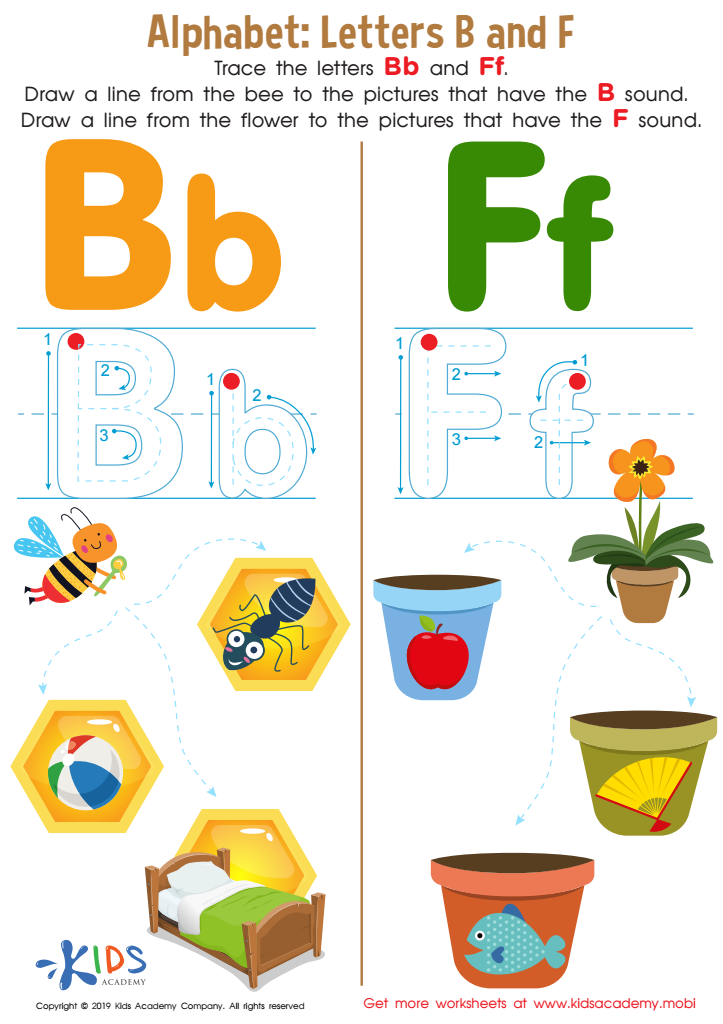
Letters B and F Tracing Worksheet
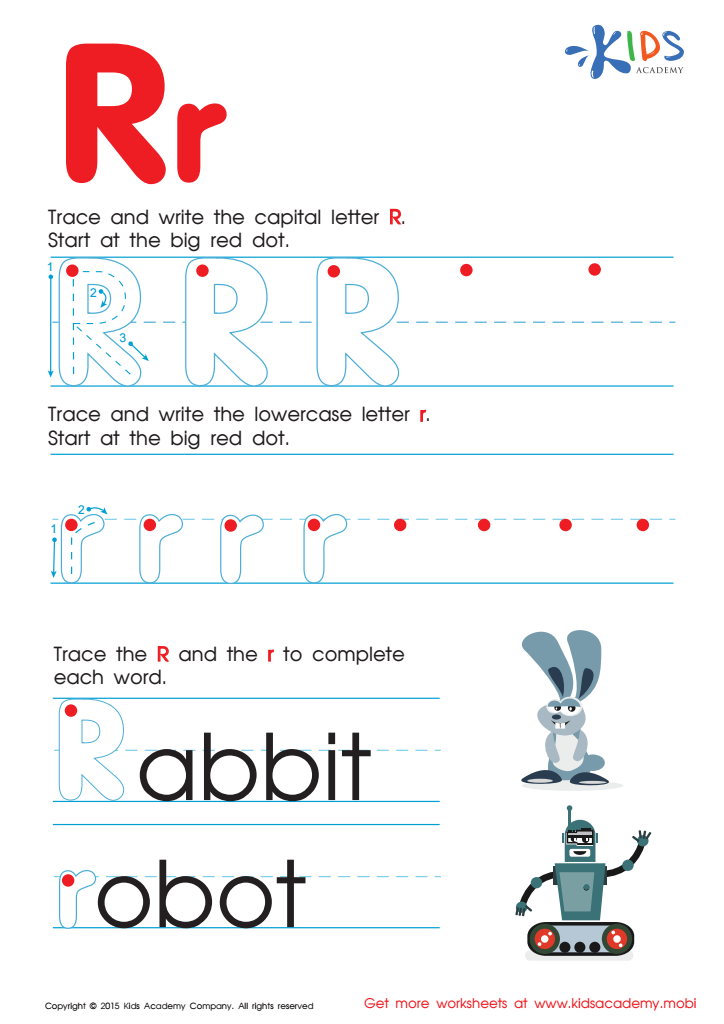
Letter R Tracing Page
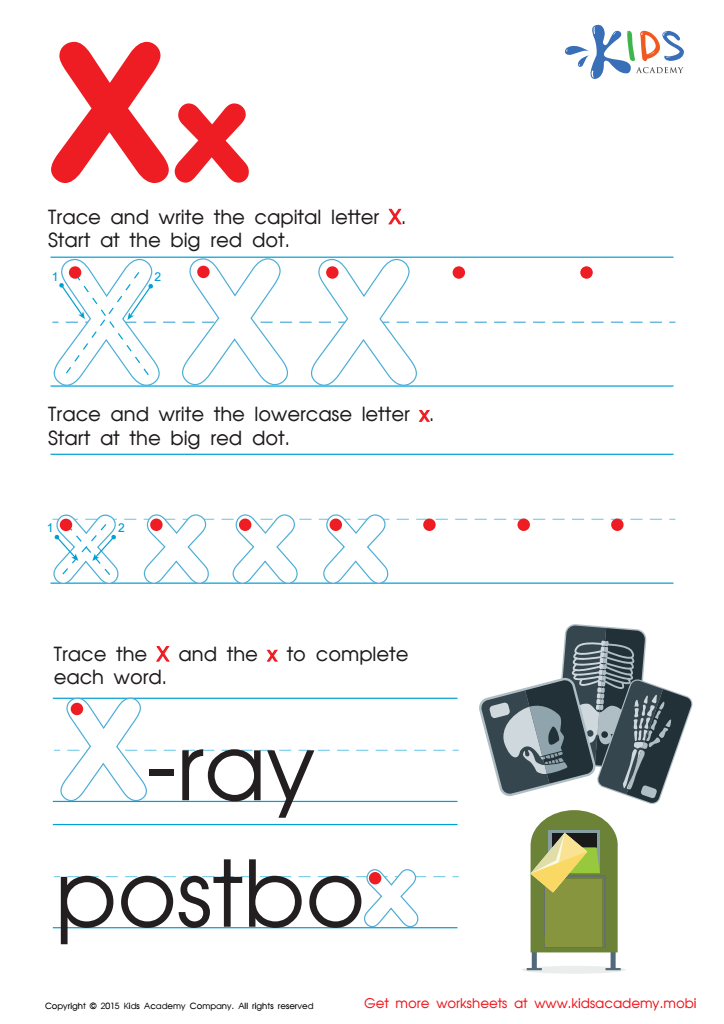
Letter X Tracing Page
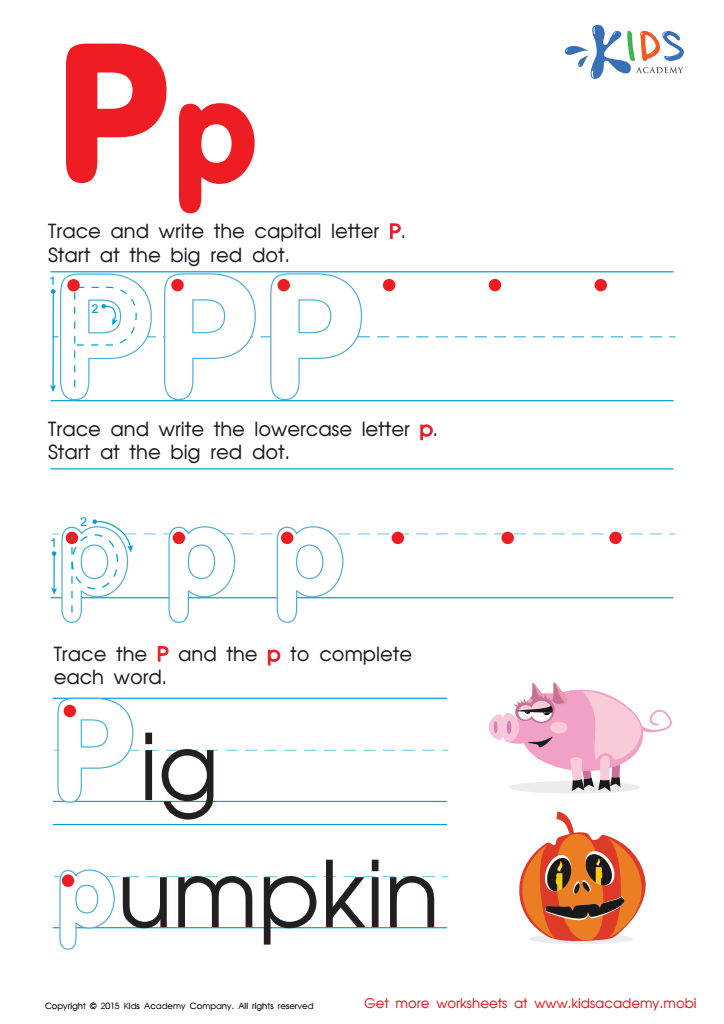
Letter P Tracing Page
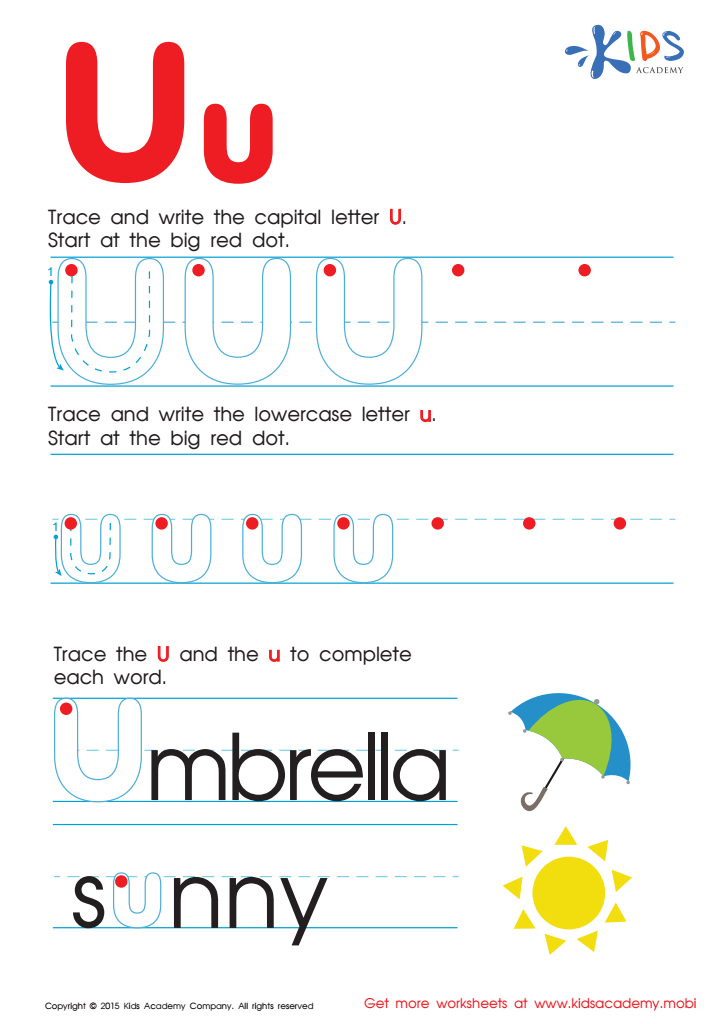
Letter U Tracing Page
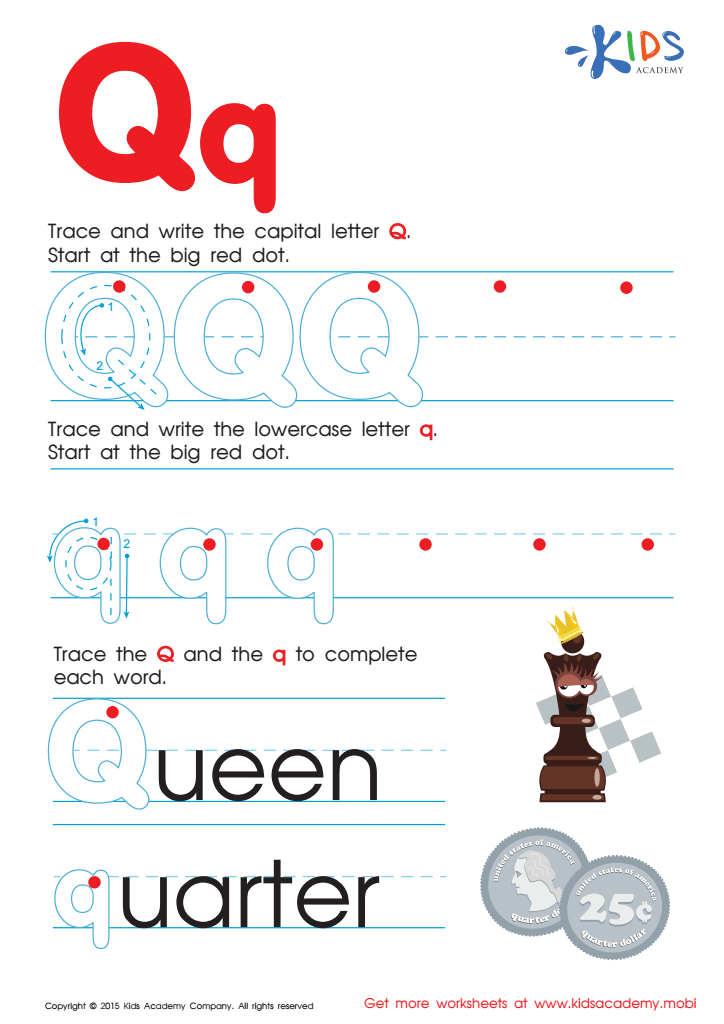
Letter Q Tracing Page
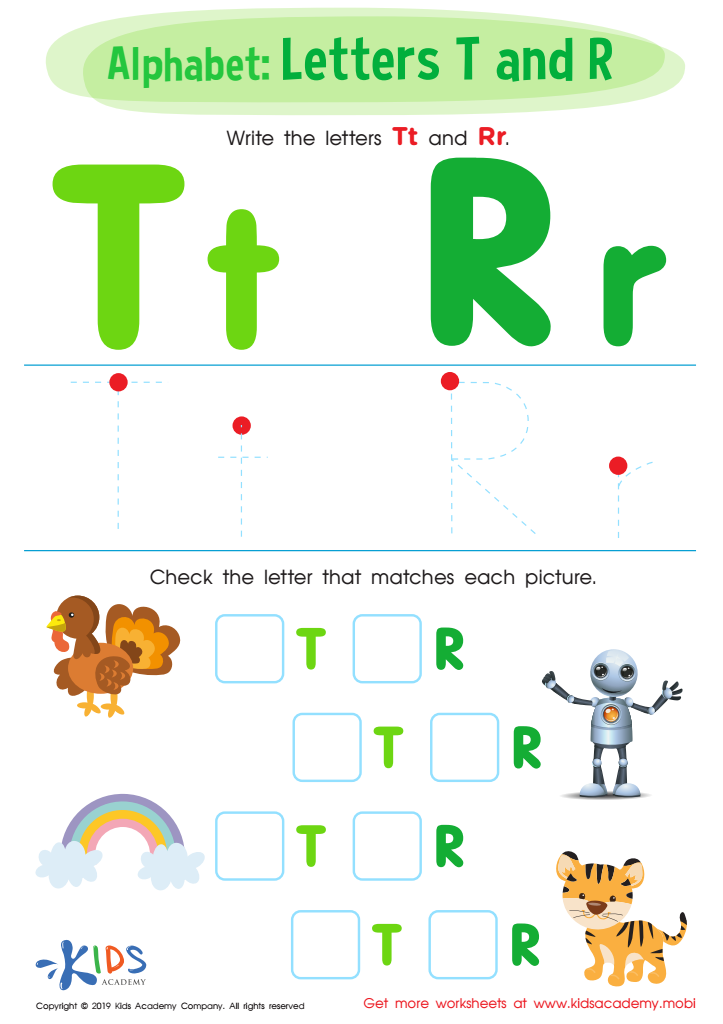
Letters T and R Worksheet
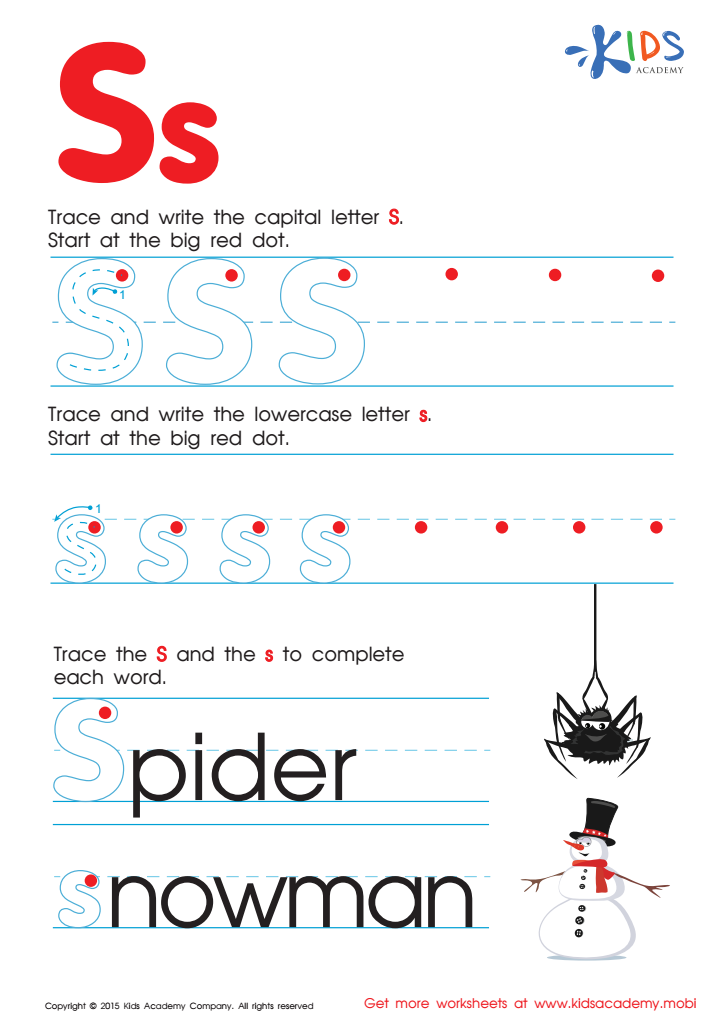
Letter S Tracing Page
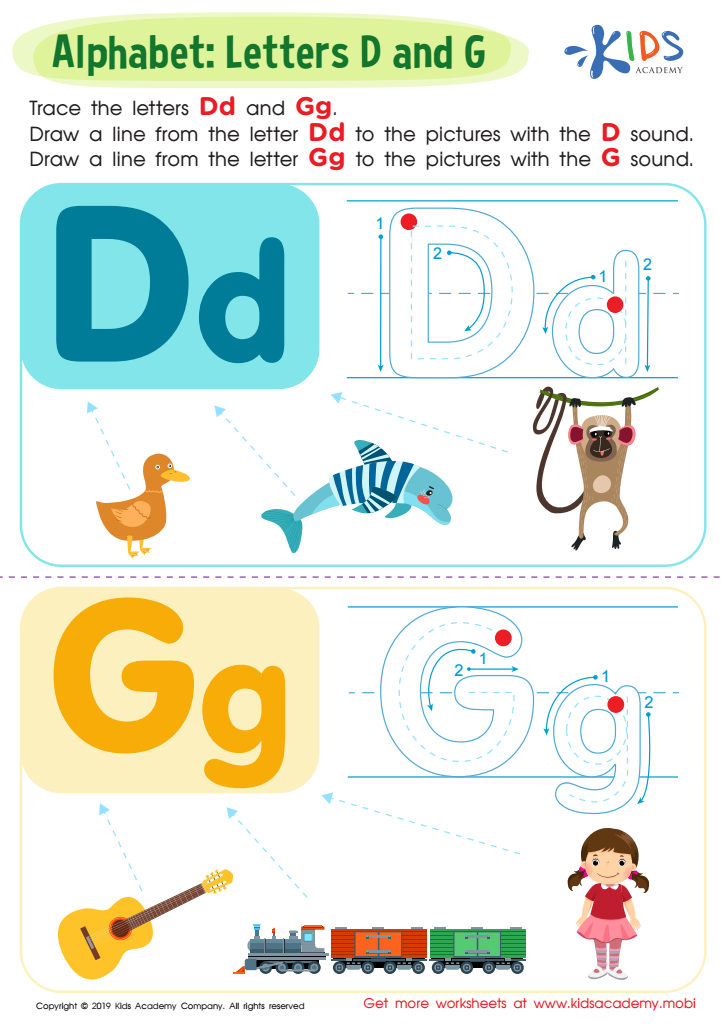
Letter D and G Tracing Worksheet
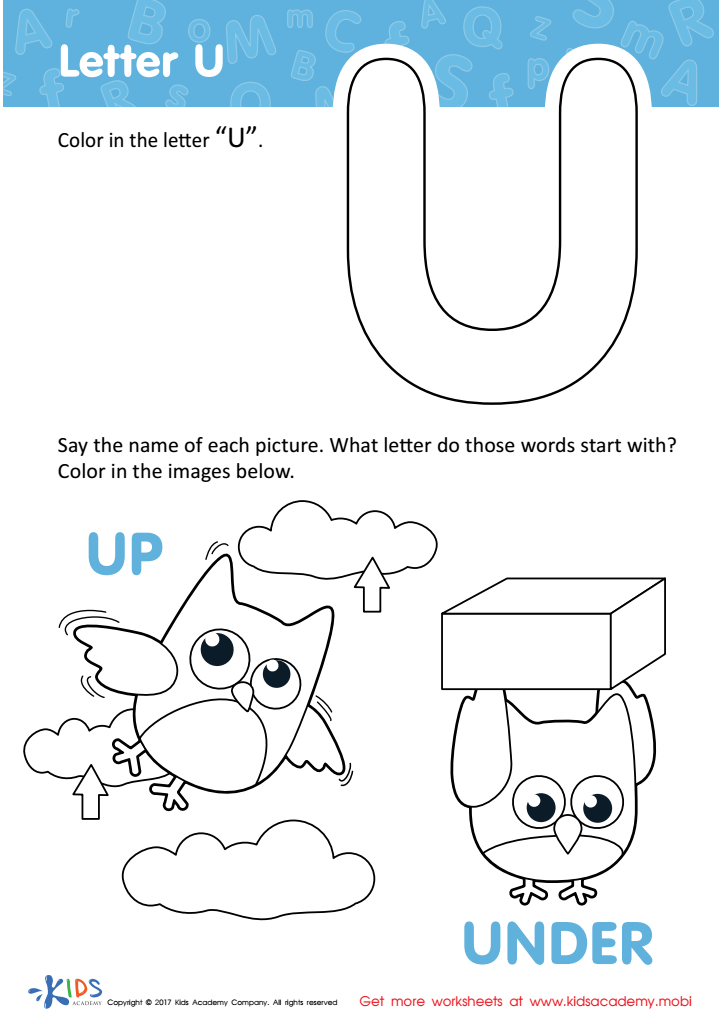
Letter U Coloring Sheet
Assign to My Students
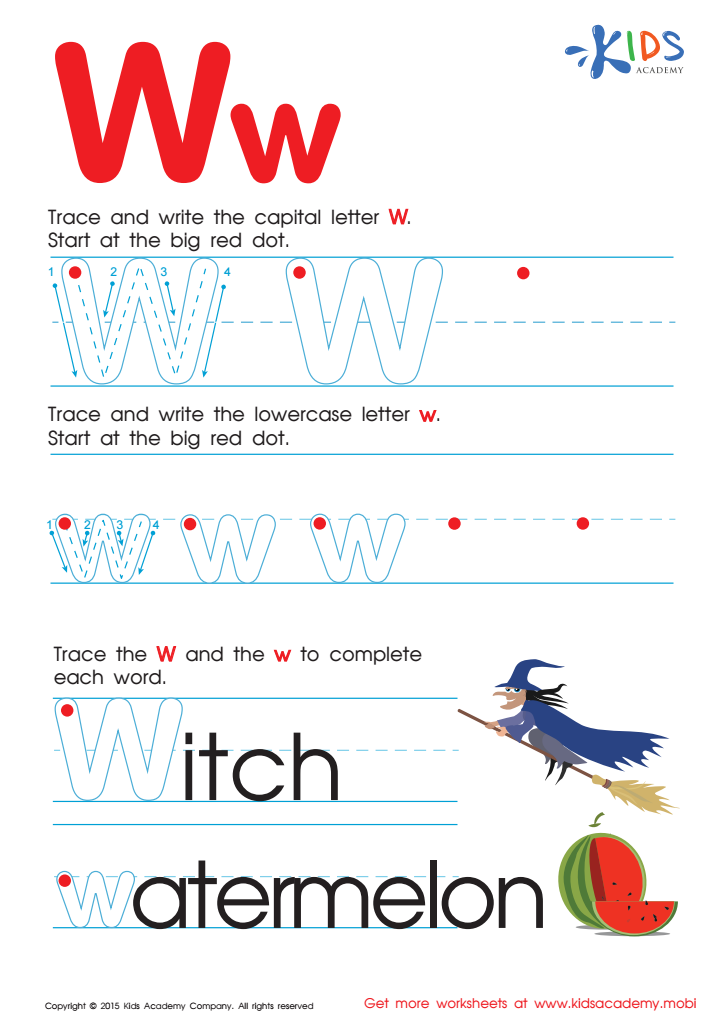
Letter W Tracing Page

Letter H Tracing Page
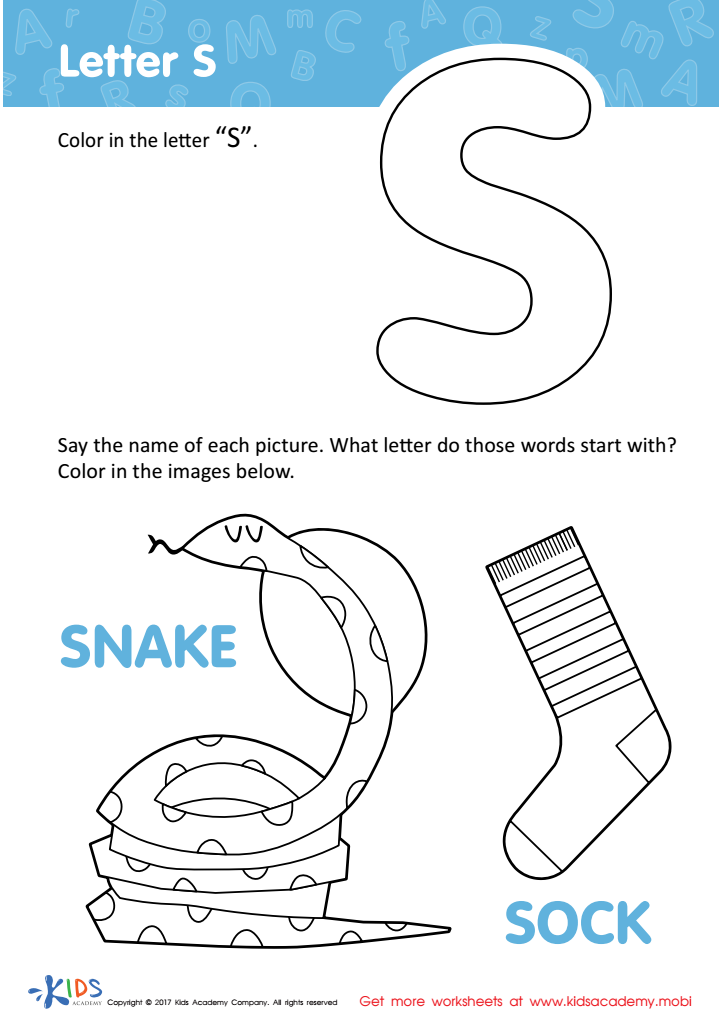
Letter S Coloring Sheet
Assign to My Students
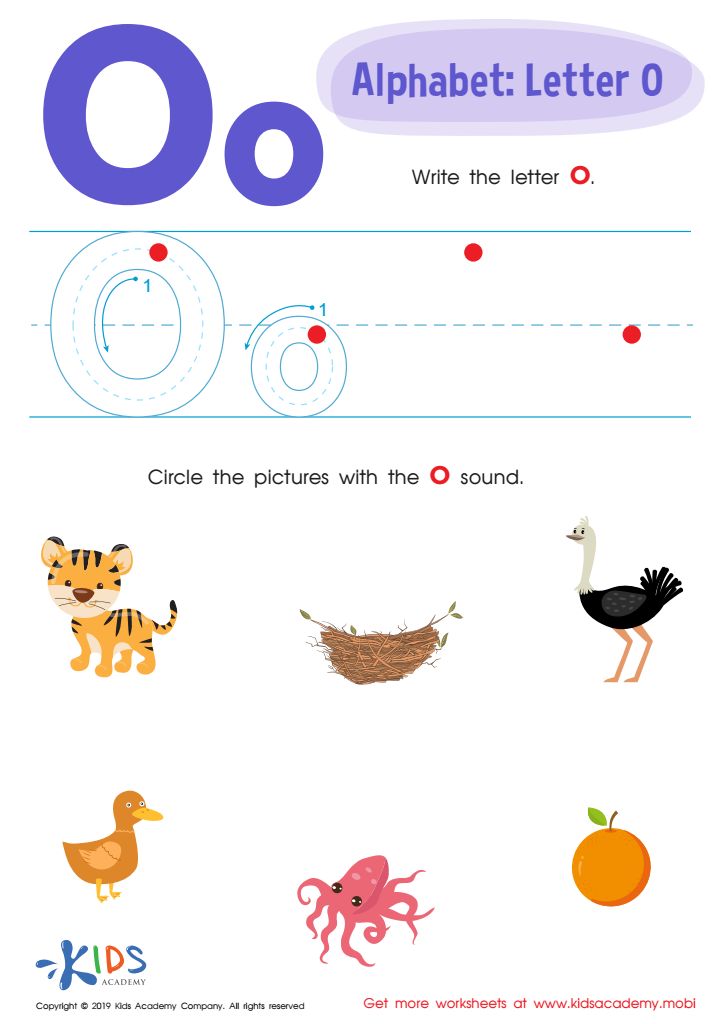
Letter O Tracing Worksheet
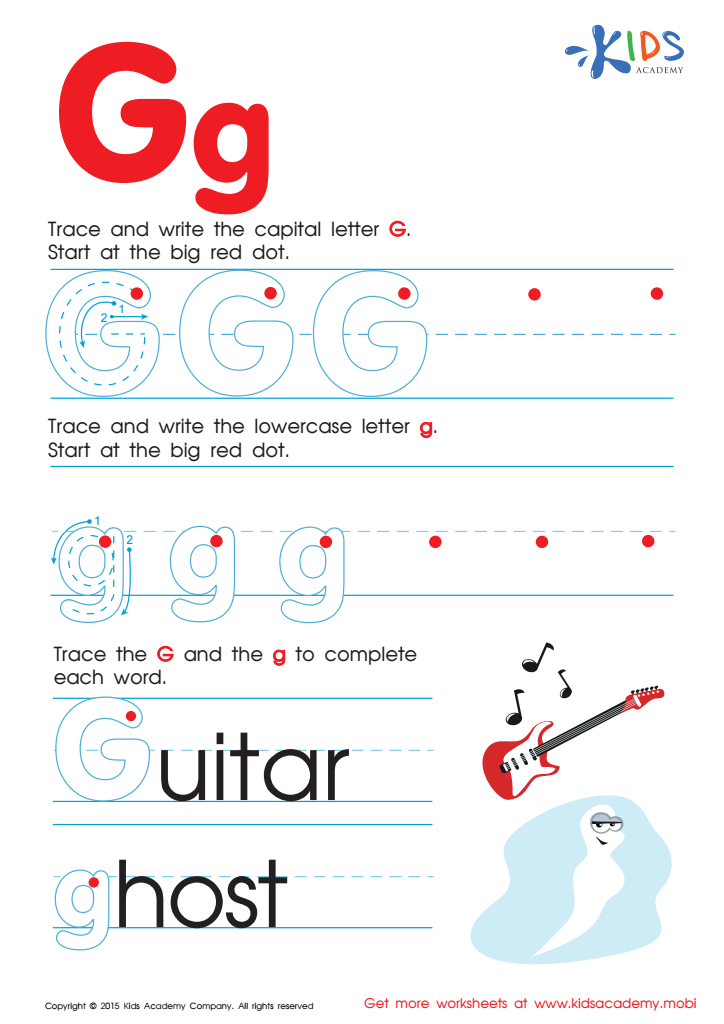
Letter G Tracing Page
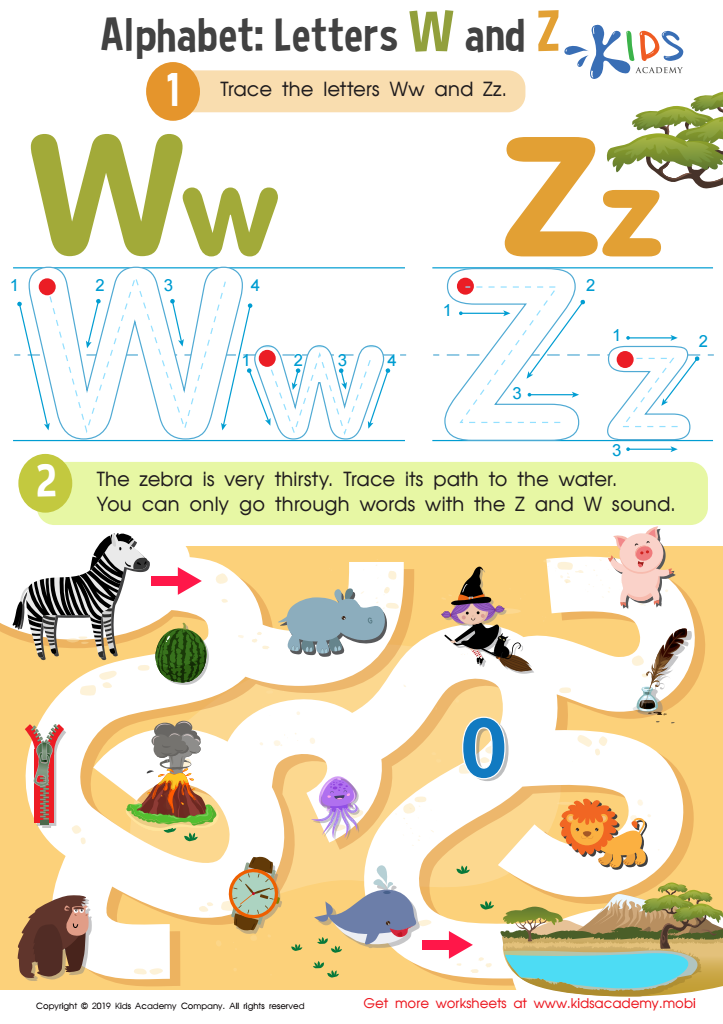
Letters W and Z Tracing Worksheet
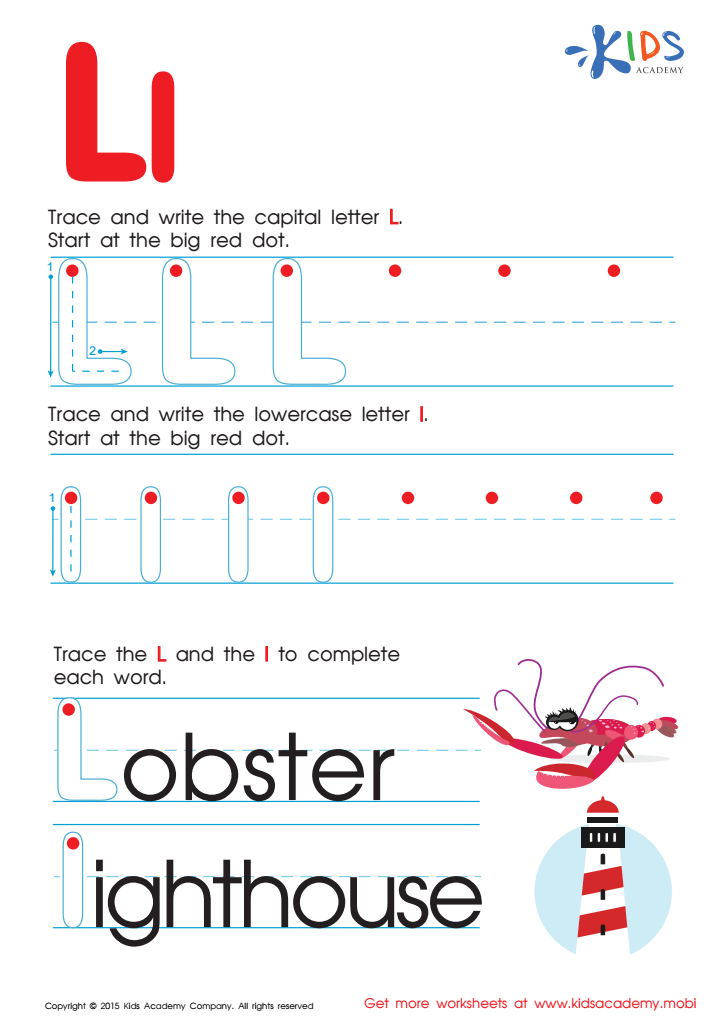
Letter L Tracing Page
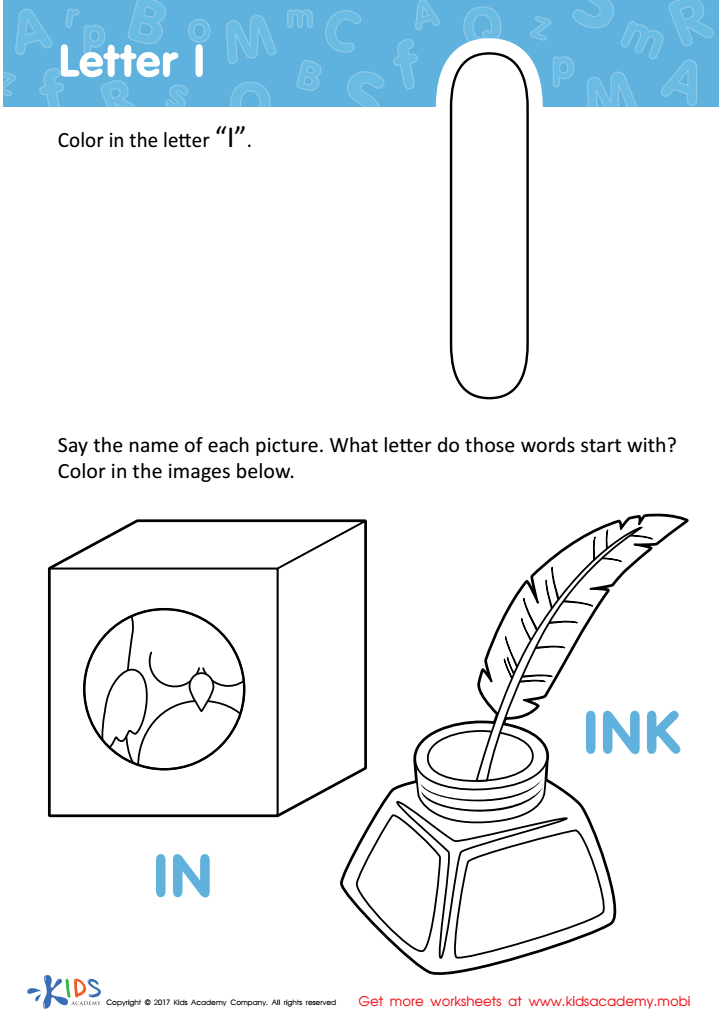
Letter I Coloring Sheet
Assign to My Students
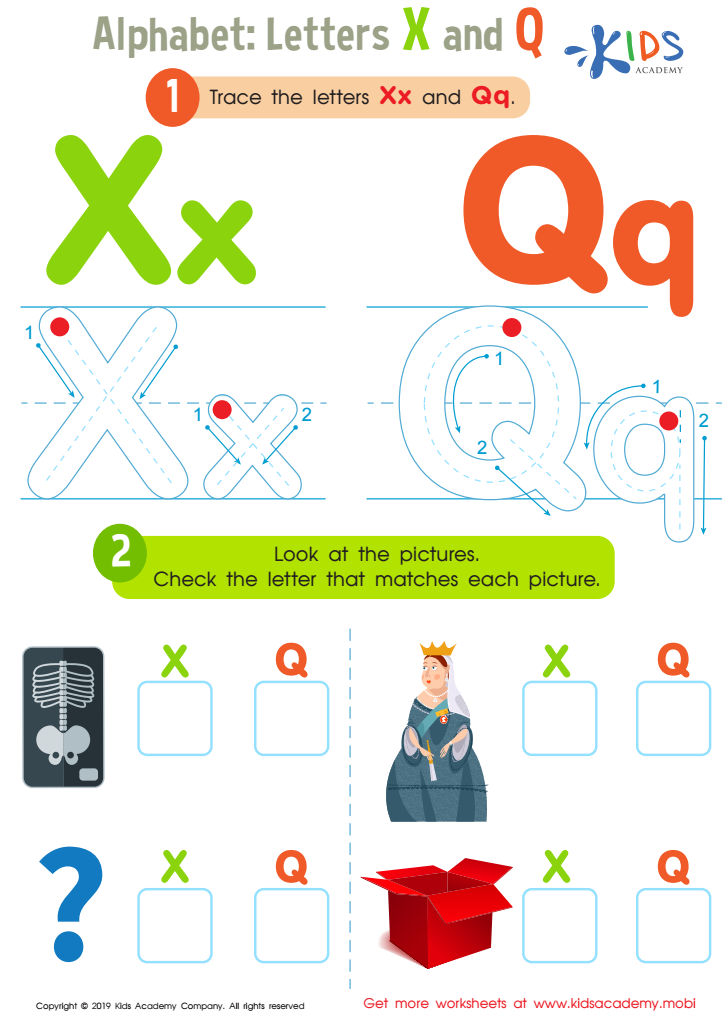
Letters X and Q Tracing Worksheet
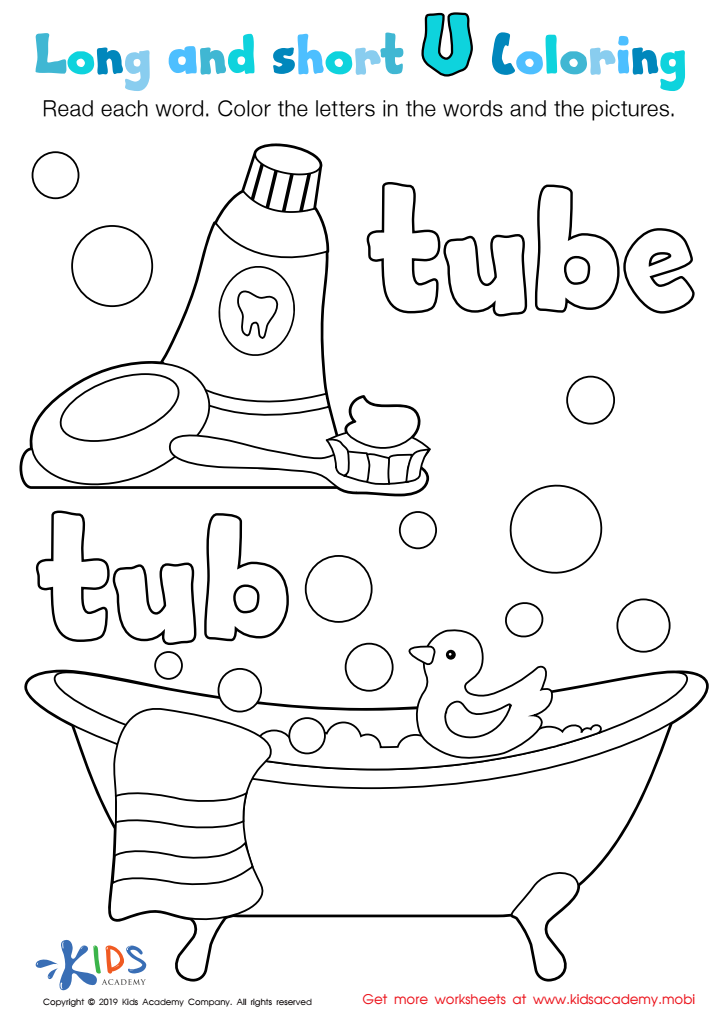
Long and Short U Worksheet
Assign to My Students
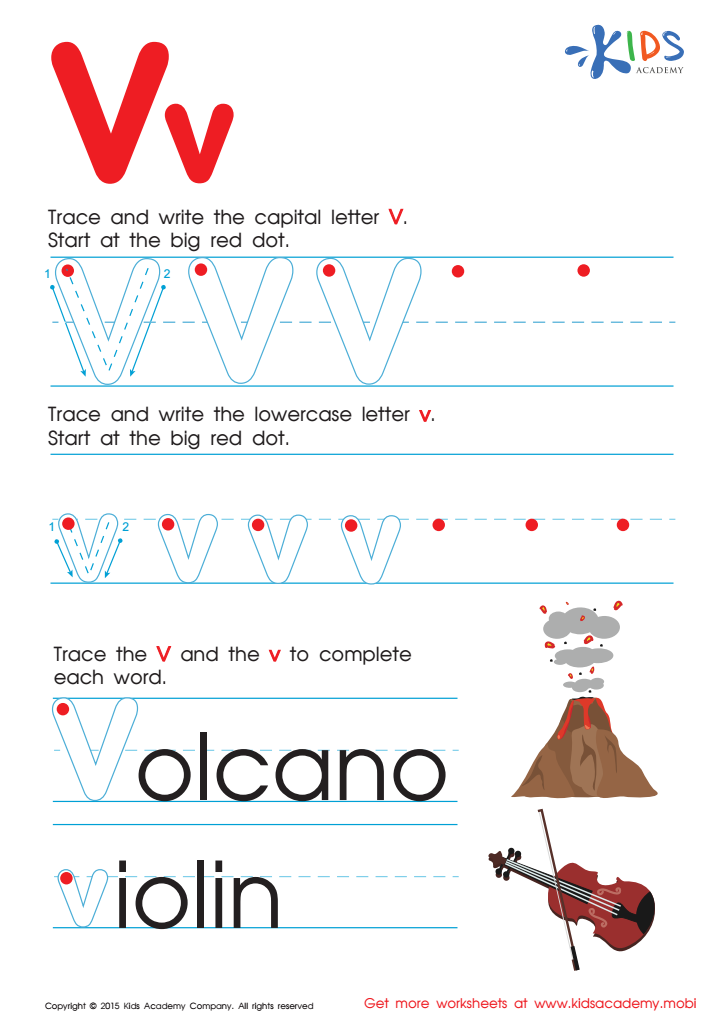
Letter V Tracing Page
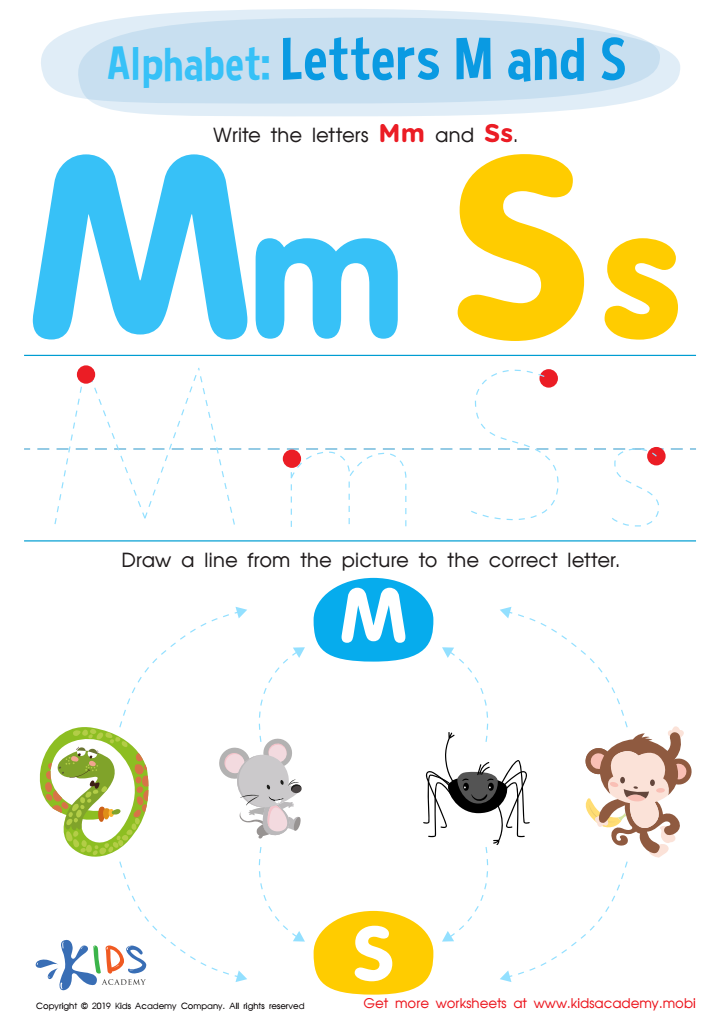
Letters M and S Tracing Worksheet





Letter recognition is fundamental to early childhood literacy and serves as one of the critical building blocks for learning to read and write. For young learners between the ages of 3-5, understanding and identifying letters of the alphabet forms the basis for recognizing words and developing phonemic awareness.
-
Language Development: Early letter recognition aids in vocabulary expansion. When children learn letters, they begin to see patterns and spaces in written language, which helps with their ability to decode new words and understand their meanings.
-
Reading Preparedness: Familiarity with letters is essential for phonics instruction, where children learn that each letter corresponds to specific sounds. This foundational skill is crucial for learning to read, which is a predictor of later academic success.
-
Confidence Building: Recognizing letters can boost a child’s confidence. When children begin to grasp the alphabet, they feel a sense of achievement that motivates further learning.
-
Fine Motor Skills: Engaging in activities like tracing or letter games enhances fine motor skills and hand-eye coordination, important for writing.
-
Parental/Teacher Engagement: Teaching letter recognition provides a framework for parents and teachers to actively engage with the child, bonding and sparking a love for learning from an early age.
Investing time in this key area of development ensures that children are equipped with the essential skills needed to advance in school and beyond.