Counting practice Worksheets for Ages 3-5 - Page 4
304 filtered results
-
From - To
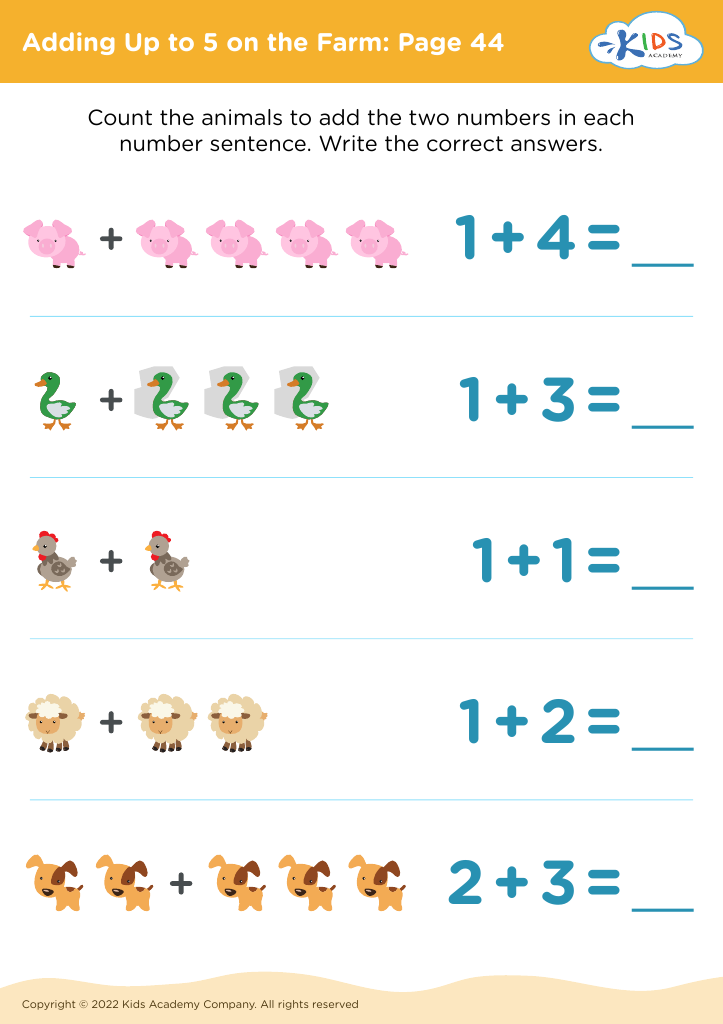
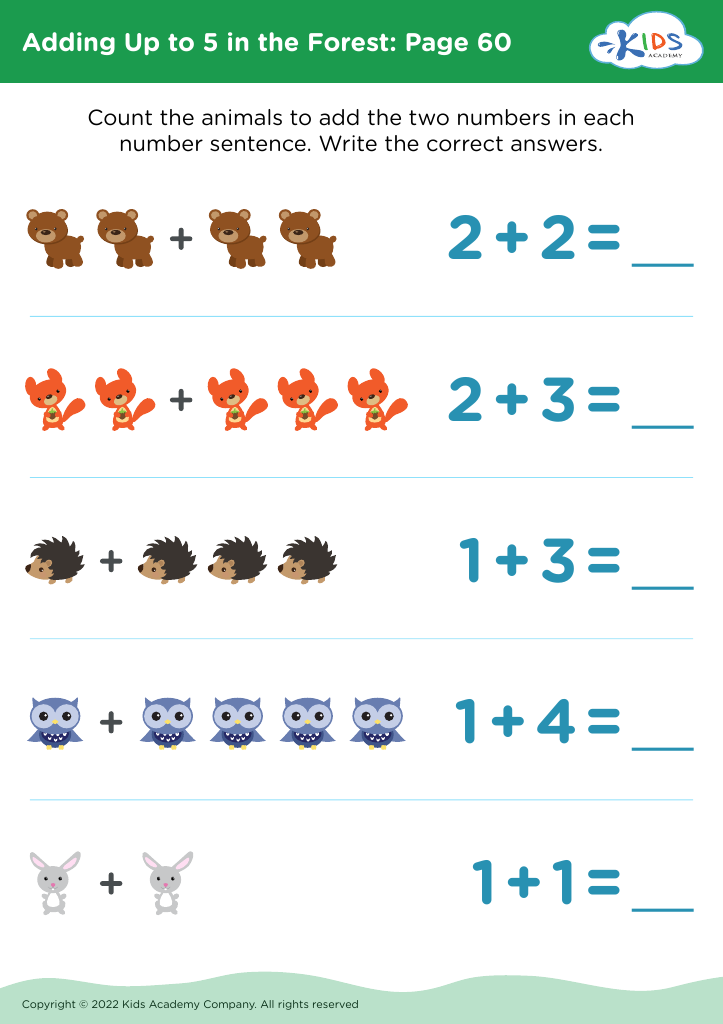
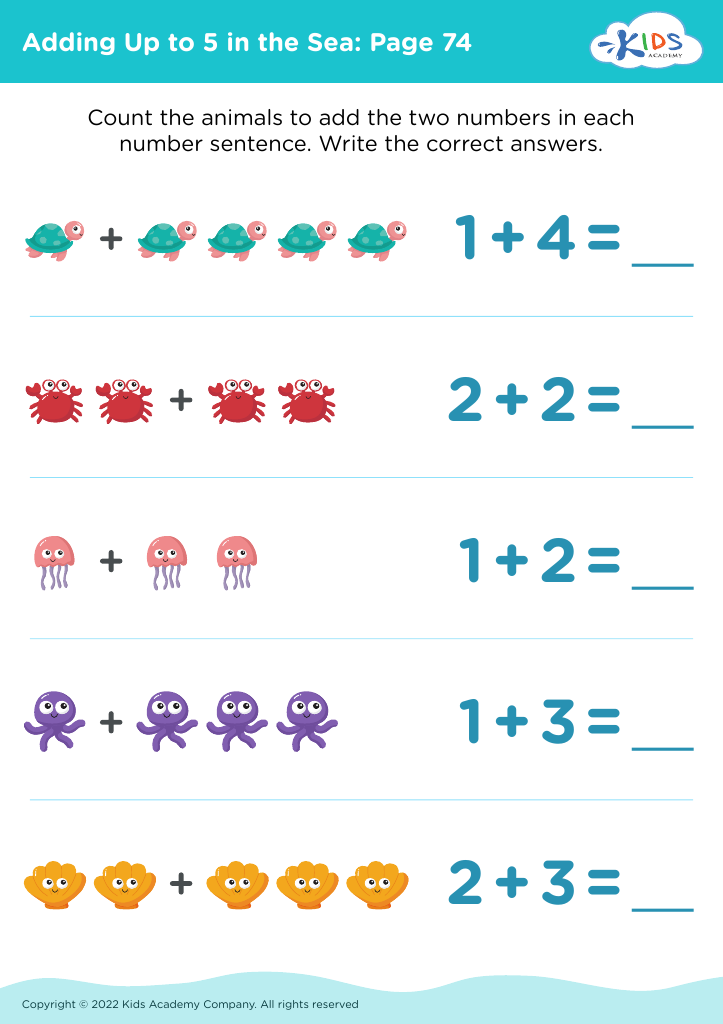
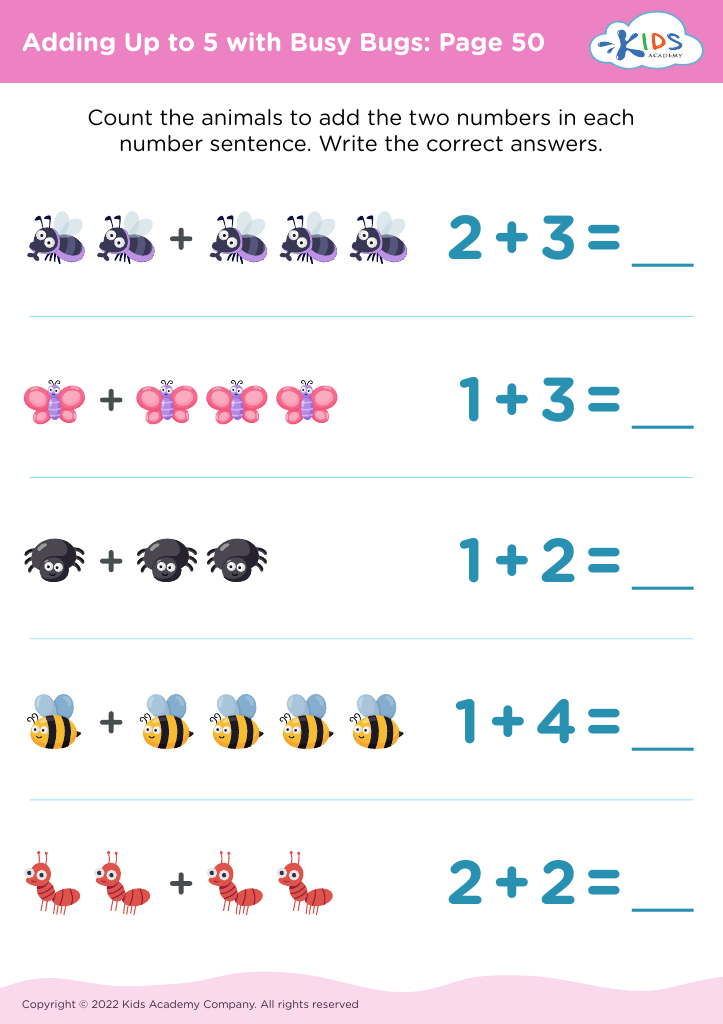
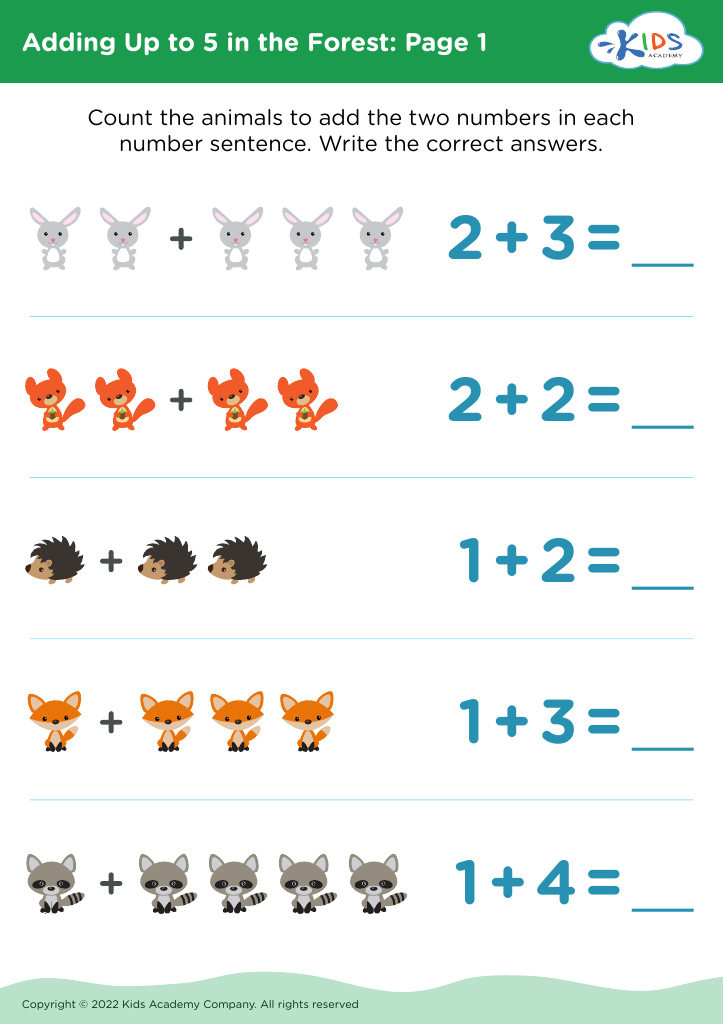
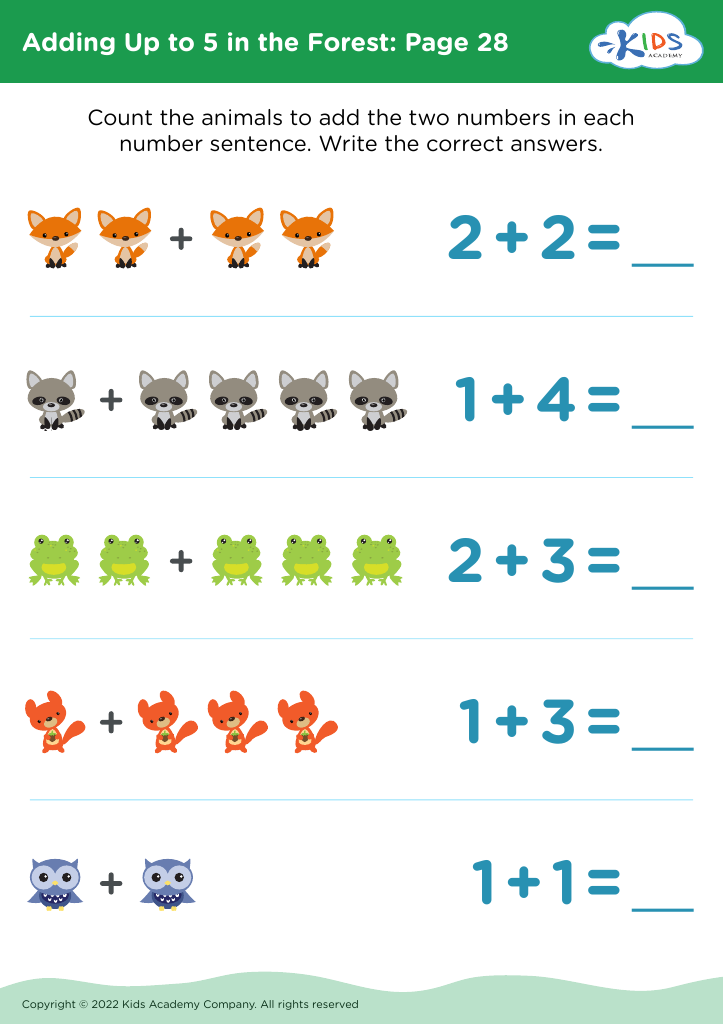
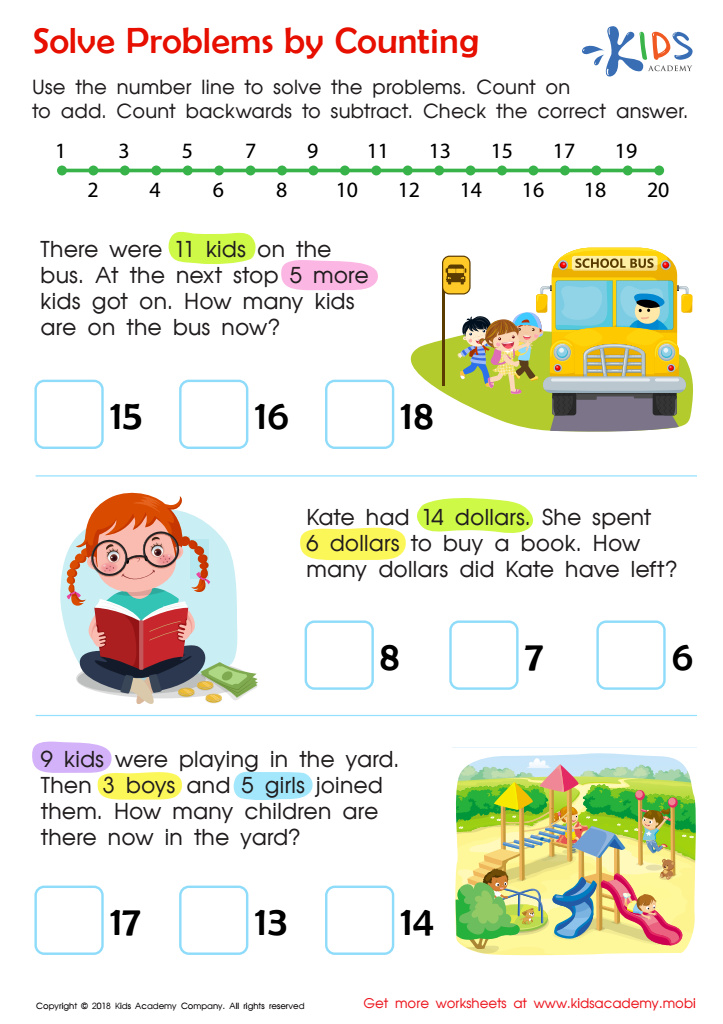
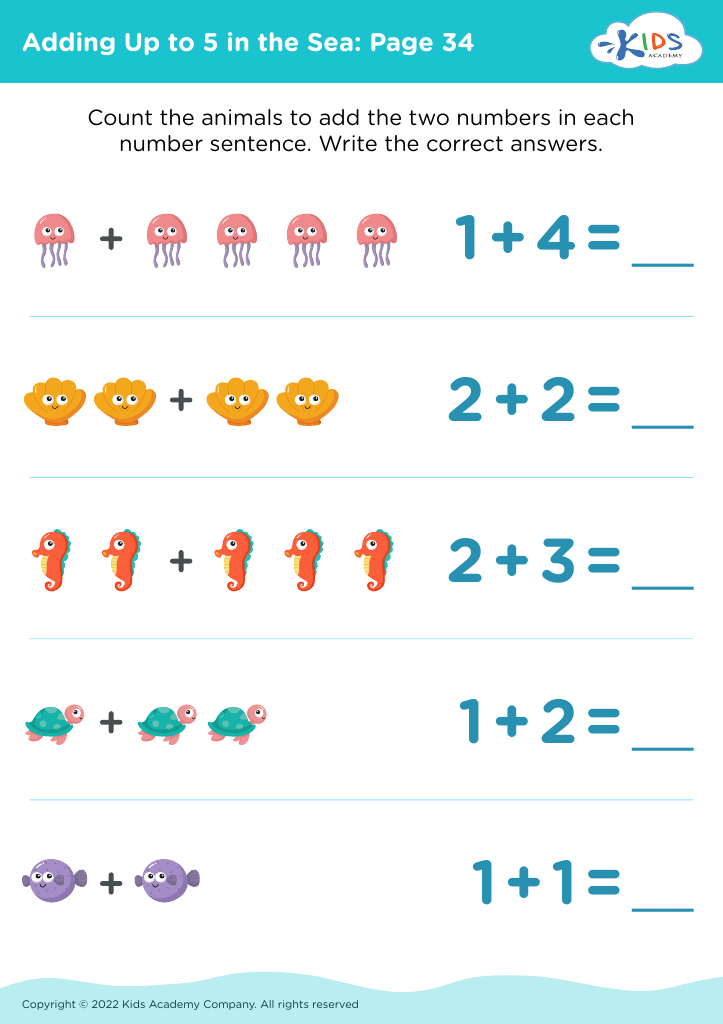
Solve Problems by Counting Worksheet
 Assign to My Students
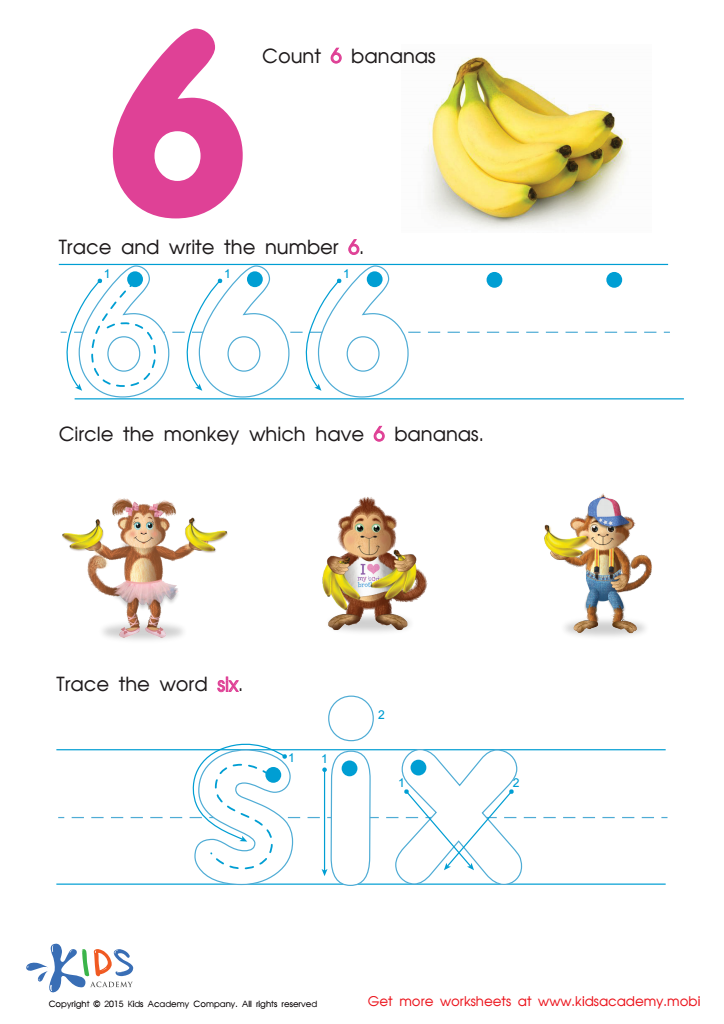
Tracing And Writing Number 6 Worksheet
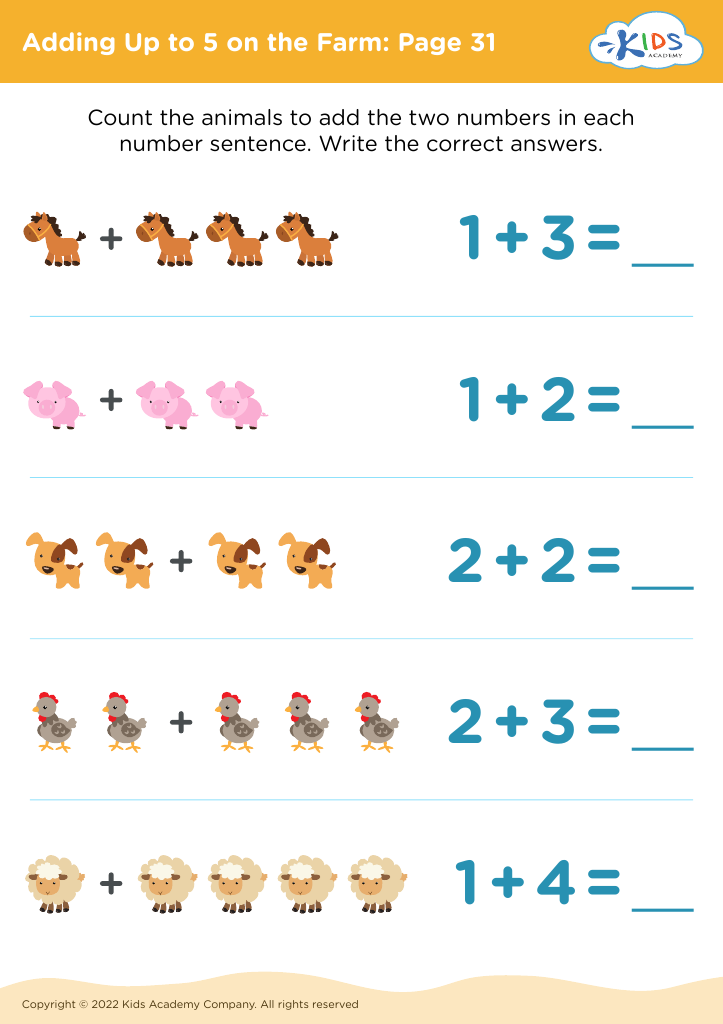
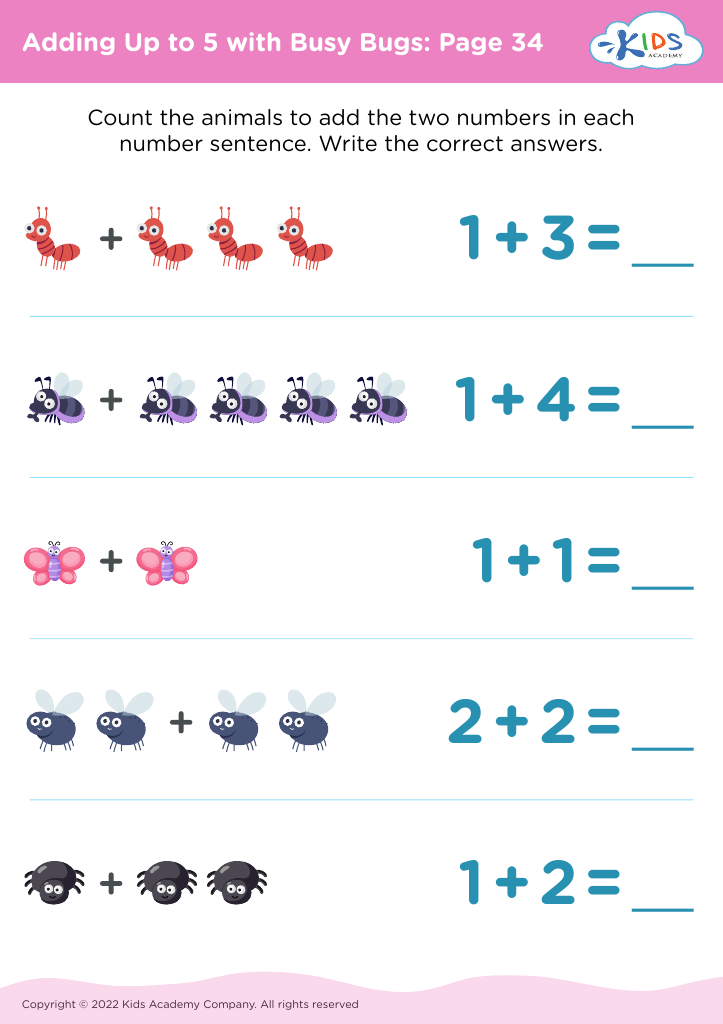
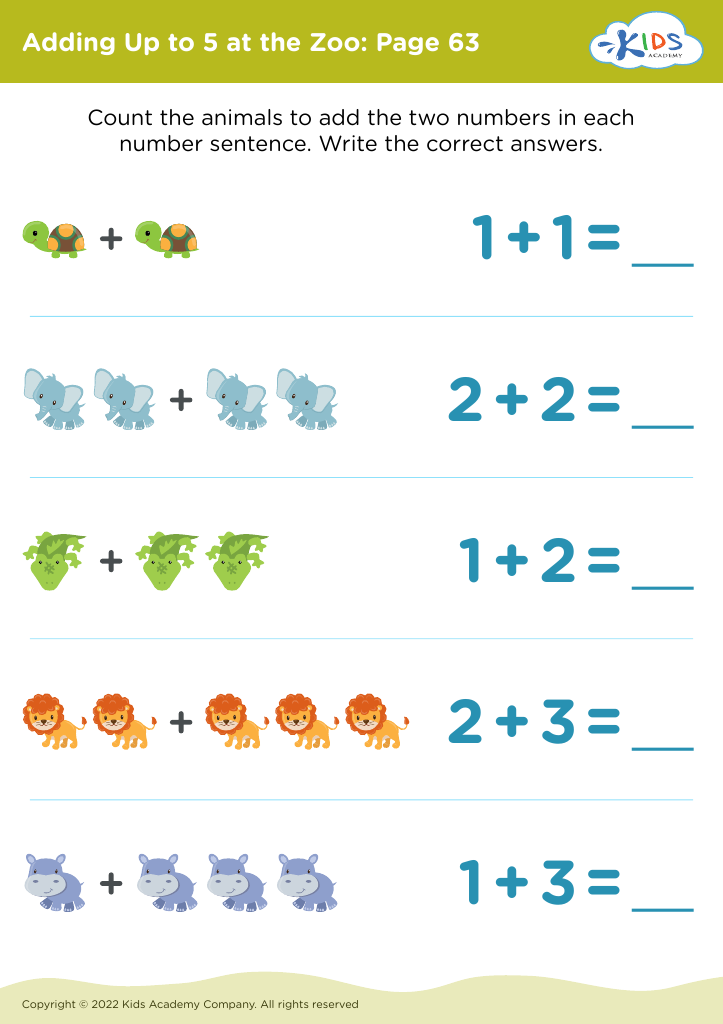
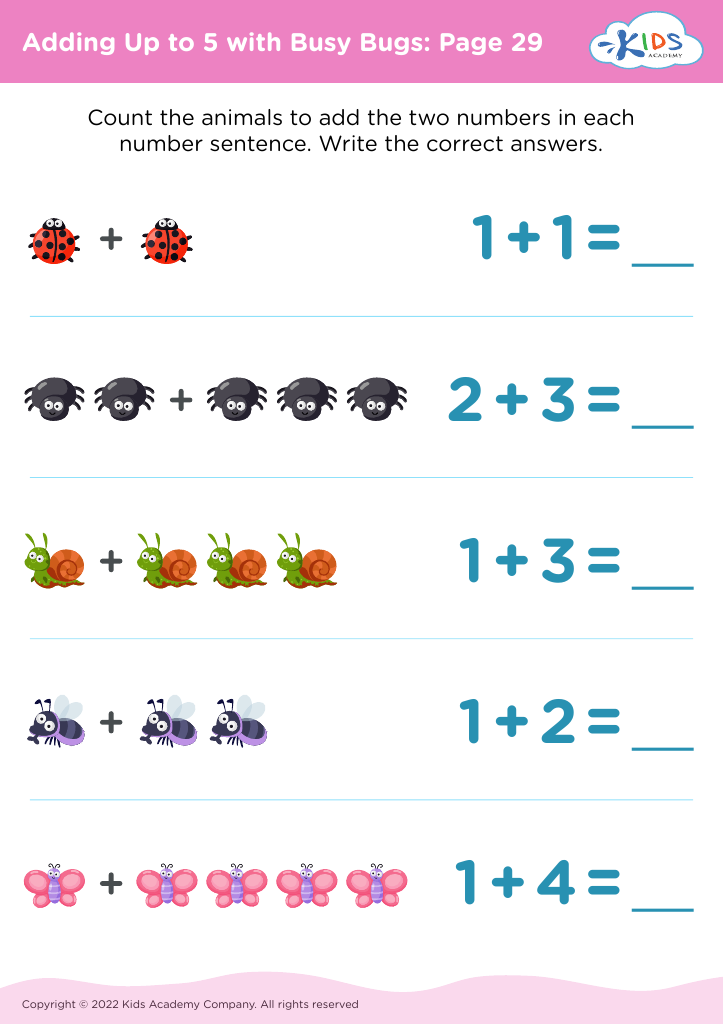
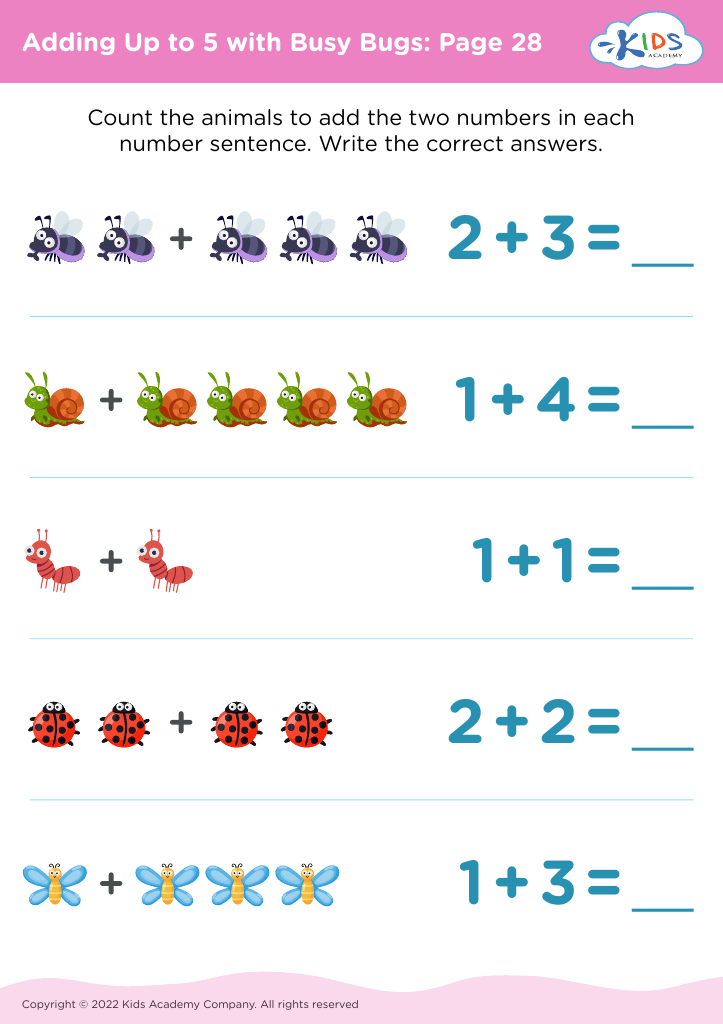
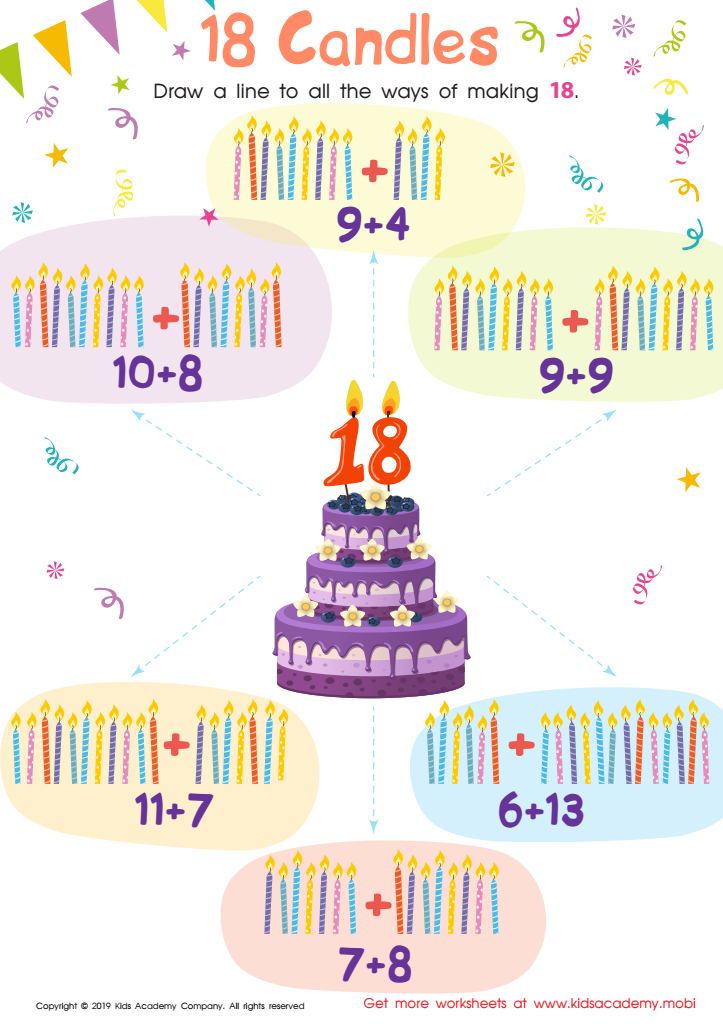
18 Candles Worksheet
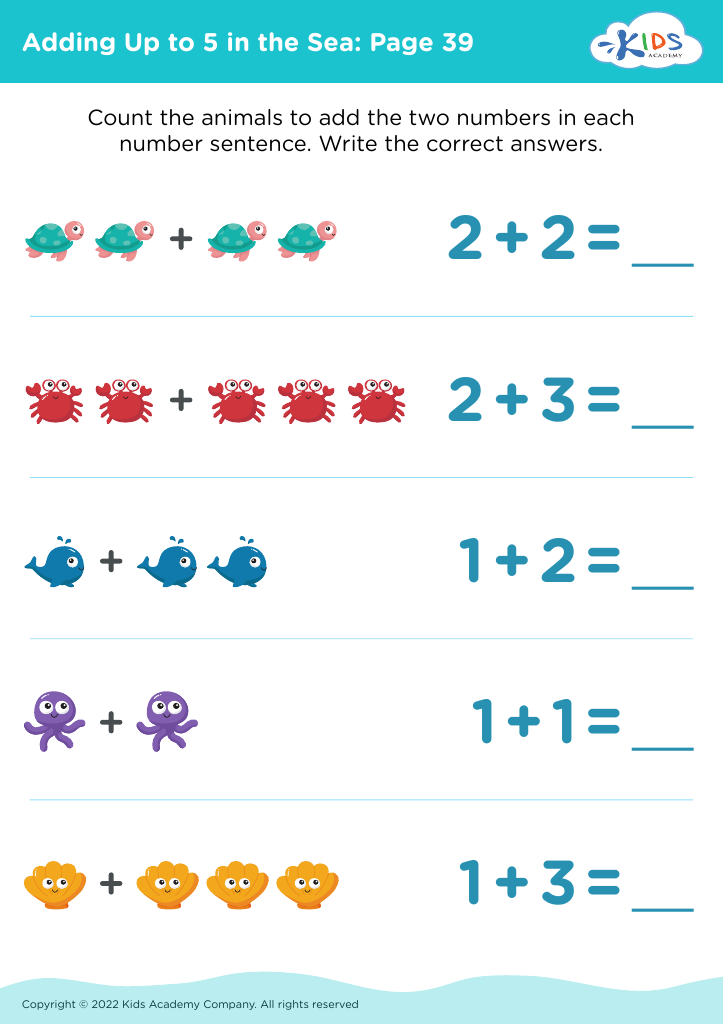
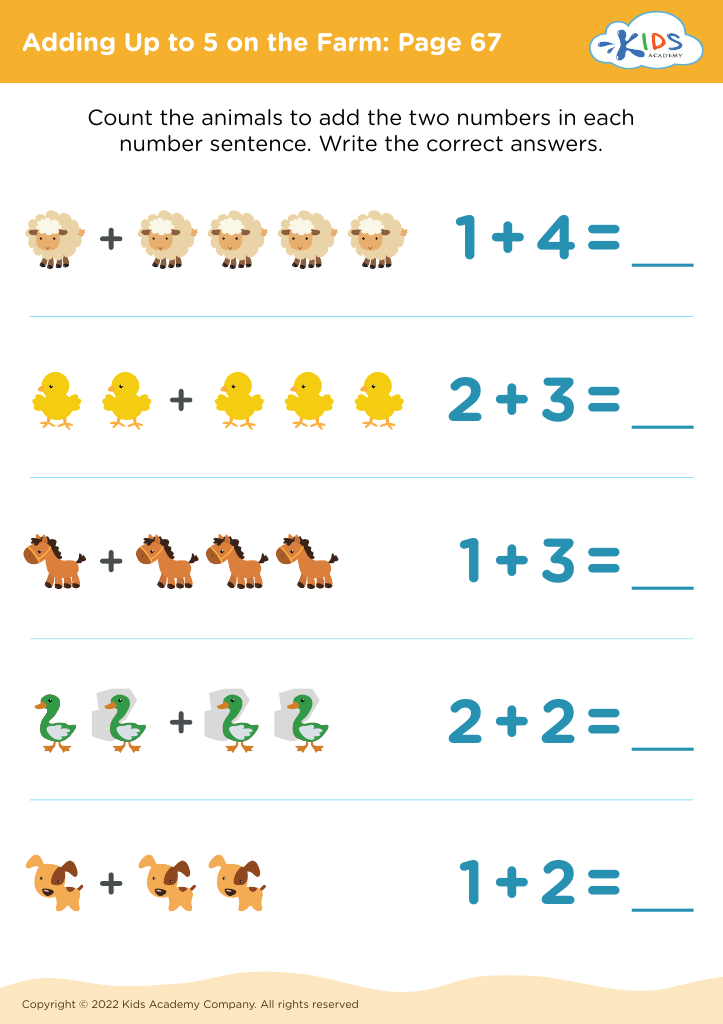
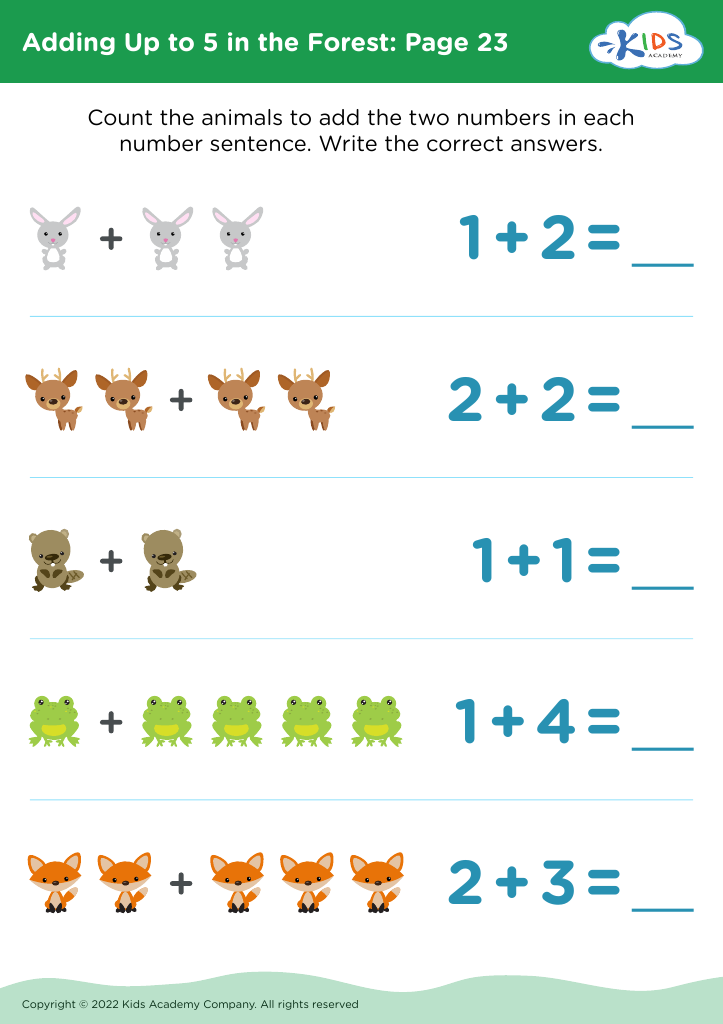
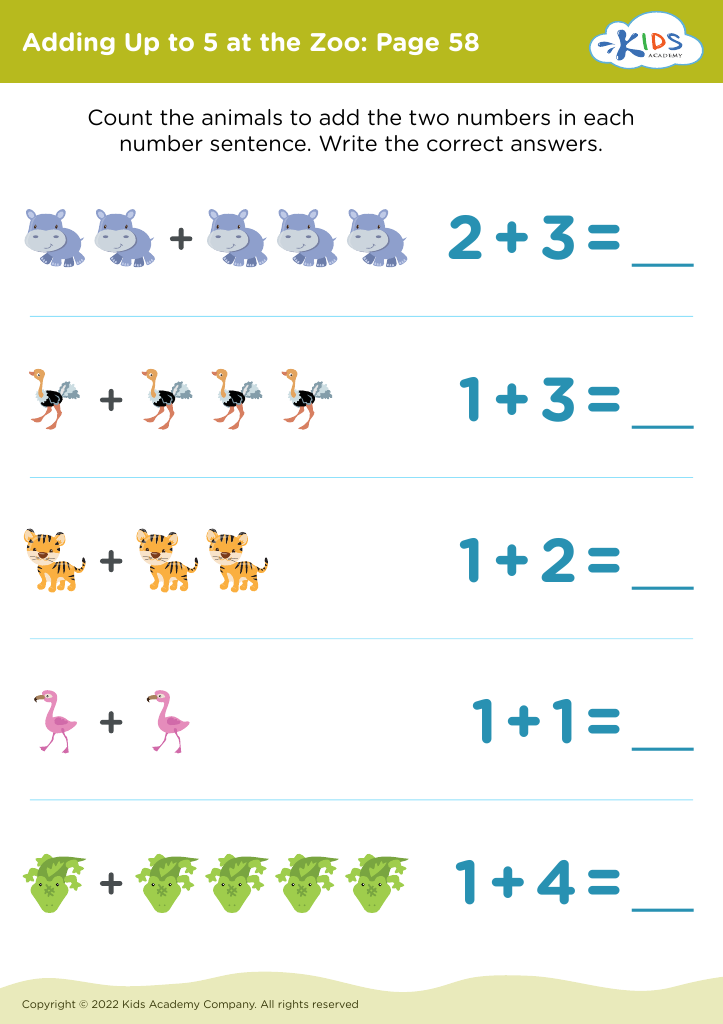
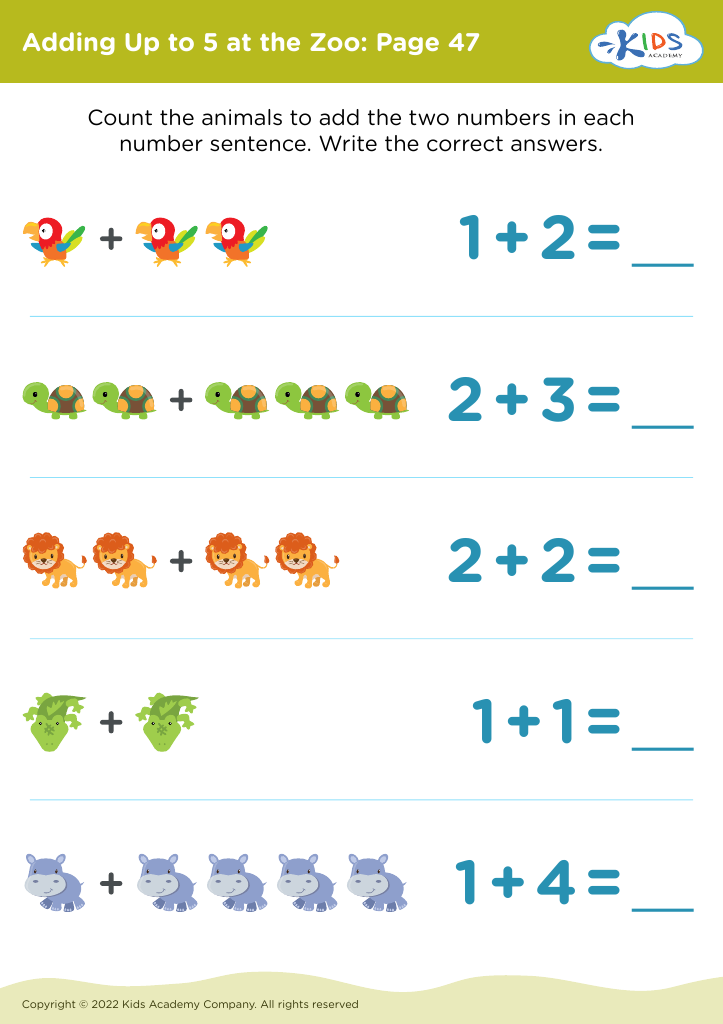
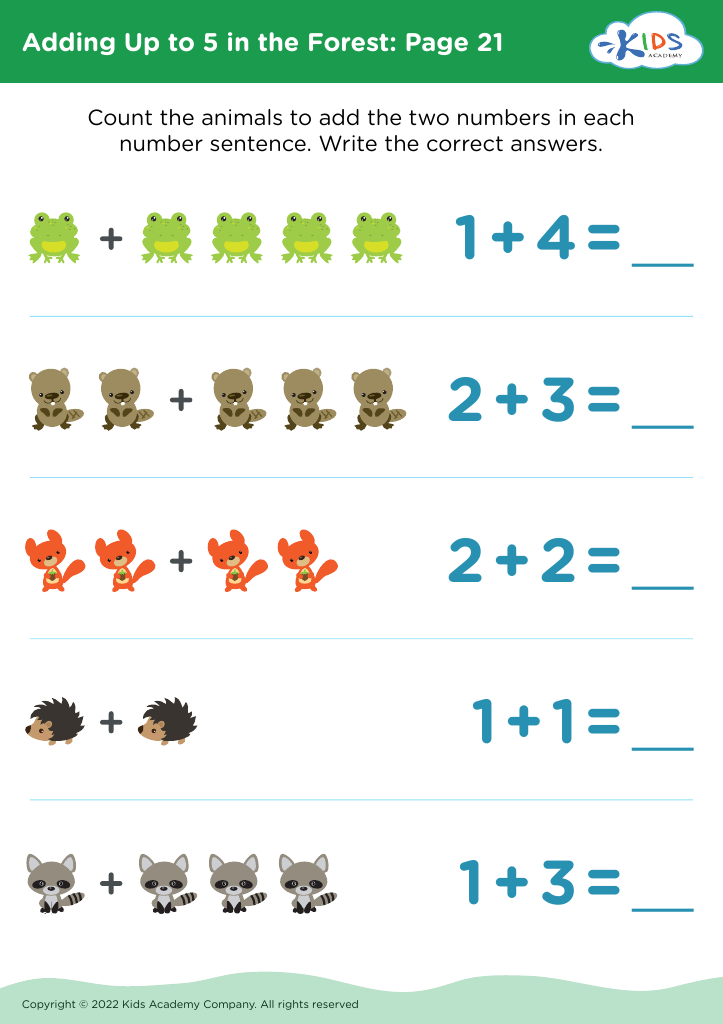
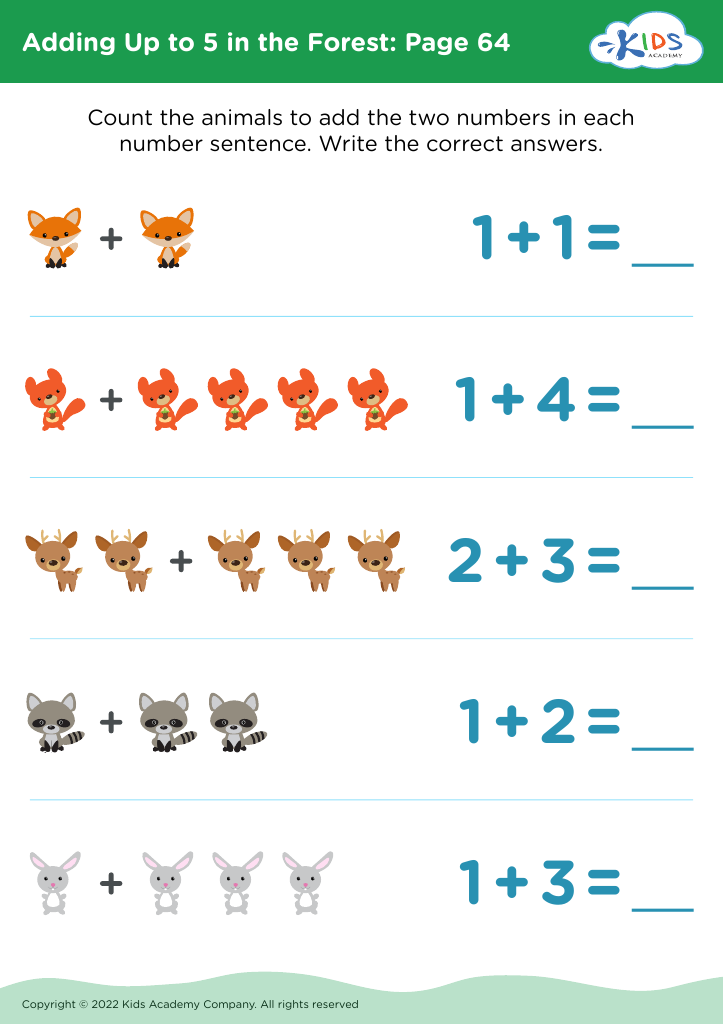
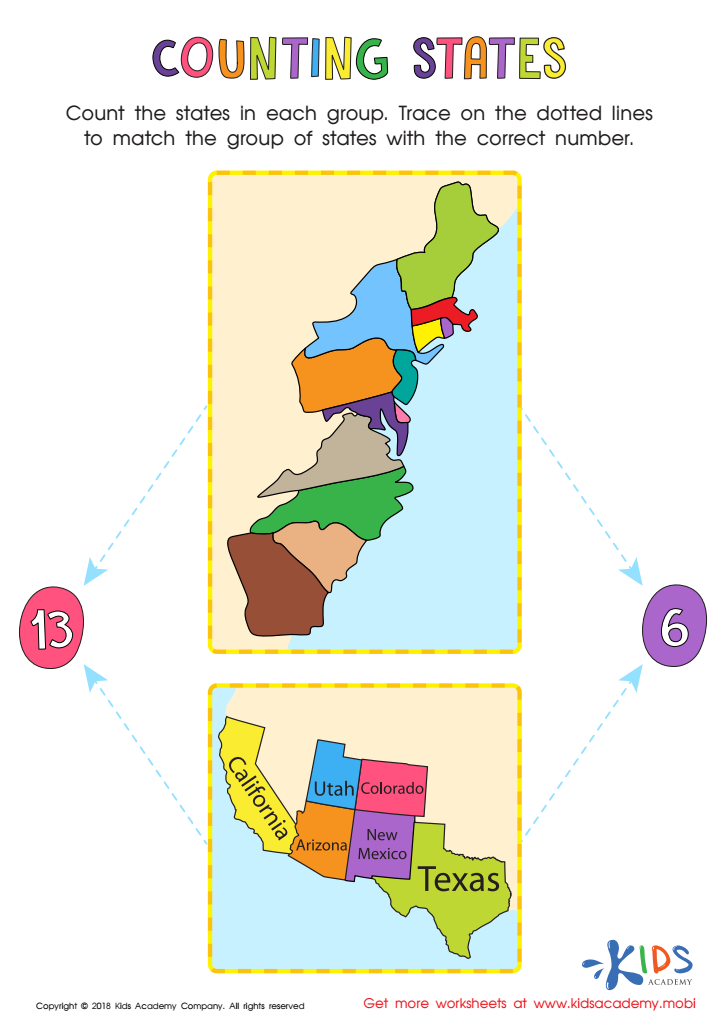
Counting States Worksheet
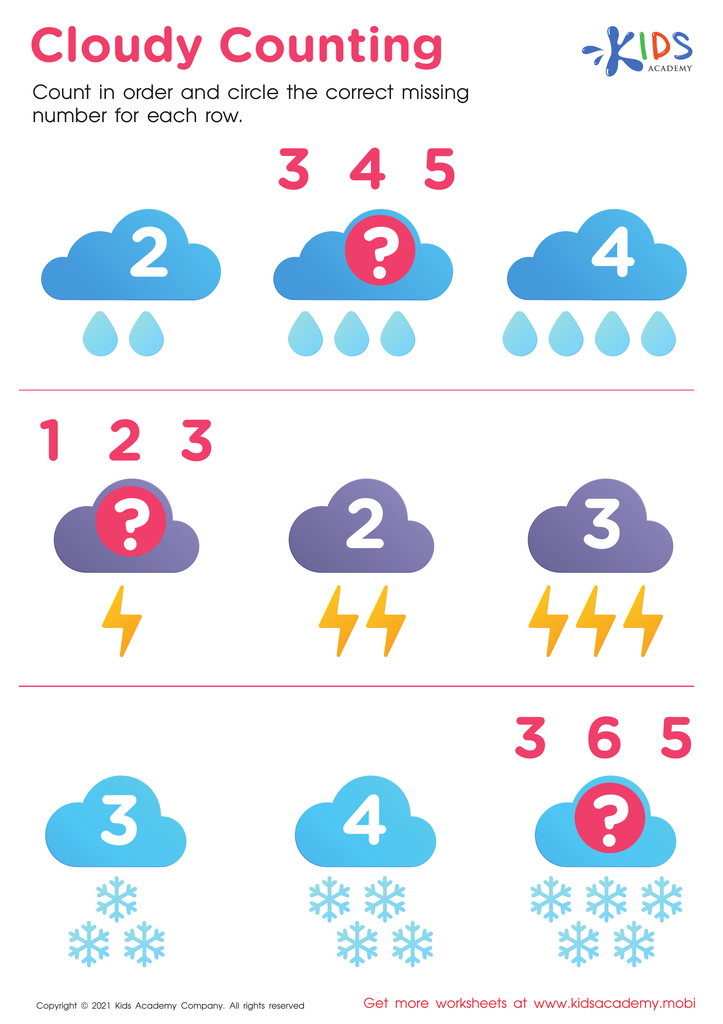
Cloudy Counting Worksheet






Counting practice for children aged 3 to 5 is essential for their cognitive development and foundational learning. First, it lays the groundwork for mathematical concepts that are vital in later education, such as addition, subtraction, and number recognition. At this age, children are naturally curious and absorb information quickly, making counting a fun and engaging activity.
Moreover, counting fosters critical thinking skills and enhances problem-solving abilities. As children learn to count objects, they begin to understand one-to-one correspondence, which helps them grasp the concept of quantity and sets the stage for future mathematical learning.
Countless everyday situations can include counting, whether it's counting fingers, toys, steps, or even snacks. This makes counting a practical skill that integrates seamlessly into daily life, promoting a love for learning.
Parents and teachers have a vital role in this process by creating a rich learning environment, as their involvement encourages children's enthusiasm and builds their confidence. Ultimately, early counting practice supports not only mathematical intelligence but also overall cognitive development, ensuring children are prepared for the challenges of formal education as they grow. Investing time in these early counting experiences is a crucial step toward a child's successful academic journey.








