Counting proficiency Worksheets for Ages 3-5
12 filtered results
-
From - To
Boost your child's math skills with our Counting Proficiency Worksheets designed specifically for ages 3-5! These engaging and interactive worksheets help young learners practice essential counting skills through colorful activities and fun exercises. Children will delight in tracing numbers, counting objects, and completing hands-on tasks that promote number recognition and early mathematical understanding. Perfect for homeschooling or classroom use, these worksheets align with early childhood education standards, ensuring a solid foundation in counting. Ignite your child's love for learning and mathematics while fostering confidence in their counting abilities. Dive into our vibrant resources and watch your little one flourish!
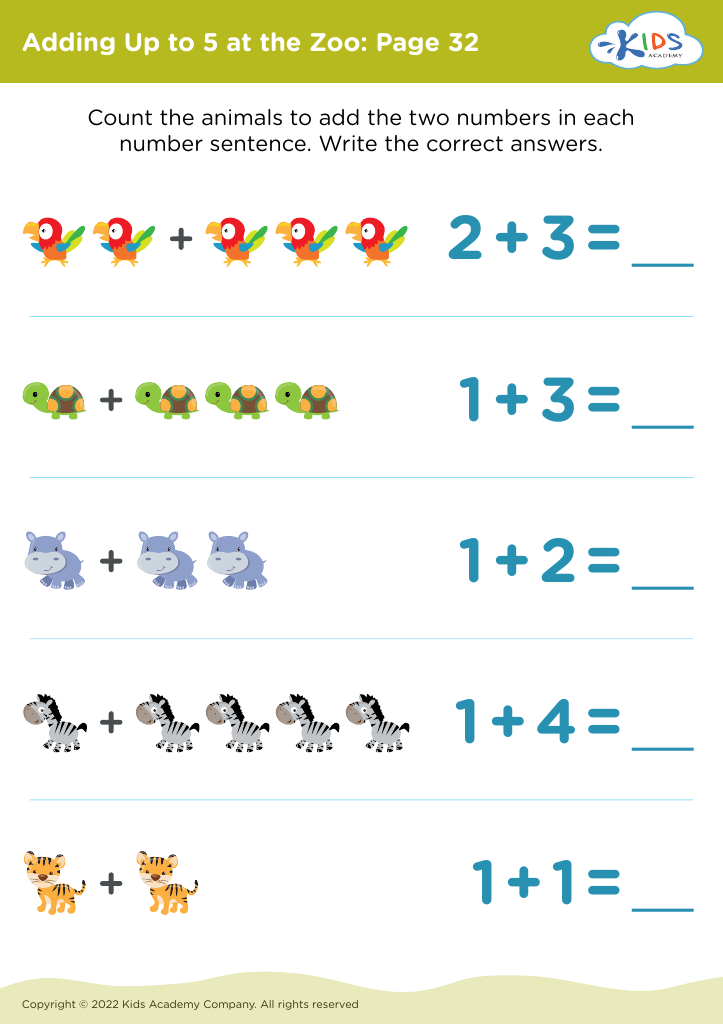
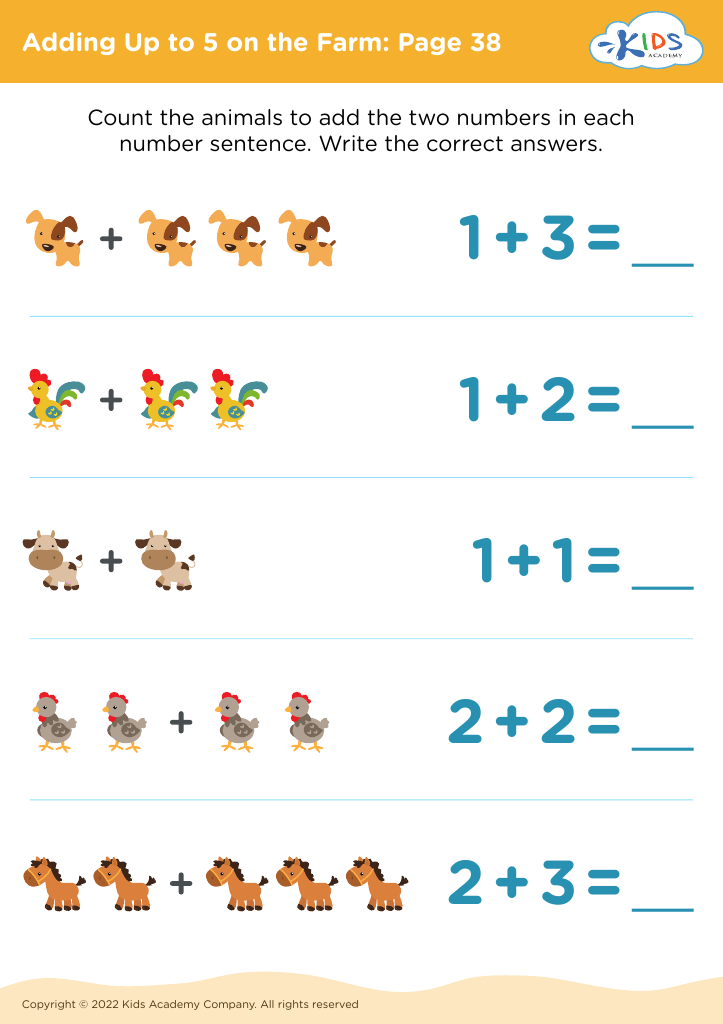
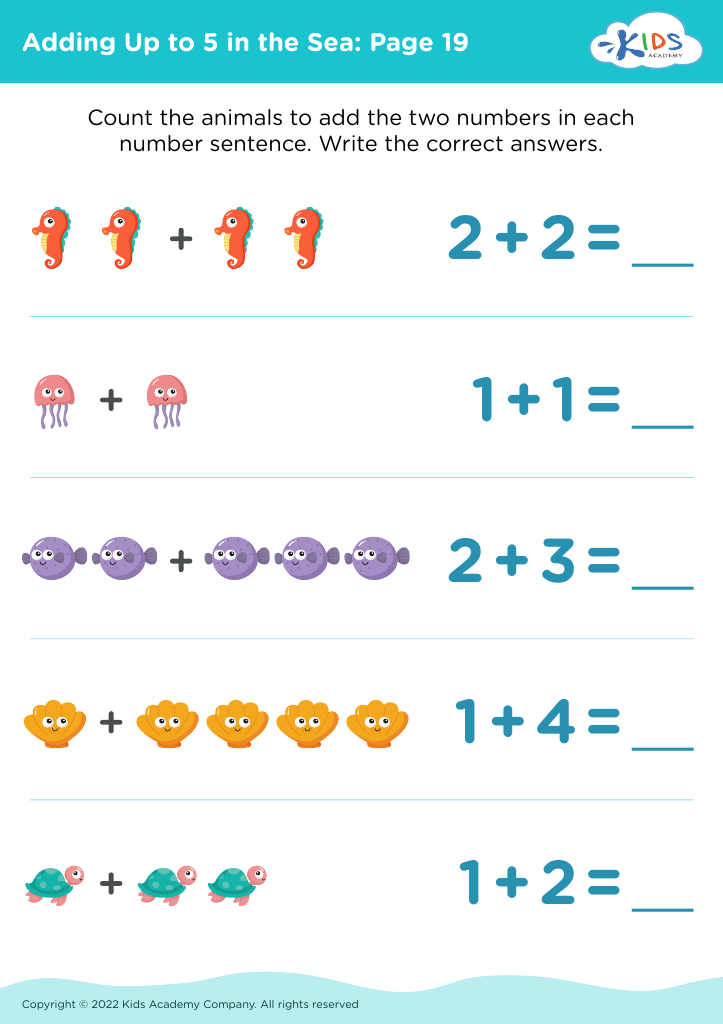
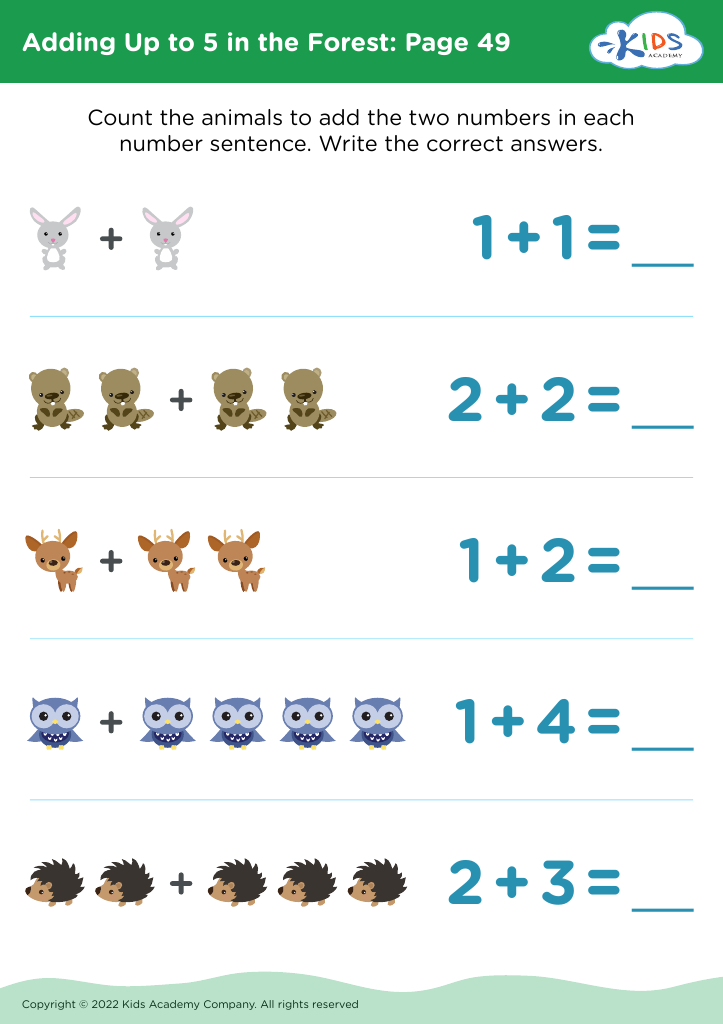
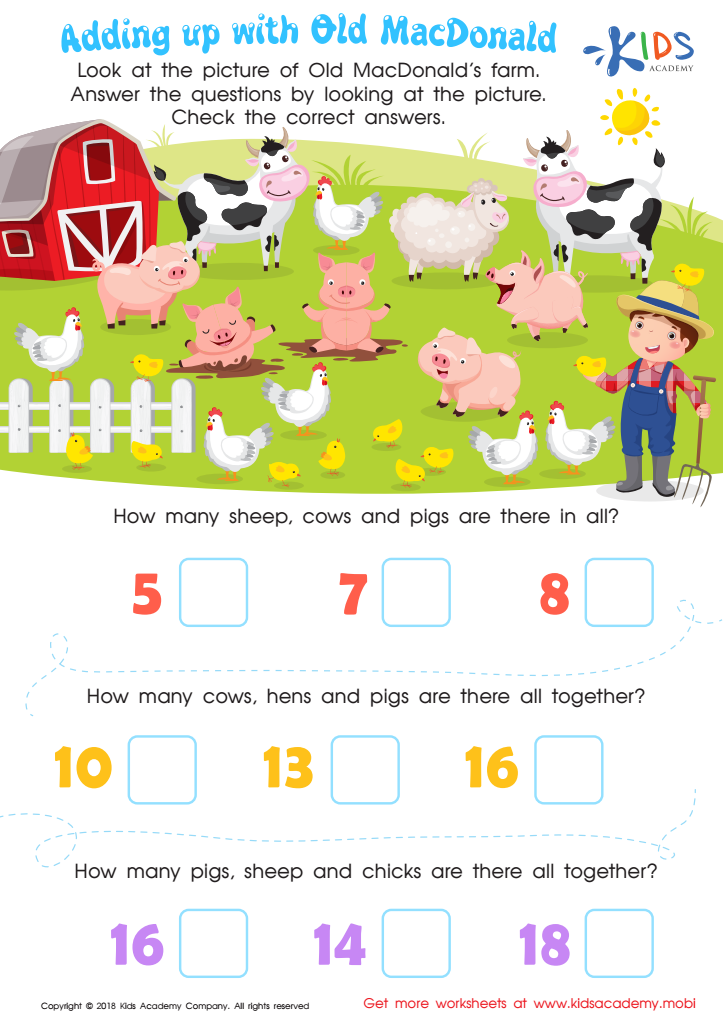
Adding Up with Old MacDonald Worksheet
 Assign to My Students
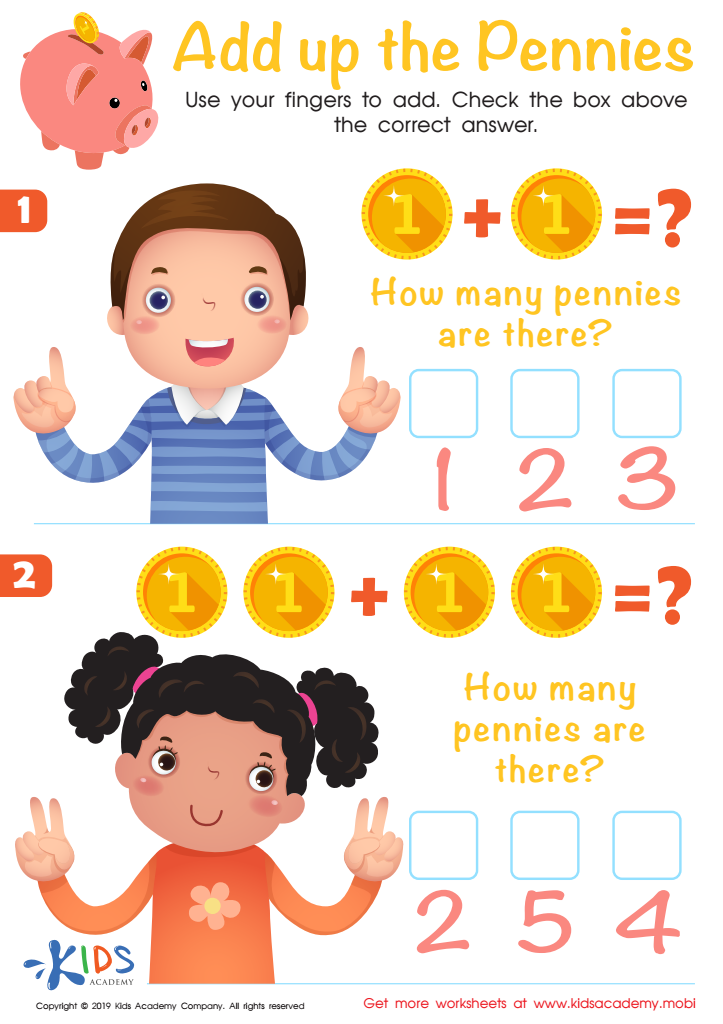
Add up the Pennies Worksheet
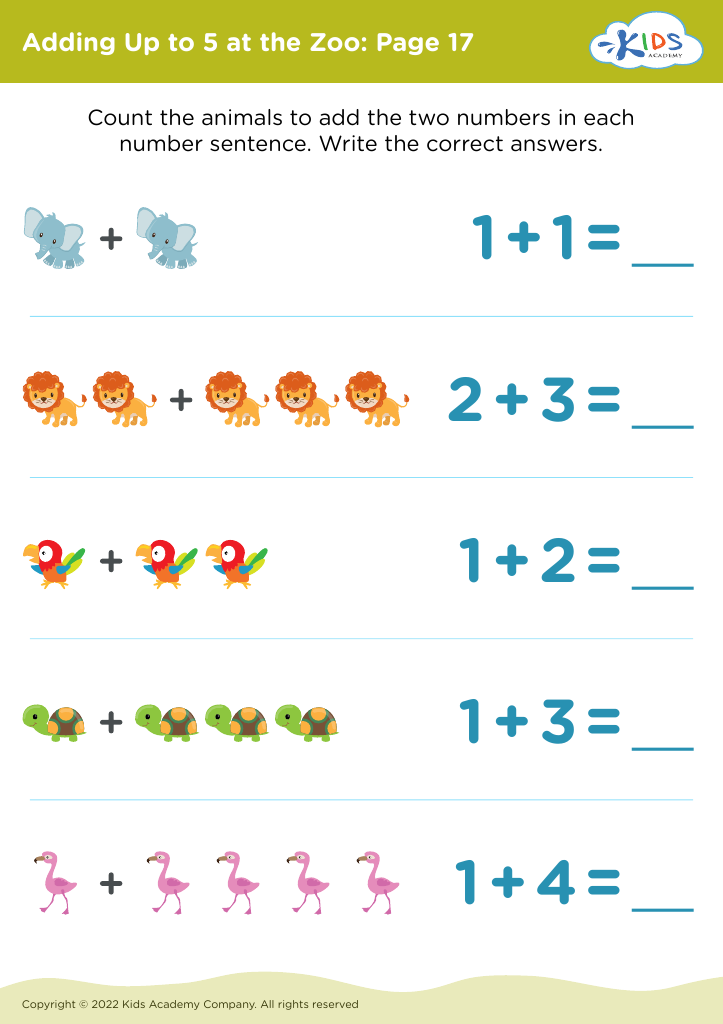
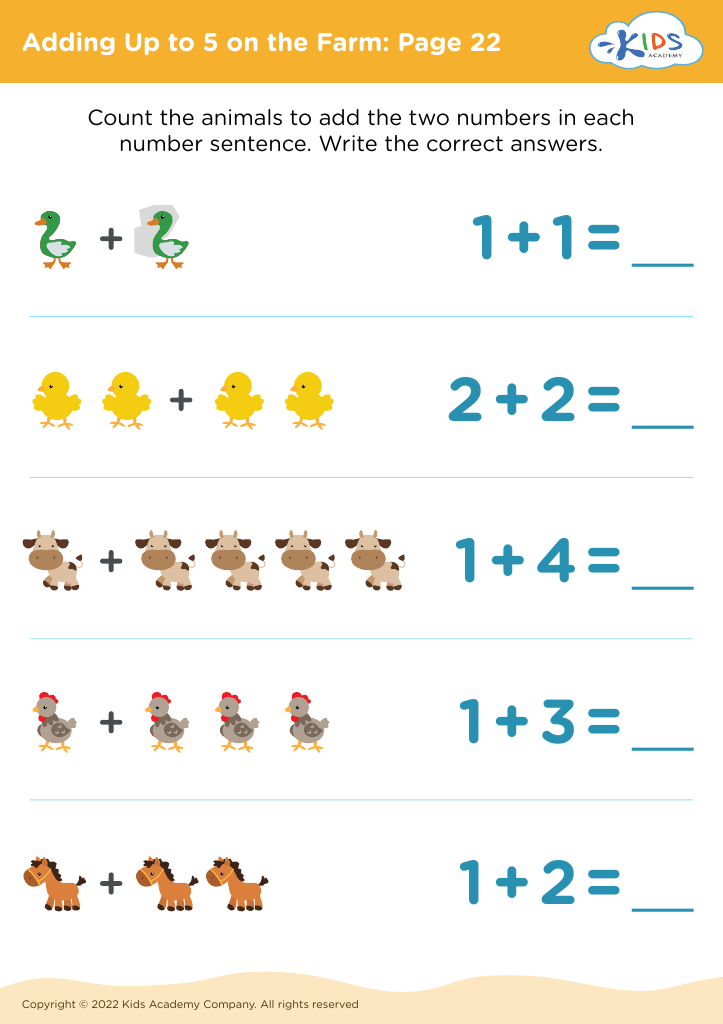
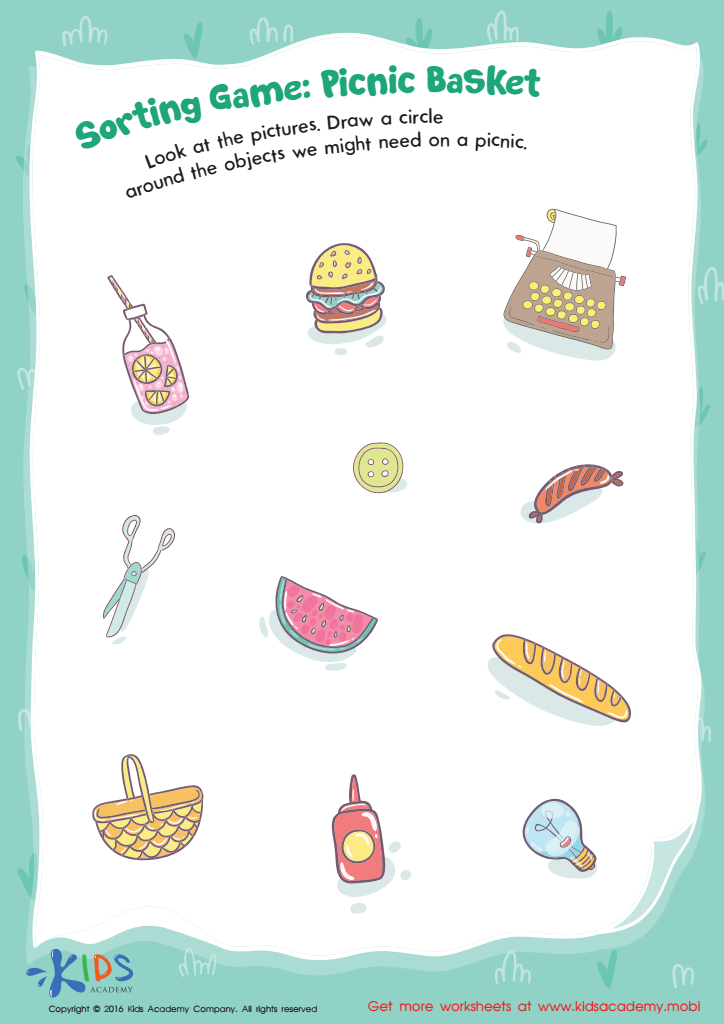
Picnic Basket Sorting Worksheet
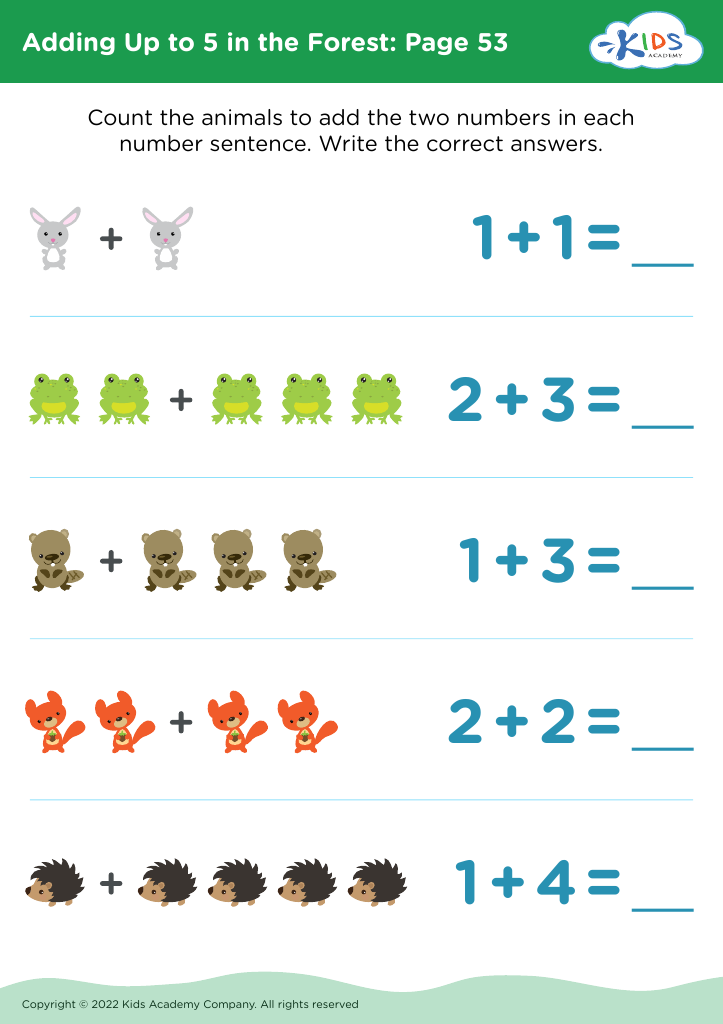
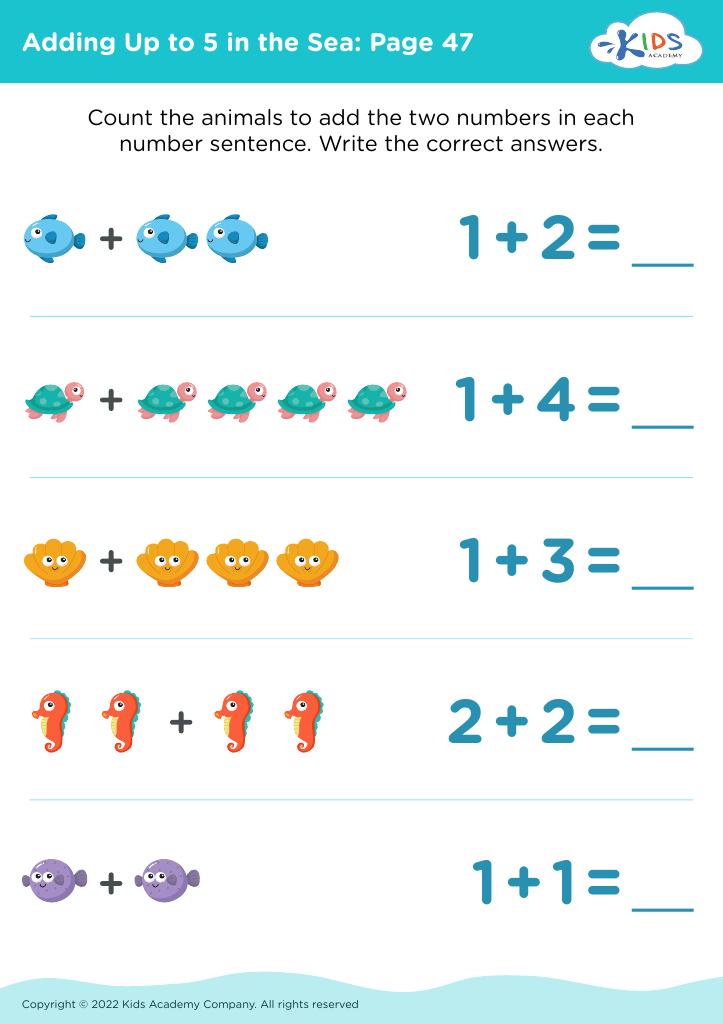
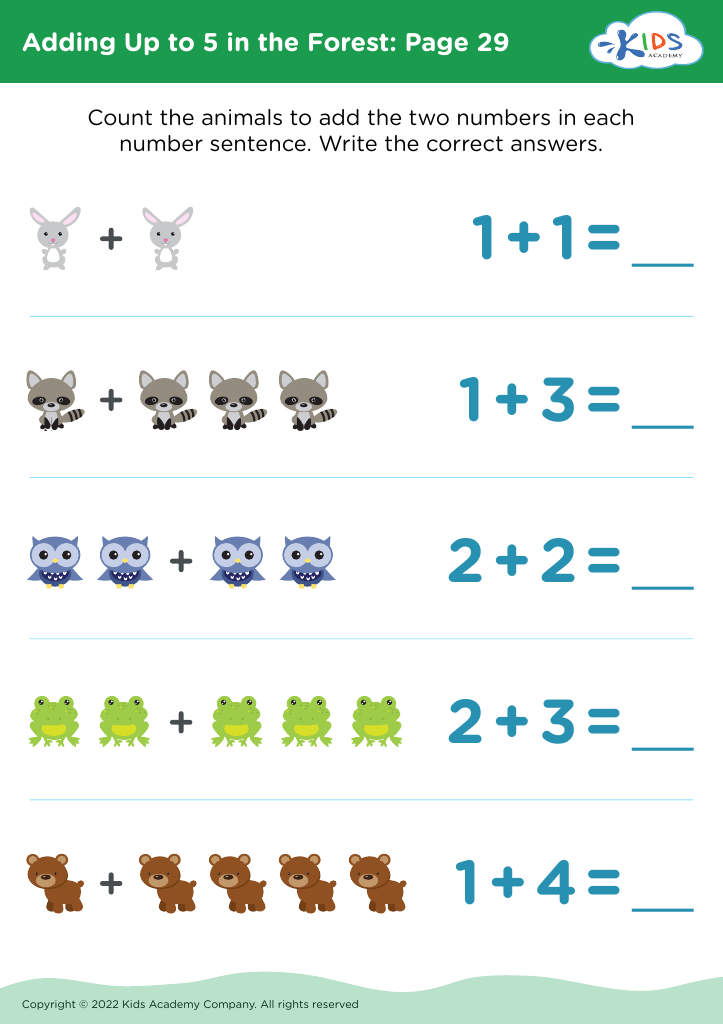







Counting proficiency in young children ages 3-5 is vital for their cognitive and social development. During this critical stage, children are laying the foundation for mathematical understanding, which significantly impacts their future academic success. When children learn to count, they are not just memorizing numbers; they are developing skills in one-to-one correspondence, number recognition, and understanding quantities. These skills help them make sense of the world around them.
Additionally, counting proficiency enriches children’s language development. As they learn to count, they also expand their vocabulary and improve their communication skills by using numbers in context. This proficiency fosters problem-solving skills as young learners begin to comprehend concepts of addition and subtraction, even at a basic level.
Moreover, counting can be a fun and engaging activity that encourages parent-child or teacher-child interaction. It provides opportunities for collaborative learning through games and daily routines, thereby strengthening relationships and enhancing emotional development.
Equipped with counting skills, children will be more prepared for formal education, reducing anxiety and fostering a positive attitude toward math as they grow. Thus, parents and teachers should prioritize counting proficiency as an essential component of early childhood education.








