
Fine motor skills (drawing lines) Worksheets for Ages 3-5
7 filtered results
Difficulty Level
Grade
Age
-
From - To
Subject
Activity
Standards
Enhance your child's fine motor skills with our engaging drawing lines worksheets designed specifically for ages 3-5. These worksheets provide a fun and interactive way for children to practice hand-eye coordination and improve their pencil grip. Each activity encourages creativity and self-expression while challenging little ones to follow lines, shapes, and patterns. Perfect for preschool and kindergarten, our worksheets help set a strong foundation for future writing skills. Parents and educators will appreciate the variety of themes and difficulty levels, ensuring that every child can build confidence and master their fine motor abilities through enjoyable practice. Download now for happy learning!
Favorites
With answer key
Interactive
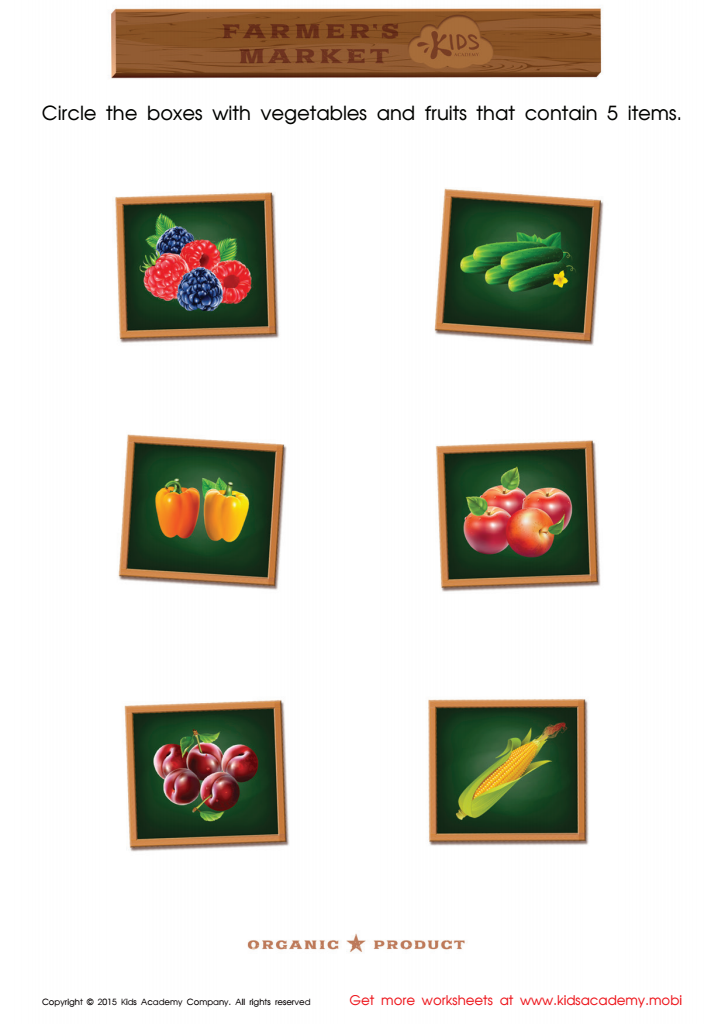
Count and Match Vegetables 1 – 7 Math Worksheet
Print this bright math worksheet from Kids Academy and give your child a fun way to enhance their counting skills. Based on Singapore Math, the colourful pictures make it easy for children to comprehend math. Get additional free worksheets here!
 Assign to My Students
Count and Match Vegetables 1 – 7 Math Worksheet
Worksheet
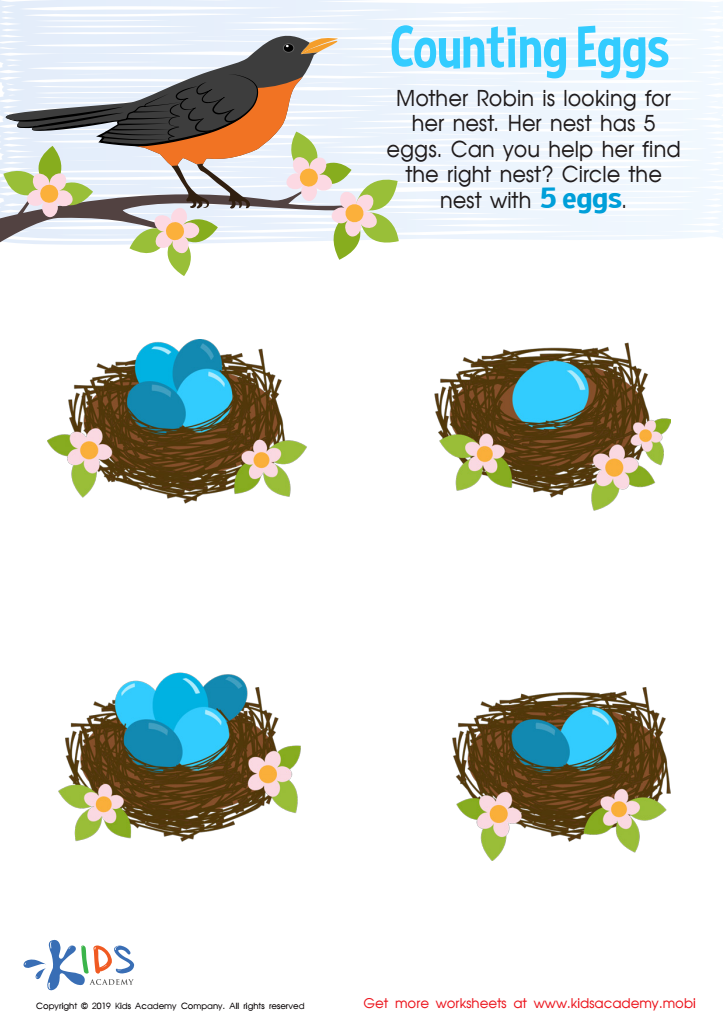
Counting Eggs Worksheet
Help the Mother bird find her nest! Show your kids this printout, have them point at the bird and the nests. Ask them to count the eggs in each nest carefully. Finally, help her by circling the one with 5 eggs.
Counting Eggs Worksheet
Worksheet
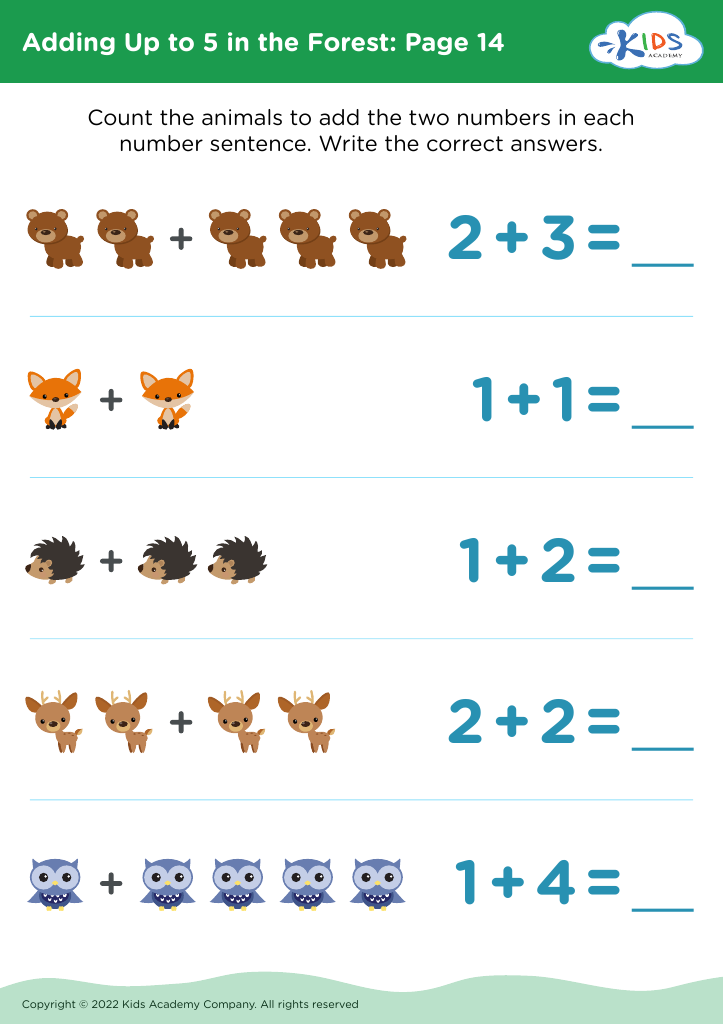
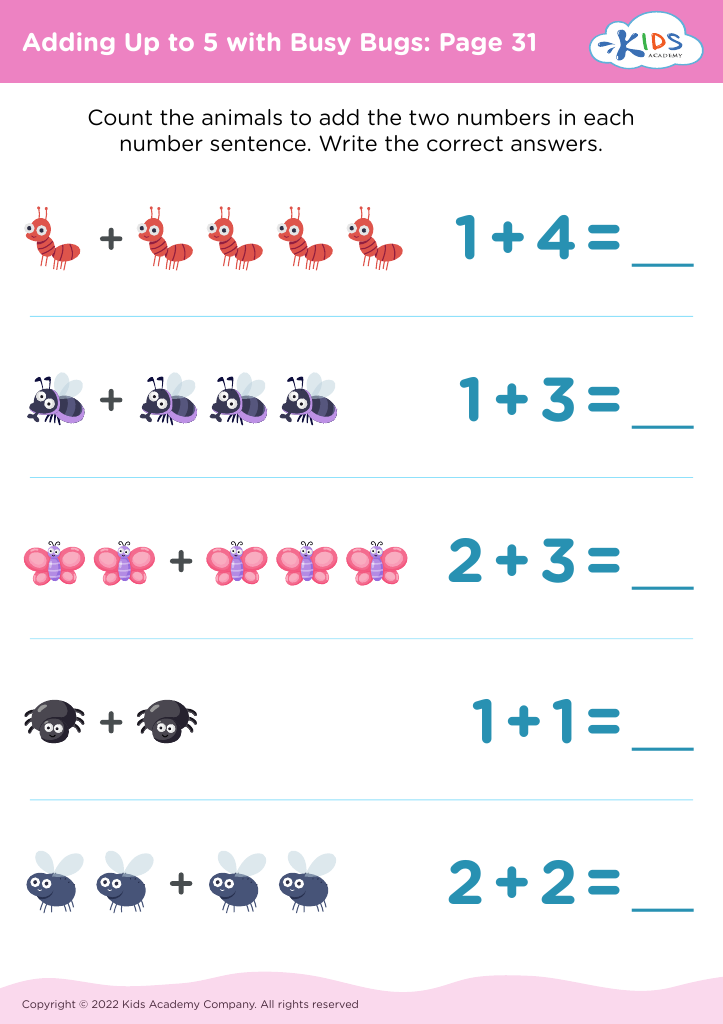
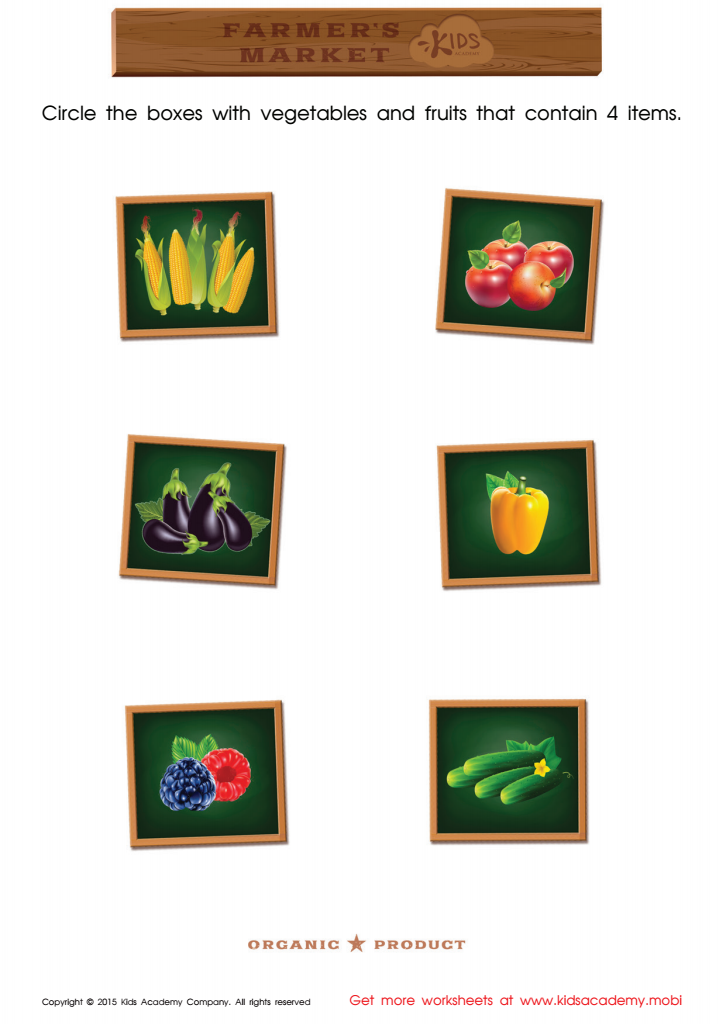
Count and Match Vegetables 2 – 8 Math Worksheet
Download this fun, colorful math worksheet from Kids Academy and help your kid improve their counting skills. Match the boxes to the same number of vegetables, using the pictures to visualize the problem. Get more free printables from Kids Academy by topic.
Count and Match Vegetables 2 – 8 Math Worksheet
Worksheet
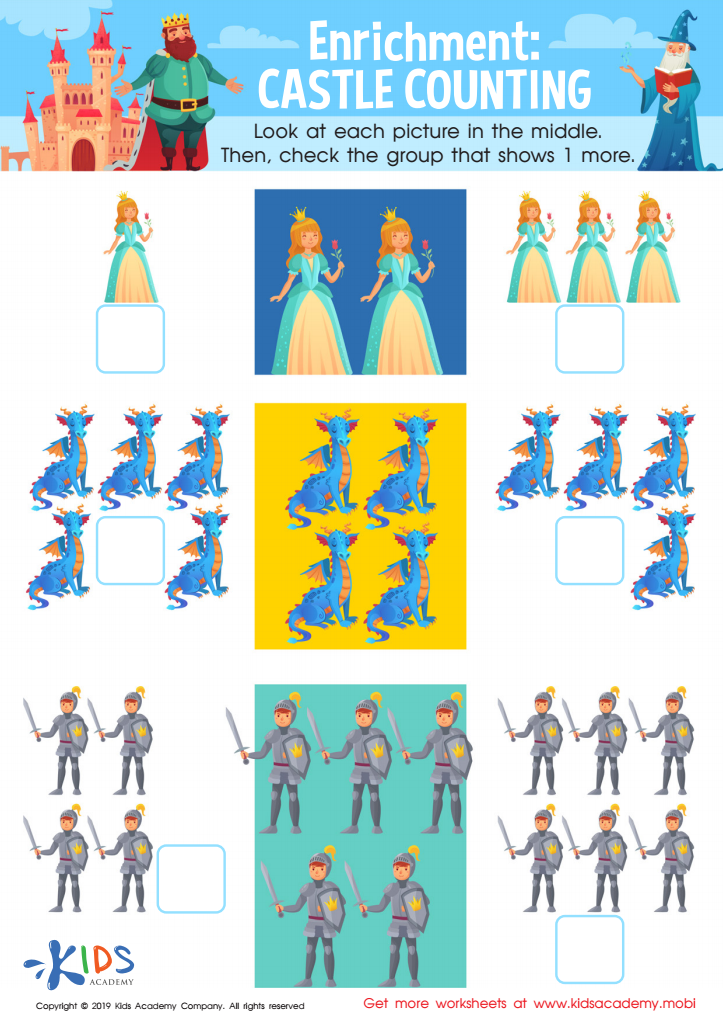
Enrichment: Castle Counting Worksheet
Help your kids learn to count. Start with easy counting of numbers as high as possible. Use the pictures in this printout. Point to the middle one, help them identify it and then count one more than it. Do this to help them get ready for more difficult math concepts like addition, subtraction and multiplication.
Enrichment: Castle Counting Worksheet
Worksheet
Join Kids Academy for Free
Who is primarily going to use this learning content?




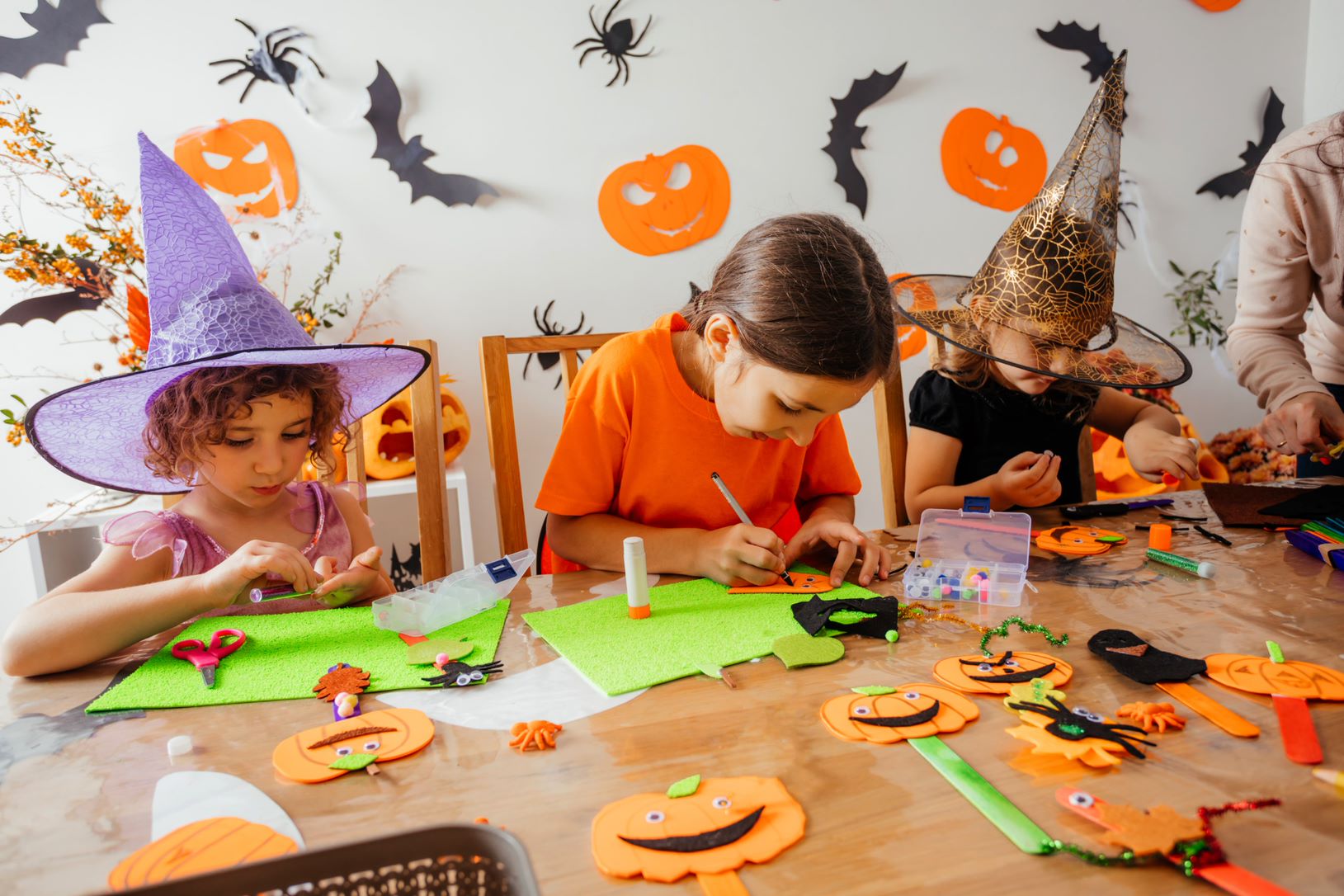


Fine motor skills are crucial for young children aged 3-5 as they underpin everyday tasks and academic success. During this developmental stage, children learn to control small muscles in their hands and fingers, which is critical for activities such as writing, drawing, and tying shoelaces. Drawing lines is a fundamental aspect of honing these skills, enhancing hand-eye coordination and dexterity.
When children practice drawing lines, they are not only improving their fine motor skills but also engaging in essential cognitive processes. This activity encourages spatial awareness and fosters creativity, paving the way for greater confidence in artistic expression. Mastery of fine motor tasks also correlates with preparedness for later academic tasks like reading and writing.
For parents and teachers, nurturing these skills can create a foundation for future learning. Providing opportunities tailored to fine motor development—like drawing, coloring, or playing with building blocks—enables children to gain the necessary practice they need for success in school and beyond. Ultimately, investing attention to fine motor skill development in early childhood ensures that children are not only ready for structured learning but are also empowered to navigate their world with greater independence and confidence.








