Spatial reasoning Worksheets for Ages 3-5
10 filtered results
-
From - To
Unlock your child's potential with our Spatial Reasoning Worksheets for Ages 3-5, designed to cultivate crucial cognitive skills through playful exercises! These printable activities help young learners understand shapes, patterns, orientations, and spatial relationships. By engaging with our carefully curated puzzles and games, children develop foundational skills in math, problem-solving, and critical thinking. Our worksheets are developmentally appropriate and enjoyable, ensuring your child gains key competencies while having fun. Perfect for both classroom and home learning, these resources provide an exciting way to enhance early learning and cognitive growth. Explore our collection today to support your child's educational journey!
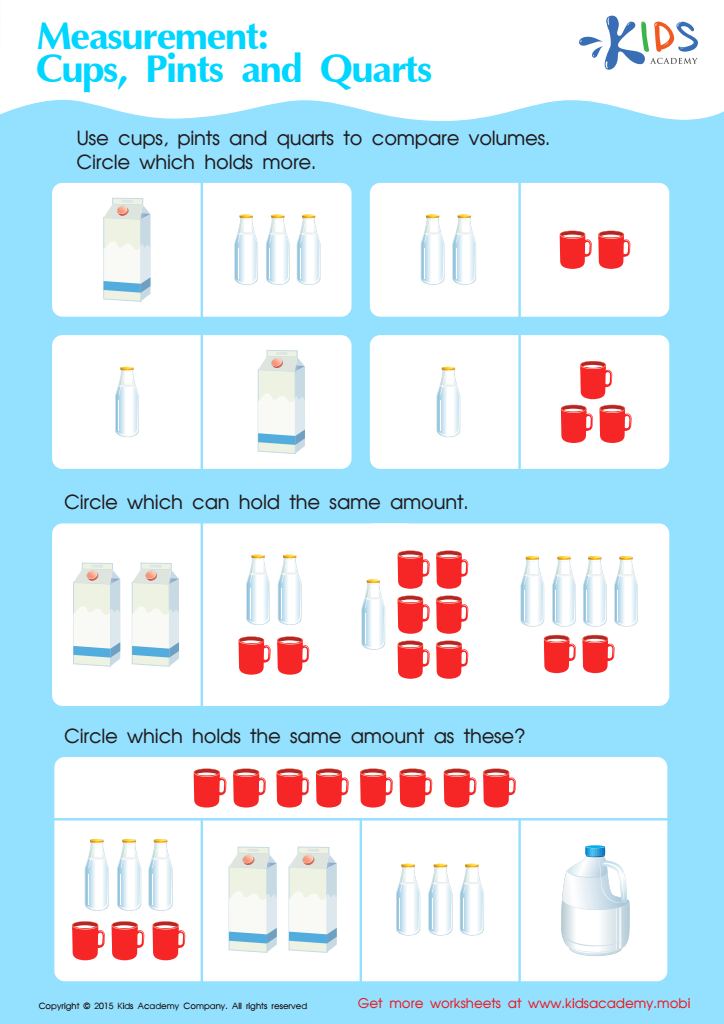
Measurement: Compare Volumes Worksheet
 Assign to My Students
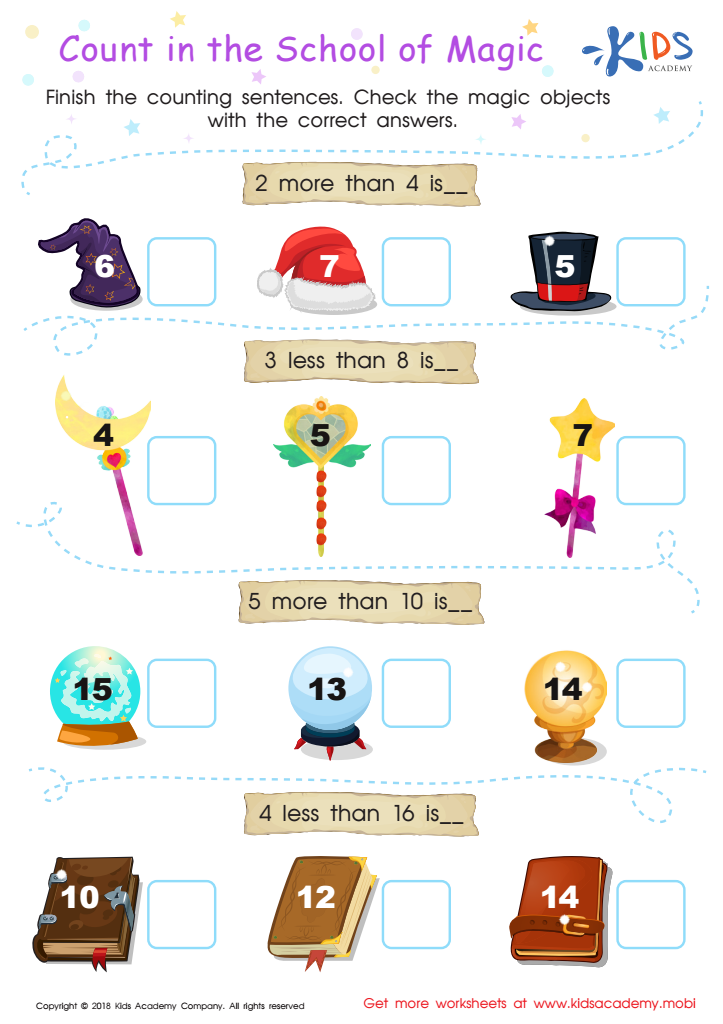
Count in the School of Magic Worksheet
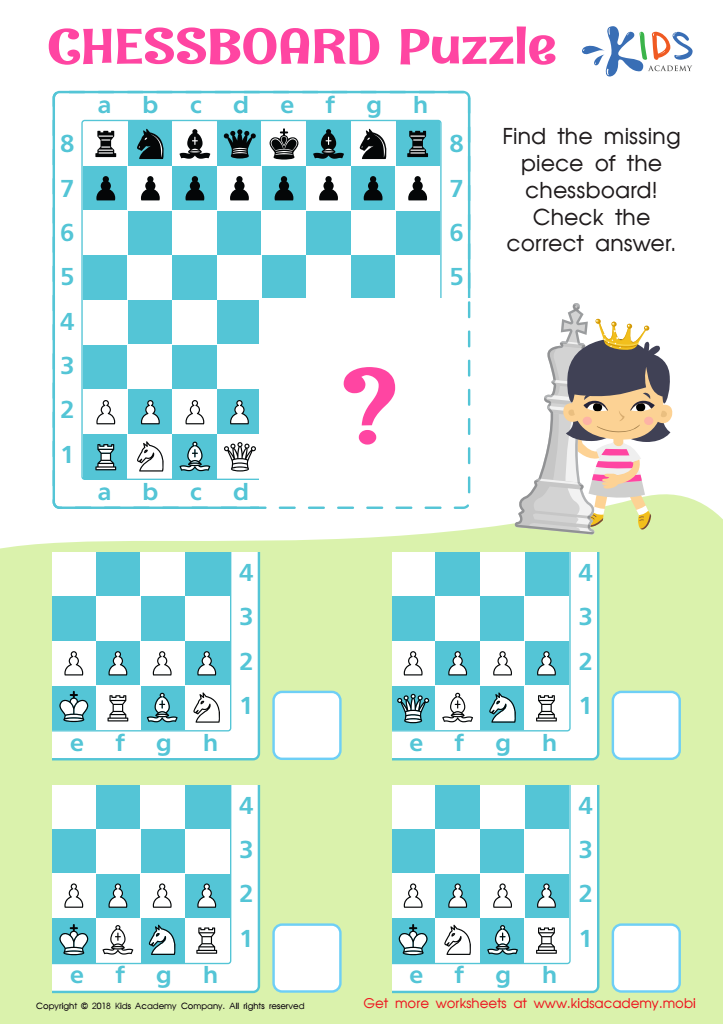
Chessboard Puzzle Worksheet
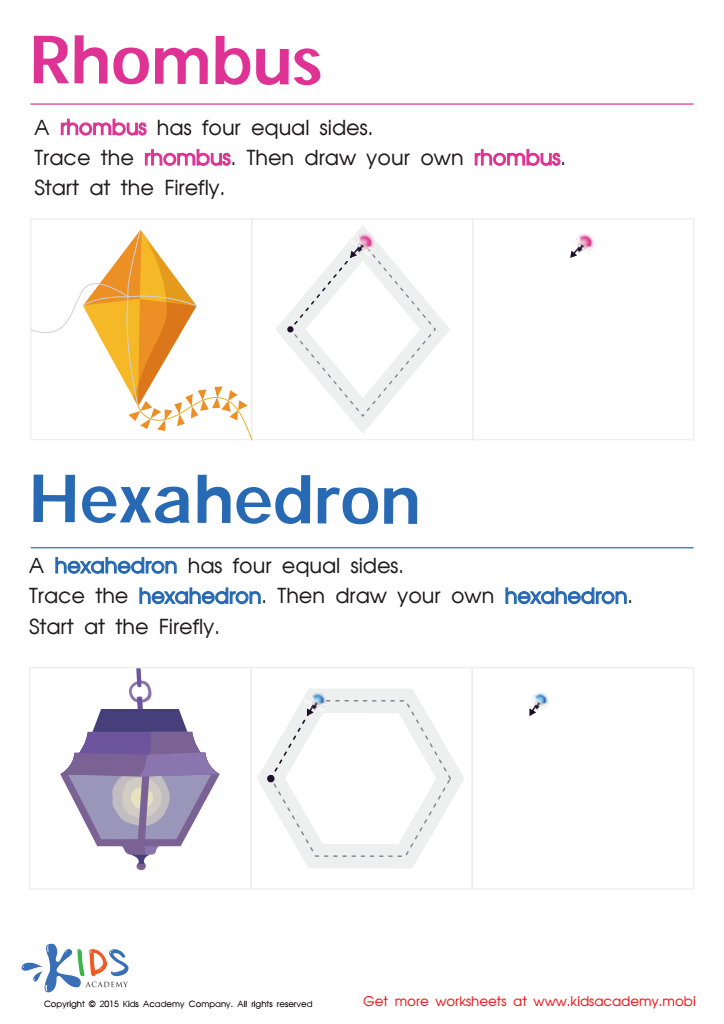
Draw a Rhombus And a Hexahedron Printable
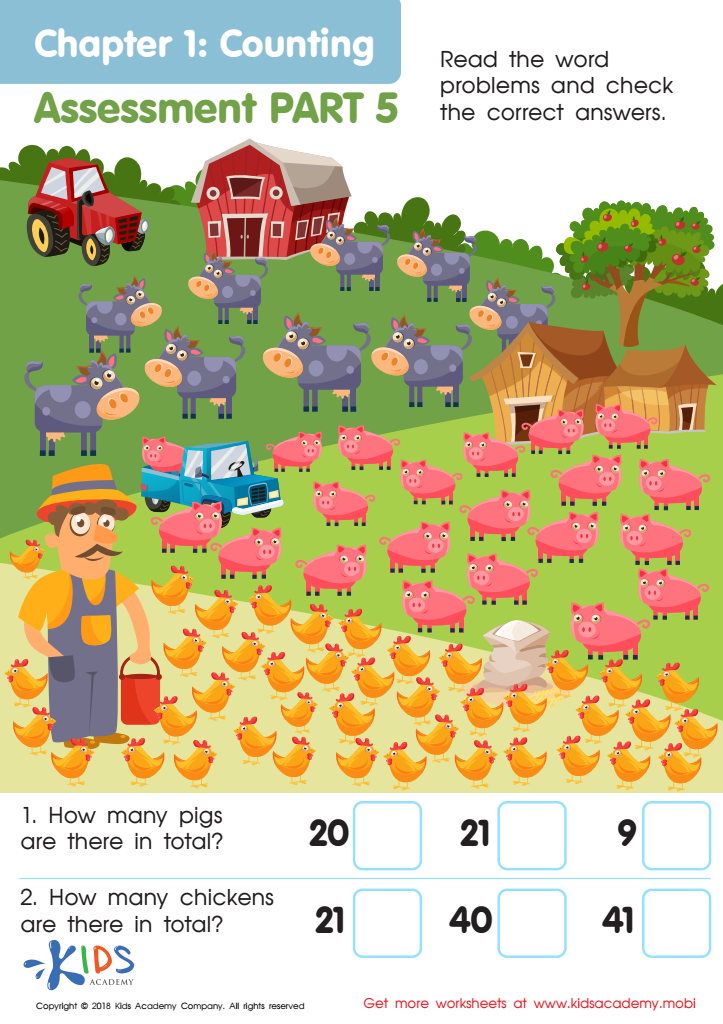
Counting: Assessment 5 Worksheet
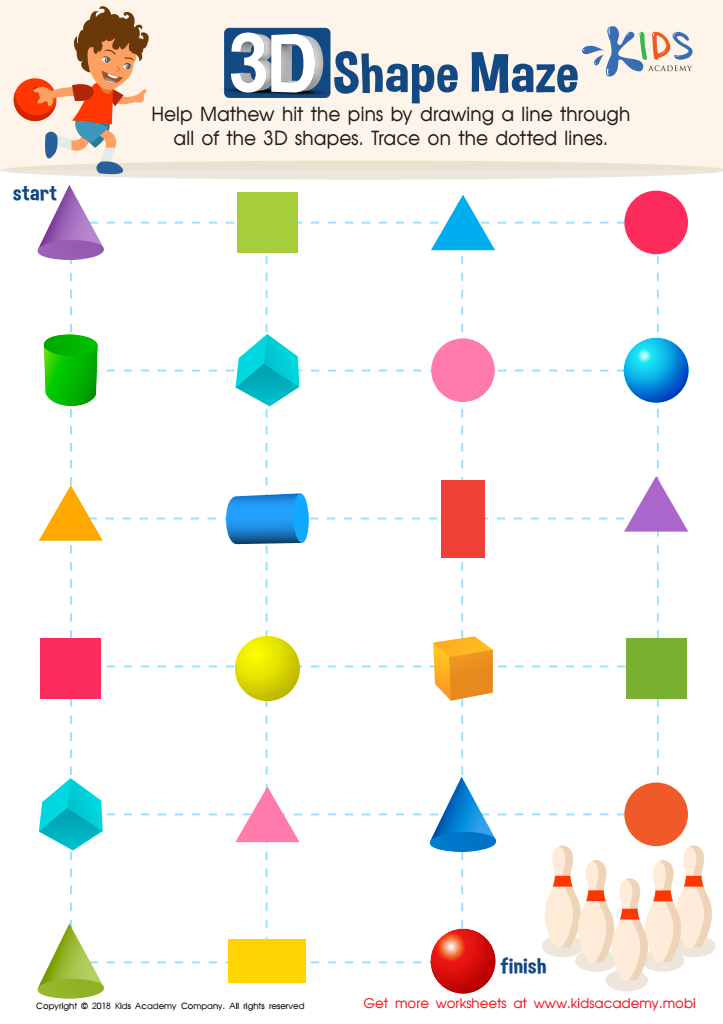
Shapes Maze Geometry Worksheet
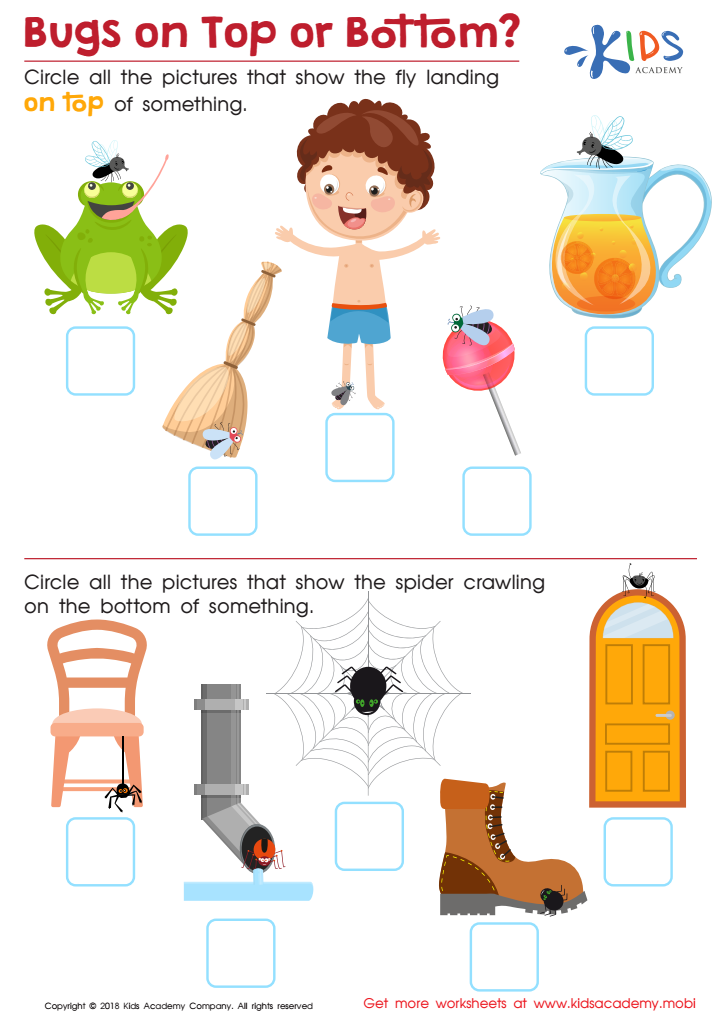
Bugs on Top or Bottom? Worksheet
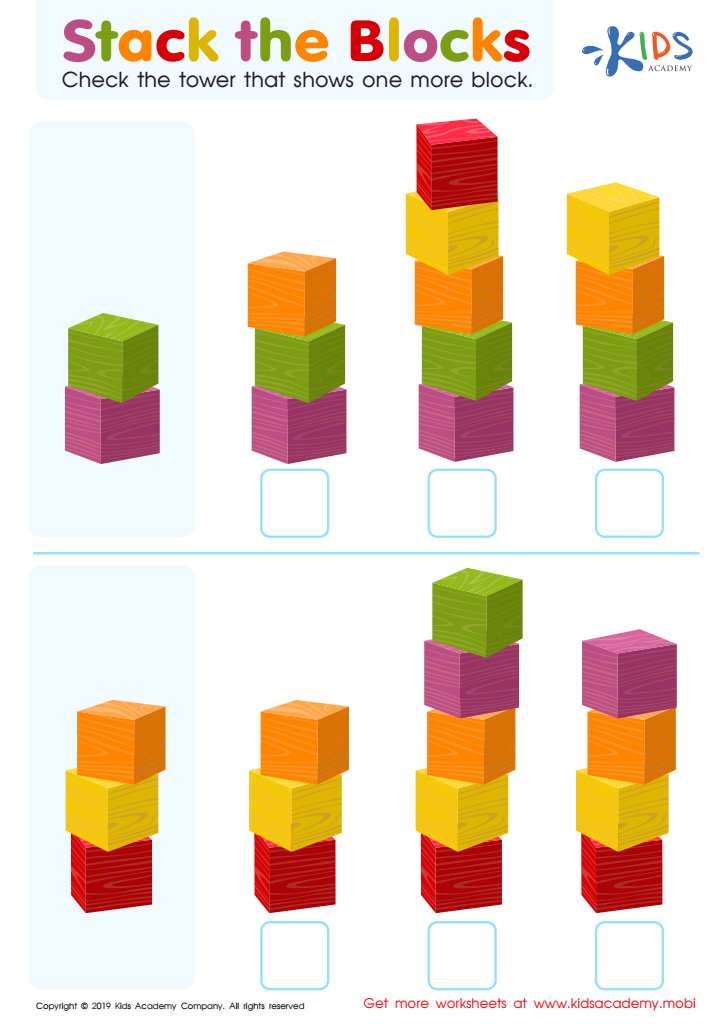
Stack the Blocks Worksheet
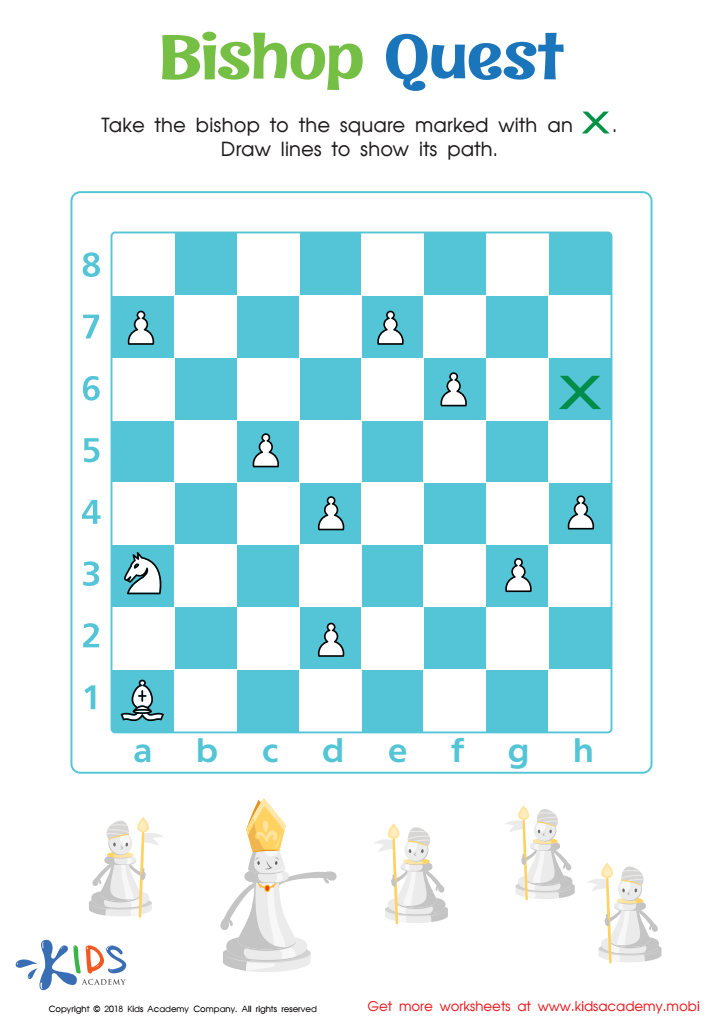
Bishop Quest Worksheet
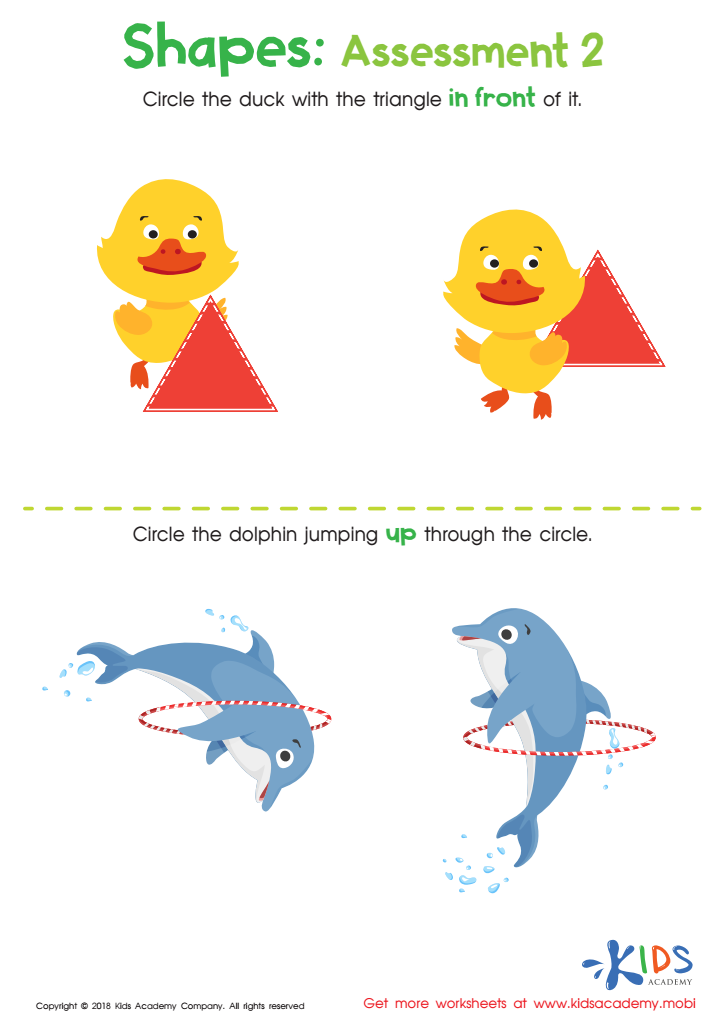
Geometry – Assessment 2 Worksheet






Spatial reasoning is incredibly crucial for children aged 3-5, and parents and teachers have every reason to care deeply about its development. At its core, spatial reasoning involves understanding and remembering the shapes, sizes, locations, and movements of objects. This skill forms the foundation for many essential cognitive abilities and is a significant predictor of success in STEM (Science, Technology, Engineering, and Mathematics) fields.
For young children, developing spatial reasoning aids in math skills, such as understanding geometric relationships and problem-solving abilities. These children learn to manipulate objects in their minds, which translates to better handling of numerical concepts later in life. Additionally, spatial skills are connected to literacy; tasks such as recognizing letters and understanding how they form words demand a certain level of spatial awareness.
Moreover, strong spatial reasoning fosters creativity and imagination. Kids can build, draw, and interact more effectively with their surroundings, which stimulates exploration and learning. Practical life skills are also enhanced; for instance, children become more adept at navigating new environments and understanding physical relationships between objects.
For these reasons, adults should incorporate activities that promote spatial reasoning, such as block play, puzzles, and drawing, into daily routines. Doing so not only supports immediate developmental milestones but also lays the groundwork for future academic and real-world successes.








