Understanding number patterns Worksheets for Ages 3-5
3 filtered results
-
From - To
Discover the exciting world of number patterns with our engaging worksheets designed specifically for children ages 3-5! These interactive resources help young learners develop crucial early math skills through fun activities that introduce the concept of repeating sequences and patterns. Our colorful, age-appropriate worksheets encourage children to recognize, create, and extend patterns, fostering critical thinking and problem-solving abilities. With a mix of visual aids and hands-on exercises, these worksheets make learning enjoyable and accessible. Whether at home or in the classroom, our Understanding Number Patterns Worksheets are the perfect tool to support your child's mathematical journey. Start exploring today!
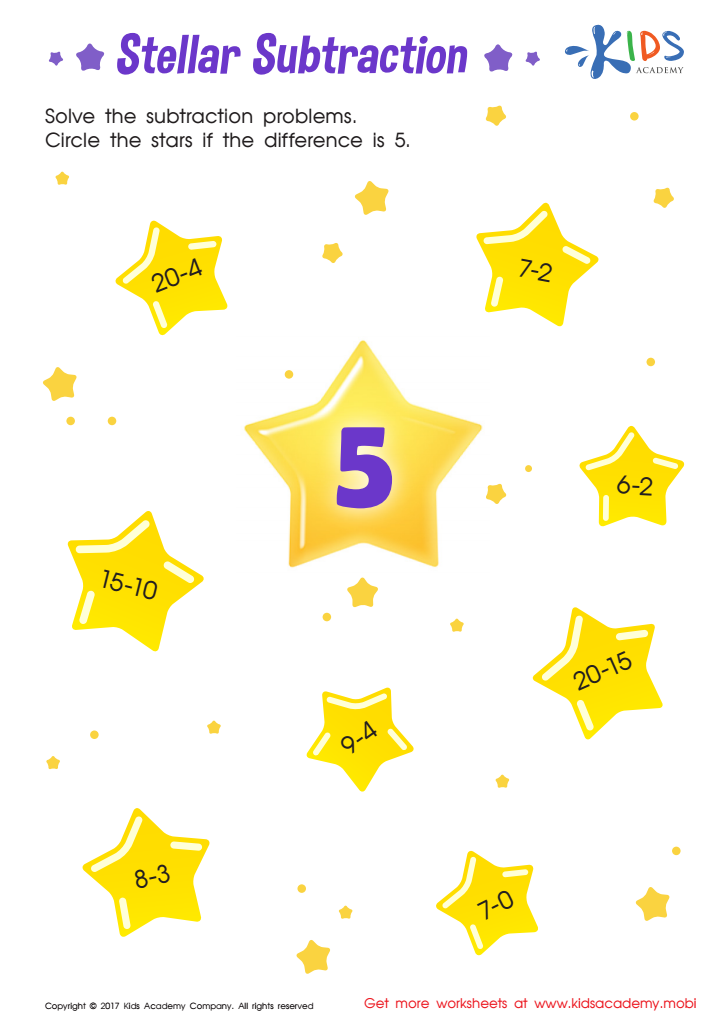
 Assign to My Students
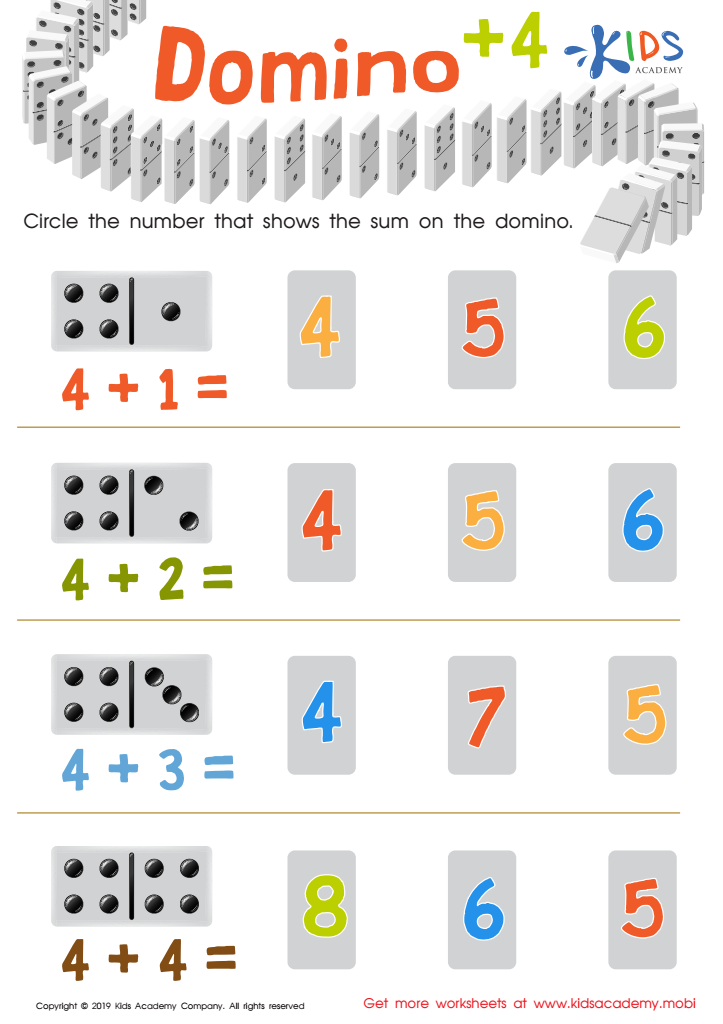
Domino +4 Worksheet
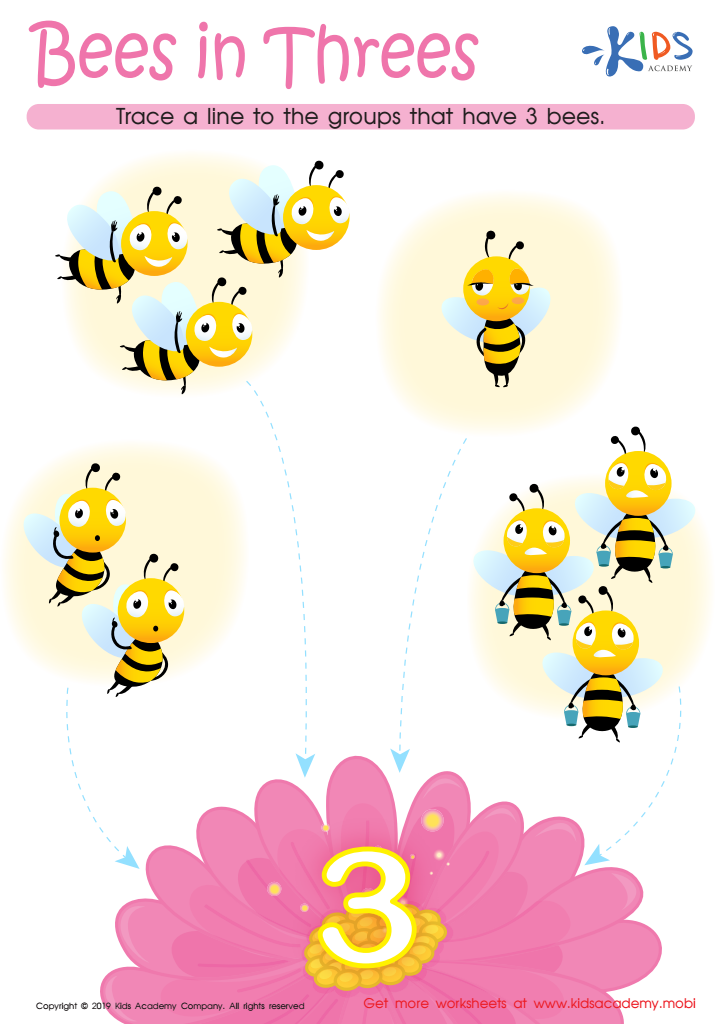
Bees in Threes Worksheet




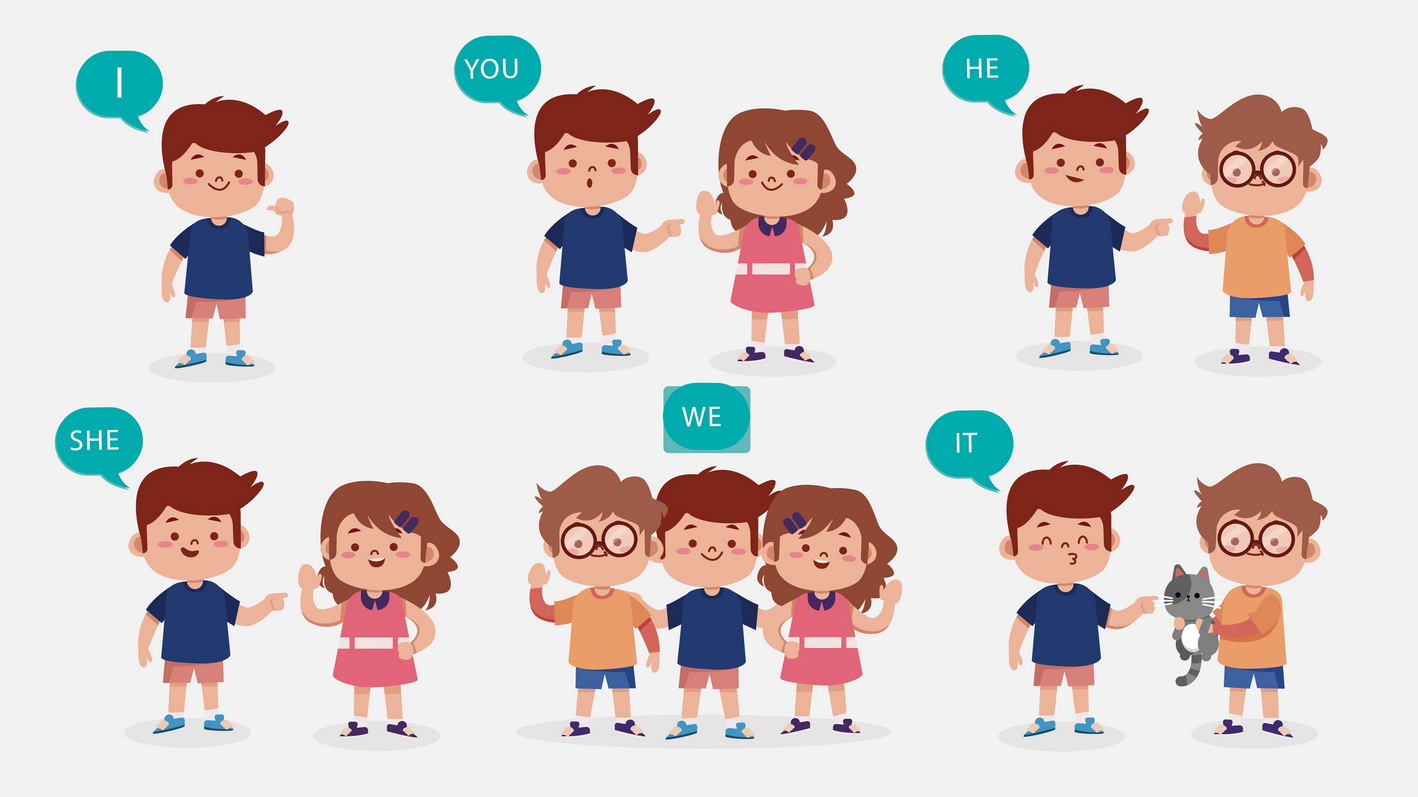



Understanding number patterns is vital for children aged 3-5 as it lays the foundation for essential mathematical skills and cognitive development. During these formative years, children are naturally inclined to recognize, predict, and create patterns, which enhances their problem-solving abilities and critical thinking. Parents and teachers should prioritize these experiences because recognizing number patterns helps children develop a solid grasp of numerical concepts, including counting, addition, and sequencing.
Engaging children with number patterns cultivates a curiosity about mathematics and fosters a positive attitude toward learning. It encourages playful exploration through games, songs, and hands-on activities, making learning enjoyable and interactive. Moreover, early exposure to these concepts can lead to higher confidence in advanced math skills as they progress in school.
Further, understanding patterns in numbers allows children to generalize their knowledge and apply it to various real-life situations, promoting cognitive flexibility. When parents and teachers actively involve children in identifying and creating patterns, they help build critical foundations that transcend mere memorization. Instead, children can engage in meaningful learning, making sense of the world around them. Ultimately, nurturing an understanding of number patterns empowers children to succeed academically and in everyday life.








