Introduce your little learners to the fascinating world of symmetry with our engaging "Understanding Symmetry Worksheets" designed specifically for ages 3-5! These worksheets provide a playful yet educational approach to help preschoolers grasp the concept of symmetry through fun activities and vibrant illustrations. From identifying symmetrical shapes to completing patterns, children will develop critical thinking skills while enhancing their creativity. Perfect for teachers and parents alike, these resources make learning about symmetry an enjoyable experience! Unlock your child's potential and watch them thrive as they explore the beauty of balance in shapes. Start their symmetry adventure today!

Check out this FREE "Understanding symmetry" Trial Lesson for age 3-5!

Objects in the Environment- Circle, Square, Triangle & Rectangle

Favorites
With answer key
Interactive
  • 3-5
  • Understanding symmetry
Preschool geometry worksheet

Geometry Worksheet

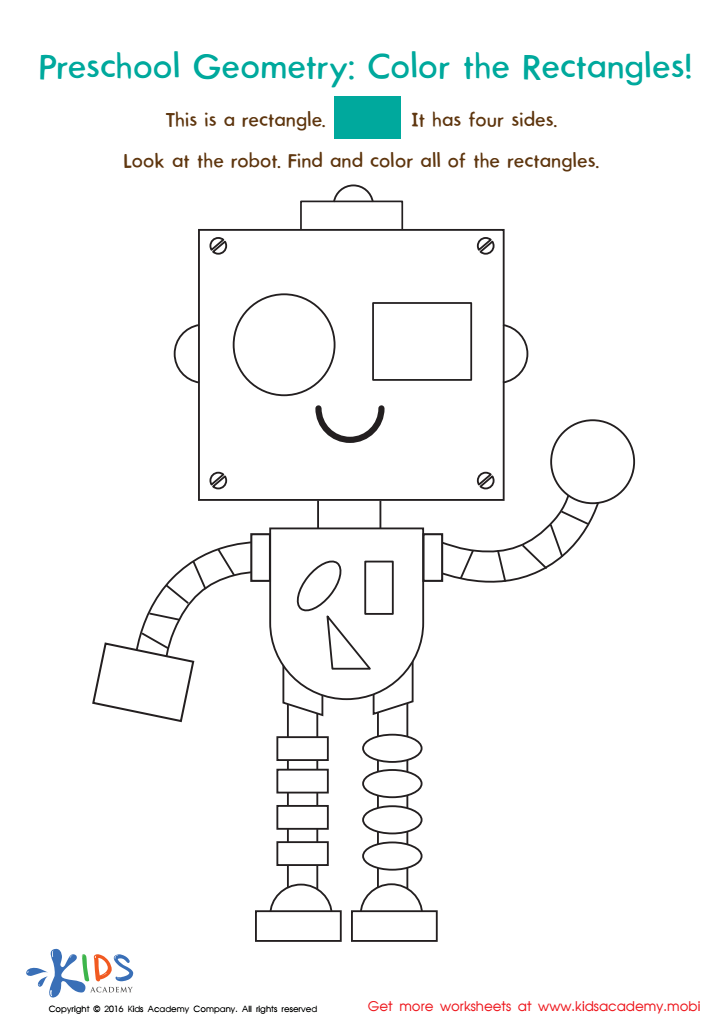
Geometry can be fun for kids! They explore shapes that create their favorite pics and objects. This preschool worksheet explains that rectangles have four sides, then kids color rectangles on a funny robot!
Geometry Worksheet
Worksheet
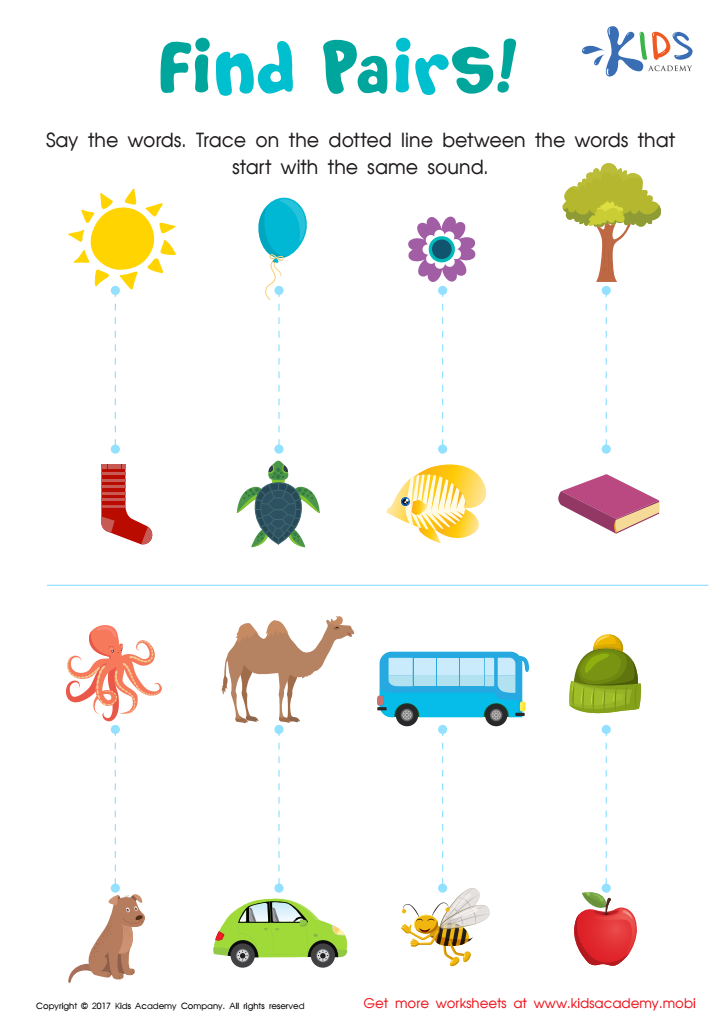
Beginning Sound: Find Pairs Worksheet

Beginning Sound: Find Pairs Worksheet

Phonemic awareness is essential for readers to distinguish hard and soft sounds at the start of words. Our printable worksheet helps your child make meaningful connections and provides visuals for recall - a valuable pre-reading strategy. Pictures are easy to identify and match, setting kids up for success with each pairing.
Beginning Sound: Find Pairs Worksheet
Worksheet
Force and Interactions: Review 2 Worksheet

Force and Interactions: Review 2 Worksheet

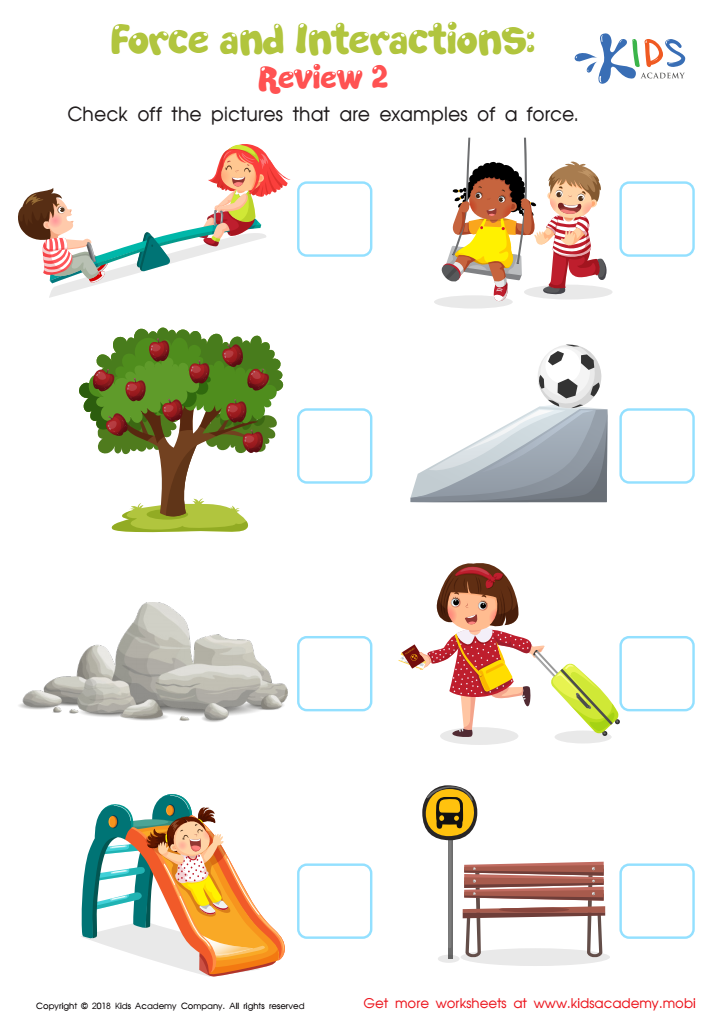
Your child can identify force examples by checking the pictures. There are 8 images of kids engaging in activities and objects in motion. Get them to name the activities and objects, or if they know, explain force and interaction.
Force and Interactions: Review 2 Worksheet
Worksheet
Butterfly Addition Worksheet

Butterfly Addition Worksheet

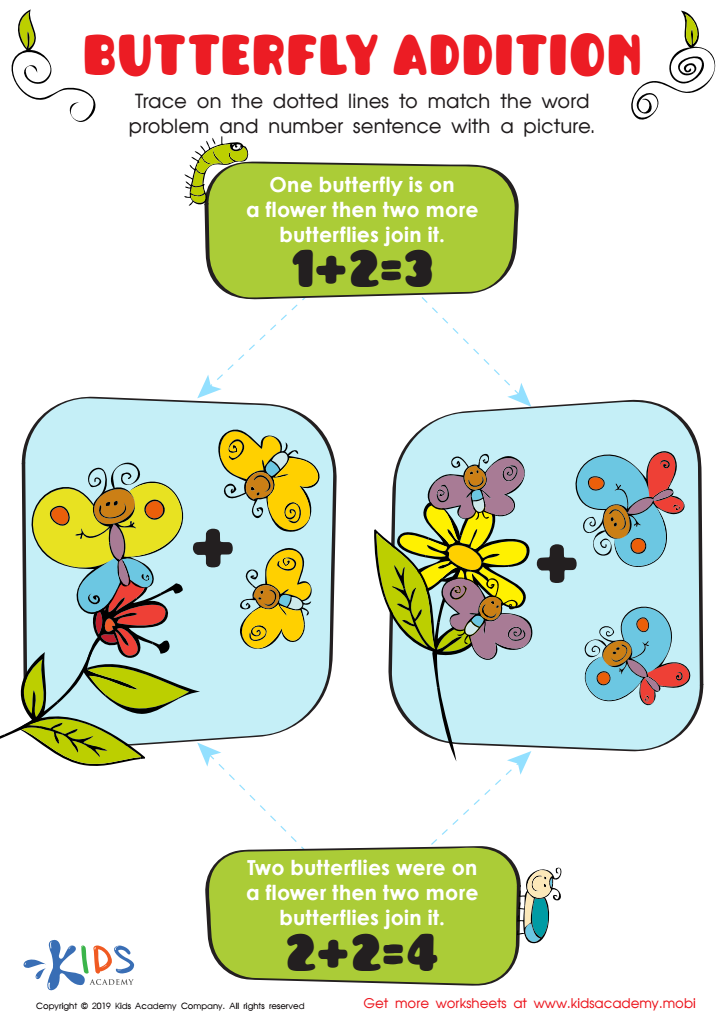
This tracing sheet is great for kids to work on math skills and have fun too. Read the word problems to them, then help them trace the dotted lines to match the problem and number sentence to a picture. Not only is it educational, it's beautiful too - your kids will love learning about butterflies!
Butterfly Addition Worksheet
Worksheet
Counting: Assessment 5 Worksheet

Counting: Assessment 5 Worksheet

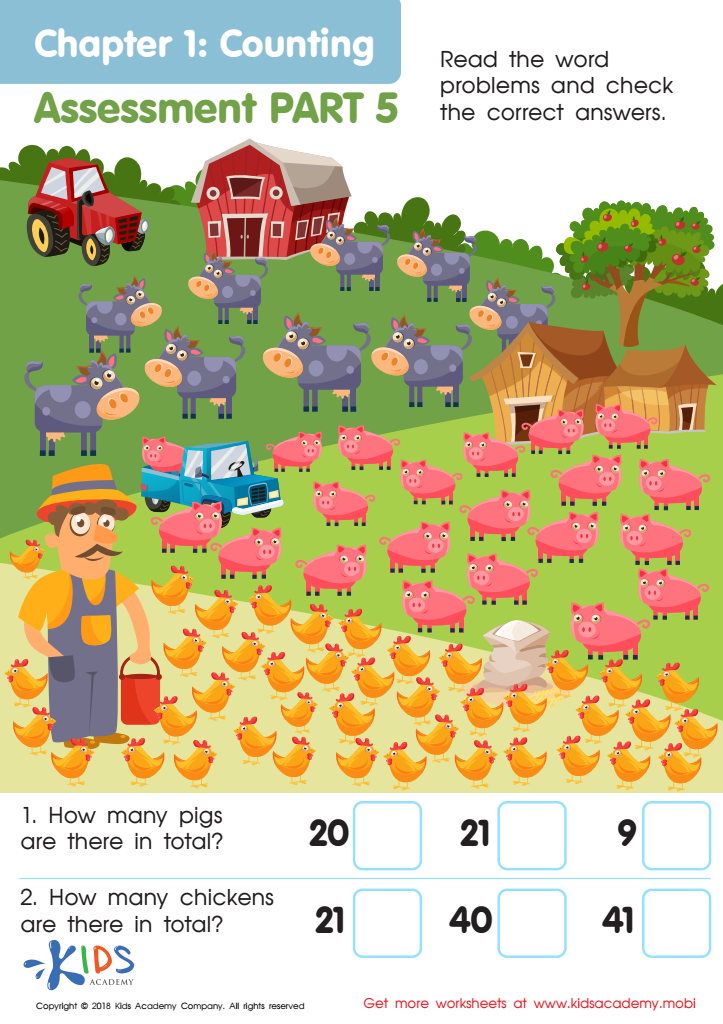
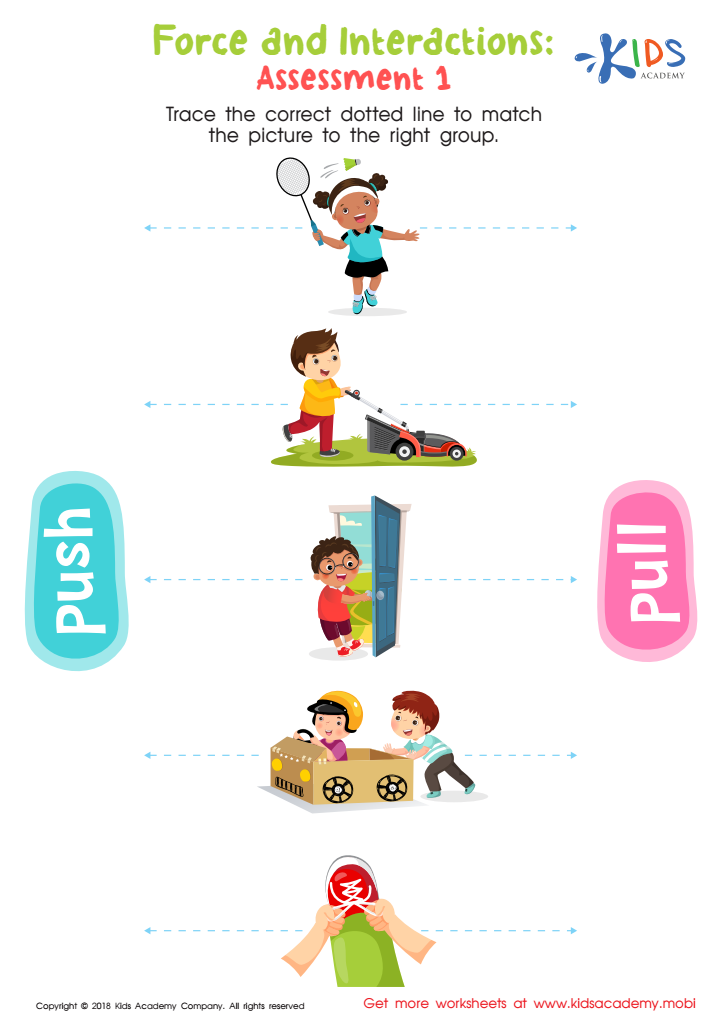
Let your kids have fun counting farm animals on this worksheet! Help the farmer count the animals and have your child check the answers to assess their counting skills. Read the word problem at the bottom of the page and count the animals together. It's an entertaining way to practice counting and have a great time!
Counting: Assessment 5 Worksheet
Worksheet
Force and Interactions: Assessment 2 Worksheet

Force and Interactions: Assessment 2 Worksheet

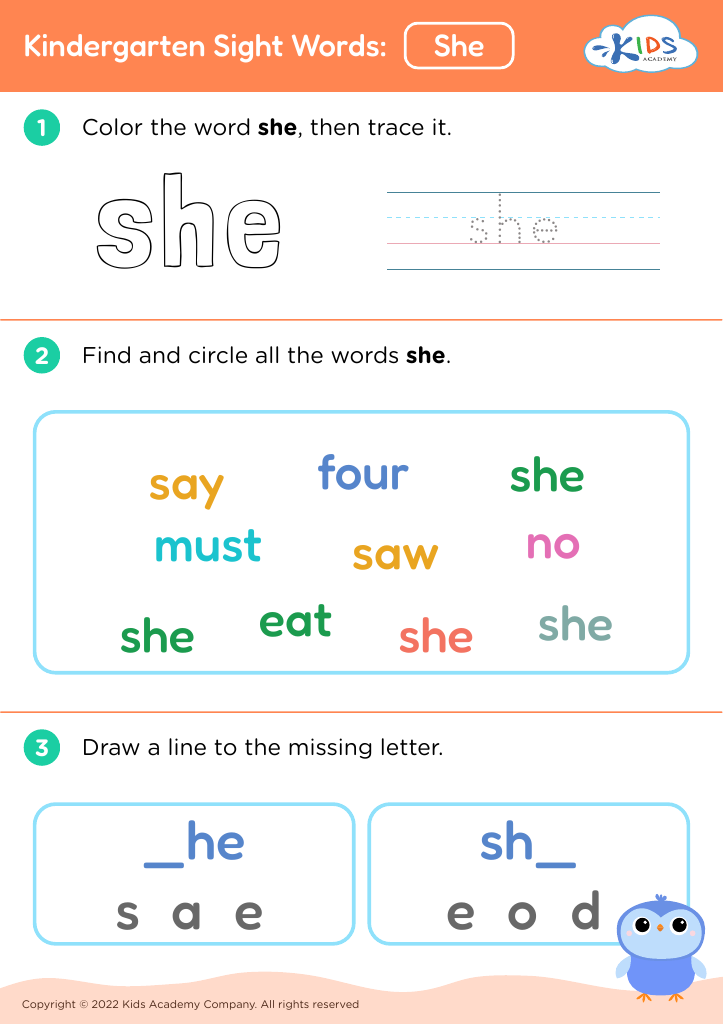
Help your child see the difference between push and pull with this fun worksheet. Ask them to match each picture to the right group. The "push" is on the left and the "pull" is on the right. Assist them in tracing the activities and explain what it is the people are doing.
Force and Interactions: Assessment 2 Worksheet

Worksheet
Kindergarten Sight Words: She

Kindergarten Sight Words: She

Kindergarten Sight Words: She
Worksheet


Understanding symmetry is crucial for young children aged 3-5 as it lays the foundation for their mathematical reasoning and cognitive development. At this age, children are naturally curious and engaged in exploring the world around them. Introducing the concept of symmetry can enhance their observation skills, enabling them to recognize patterns in nature, art, and daily life.

Symmetry encourages spatial awareness, helping children comprehend how objects relate to one another and their environment. This foundational skill can lead to improved problem-solving abilities as they learn to compare, analyze, and classify objects. For example, when children identify symmetric shapes in play or craft activities, they develop critical thinking as they discuss and manipulate those shapes.

Additionally, the exploration of symmetry cultivates creativity and self-expression through art. Encouraging children to create symmetrical designs fosters their imagination and motor skills. Parents and teachers can further enhance learning experiences by incorporating symmetry into games, storytelling, and real-life examples.

Ultimately, understanding symmetry not only supports early mathematical skills but also enriches a child's overall cognitive development, setting them up for future success in various academic areas. Emphasizing these concepts in early education will cultivate a love for learning and discovery.