Visual comprehension Worksheets for Ages 3-5
9 filtered results
-
From - To
Discover the perfect visual comprehension worksheets for children ages 3-5 at Kids Academy! Our engaging resources are designed to enhance your child’s cognitive abilities and critical thinking skills. Each worksheet encourages imaginative thinking by using colorful images and interactive activities that spark curiosity and promote learning through play. Children will improve their ability to interpret visual information, recognize patterns, and understand relationships between objects while having fun. Ideal for homeschooling or classroom settings, our visual comprehension worksheets ensure young learners grasp essential concepts early on. Explore our collection today to support your child's educational journey and build a strong foundation for future learning!
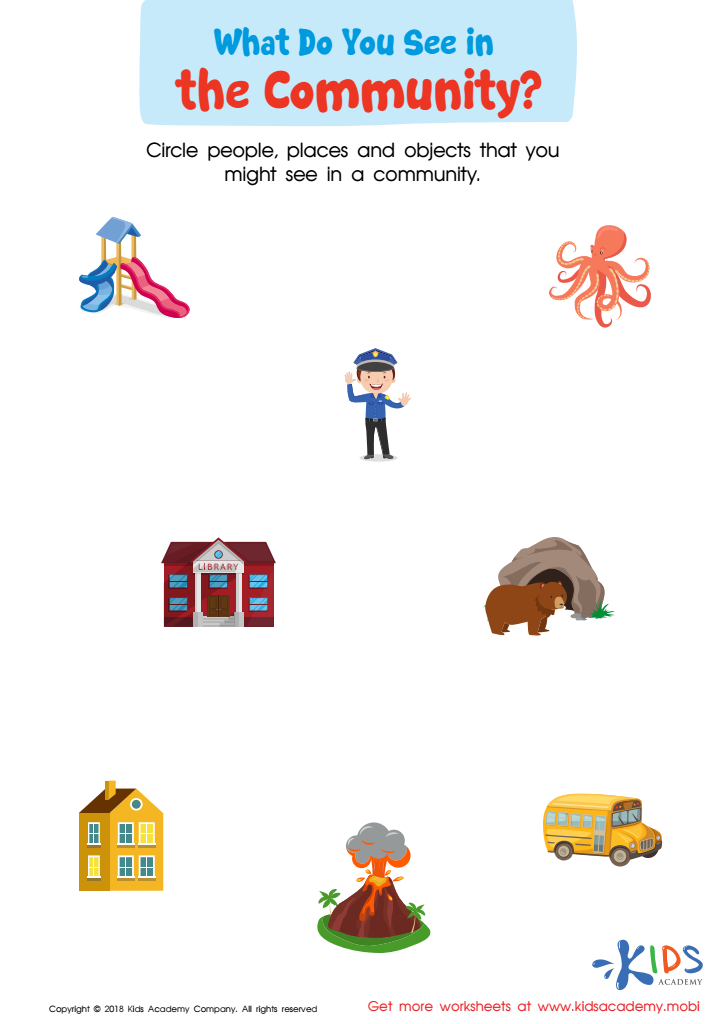
What Do You See in the Community Worksheet
 Assign to My Students
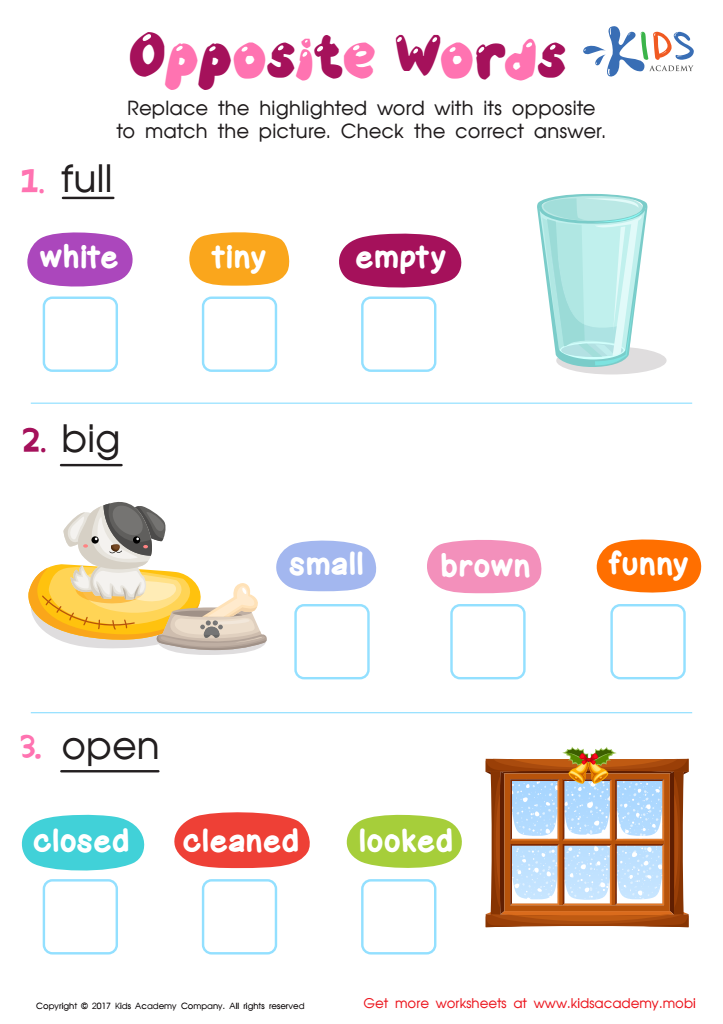
Opposite Words Worksheet
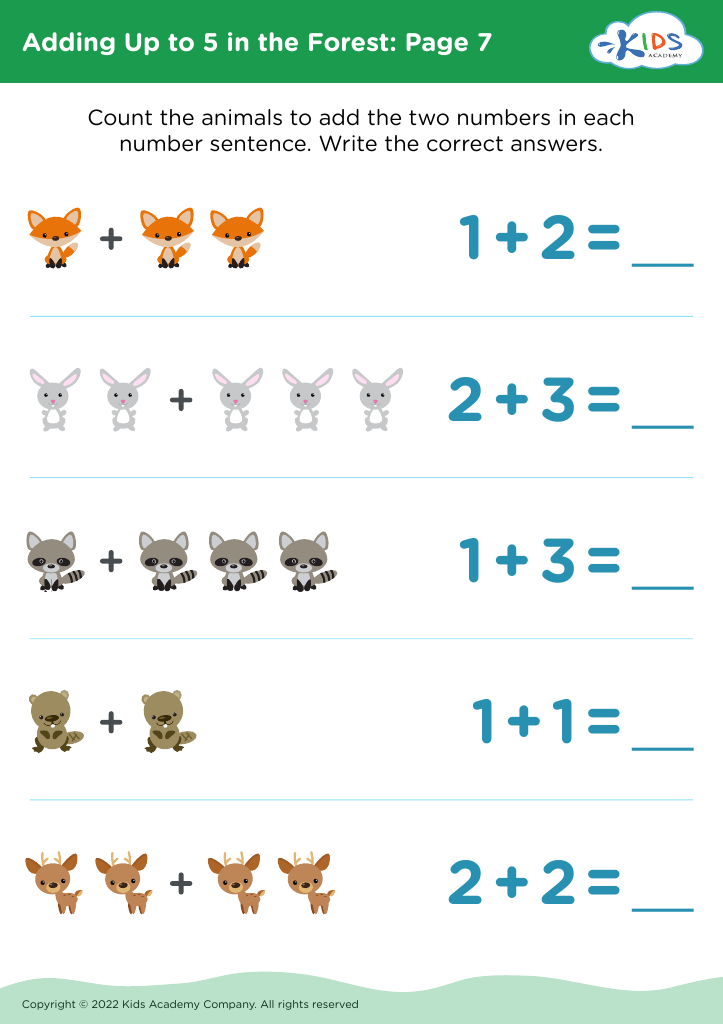
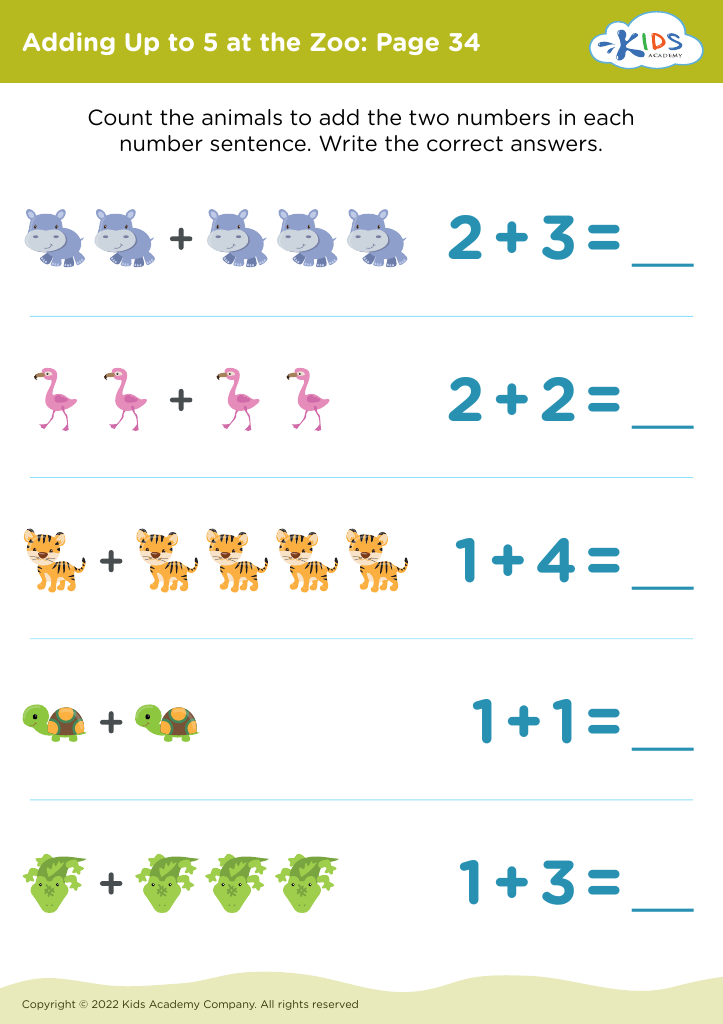
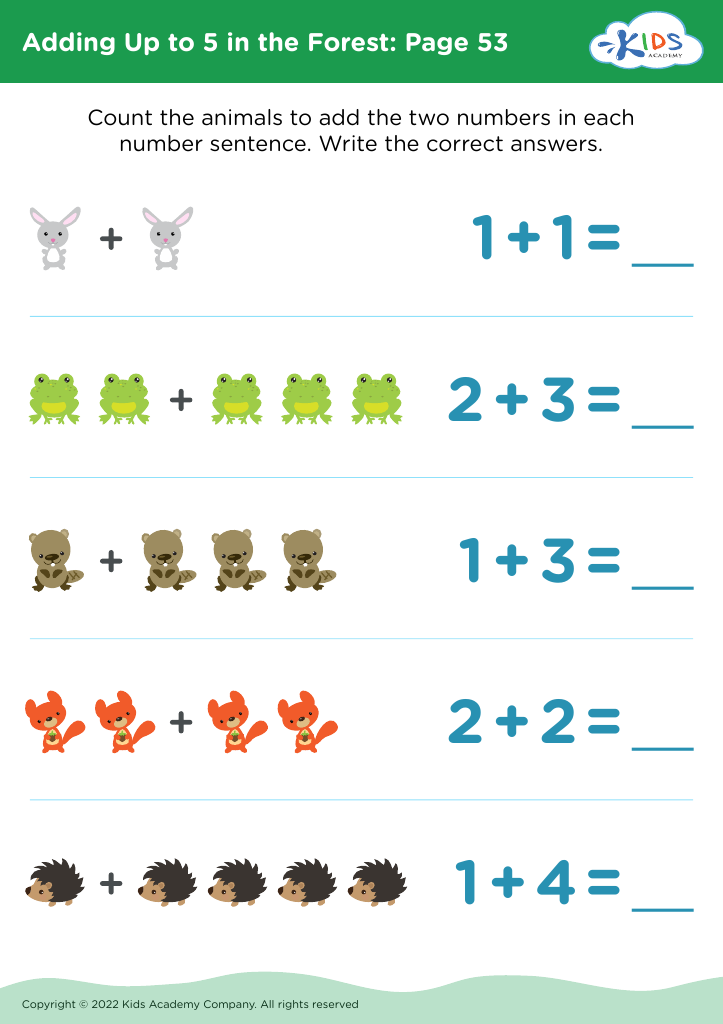
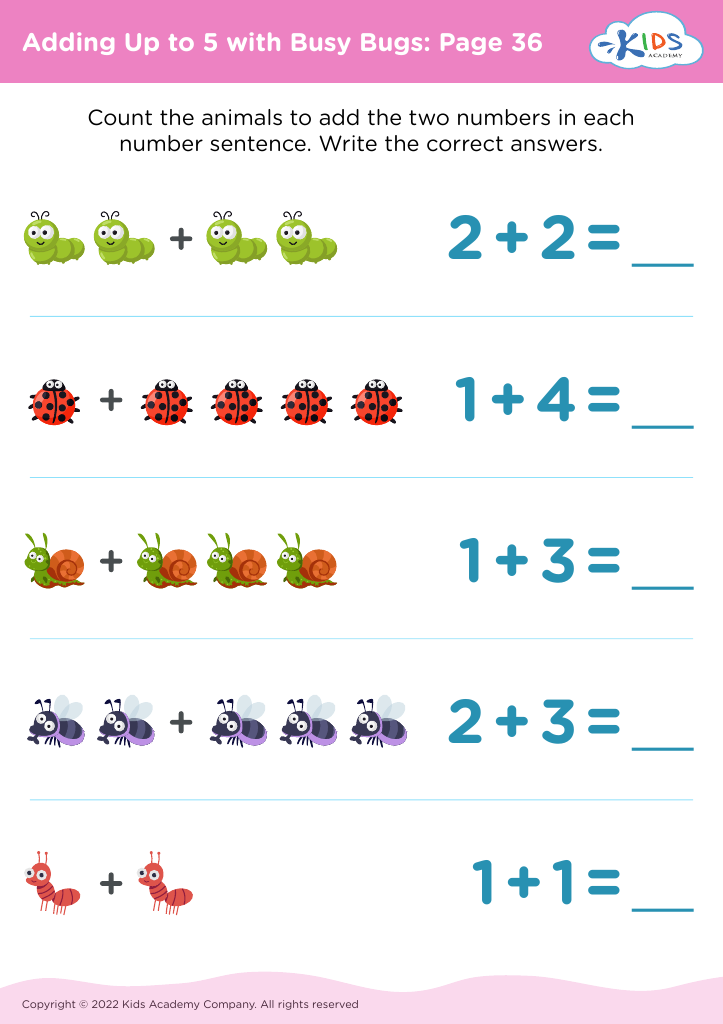
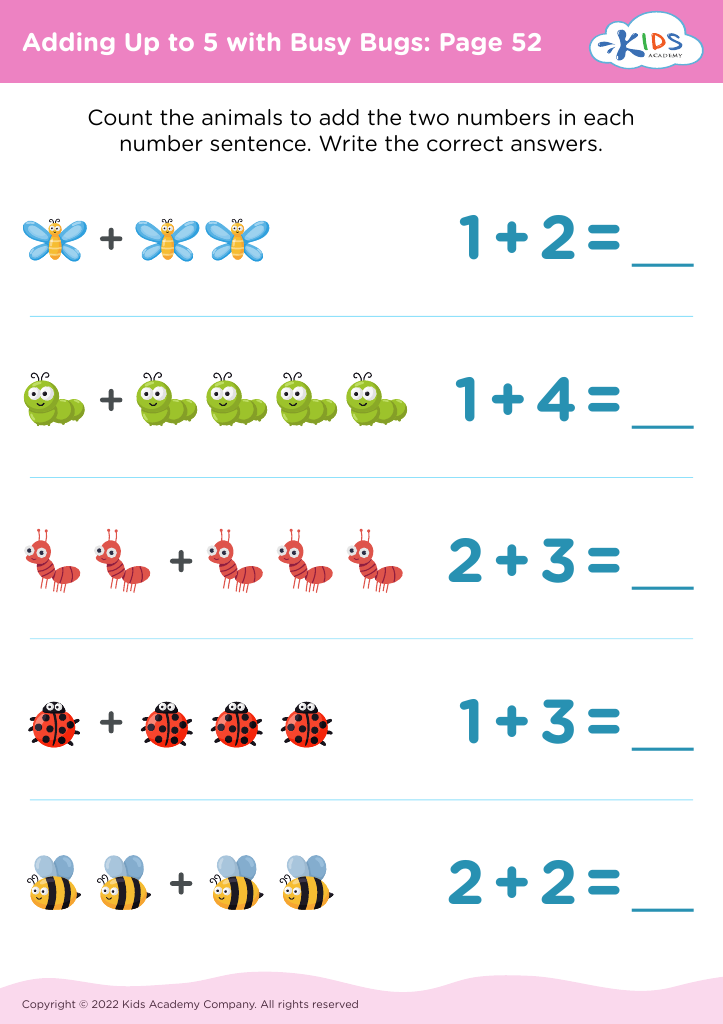








Visual comprehension is crucial for children aged 3-5 as it serves as the foundation for their overall cognitive development and learning processes. During these formative years, children are rapidly developing their ability to interpret and understand visual information in their environment. This skill is not only essential for recognizing letters, numbers, and shapes but also plays a significant role in enhancing critical thinking and problem-solving abilities.
Parents and teachers should care about visual comprehension because it directly impacts a child's early literacy and numeracy skills. When children can effectively interpret visual cues, such as pictures in a storybook or charts that illustrate numerical concepts, they become more engaged learners. This engagement fosters a love for learning that can last a lifetime.
Moreover, visual comprehension aids in social development. Understanding expressions, gestures, and visual contexts helps children navigate social interactions and build friendships.
Encouraging visual comprehension through activities like reading picture books, engaging in arts and crafts, and using educational games can significantly enrich a child’s developmental journey. Ultimately, fostering these skills ensures that young learners are well-prepared for future academic success and holistic growth.








