Addition Facts Worksheets for Ages 3-5 - Page 2
26 filtered results
-
From - To
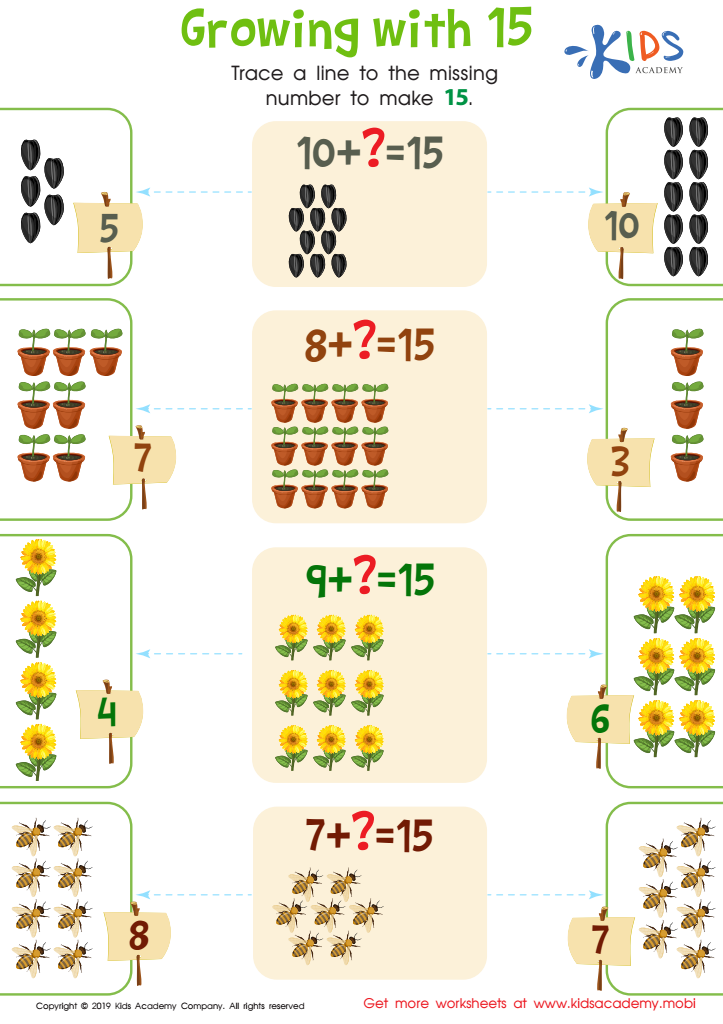
Growing with 15 Worksheet
 Assign to My Students
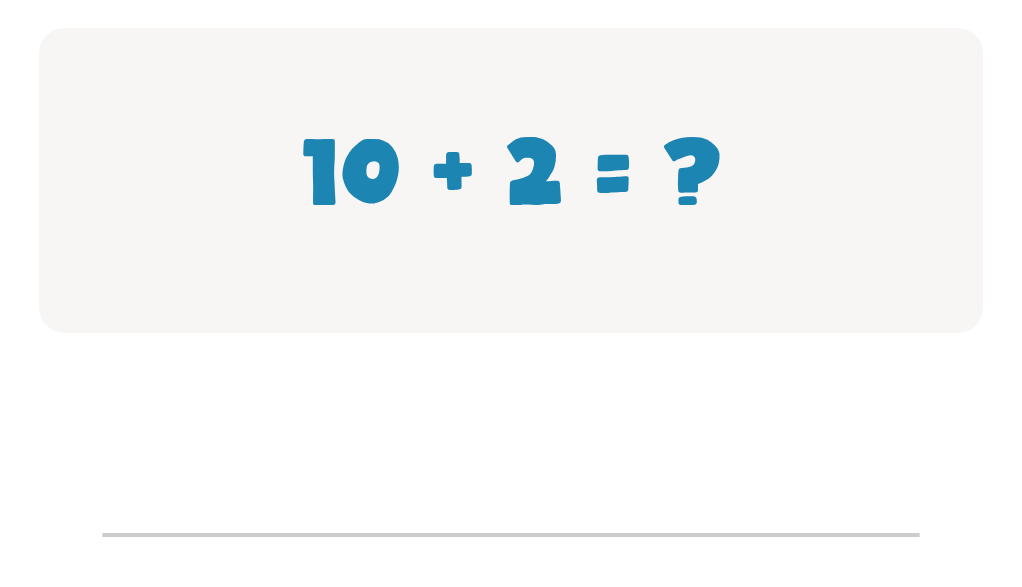

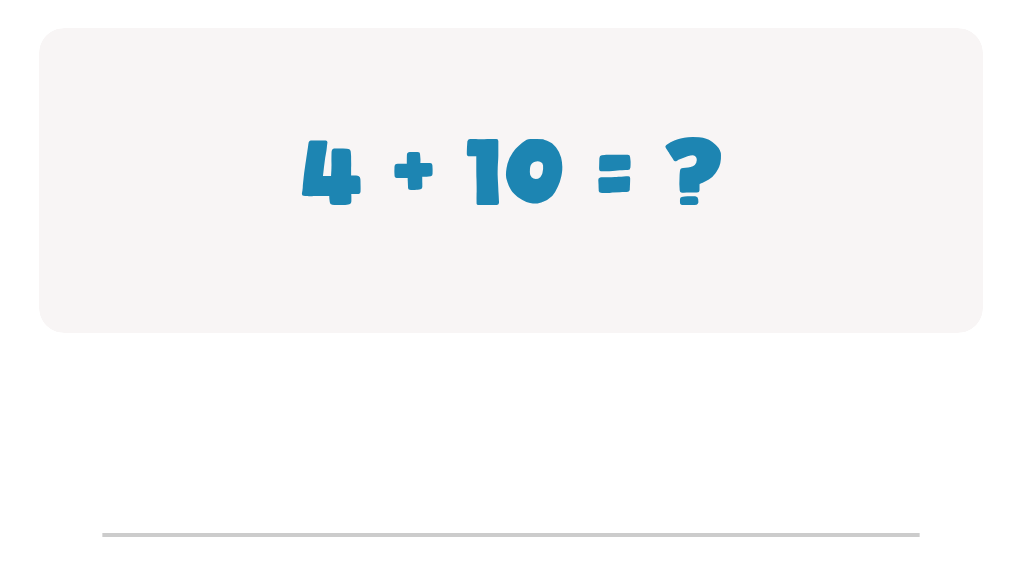
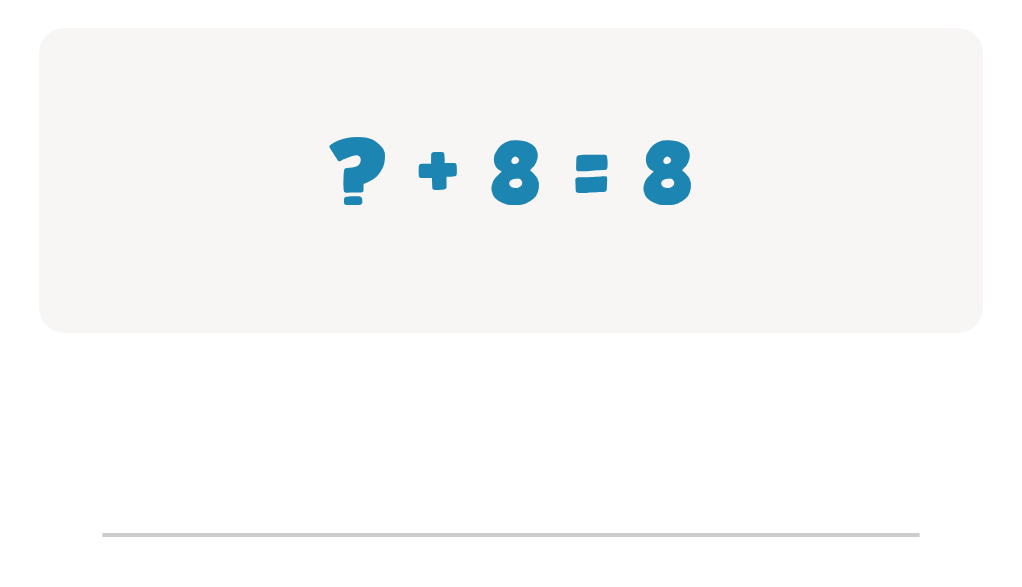

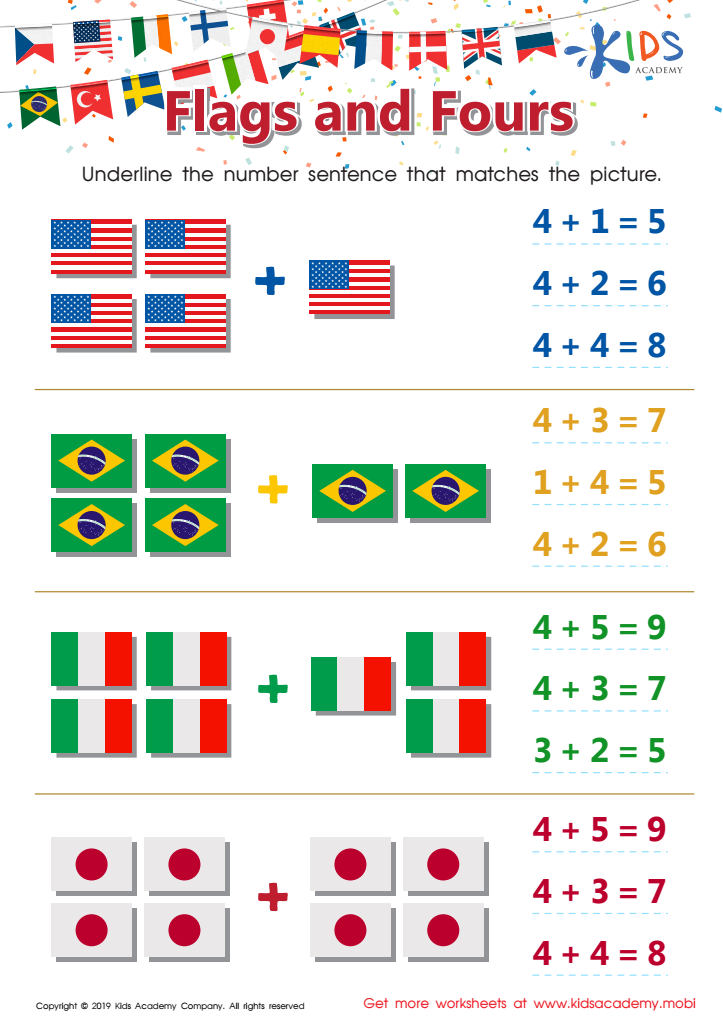
Flags and Fours Worksheet








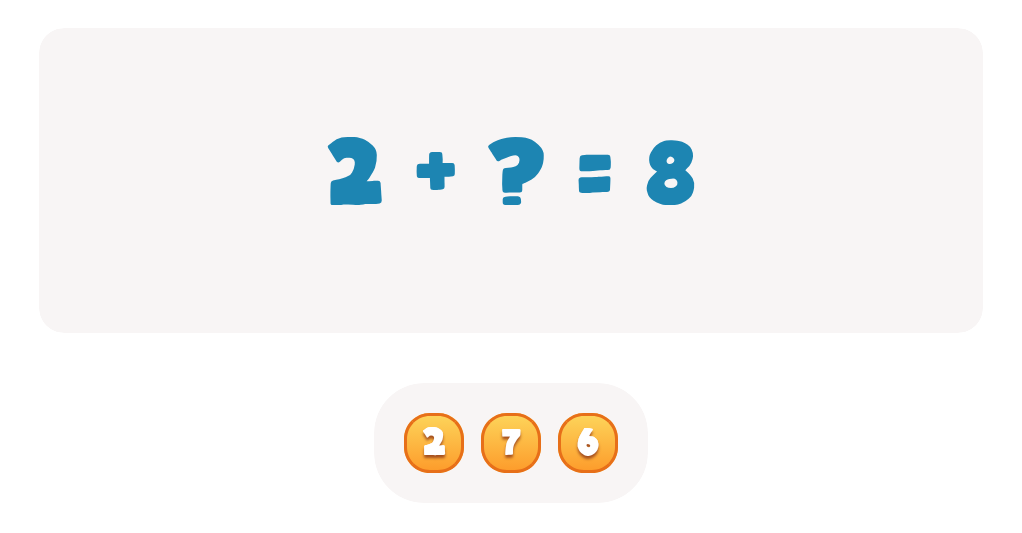
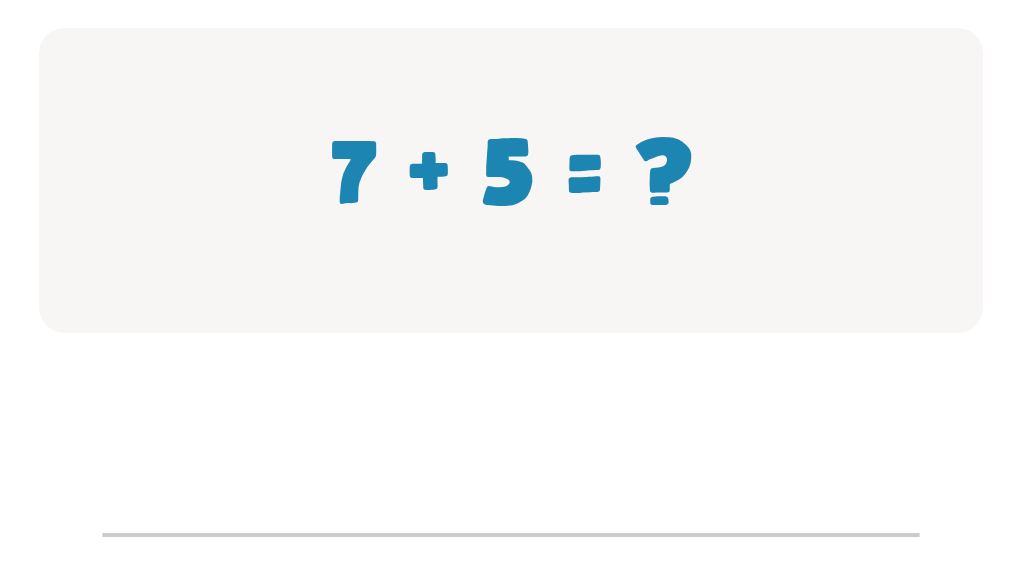
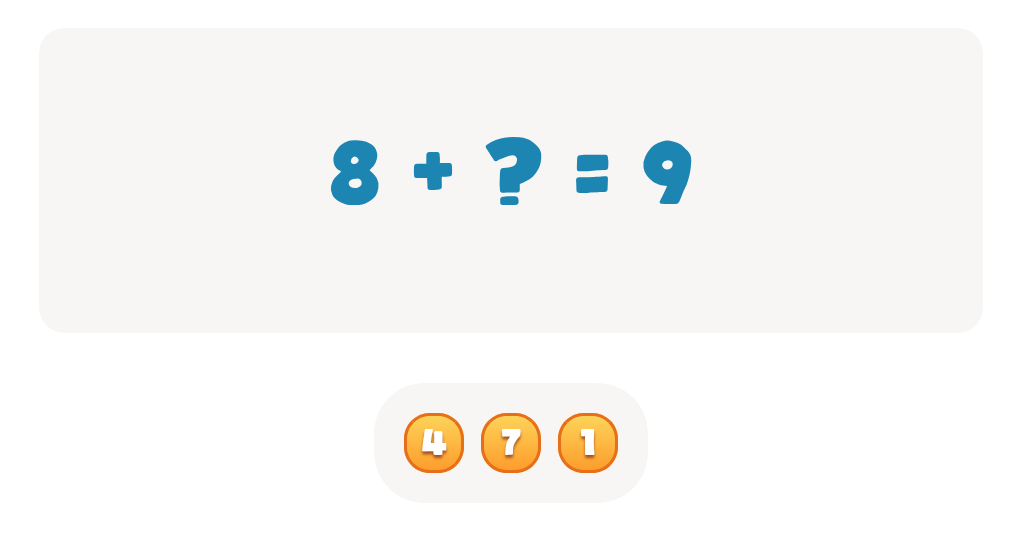
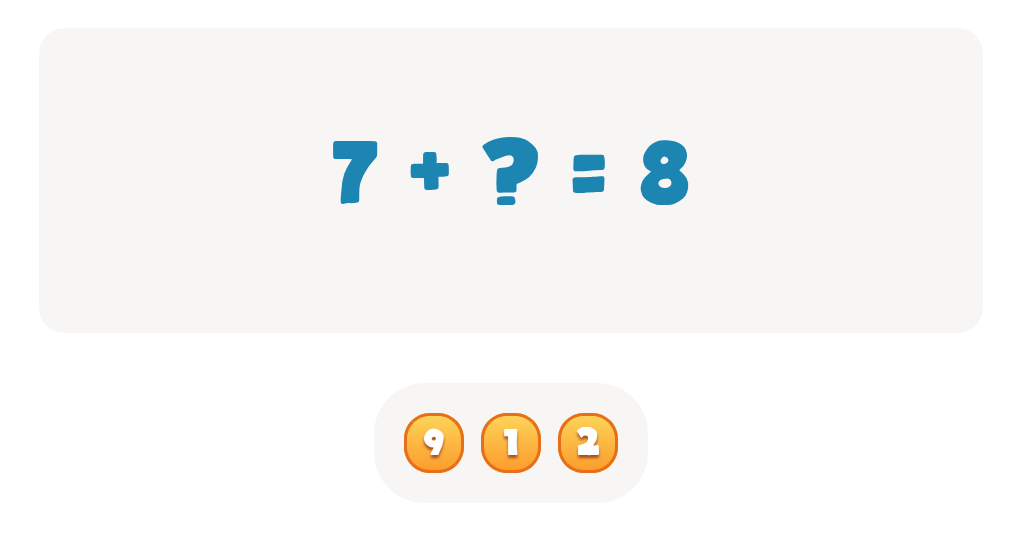
Parents and teachers should care about addition facts for children ages 3-5 as these foundational concepts significantly impact their mathematical development. Early exposure to basic addition cultivates number sense, helping young learners understand how quantities relate to each other. It enhances cognitive skills such as problem-solving and critical thinking, both key components in developing a strong learning foundation.
At this age, children are naturally curious and absorb information rapidly. Teaching addition facts in fun, engaging ways—like through games, songs, or hands-on activities—keeps their interest alive while setting the stage for future learning. Mastery of simple addition facts also boosts confidence in mathematics, paving the way for children to tackle more complex concepts as they progress in their education.
Moreover, math proficiency in the early years is linked to success in later academic pursuits. Parents and teachers play crucial roles in providing positive reinforcement and fostering a love for learning. Encouraging the practice of addition facts through everyday experiences can help strengthen family bonds and promote lifelong learning habits. Ultimately, a solid grasp of these fundamentals in preschool years can make a significant difference in a child's academic journey.








