Check out this FREE Trial Lesson on Addition & Subtraction for age 3-5!

D

Favorites
With answer key
Interactive
  • 3-5
  • Visual Learning
  • Addition & Subtraction
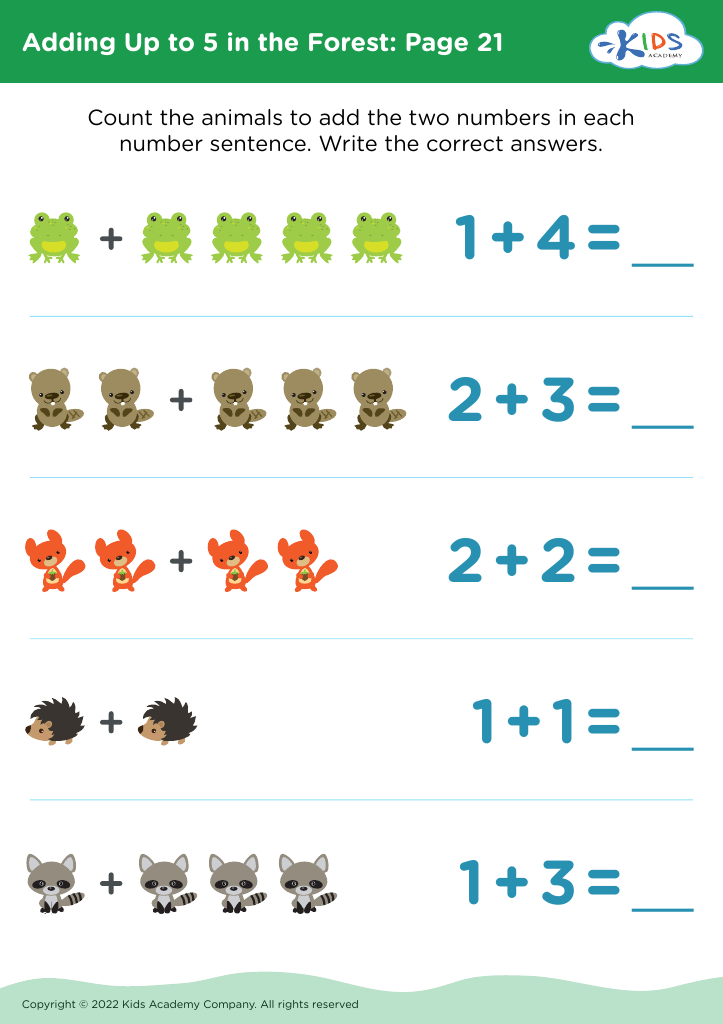
Adding Up to 5 in the Forest: Page 21
Worksheet
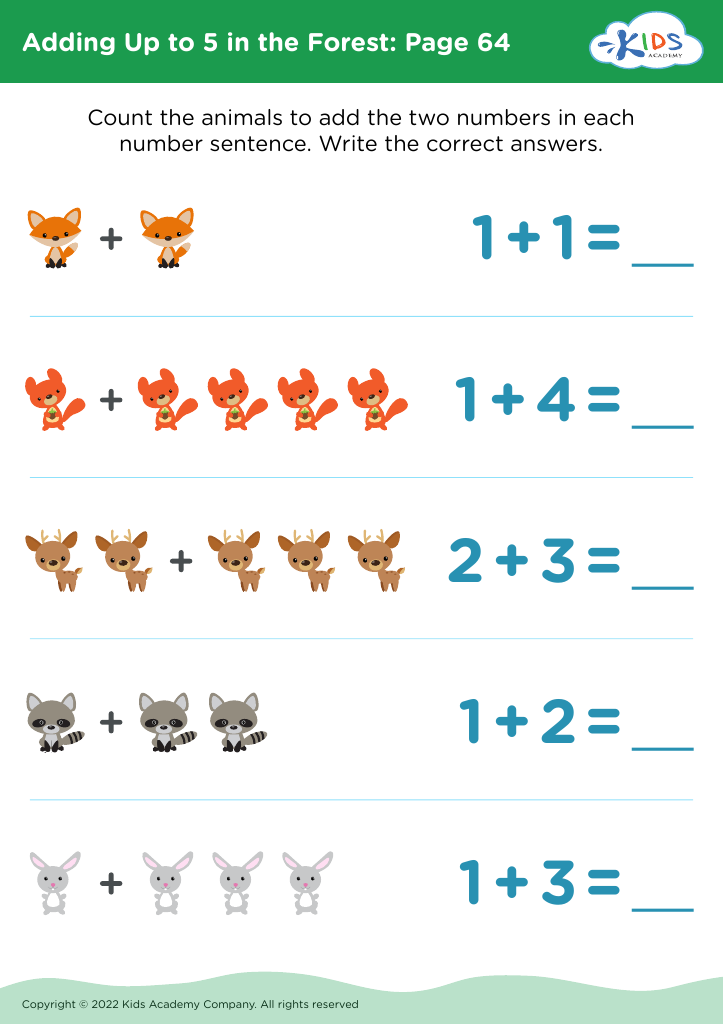
Adding Up to 5 in the Forest: Page 64
Worksheet
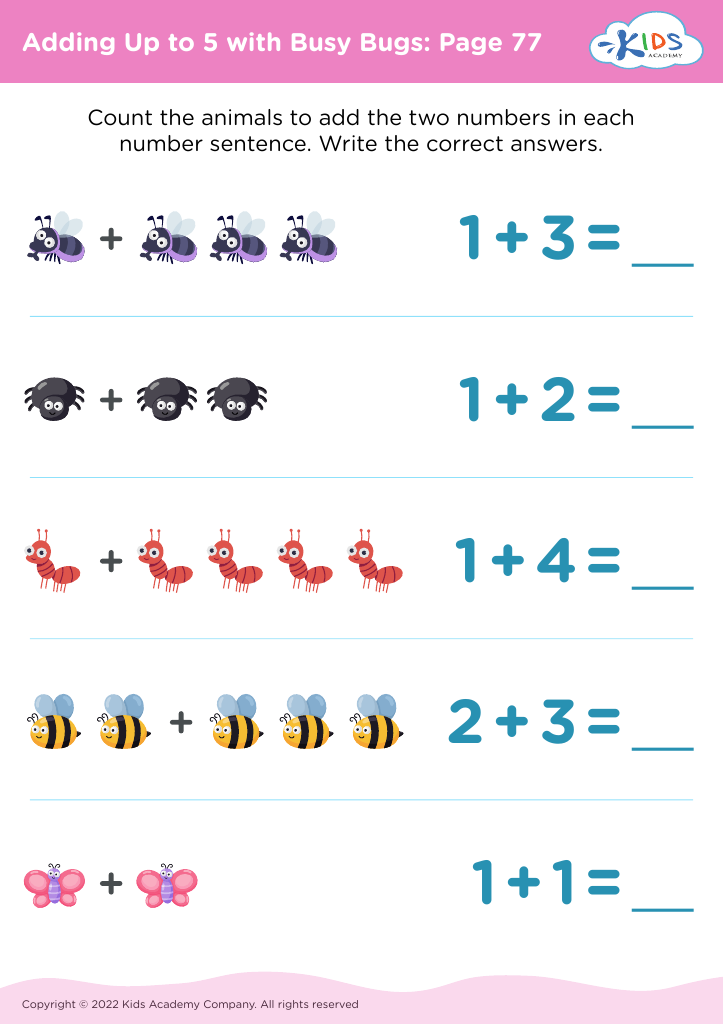
Adding Up to 5 with Busy Bugs: Page 77
Worksheet
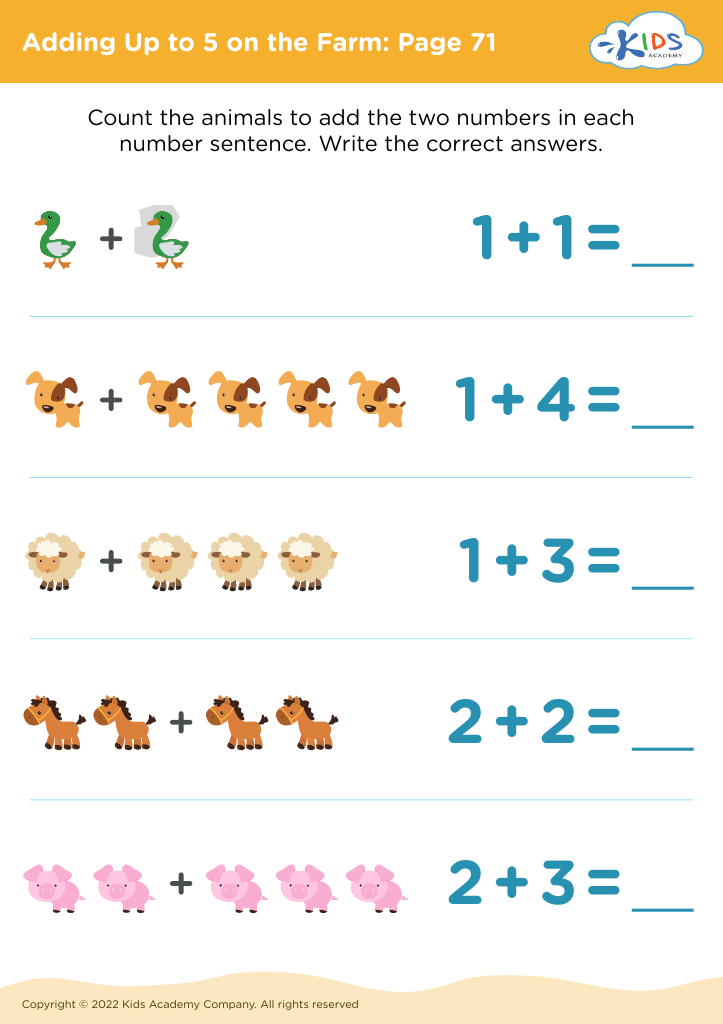
Adding Up to 5 on the Farm: Page 71
Worksheet
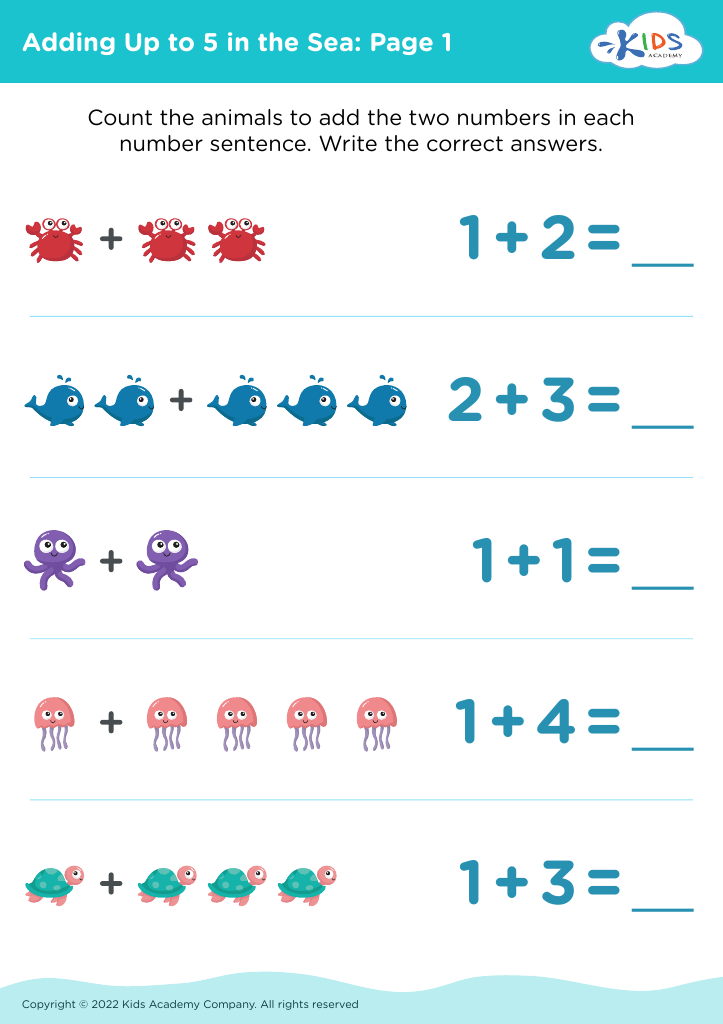
Adding Up to 5 in the Sea: Page 1

Adding Up to 5 in the Sea: Page 1

Adding Up to 5 in the Sea: Page 1
Worksheet
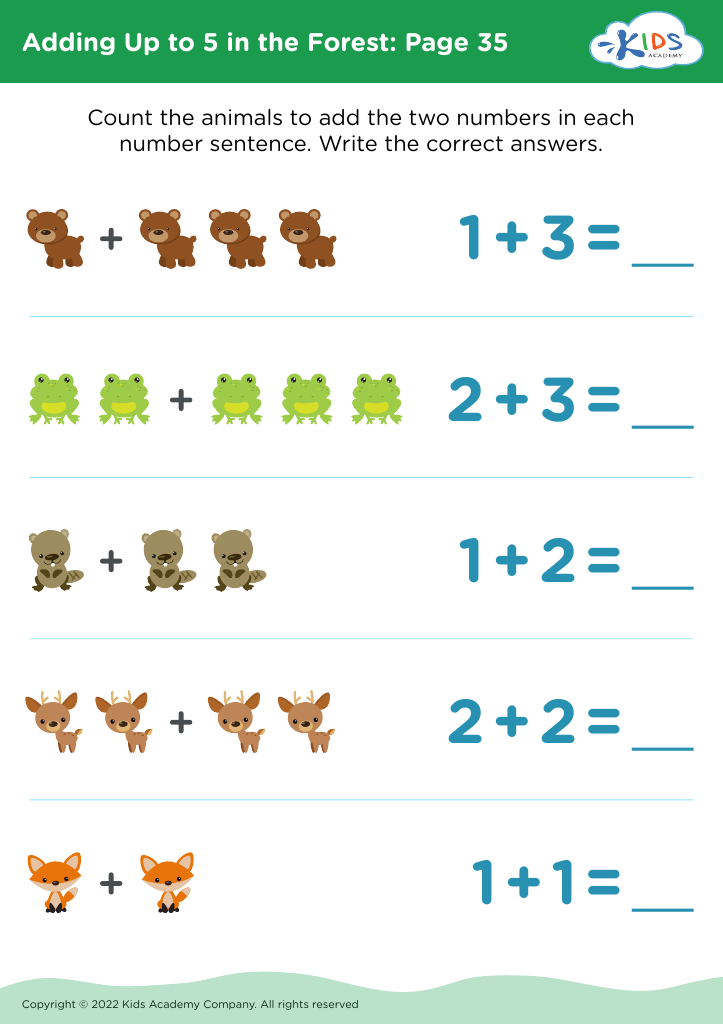
Adding Up to 5 in the Forest: Page 35
Worksheet
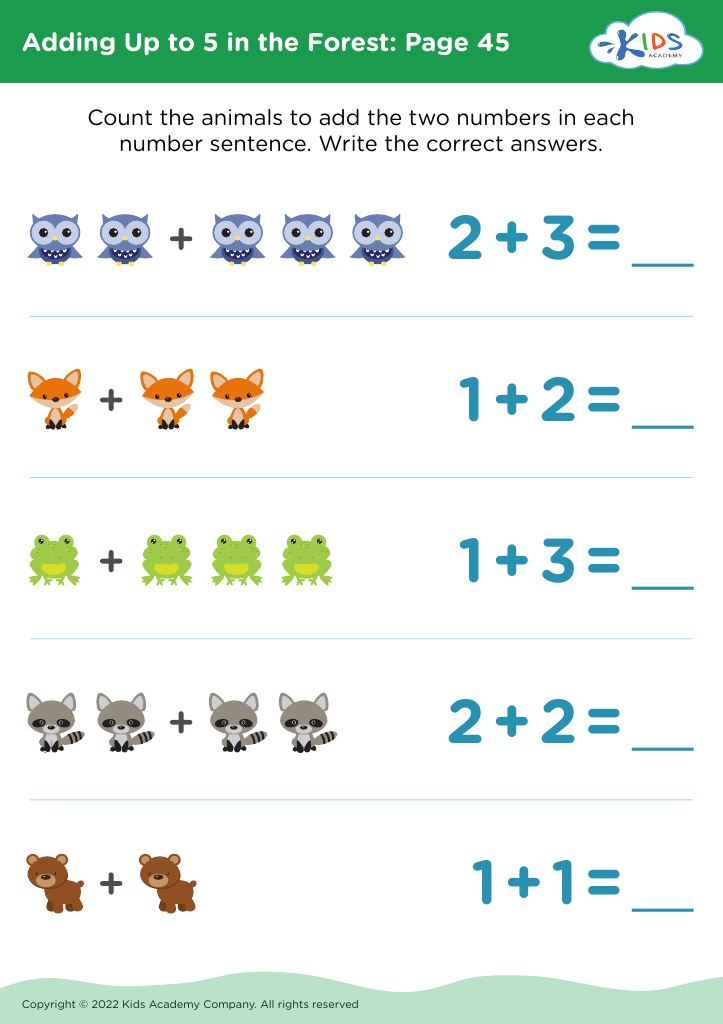
Adding Up to 5 in the Forest: Page 45
Worksheet
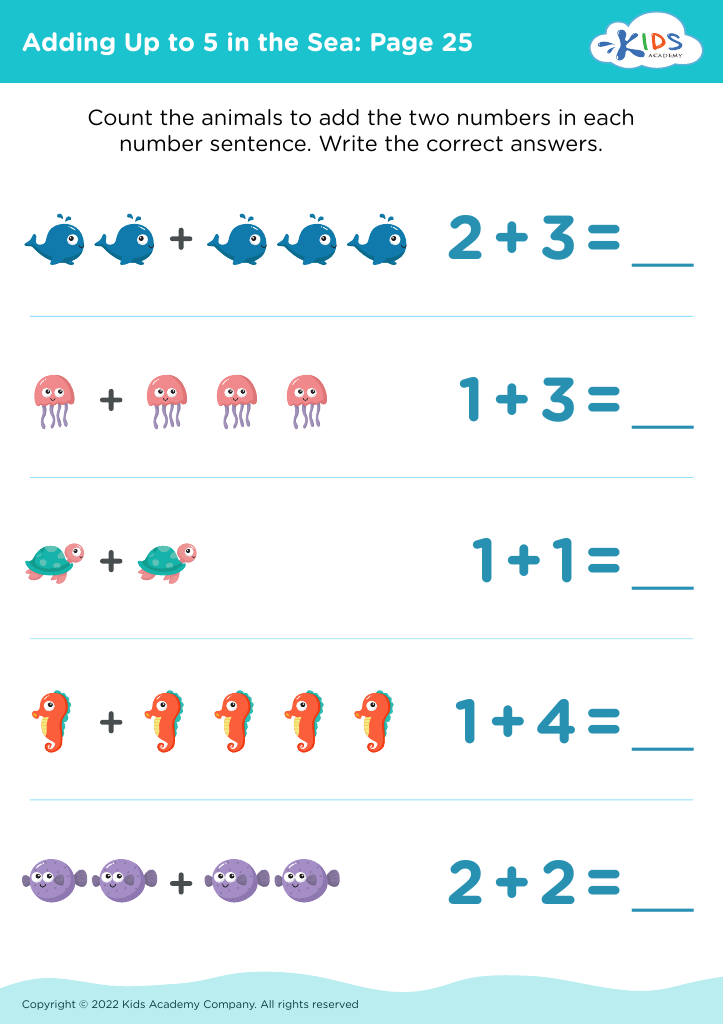
Adding Up to 5 in the Sea: Page 25
Worksheet
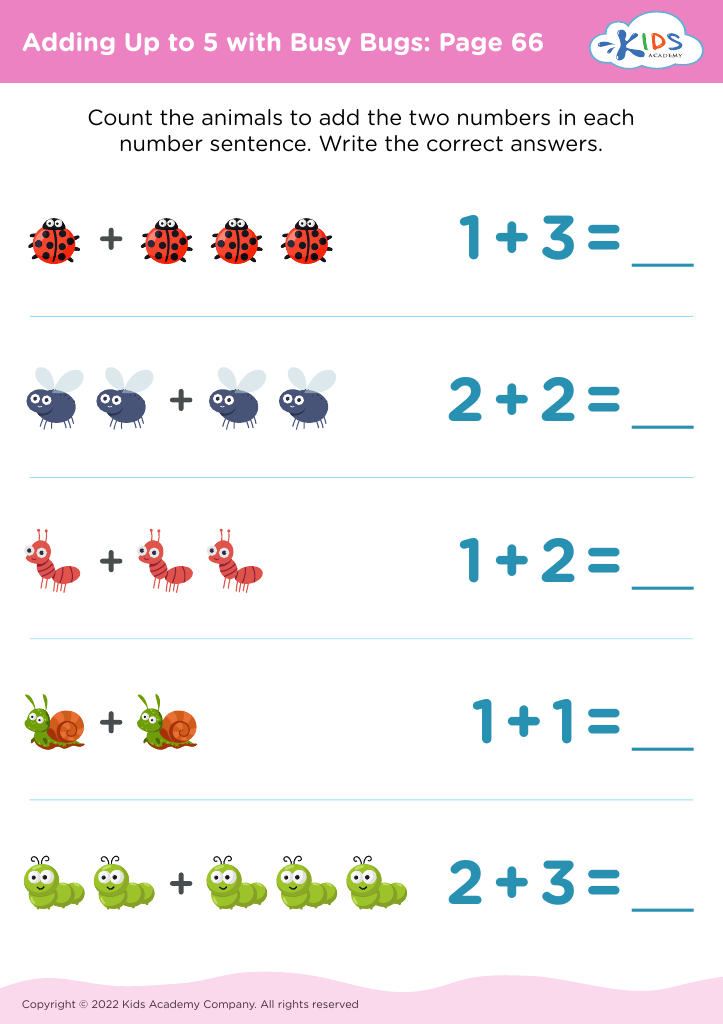
Adding Up to 5 with Busy Bugs: Page 66
Worksheet
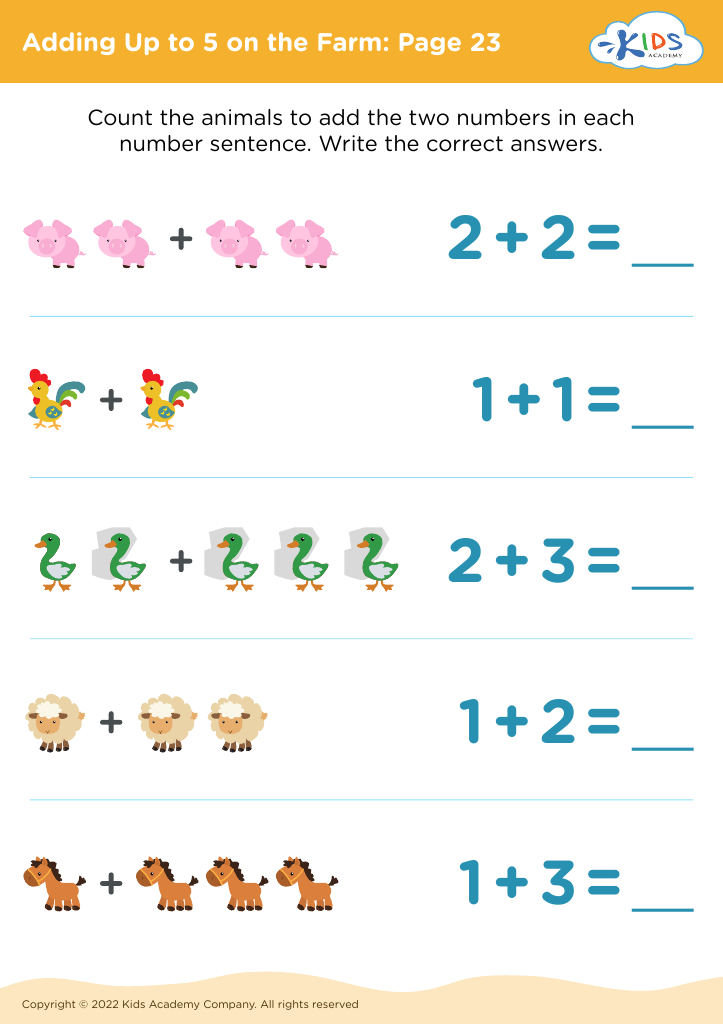
Adding Up to 5 on the Farm: Page 23
Worksheet
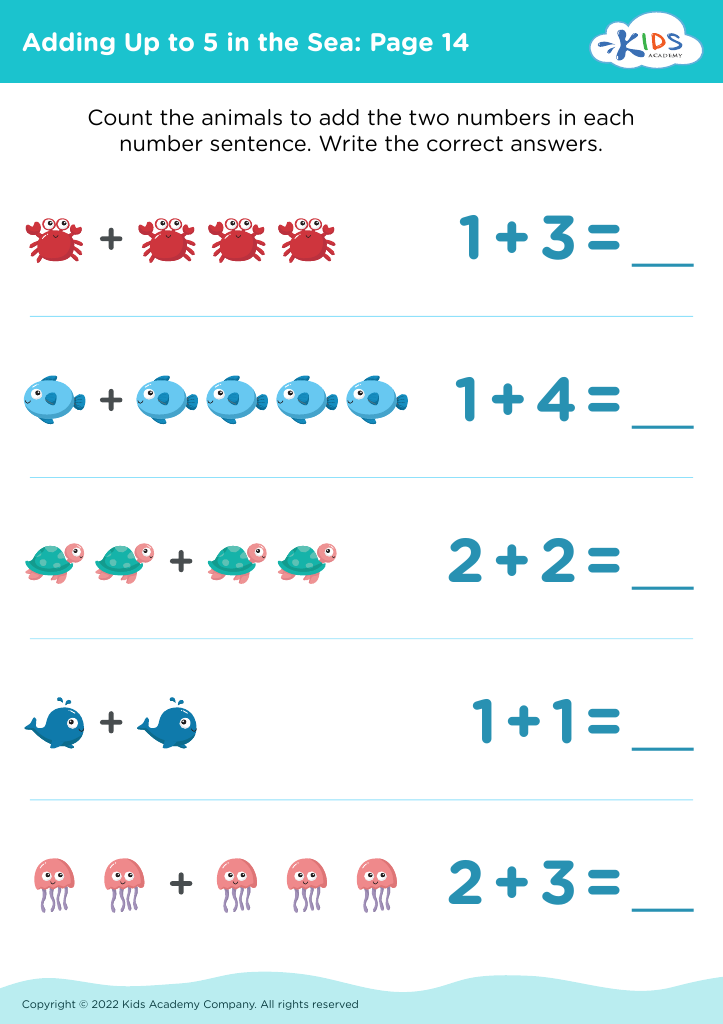
Adding Up to 5 in the Sea: Page 14
Worksheet
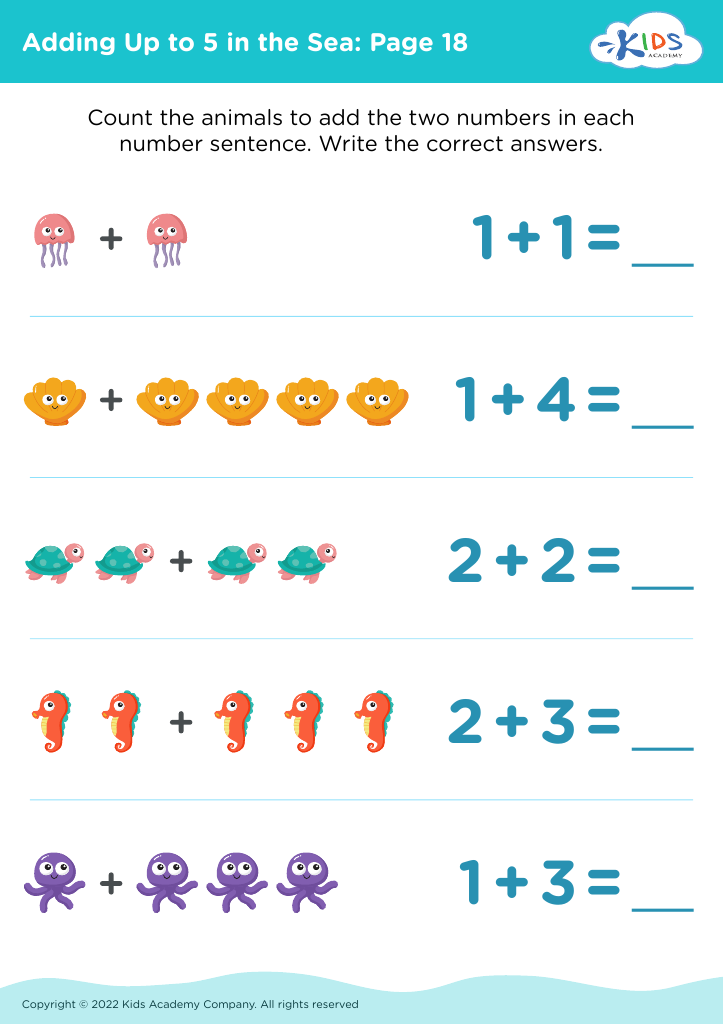
Adding Up to 5 in the Sea: Page 18
Worksheet
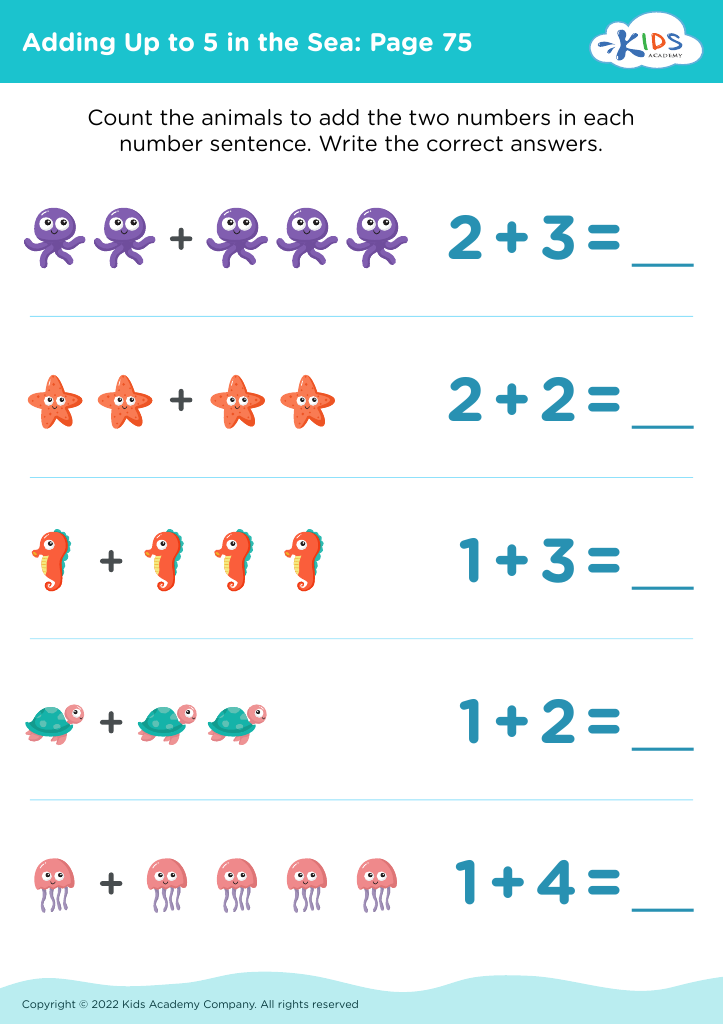
Adding Up to 5 in the Sea: Page 75
Worksheet
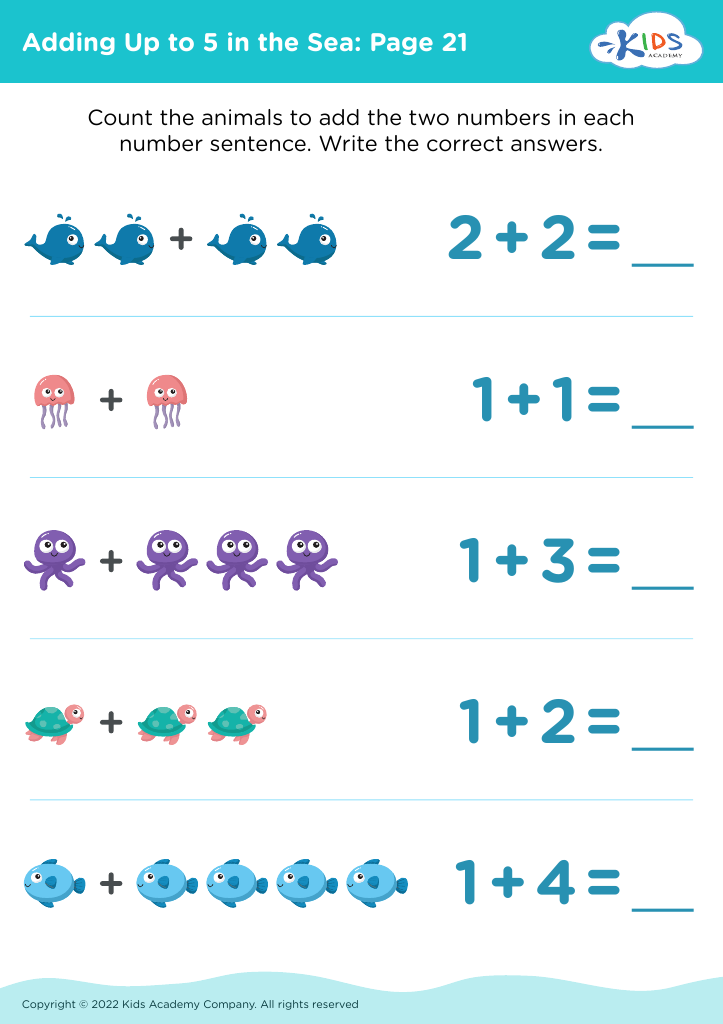
Adding Up to 5 in the Sea: Page 21
Worksheet
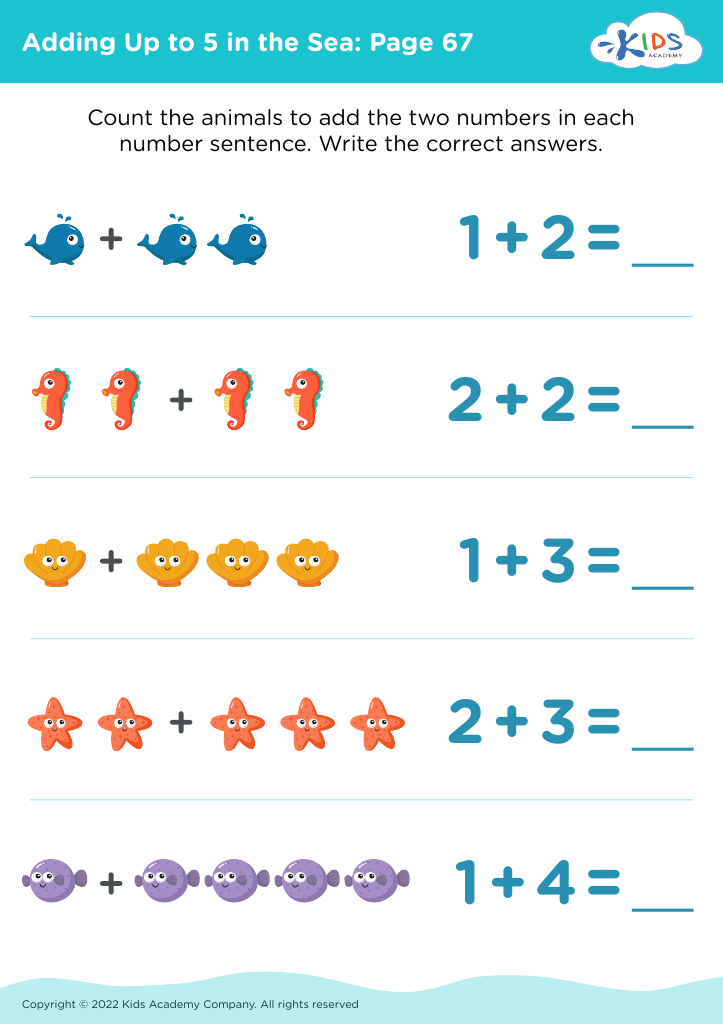
Adding Up to 5 in the Sea: Page 67
Worksheet
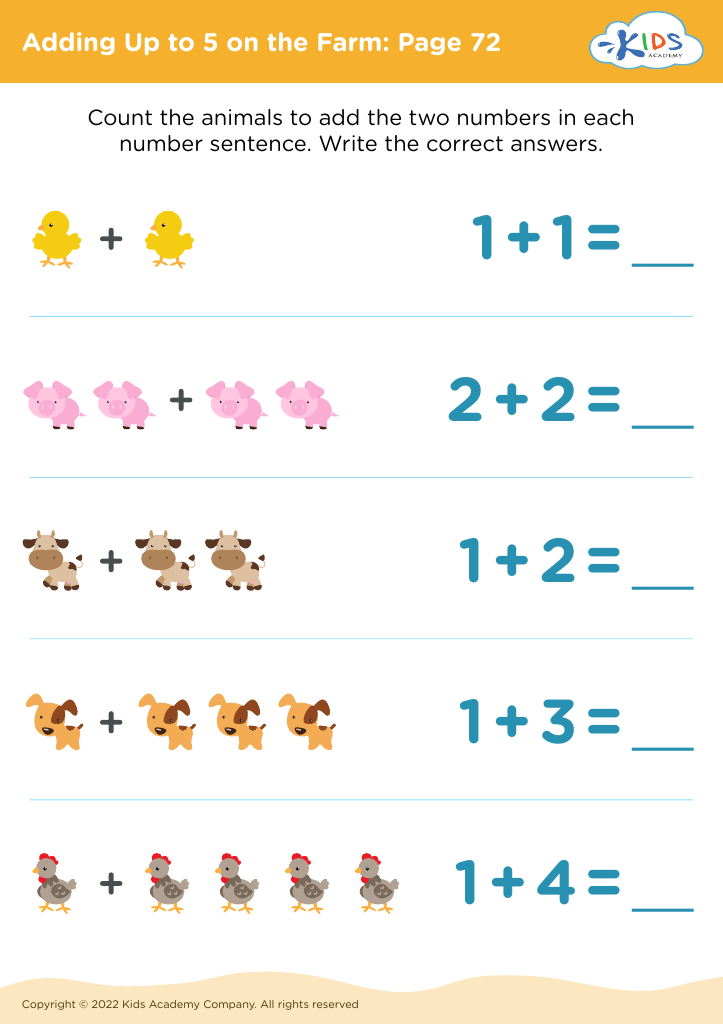
Adding Up to 5 on the Farm: Page 72
Worksheet
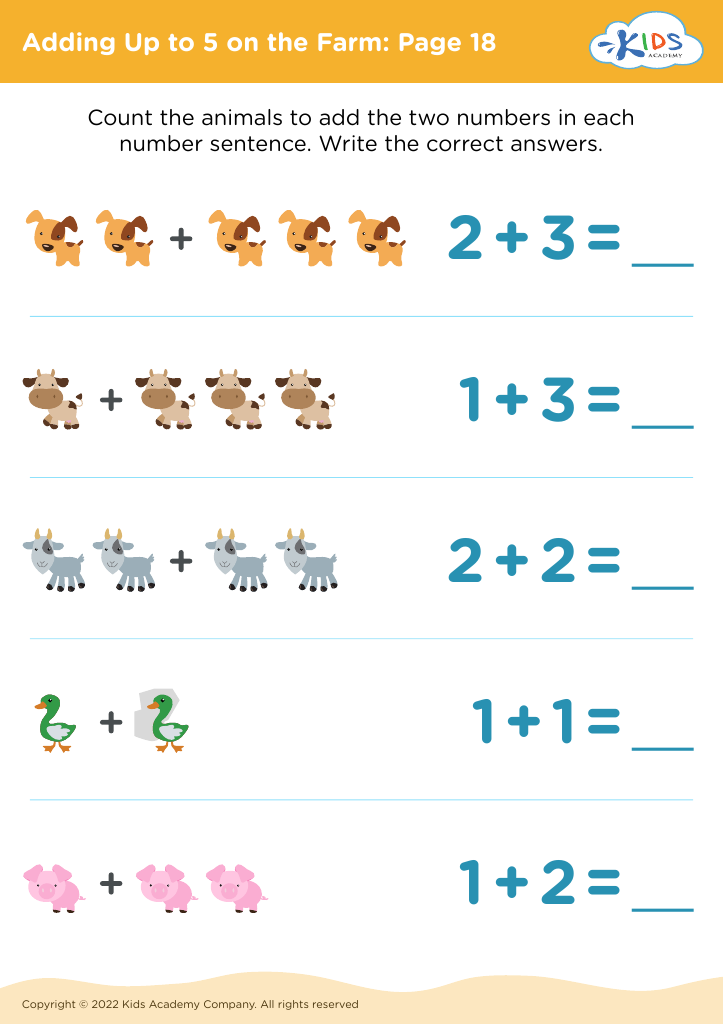
Adding Up to 5 on the Farm: Page 18
Worksheet
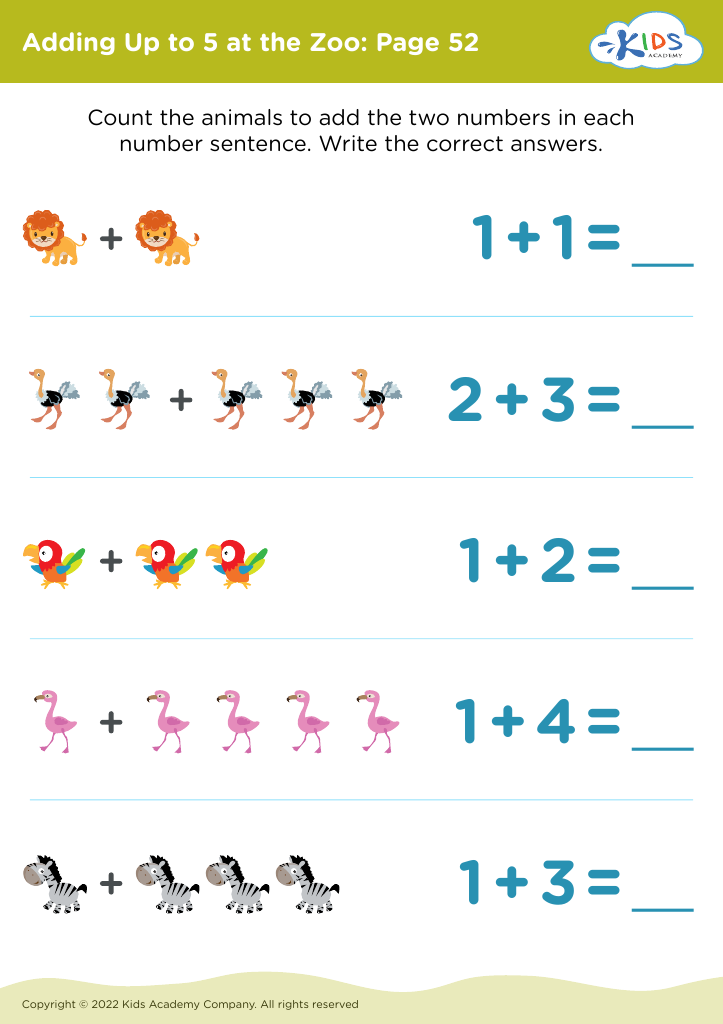
Adding Up to 5 at the Zoo: Page 52
Worksheet
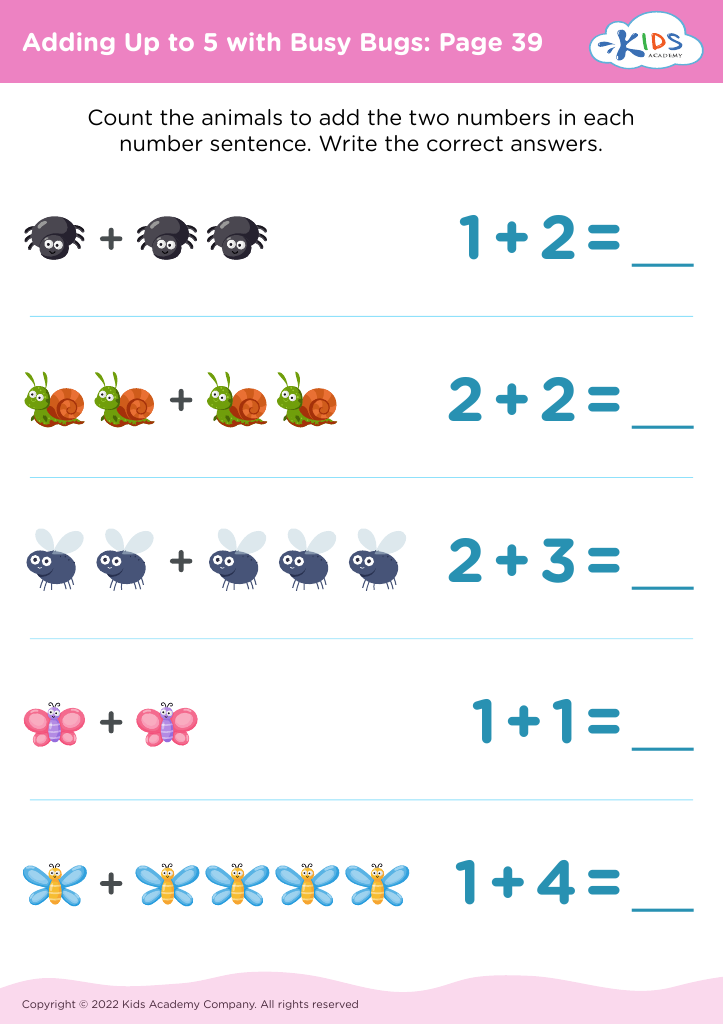
Adding Up to 5 with Busy Bugs: Page 39
Worksheet
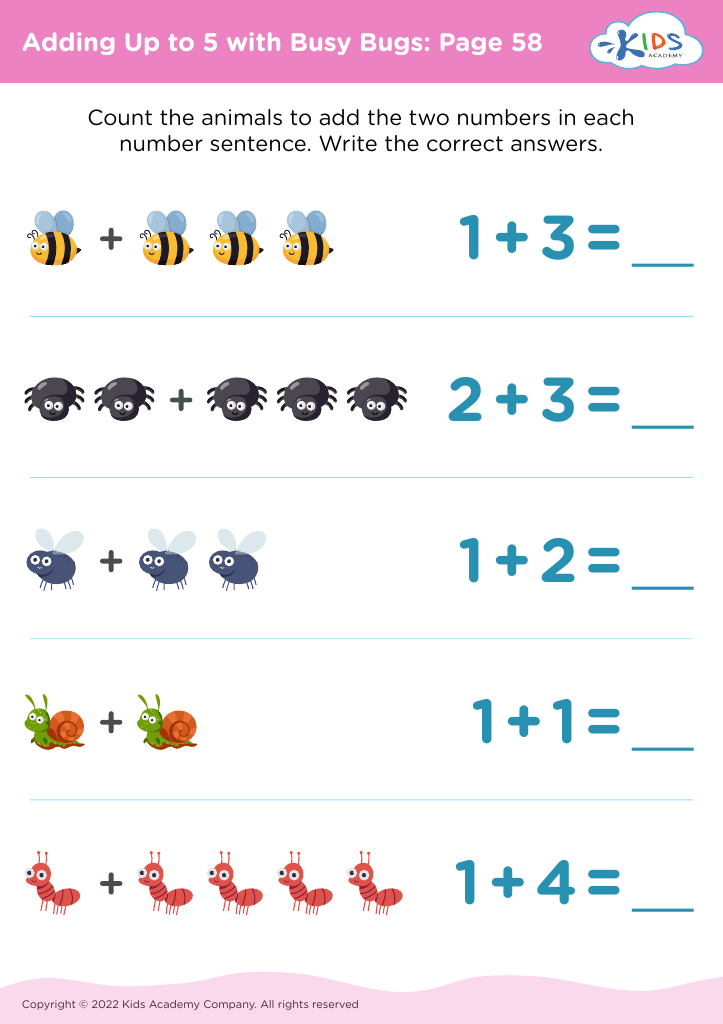
Adding Up to 5 with Busy Bugs: Page 58
Worksheet
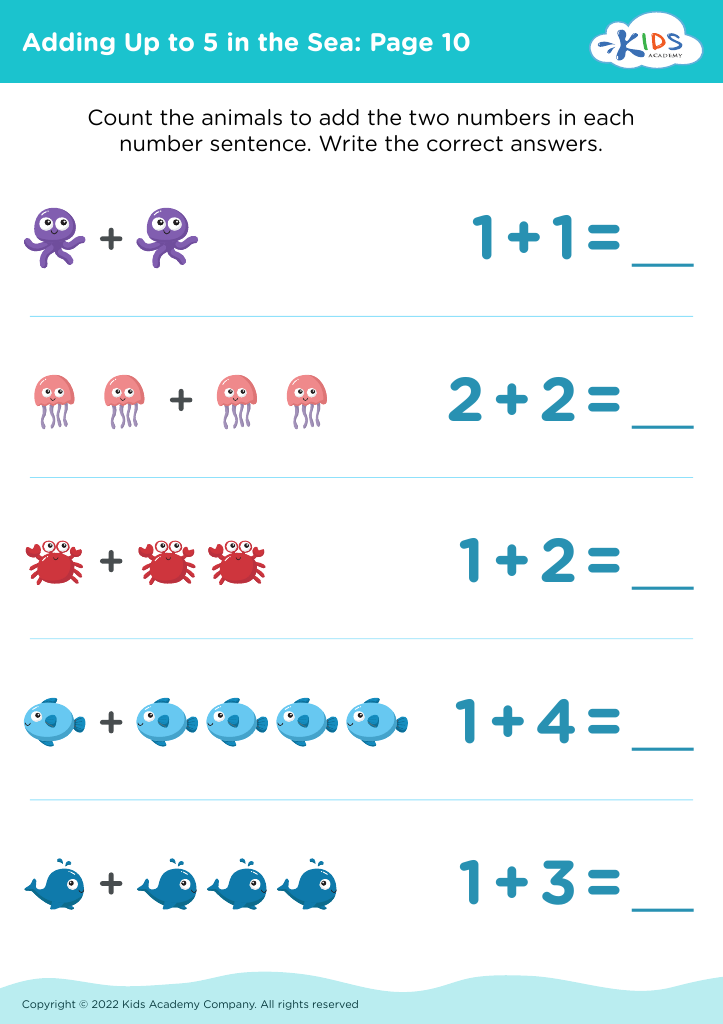
Adding Up to 5 in the Sea: Page 10
Worksheet
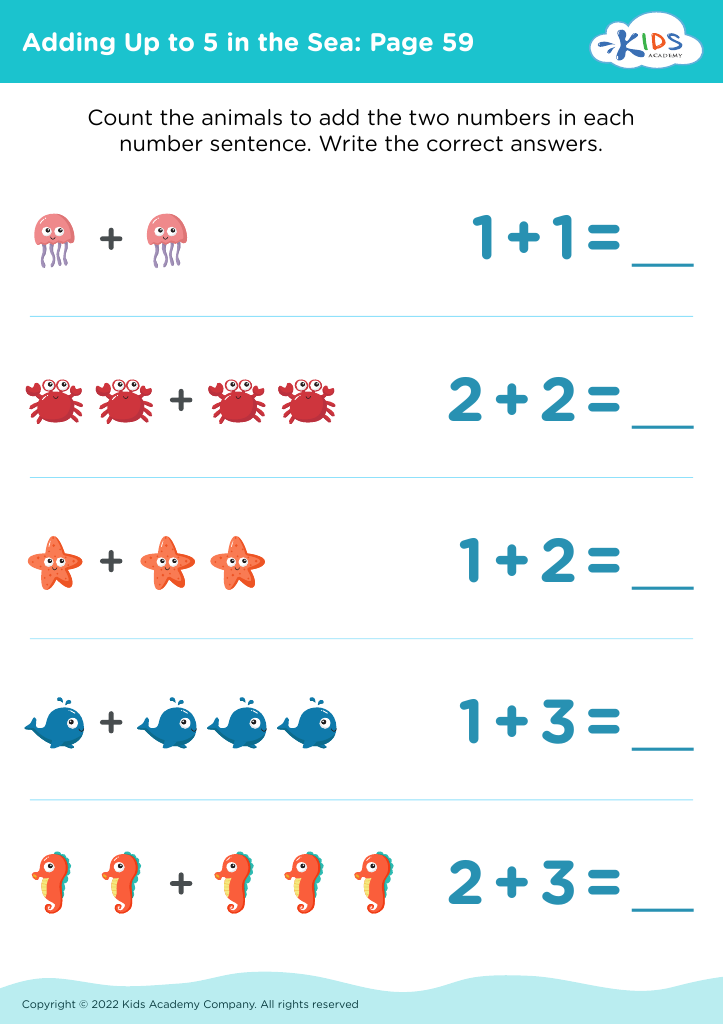
Adding Up to 5 in the Sea: Page 59
Worksheet
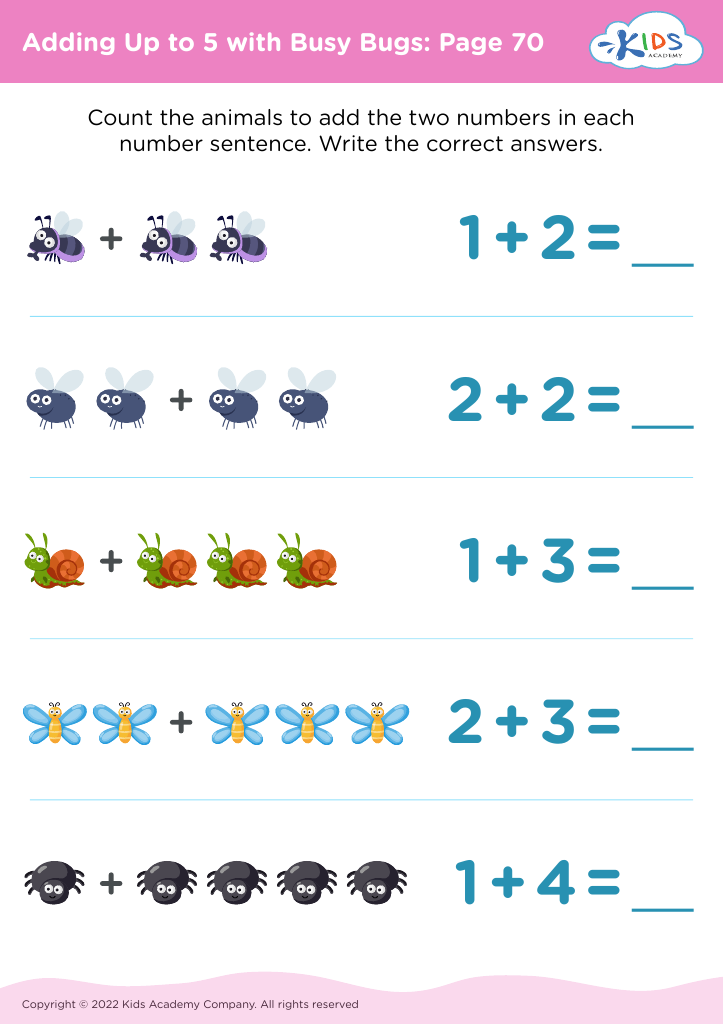
Adding Up to 5 with Busy Bugs: Page 70
Worksheet
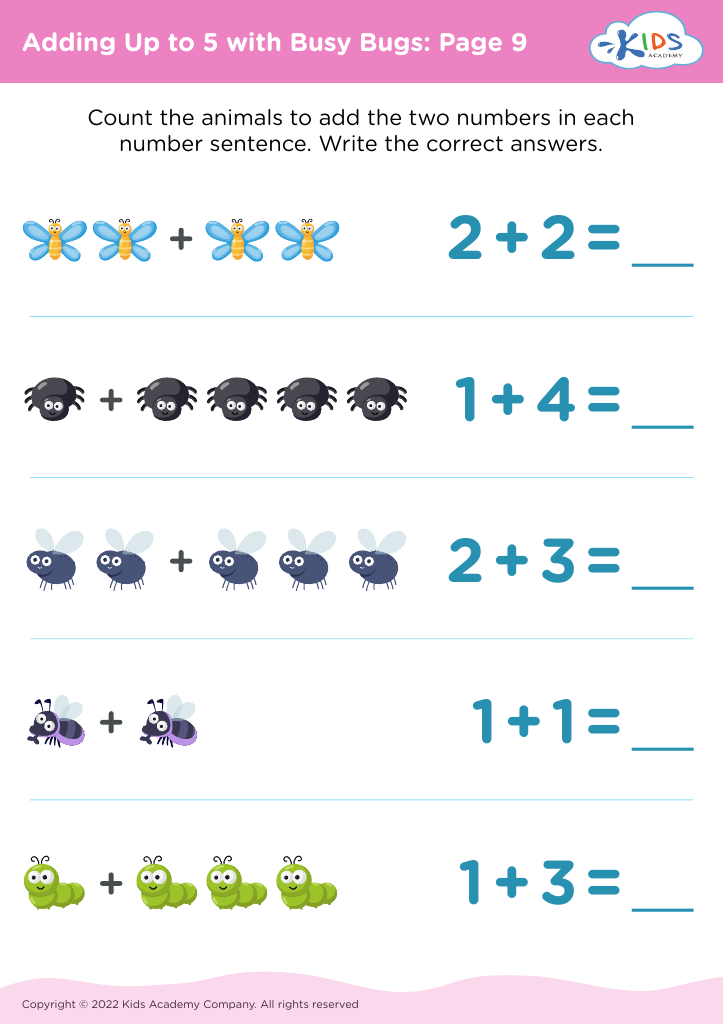
Adding Up to 5 with Busy Bugs: Page 9
Worksheet


Visual learning is a crucial component of early childhood education, especially for foundational concepts like addition and subtraction. For children aged 3-5, this age is vital as they are developing cognitive and motor skills, and introducing mathematical concepts through visual learning enhances their understanding and retention.

Firstly, visual learning makes abstract concepts concrete. By using manipulatives like counters, blocks, or visual aids, children grasp the idea of addition and subtraction through hands-on experiences. This multisensory approach caters to various learning styles and makes math feel relatable and fun.

Secondly, early math skills are predictors of future academic success. By engaging in visual learning, children can build a solid foundation for critical thinking and problem-solving. Early exposure to these skills fosters confidence and enthusiasm about learning.

Lastly, it enhances retention as children are likely to remember visual experiences better than rote learning. When parents and teachers incorporate visuals into early math instruction, they provide a rich, engaging environment that emphasizes exploration and discovery.

Ultimately, supporting visual learning in addition and subtraction equips young learners with the essential tools for future academic achievement and promotes a lifelong love for learning.