Shape identification Geometry Worksheets for Ages 3-5
11 filtered results
-
From - To
Explore our engaging Shape Identification Geometry Worksheets designed for children aged 3 to 5! These interactive resources help young learners recognize and name various shapes while enhancing their visual and cognitive skills. Our worksheets incorporate fun activities that encourage kids to identify, compare, and differentiate between shapes in an enjoyable way. Each worksheet is tailored to spark curiosity and make learning about geometry an exciting adventure. Perfect for home or classroom use, our printables promote early math skills, foster creativity, and support developmental milestones. Download our shape identification worksheets today and watch your little ones shine as they discover the world of shapes!
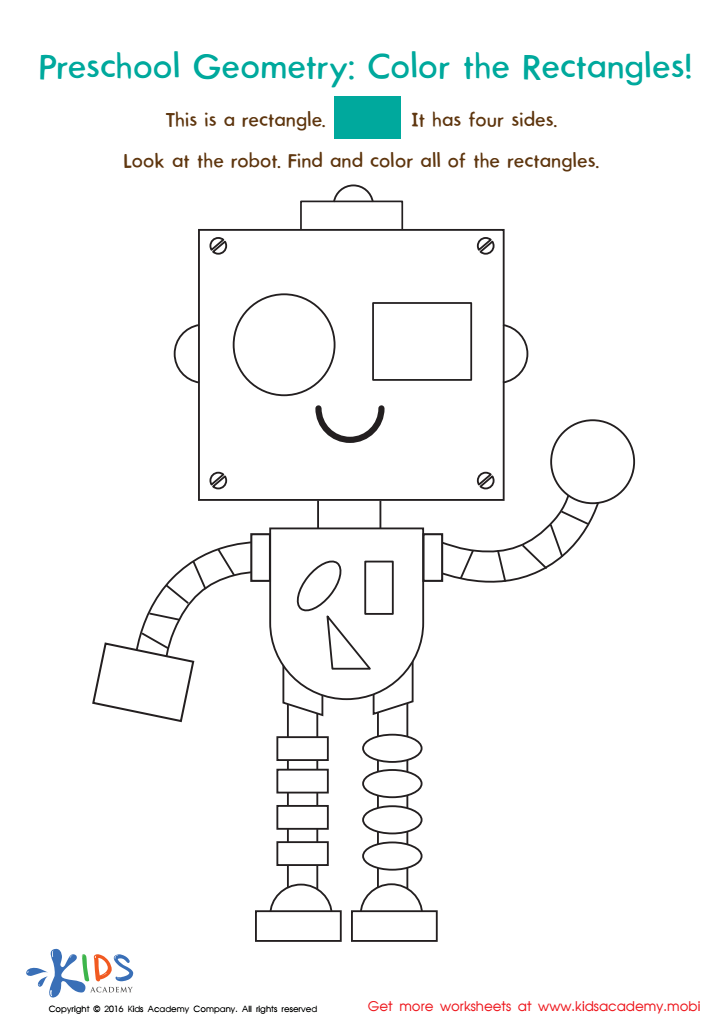
Geometry Worksheet
 Assign to My Students











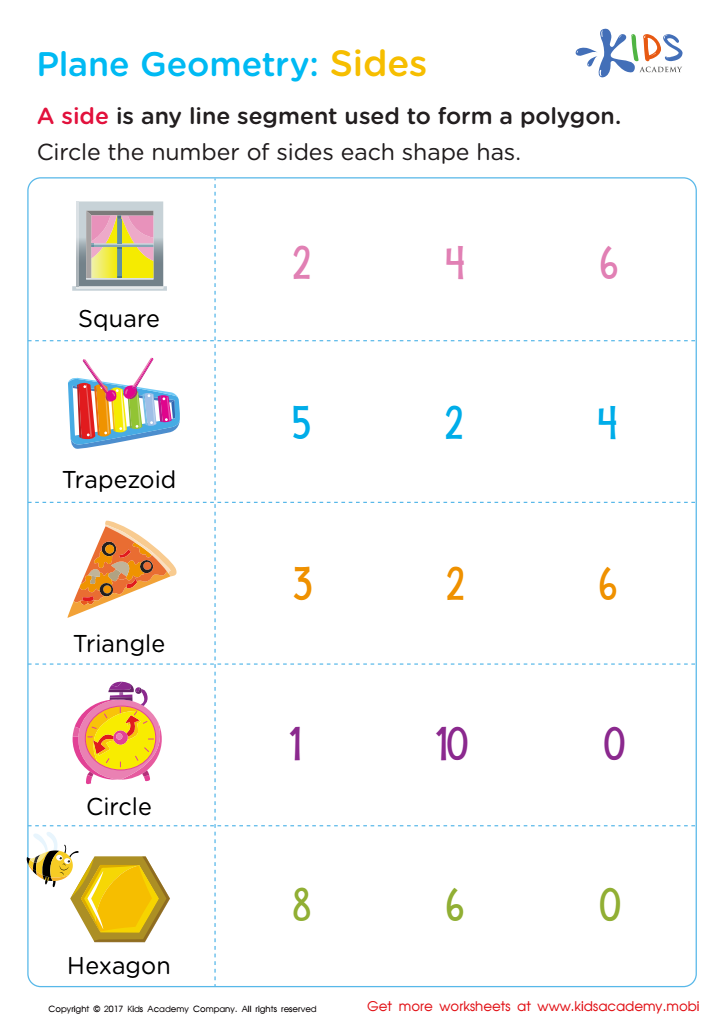
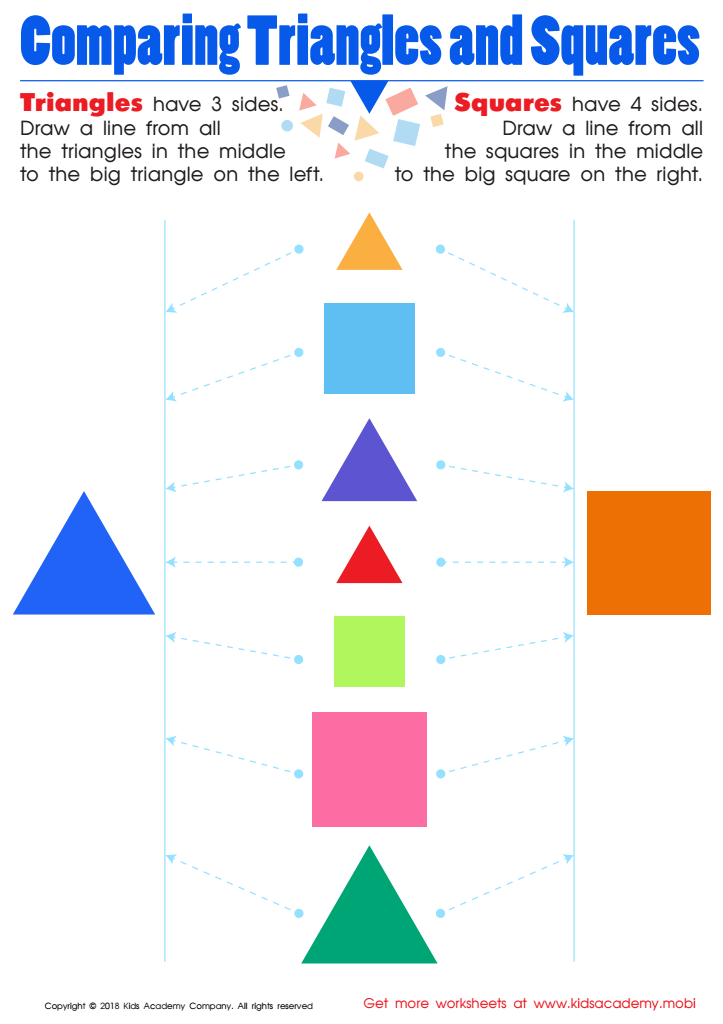
Comparing Triangles Squares Worksheet
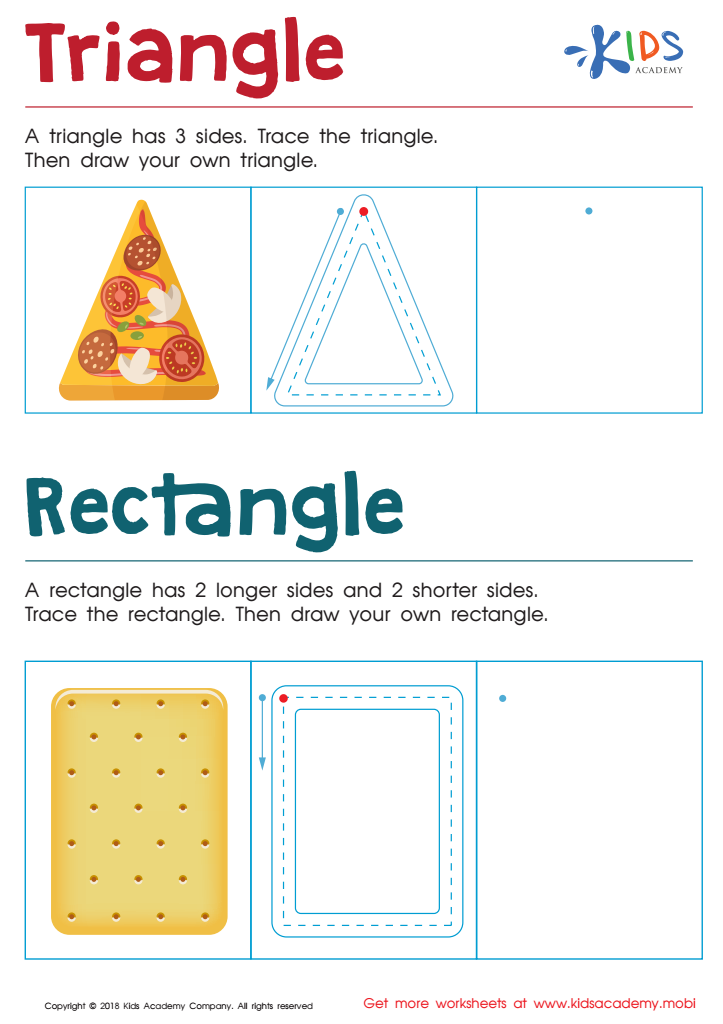
Triangle Rectangle Worksheet
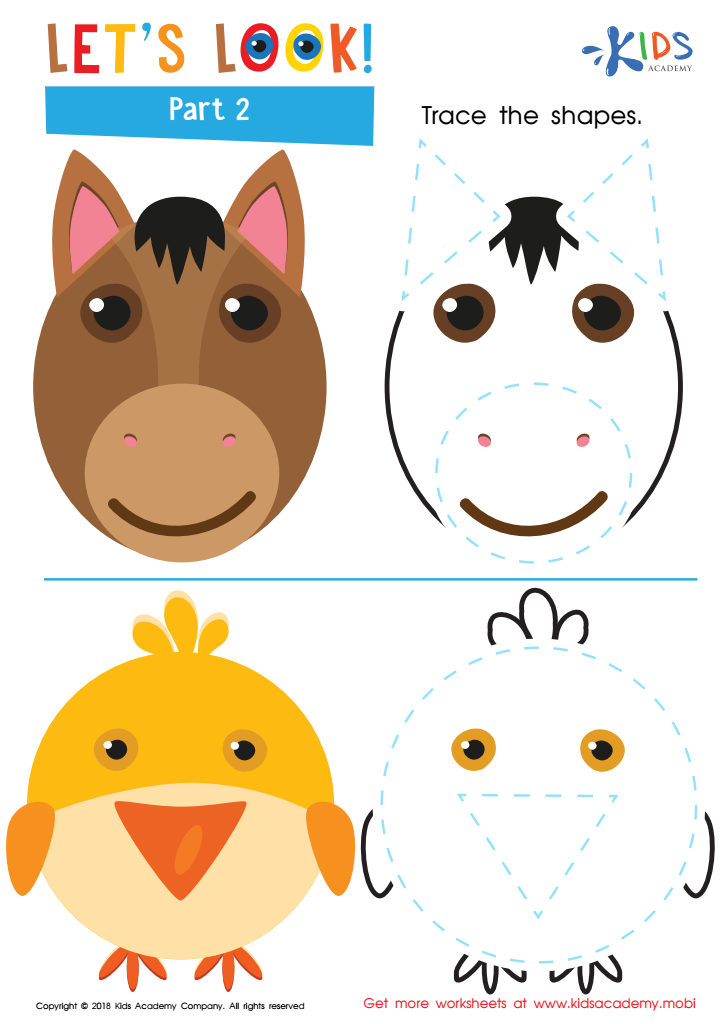
Let's Look! Part 2 Worksheet
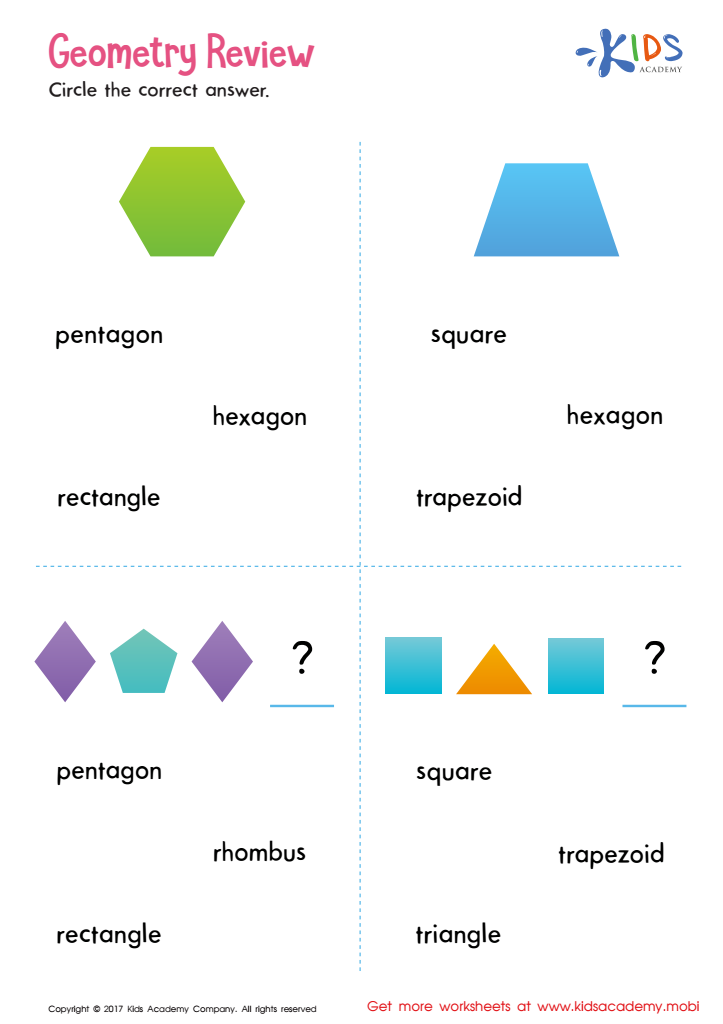
Geometry Review Printable
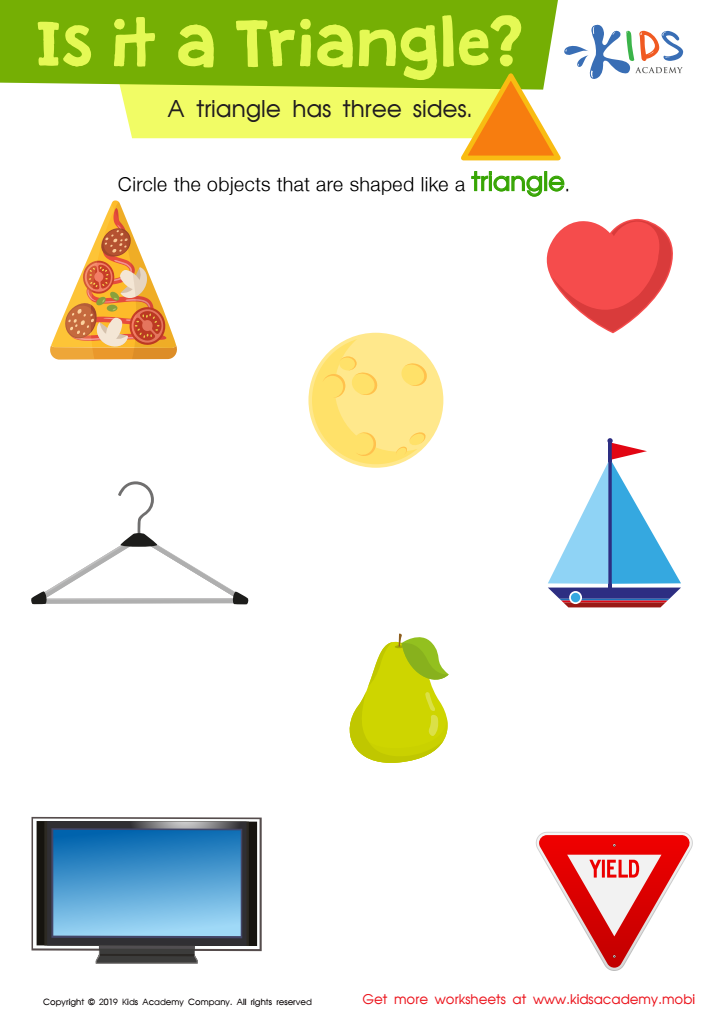
Is It a Triangle? Worksheet
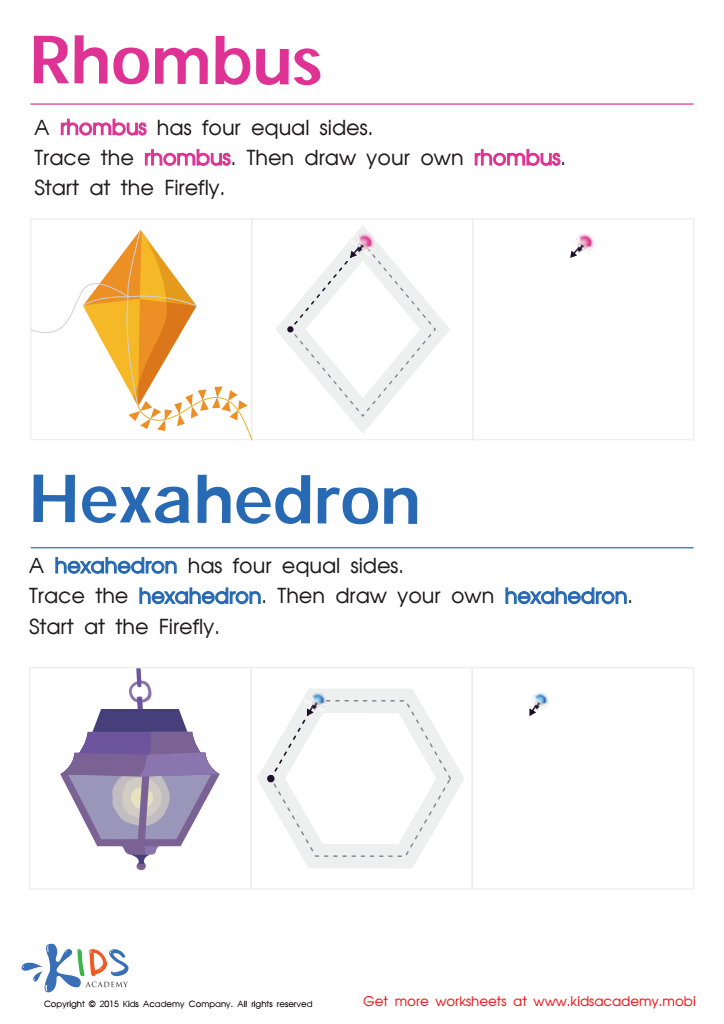
Draw a Rhombus And a Hexahedron Printable
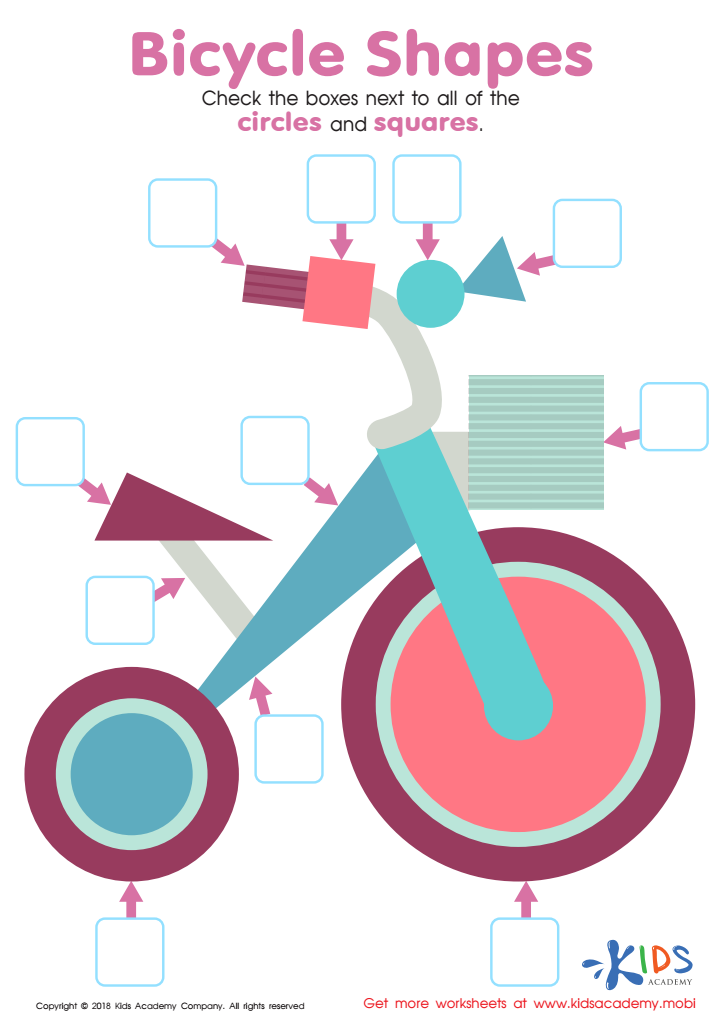
Bicycle Shapes Worksheet
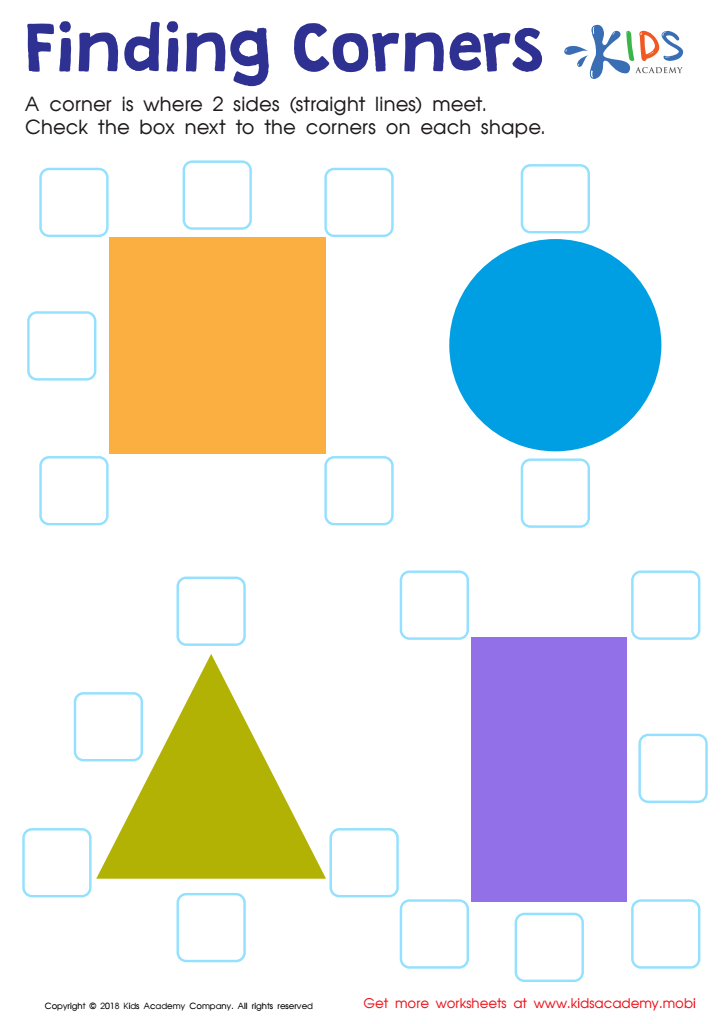
Finding Corners Worksheet
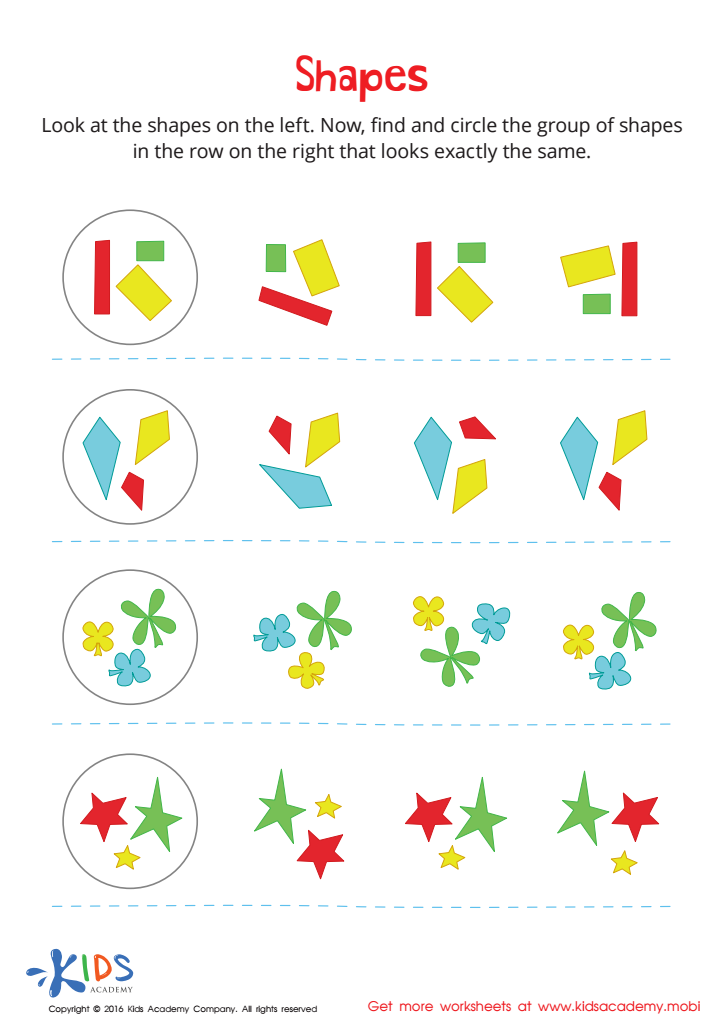
Shapes Worksheet








Shape identification and geometry are fundamental components of early childhood education, especially for children aged 3-5. During this crucial developmental stage, young learners are naturally curious and eager to explore their environment, making it the perfect time to introduce them to shapes. Understanding shapes improves cognitive skills as children learn to categorize objects, recognize patterns, and develop spatial awareness.
When parents and teachers prioritize shape recognition, they provide a foundation for critical thinking and problem-solving abilities that are essential in later math learning. Engaging activities involving shapes, such as sorting, building, and drawing, enhance fine motor skills and boost creativity. Additionally, these early geometric experiences can help children understand concepts like symmetry, size, and positioning, which are pivotal in future mathematical concepts.
In a broader sense, shape identification fosters communication skills as children learn to describe and express their observations about the world around them. For parents and teachers, investing time in shape education enriches the learning experience and creates opportunities for bonding and interactive learning moments at home and in the classroom. Ultimately, nurturing shape recognition in early learners prepares them for lifelong learning and a deeper appreciation of mathematics and the world they inhabit.








