Cognitive Development Numbers Worksheets for Ages 3-5 - Page 2
29 filtered results
-
From - To
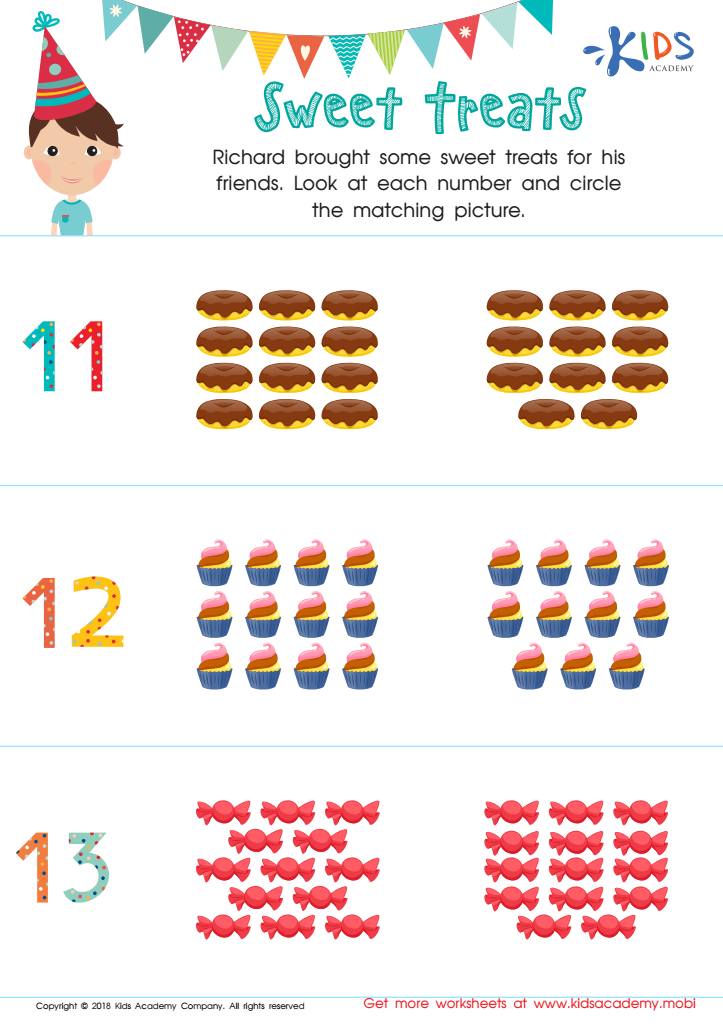
Kindergarten Math Worksheet Matching Numbers
 Assign to My Students
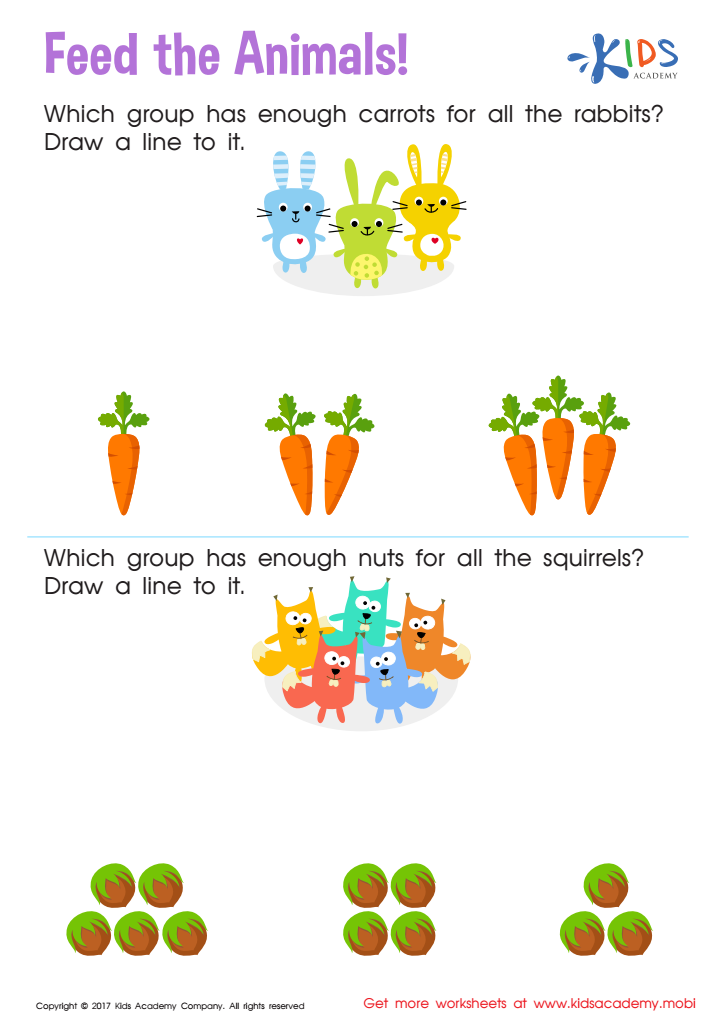
Count and Match: Feed the Animals Worksheet
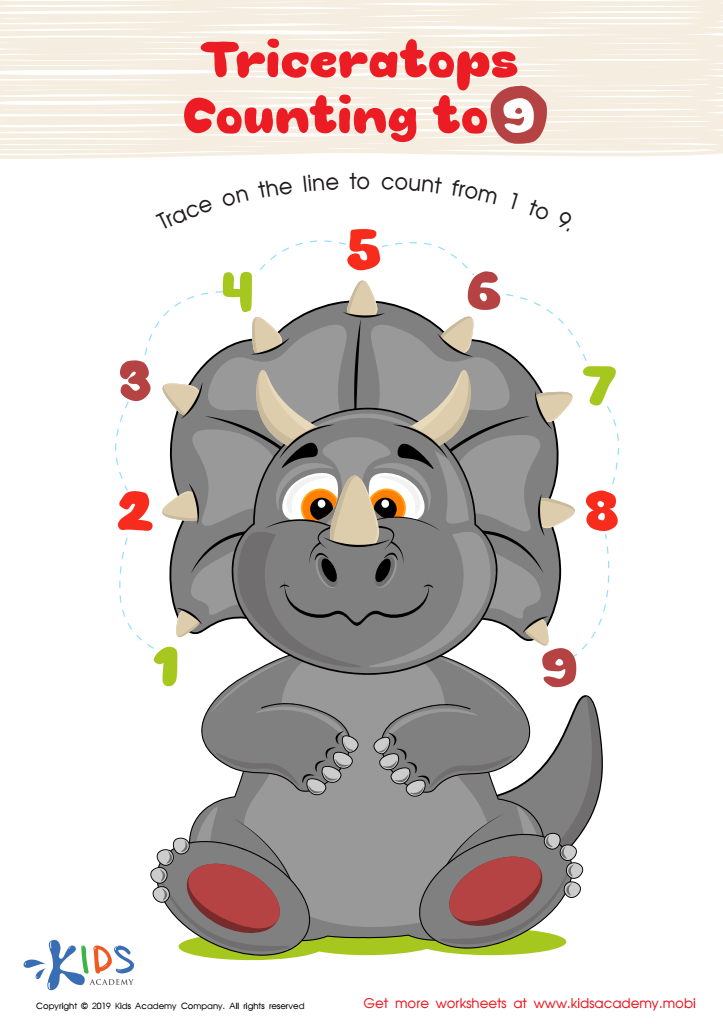
Triceratops Counting to 9 Worksheet
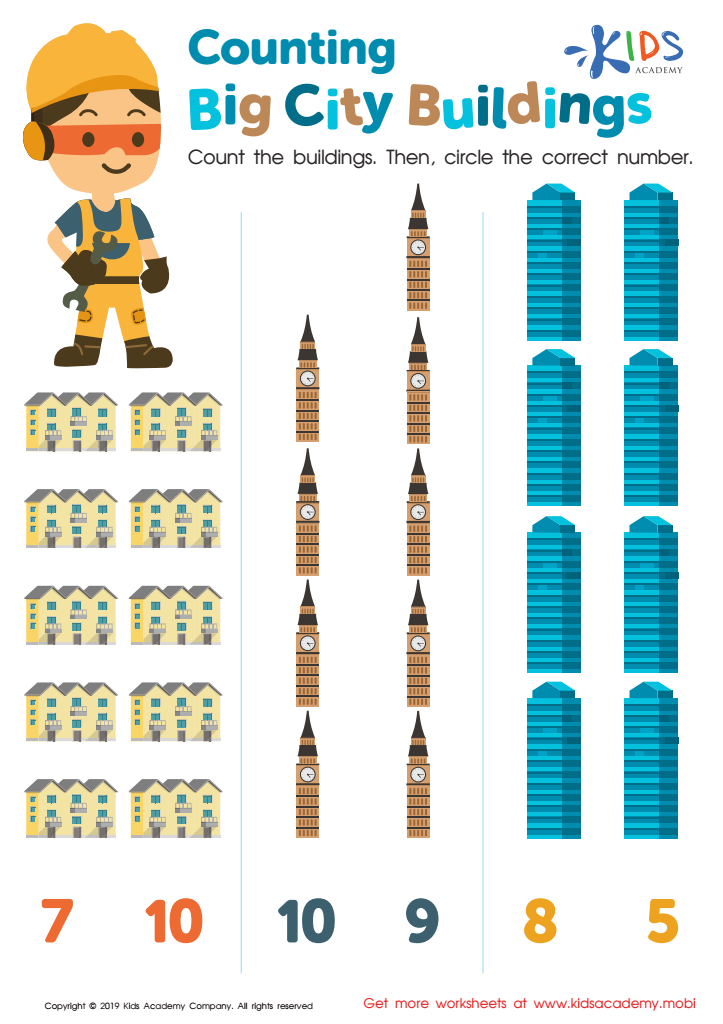
Counting Big City Buildings Worksheet

Night Sky Numbers Worksheet





%20(1).jpg)

Parents and teachers should prioritize cognitive development in children aged 3-5 because this critical period marks foundational growth in various essential skills, particularly in understanding numbers. During these years, children's brains are highly receptive and rapidly developing, making early learning experiences pivotal.
Fostering number skills, such as counting and basic arithmetic, establishes vital cognitive building blocks. These skills contribute to logical thinking, problem-solving abilities, and a deeper understanding of the world around them. As children explore numbers, they start to form connections related to quantity, size, and scale, which are essential for future academic achievement in subjects like math and science.
Moreover, early number competence often correlates with more advanced literacy and language skills. Recognizing patterns and sequences in numbers enhances memory, attention to detail, and analytical thinking—all of which support comprehensive learning across disciplines.
Engaging in number-related activities—such as counting games, puzzle solving, and interactive storytelling involving numbers—can significantly boost a child's cognitive growth, encourage a lifelong love of learning, and contribute to punctual development milestones. Supporting cognitive development in early childhood is thus an investment in a child’s educational foundation, emotional wellbeing, and overall success. By valuing and nurturing these skills early on, parents and teachers set the stage for a smoother, more confident educational journey.








