Number Recognition Numbers Worksheets for Ages 3-5 - Page 8
171 filtered results
-
From - To
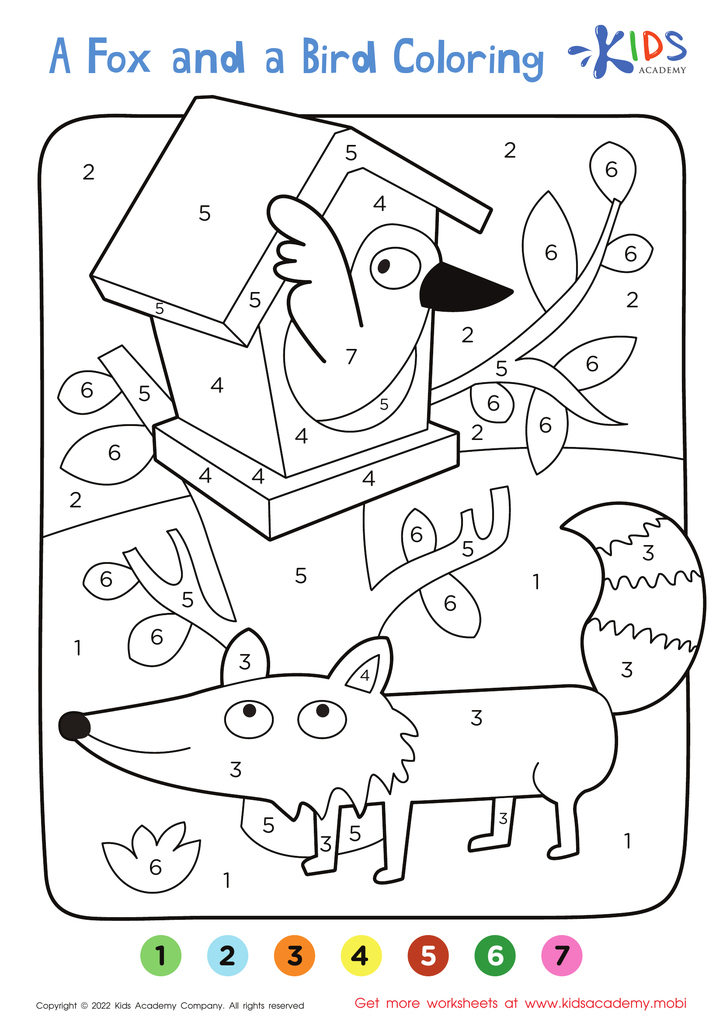
A Fox and a Bird – Coloring by Numbers
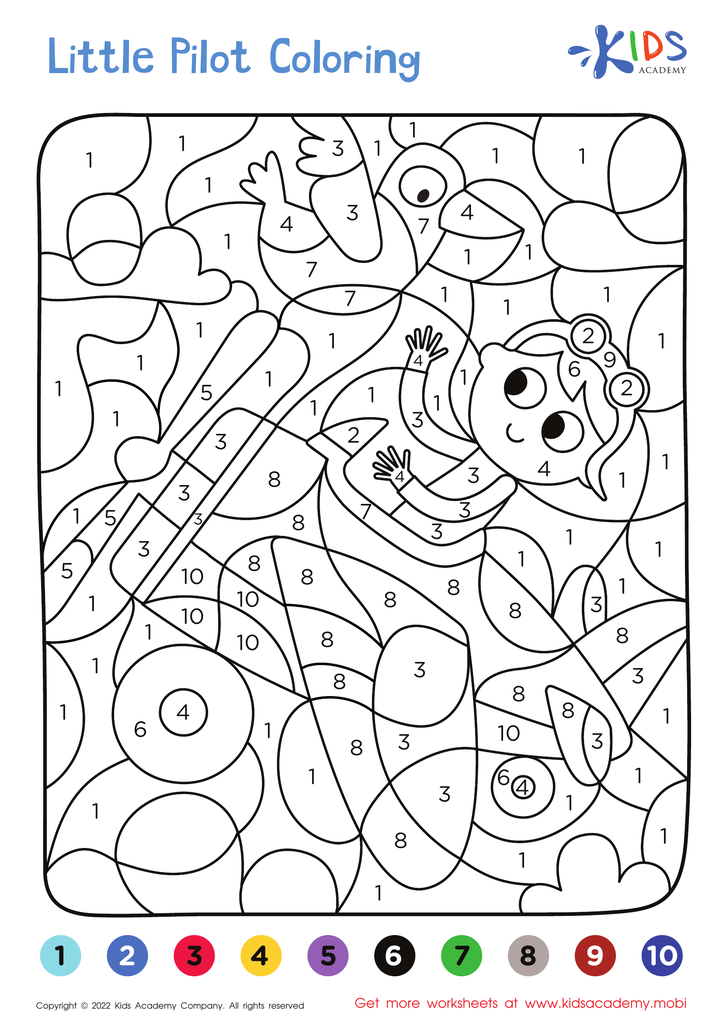
Little Pilot – Coloring by Numbers
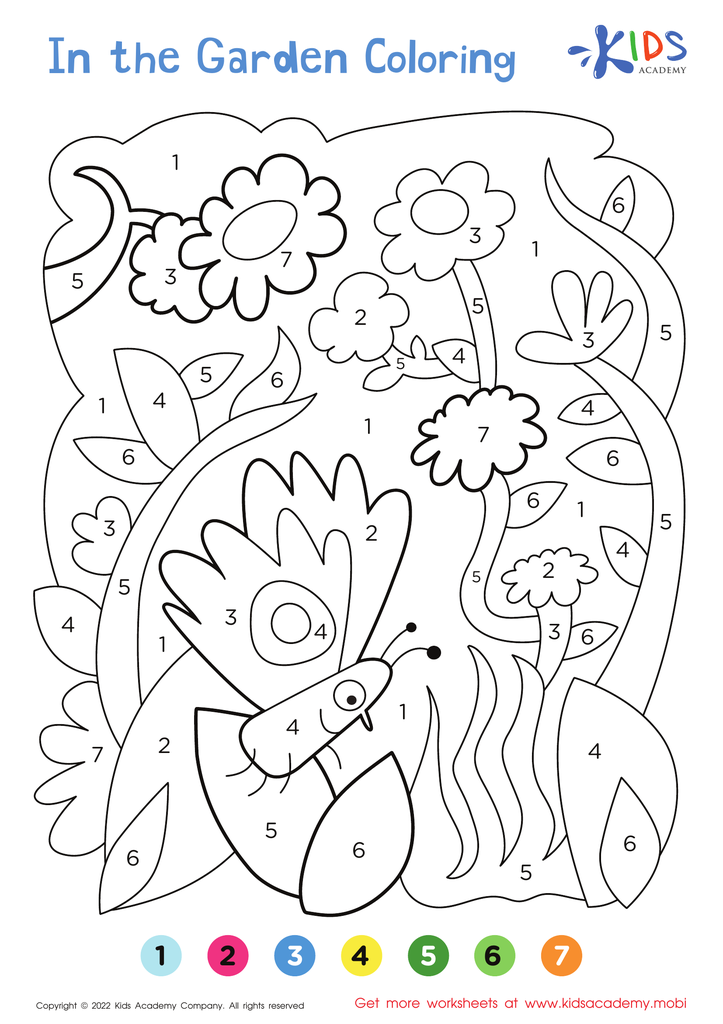
In the Garden – Coloring by Numbers



%20(1).jpg)




Number recognition is a foundational skill that sets the groundwork for a child’s future mathematical learning and overall cognitive development. For children aged 3-5, understanding and recognizing numbers isn't merely about being able to count; it's about building essential numerical awareness that impacts various aspects of their lives.
Firstly, early number recognition enhances cognitive abilities by supporting problem-solving skills and logical thinking. Children who can identify numbers easily are better positioned to grasp more complex mathematical concepts later on, such as addition and subtraction.
Secondly, this skill fosters independence. Recognizing numbers allows young children to navigate their environment meaningfully. Whether it’s understanding the concept of time, which revolves around numbers, or categorizing objects, early number fluency makes daily interactions smoother and more comprehension-based.
In a social context, number recognition can also boost confidence. When children comfortably understand numerical concepts, they are more poised in classroom settings, thereby encouraging participation and reducing anxiety about math-related activities.
Finally, integrating number recognition into playful learning activities can make education a joyous, non-intimidating experience. Simple games that involve numbers can turn car rides and grocery shopping into educational adventures, strengthening the parent-child or teacher-student bond.
Thus, focusing on number recognition for young children is not just a scholastic investment but a holistic effort towards nurturing well-rounded, capable individuals.








