Pattern recognition Numbers Worksheets for Ages 3-5
4 filtered results
-
From - To
Discover our engaging Pattern Recognition Numbers Worksheets designed specifically for children aged 3-5! These thoughtfully crafted activities introduce young learners to the concept of patterns through fun, interactive exercises centered around numbers. Kids will develop crucial early math skills as they identify, create, and extend patterns with vibrant visuals and hands-on learning experiences. Our worksheets support foundational cognitive skills essential for future success in mathematics, all while keeping learning enjoyable. Perfect for use at home or in the classroom, these resources provide your little ones with the tools they need to build a strong numerical understanding. Start exploring today!
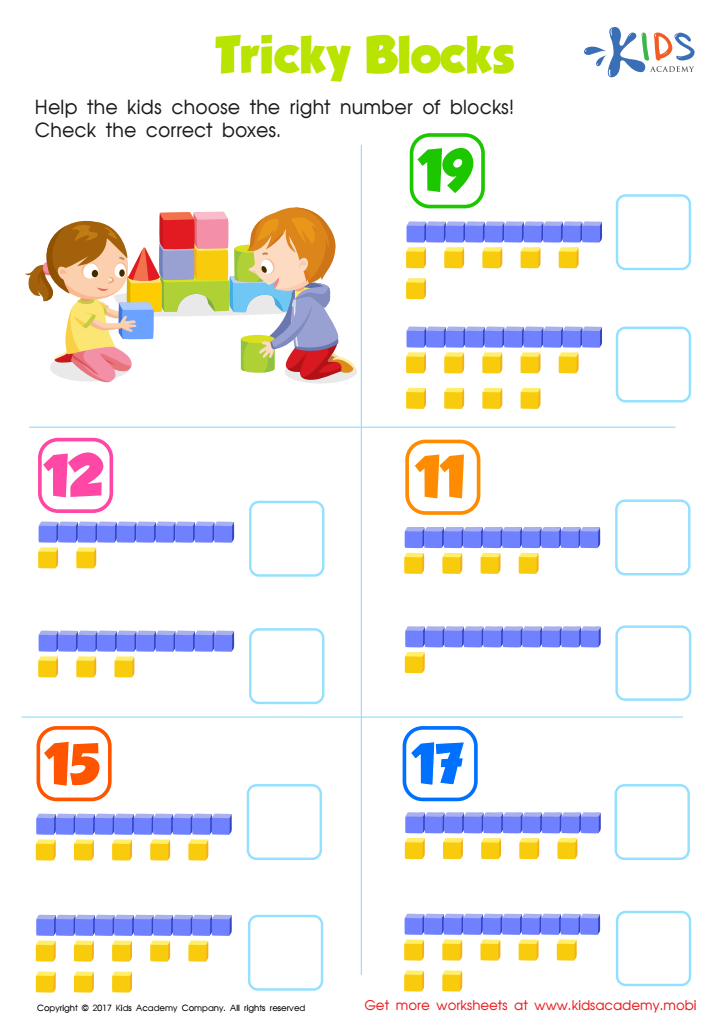
Tricky Blocks Worksheet
 Assign to My Students
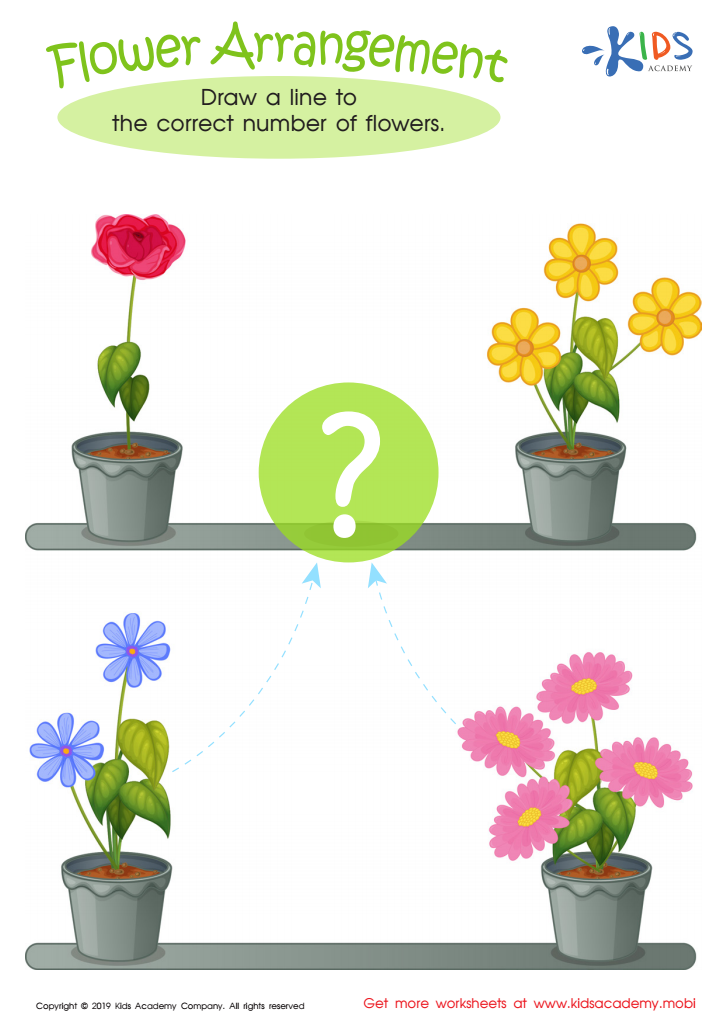
Flower Arrangement Worksheet
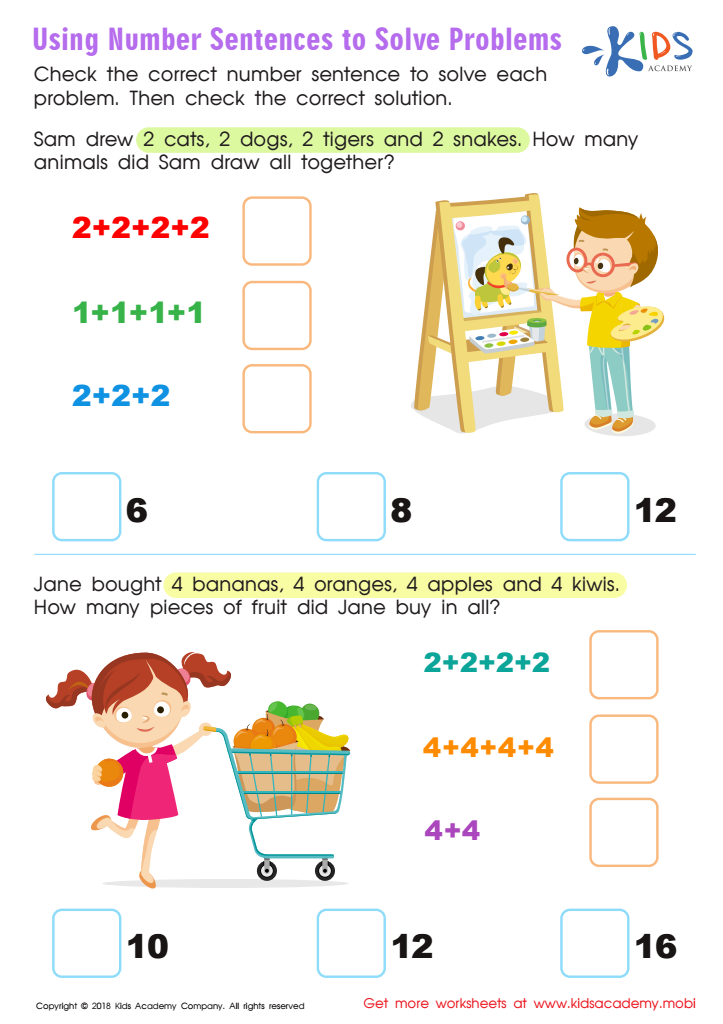
Using Number Sentences to Solve Problems Worksheet
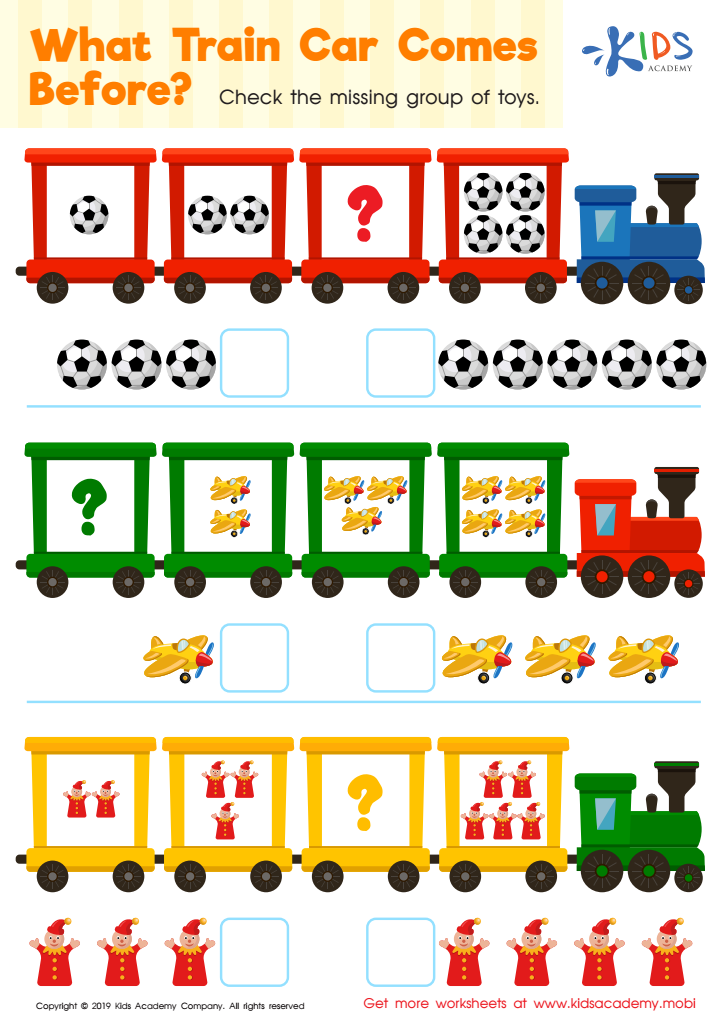
What Train Car Comes Before? Worksheet








Pattern recognition in numbers is critical for children aged 3-5, as it forms the foundation for various cognitive skills essential for their academic growth. At this age, children begin to develop their mathematical reasoning through exploring sequences and relationships between numbers and objects. Recognizing and creating patterns enhances their ability to predict what comes next, fostering logical thinking and problem-solving abilities.
By engaging in pattern recognition activities, children also strengthen their memory and attention skills. When they learn to identify patterns, they build a sense of order and structure, which is vital for later comprehension in math and science. Furthermore, patterns can be found in everyday life, making them relatable and creating richer, hands-on learning experiences.
Parents and teachers play a crucial role in supporting this developmental milestone. They can incorporate pattern activities into daily routines, be it through art, music, or nature walks, making learning fun and interactive. As children develop these skills early on, they lay a robust groundwork for future academic success in mathematics and beyond, making it imperative for caregivers to foster an environment that encourages exploration of numerical patterns.








