Basic Arithmetic Math Worksheets for Ages 3-5 - Page 2
50 filtered results
-
From - To
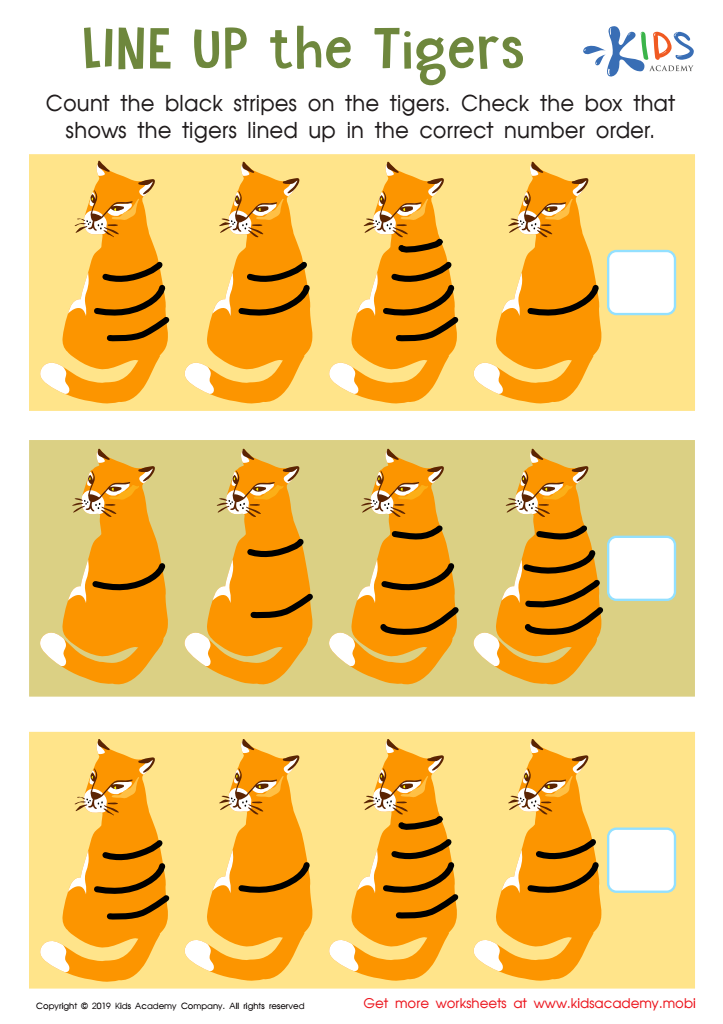
Line up the Tigers Worksheet
 Assign to My Students
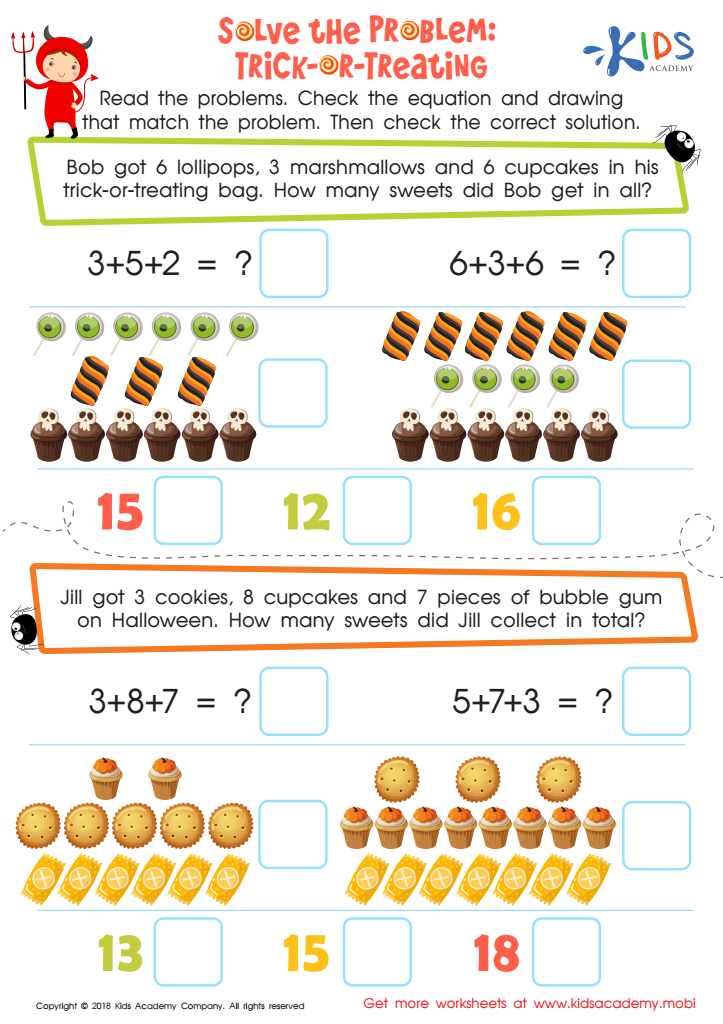
Solve the Problem: Trick–or–treating Worksheet
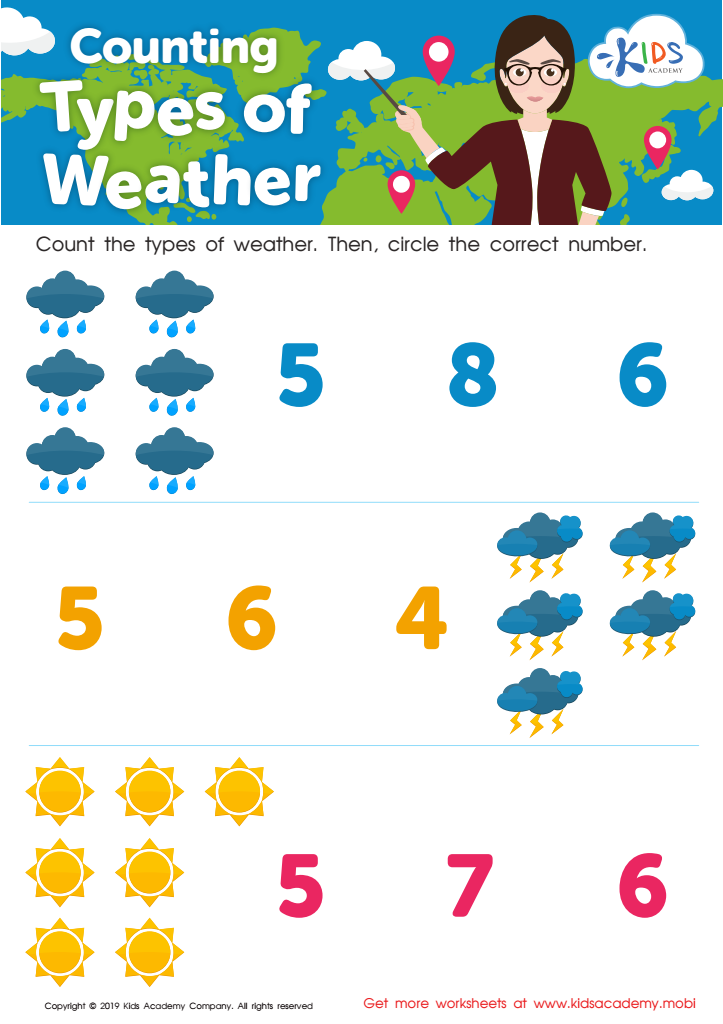
Counting Types of Weather Worksheet
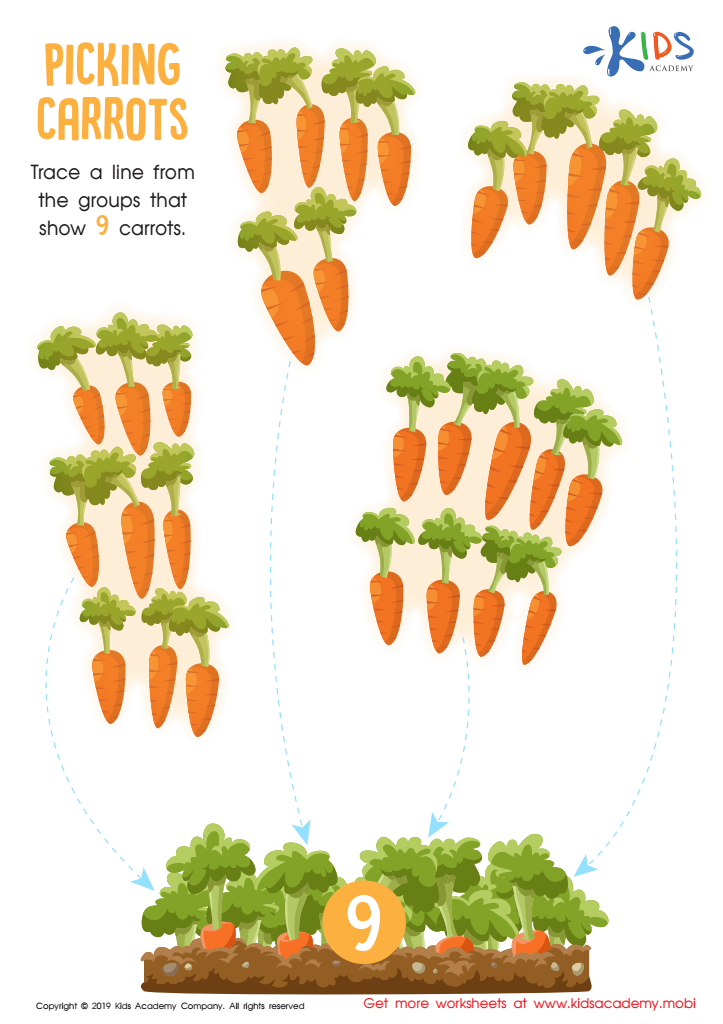
Picking Carrots Worksheet
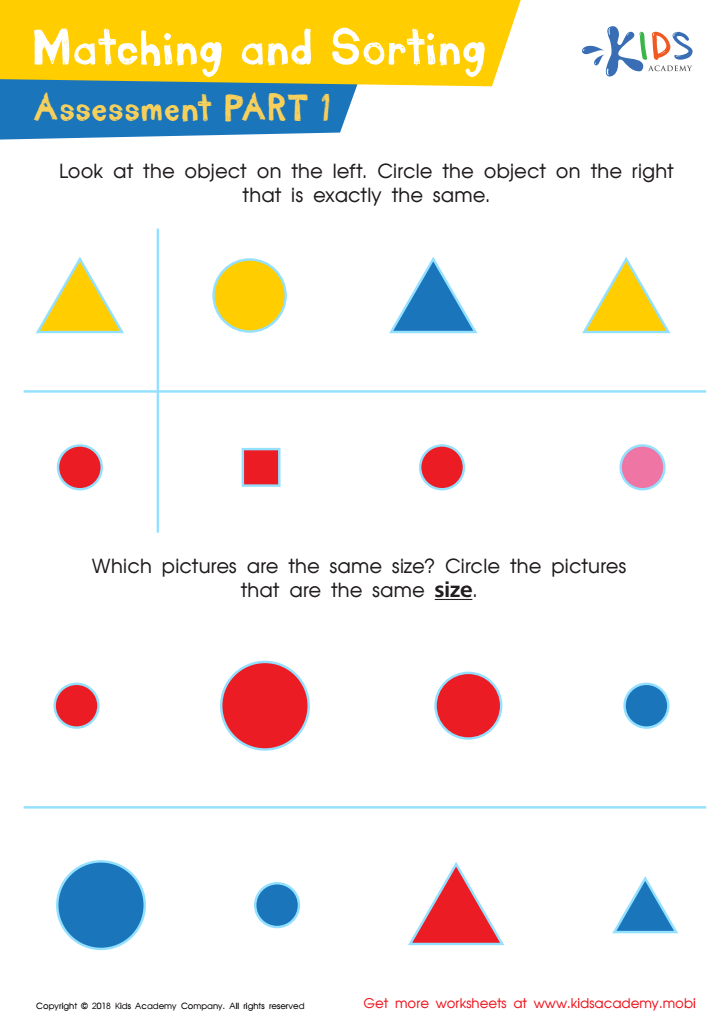
Matching and Sorting for Kindergarten: Assessment 1 Worksheet
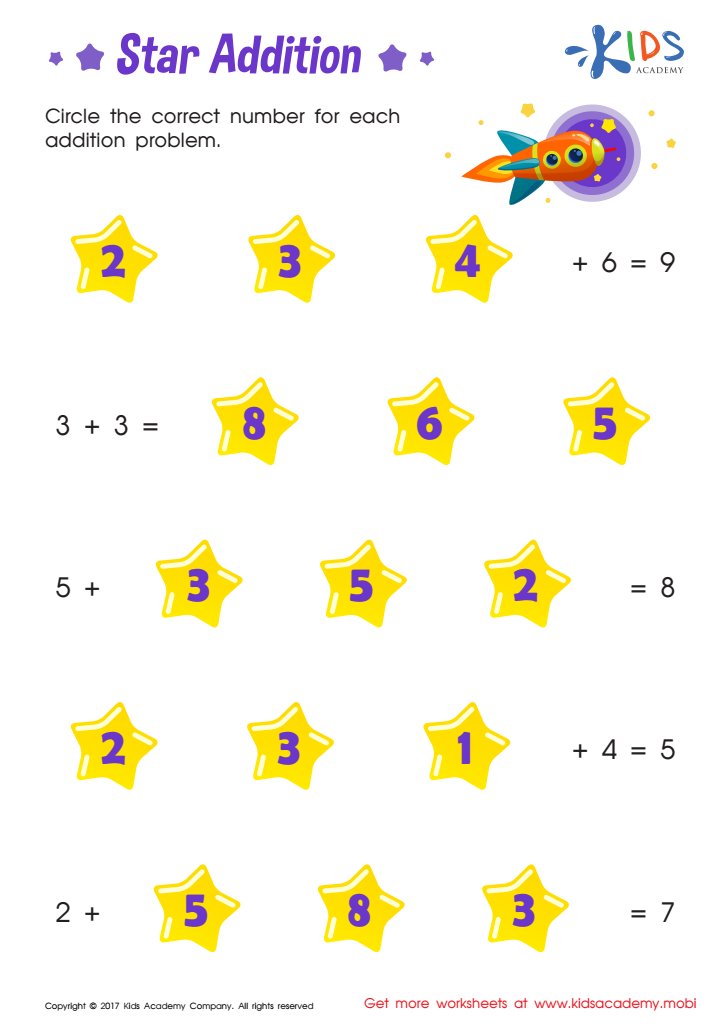
Star Addition Printable
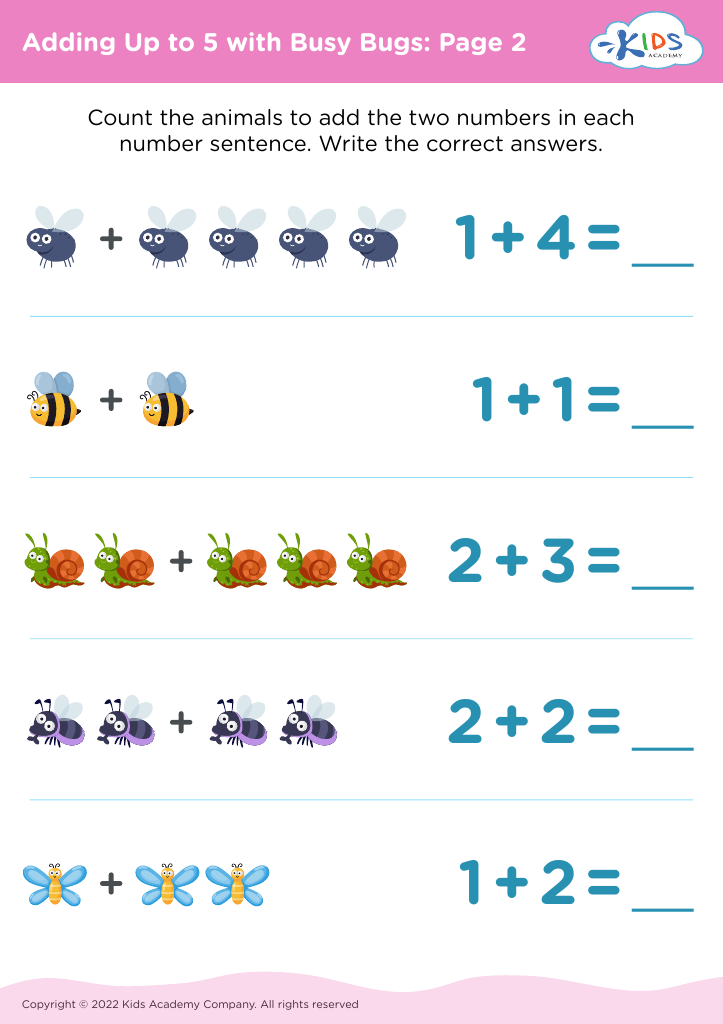
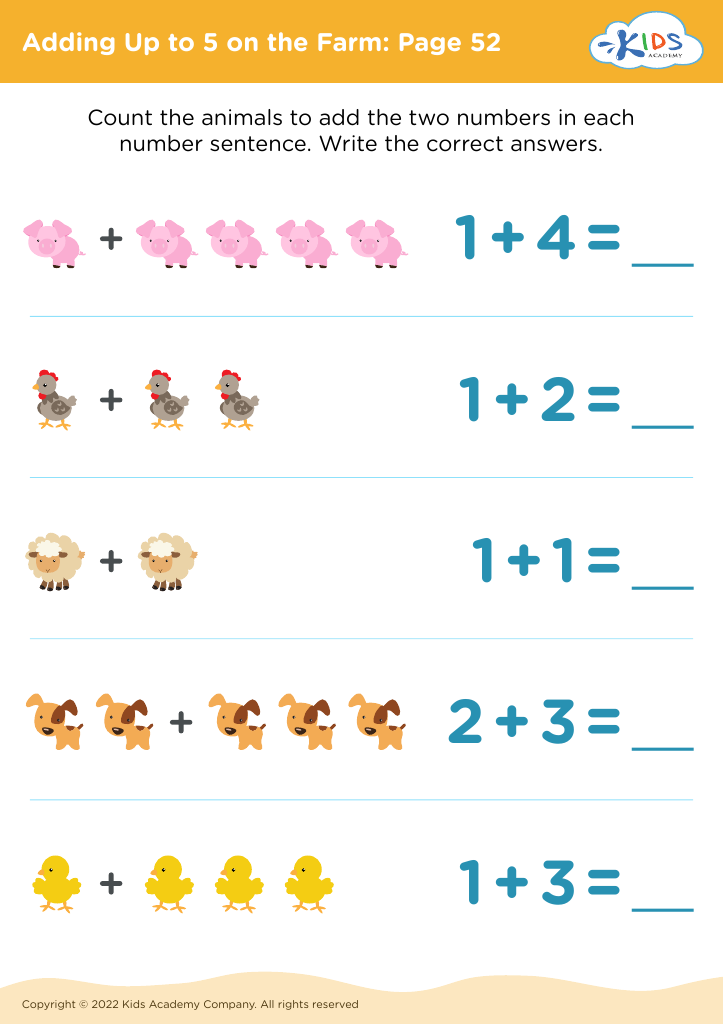
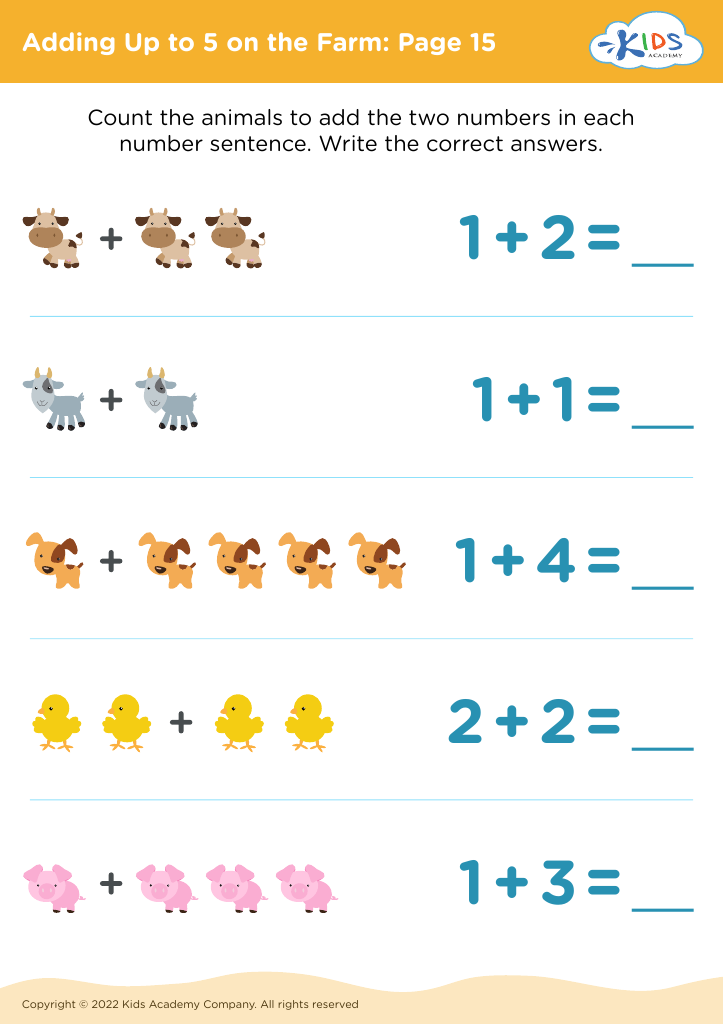
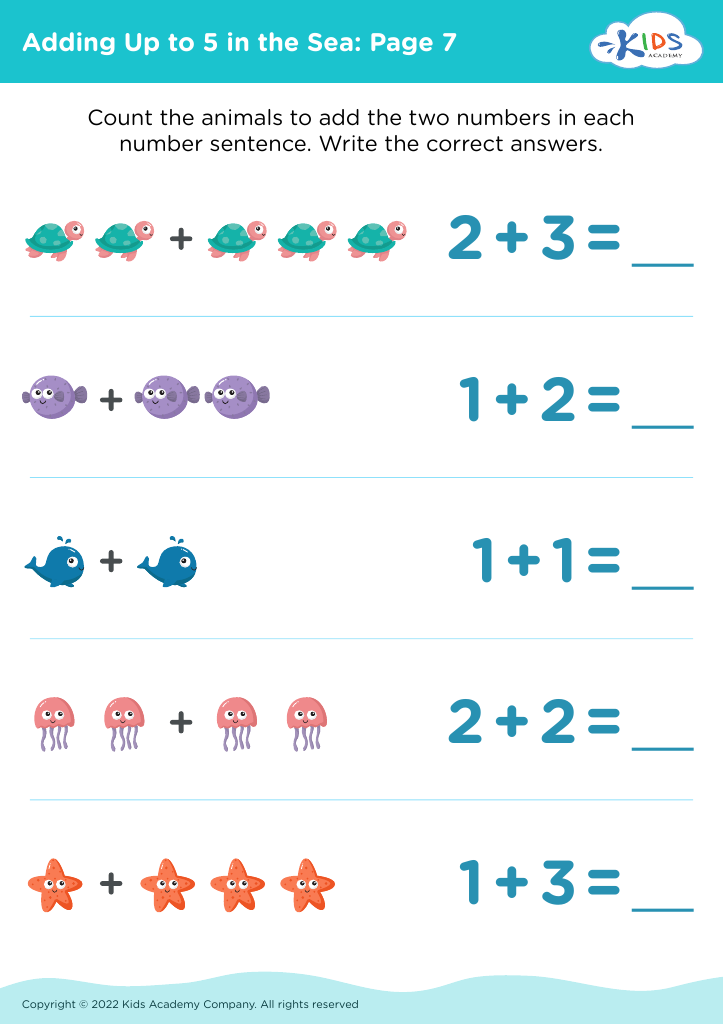
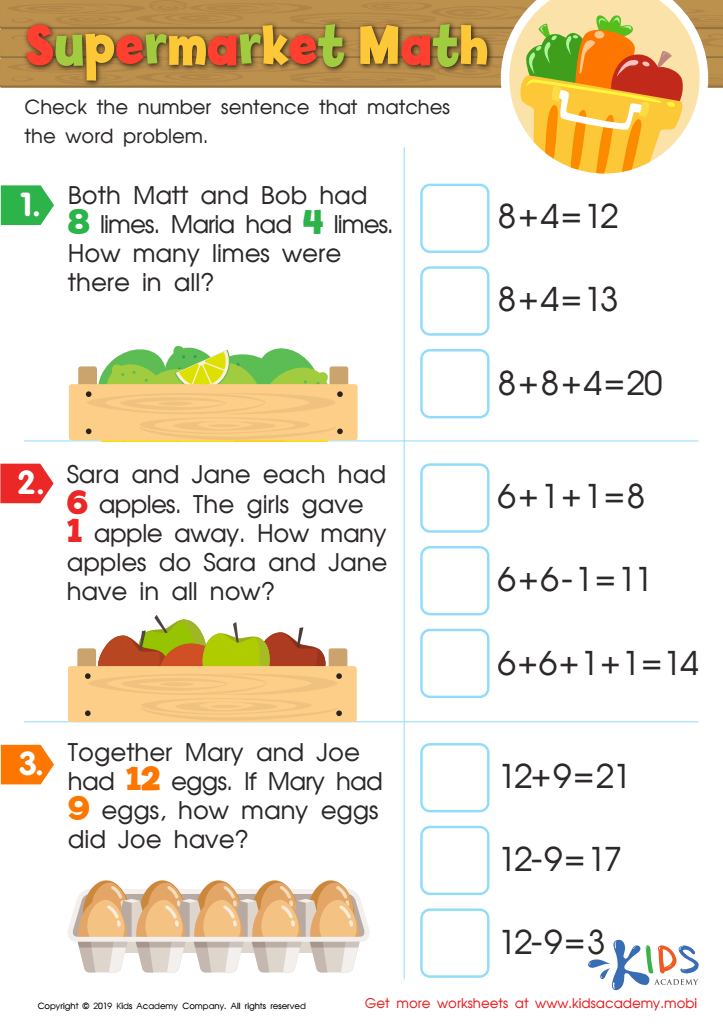
Supermarket Math Worksheet
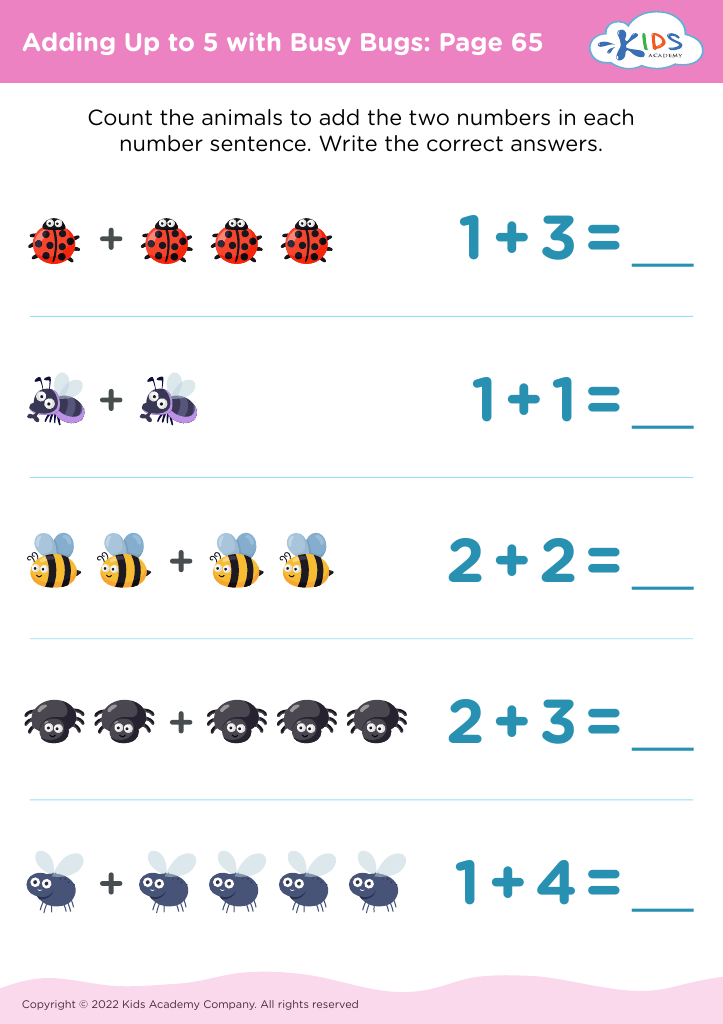
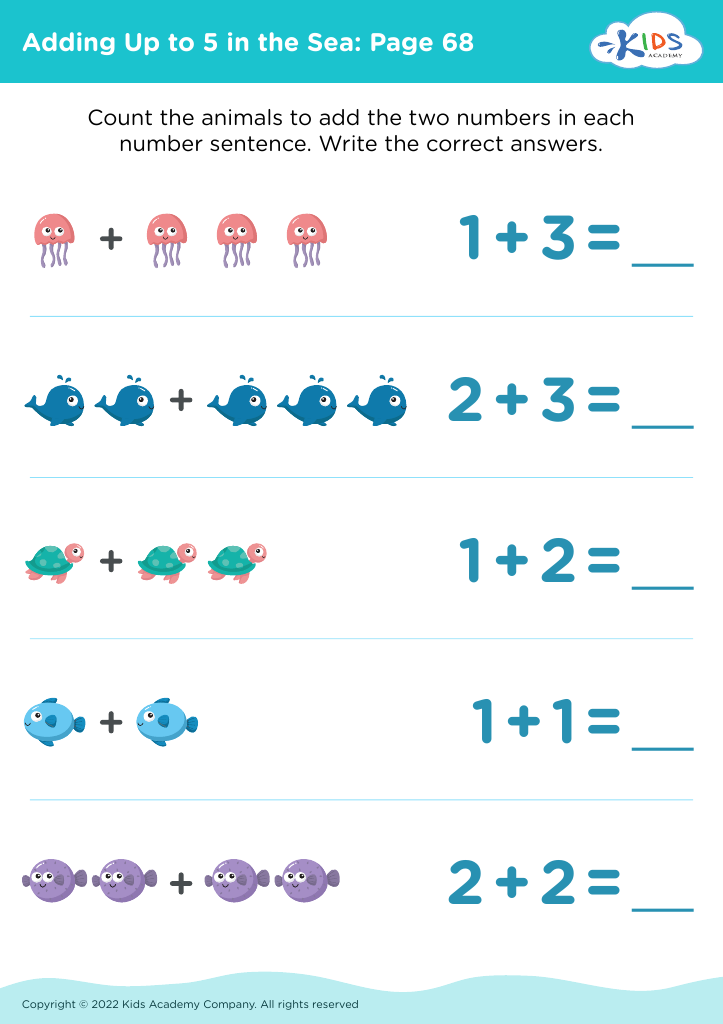
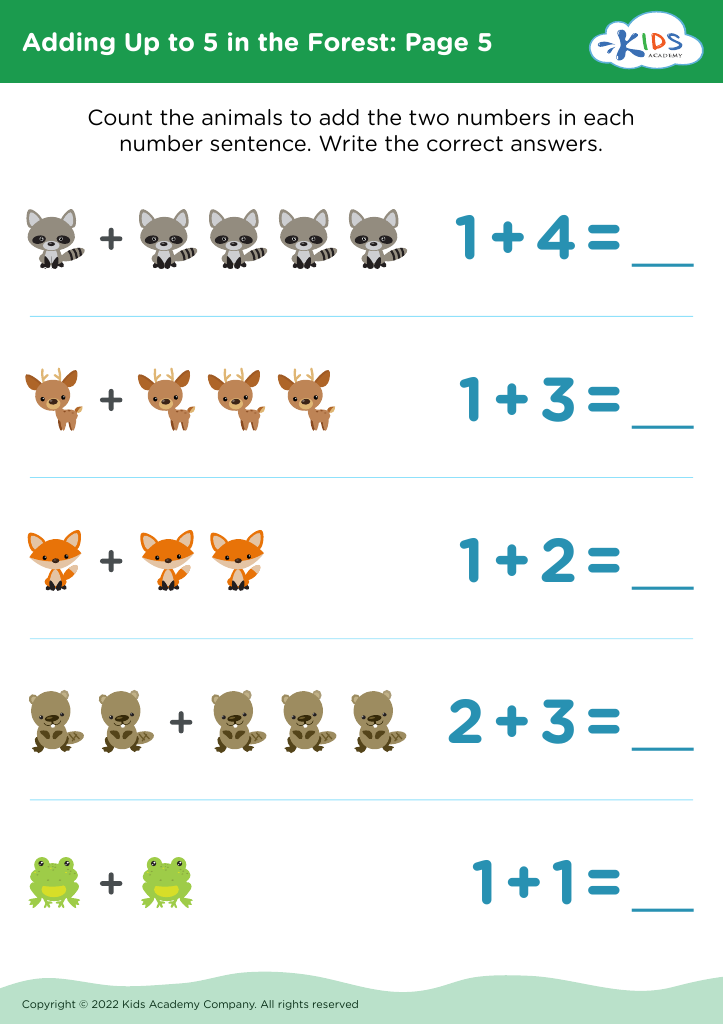
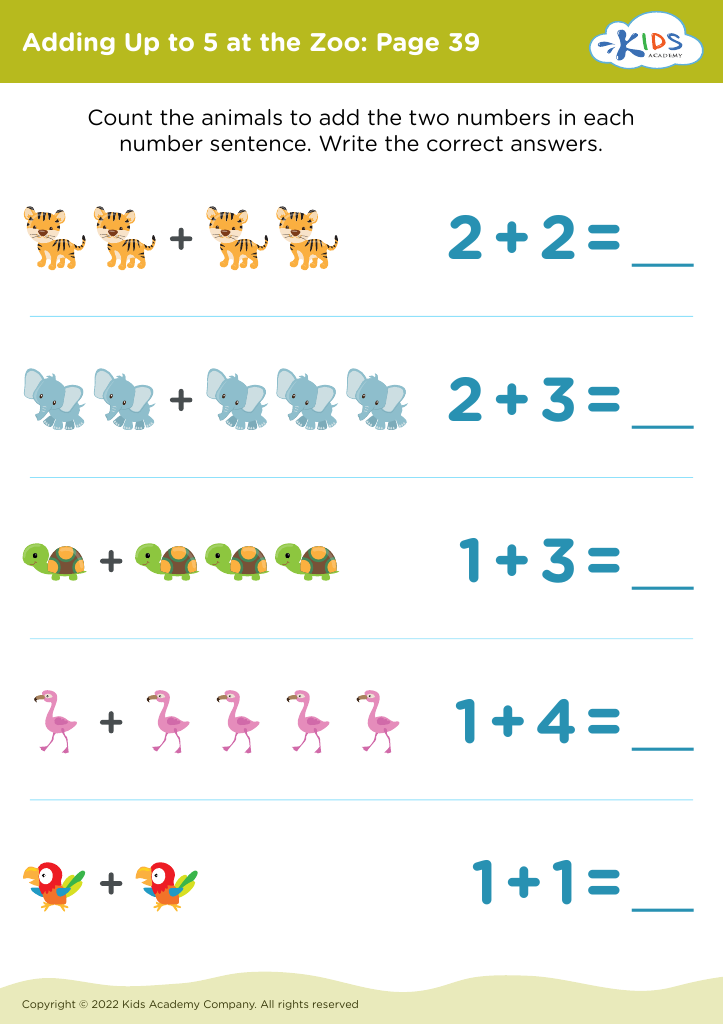








Basic arithmetic skills are crucial for children ages 3-5 as they lay the foundation for future mathematical understanding and problem-solving abilities. Early exposure to these concepts enhances cognitive development, encourages logical thinking, and fosters a sense of confidence in academic settings.
During these formative years, children are naturally curious and playful—which creates the perfect opportunity for introducing numbers, counting, and simple addition or subtraction through everyday activities. Engaging in fun math tasks cultivates a positive attitude toward learning and demystifies math as a complex subject.
Additionally, basic arithmetic is integral to real-life skills. Young children encounter math through sharing toys, counting snacks, or measuring items during playtime. These activities not only improve their numeracy skills but also facilitate social interactions, helping them build friendships and share resources effectively.
Furthermore, research indicates that early math proficiency correlates with greater academic success in later school years. Parents and teachers who prioritize basic arithmetic in their approaches help ensure children develop a robust understanding of essential skills, preparing them for challenges in school and everyday life. By investing time in early arithmetic, caregivers enable children to establish a strong foundation that will support their overall educational journey.








