Critical Thinking Reading Worksheets for Ages 3-5 - Page 2
28 filtered results
-
From - To
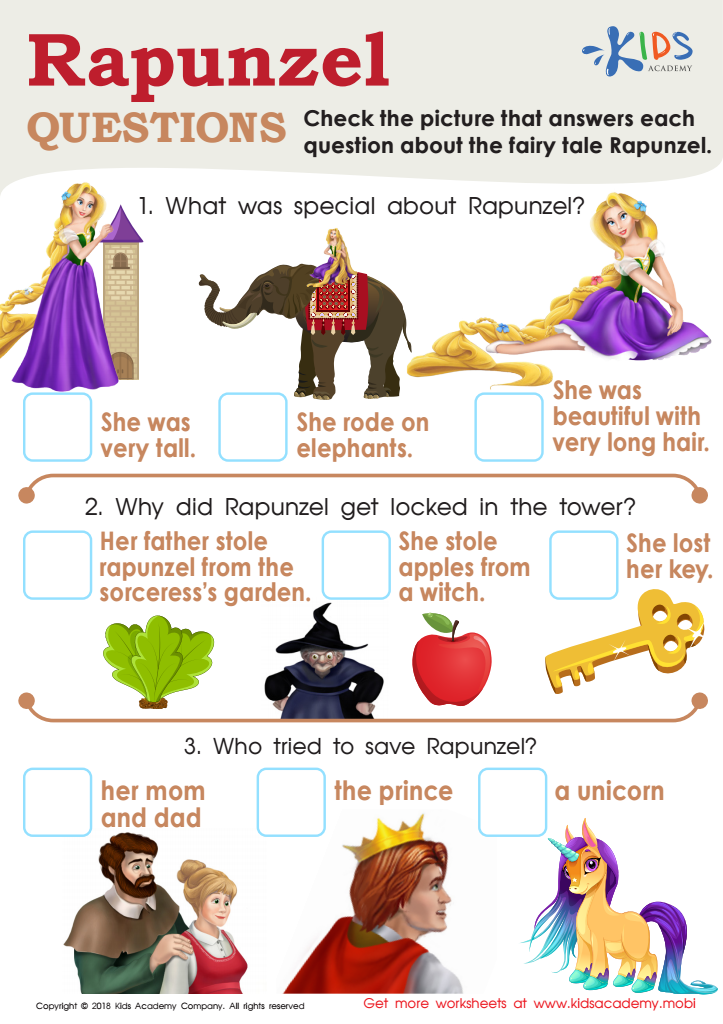
Rapunzel Questions Worksheet
 Assign to My Students
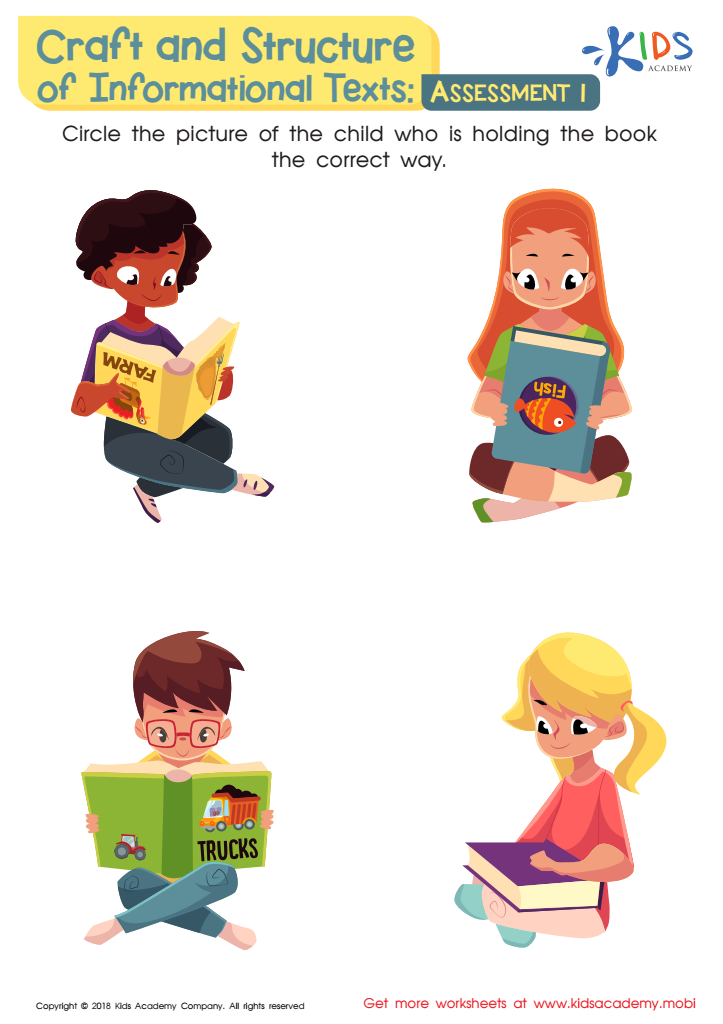
Craft and Structure of Informational Texts: Assessment 1 Worksheet
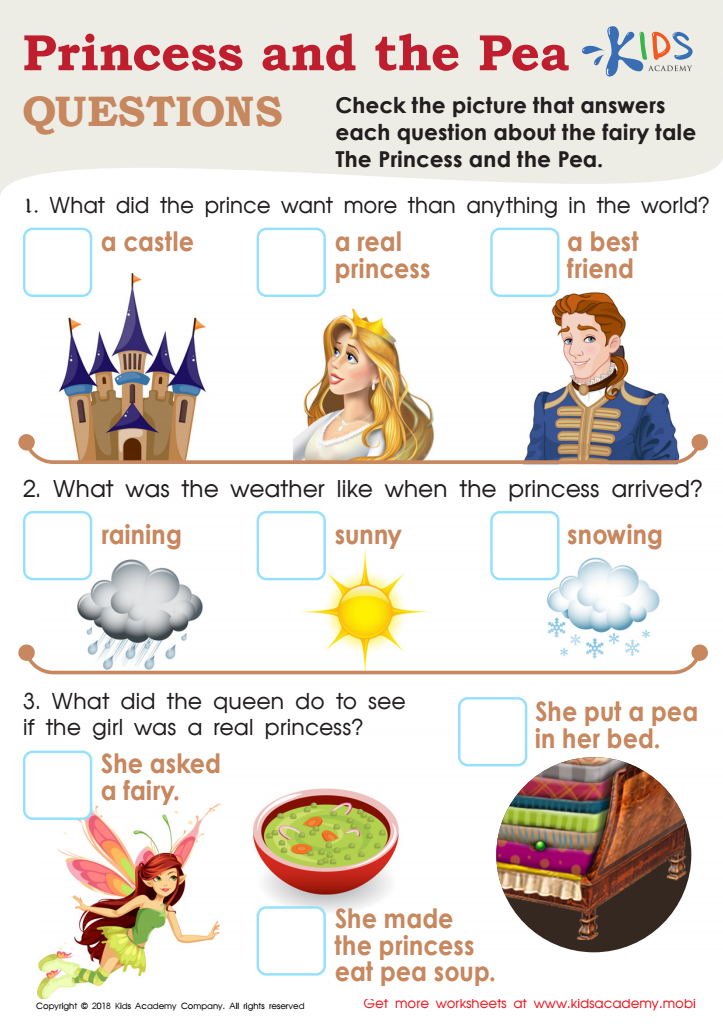
Princess and the Pea Questions Worksheet
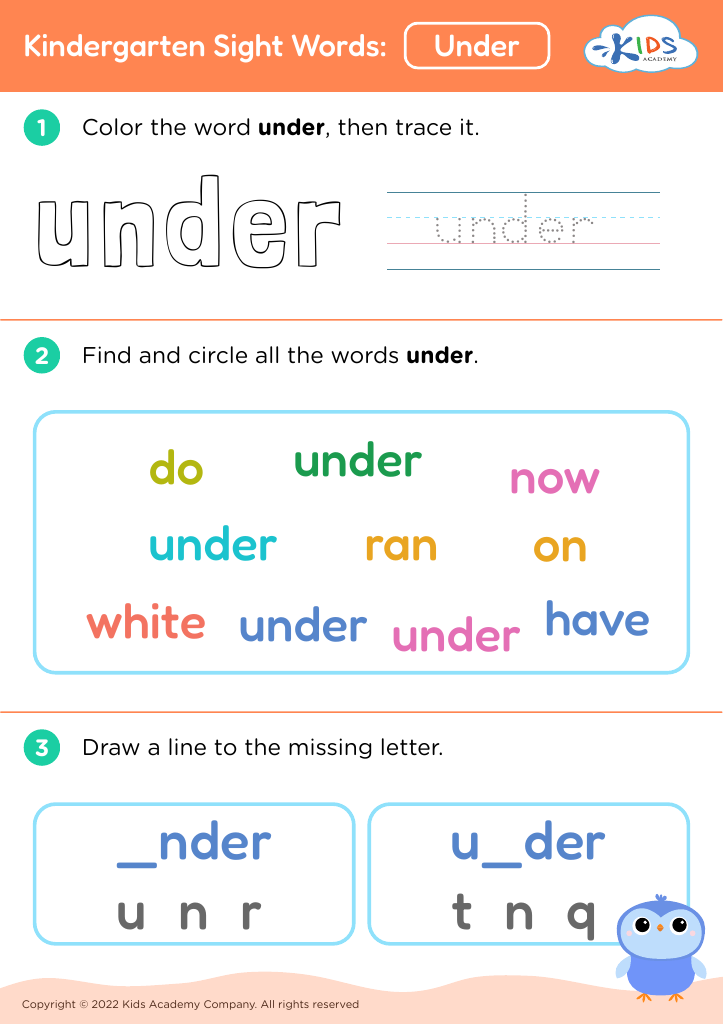






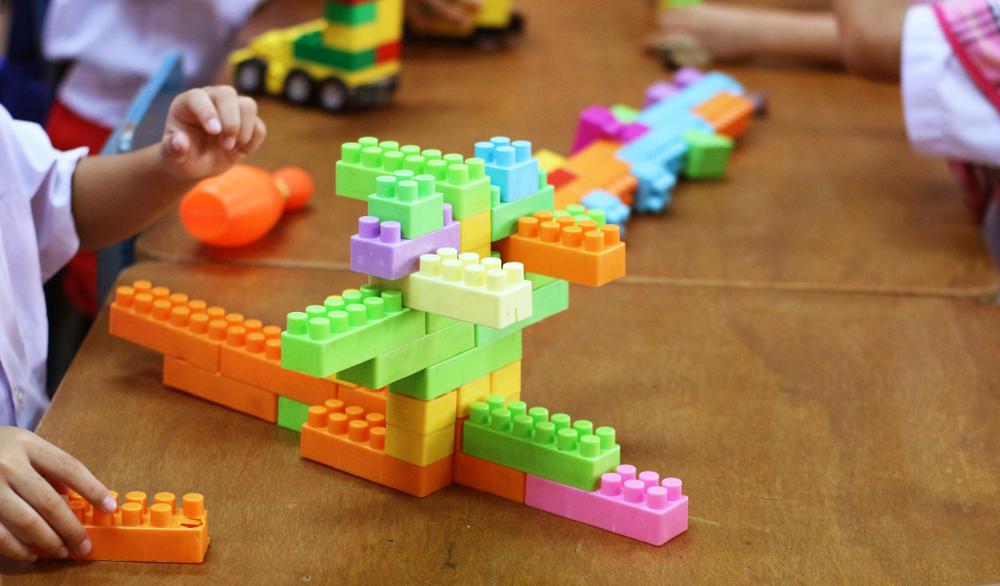

Critical Thinking Reading for ages 3-5 lays the foundation for lifelong learning and comprehension skills that are essential in our increasingly complex world. At this early age, children are naturally curious and absorb information like sponges. Encouraging critical thinking alongside reading fosters their ability to analyze, question, and connect ideas, promoting deeper understanding and engagement with texts.
When parents and teachers emphasize critical thinking, they help children develop essential skills such as reasoning, problem-solving, and effective communication. These abilities not only enhance reading comprehension but also support cognitive development by encouraging children to explore concepts, make predictions, and express their thoughts and feelings.
At this stage, interactive story reading can scaffold critical thinking through questions that prompt children to consider characters' motivations or predict outcomes, sparking their imagination and creativity. By nurturing these skills early on, parents and teachers are helping to create confident learners who will thrive academically and socially.
Ultimately, investing in critical thinking reading for young children equips them with the tools they need to navigate an ever-evolving world, fostering independence and adaptability as they grow. In doing so, parents and teachers play a pivotal role in shaping inquisitive, lifelong learners.








