Fraction comparison Reading Worksheets for Ages 3-5
7 filtered results
-
From - To
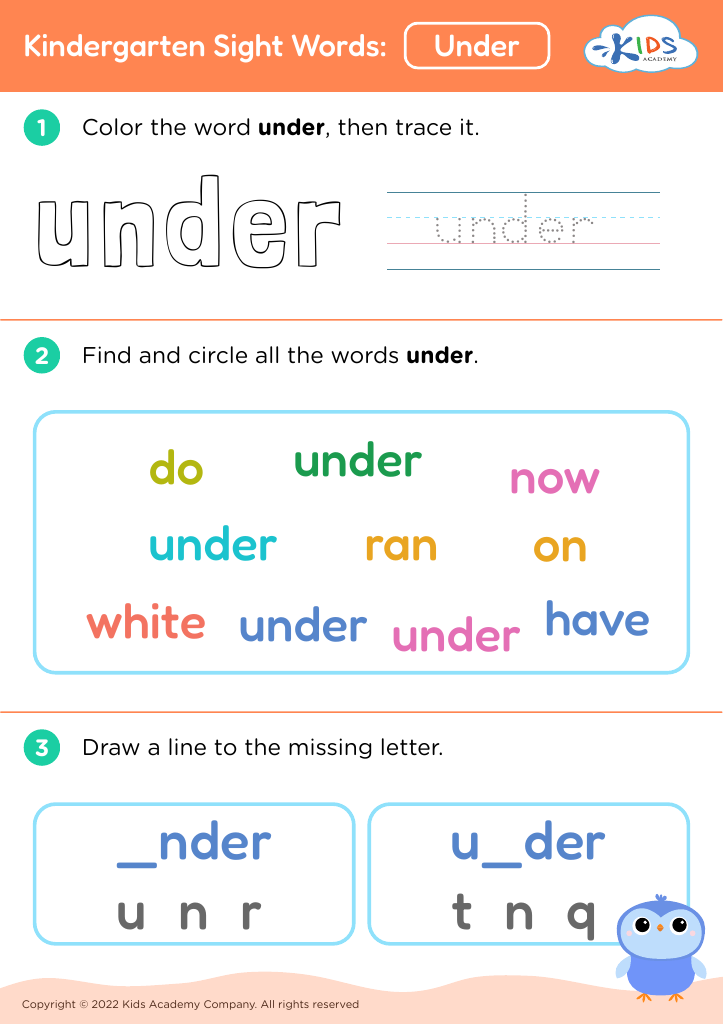
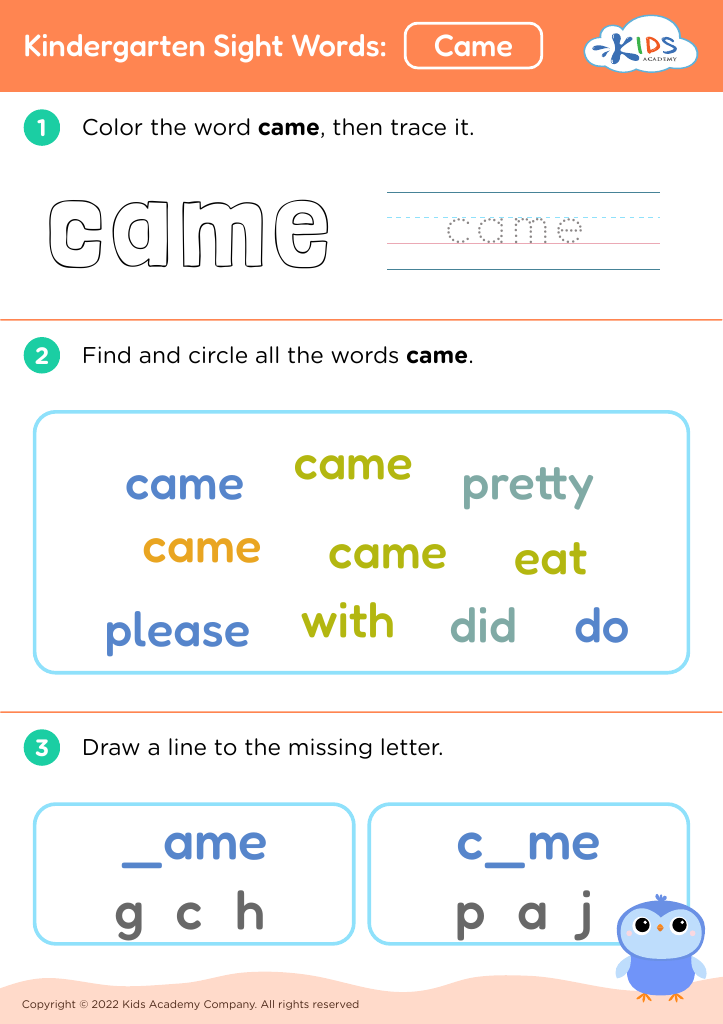
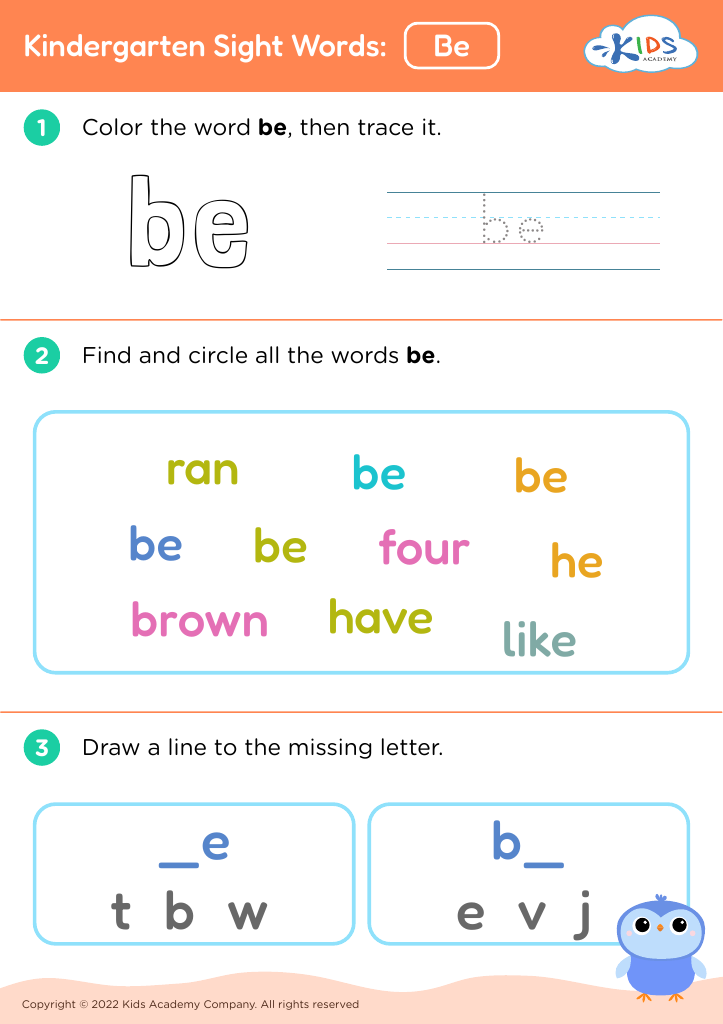
Introducing our engaging Fraction Comparison Reading Worksheets designed specifically for children ages 3 to 5! These worksheets make learning about fractions fun and interactive, helping young learners visually understand the concept of comparison. Through colorful illustrations and simple exercises, kids will practice identifying and comparing fractions in a playful way that encourages critical thinking. Perfect for preschool classrooms or at-home learning, our resources develop essential skills that form a foundation for future mathematical concepts. Easy to download and print, these worksheets provide an exciting opportunity for children to explore the world of fractions while sharpening their reading and comprehension skills. Unlock your child’s potential today!





Fraction comparison reading for children aged 3-5 is essential because it lays the foundation for mathematical understanding in early learners. At this young age, children are naturally curious and absorb new concepts rapidly. Introducing the idea of fractions through engaging reading materials helps develop their numerical literacy and cognitive skills.
Understanding fractions is not merely about numbers and equations—it's about recognizing parts of a whole, which is crucial for grasping more advanced mathematical concepts later on. Learning through stories, visuals, and hands-on activities encourages children to think critically about relationships between numbers, fostering analytical skills that go beyond mathematics.
Additionally, comparative language in the context of fractions, such as “more,” “less,” “half,” and “whole,” enriches children's vocabulary and comprehension. It can also enhance social skills, as they engage in discussions about shared experiences, like dividing snacks or toys, making learning applicable to real life.
Lastly, engaging fraction comparison reading encourages joyful learning. When children enjoy discovering new concepts, they develop a lifelong love for learning. By prioritizing this in early education, parents and teachers can ensure students are better prepared for future academic challenges and foster a strong foundation in mathematics.








