Logical Reasoning Reading Worksheets for Ages 3-5
10 filtered results
-
From - To
Enhance your child's critical thinking skills with our engaging Logical Reasoning Reading Worksheets, specially designed for ages 3-5. These worksheets help young learners develop essential reasoning abilities through fun and interactive activities. Children will explore patterns, make connections, and solve simple problems while improving their reading skills. Each worksheet is crafted to be age-appropriate, ensuring a delightful learning experience. Parents and educators can use these resources to foster curiosity and stimulate cognitive development in early learners. Start your child's educational journey today with our accessible and entertaining worksheets that pave the way for confident reading and logical thinking!
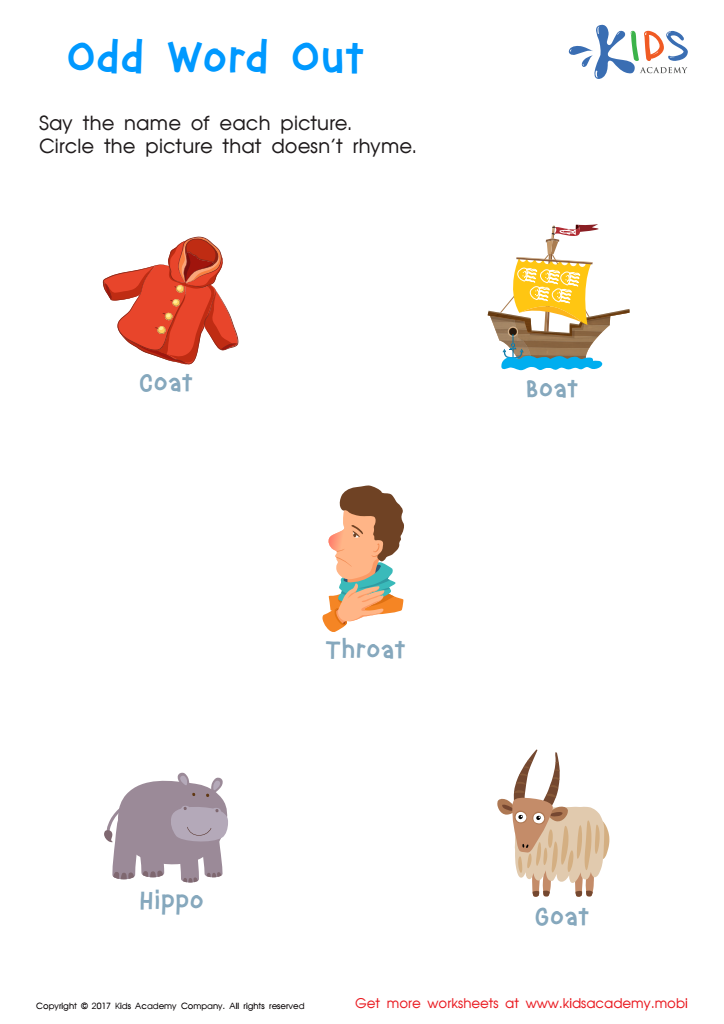
Odd Word Out Rhyming Worksheet
 Assign to My Students
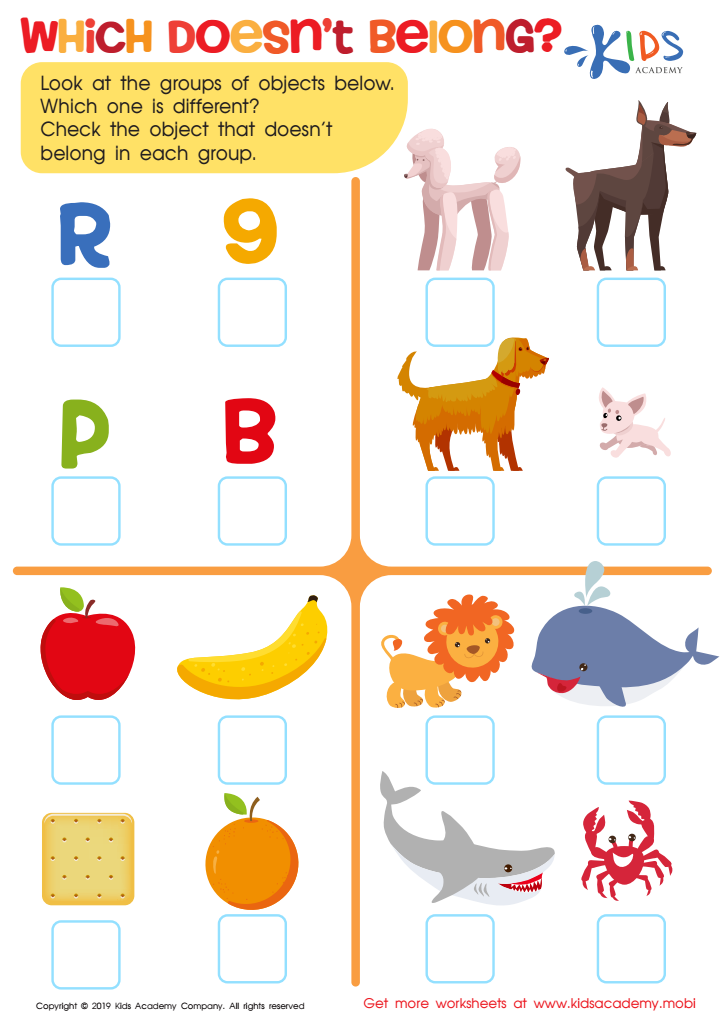
Which Doesn't Belong? Worksheet
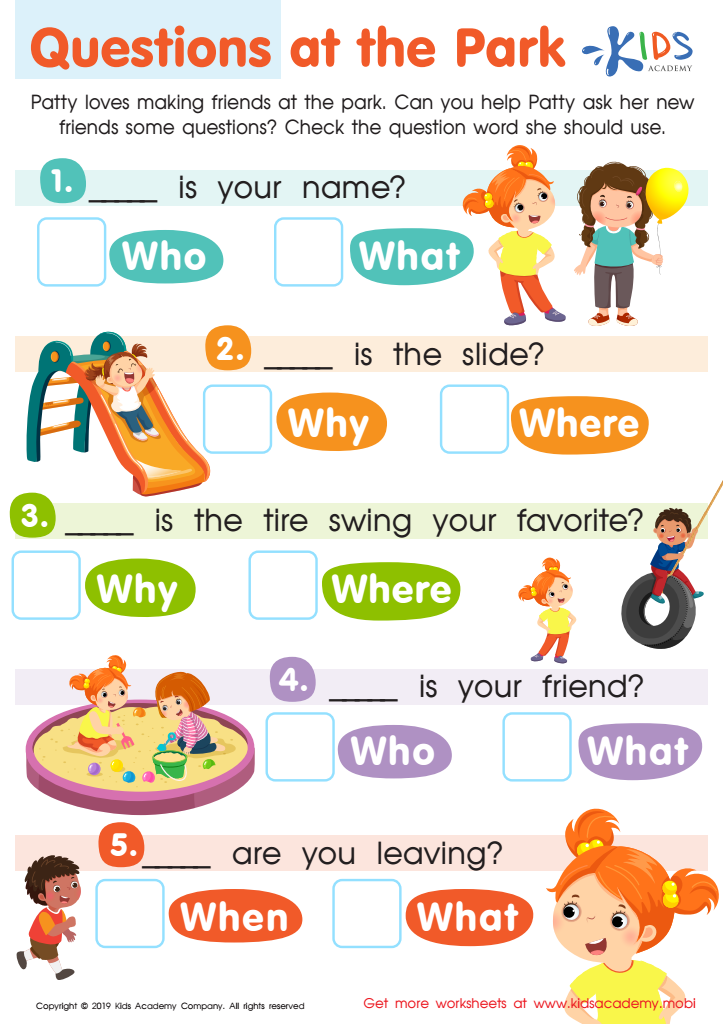
Questions at the Park Worksheet
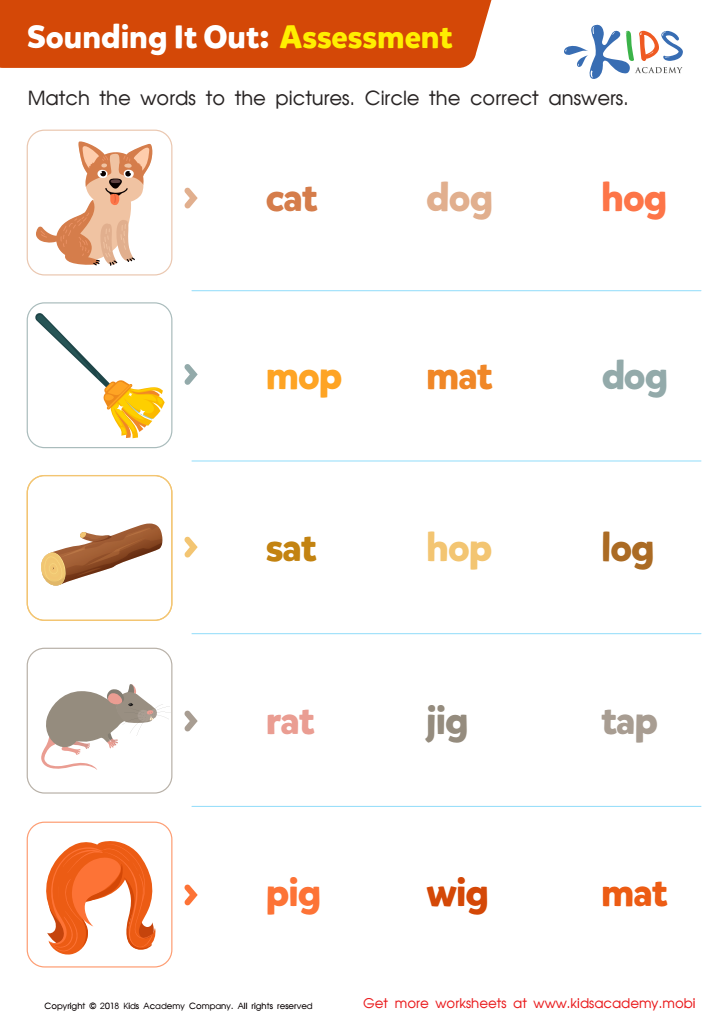
Sounding it Out: Assessment Worksheet
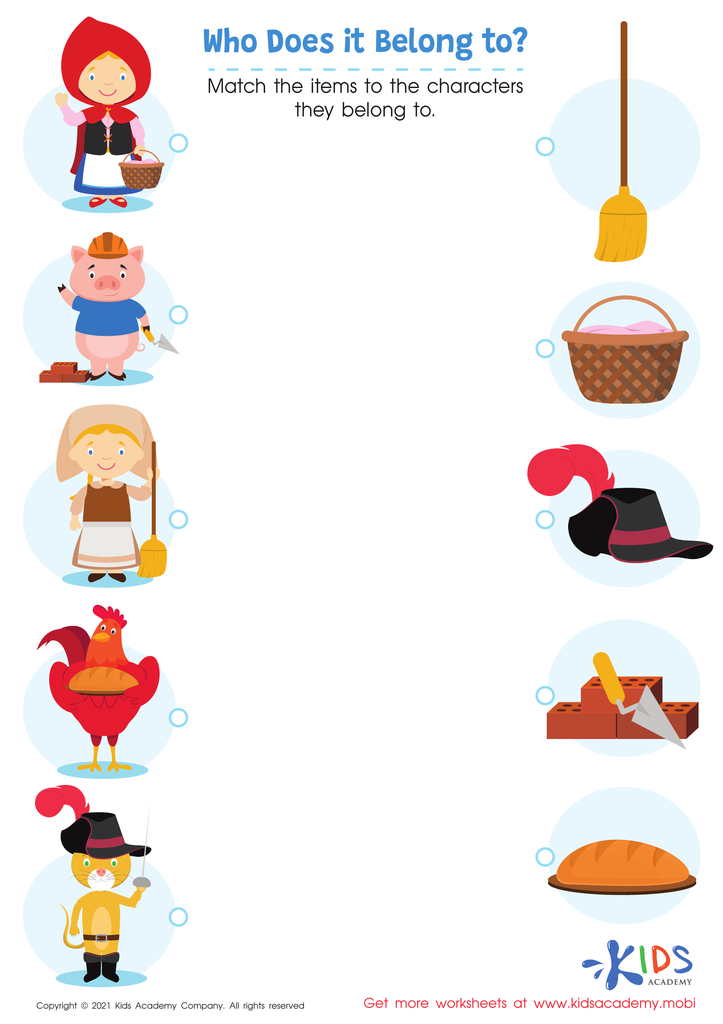
Who Does It Belong To? Worksheet
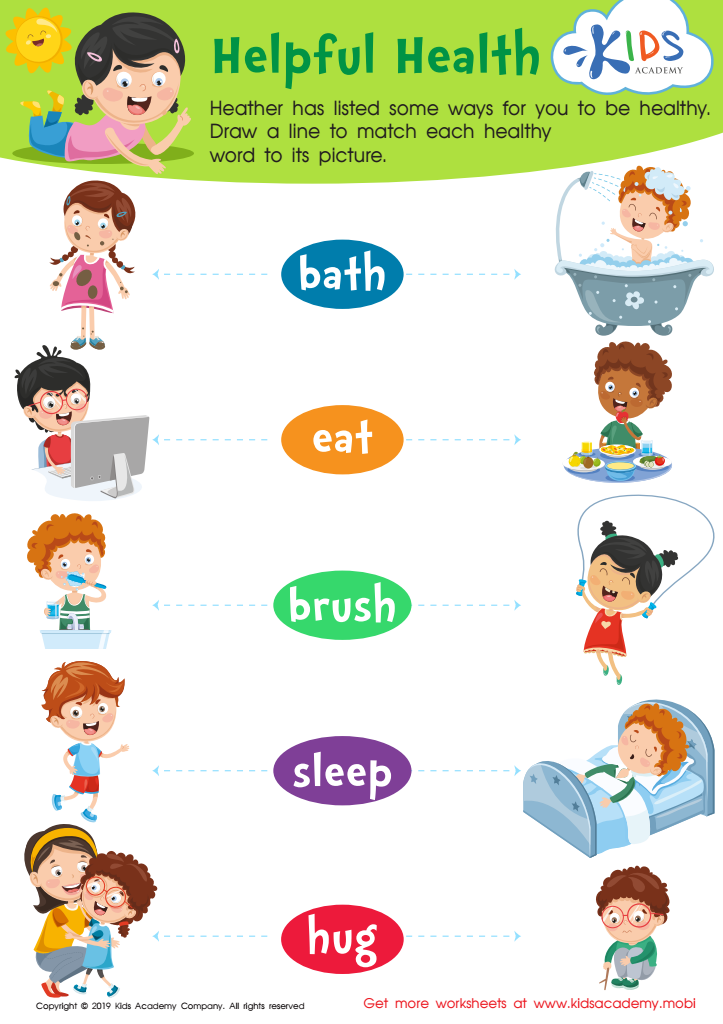
Helpful Health Worksheet
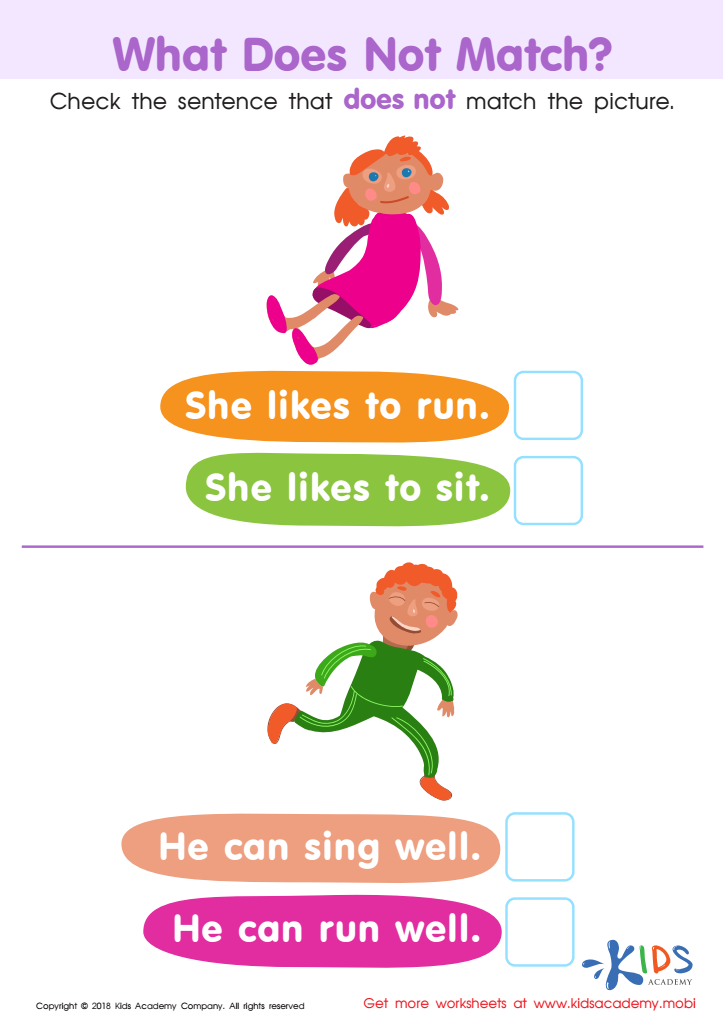
What Does Not Match? Worksheet
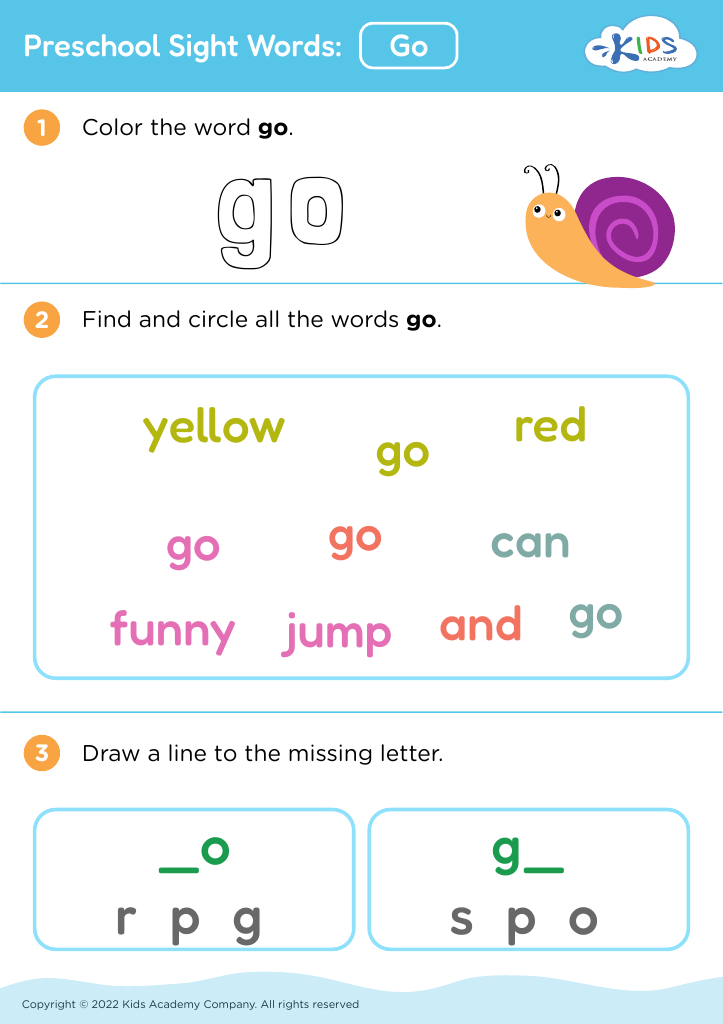
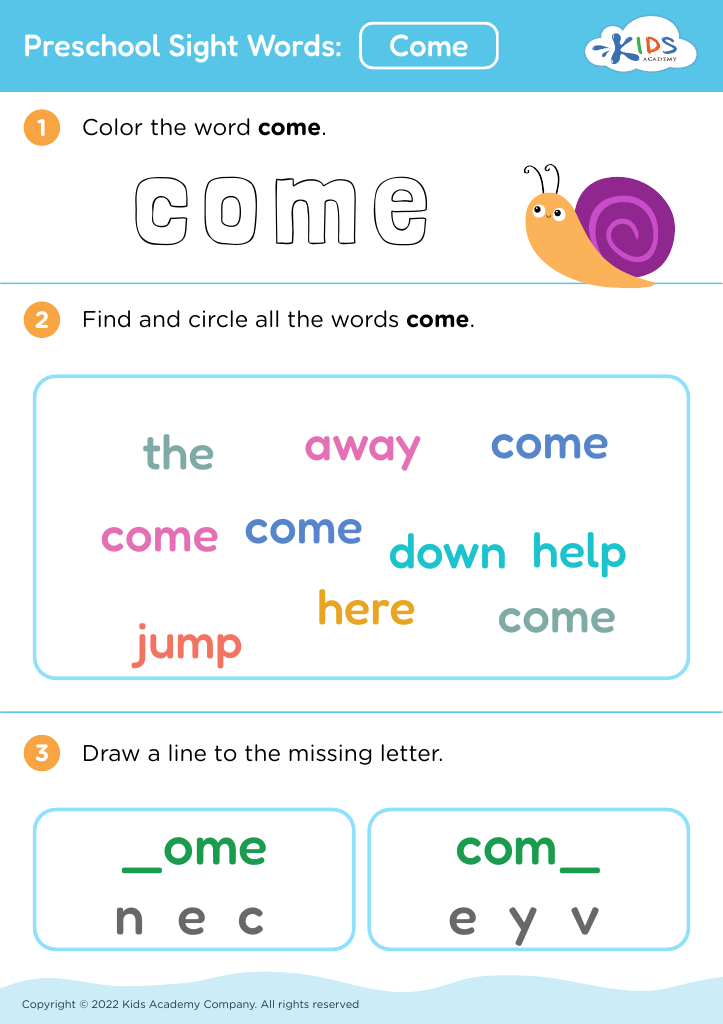
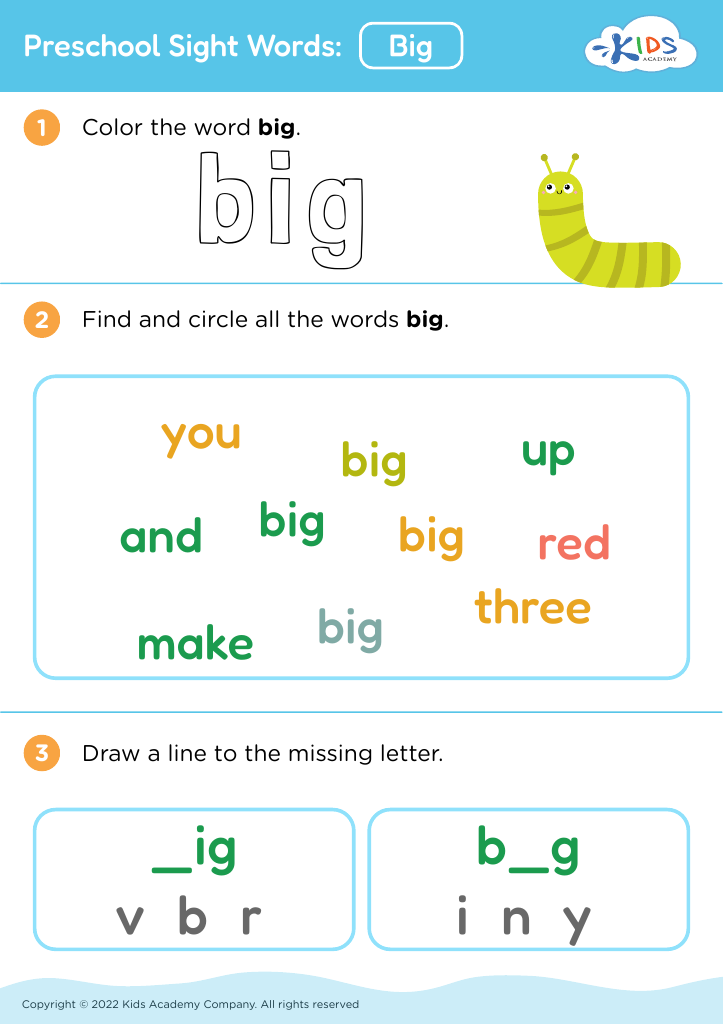








Logical reasoning reading for ages 3-5 is essential for early childhood development, as it lays the groundwork for critical thinking and problem-solving skills. This cognitive skill involves the ability to analyze situations, make connections, and understand cause and effect, which are vital components of early literacy and overall learning.
Parents and teachers should care because fostering logical reasoning translates into better comprehension and fluency as children begin to read independently. Engaging young learners in stories that encourage prediction and inference helps them develop an understanding of narrative structure and character motivation, ultimately enhancing their reading experience.
Moreover, logical reasoning supports social-emotional development. When children learn to reason through stories, they gain insights into perspective-taking and empathy, allowing them to relate to others’ feelings and thoughts. This skill is crucial for building healthy relationships and effective communication.
Investing in logical reasoning activities—through storytelling, interactive reading, and strategic questioning—can significantly boost a child's academic readiness and lifelong learning journey. Early interventions in developing logical thinking can foster a solid love for reading and learning, setting the stage for future educational success. Therefore, it is crucial for parents and teachers to prioritize logical reasoning strategies in early childhood education.








