Multiplication practice Reading Worksheets for Ages 3-5
3 filtered results
-
From - To
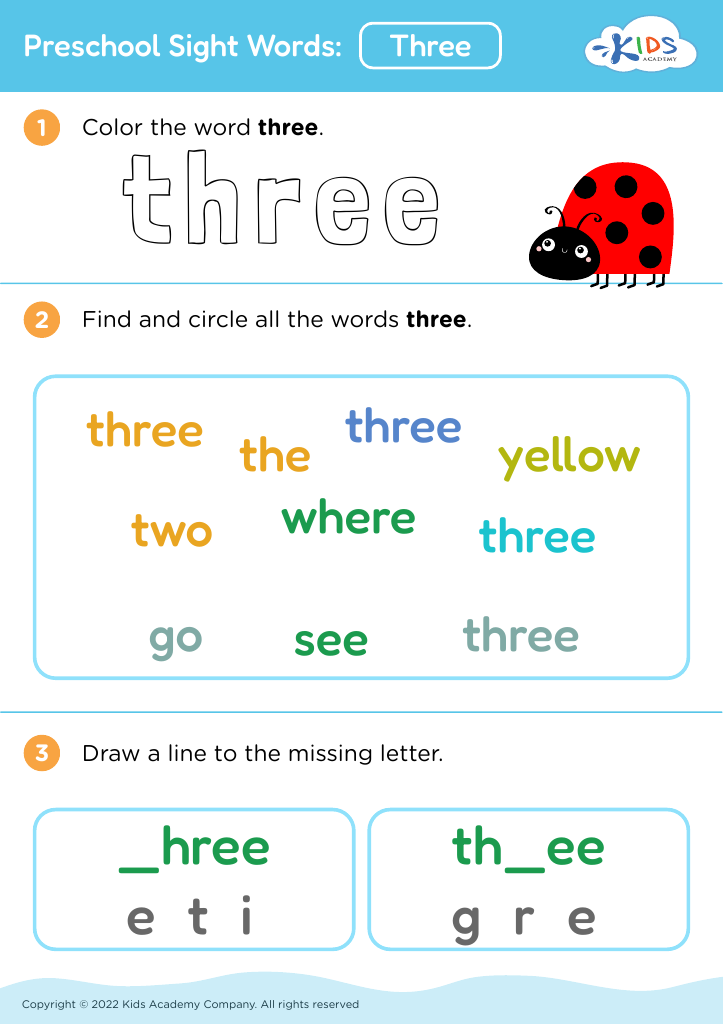
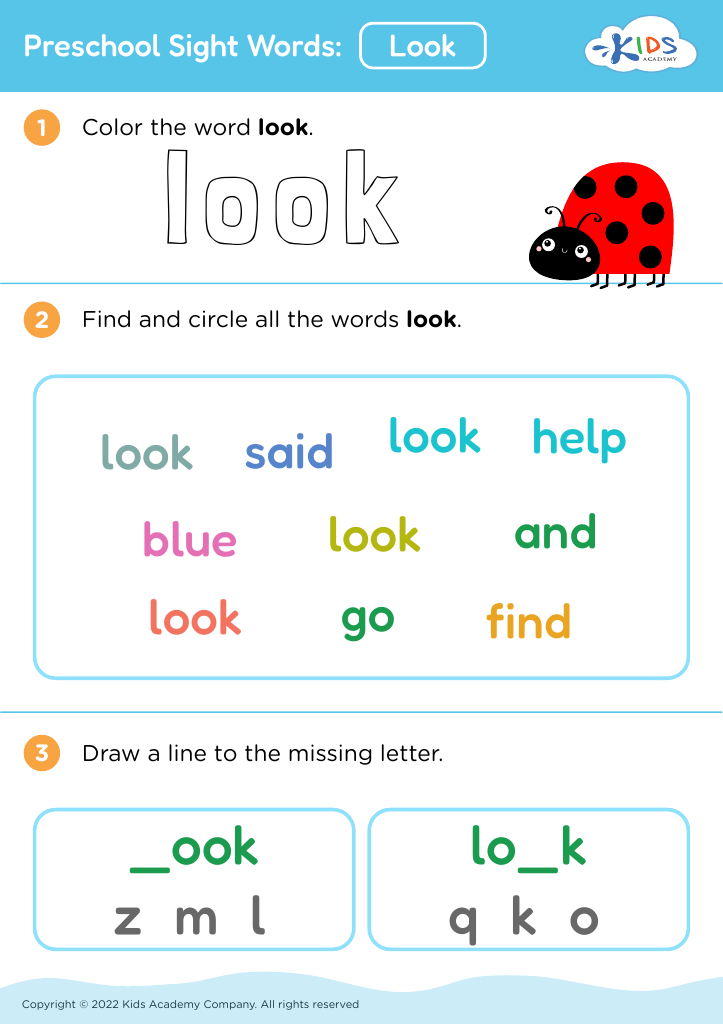
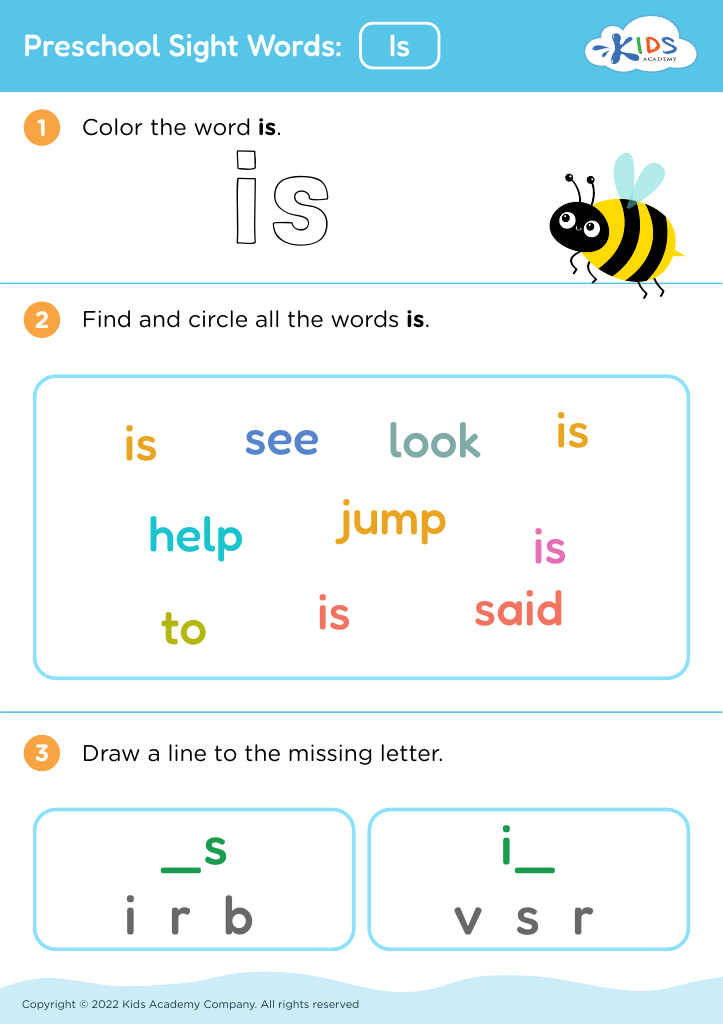
Boost your child's math skills with our engaging "Multiplication Practice Reading Worksheets" tailored for ages 3-5! These interactive worksheets combine vibrant illustrations with simple multiplication problems to make learning fun and effective. Designed to capture young minds, our carefully crafted exercises help children grasp basic multiplication concepts while enhancing their reading and comprehension abilities. Perfect for home or classroom use, these worksheets provide a solid foundation for future math success. Turn math into an exciting adventure and watch your child’s confidence soar with every completed worksheet. Explore now and give your little learner a head start!



.jpg)




Multiplication practice reading for ages 3-5 may seem advanced, as children at this stage are typically focused on basic literacy and numeracy, but early exposure to mathematical language can be incredibly beneficial. Even if full comprehension of multiplication isn't achieved, introducing multiplication concepts early can aid in cognitive development and setting foundational skills that enhance future learning.
At this age, children are like sponges, with brains that rapidly absorb information. Introducing them to multiplication concepts through stories, games, and rhythmic recitations can stimulate interest and curiosity, laying down an early understanding of patterns and structures, which are fundamental to mathematics.
Engaging with multiplication in a playful manner also improves children's ability to recognize relationships between numbers, fostering problem-solving skills and logical thinking. Importally, these activities can be fun and engaging, encouraging a positive attitude toward learning math, which is crucial for long-term academic success.
For parents and teachers, integrating multiplication practice into reading enriches the learning experience and creates a well-rounded early educational environment. This integrated approach ensures the development of essential cognitive skills and prepares children for a smoother transition into more complex mathematical concepts in primary school. Therefore, early exposure to multiplication can be highly beneficial for a young child’s holistic development.








