Understanding directions Reading Worksheets for Ages 3-5
3 filtered results
-
From - To
Unlock the power of comprehension with our "Understanding Directions Reading Worksheets" designed for children aged 3-5. These engaging worksheets help young learners develop essential skills in following instructions and understanding basic concepts. Through interactive activities, kids will enhance their reading abilities, boost their confidence, and cultivate a love for learning. Our carefully crafted exercises encourage critical thinking and promote early literacy development in a fun, approachable format. Perfect for educators and parents alike, these worksheets are an excellent resource for reinforcing communication skills at home or in preschool classrooms. Start nurturing your child's understanding of directions today!
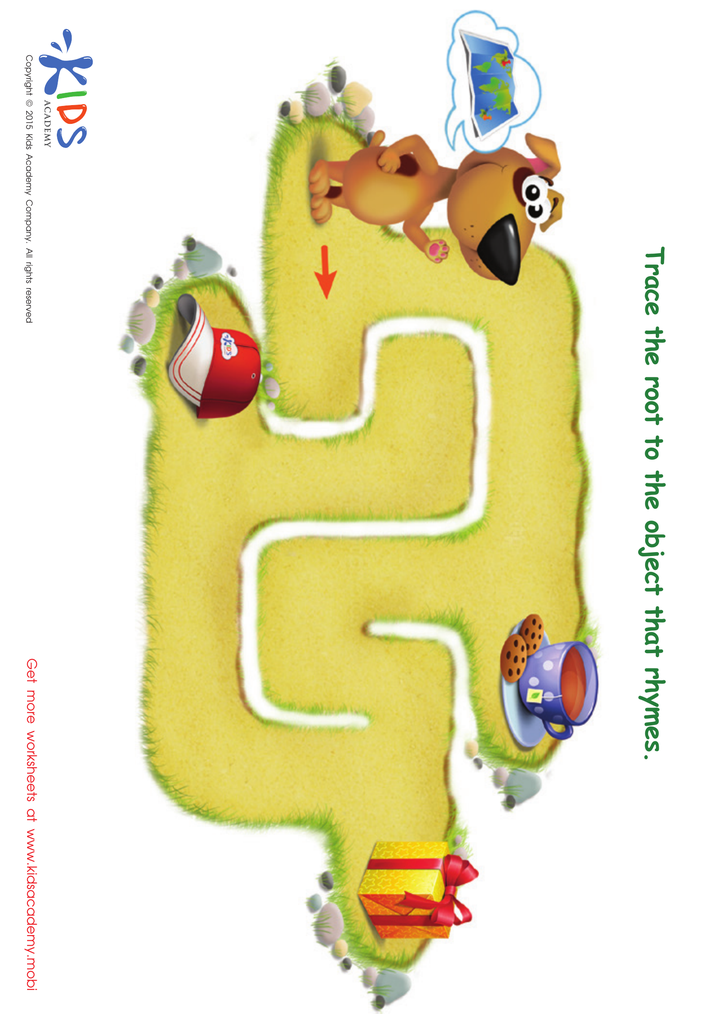
Map Rhyming Words Worksheet
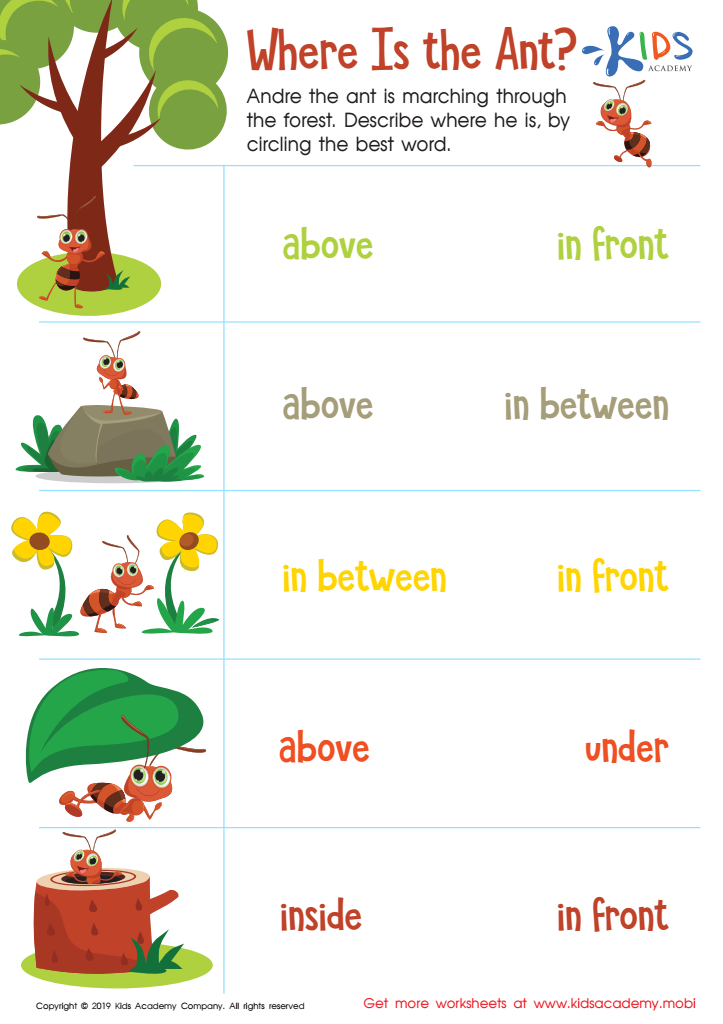
Where Is the Ant? Worksheet
 Assign to My Students
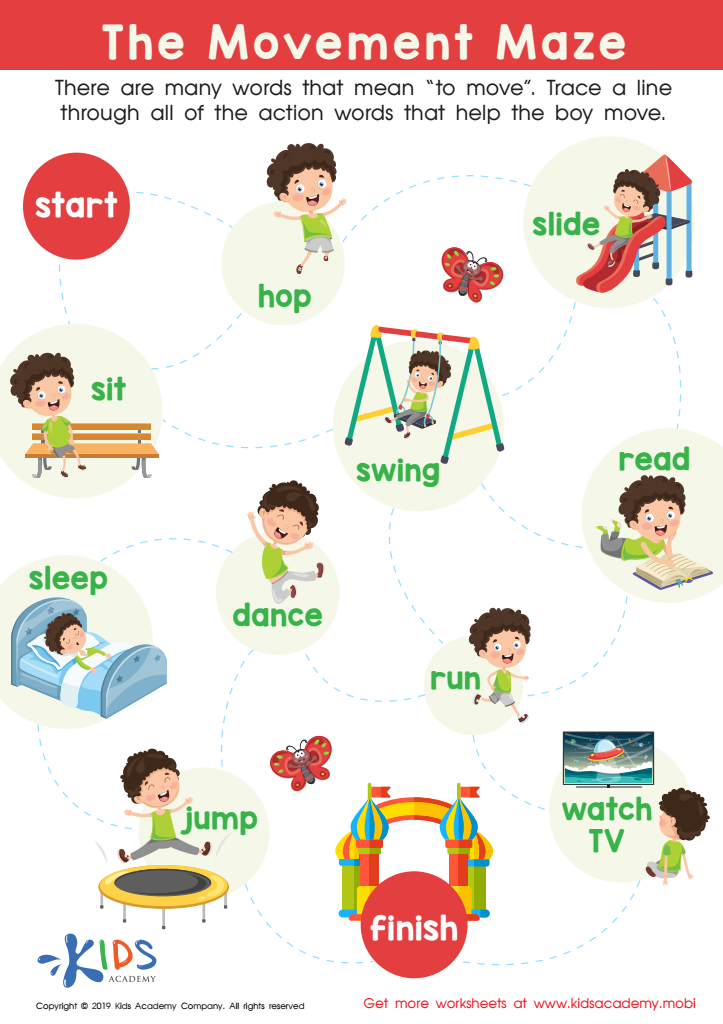
The Movement Maze Worksheet








Understanding directions is a crucial skill for children aged 3-5, as it lays the groundwork for their cognitive and social development. At this age, children are developing their language skills, cognitive abilities, and social interactions. By engaging with directions, they learn to process verbal information, follow instructions, and enhance their listening skills. This ability is essential for basic tasks, whether it's in a classroom setting or at home during playtime.
Moreover, proficiently following directions fosters independence and self-confidence in young learners. As they grasp the importance of routines and guidelines, they become more competent in navigating everyday situations, which is fundamental for future academic success. For parents and teachers, encouraging kids to understand and follow directions cultivates patience, cooperation, and respect for authority.
Additionally, understanding directions aids in developing critical thinking skills. Children learn to interpret language, think sequentially, and respond to various situations effectively. By prioritizing this learning area, caregivers can help lay the foundation for successful relational and academic skills that will serve children throughout their educational journey, ensuring they are well-prepared for more complex learning experiences in the future. Ultimately, fostering direction-following abilities enriches a child’s learning experience and contributes significantly to their overall development.








