Color recognition Reading Comprehension Worksheets for Ages 3-5
5 filtered results
-
From - To
Enhance your child’s early learning journey with our Color Recognition Reading Comprehension Worksheets, designed specifically for ages 3-5! These engaging resources introduce young learners to color recognition while promoting essential reading skills. Each worksheet features vibrant images and simple texts, helping children understand the connection between colors and words in an enjoyable way. Fun activities encourage critical thinking and reinforce comprehension, making pairing colors with language a joyful experience. Ideal for homeschooling or classroom settings, these worksheets support cognitive development and literacy in young minds. Start building a colorful foundation for reading success today!
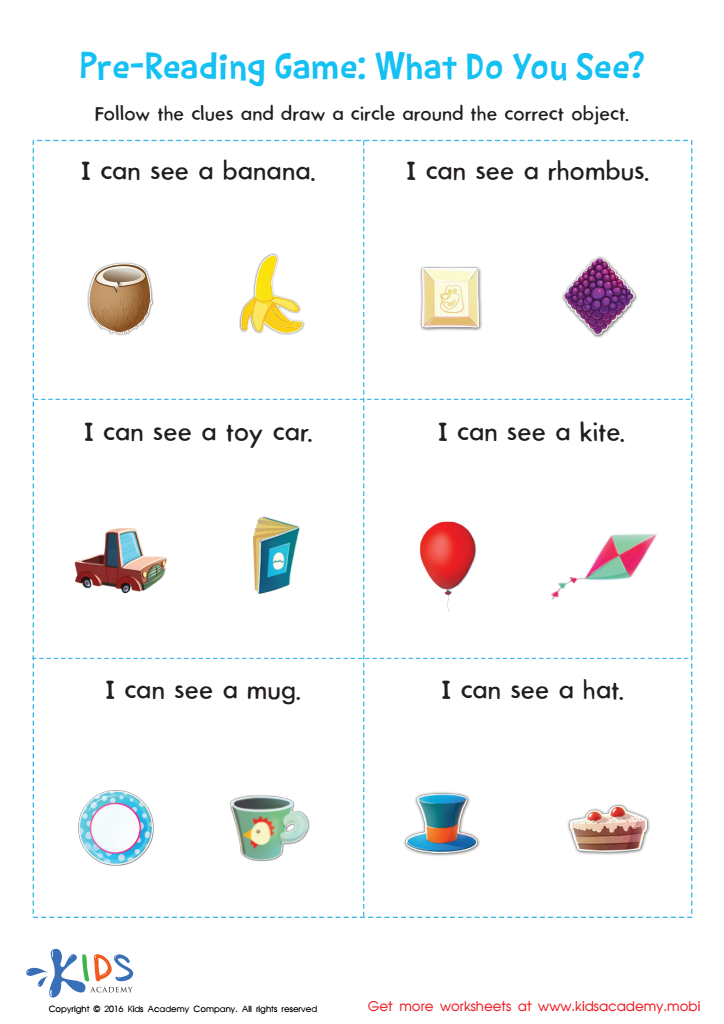
Pre–reading Worksheet: What Do You See?
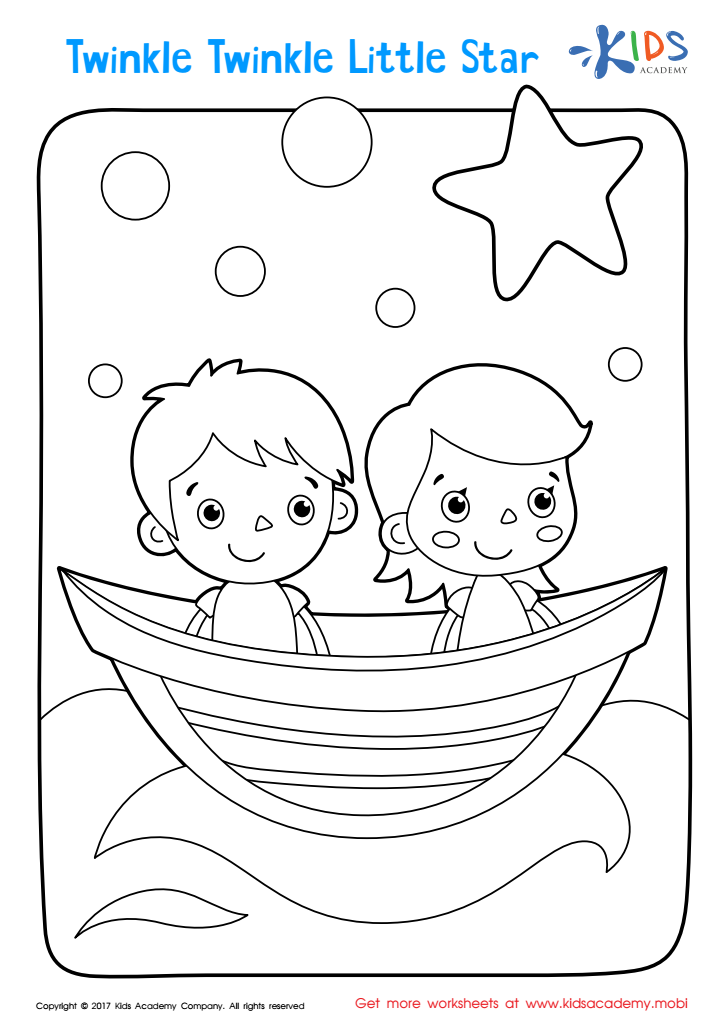
Twinkle Twinkle Little Star Coloring Page
 Assign to My Students
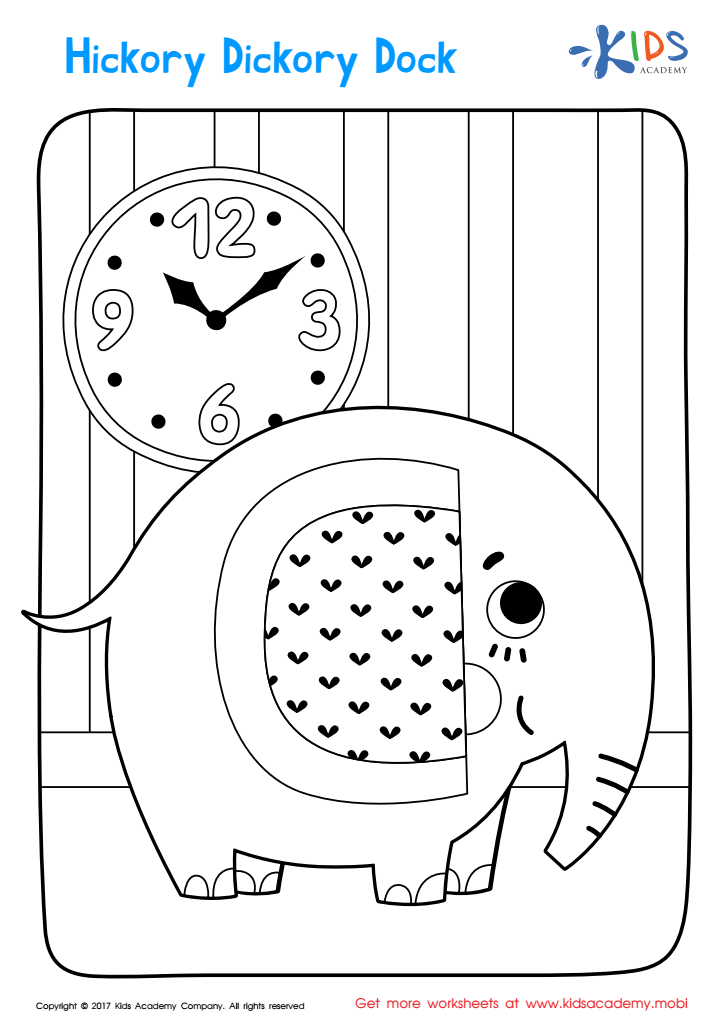
Hickory Dickory Dock Coloring Page
Assign to My Students
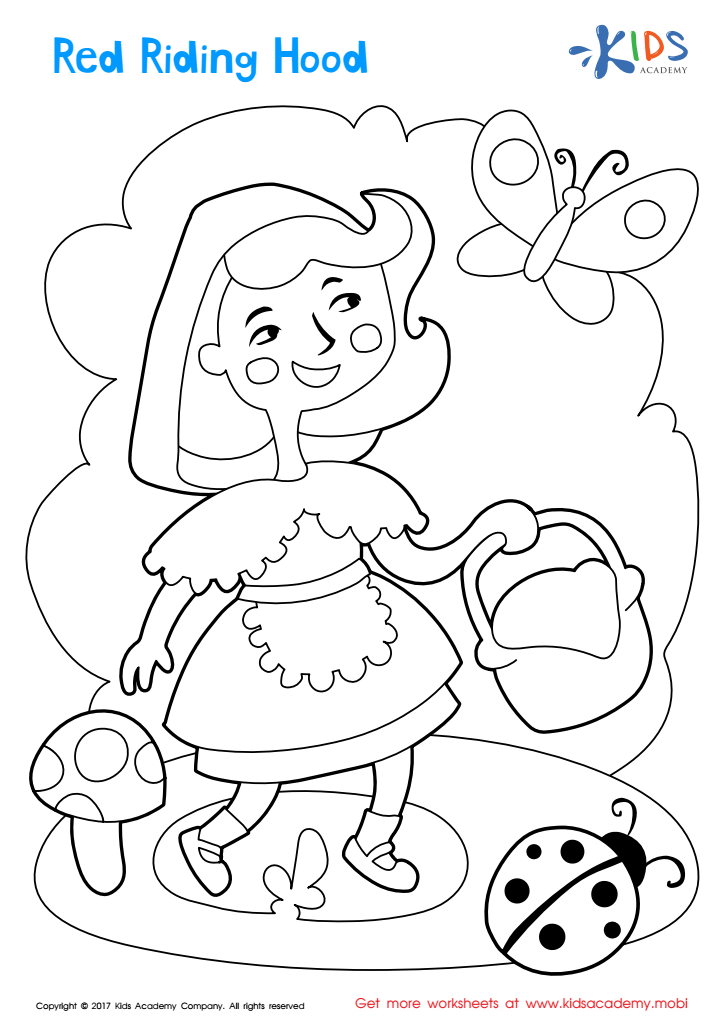
Red Riding Hood Coloring Page
Assign to My Students
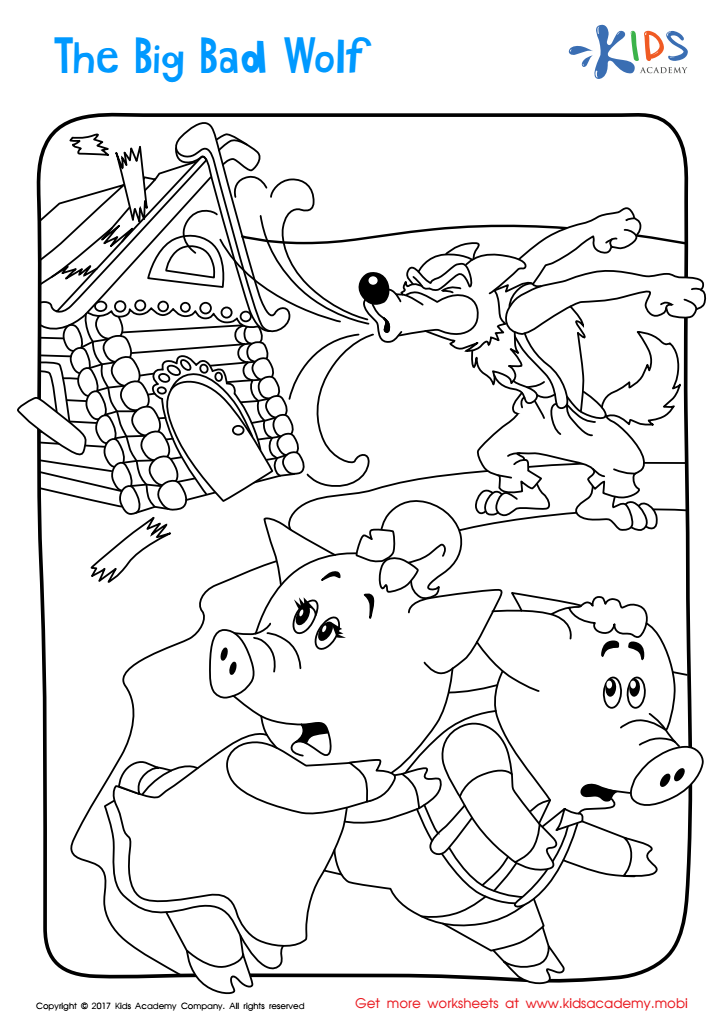
Big Bad Wolf Printable Coloring Page
Assign to My Students








Color recognition and reading comprehension are vital skills for children aged 3-5, laying a strong foundation for their overall cognitive development. First, color recognition enhances a child’s ability to categorize and identify objects, which is crucial for early learning. This skill not only supports their cognitive growth but also helps with language development as children learn to articulate names of colors and associate them with the environment.
Reading comprehension, even at this early stage, develops critical thinking and listening skills. Engaging children with books introduces new vocabulary, stimulates imagination, and encourages dialogue. When teachers and parents incorporate color recognition into reading activities—such as identifying colors of objects and illustrations within stories—they make learning interactive and enjoyable. This multimodal approach helps children relate words to visuals, strengthening their understanding of content.
Moreover, both color recognition and reading comprehension prepare children for school readiness. Children with these skills develop better concentrating abilities, which are essential for following classroom instructions and engaging in group activities. As integrated components of early childhood education, they play a significant role in shaping confident, curious learners equipped for more complex academic challenges ahead. Therefore, parents and teachers should prioritize these areas to support holistic development in young children.








