Counting practice Science Worksheets for Ages 3-5
3 filtered results
-
From - To
Explore our engaging Counting Practice Science Worksheets designed for children ages 3-5! These worksheets blend early science concepts with counting skills, making learning both fun and educational. Young learners will enjoy practicing numbers while discovering the wonders of nature and the environment. With colorful illustrations and interactive activities, our worksheets foster curiosity and critical thinking. Perfect for preschoolers, these resources will help develop essential math skills, enhance fine motor abilities, and encourage a love for learning about science. Download and print these worksheets today to support your child's growth in a playful, hands-on way! Explore the world of counting and science together!
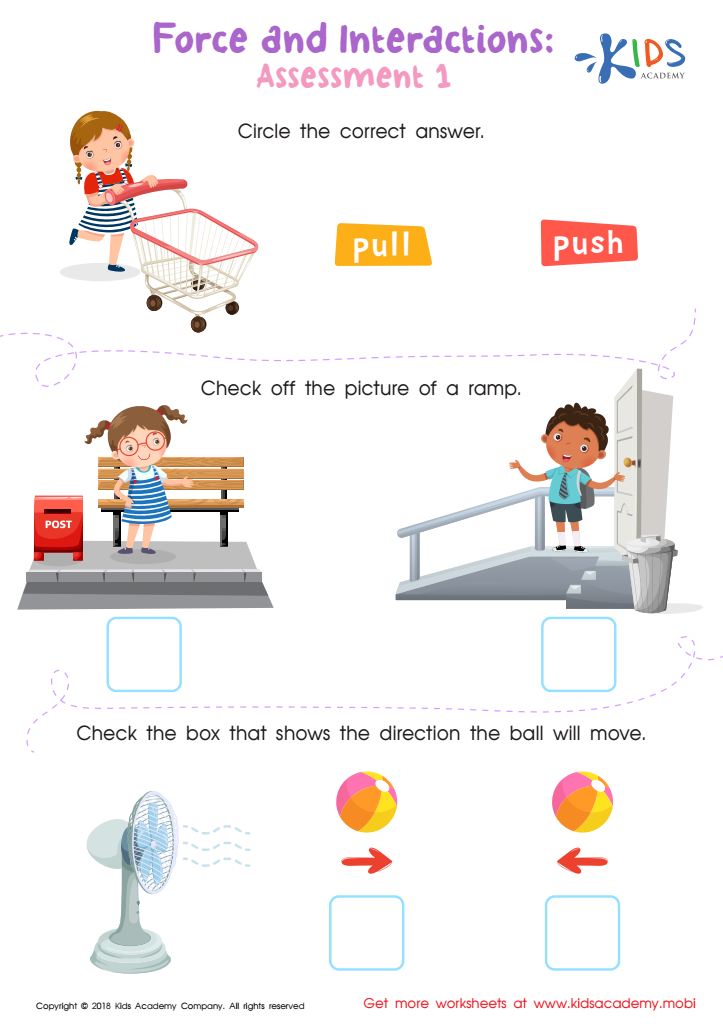
Force and Interactions: Assessment 1 Worksheet
 Assign to My Students
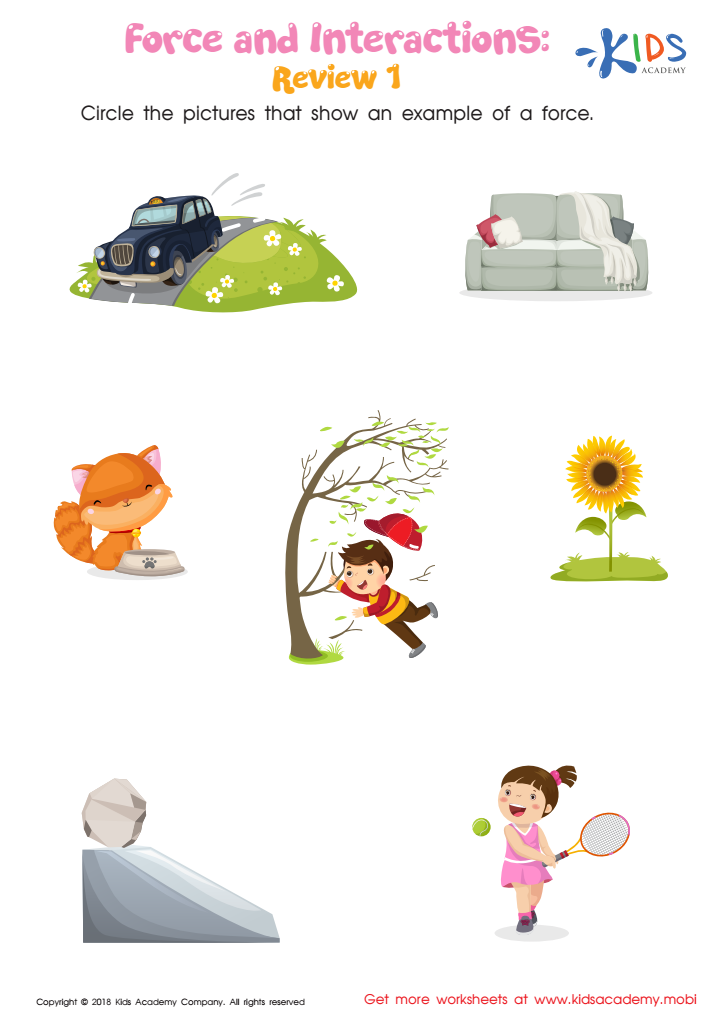
Force and Interactions: Review 1 Worksheet
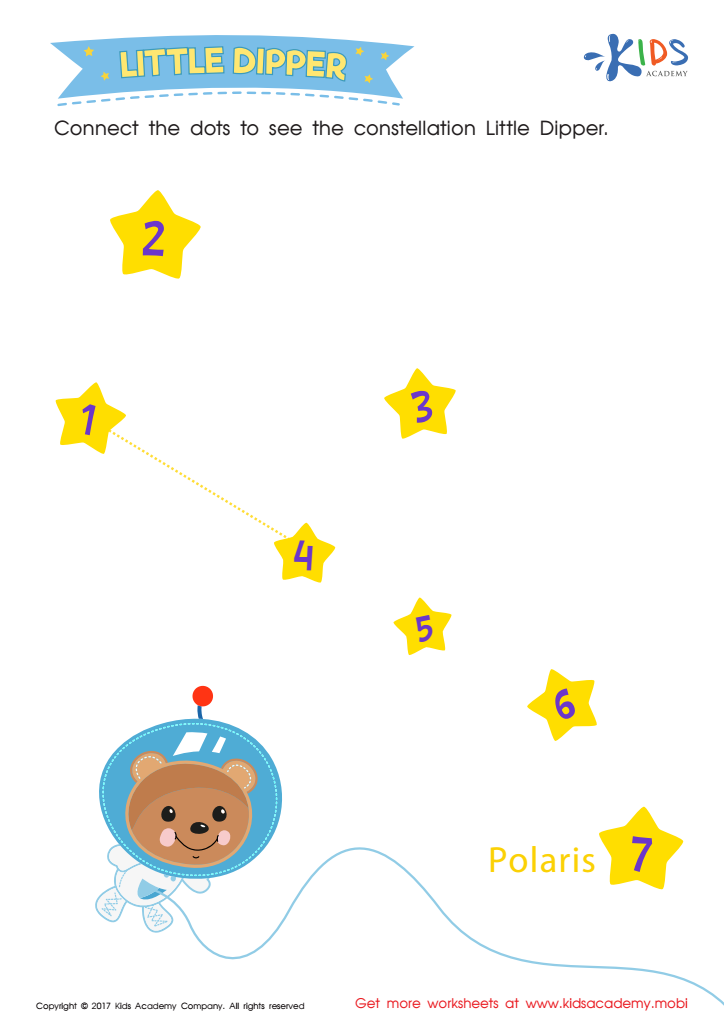





%20(1).jpg)


Counting practice is crucial for children aged 3-5 as it lays the foundation for future mathematical understanding and cognitive development. At this age, children are naturally curious, and incorporating counting into science activities fosters this curiosity while reinforcing early numeracy skills. Making connections between counting and scientific concepts, such as measuring and categorizing, helps children see the relevance of math in the world around them.
Parents and teachers play a vital role in this learning process. Engaging children in counting through hands-on activities, such as counting the number of leaves during a nature walk or measuring ingredients in a simple cooking project, creates meaningful contexts for numerical understanding. This integrated approach not only makes learning enjoyable but also promotes critical thinking as children explore patterns, relationships, and basic problem-solving.
Moreover, counting practice aids in language development, enhancing vocabulary as children learn to describe their observations in scientific contexts. By fostering a love for both math and science at an early age, parents and teachers help children build confidence, develop essential computational skills, and lay the groundwork for more complex mathematical and scientific concepts in later years. Therefore, an emphasis on counting practice in science is invaluable in early childhood education.







