Visual recognition Social Studies Worksheets for Ages 3-5
4 filtered results
-
From - To
Introduce young learners to the world of social studies with our engaging Visual Recognition Social Studies Worksheets for Ages 3-5. These thoughtfully designed worksheets offer a fun and interactive way for children to develop essential skills such as object recognition, pattern identification, and matching. Each activity is tailored to captivate curious minds, making learning about communities, cultures, and the world around them an enjoyable experience. Perfect for preschool and kindergarten classrooms or at-home enrichment, our worksheets ensure foundational knowledge is built through play and discovery. Boost your child’s social studies journey today with our premium printable resources!</gr.json.tagannotation]},
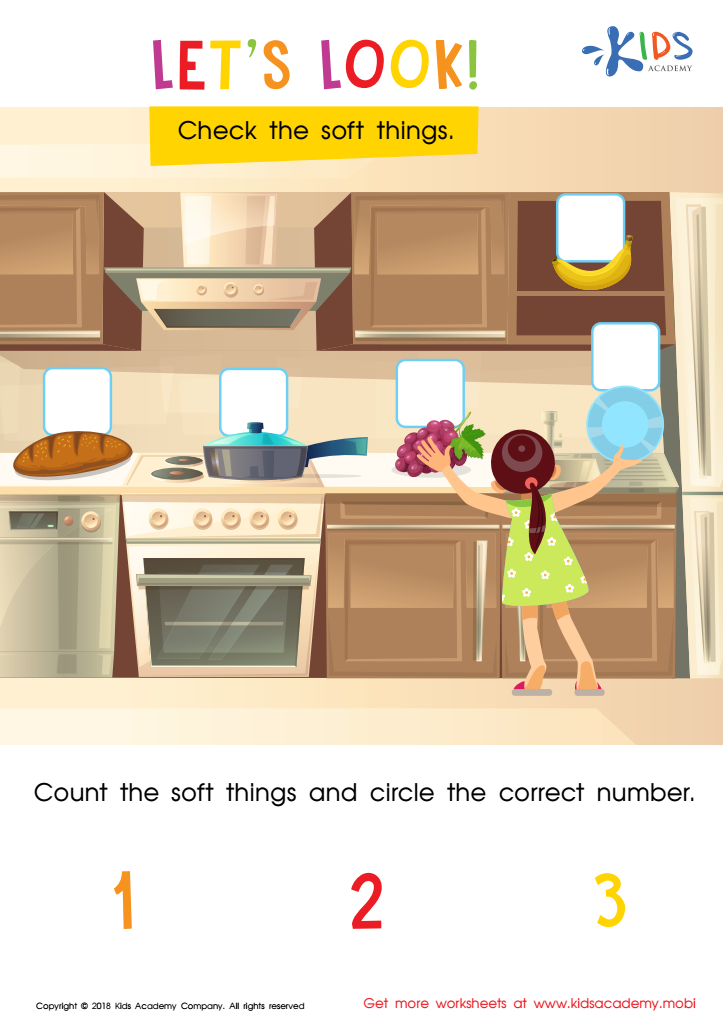
Let's Look! Assessment Worksheet
 Assign to My Students
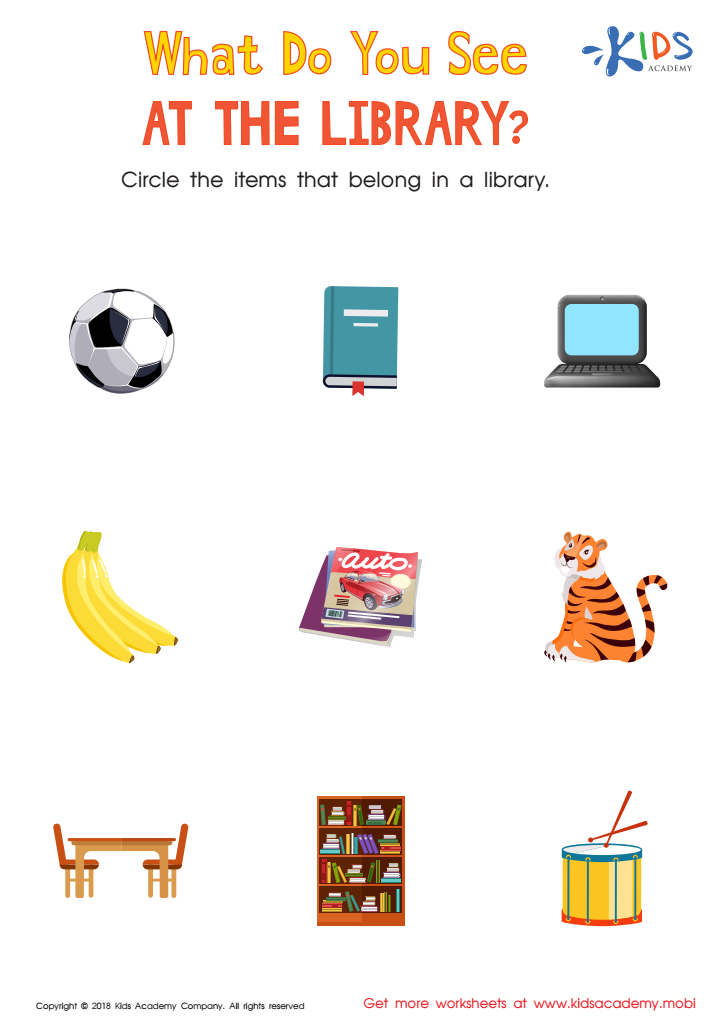
What Do you See at the Library? Worksheet
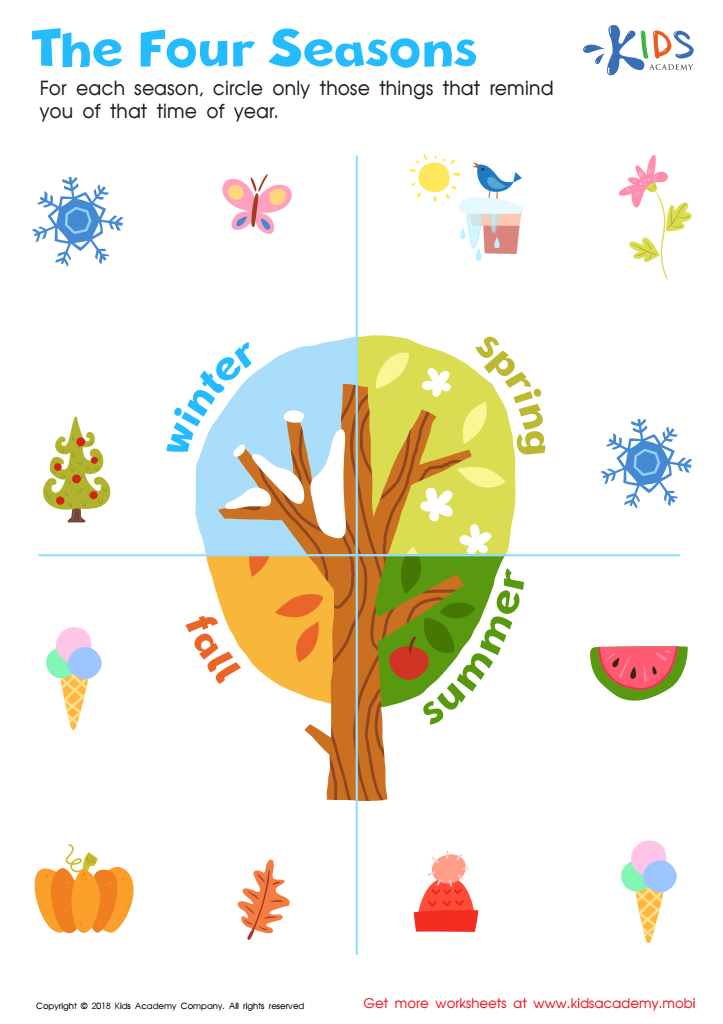
The Four Seasons Worksheet
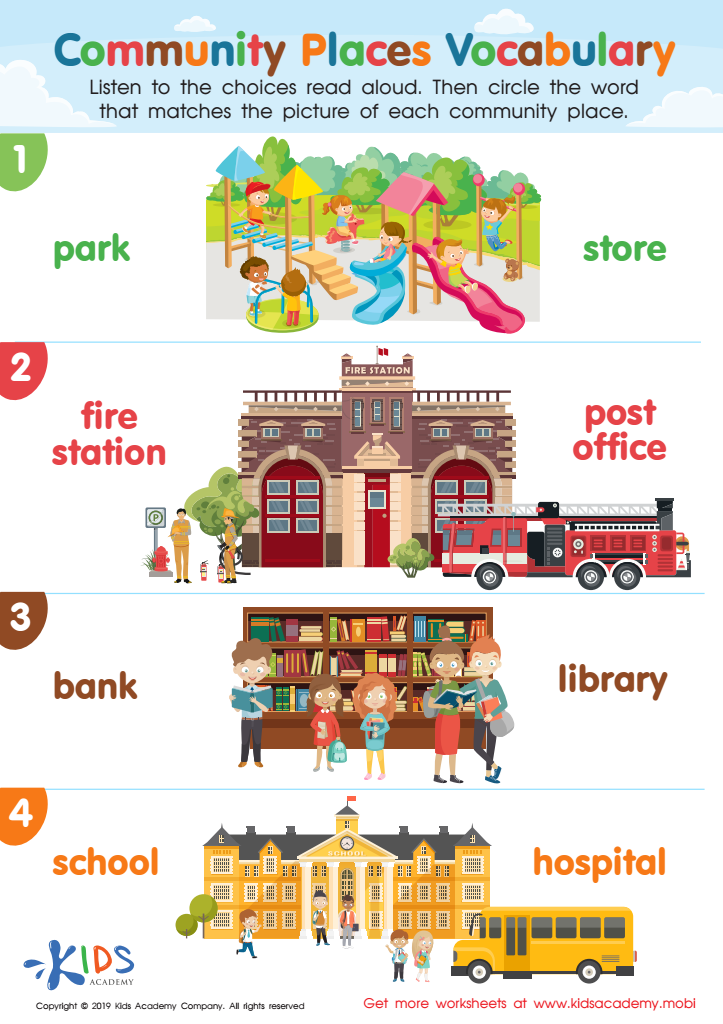
Community Places Vocabulary Worksheet


.jpg)




Visual recognition in Social Studies is vital for young children, particularly those aged 3-5, as it lays the foundation for understanding their world. At this age, kids are just beginning to develop cognitive skills and an awareness of their environment. Visual aids can enhance their learning experience significantly.
Firstly, visual recognition fosters a better grasp of abstract concepts such as time, community, and cultural diversity. Recognizing images of historical events, everyday life from different cultures, or diverse community helpers helps children relate these images to real-world knowledge and deepen their understanding.
Secondly, visual aids cater to diverse learning styles. Some children are visual learners and absorb information more effectively through pictures and symbols than through words alone. This inclusivity ensures that each child's unique learning needs are met.
Moreover, early exposure to social studies concepts—including goods and services, geography, and historical figures—supports language development. Discussing what they see in visual materials encourages children to expand their vocabulary and verbal reasoning skills.
Lastly, visual recognition builds observational and analytical skills. Asking children to identify patterns, match objects, or spot differences sharpens their attention to detail and critical thinking abilities. In short, incorporating visual recognition in early social studies creates a rich, engaging, and inclusive learning environment that supports overall developmental growth.