Vocabulary enhancement Writing Worksheets for Ages 3-5 - Page 2
27 filtered results
-
From - To
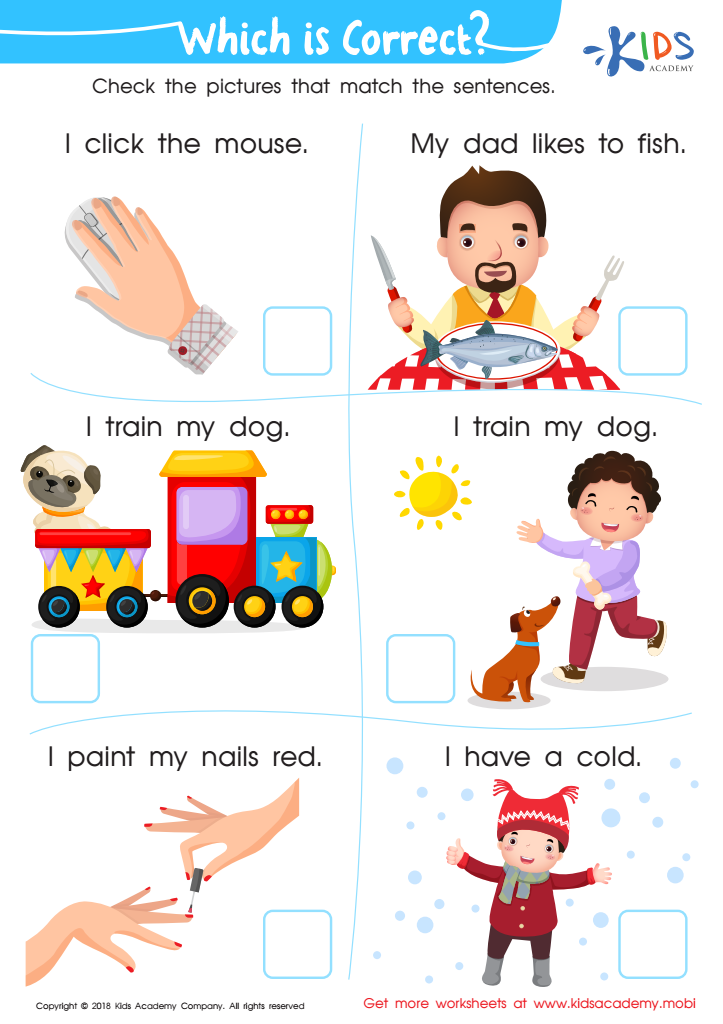
Which Is Correct? Worksheet
 Assign to My Students
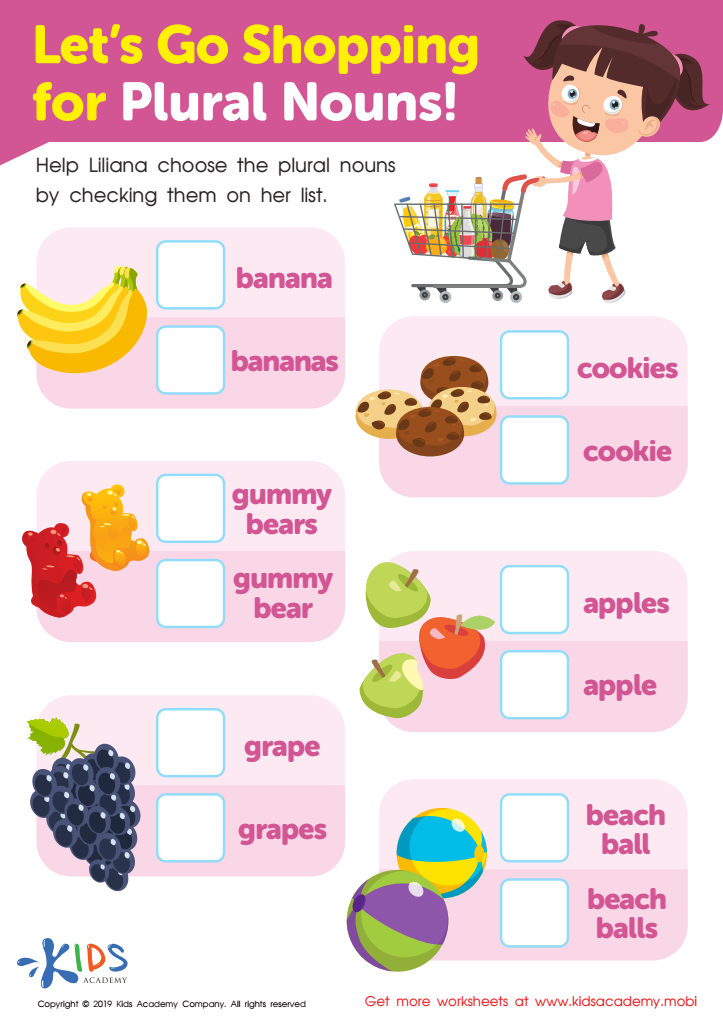
Let's Go Shopping for Plural Nouns! Worksheet
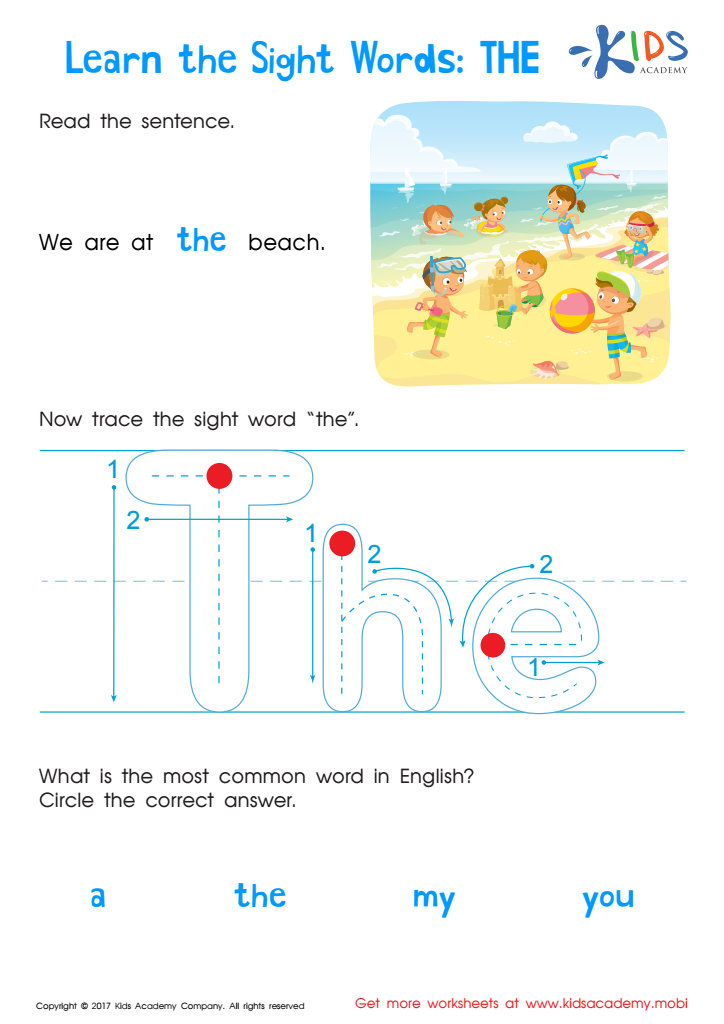
Sight Words: The Worksheet








Vocabulary enhancement for children aged 3-5 is crucial for their overall development and future academic success. At this formative stage, children's brains are rapidly growing, making it an ideal time to introduce a wide range of words. A robust vocabulary equips children with the tools for effective communication, helping them to express their thoughts, needs, and emotions more clearly.
Parents and teachers should understand that a rich vocabulary is foundational for reading comprehension. Children with a wider vocabulary are more likely to understand what they read, making learning more enjoyable and less frustrating. Enhanced vocabulary also lays the groundwork for future academic learning in all subjects, as it improves the ability to grasp new concepts quickly.
Moreover, a rich vocabulary fosters social skills; children who can articulate their feelings and ideas are better able to interact with their peers and adults. This boosts their confidence and helps them develop healthy relationships.
Incorporating vocabulary improvement activities into daily routines can be both fun and educational. Reading aloud, engaging in conversations, and playing word games are effective methods. By prioritizing vocabulary enhancement, parents and teachers are setting the stage for lifelong learning and communication skills that will benefit children throughout their lives.








