Cognitive Development Alphabet Worksheets for Ages 3-6
13 filtered results
-
From - To
Discover our engaging Cognitive Development Alphabet Worksheets for children ages 3-6! Designed to enhance your child's learning journey, these worksheets promote essential cognitive skills while introducing the alphabet. Through fun activities like matching letters with objects, tracing, and sorting, children will boost their memory, attention, and problem-solving abilities. Our carefully crafted exercises encourage creativity and critical thinking, making early learning enjoyable. Perfect for parents and educators alike, these worksheets provide an excellent tool to help young learners build a solid foundation in literacy and cognitive development. Explore the joy of learning with our vibrant and interactive materials today!
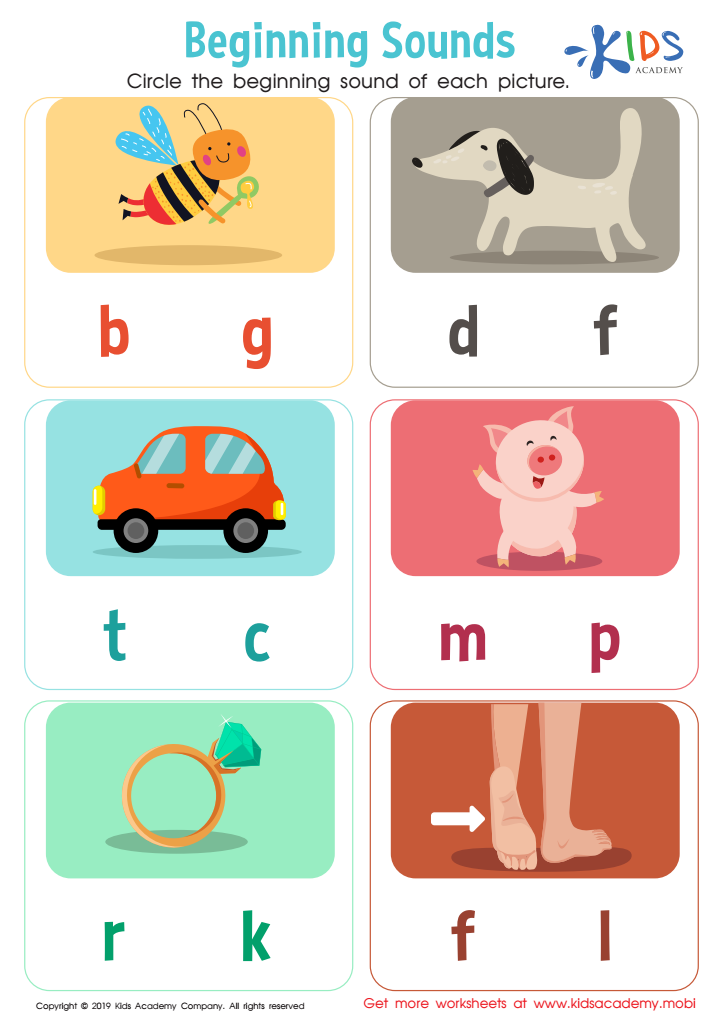
Beginning Sounds Worksheet
 Assign to My Students
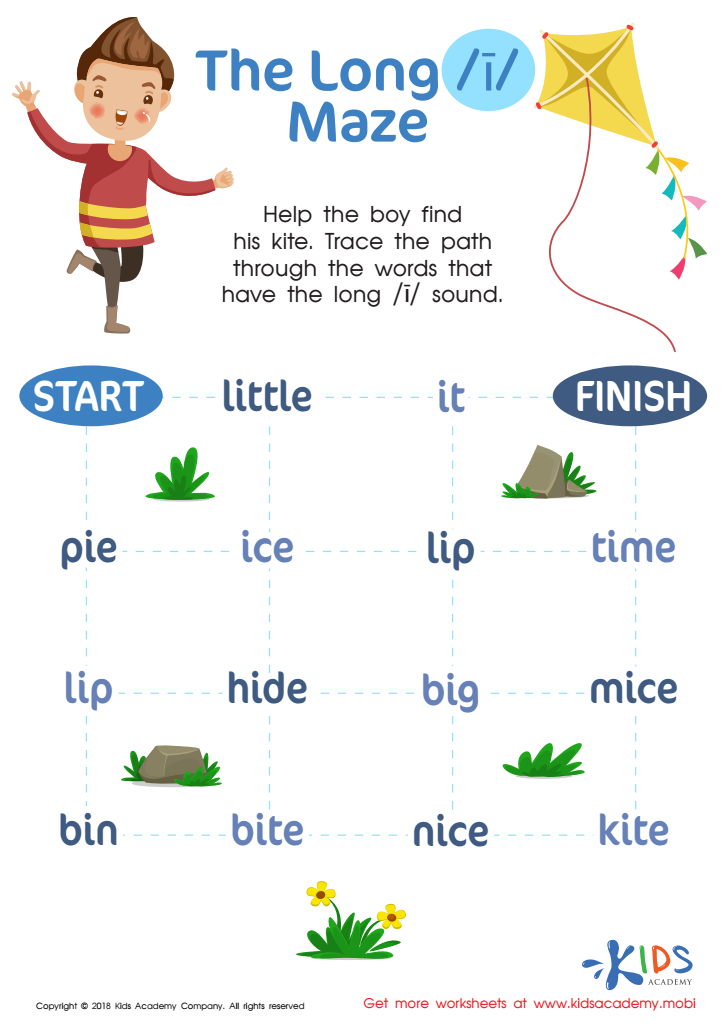
The Long I Maze Reading Worksheet
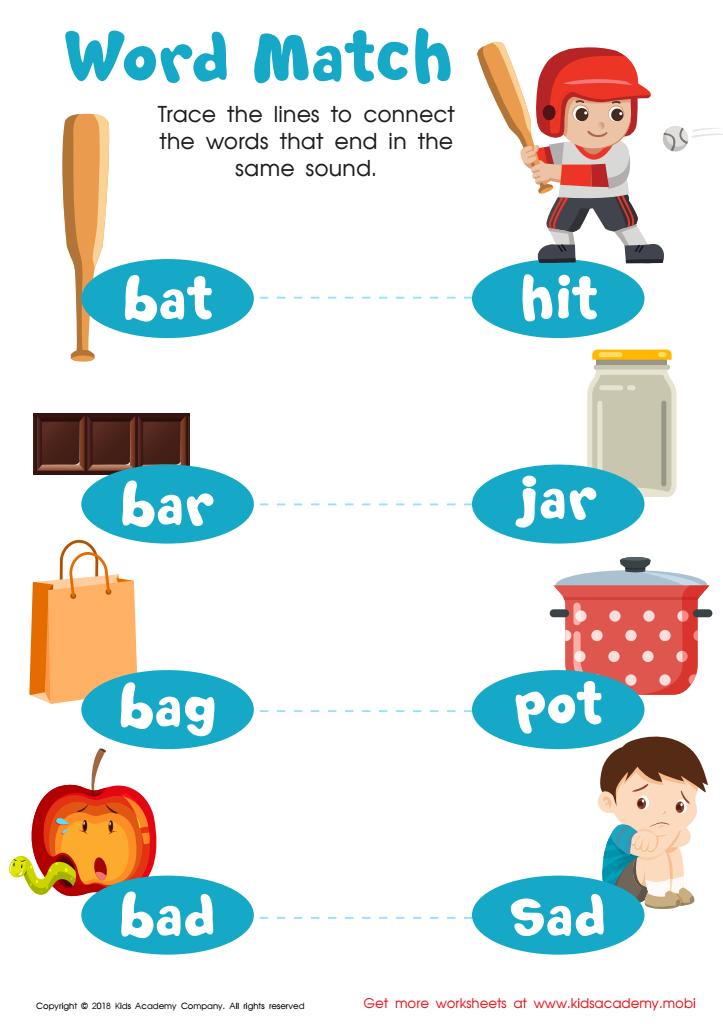
Word Match Reading Worksheet
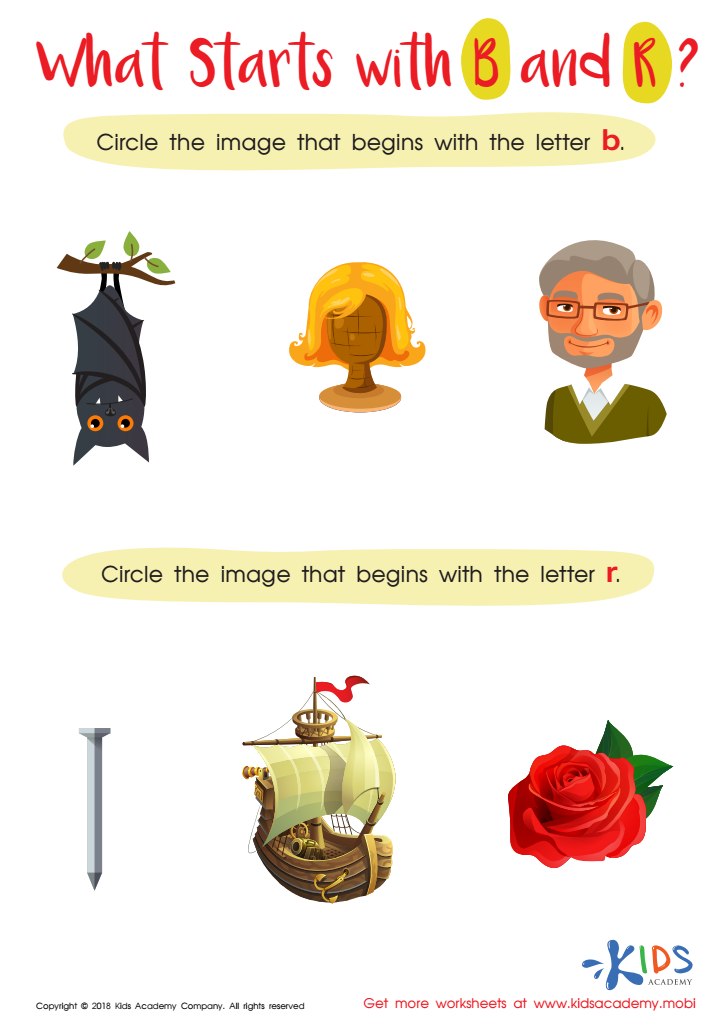
What Starts with B and R? Worksheet
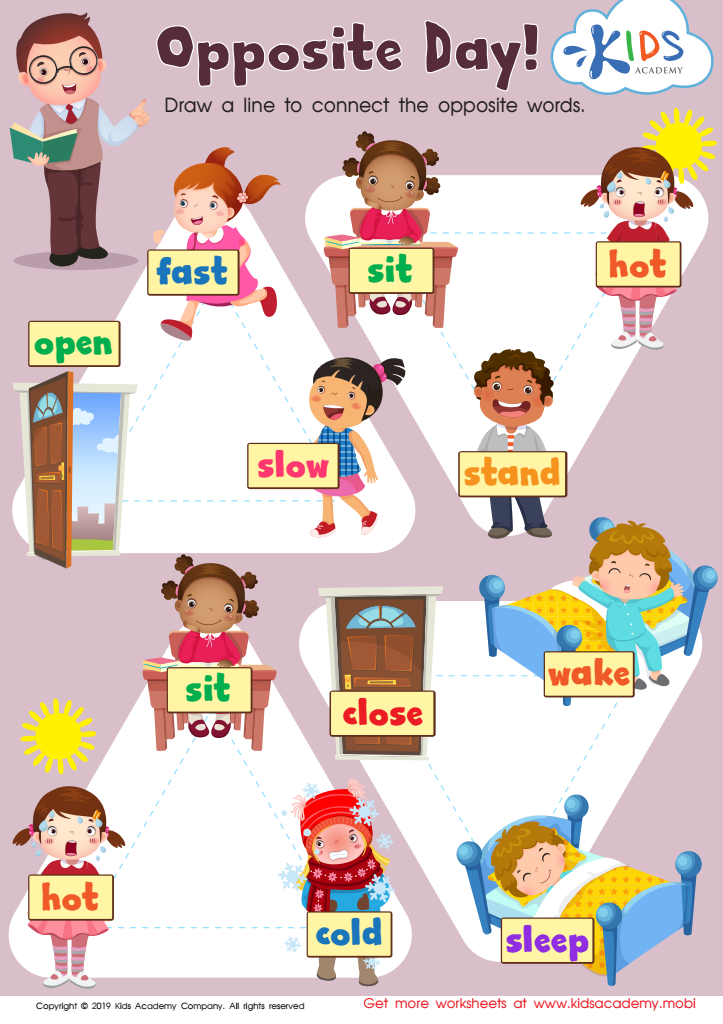
Opposite Day Worksheet
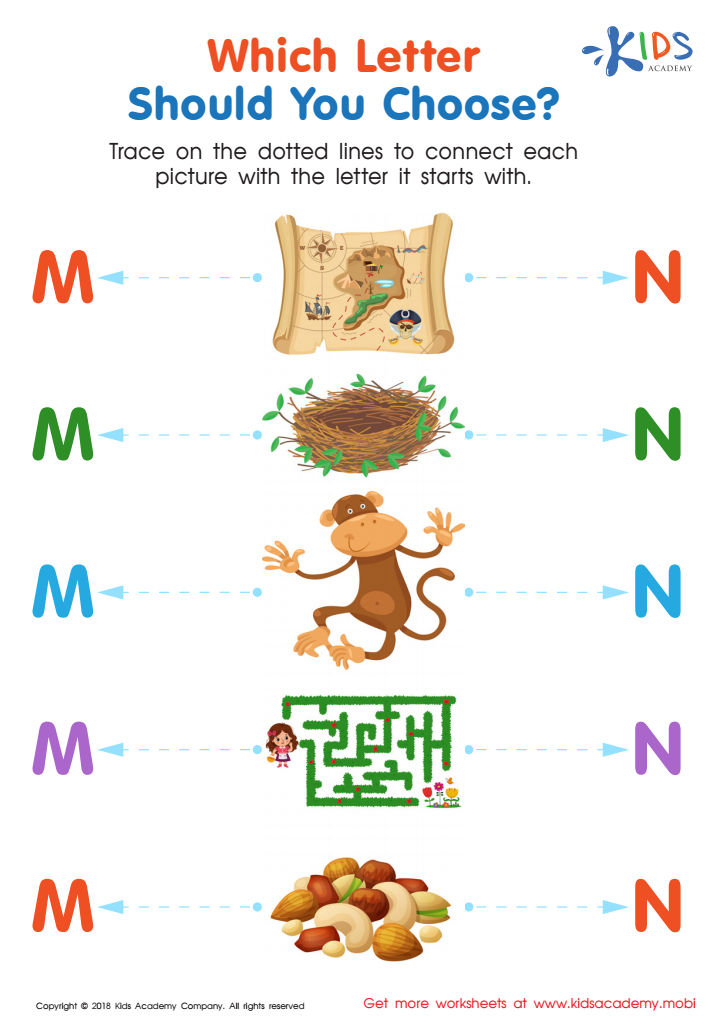
Which Letter Should you Choose? Worksheet
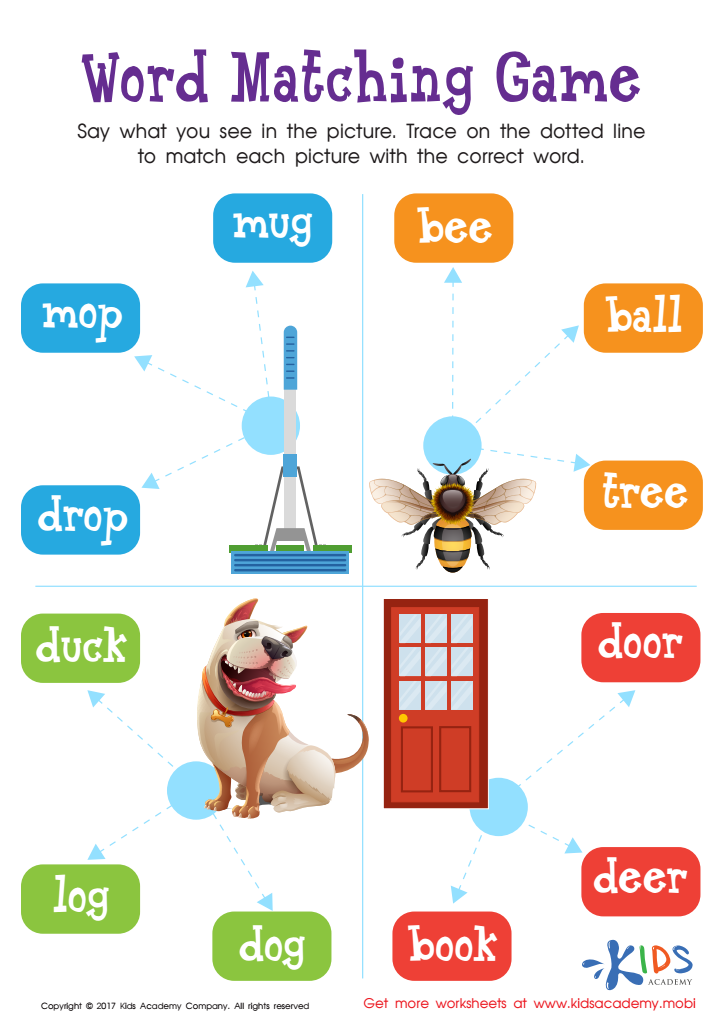
Word Matching Game Worksheet
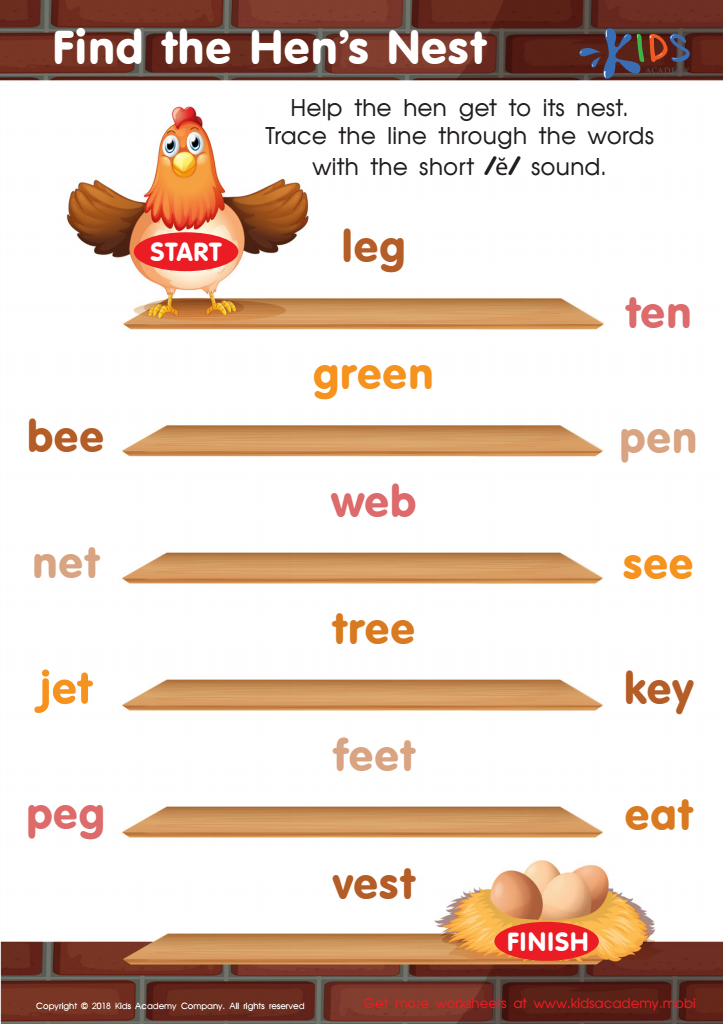
Find Hens Nest Reading Worksheet
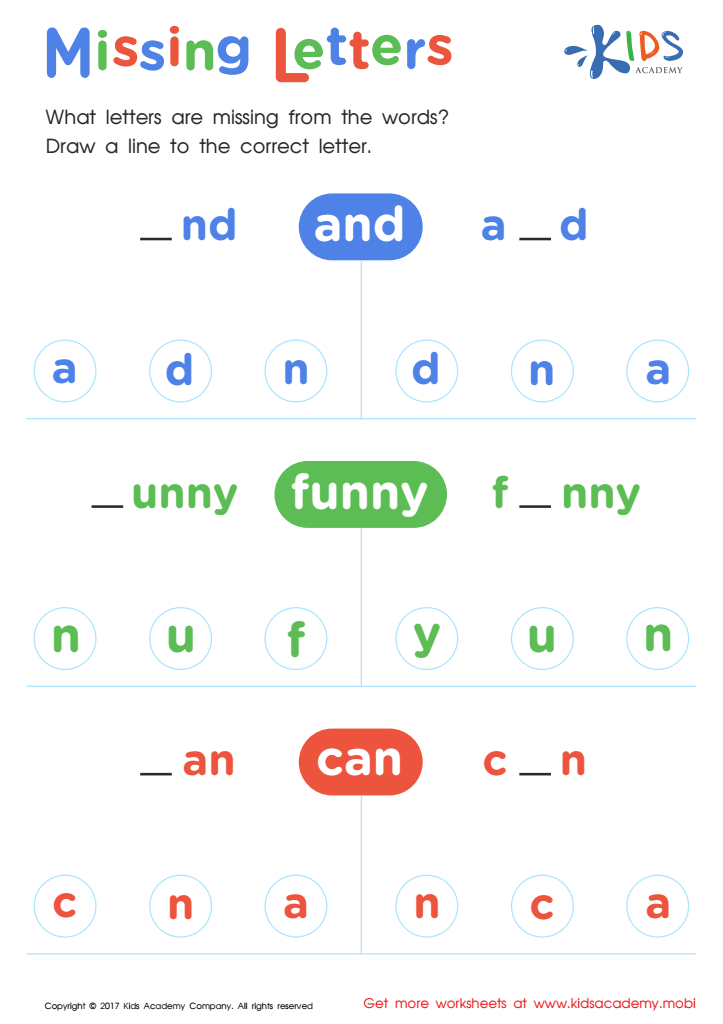
Missing Letters Worksheet
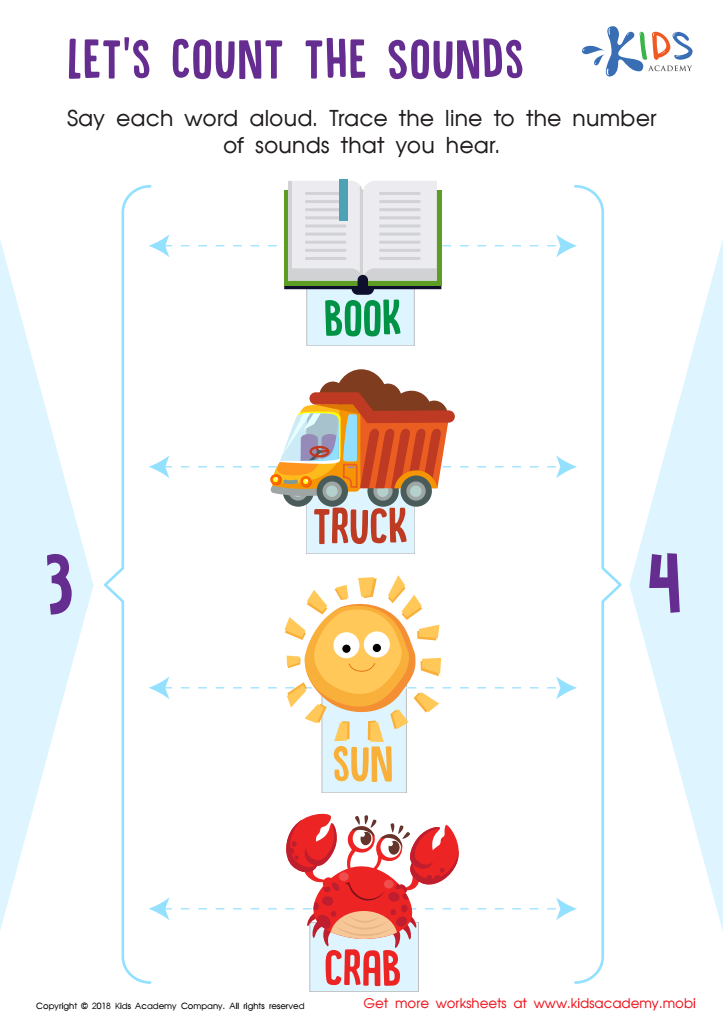
Let's Count the Sounds Worksheet
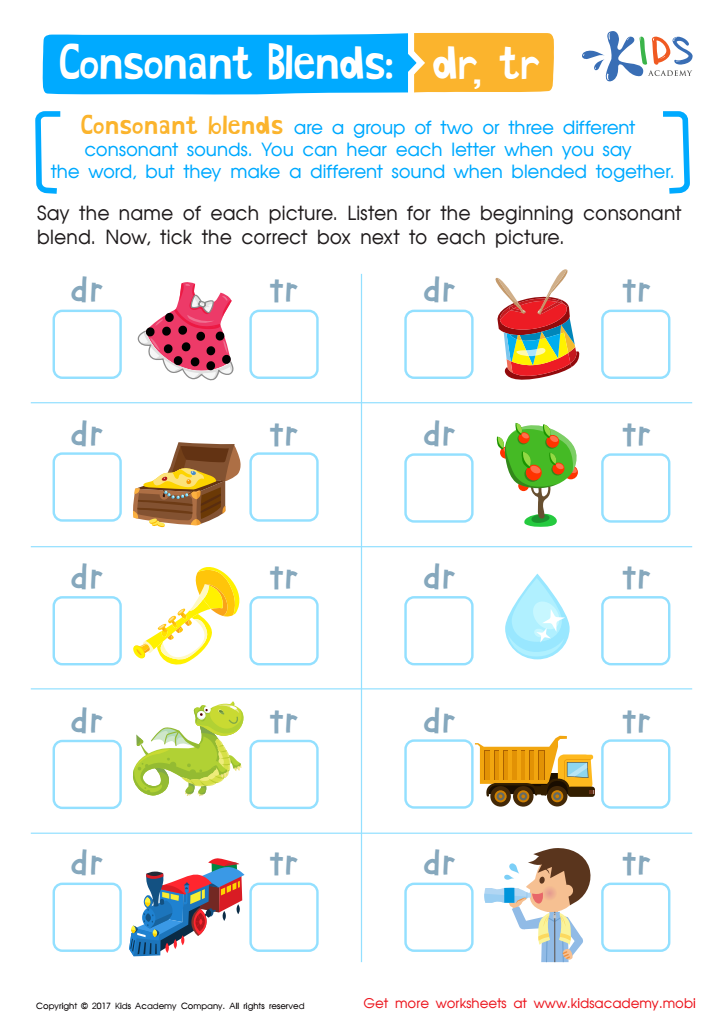
Consonant Blends: "Dr" and "Tr" Printable
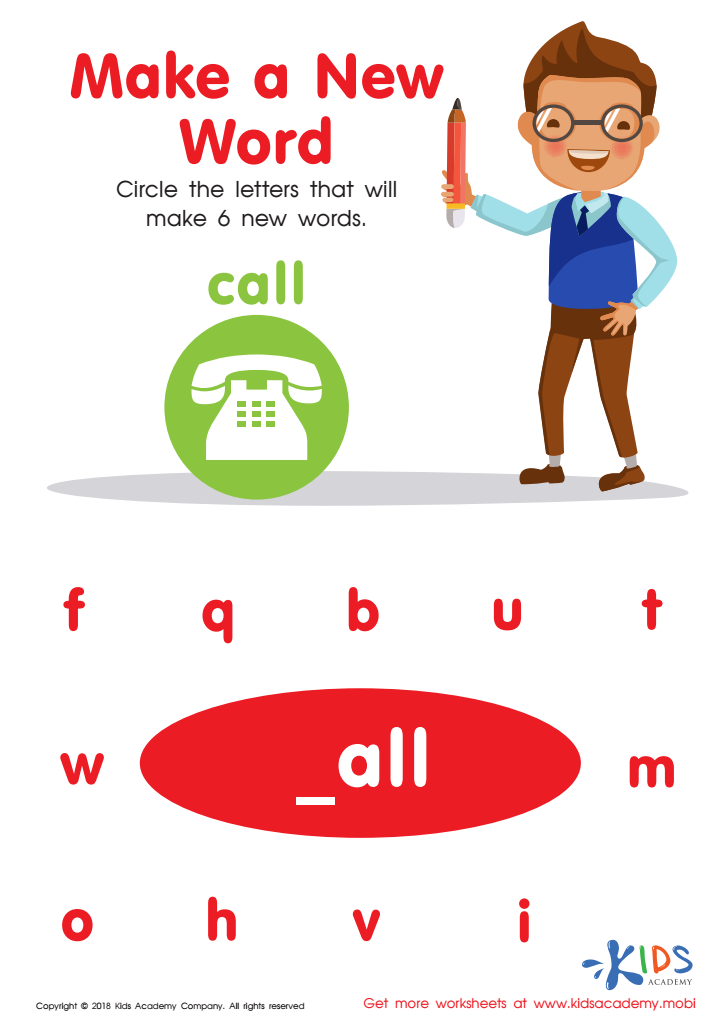
Make a New Word Worksheet
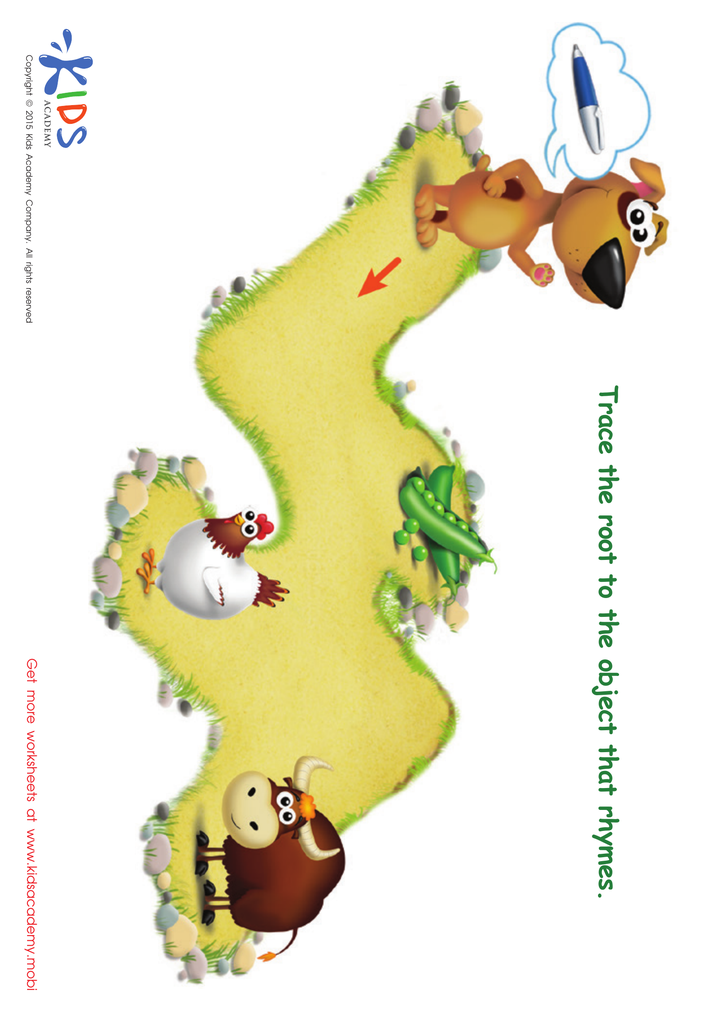
Pen Rhyming Words Worksheet







Cognitive development in early childhood, particularly concerning the alphabet for ages 3-6, is crucial for a child's overall learning journey. During this stage, children are naturally curious and eager to explore their environment. Understanding the cognitive development process helps parents and teachers foster an engaging atmosphere for learning essential skills like reading, writing, and communication.
The alphabet serves as the foundation for literacy; recognizing letters and their sounds enables children to decode words, enhancing their comprehension abilities. This foundational comprehension fosters confidence, equipping children with tools necessary for future academic success. Moreover, activities focused on letter recognition stimulate problem-solving, critical thinking, and memory skills, which are vital for cognitive growth.
Furthermore, fostering an early love for language through playful interactions with letters can significantly impact children's attitudes toward learning in the long term. Engaging parents in their children’s literacy journey cultivates a strong home-school connection, ensuring consistency in learning methods and promoting a supportive environment.
Ultimately, understanding and prioritizing cognitive development around the alphabet during these formative years can lead to lasting educational advantages, better social interaction skills, and a lifelong love for learning. It's an investment in children's future abilities and successes.







