Fine Motor Skills Alphabet Worksheets for Ages 3-6 - Page 3
83 filtered results
-
From - To

Long and Short U Worksheet
 Assign to My Students
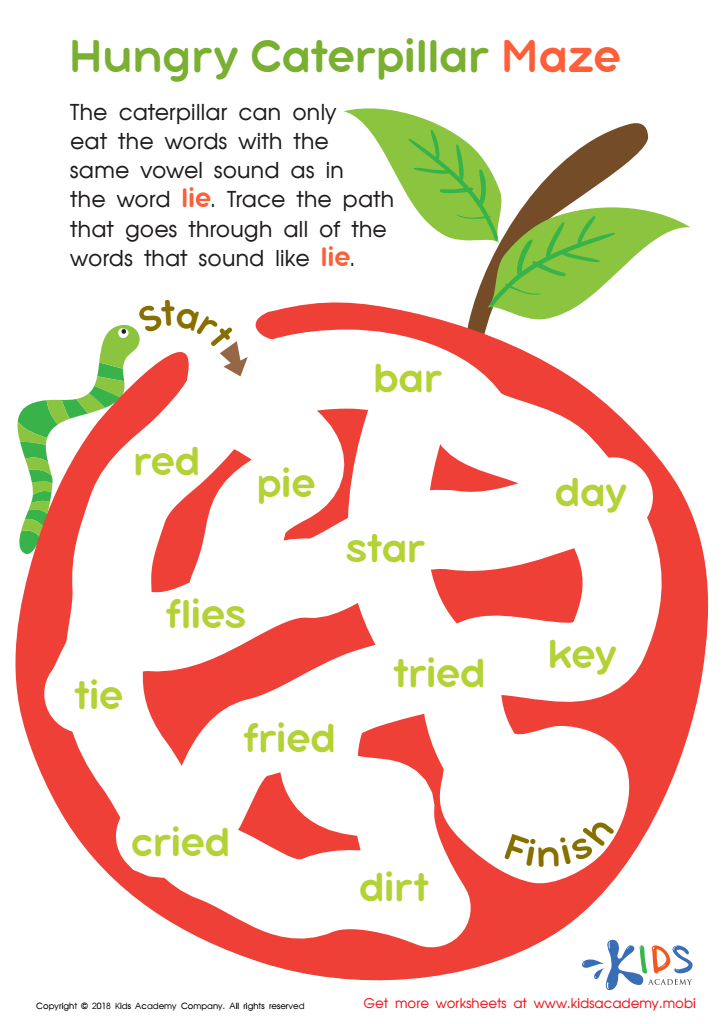
Hungry Caterpillar Maze Worksheet
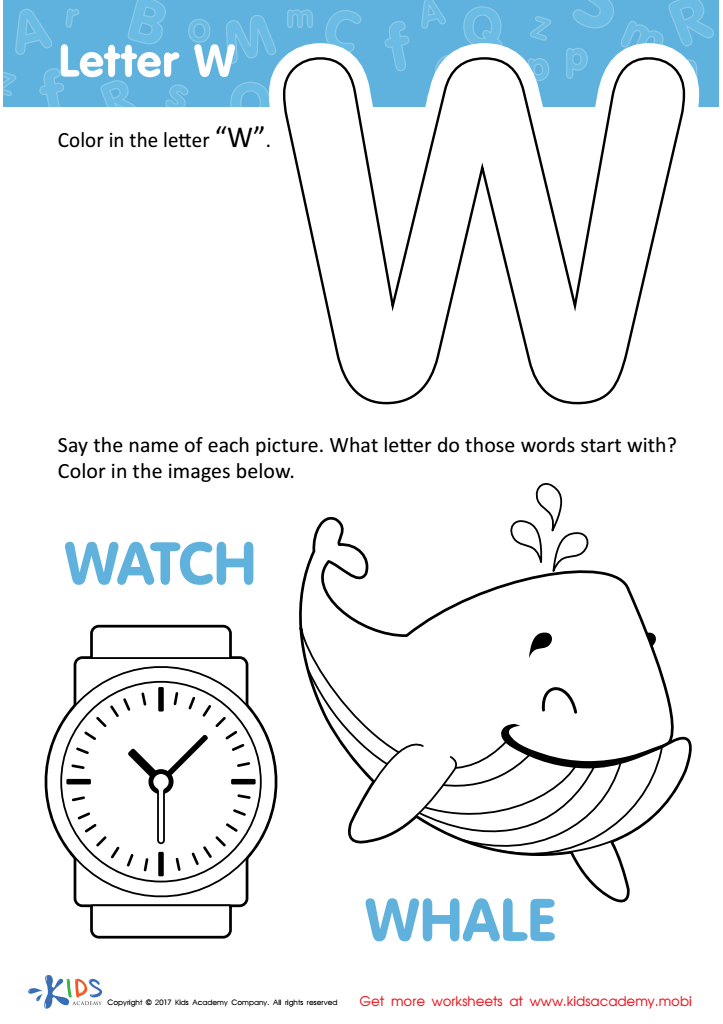
Letter W Coloring Sheet
Assign to My Students
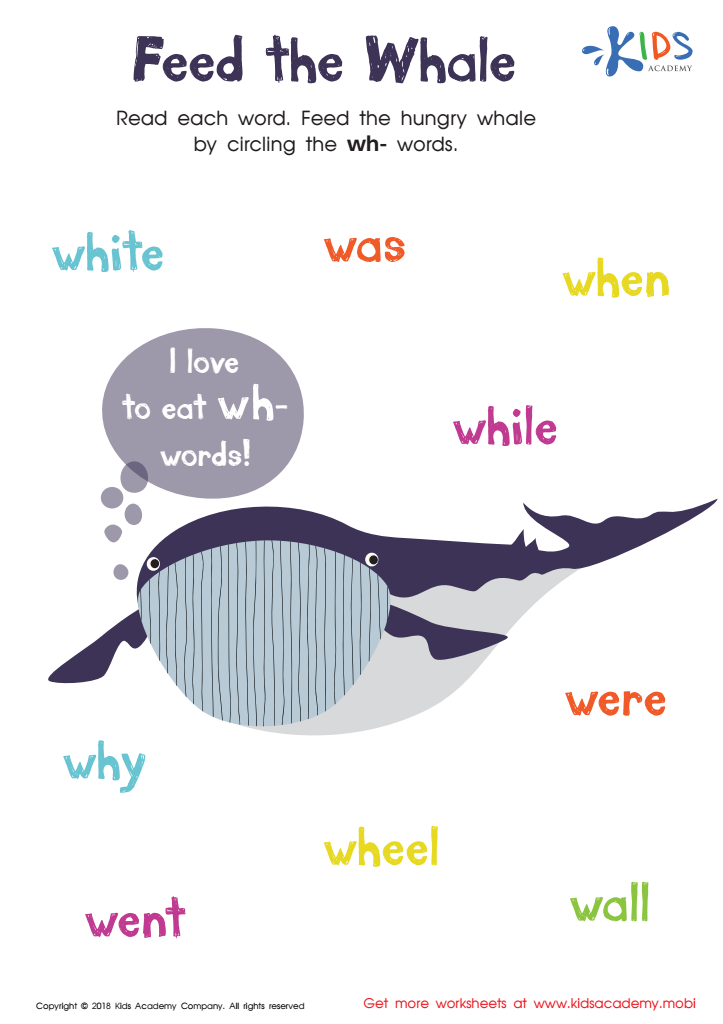
Feed the Whale Worksheet
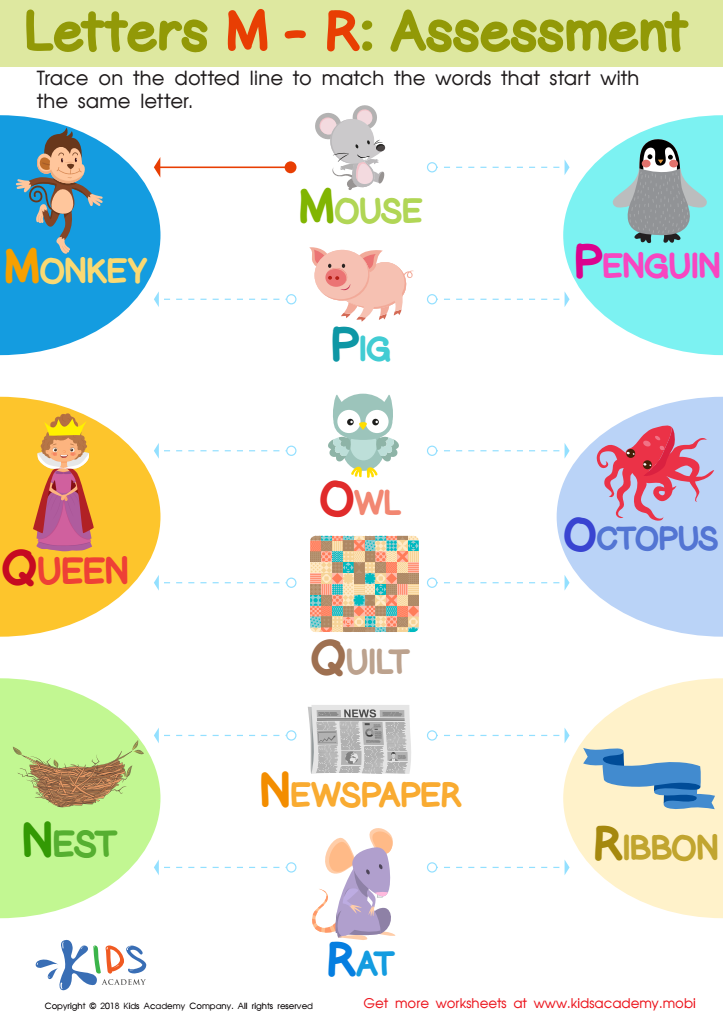
Letters M-R Tracing Worksheet
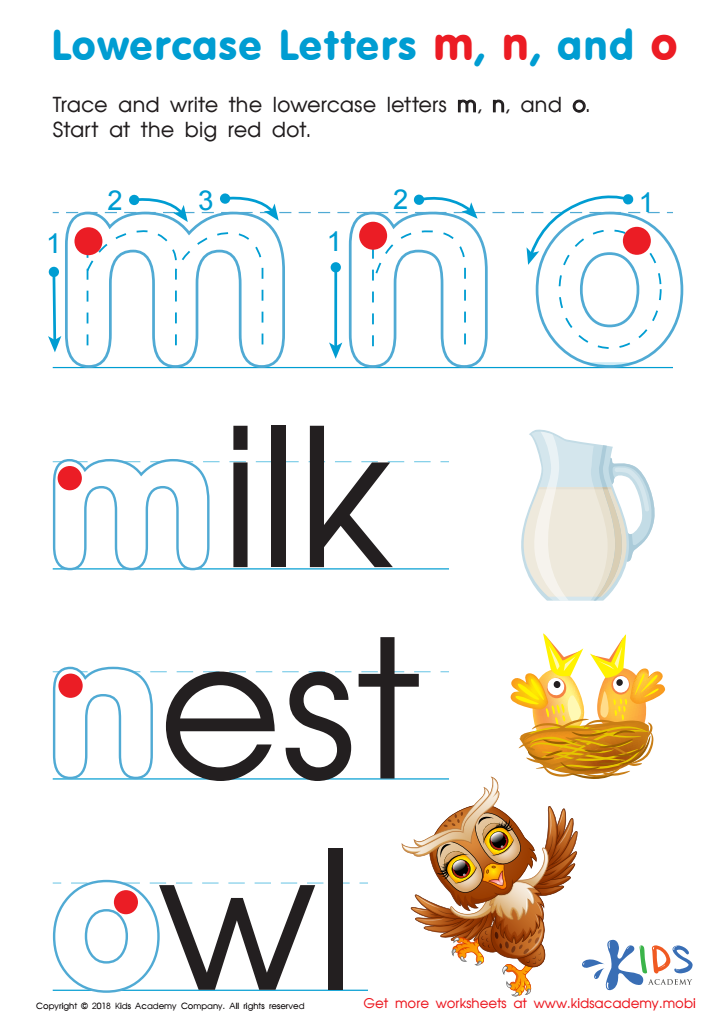
Lowercase Letters m n o Worksheet

Find Uppercase Letters V, W, X Worksheet
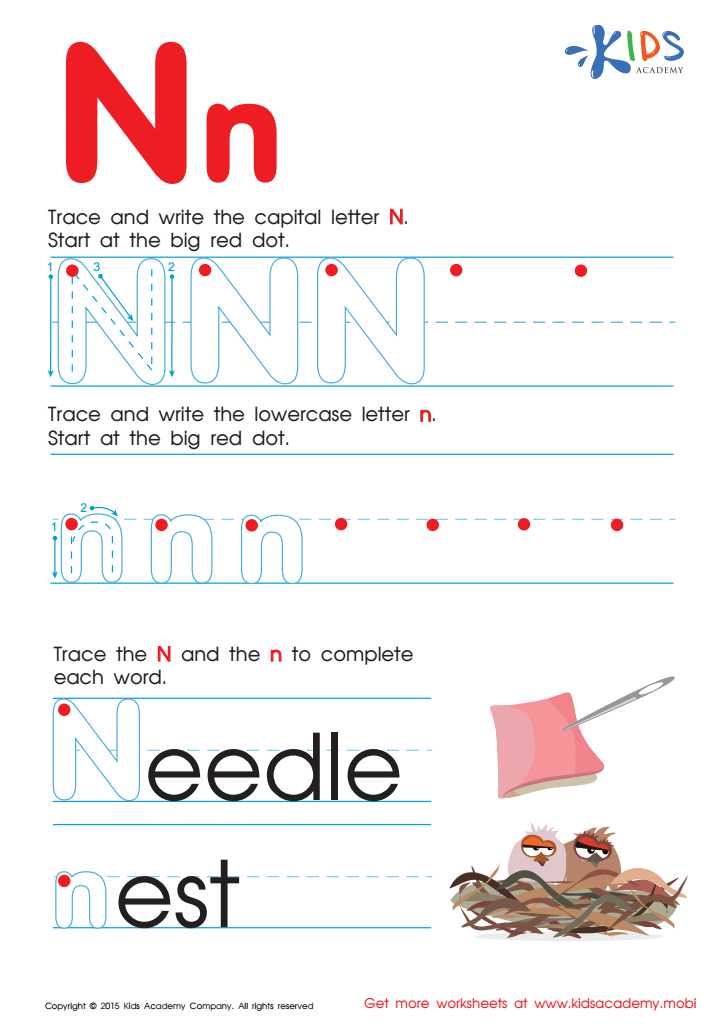
Letter N Tracing Page
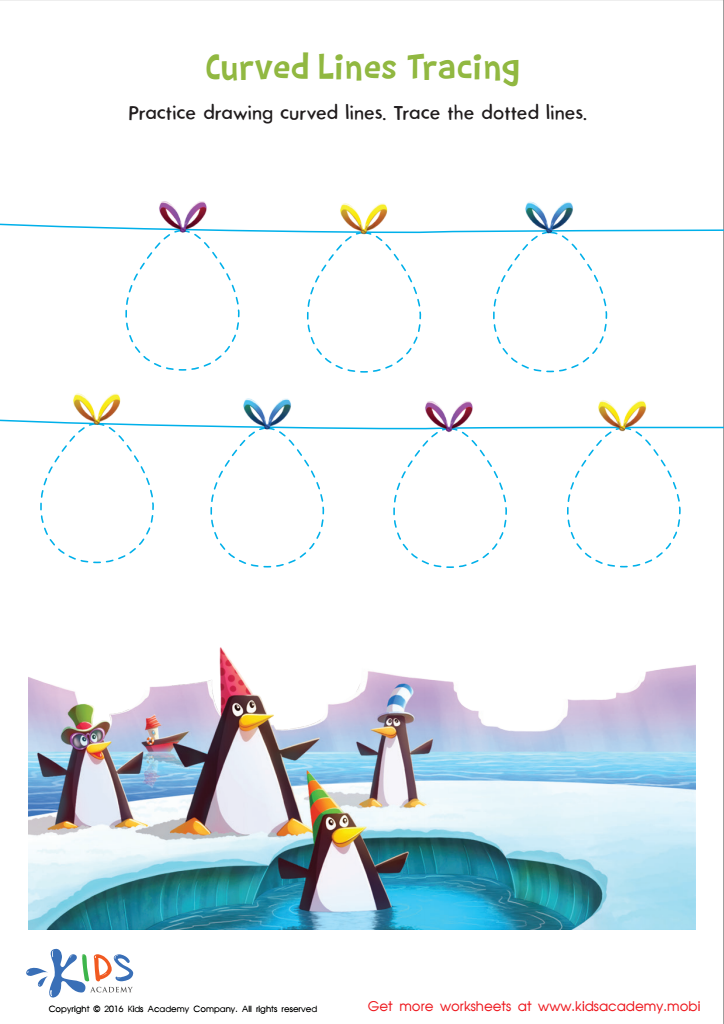
Curved Lines Tracing Worksheet
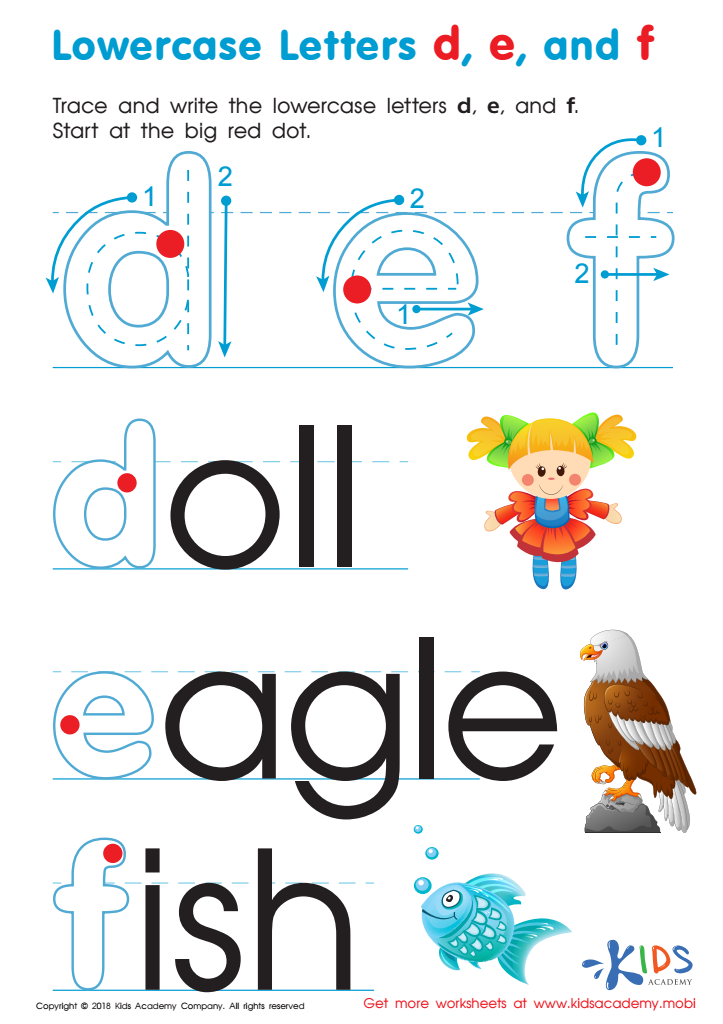
Lowercase Letters d e f Worksheet
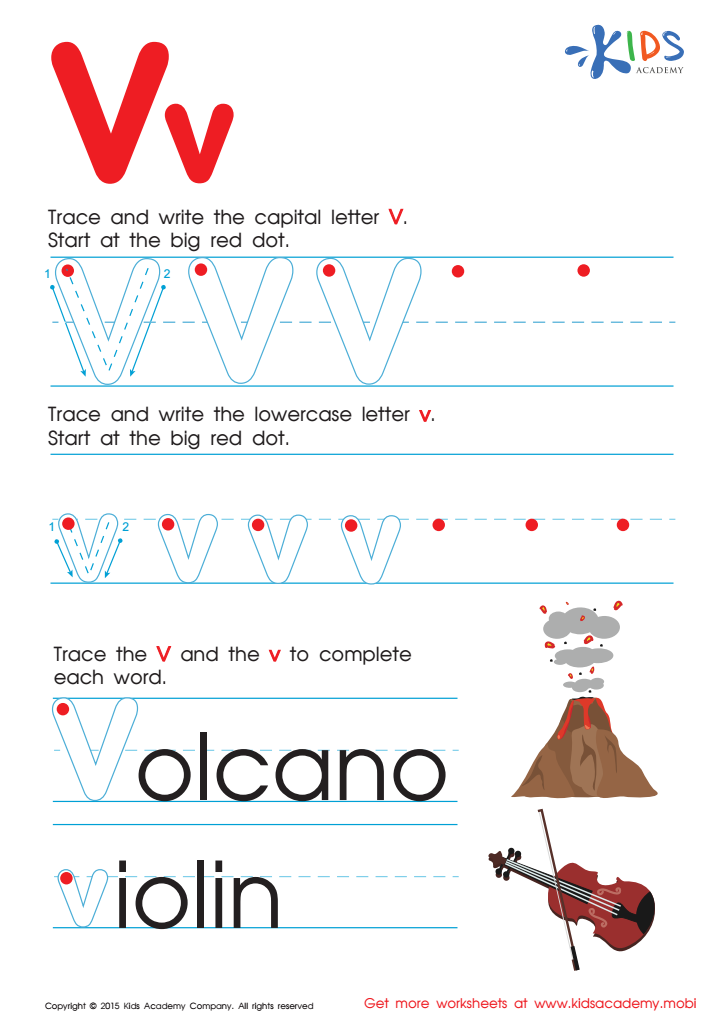
Letter V Tracing Page
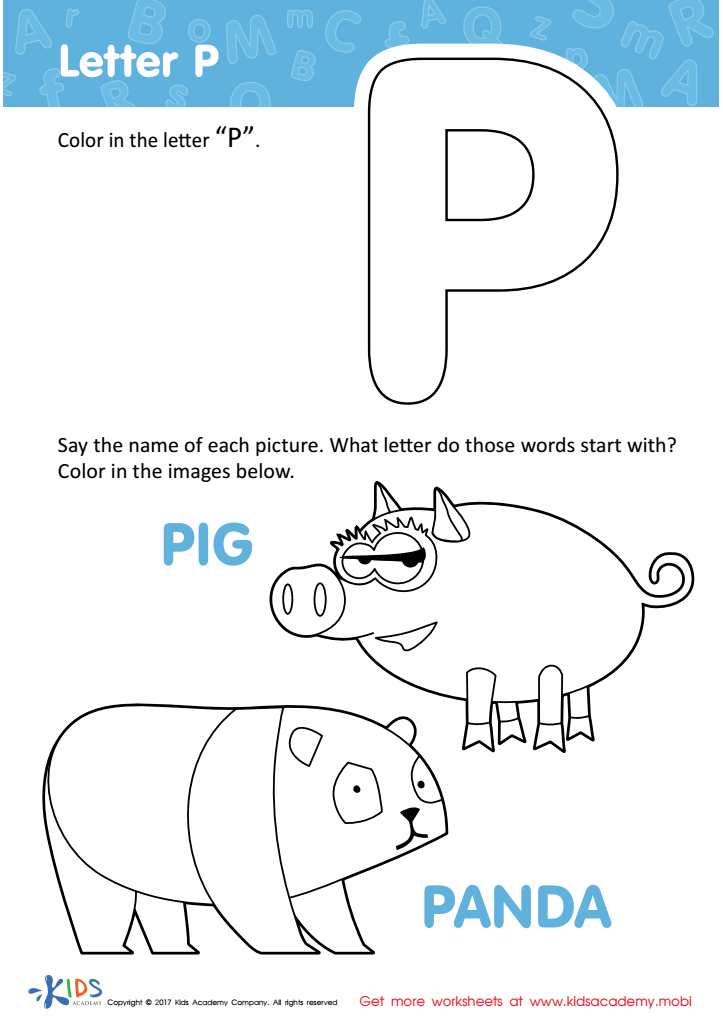
Letter P Coloring Sheet
Assign to My Students
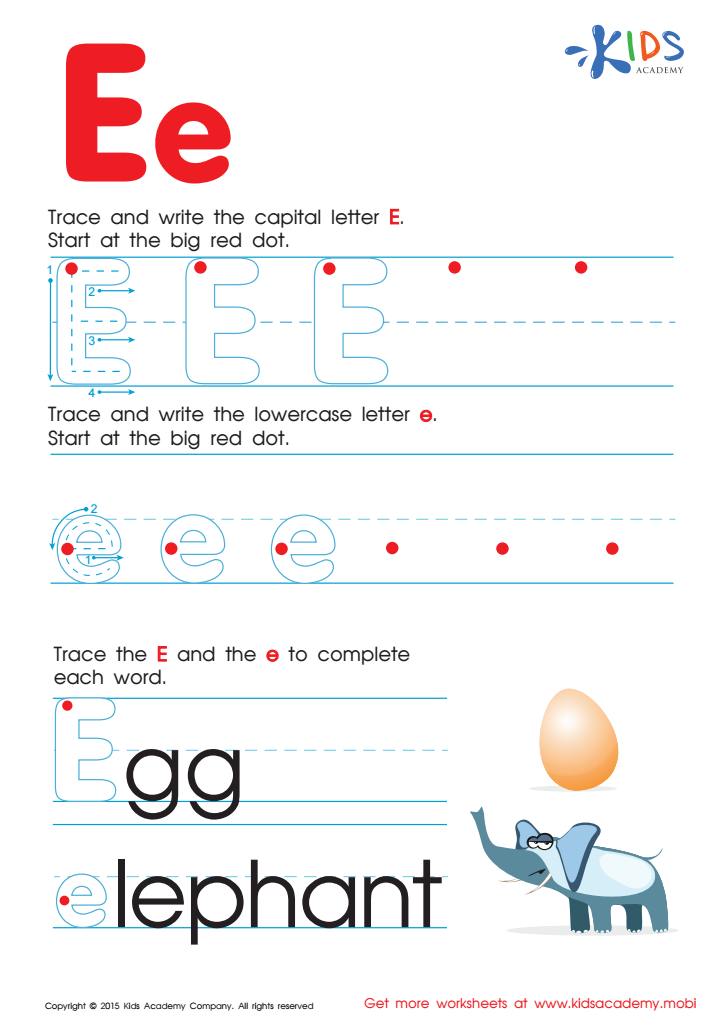
Letter E Tracing Page
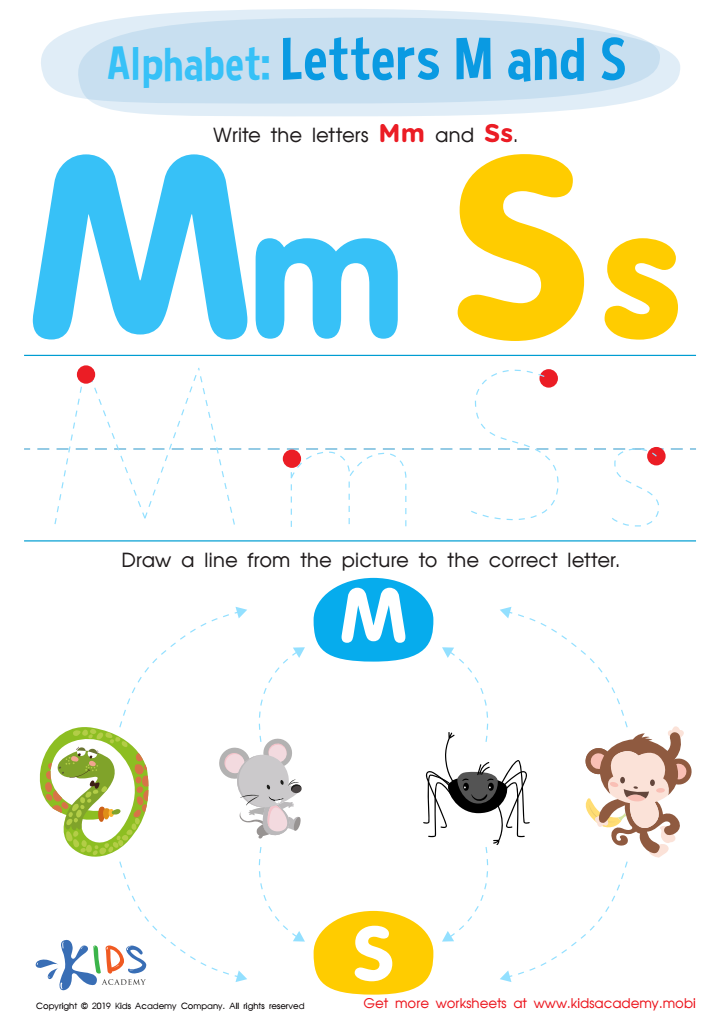
Letters M and S Tracing Worksheet
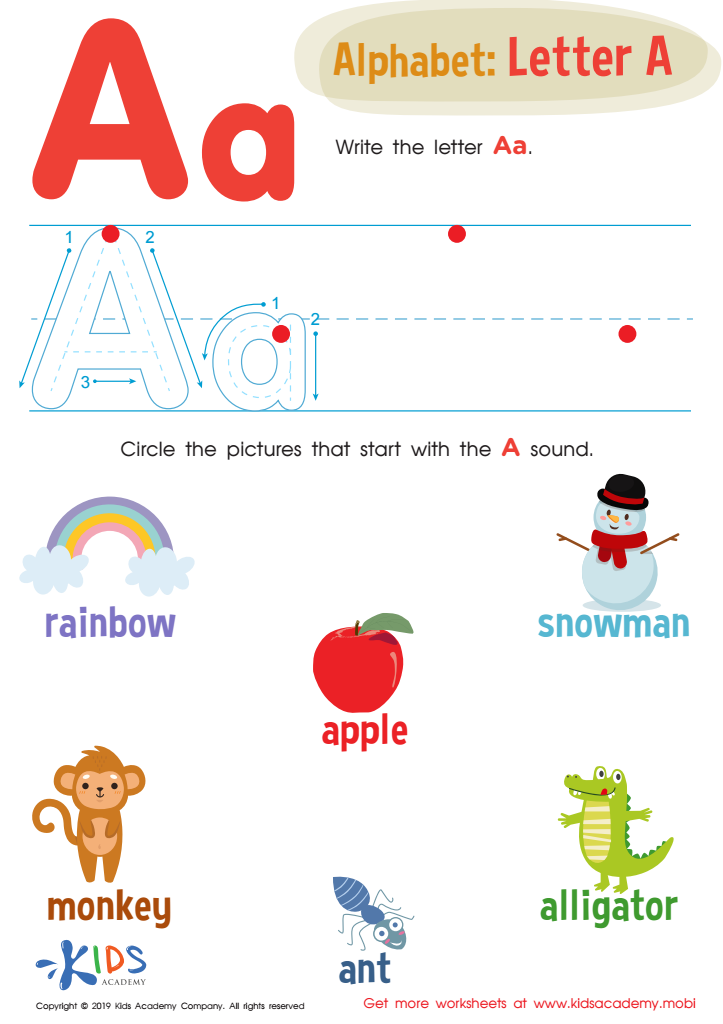
Letter A Tracing Worksheet
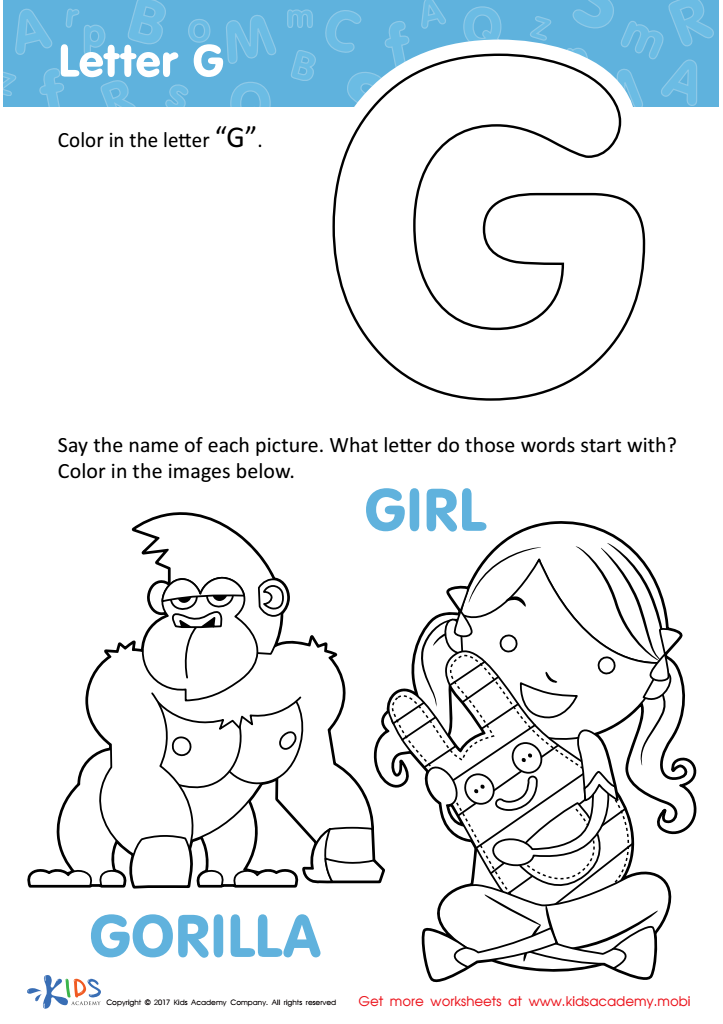
Letter G Coloring Sheet
Assign to My Students
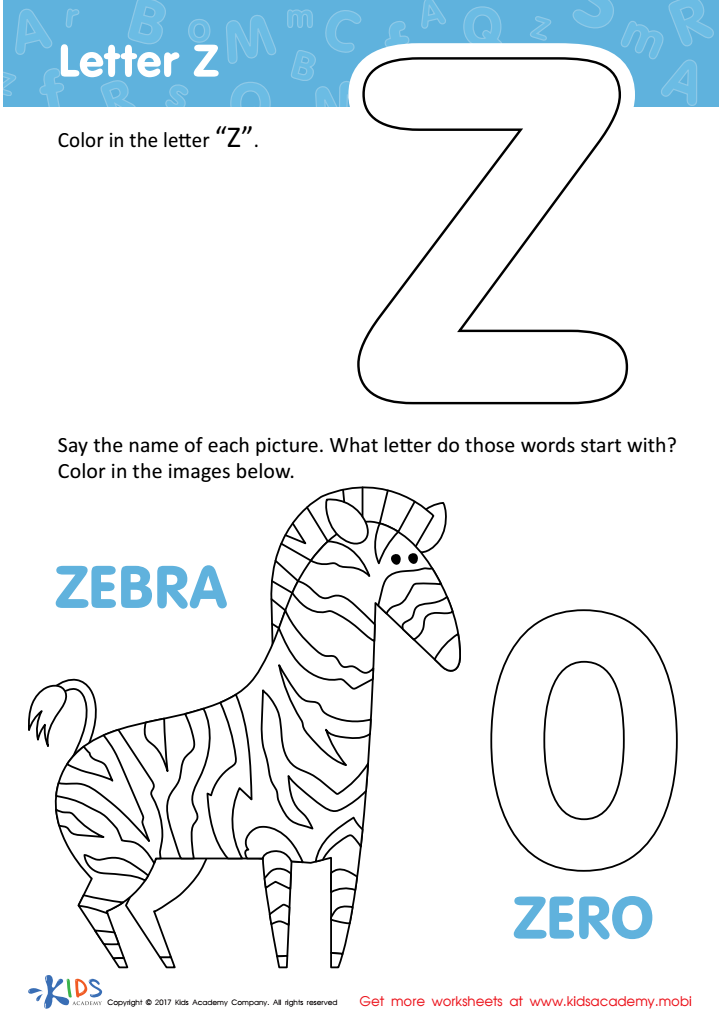
Letter Z Coloring Sheet
Assign to My Students
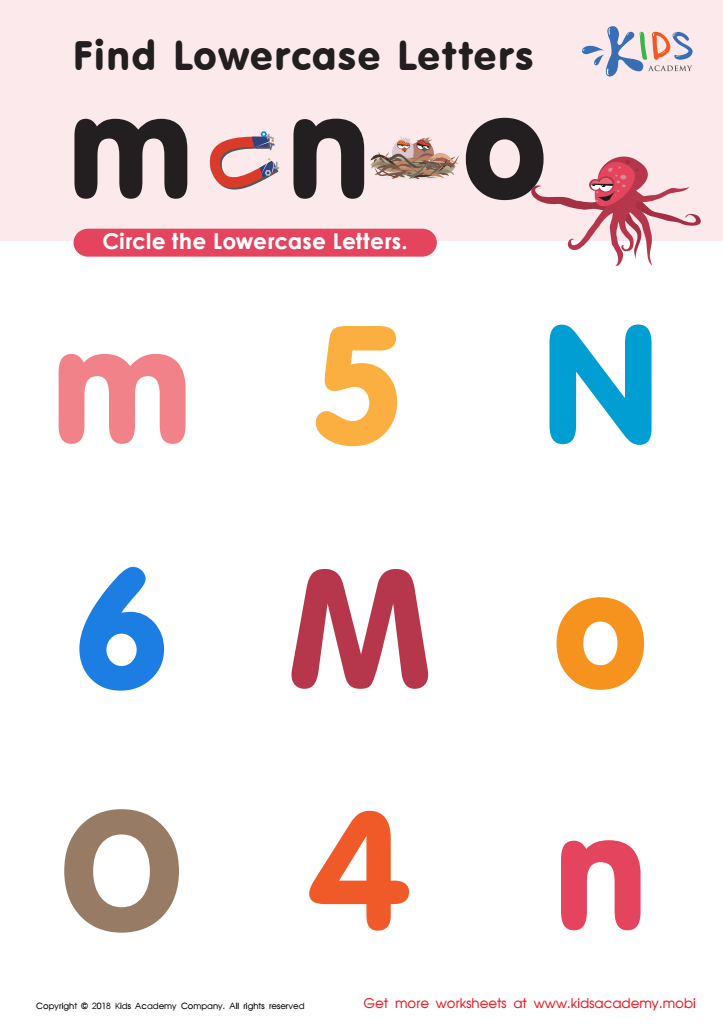
Find Lowercase Letters m n o Worksheet
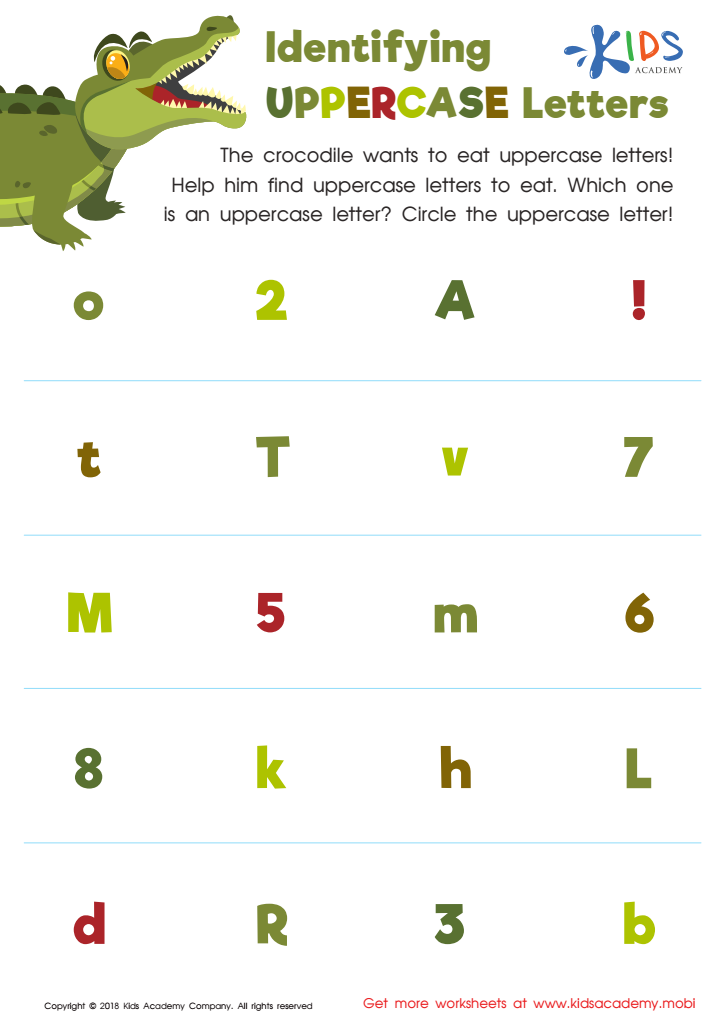
Identifying Uppercase Letters Worksheet
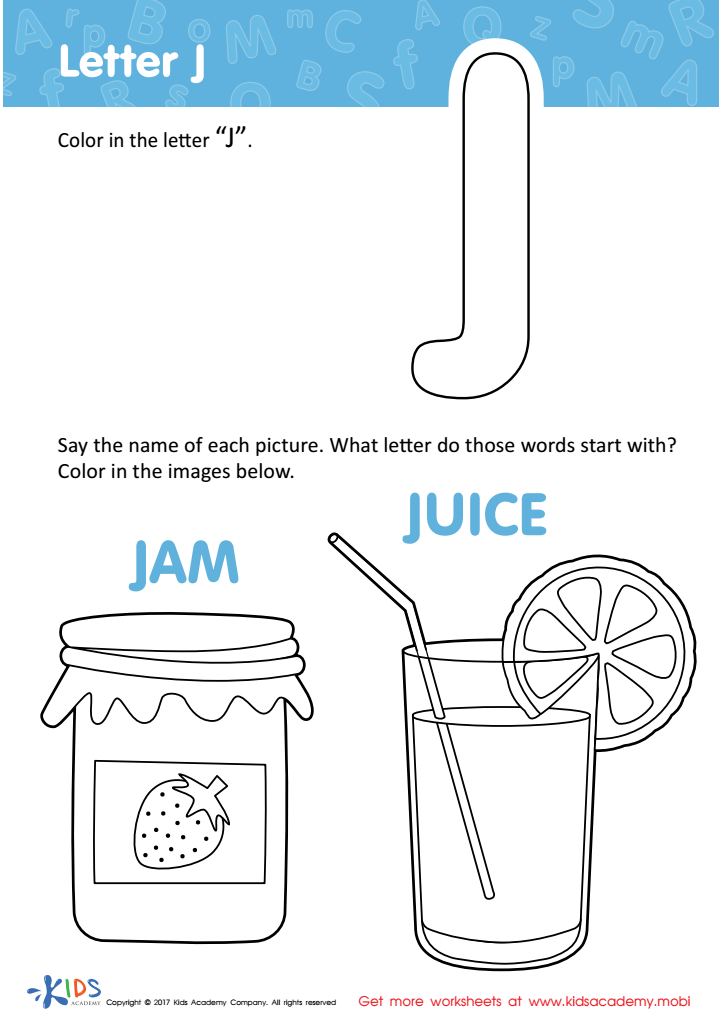
Letter J Coloring Sheet
Assign to My Students
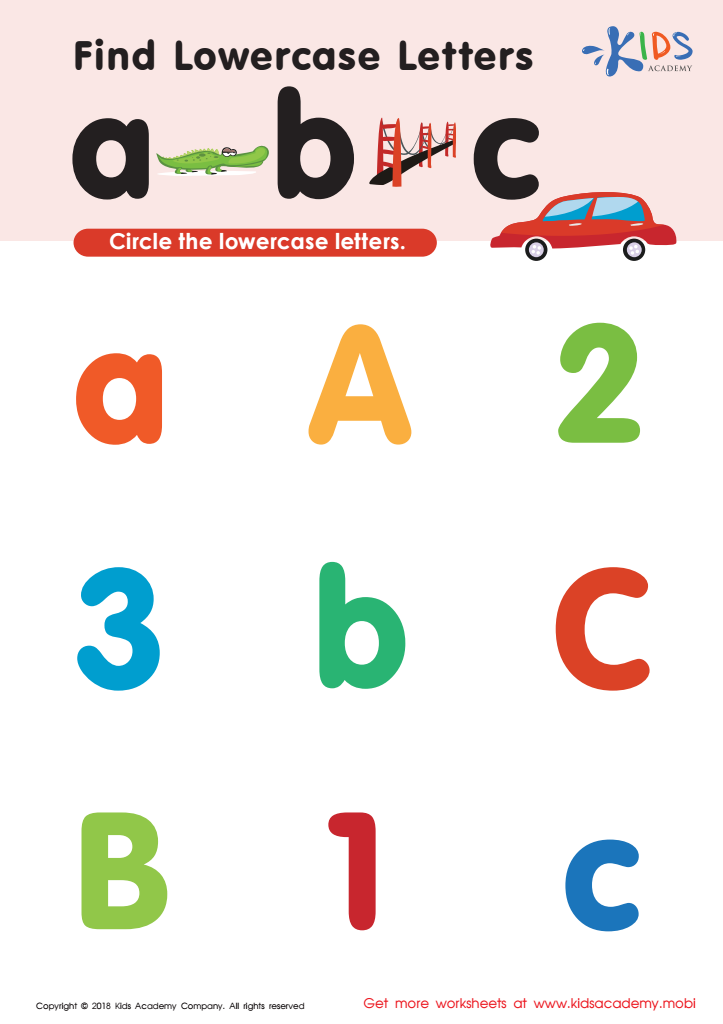
Find lowercase letters a b c Worksheet
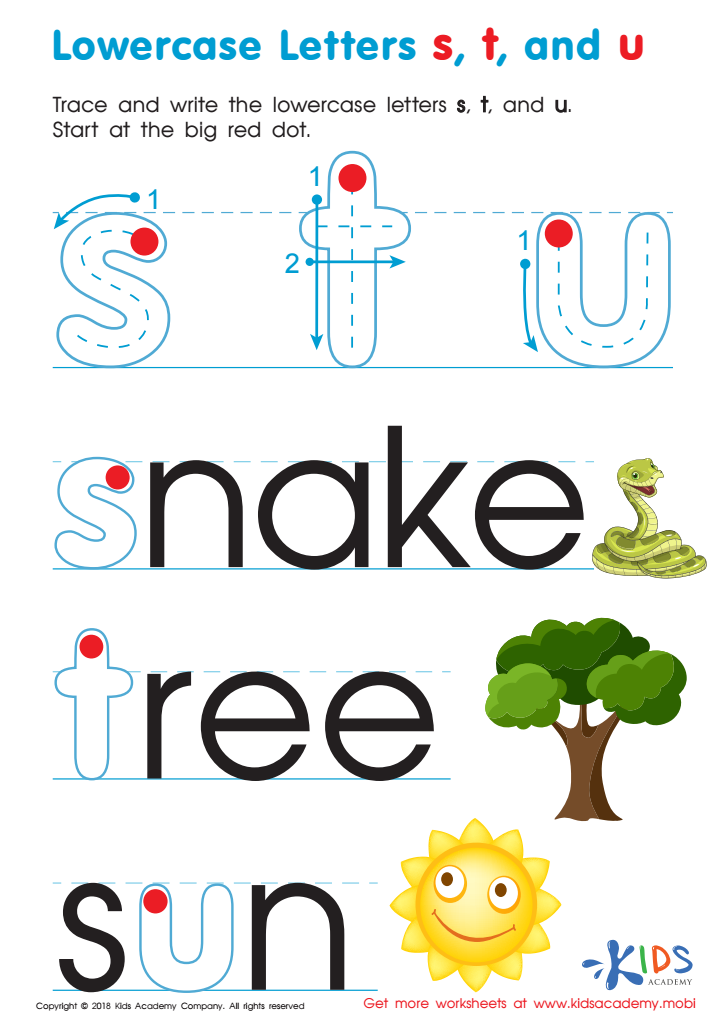
Lowercase Letters s t u Worksheet
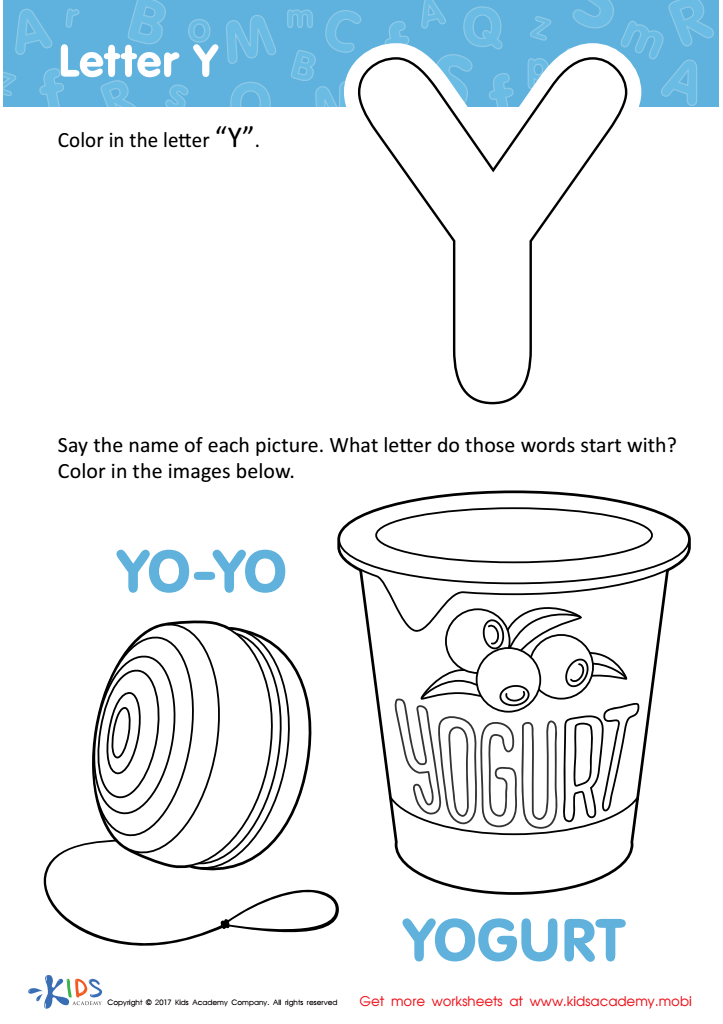
Letter Y Coloring Sheet
Assign to My Students

Find Lowercase Letters v w x Worksheet







Fine motor skills are crucial for the development of young children, particularly in the age group of 3-6 years. These skills include the ability to use hands and fingers with precision, which significantly impacts a child's ability to perform everyday tasks. Parents and teachers should care about developing fine motor skills in this age range because they lay the foundation for essential activities such as writing, drawing, and self-care tasks like buttoning clothes or tying shoes.
Incorporating activities that focus on fine motor skills, especially those related to the alphabet, not only enhances letter recognition but also prepares children for writing and literacy. Engaging in tasks like tracing letters, using play dough to form letters, or actively participating in alphabet-themed crafts can effectively develop hand-eye coordination and dexterity.
Additionally, strong fine motor skills contribute to children's self-esteem and independence, as they feel more capable of expressing themselves through writing and art. As they gain proficiency in these abilities, they are more likely to thrive academically and socially. Thus, both parents and teachers should prioritize fun, engaging activities that promote fine motor skills, integrating them into everyday learning experiences to support children's holistic development.







