Spelling practice Phonics Worksheets for Ages 3-6 - Page 2
43 filtered results
-
From - To
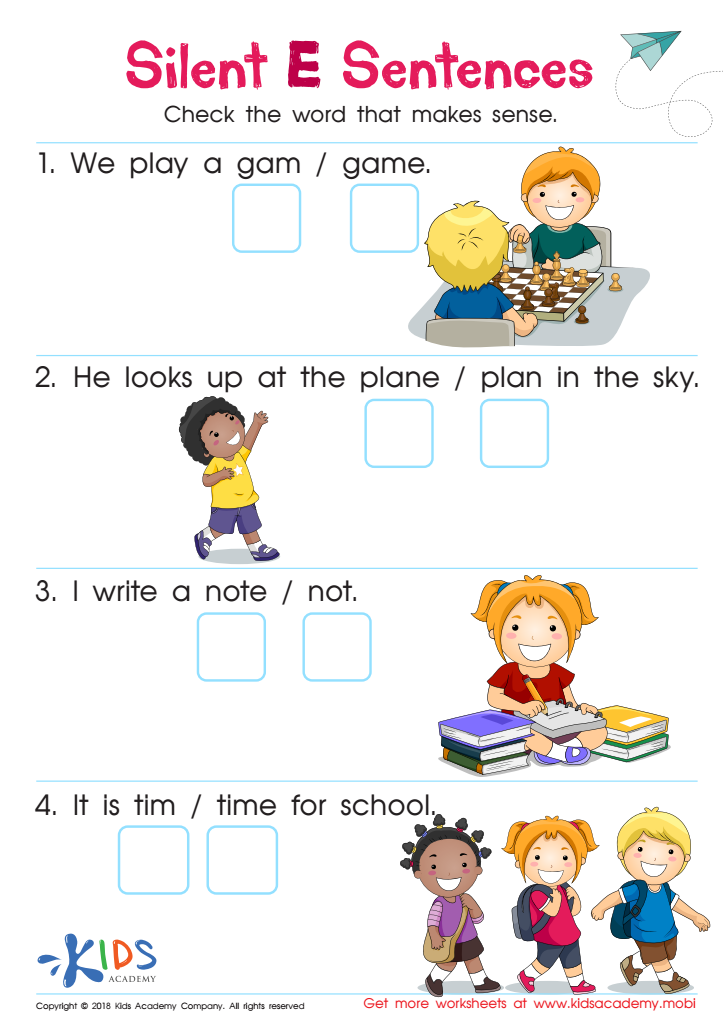
Silent E Sentences Worksheet
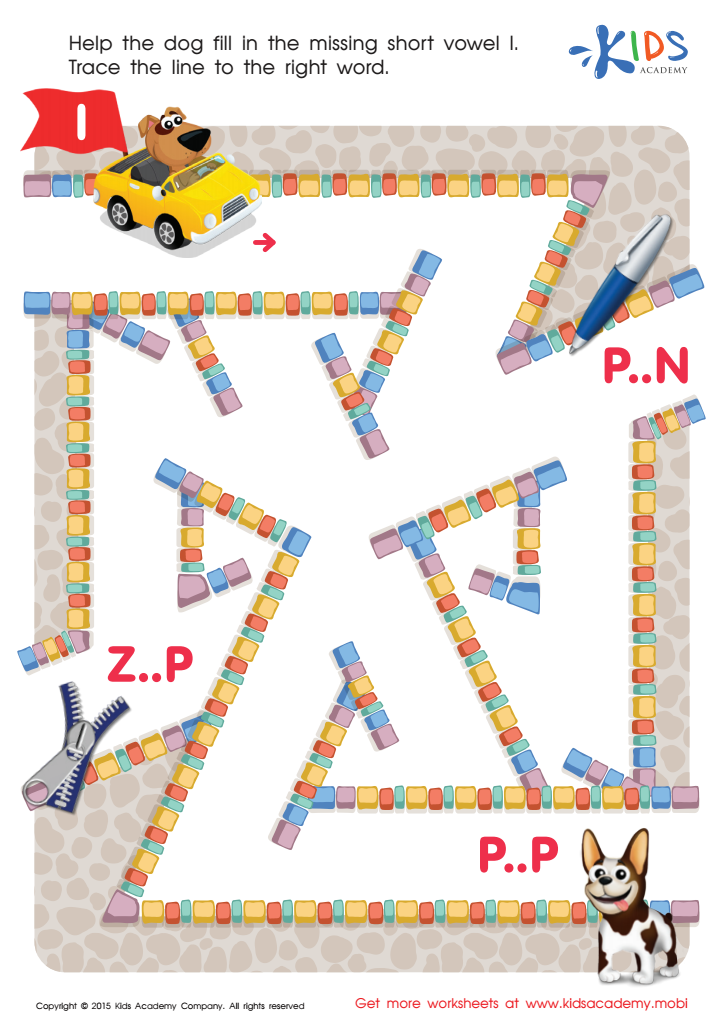
Short Vowel Sound I Worksheet
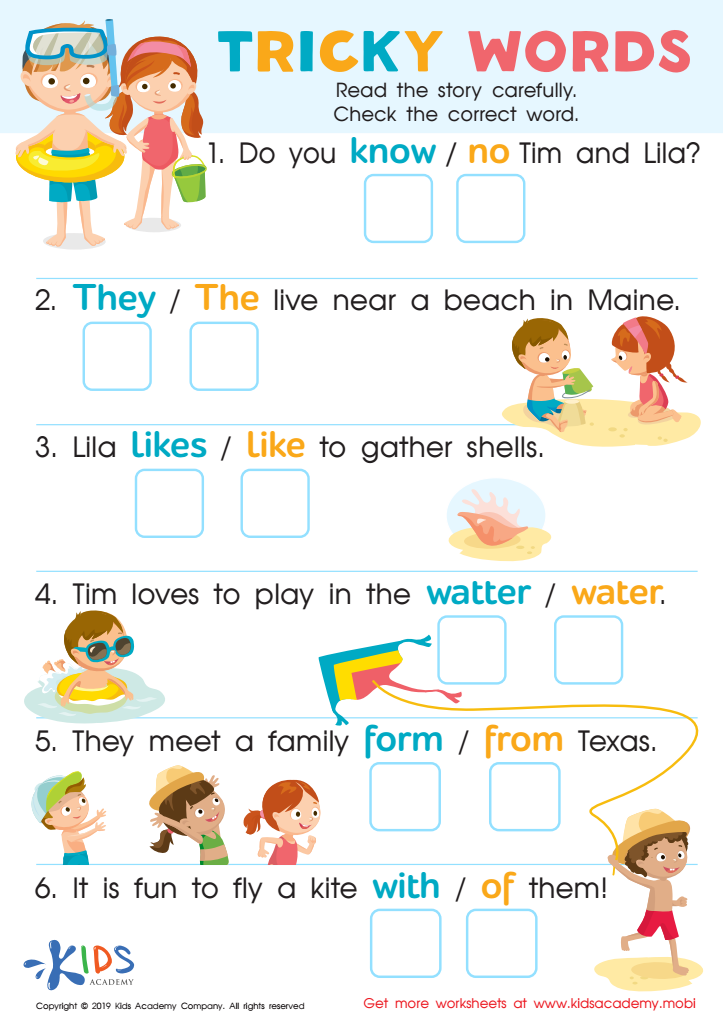
Tricky Words Worksheet
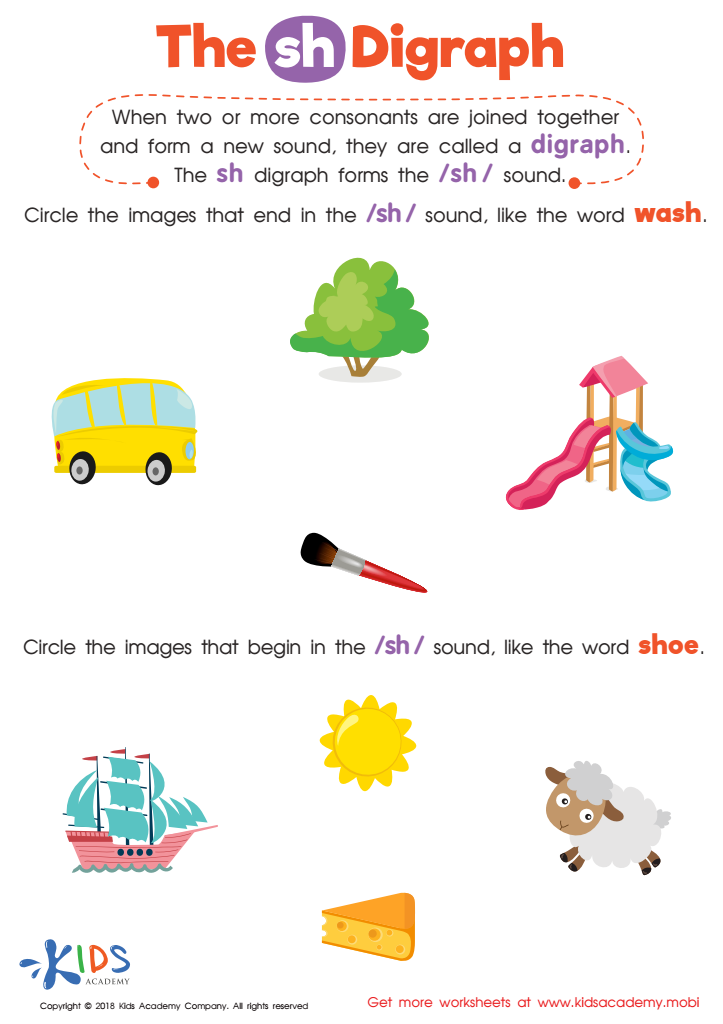
The SH Digraph Worksheet
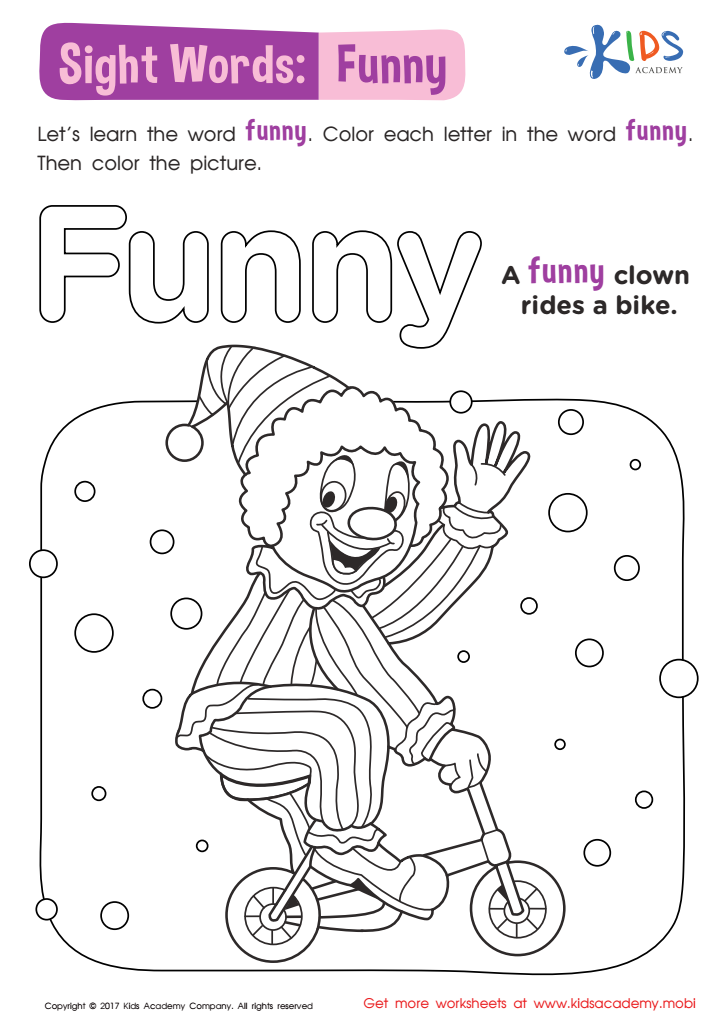
Funny Worksheet Sight Words Worksheet
 Assign to My Students
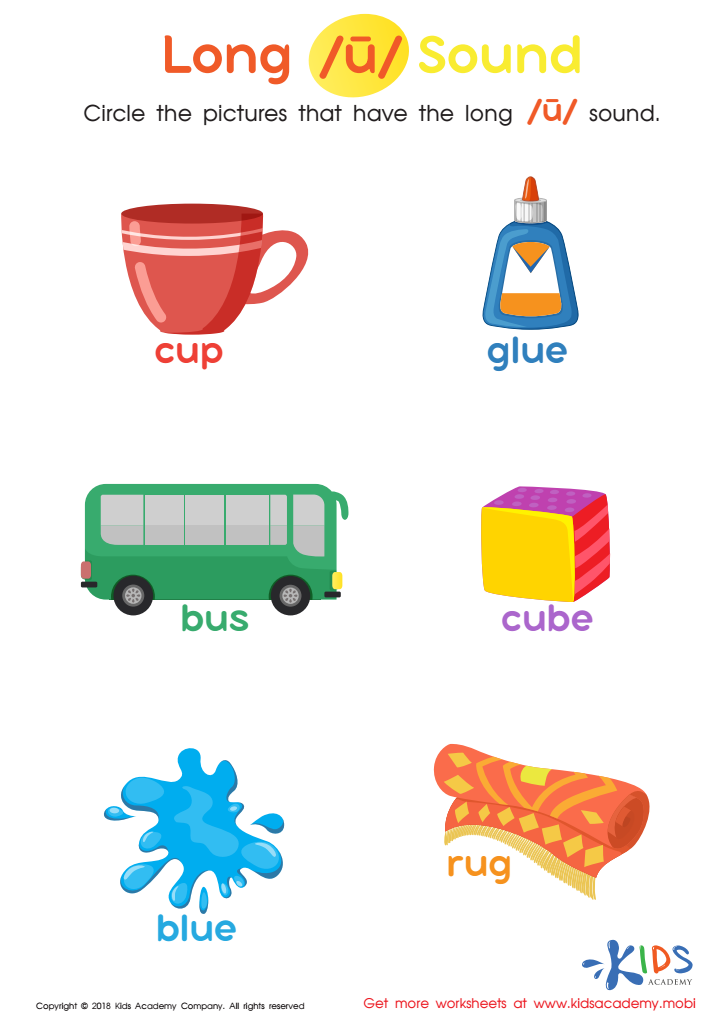
Long «u» Sound Worksheet
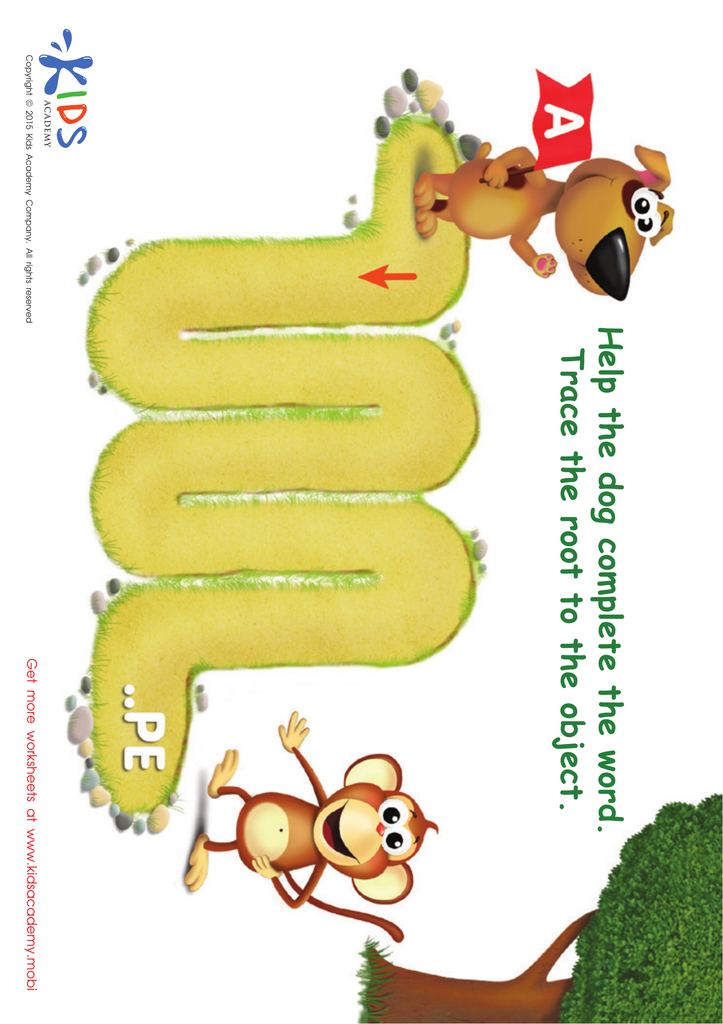
Long Vowel Sound A Worksheet Worksheet
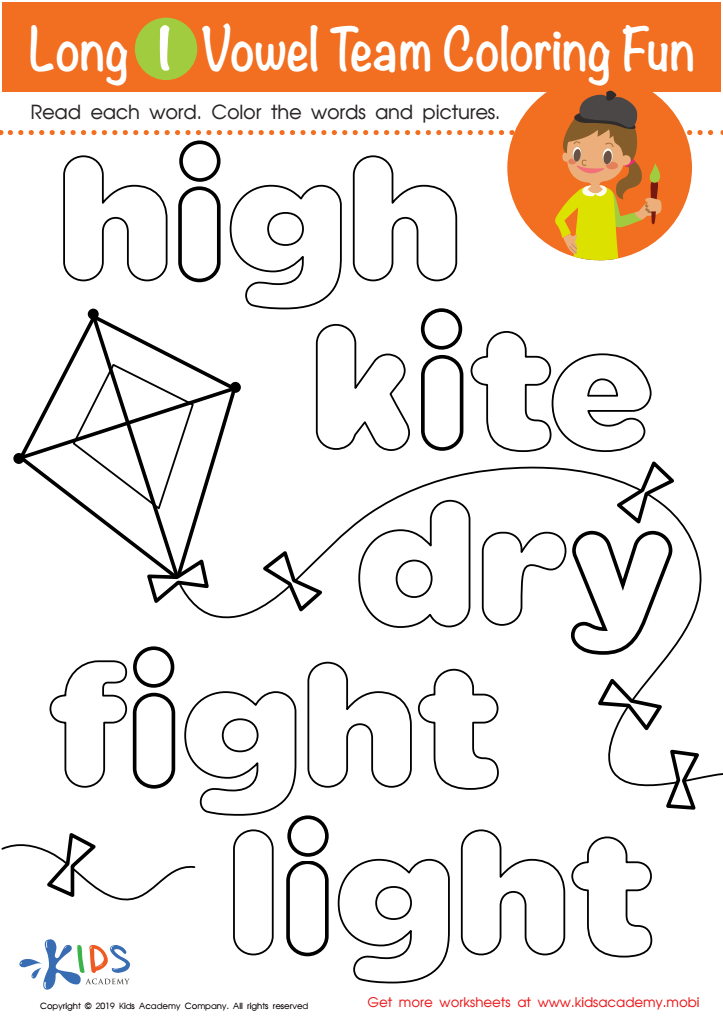
Long I Vowel Team Coloring Worksheet
Assign to My Students
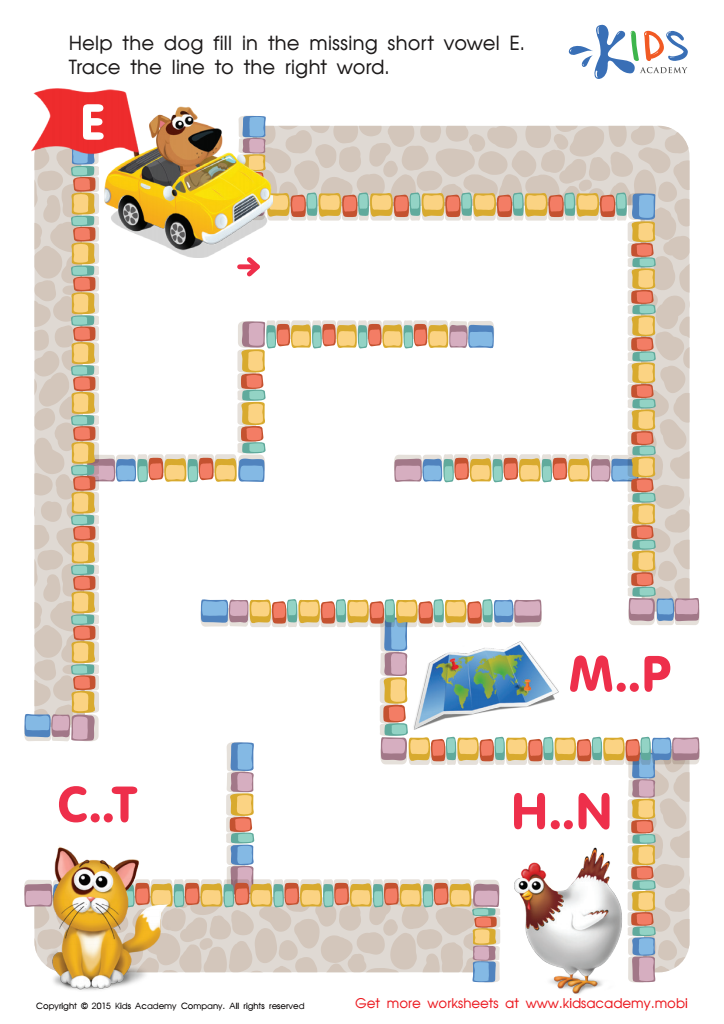
Short Vowel Sound E Worksheet
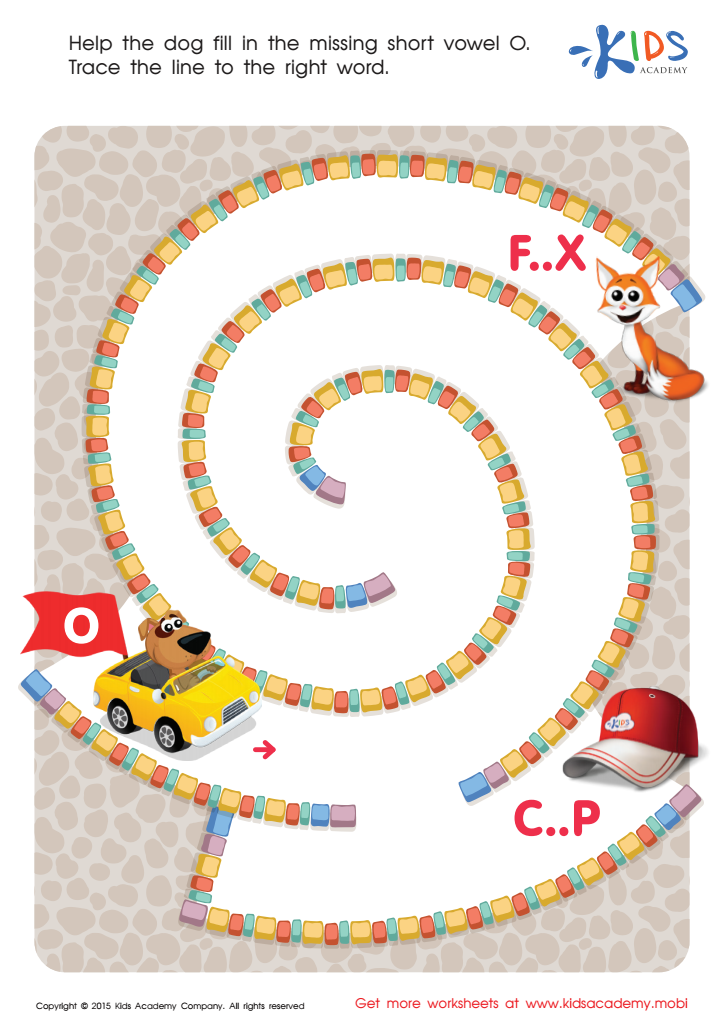
Short Vowel Sound O Worksheet
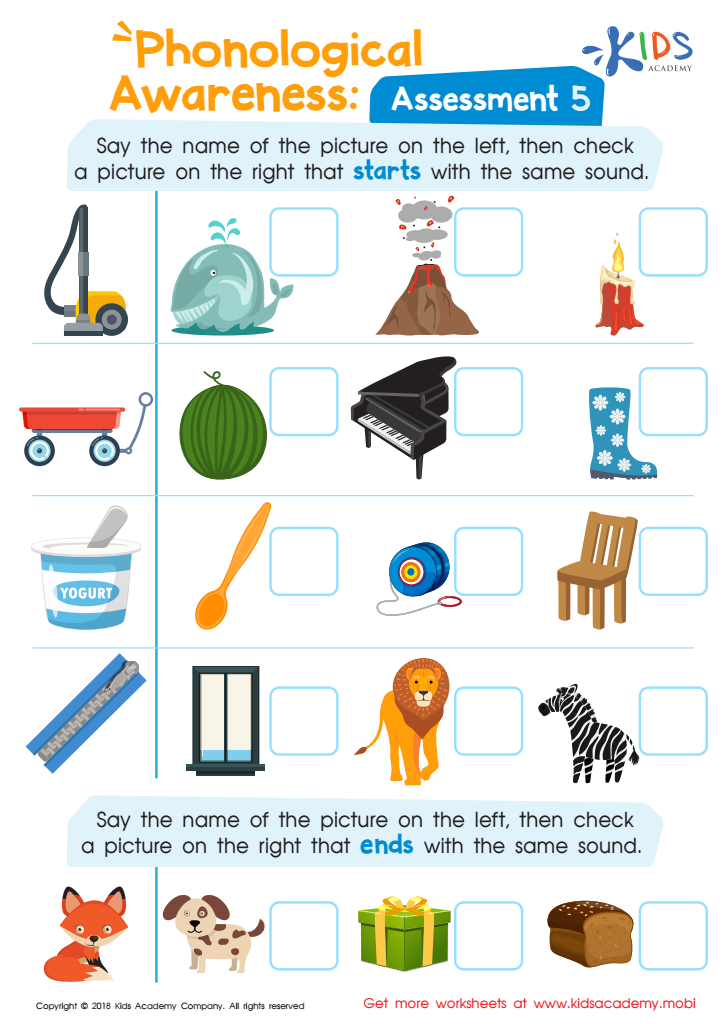
Phonological Awareness: Assessment 5 Worksheet
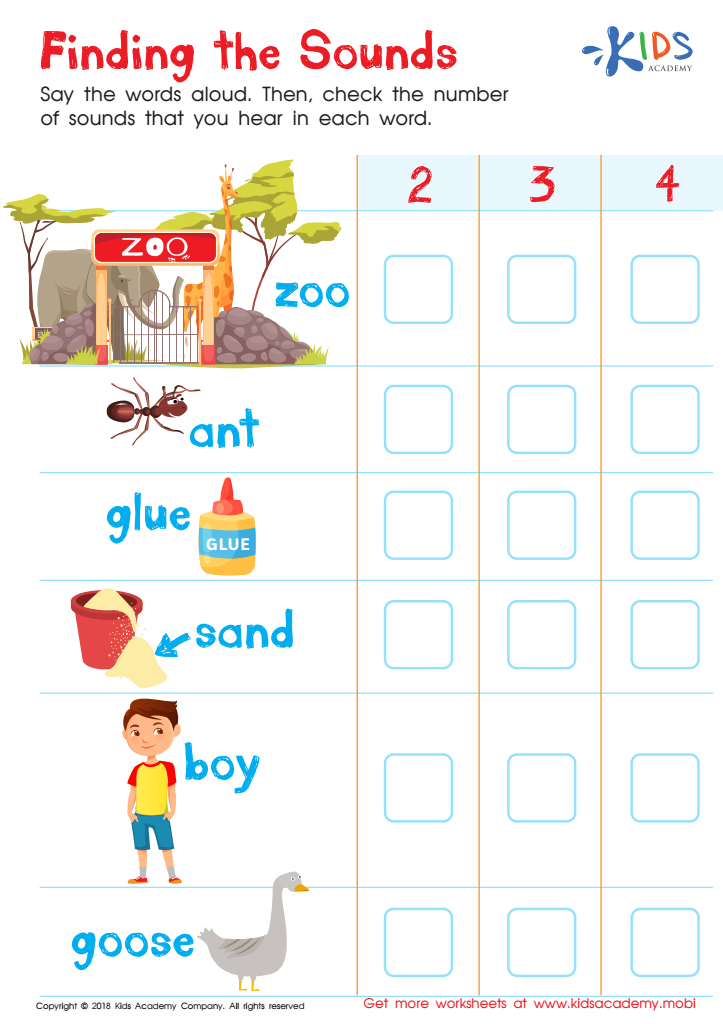
Finding the Sounds Worksheet
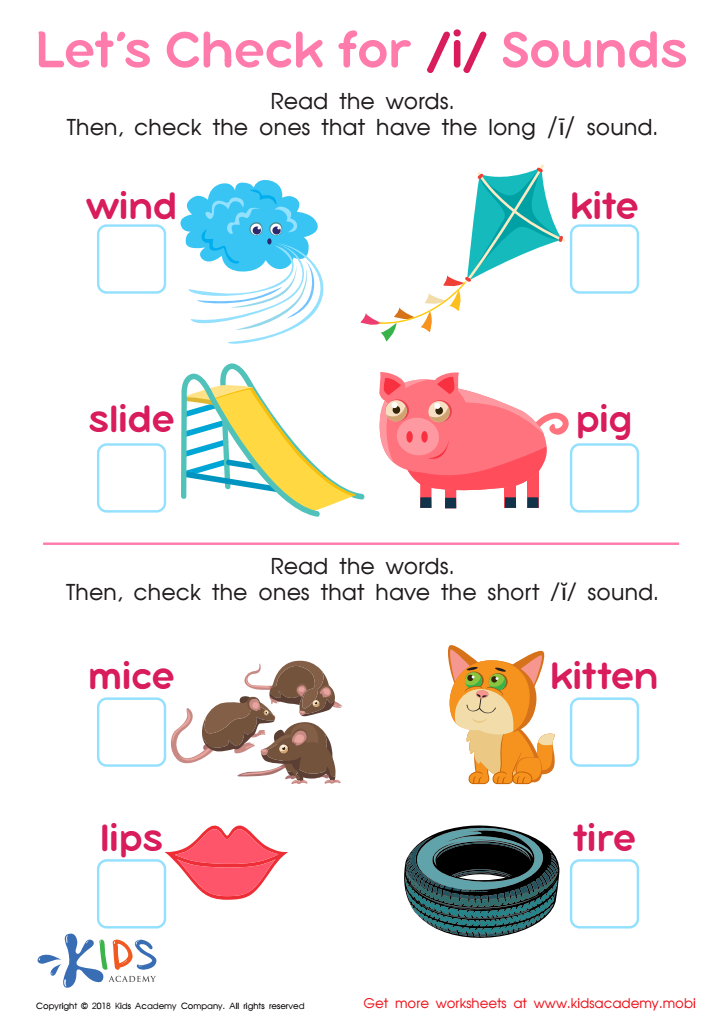
Let's Check for «i» Sounds Worksheet
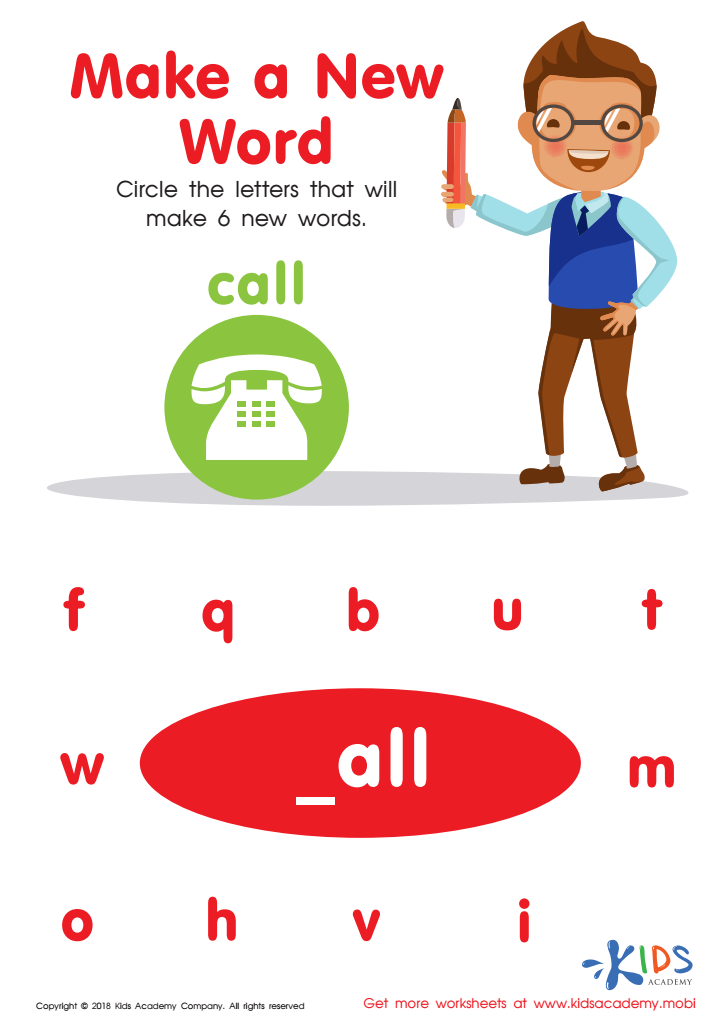
Make a New Word Worksheet
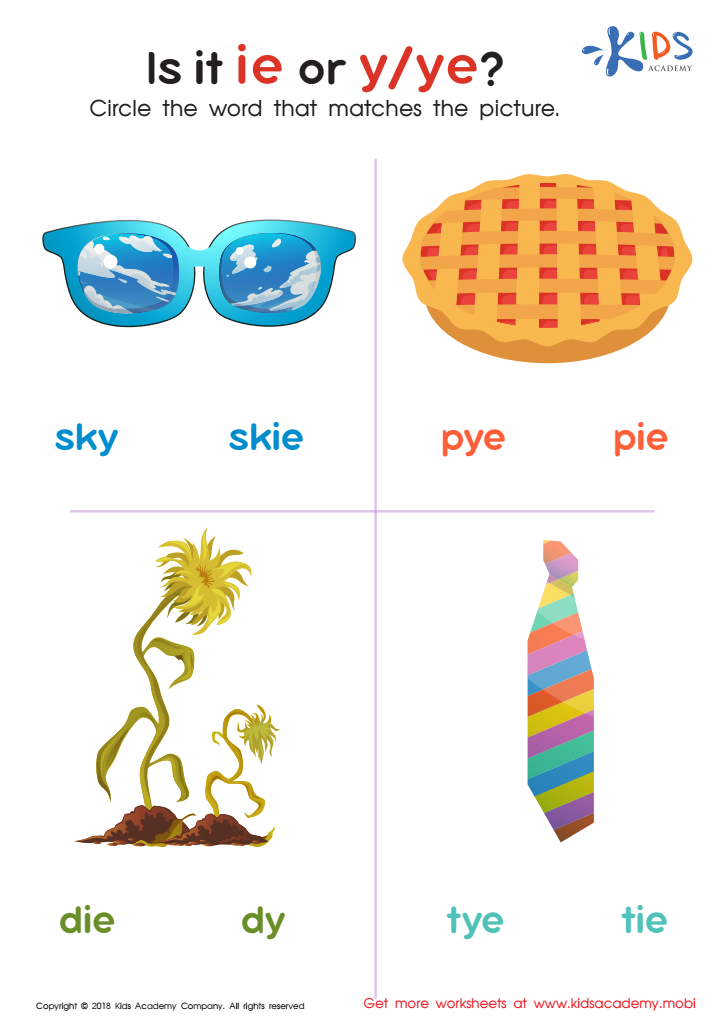
Is It IE or Y/Ye? Worksheet
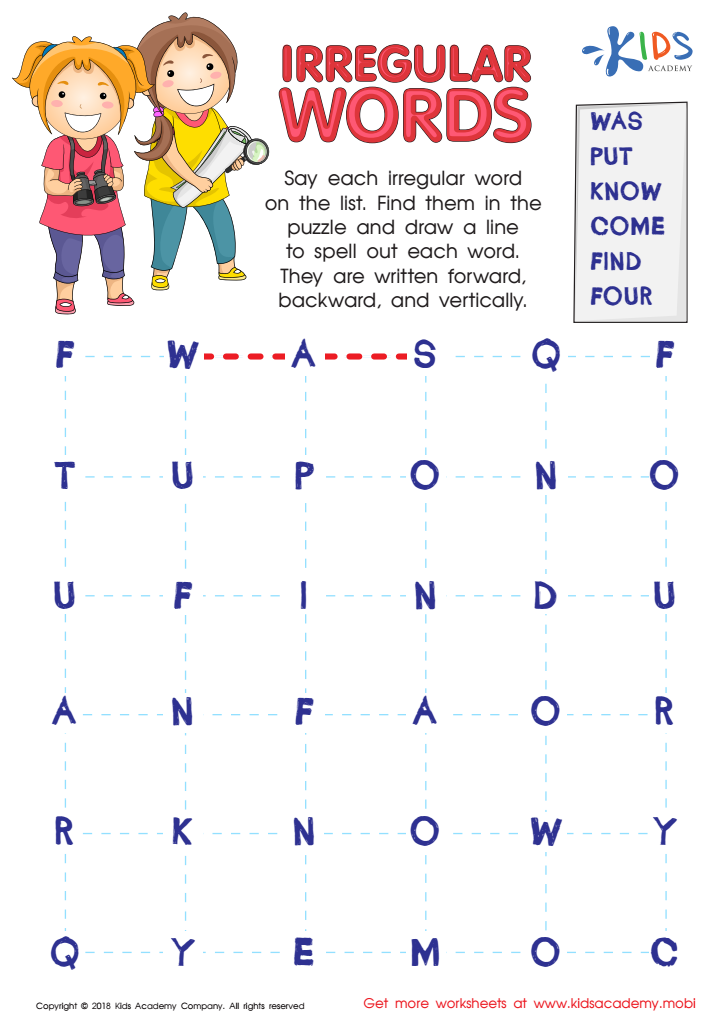
Irregular Words Worksheet
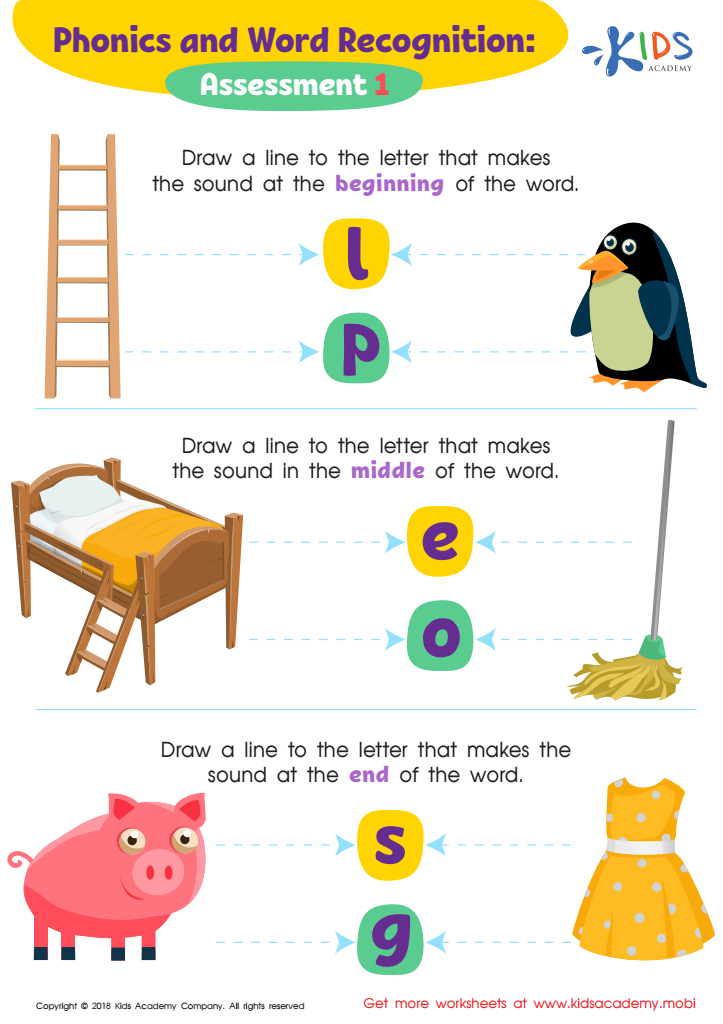
Phonics and Word Recognition: Assessment 1 ELA Worksheet
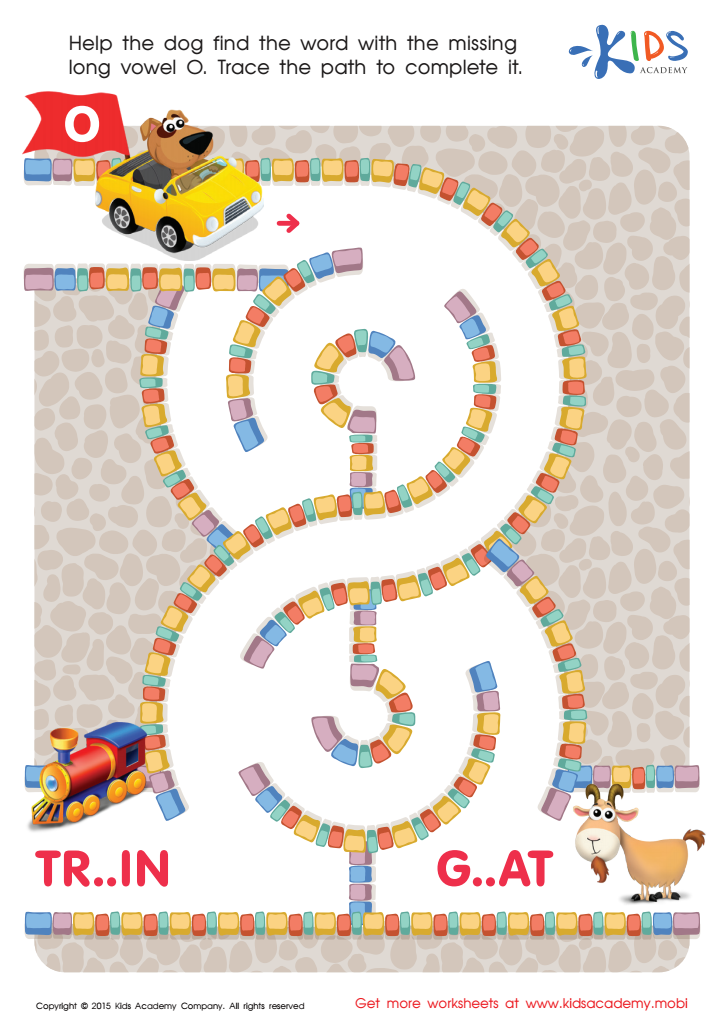
Long Vowel Sound O Worksheet
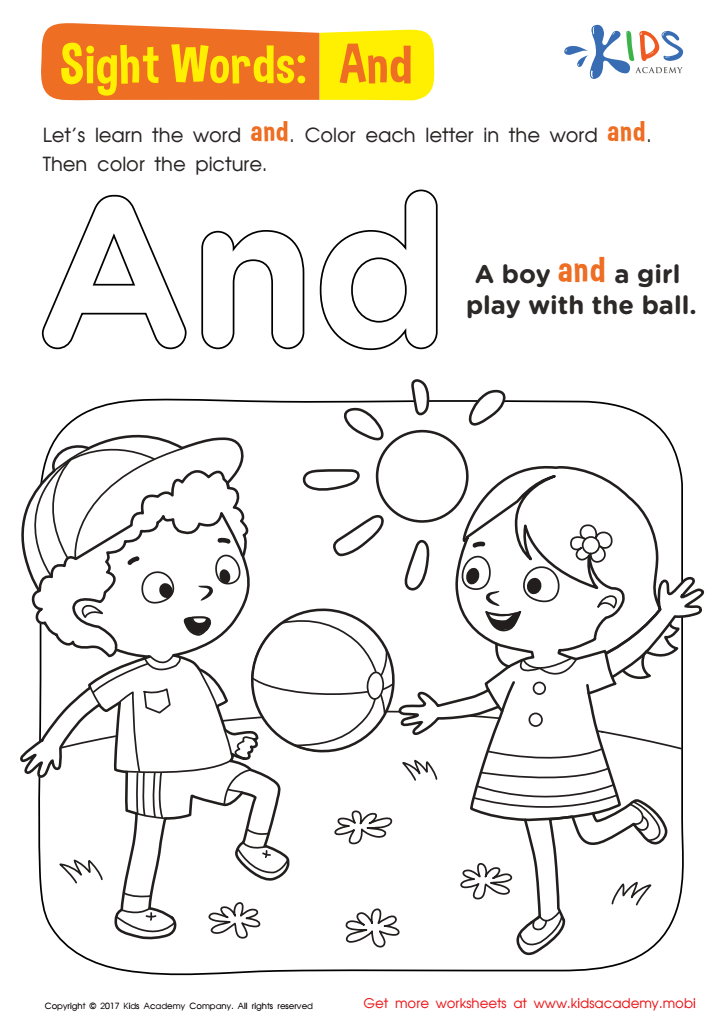
And Worksheet Sight Words Worksheet
Assign to My Students








Spelling practice and phonics are fundamental for children aged 3-6 because they form the bedrock of literacy development. At this critical stage, young learners are rapidly acquiring basic language skills, and phonics—understanding the relationship between letters and sounds—is a vital component of this process. When children practice spelling, they not only learn how to form words correctly but also gain insight into the structure and patterns of the English language.
Phonics instruction helps children decode words, which enhances their reading abilities. Early exposure to phonics promotes phonemic awareness, allowing children to recognize and manipulate sounds, an essential skill for fluent reading and writing. As children engage in spelling practice, they reinforce their phonics knowledge, leading to improved reading comprehension and writing proficiency.
For parents and teachers, focusing on spelling practice and phonics is crucial because it sets a strong foundation for future academic success. It also fosters a sense of confidence and independence in young learners as they start to read and write on their own. By dedicating time to these practices, adults can ensure that children develop a love for reading and a solid understanding of language, which are vital tools for lifelong learning and effective communication.







