Critical Thinking Worksheets for Ages 3-6 - Page 2
91 filtered results
-
From - To
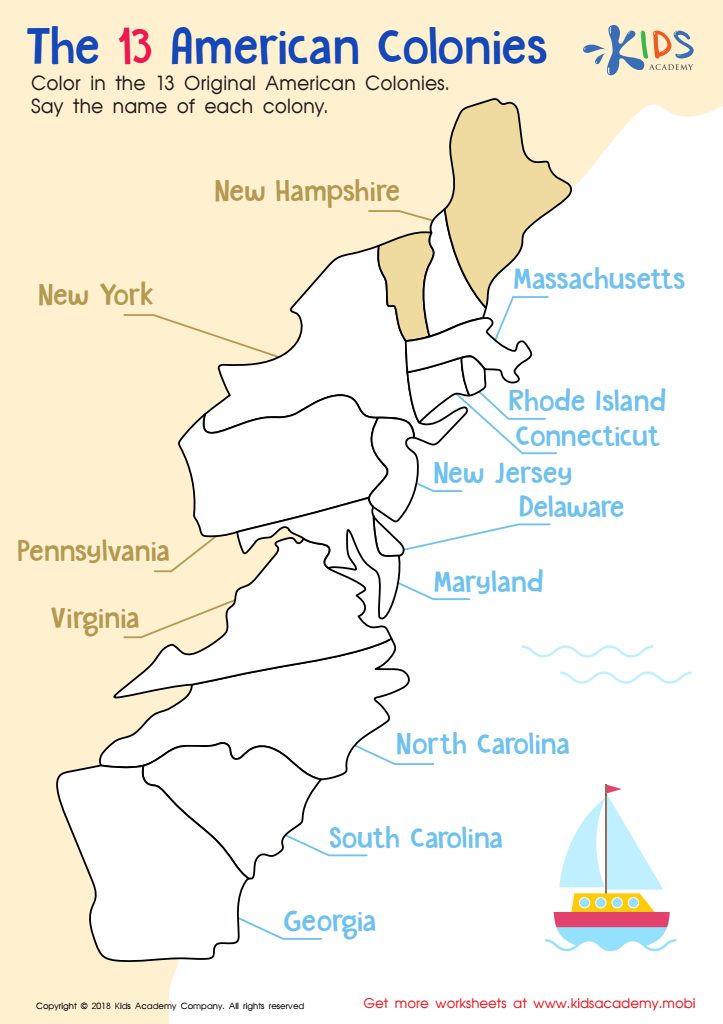
The 13 American Colonies Worksheet
 Assign to My Students
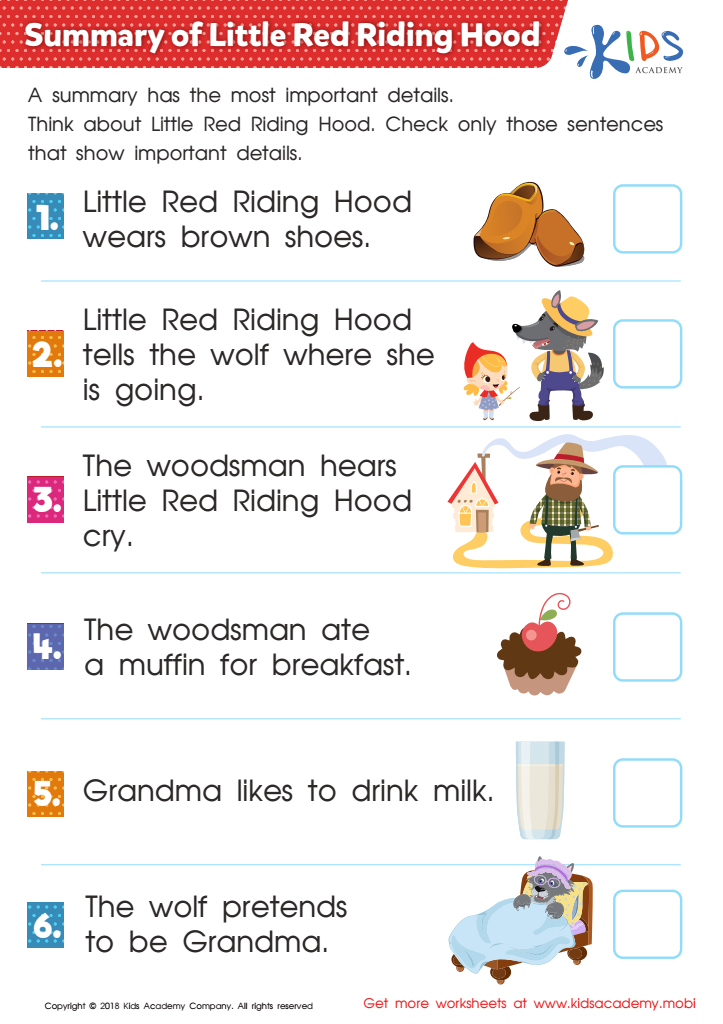
Summary of Little Red Riding Hood Worksheet
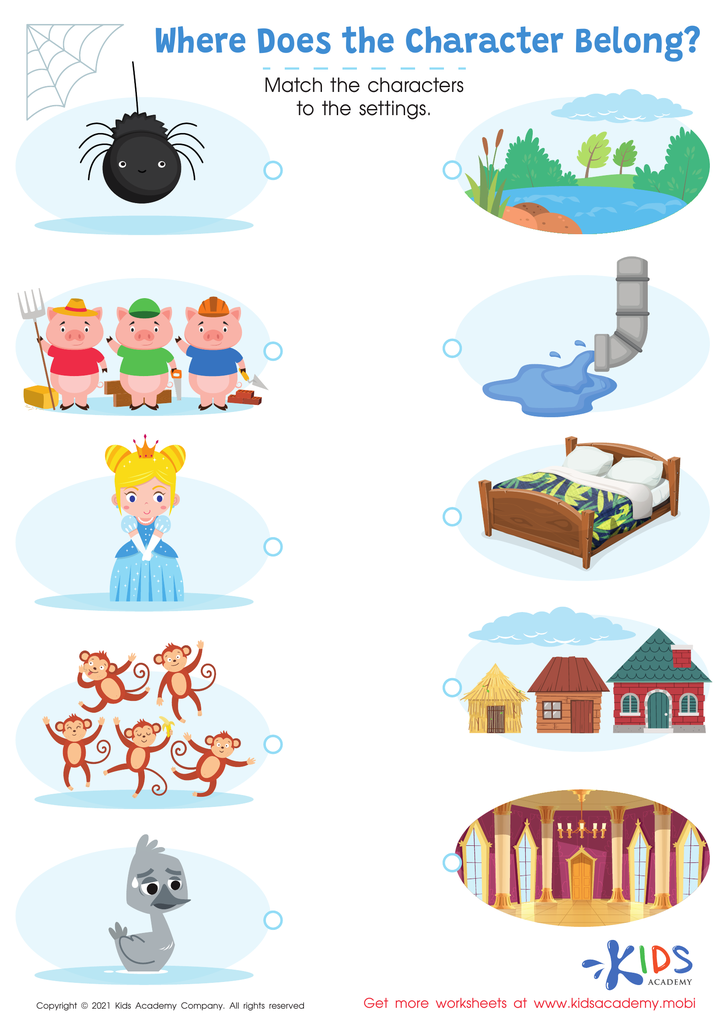
Where Does the Character Belong? Worksheet
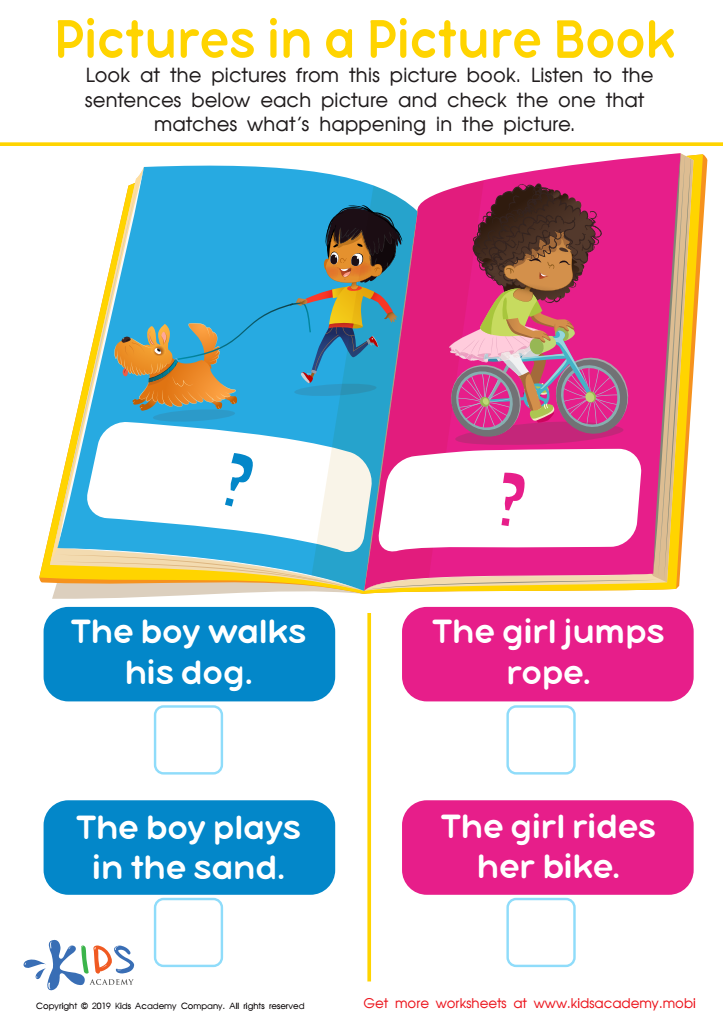
Picture in Books Worksheet

Thorns and Spikes Worksheet
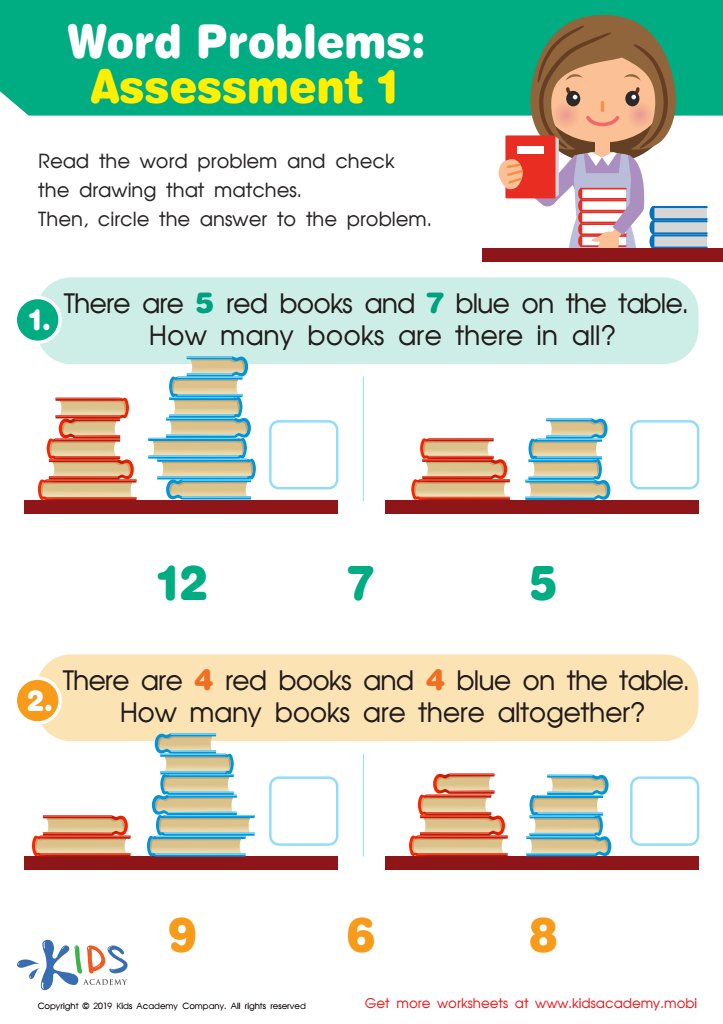
Word Problems: Assessment 1 Worksheet
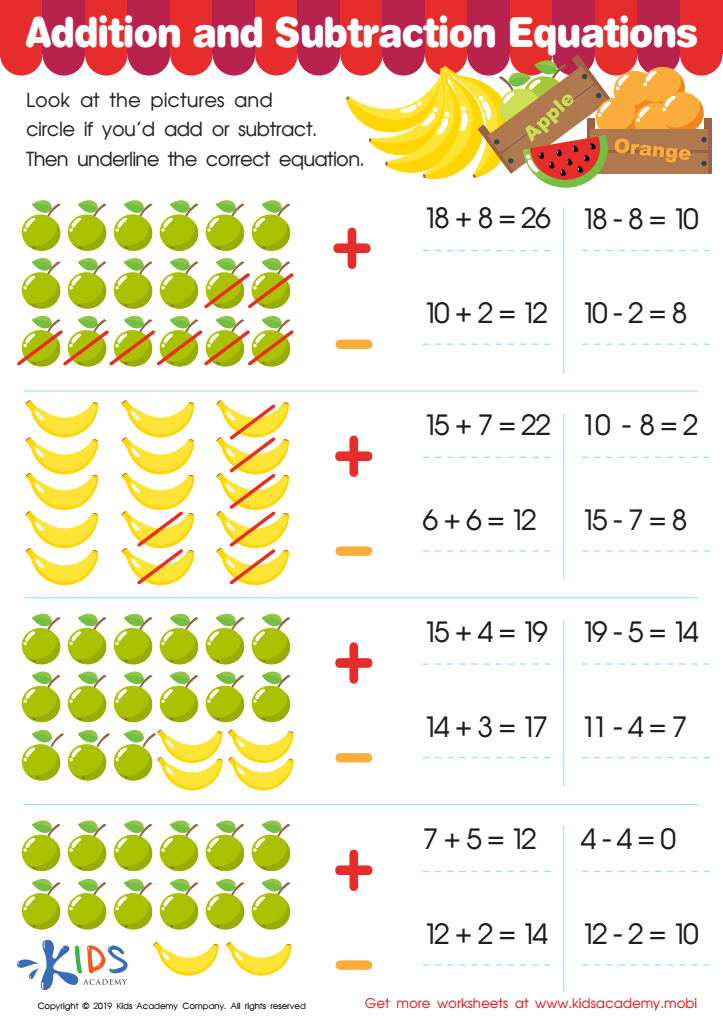
Addition and Subtraction: Equations Worksheet
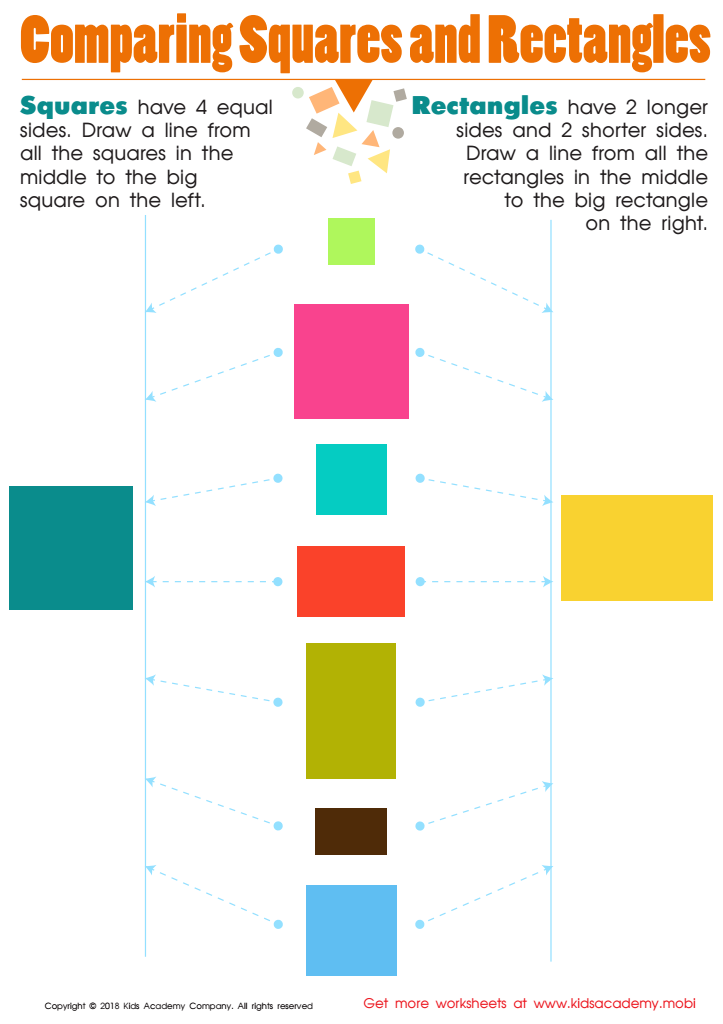
Comparing Squares Rectangles Worksheet
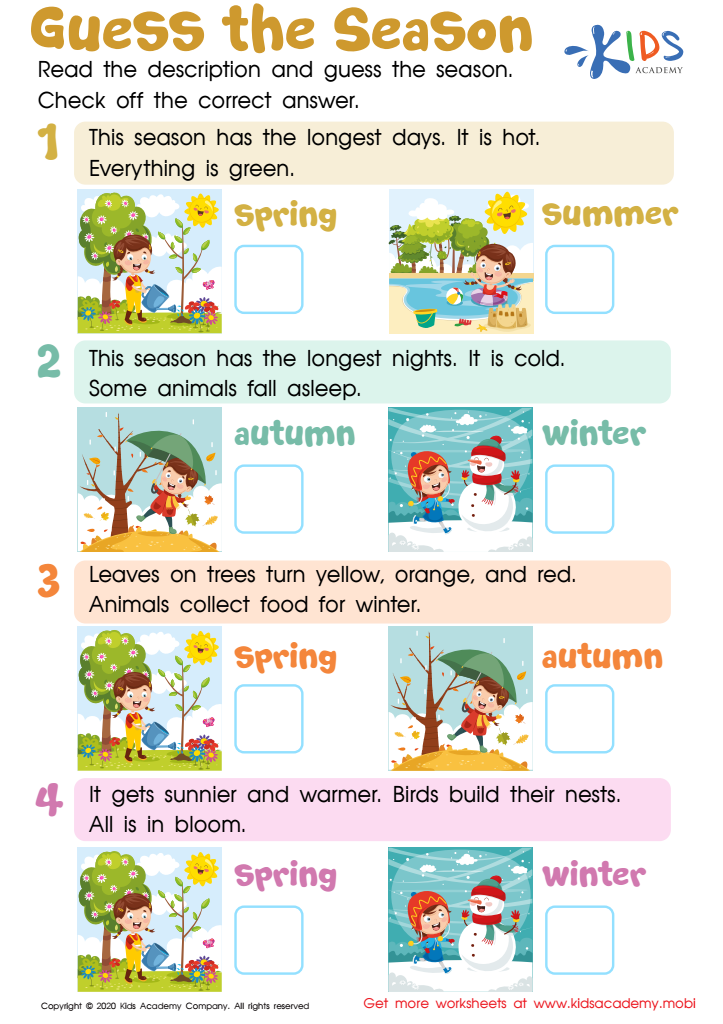
Guess the Season Worksheet
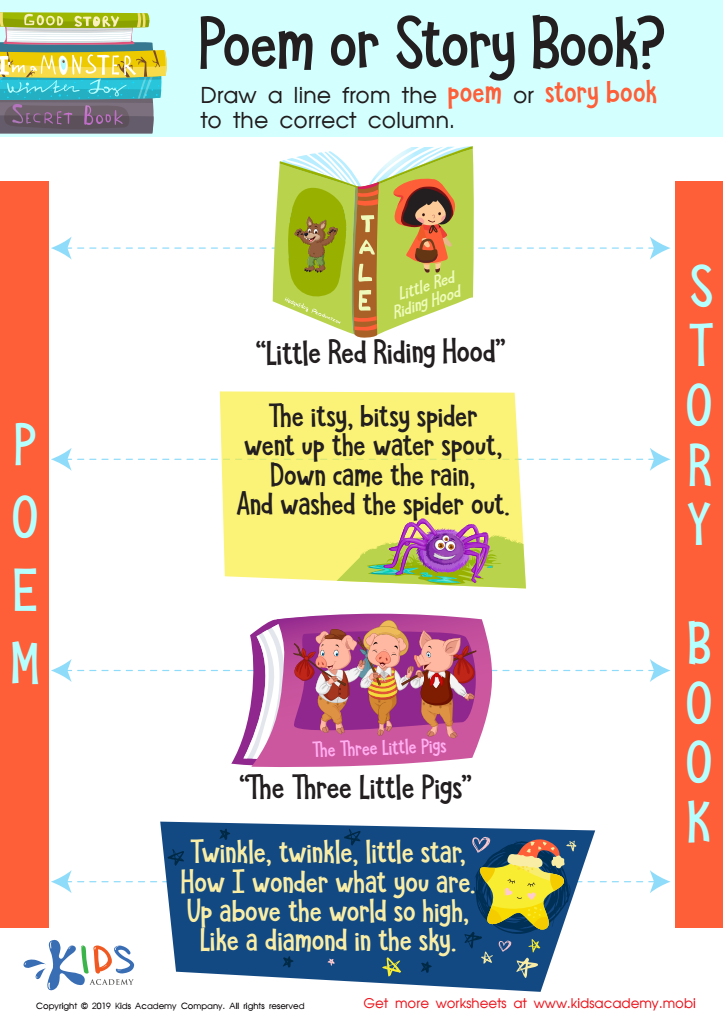
Poem or Story Book? Worksheet


Easter: a Bunny and a Lamb Worksheet
Assign to My Students
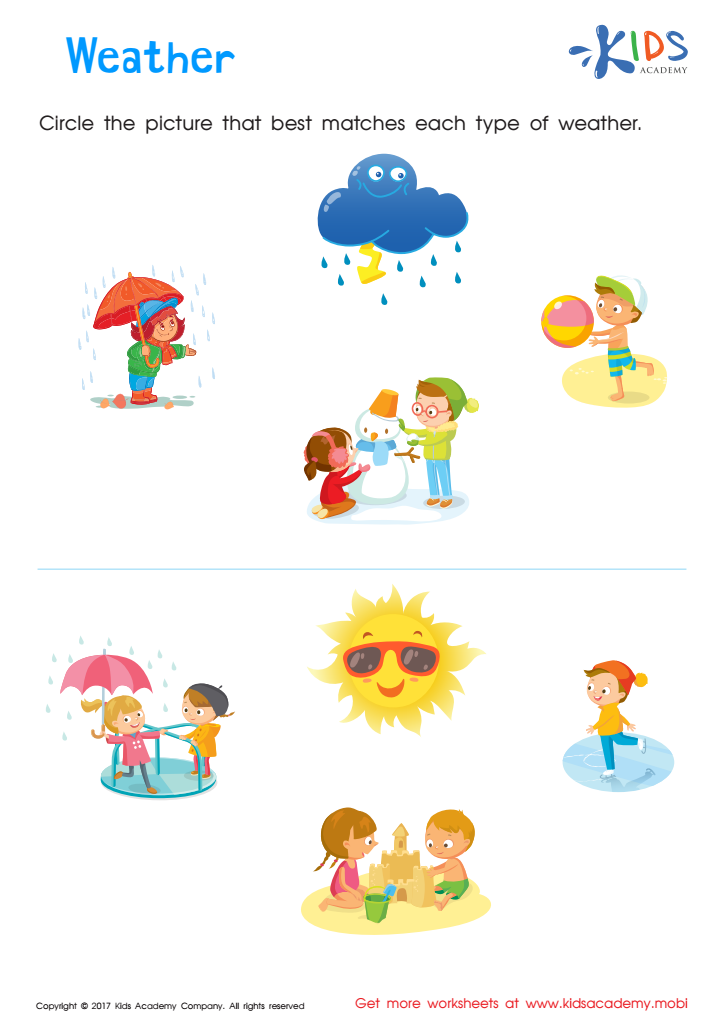
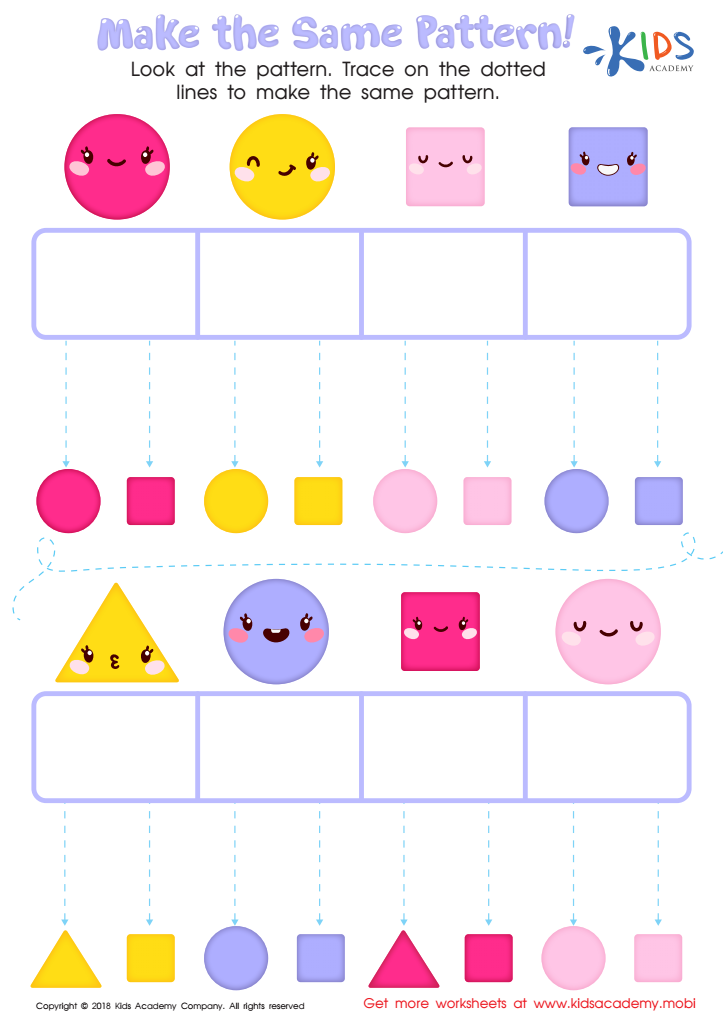
Make the Same Pattern Worksheet
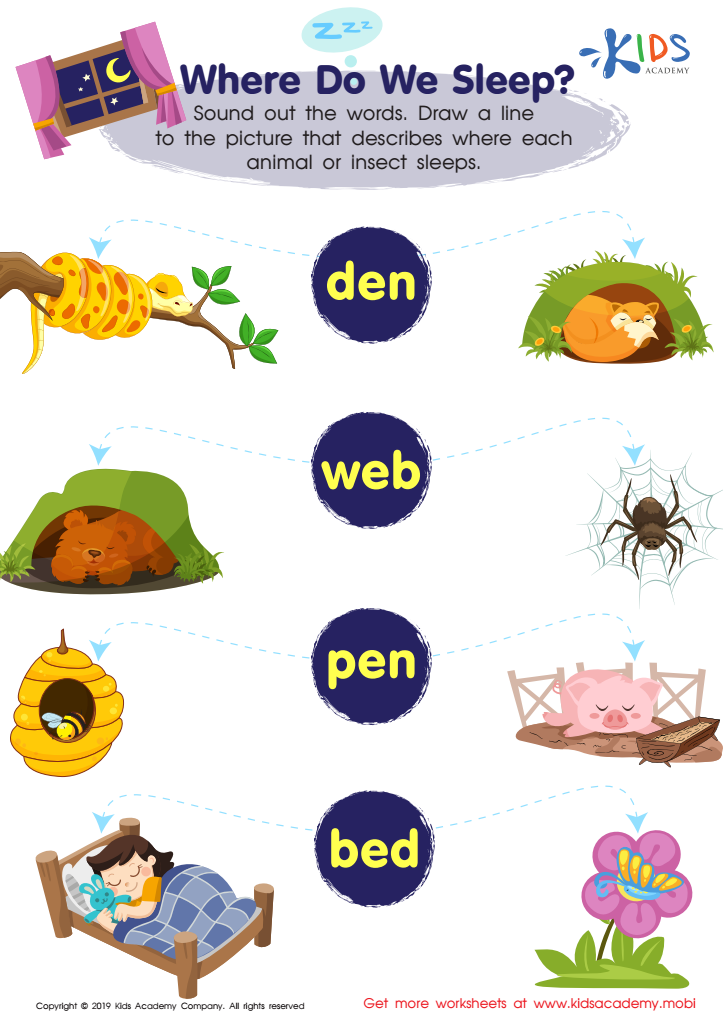
Where Do We Sleep Worksheet
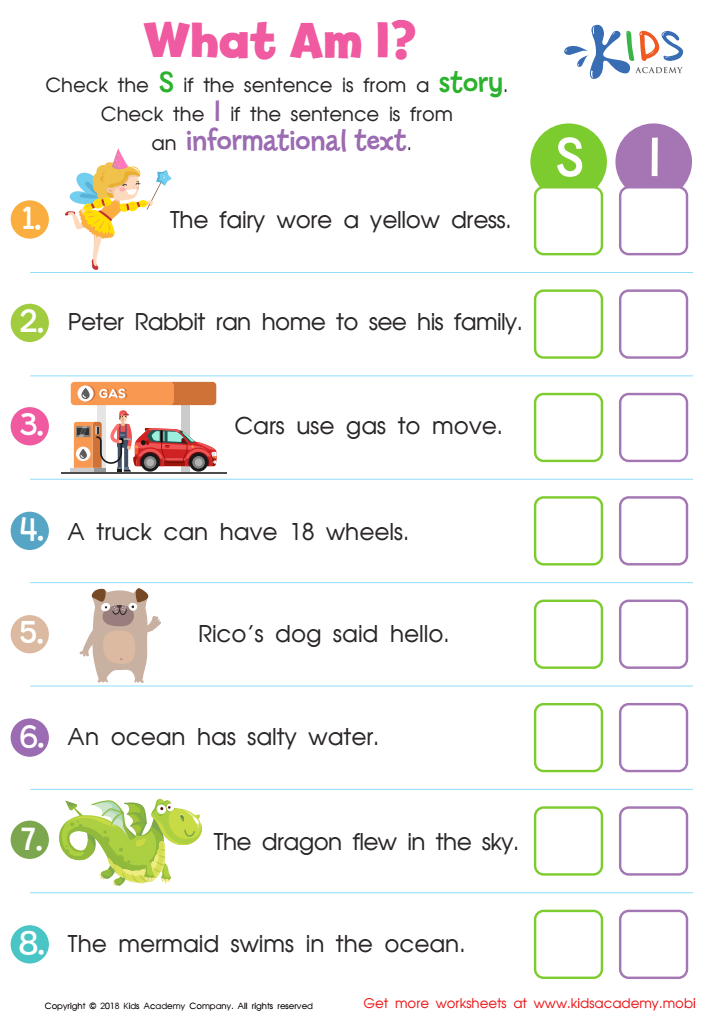
What Am I? Worksheet
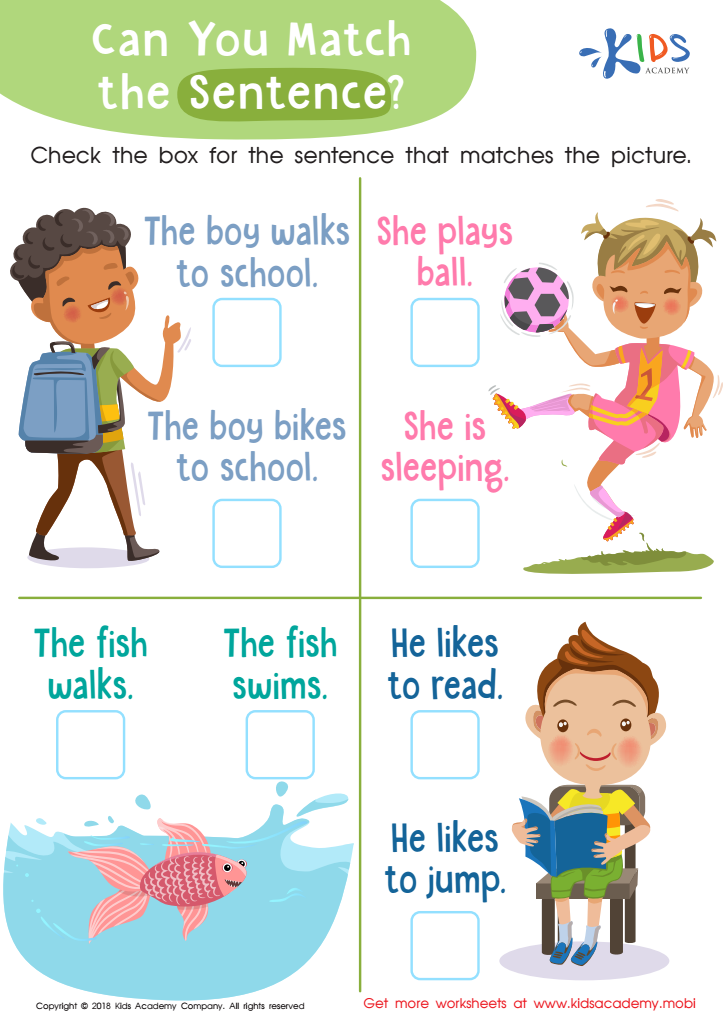
Can You Match the Sentence? Worksheet
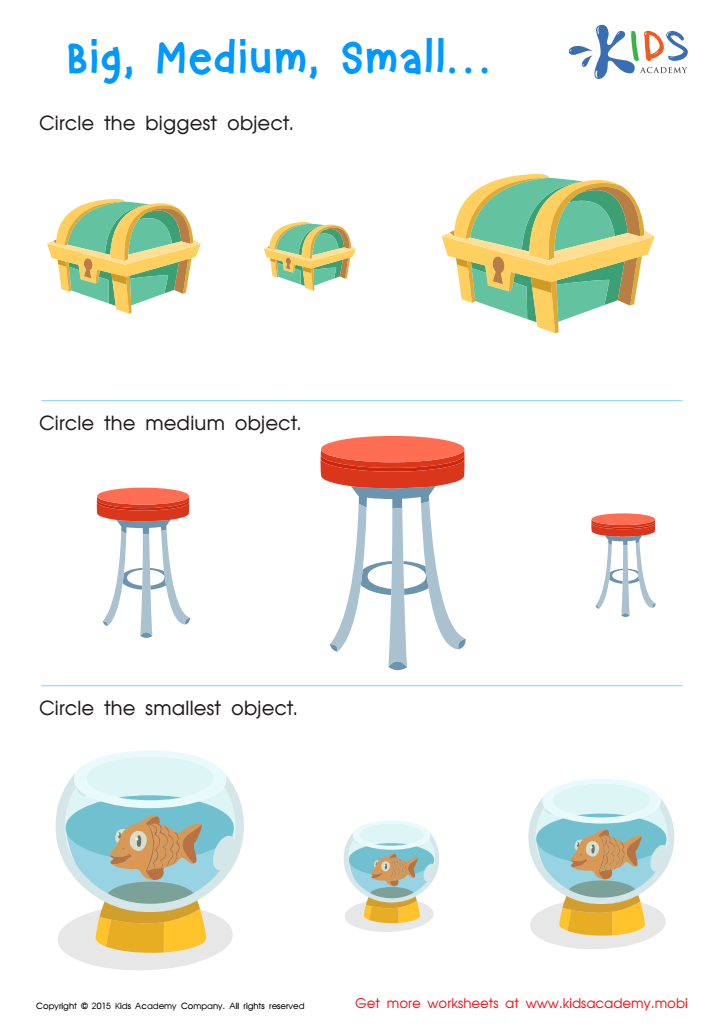
Big Medium Small Worksheet
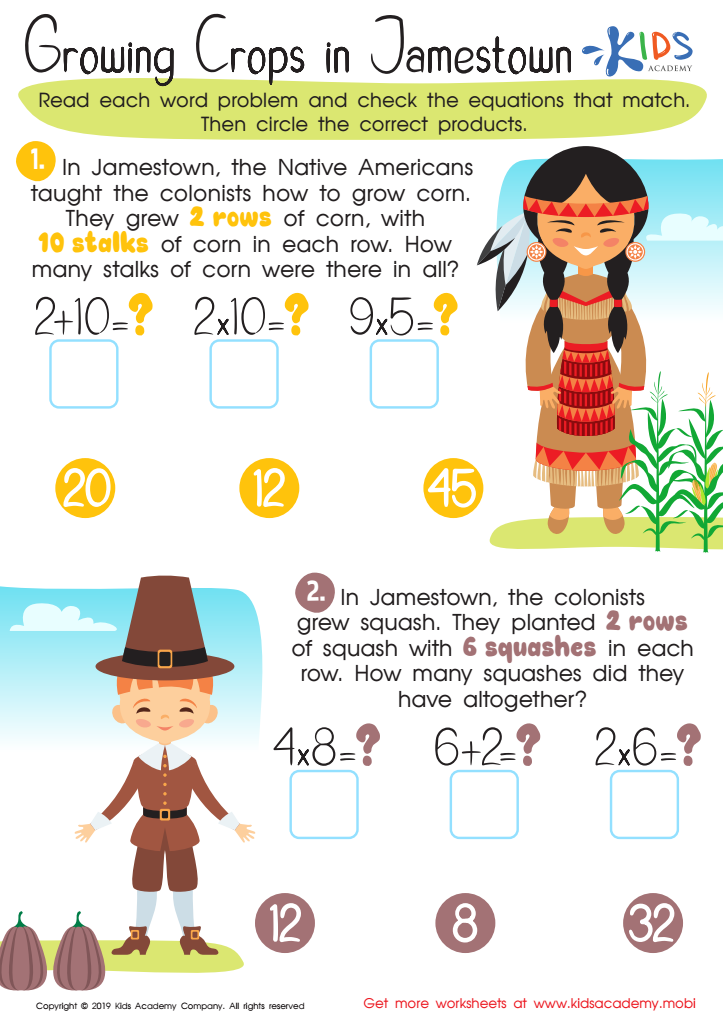
Growing Jamestown Worksheet
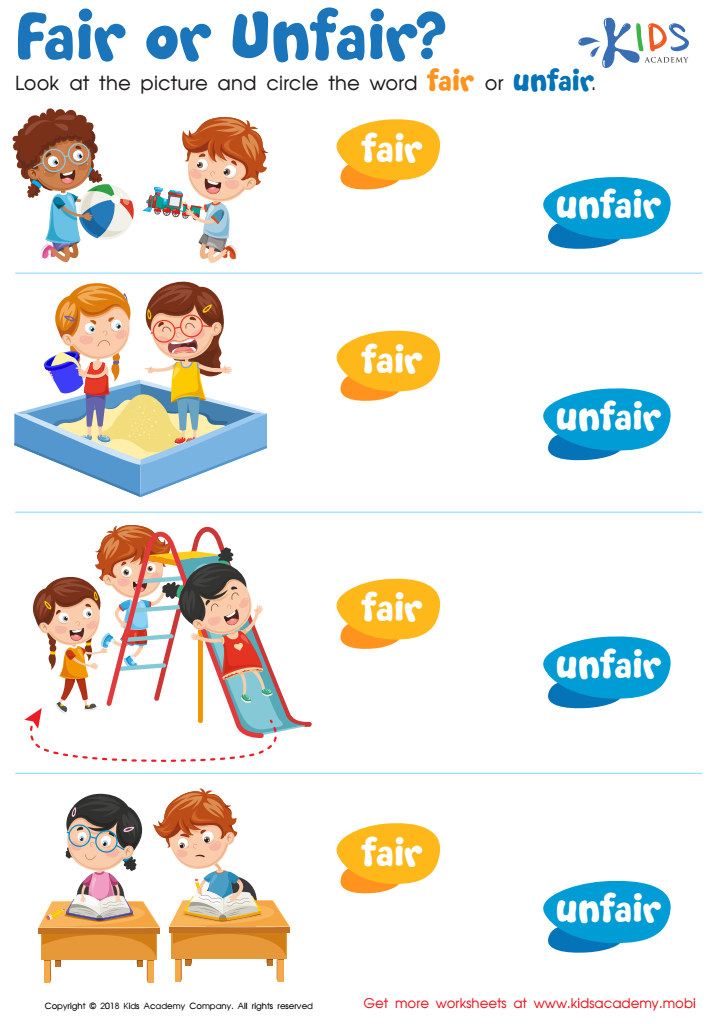
Fair or Unfair Worksheet
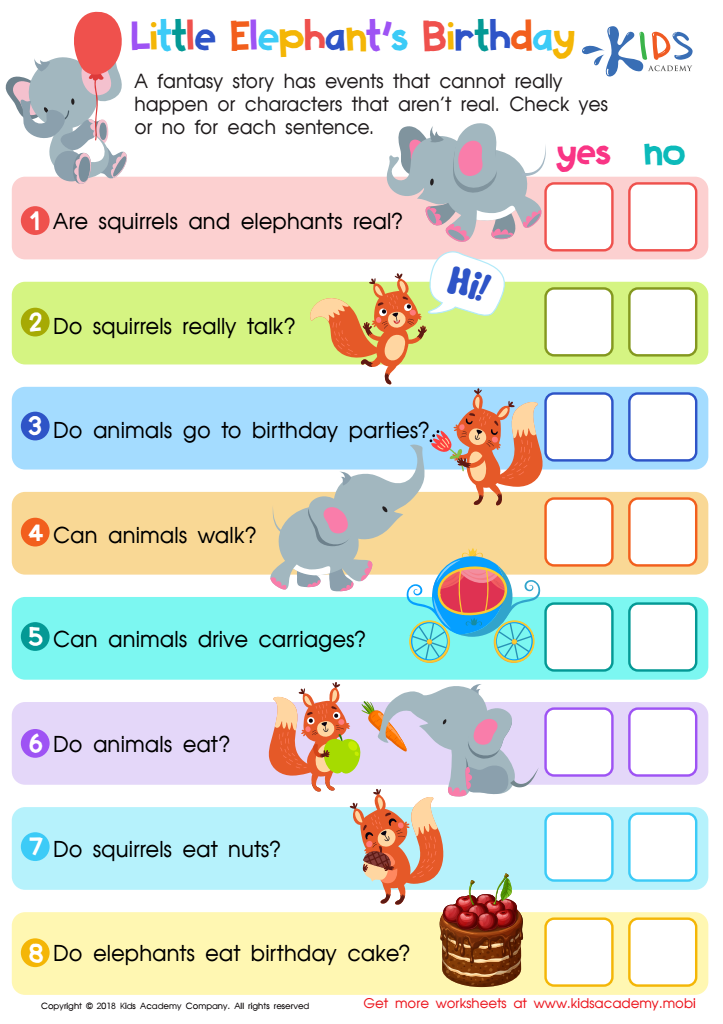
Little Elephant's Birthday Worksheet
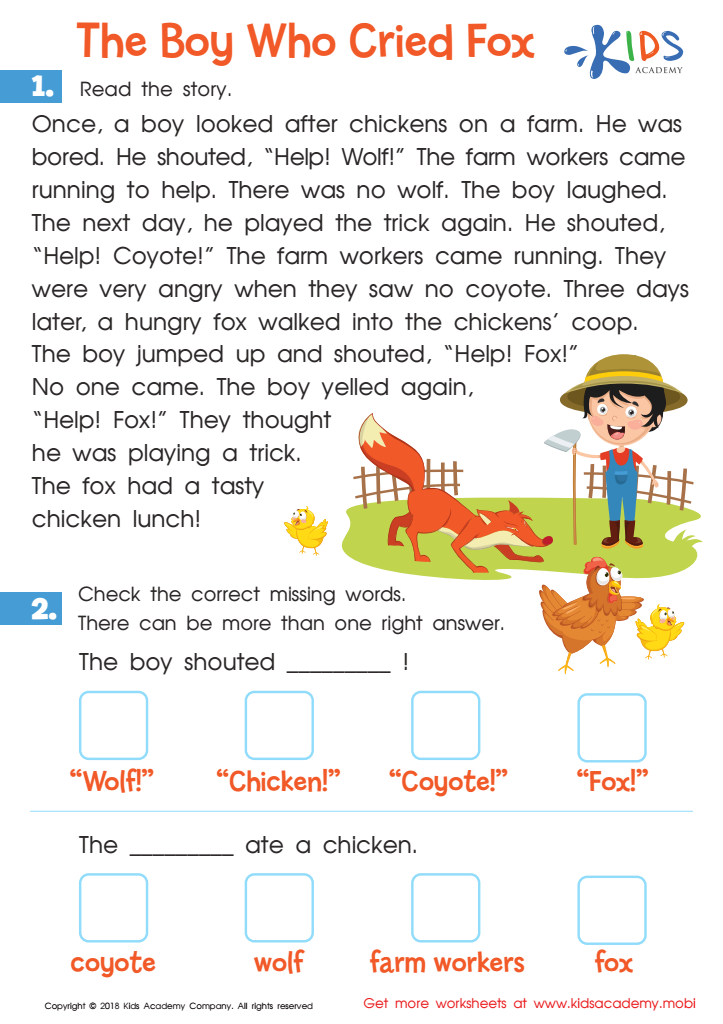
The Boy Who Cried Fox Worksheet
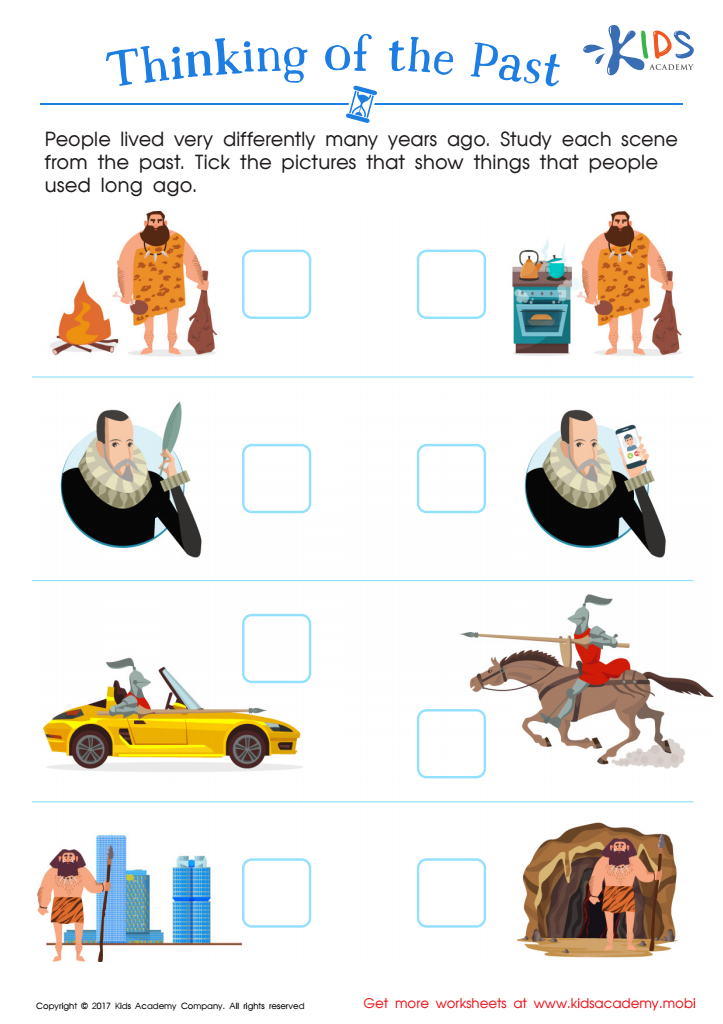
Thinking Past Printable






.jpg)
Critical thinking is essential for children aged 3-6 as it lays the foundation for lifelong learning and decision-making skills. During these formative years, children are naturally curious and eager to explore the world around them. Encouraging critical thinking helps them develop the ability to analyze, evaluate, and synthesize information, which enhances their cognitive abilities.
Parents and teachers should prioritize critical thinking because it fosters creativity and innovation. When children learn to question, probe, and think independently, they become more confident in expressing their ideas and opinions. This not only boosts their self-esteem but also prepares them for collaborative environments in school and beyond.
Additionally, critical thinking promotes problem-solving skills, enabling children to face challenges more effectively. By guiding children to explore various perspectives and solutions, adults nurture resilience and adaptability—qualities that are increasingly valuable in today's rapidly changing world.
Moreover, critical thinking in early childhood lays the groundwork for academic success across all subjects. It encourages a love for learning and promotes engagement, as children who think critically are more likely to be active participants in their education. By investing in these skills early, parents and teachers empower children to become thoughtful, inquisitive individuals ready to navigate an increasingly complex world.








