Filters

10 filtered results

Clear all filters
Favorites
With answer key
Interactive

10 filtered results

Difficulty Level

Grade


Foster your child's analytical skills with our "Logical Thinking Math Worksheets for Ages 3-6" at Kids Academy. Designed specifically for young minds, these engaging worksheets make math fun and challenging, promoting critical thinking from an early age. Our activities range from pattern recognition to simple problem-solving, helping to build a strong foundation in logic and reasoning. Through colorful and interactive exercises, children will develop skills essential for future academic success. Ideal for both classroom use and home learning, these worksheets are crafted to capture attention and stimulate curiosity in preschoolers and early learners. Unlock their potential with us!

Check out this FREE Trial Lesson on Math for age 3-6!

Sorting Objects By Colors

Favorites
With answer key
Interactive
  • 3-6
  • Logical thinking
  • Math
Matching Colors for Kids PDF

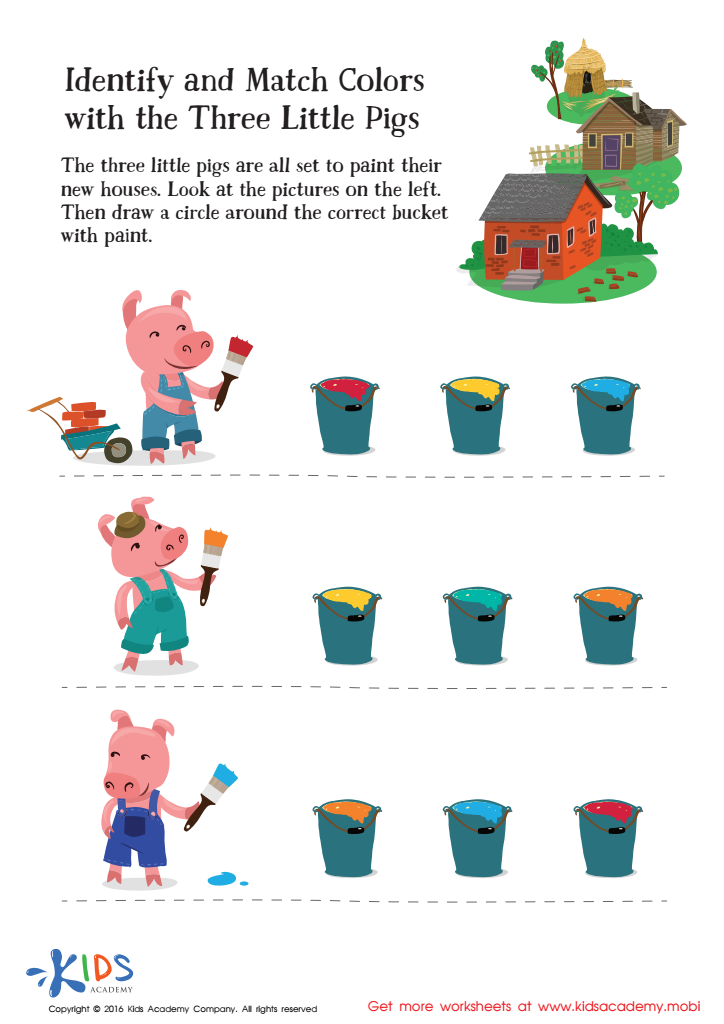
Fairy Tale Worksheet: Identify and Match Colors with Three Little Pigs
Help the 3 Little Pigs find the right color for their houses! This fun worksheet will have your child developing their problem solving and color recognition skills. It's a great way to start building the foundation for advanced logic skills. Plus, they'll love the Three Little Pigs coloring pages.
Fairy Tale Worksheet: Identify and Match Colors with Three Little Pigs
Worksheet
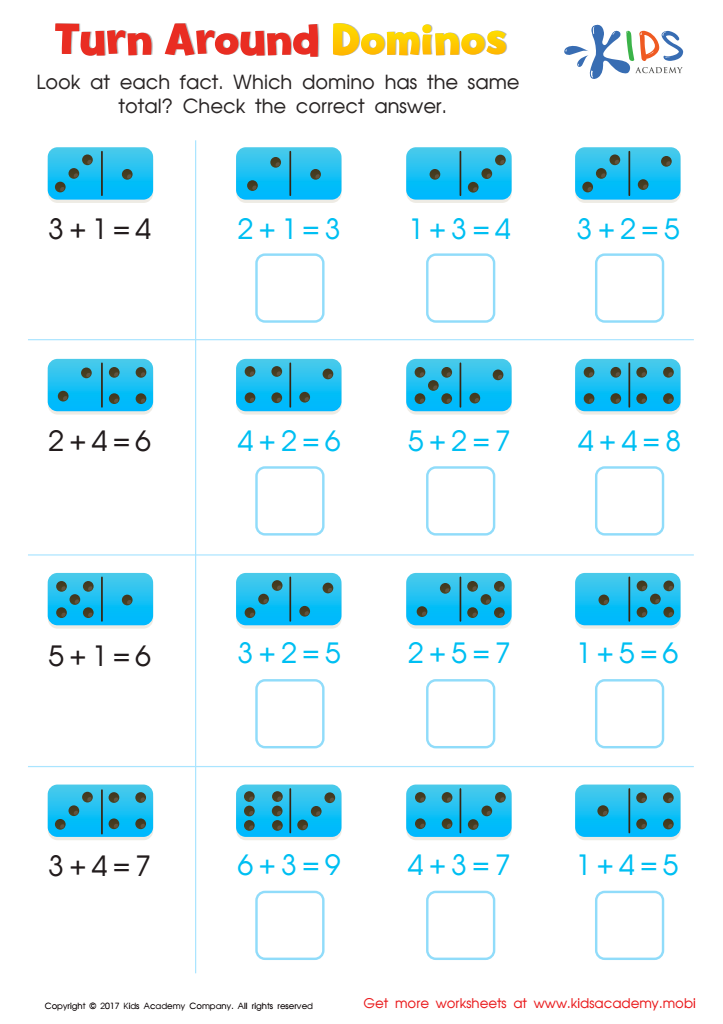
Turn Around Dominos Worksheet

Turn Around Dominos Worksheet

Encourage your child to flex their mental muscles with this math worksheet. Look through the left side's dominos and their values and then check the three boxes on the right. Ask your child if any of the right box's dominos are similar. This requires focus and careful observation.
Turn Around Dominos Worksheet
Worksheet
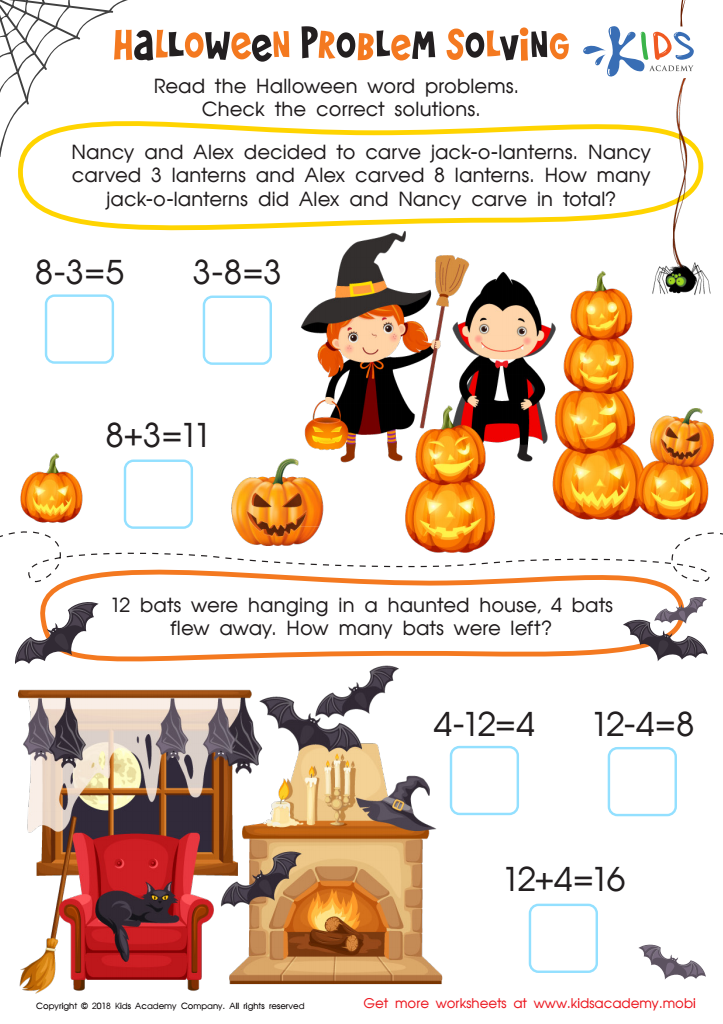
Halloween Problem Solving Worksheet

Halloween Problem Solving Worksheet

Halloween math is here! Get your spooky word problems and frightfully cute images with this free PDF worksheet. Read the problems with your little one and focus on the numbers and key phrases. Then match the equation to its solution to complete the page. Calling all ghosts and goblins - have some math fun this Halloween!
Halloween Problem Solving Worksheet
Worksheet
Geometric Maze for Kids

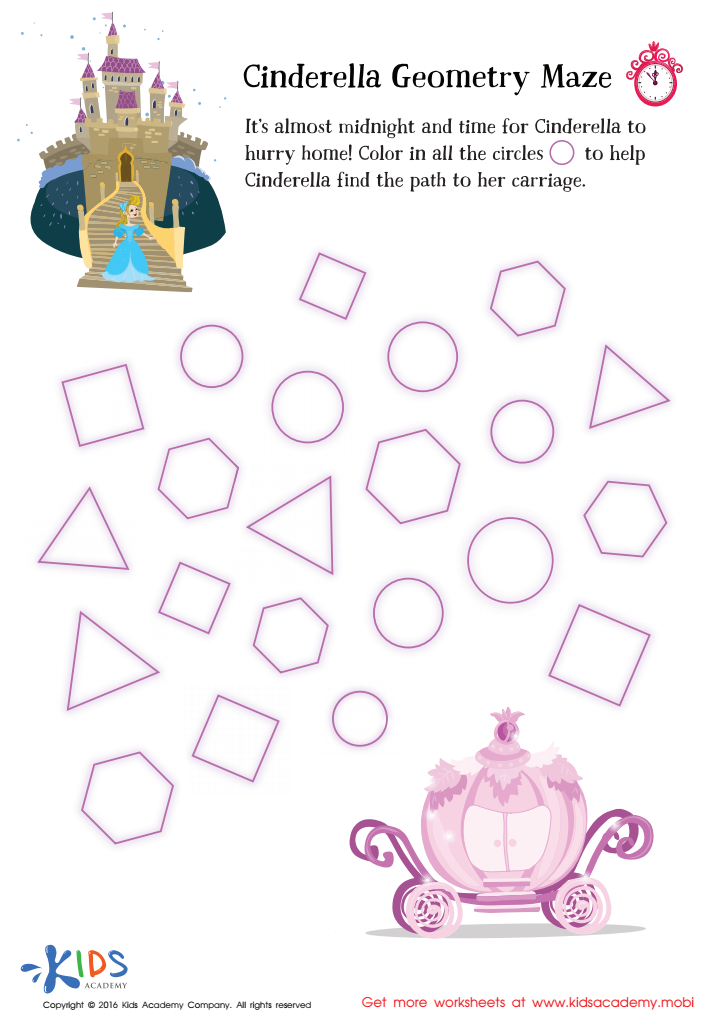
Cinderella Geometry Maze Worksheet

Help Cinderella hurry home! Your preschooler will have fun problem-solving and sorting shapes in this geometric maze. As they shade in the circles, they'll be helping their favorite princess reach her carriage on time. Not only that, but they'll strengthen their logic skills in the process. Get this and other fairy tale mazes to keep them entertained while learning.
Cinderella Geometry Maze Worksheet
Worksheet
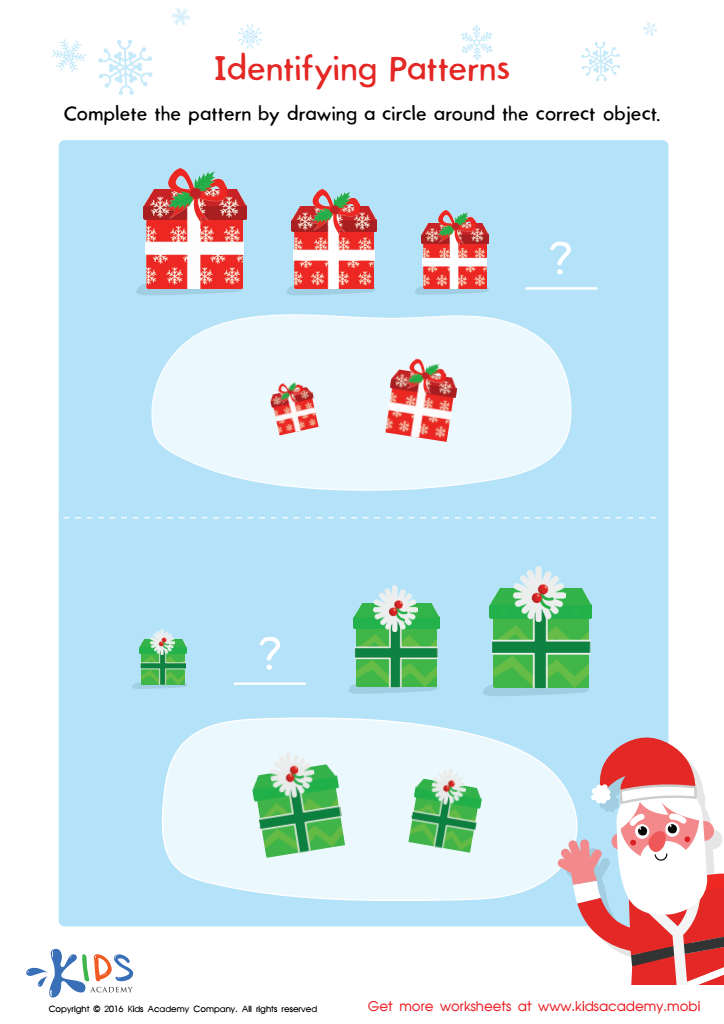
Identifying patterns worksheet pdf

Identifying Patterns Worksheet

Kids can have fun as they learn with this festive worksheet! They'll practice early math skills while identifying patterns with colorful Christmas presents. Have your child get ready for the holidays by finding out which box comes next in the pattern!
Identifying Patterns Worksheet
Worksheet
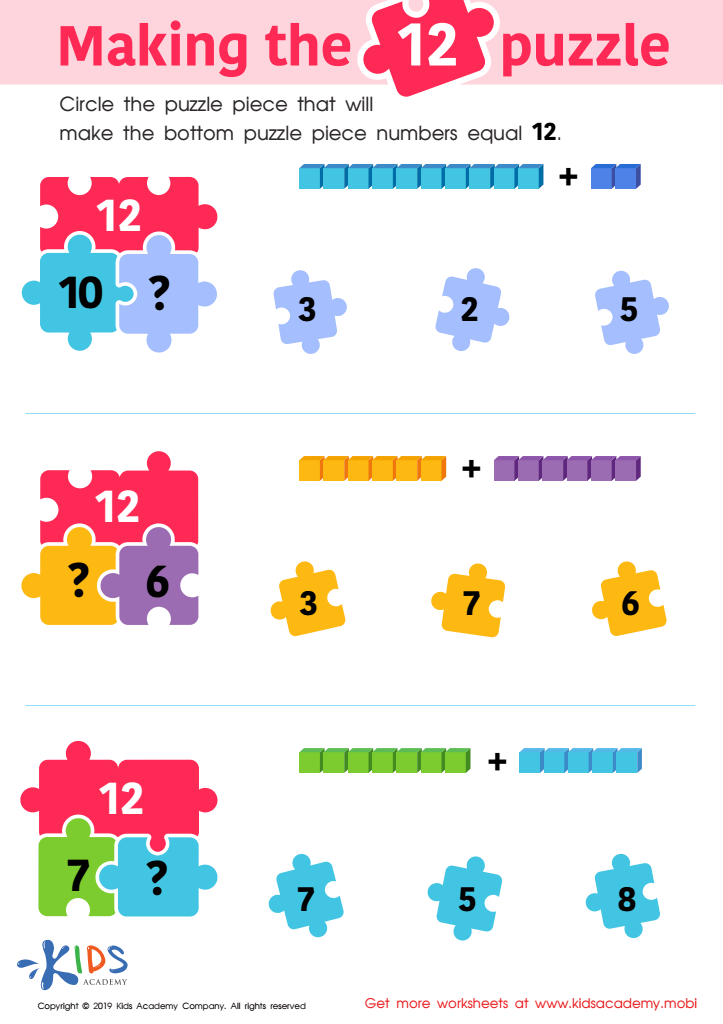
Making the 12 Puzzle Worksheet

Making the 12 Puzzle Worksheet

Engage preschoolers in learning with this fun and colorful worksheet. Ask them to look at the picture and identify the missing equation on each puzzle piece; then help them solve the problems. When all the puzzle pieces make the bottom numbers equal 12, have them circle it. This is a great way to combine learning and fun!
Making the 12 Puzzle Worksheet
Worksheet
Magic Numbers Worksheet

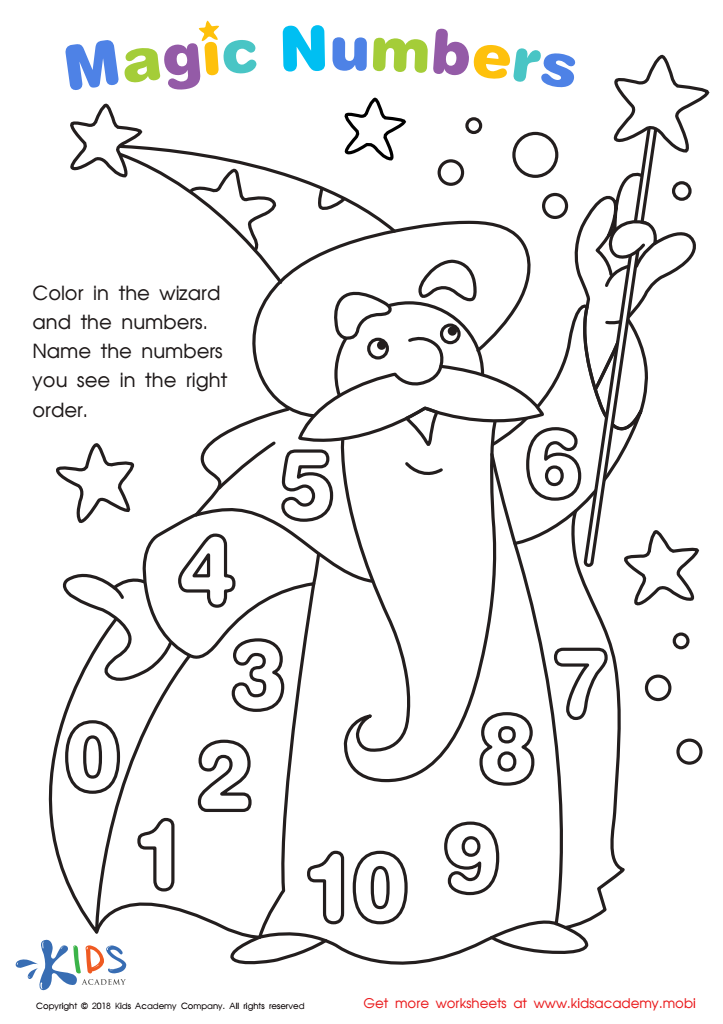
Magic Numbers Worksheet

Does your child have an interest in magic? Here's something they'll love - a coloring sheet featuring a wizard! Ask them to name the numbers from smallest to highest, then let them pick colors to color in the wizard and the numbers. It's sure to excite them!
Download (PDF)
Assign to My Students
Magic Numbers Worksheet
Worksheet
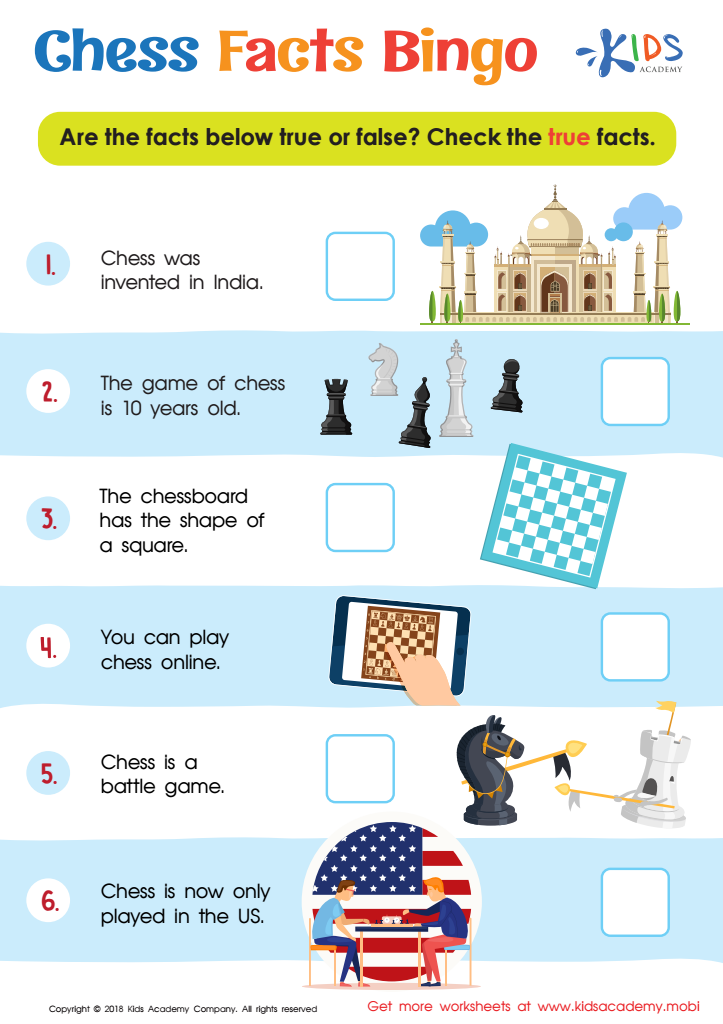
Chess Facts Bingo Worksheet

Chess Facts Bingo Worksheet

Help your child assess their knowledge of chess with our simple worksheet. It contains six questions; read them to your child and ask them if the statements are true or false. Once they check the boxes for the true statements, you'll have a better understanding of their understanding of the game.
Chess Facts Bingo Worksheet
Worksheet
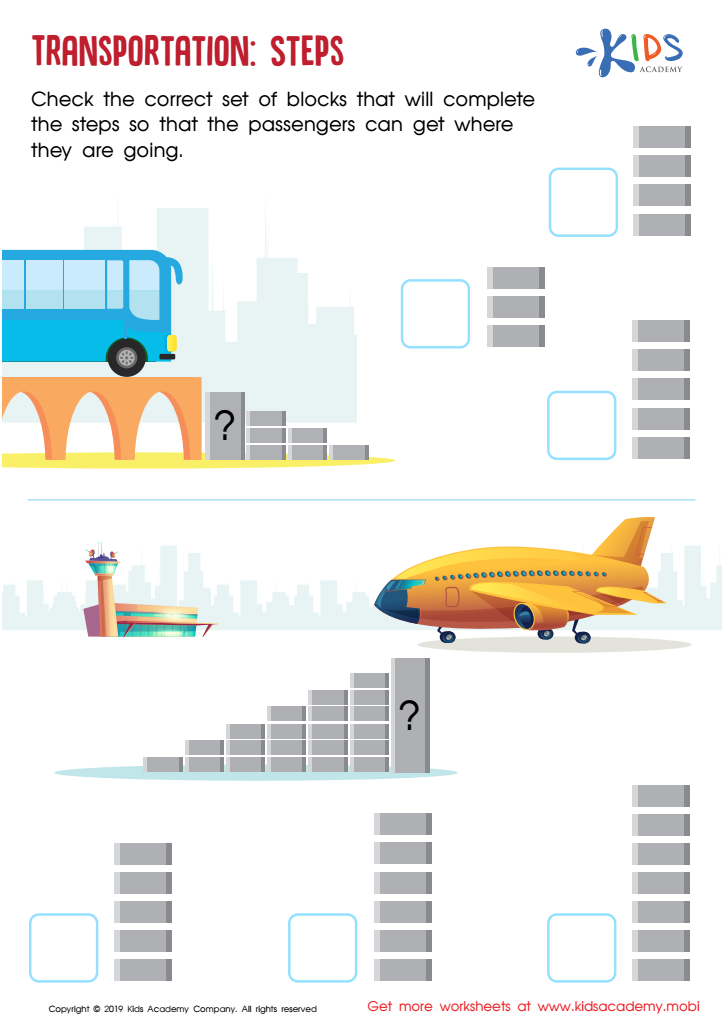
Transportation: Steps Worksheet

Transportation: Steps Worksheet

Trips are important to all - transportation and its modes have made travelling easier and quicker. Ask your kids to identify the transport in the picture then help them check the right blocks so passengers can reach their destination.
Transportation: Steps Worksheet

Worksheet
Pattern Recognition Worksheet

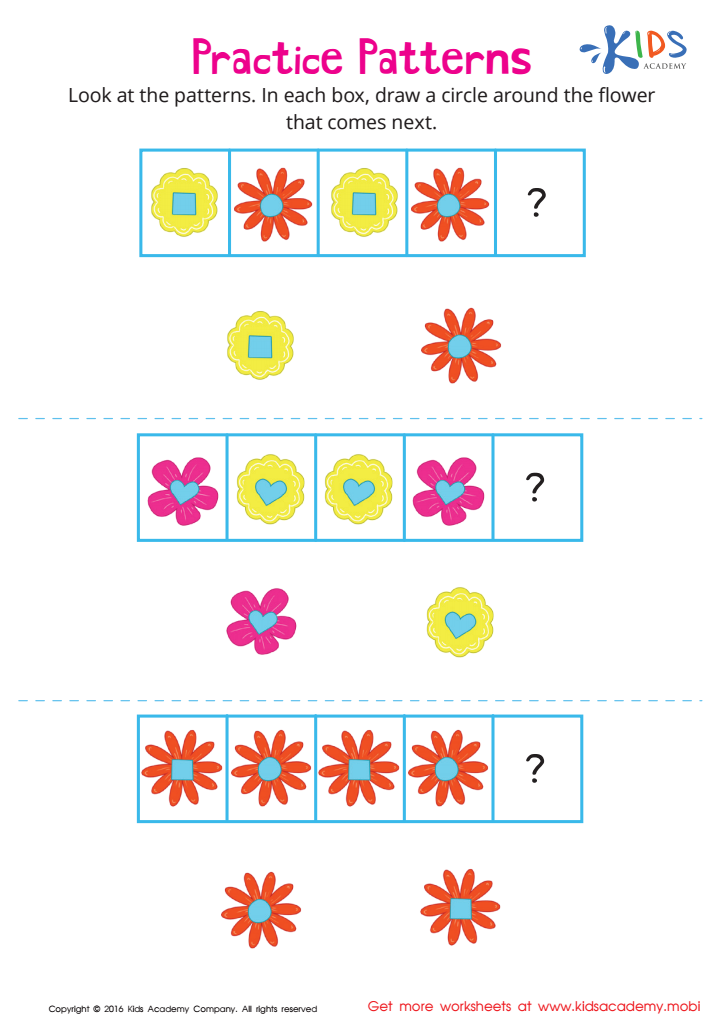
Practice Patterns Worksheet

Practice Patterns Worksheet
Worksheet


Logical thinking in mathematics is a cornerstone for cognitive development in children ages 3-6, establishing a foundation for future academic success. Early exposure to logic-centered activities like pattern recognition, sorting, and basic problem-solving enhances critical thinking skills. When parents and teachers actively nurture this ability, children become better equipped to understand and manipulate their environment, fostering independence and creativity.

Logical thinking in math translates to improved attention spans and patience, as young learners tackle puzzles and challenges. Aligning numbers with tangible objects, for instance, sharpens their ability to grasp abstract concepts — a vital skill as they progress to more complex mathematical operations. These foundational years are opportune for developing perseverance and problem-solving resilience, attributes valuable beyond academics.

Moreover, early logical thinking fosters language and social-emotional development. As children discuss solutions and articulate reasoning, they build vocabulary and conversational skills, furthering overall communication abilities. Play-based math experiences like building blocks or counting games also promote teamwork and cooperation, vital social competences.

Therefore, by prioritizing logical thinking in math for young children, parents and teachers do more than just prepare them for school; they equip kids with enduring life skills such as critical reasoning, patience, and effective communication that hold importance throughout their lives.