Pattern recognition Math Worksheets for Ages 3-6
17 filtered results
-
From - To
Unlock your child's potential with our Pattern Recognition Math Worksheets for Ages 3-6. Designed specifically for young learners, these engaging activities help develop critical thinking, problem-solving, and mathematical skills. Through fun, colorful exercises, kids will identify, extend, and create patterns, laying a strong foundation for future math success. Whether at home or in the classroom, our worksheets provide an enjoyable learning experience that keeps children motivated. Make early math education captivating and effective with our expertly crafted pattern recognition worksheets. Start your child on a path to mathematical excellence today!
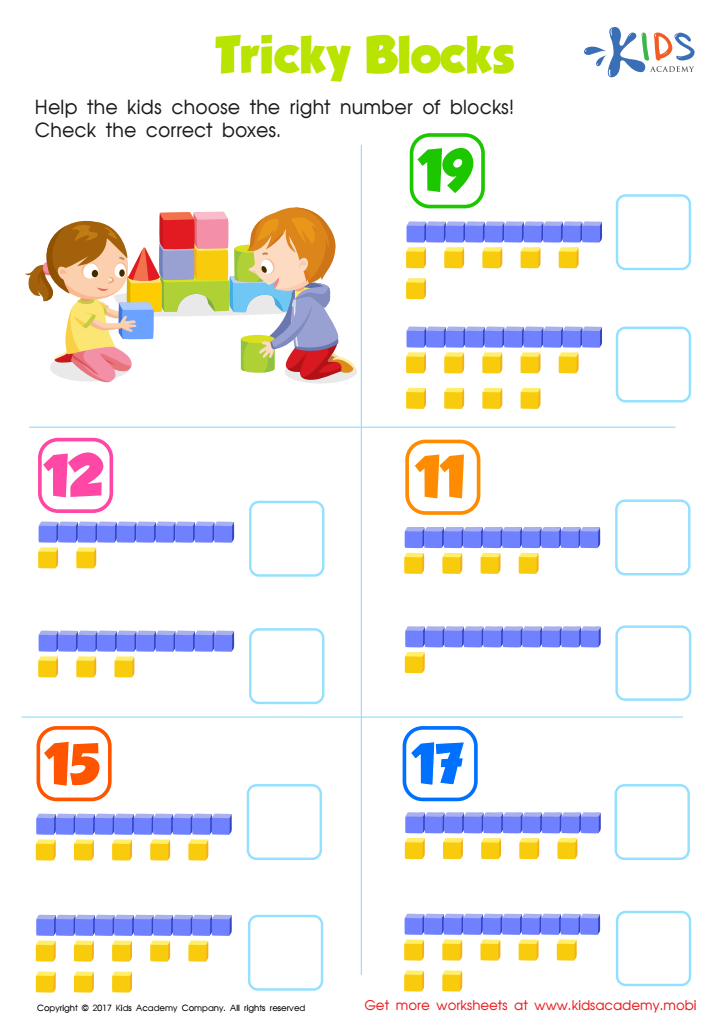
Tricky Blocks Worksheet
 Assign to My Students
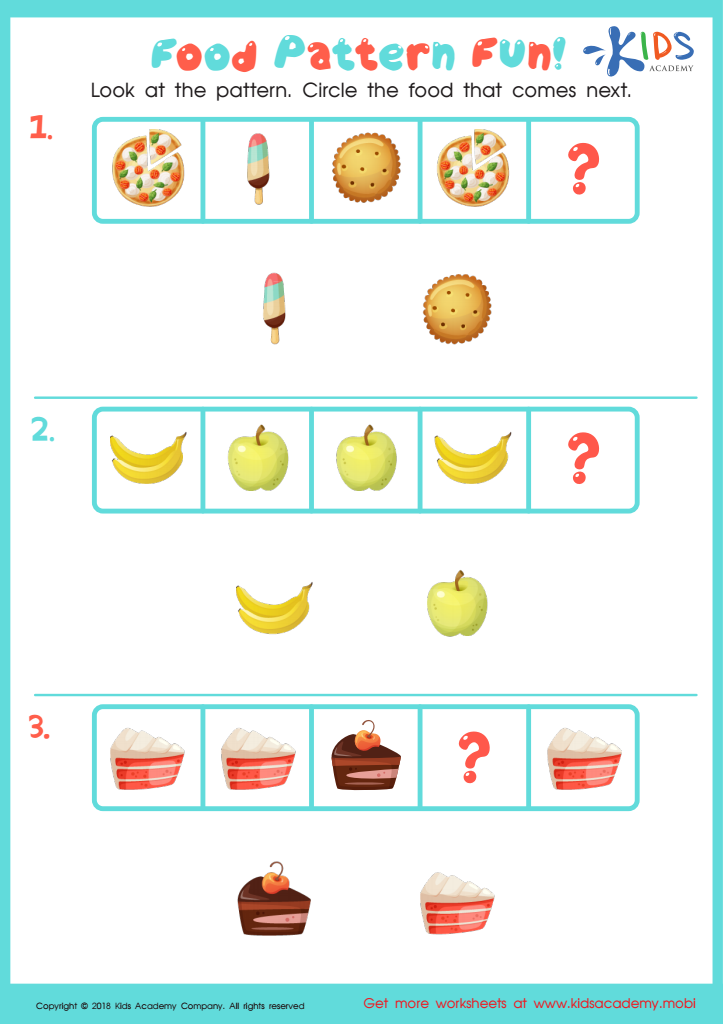
Food Pattern Fun Worksheet
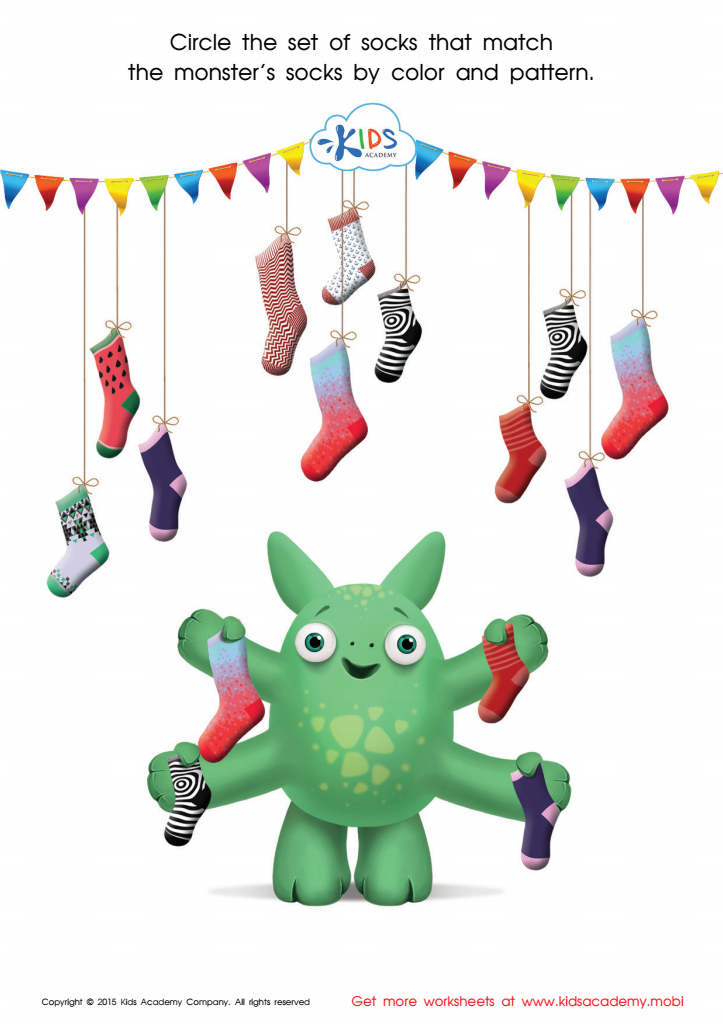
Sort the Monster's Socks Worksheet
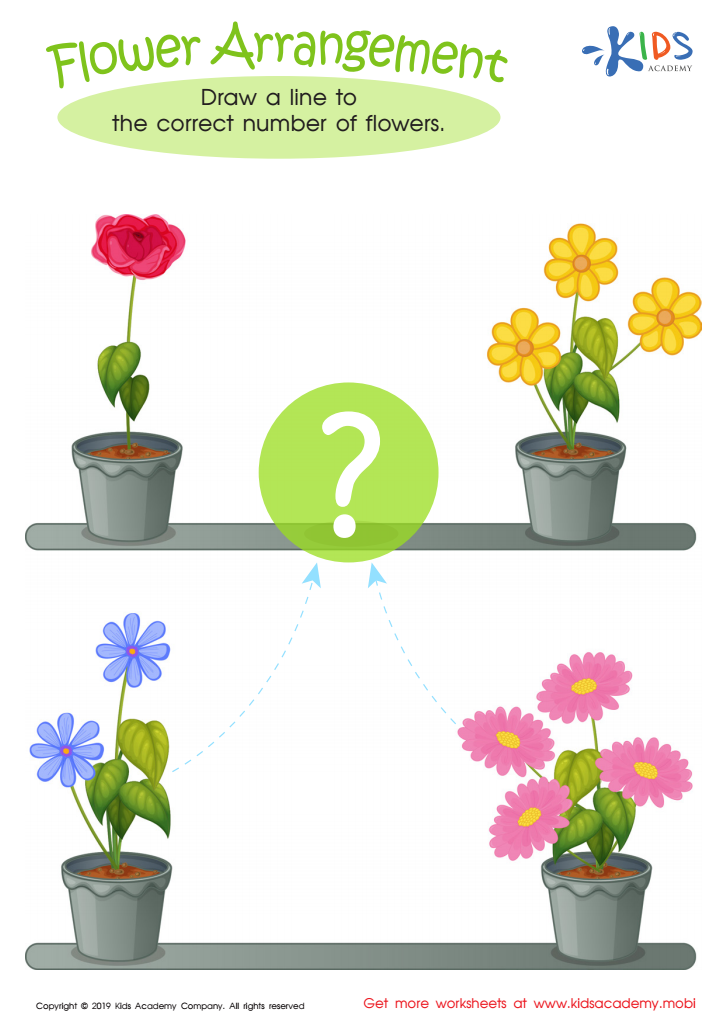
Flower Arrangement Worksheet
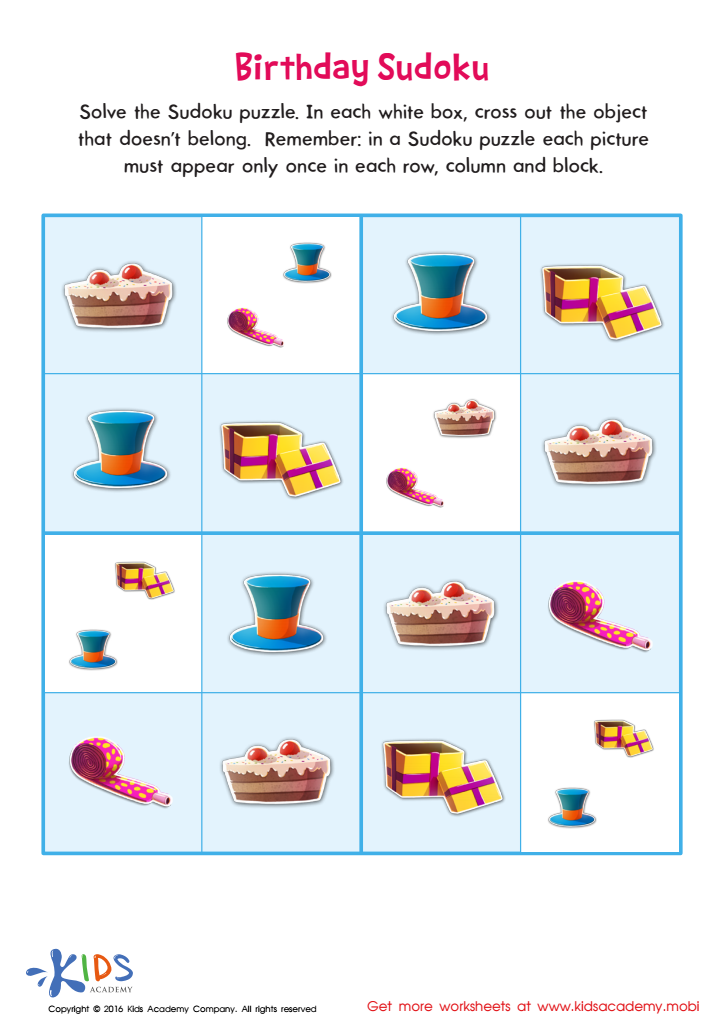
Birthday Sudoku Sorting Worksheet
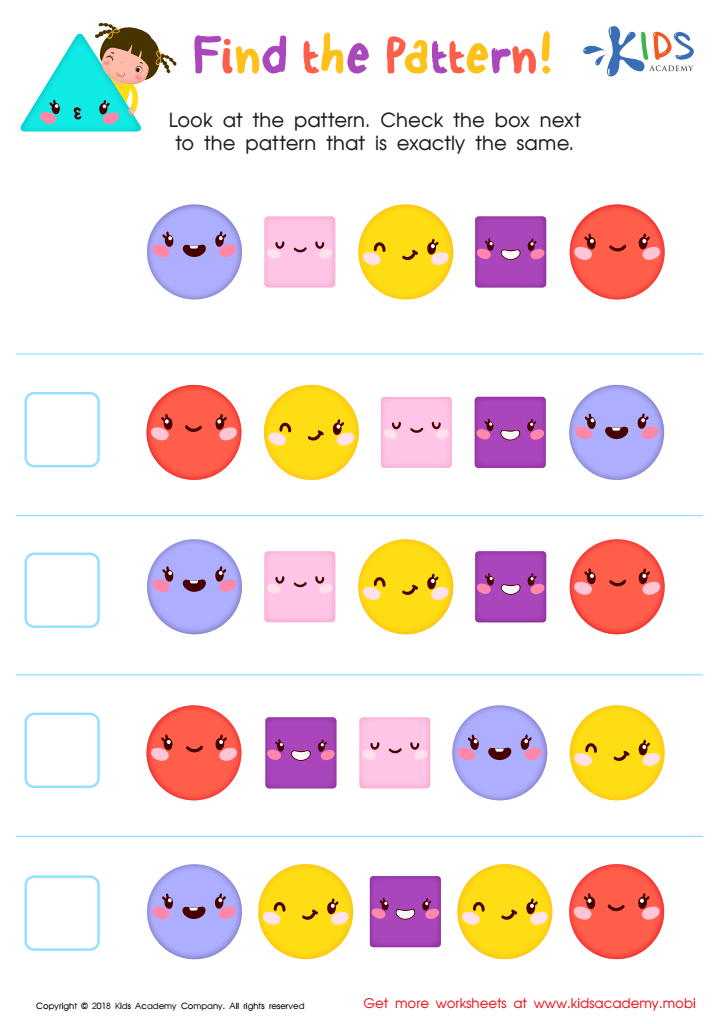
Find the Pattern Worksheet
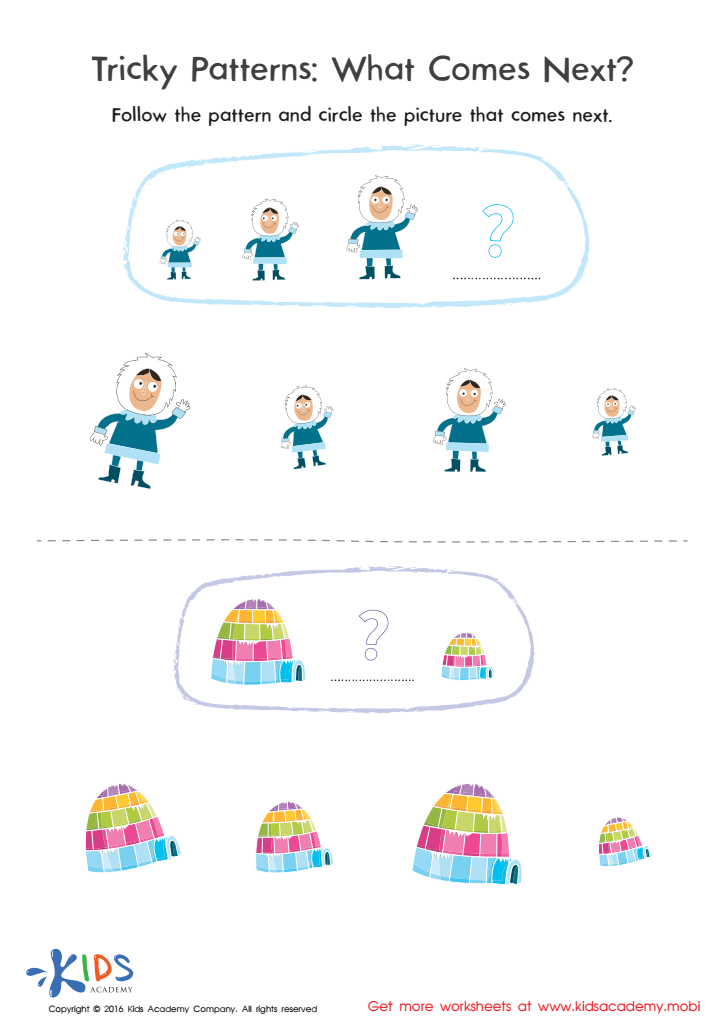
Tricky Patterns Size Worksheet
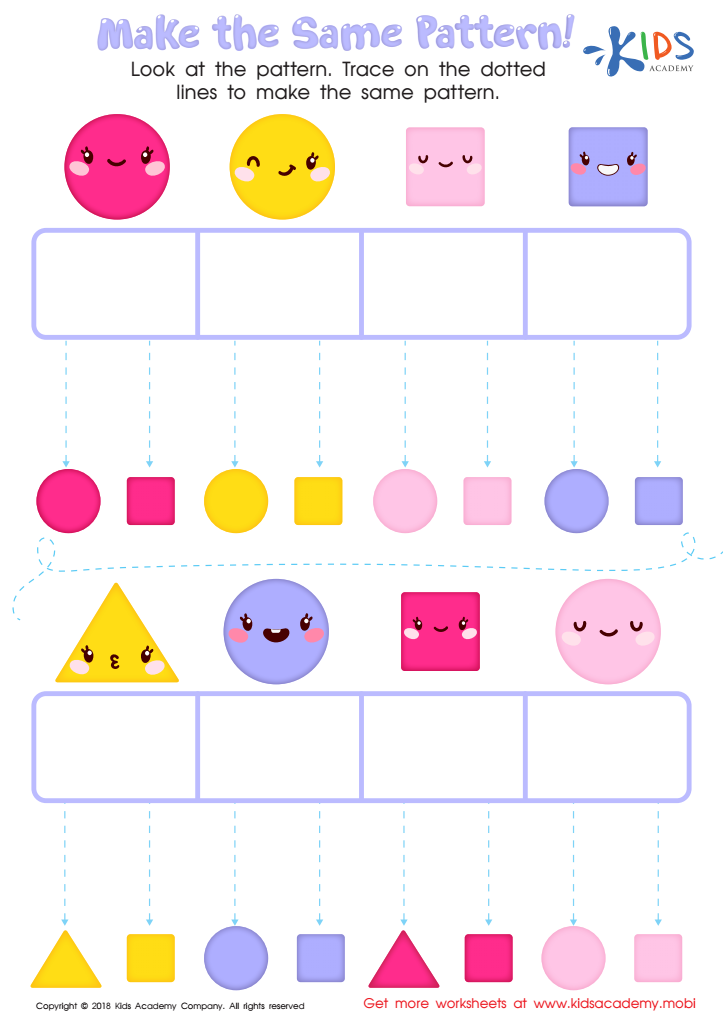
Make the Same Pattern Worksheet
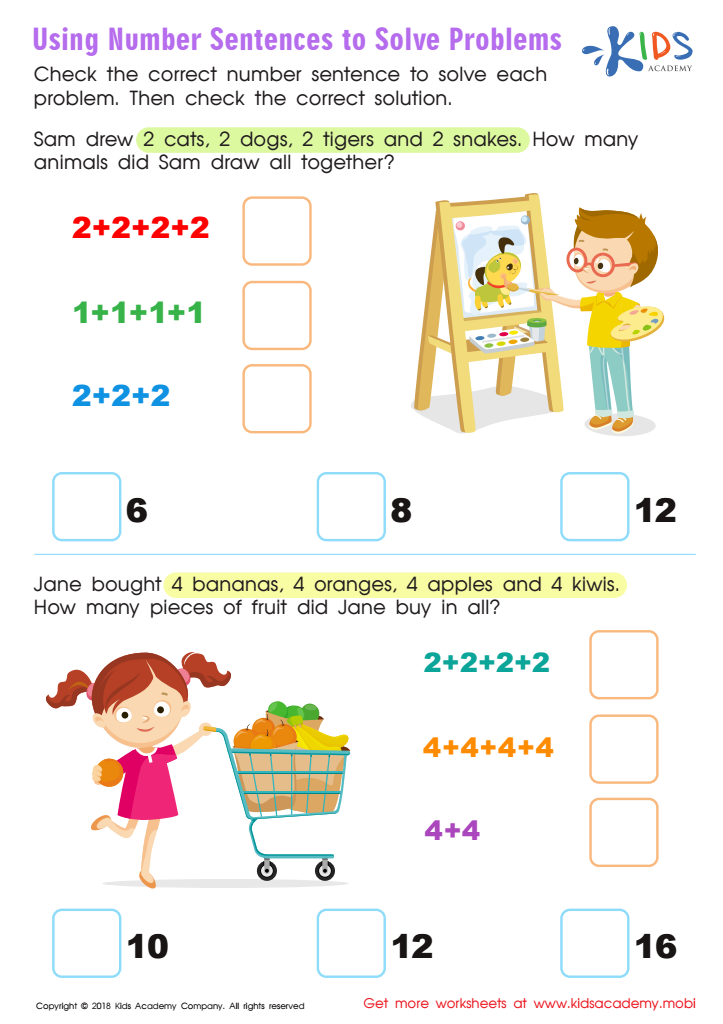
Using Number Sentences to Solve Problems Worksheet
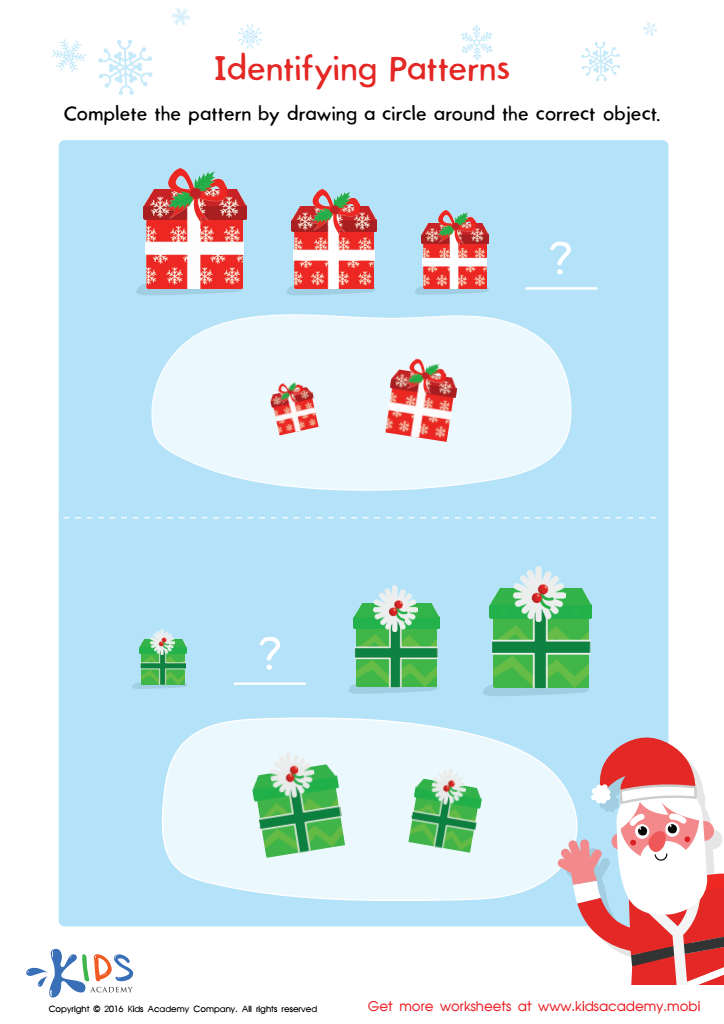
Identifying Patterns Worksheet
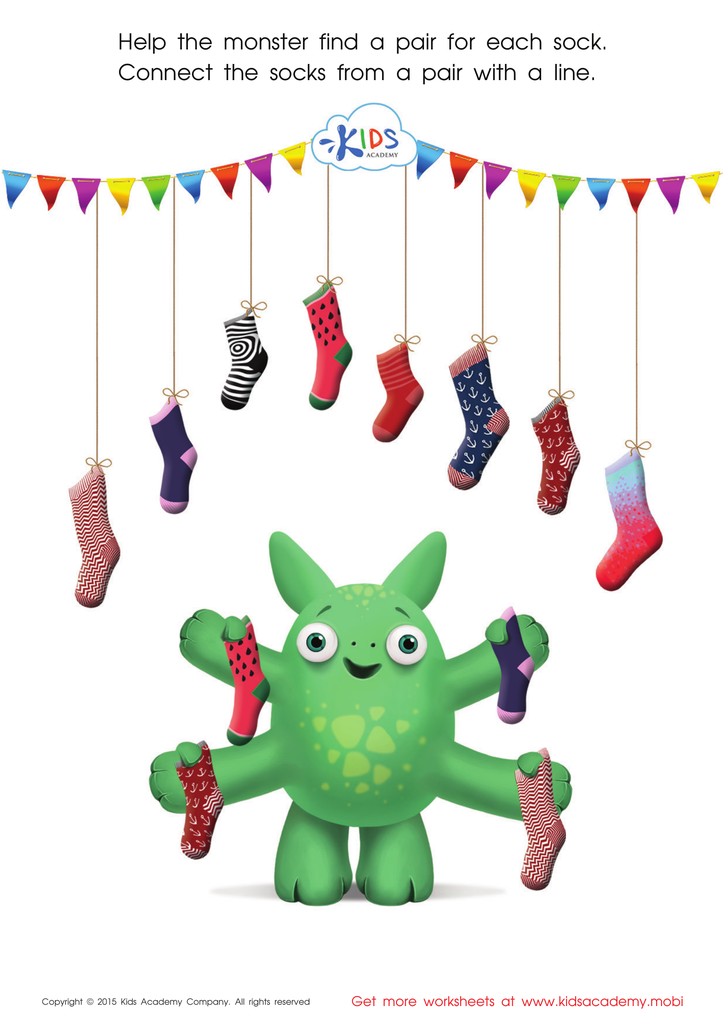
Math Matching Game: Monsterв's Socks Worksheet
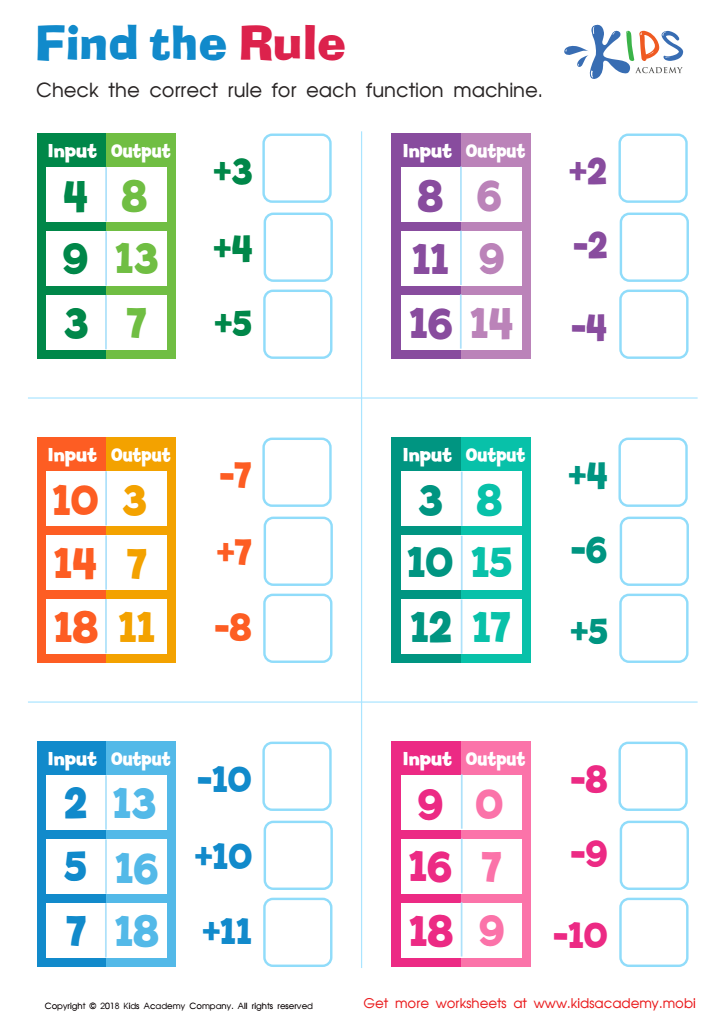
Find the Rule Worksheet
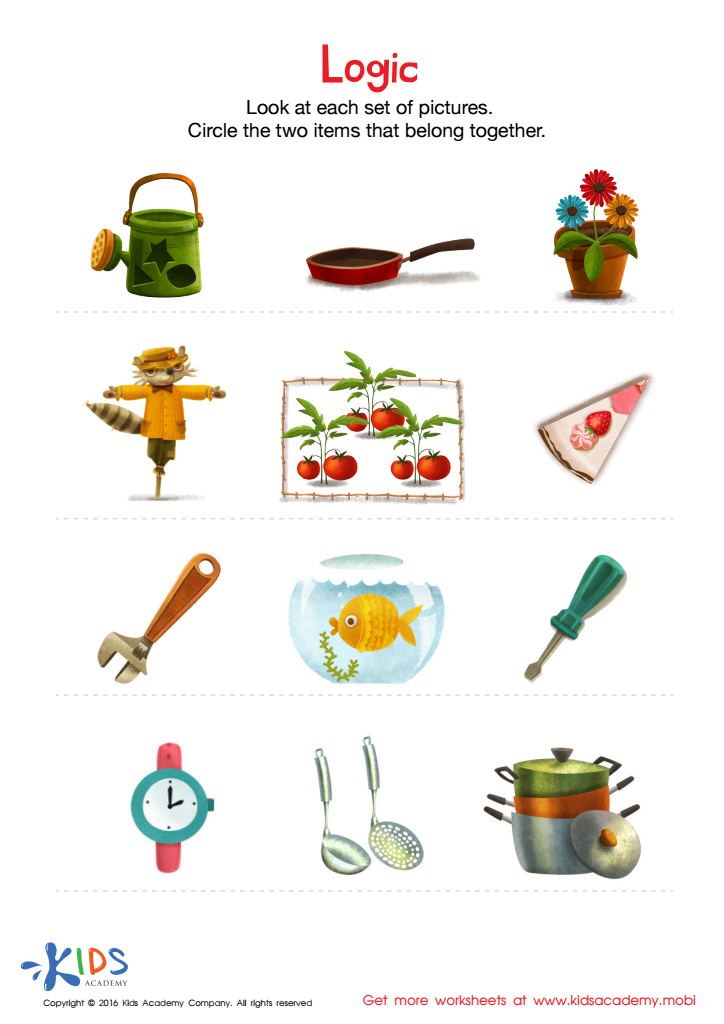
Logic Game Sorting Worksheet
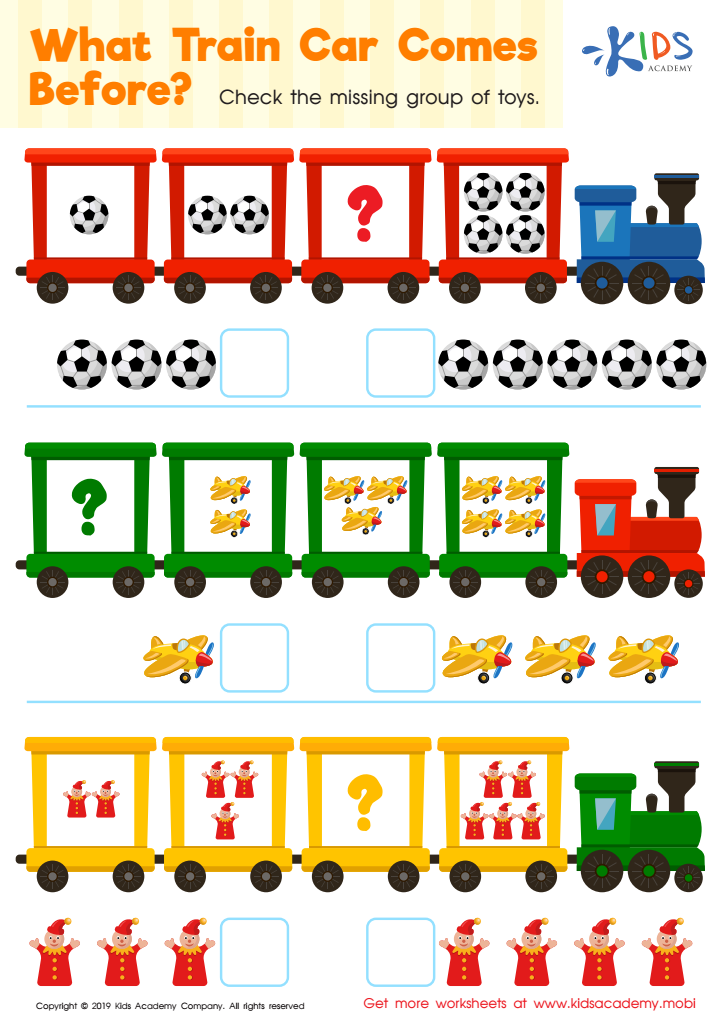
What Train Car Comes Before? Worksheet
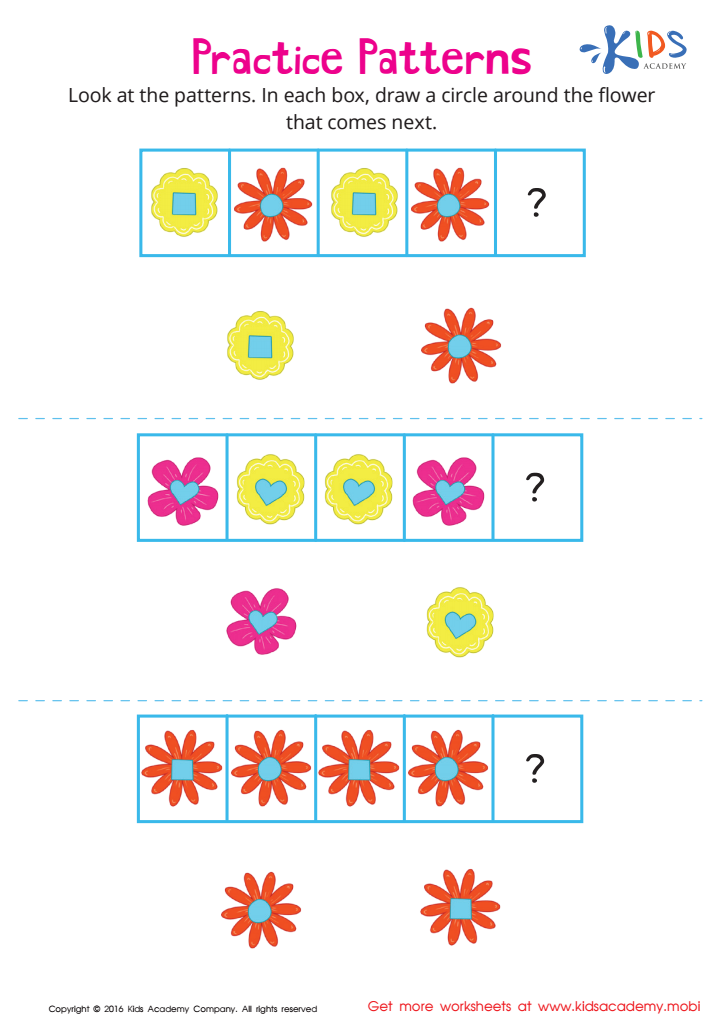
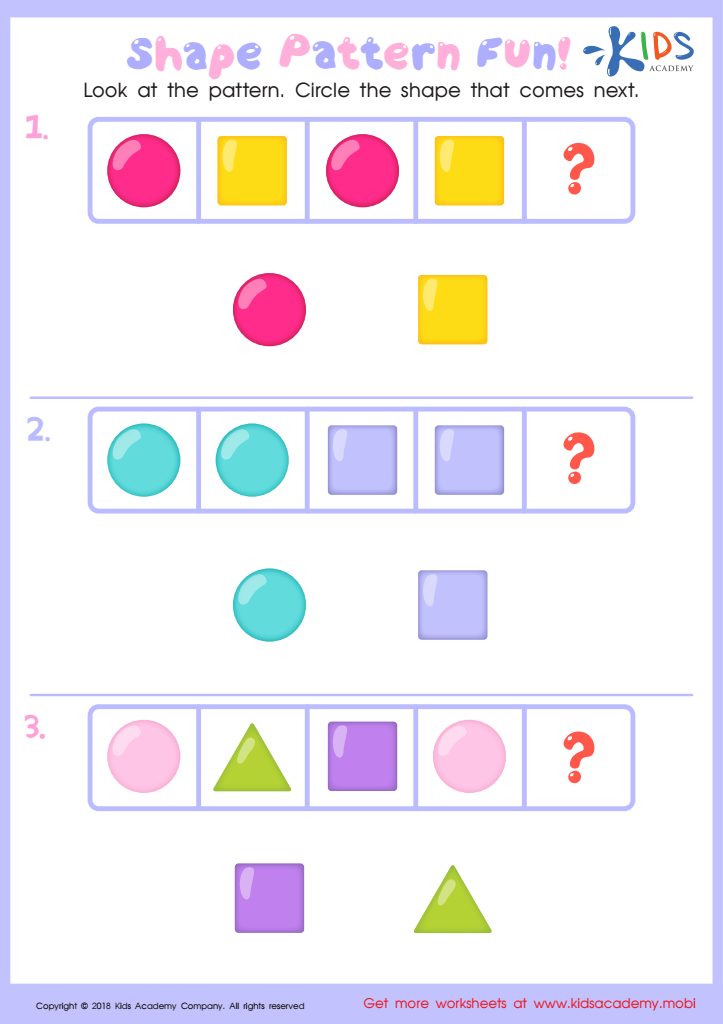
Shape Pattern Fun Worksheet
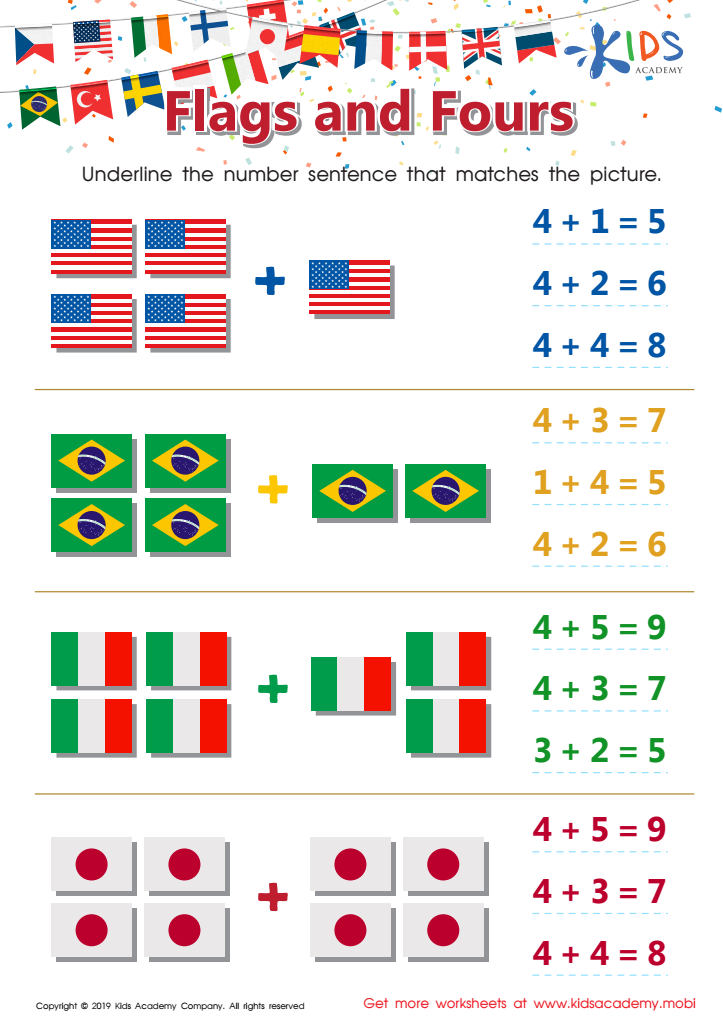
Flags and Fours Worksheet


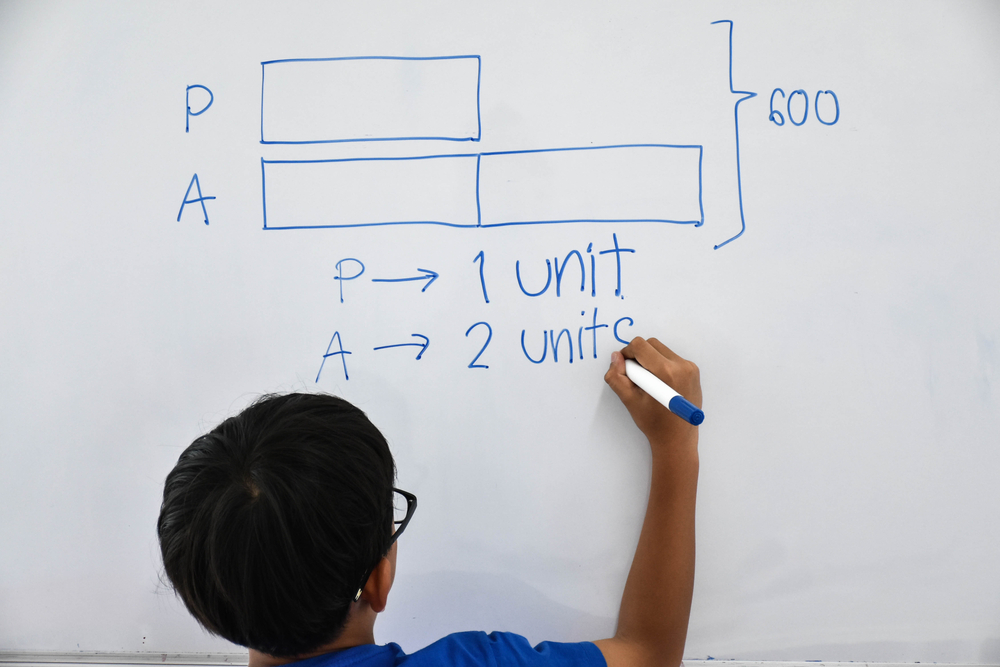



Pattern recognition in math is crucial for children ages 3-6 as it lays the foundation for higher-level thinking, problem-solving, and cognitive development. At this age, recognizing patterns helps children to understand and predict the world around them, which in turn enhances their learning capacity. Simple patterns found in everyday objects, routines, and nature provide the initial step towards complex mathematical concepts such as sequences, algebra, and geometry.
Teaching pattern recognition promotes early numeracy skills, allowing children to grasp the basics of order, arrangement, and predictability — all vital for mathematical thinking. This early exposure fosters critical thinking, logical reasoning, and analytical skills as children start to identify, predict, extend, and create patterns.
Furthermore, pattern recognition supports language development. When children observe and articulate patterns, they enhance their descriptive vocabulary and comprehension skills. Additionally, recognizing patterns contributes to the development of fine motor skills through activities like sorting, matching, and sequencing objects based on color, shape, or size.
Importantly, these early math skills build confidence and a positive attitude toward learning. When children understand patterns, they gain a sense of achievement, which motivates them to embrace more challenging mathematical tasks in the future. Therefore, parents and teachers should prioritize pattern recognition to cultivate a strong mathematical foundation and a lifelong interest in learning.








