
Visual Learning Math Worksheets for Ages 3-6
96 filtered results
Difficulty Level
Grade
Age
-
From - To
Subject
Activity
Standards
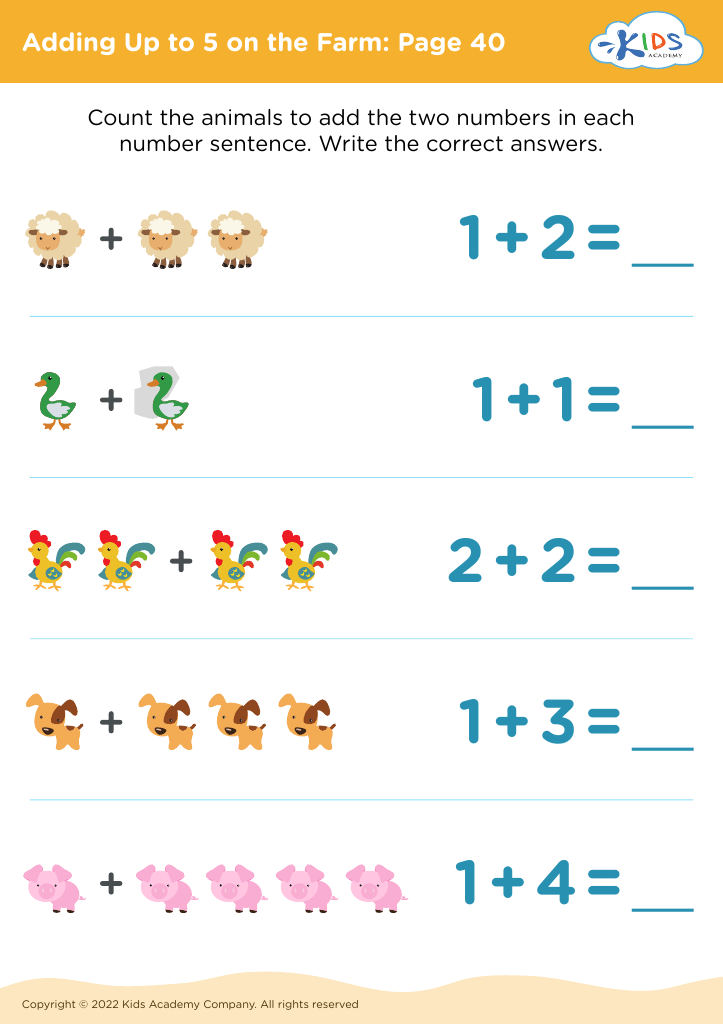
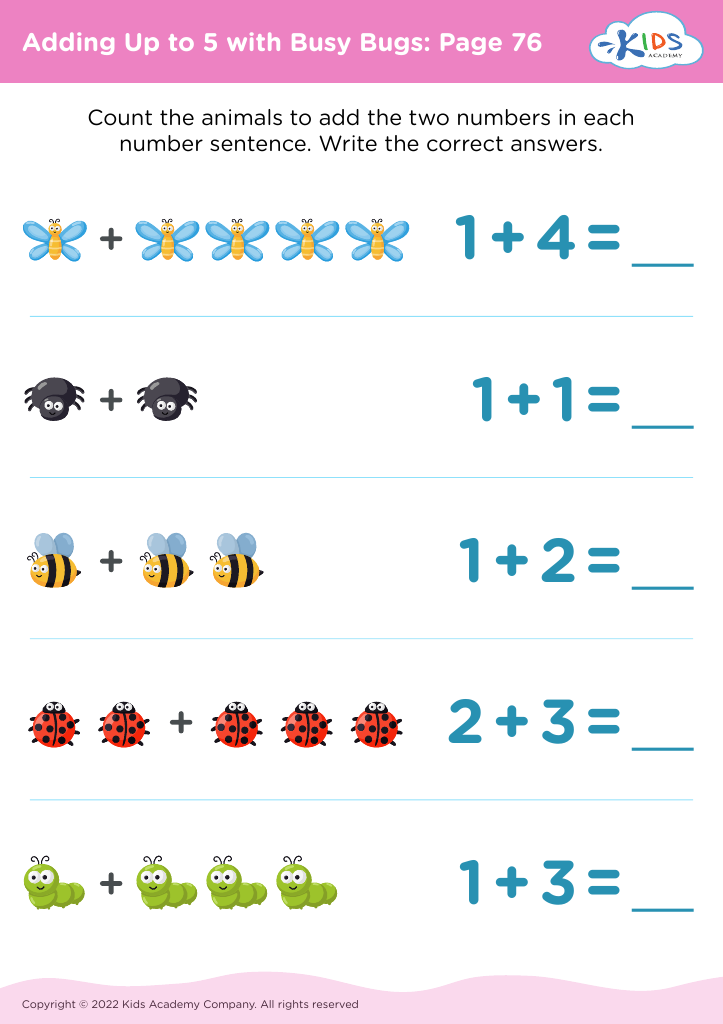
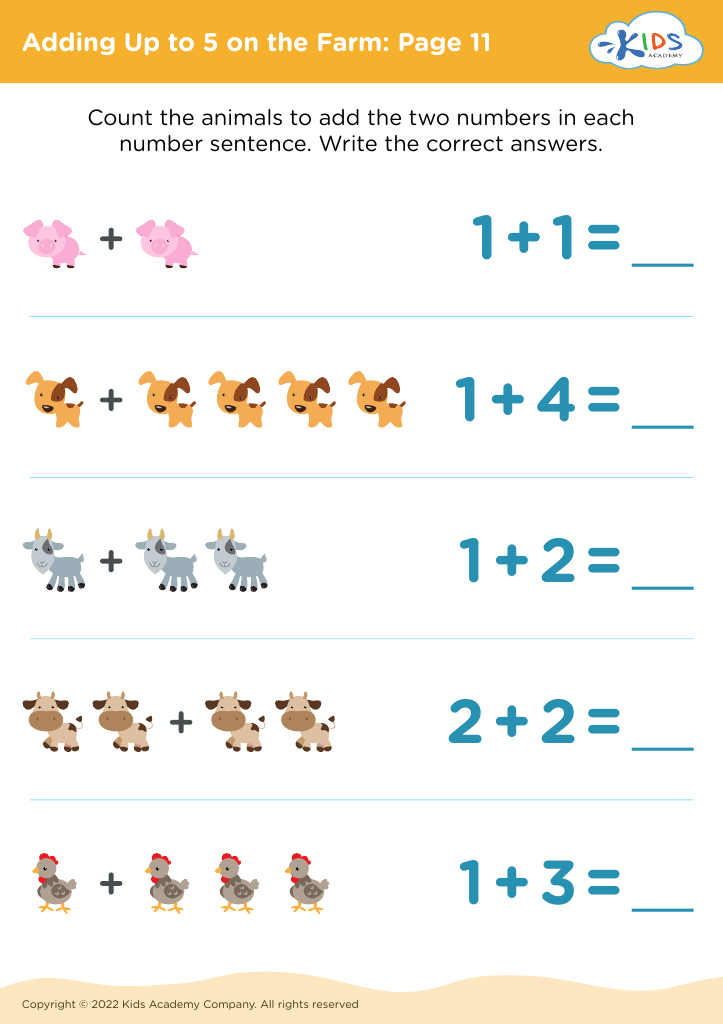
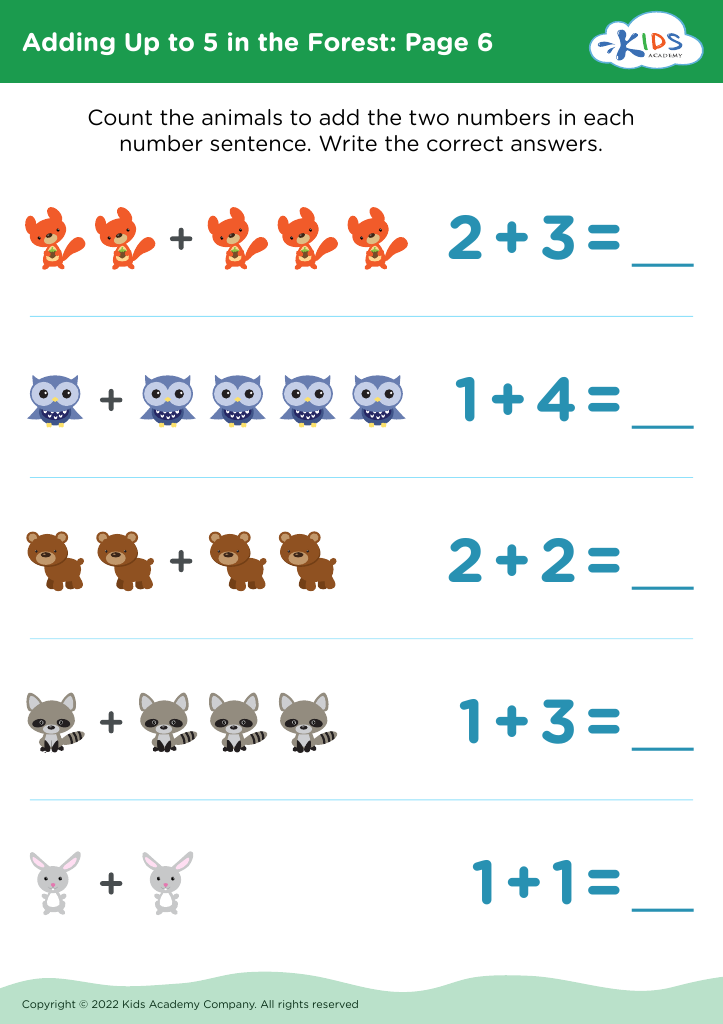
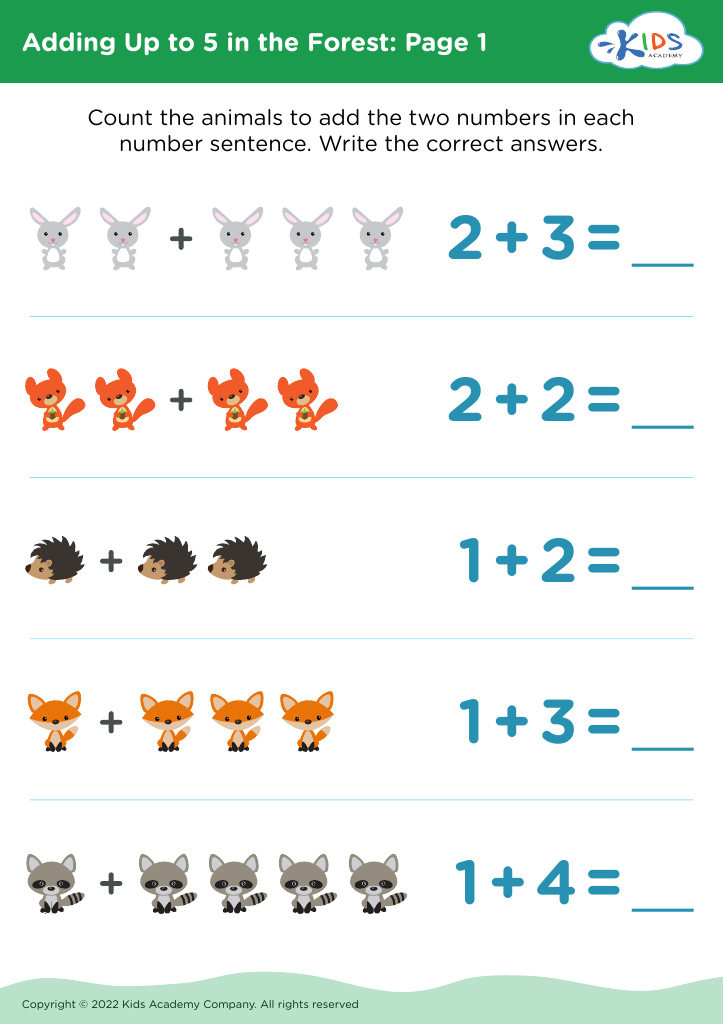
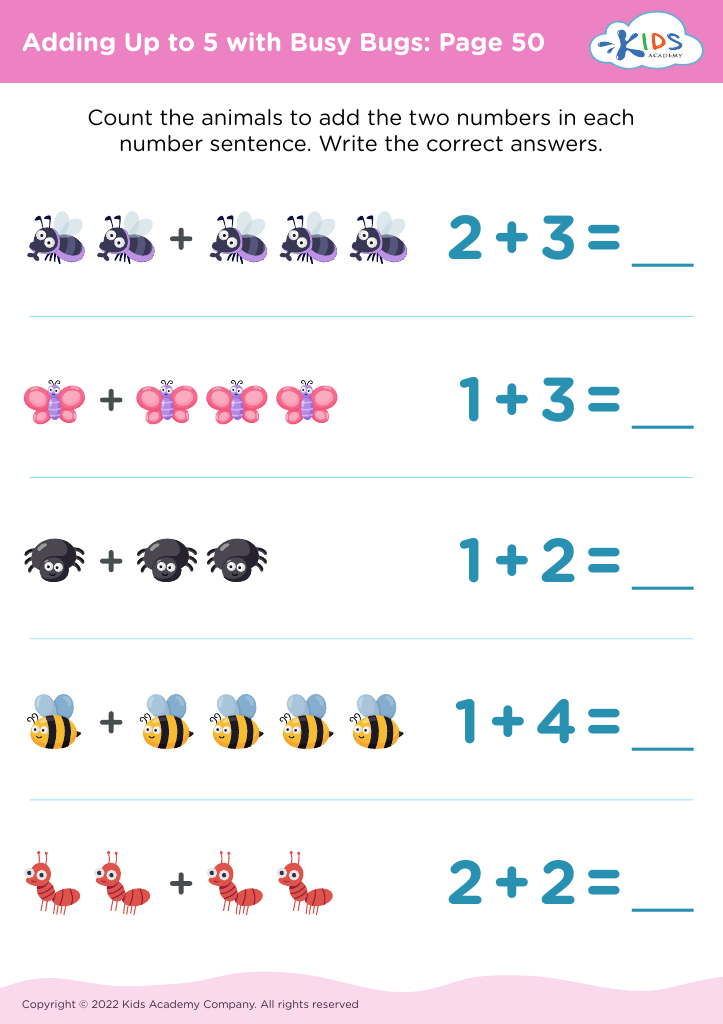
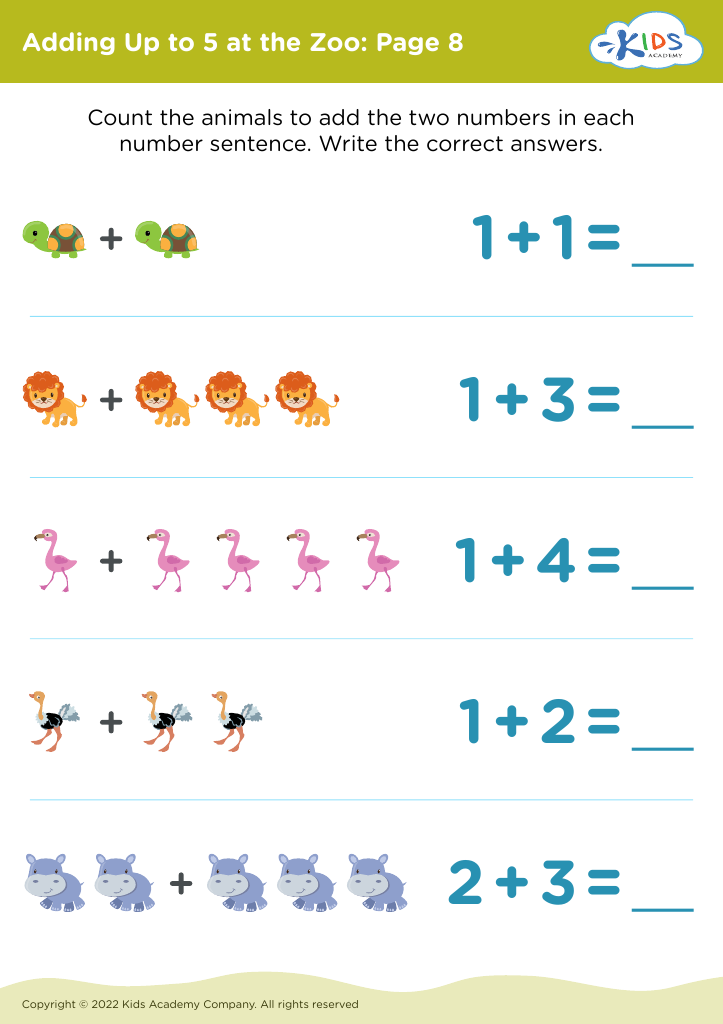
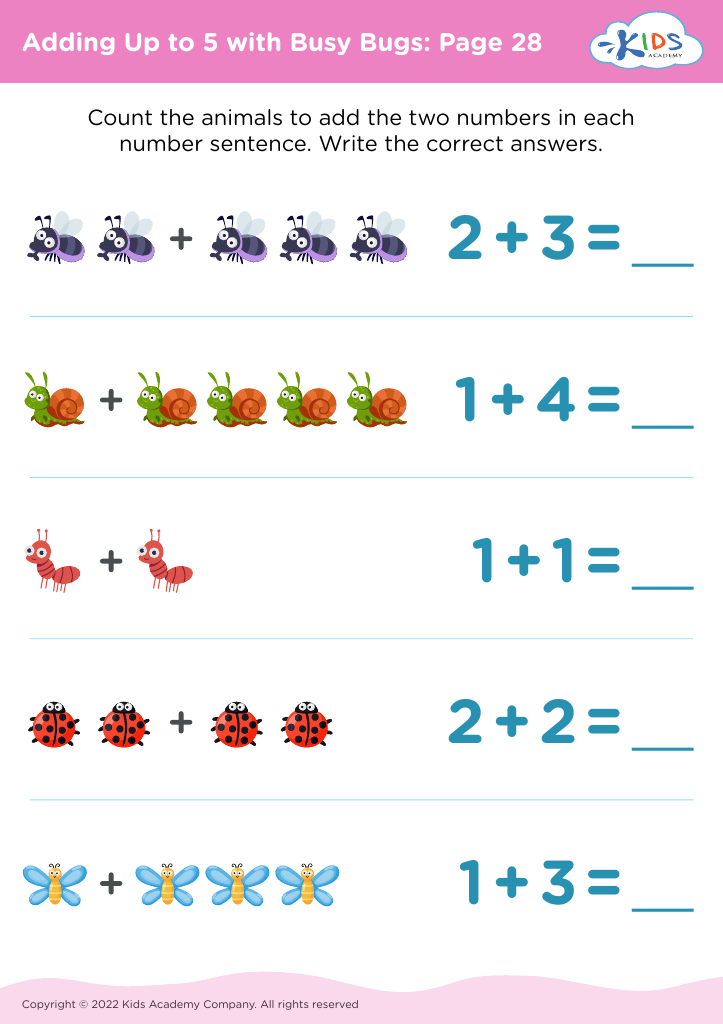
Discover a world of fun and engaging Visual Learning Math Worksheets designed specifically for children aged 3-6! Our carefully crafted worksheets help young learners grasp essential math concepts through eye-catching visuals and interactive activities. Focusing on key skills such as counting, number recognition, and basic addition, these resources ensure that early math learning is both enjoyable and effective. Each worksheet is tailored to foster creativity, critical thinking, and problem-solving abilities, making it a perfect addition to any home or classroom. Dive into our collection and encourage your child's love for math while building a strong foundation for their future!
Favorites
With answer key
Interactive
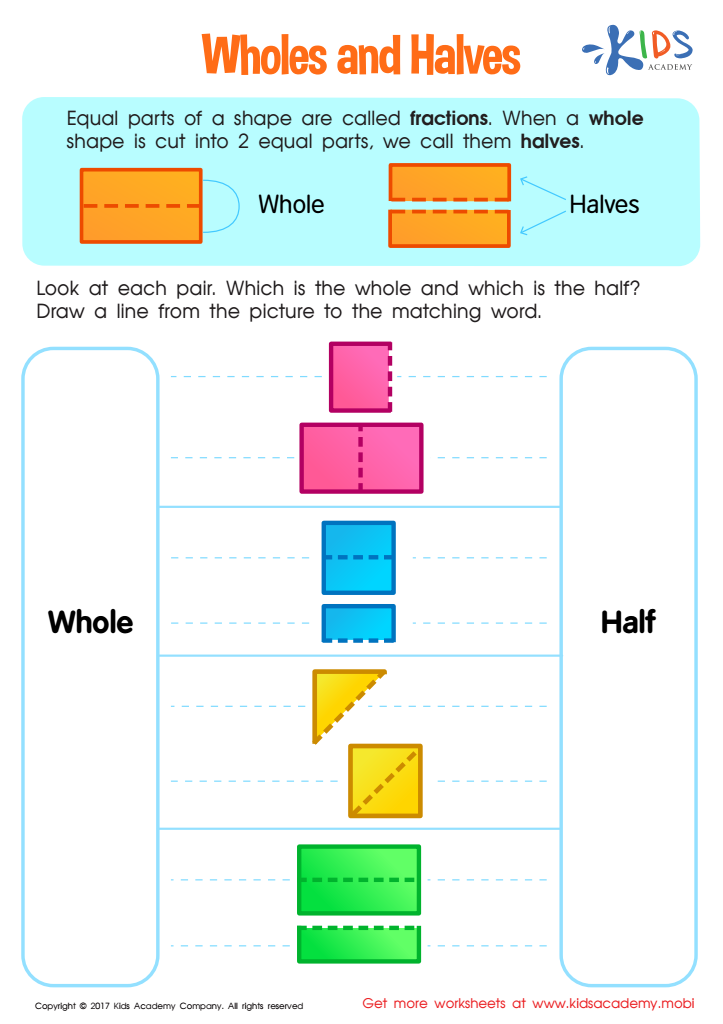
Wholes and Halves Worksheet
Students can feel overwhelmed with fractions. Help take the stress off by using a colorful worksheet to explain whole shapes and how to find halves. Ask them to identify the whole and point to the matching word for the half. A free printout can help guide them.
 Assign to My Students
Wholes and Halves Worksheet
Worksheet
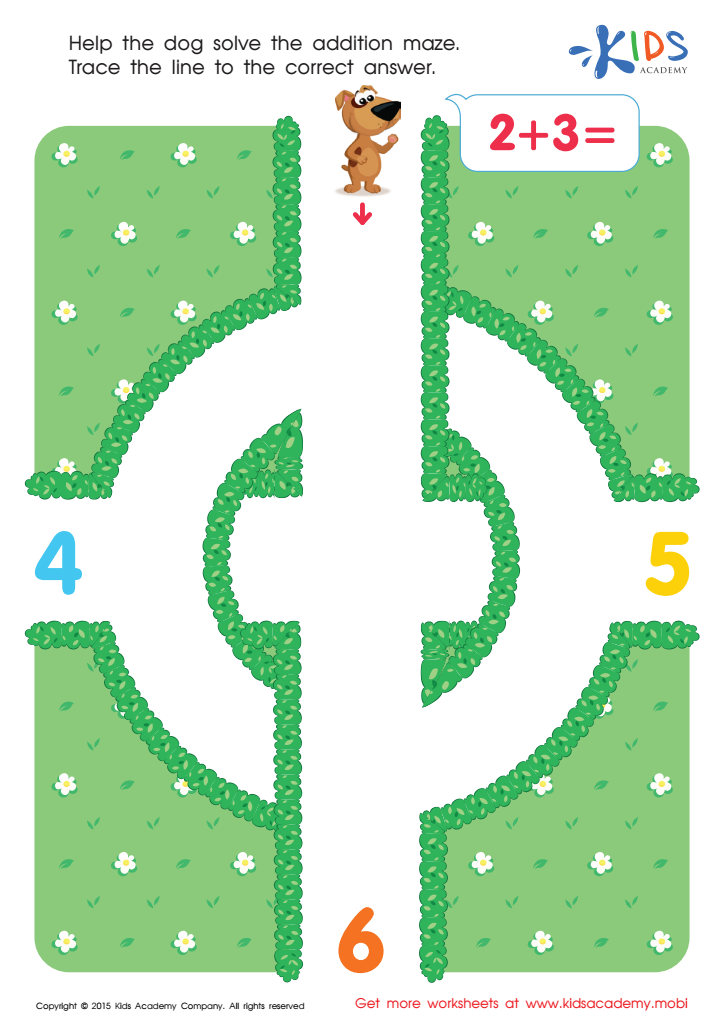
Two And Three Addition Worksheet
Give your children the task and let them find the path to the right answer while they make their way through the maze, and don't forget to let them trace the path.
Two And Three Addition Worksheet
Worksheet
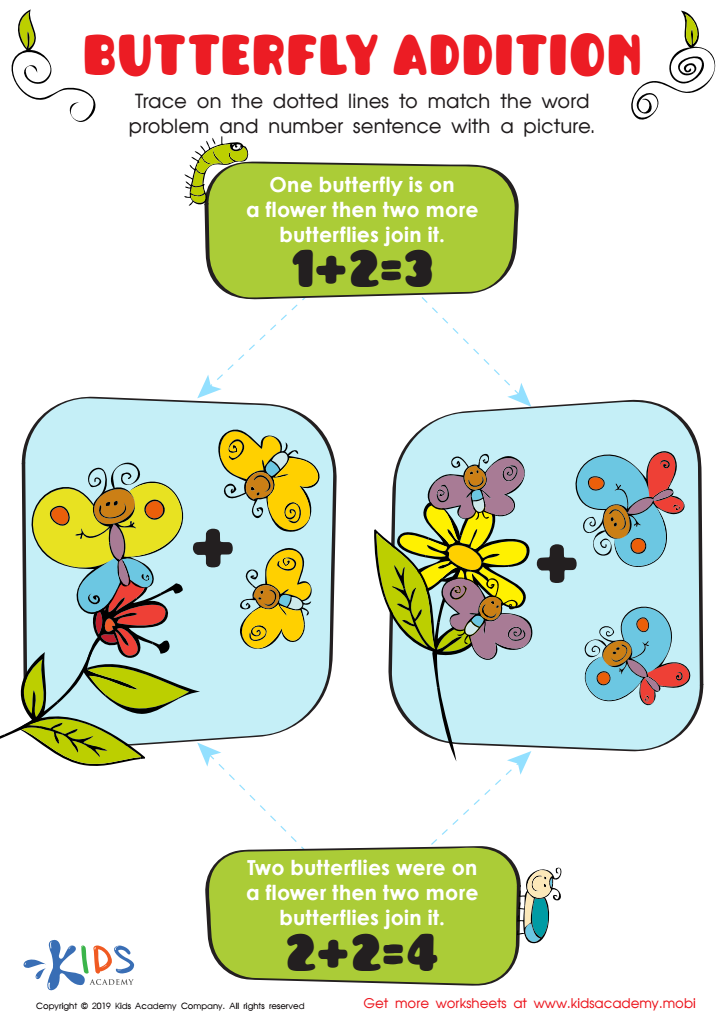
Butterfly Addition Worksheet
This tracing sheet is great for kids to work on math skills and have fun too. Read the word problems to them, then help them trace the dotted lines to match the problem and number sentence to a picture. Not only is it educational, it's beautiful too - your kids will love learning about butterflies!
Butterfly Addition Worksheet
Worksheet
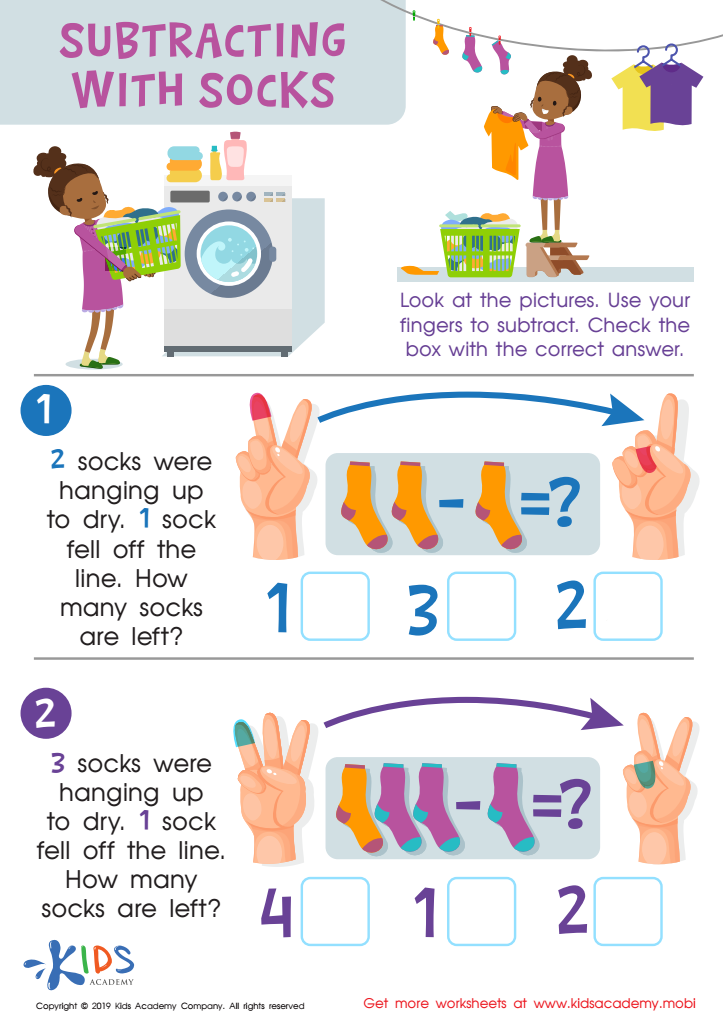
Subtracting Socks Worksheet
Before beginning this exercise with your children, warm them up with a counting game. If math is not their favorite subject, use this worksheet. Help them read the two word problems, then use their fingers to count and subtract. Ask them to select the correct answer and check the box.
Subtracting Socks Worksheet
Worksheet
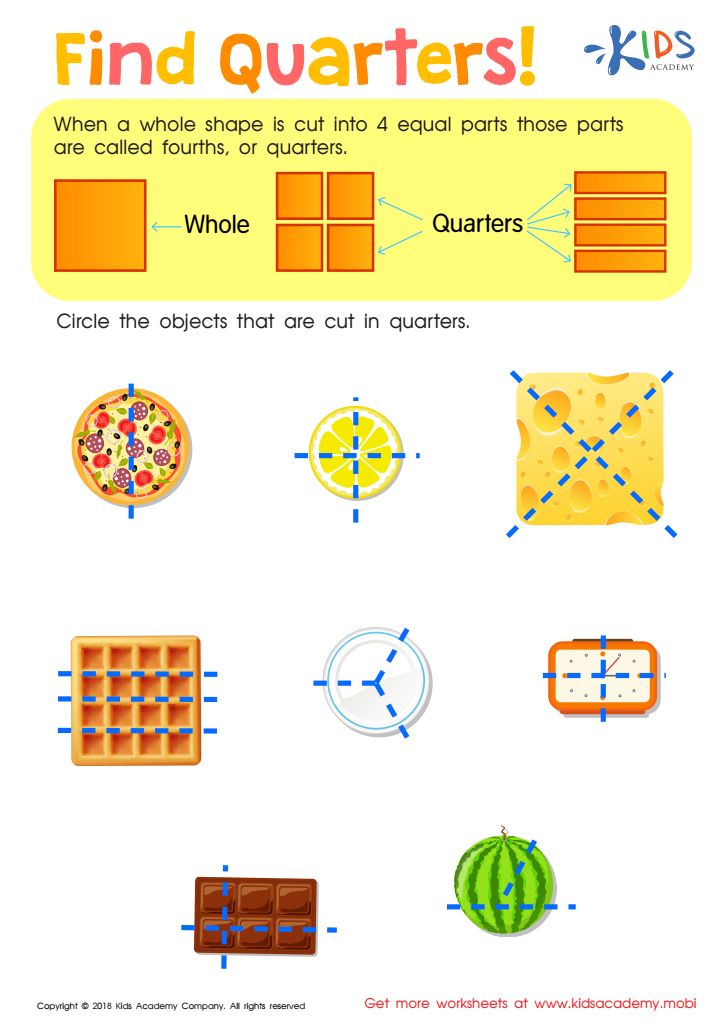
Find Quarters Worksheet
Ask your child if they know what it is called when a shape is cut into two equal parts. If yes, introduce them to quarters. Tell them that when a shape is cut into 4 equal parts, each part is called a quarter. Have them do this exercise by finding and circling objects split into quarters.
Find Quarters Worksheet
Worksheet
Join Kids Academy for Free
Who is primarily going to use this learning content?


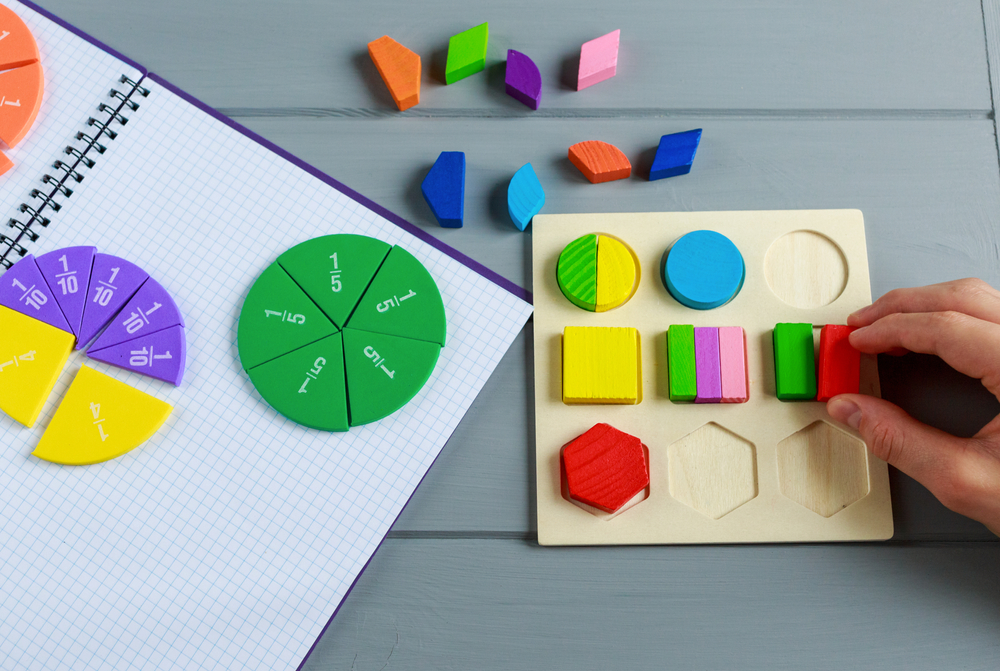




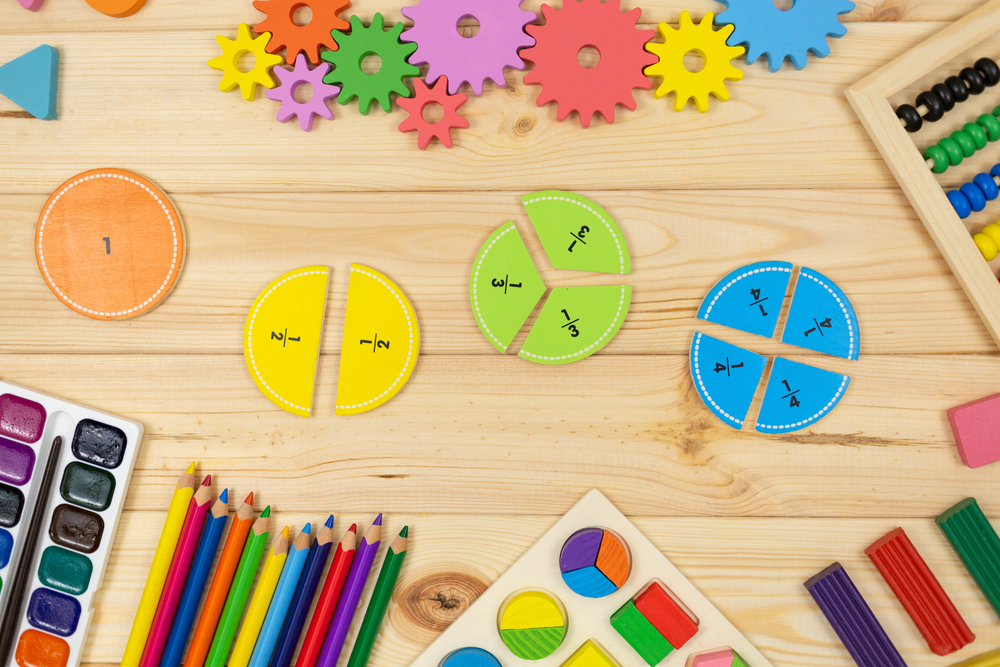
Visual learning math is critical for children aged 3-6 as it caters to their natural ways of understanding and exploring the world. At this developmental stage, young learners are often visual thinkers, deriving meaning from images, colors, and spatial relationships. By incorporating visual elements into math education, teachers and parents can engage these young minds effectively, making abstract concepts tangible and relatable.
Visual learning aids, such as manipulatives, charts, and pictorial representations of numbers, help children grasp reasoning and problem-solving skills early on. This not only fosters a deeper understanding of basic math principles but also builds a solid foundation for future learning. Engaging children with colorful, fun visuals makes math enjoyable and less intimidating, thus preventing math anxiety and creating a positive attitude towards the subject.
Furthermore, integrating visual learning into math practices supports diverse learning styles. It allows educators to reach every child, accommodating those who might struggle with traditional rote learning methods. By prioritizing visual learning math, parents and teachers help develop critical thinking, spatial awareness, and cognitive skills, setting children on a path toward academic success and a lifelong love for learning.








